

Free Zuwara Travel Guide & Mobile App
Explore Zuwara with free travel guides. Discover regional history, expert tips, proposed trips, and audio guides on web or mobile app.


Explore Zuwara’s Mediterranean coast, Amazigh heritage, fishing traditions and western Libyan landscapes with careful local planning.
Read more about Zuwara
When is the best time to visit Zuwara?
Best: May–June, October · 25–28°C| Month | High (°C) | Rainfall (mm) |
|---|---|---|
| January | 16 | 30 |
| February | 17 | 28 |
| March | 19 | 25 |
| April | 22 | 20 |
| May (best) | 25 | 10 |
| June (best) | 28 | 2 |
| July | 31 | 1 |
| August | 31 | 2 |
| September | 29 | 5 |
| October (best) | 26 | 15 |
| November | 22 | 20 |
| December | 18 | 25 |
Getting to and around Zuwara
How to get there
Transportation
Best attractions in Zuwara
Zuwara’s attractions are primarily cultural, coastal and community-based rather than built around a large formal tourism industry. The Mediterranean shoreline provides opportunities for informal beach visits, sea views, fishing observation and locally arranged boat or marine excursions when conditions and security permit. Coastal wildlife, including sea turtles in suitable seasons, is an important environmental interest, but visitors should use responsible operators and keep well away from nesting areas. Within the city, Amazigh cultural life is the central attraction: Tamazight language, music, local food, weaving traditions and community events reveal a living identity that is not confined to a museum. Fishing activity and the waterfront offer insight into the city’s working relationship with the sea. Zuwara can also serve as a base for carefully planned exploration of western Tripolitania, although nearby archaeological destinations must be treated as separate sites and checked for access and security. Facilities, interpretation, public transport and opening arrangements are limited compared with established Mediterranean destinations, so advance local coordination is essential.
-
Sabratha Family Park
Discover tranquility at Sabratha Family Park: a perfect blend of nature, recreation, and family fun in Sabratah, Libya.
-
City Park
Discover tranquility in Zuwara's City Park: a green oasis for relaxation, recreation, and family fun in Libya's coastal gem.
-
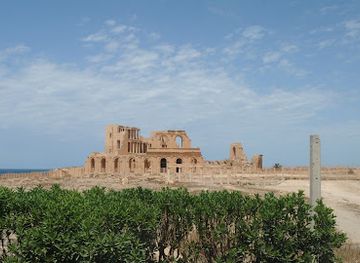
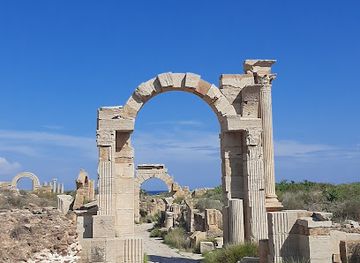
Isis Temple
Explore the ancient Isis Temple in Sabratha, a testament to Roman cultural exchange and Egyptian religious influence.
-
 Historical landmark
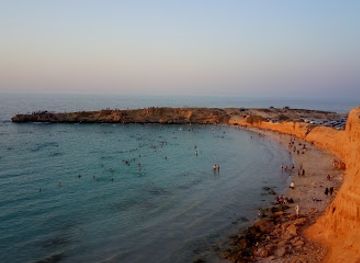
Farwa island zwara.libya
Discover Farwa Island: History, pristine beaches, and tranquil beauty off the coast of Zuwara, Libya, await your exploration.
Best landmarks in Zuwara
Zuwara’s most meaningful landmarks are connected to its coastal setting and Amazigh identity rather than to a concentration of monumental architecture. The Mediterranean waterfront and fishing shoreline provide the clearest physical expression of the city’s relationship with the sea, while the low coastal landscape distinguishes Zuwara from Libya’s inland desert regions. The city’s traditional urban fabric, local mosques and community buildings should be viewed with respect, particularly because many are functioning places of worship or private community life rather than formal monuments. Amazigh cultural spaces and public symbols also carry considerable significance, reflecting the revival of language and identity after 2011. The coastal road and surrounding sandy shore offer broad views and a sense of the city’s geographic position near Tunisia, although border and security infrastructure should never be photographed. The Roman ruins of Sabratha are among the most famous landmarks near Zuwara, but they are outside the city and should be presented as a separate nearby destination, not as a Zuwara landmark.
-
Historical landmark
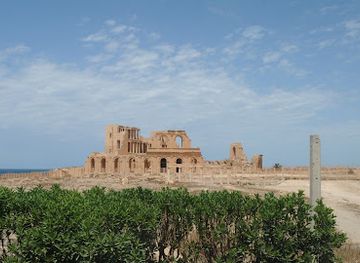
Isis Temple
Explore the ancient Isis Temple in Sabratah, a UNESCO World Heritage Site, showcasing remarkable Roman architecture and rich historical significance.
-
Historical landmark
Basilica of Justinian
Explore the Basilica of Justinian in Sabratah, an architectural marvel showcasing the brilliance of ancient Roman design and history.
-
Historical landmark
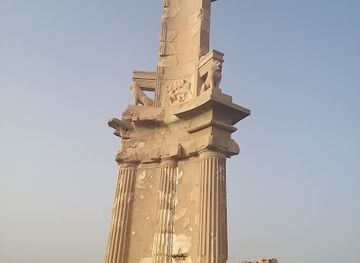
Mausoleum of Bes
Discover the Mausoleum of Bes in Sabratah, a captivating historical landmark showcasing ancient artistry and architectural brilliance in Libya.
-
Historical landmark
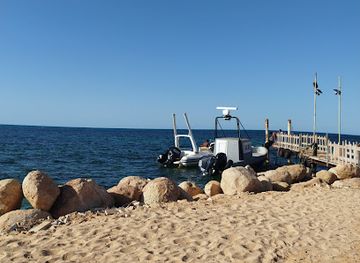
Farwa island zwara.libya
Explore Farwa Island in Zuwara, Libya - a historical landmark with breathtaking views, rich heritage, and pristine beaches perfect for relaxation.
Explore Zuwara on the map
Plan your trip on one map. See where the top cities, national parks and sights are, and book hotels and experiences in a few clicks.
Best hotels in Zuwara
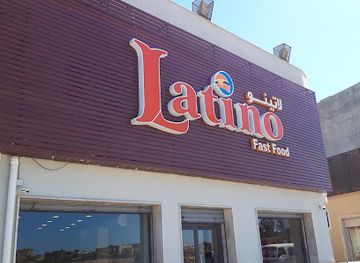
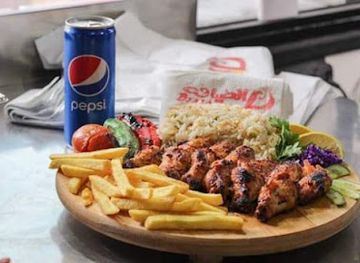
Best restaurants in Zuwara
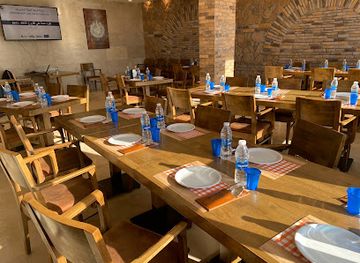
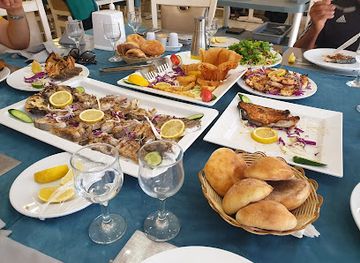
Dining in Zuwara is closely connected to western Libyan and Amazigh home cooking, the Mediterranean coast and the city’s fishing economy. Seafood is a natural feature of local meals, while menus may also include couscous, soups, stews, grilled meats, vegetables, flatbreads, dates and sweet tea. Amazigh culinary traditions vary between families and communities, so visitors should regard local recommendations as more useful than searching for a standardised regional menu. Small restaurants, cafés and informal food businesses tend to provide a more realistic picture of everyday eating than formal international dining. Fresh fish availability is seasonal and depends on the catch, while hospitality may involve shared dishes or food offered through local contacts. Ask about ingredients when dietary requirements matter, carry appropriate supplies for journeys outside the city and confirm payment arrangements before ordering. Alcohol is restricted in Libya, and visitors should follow national law and local norms.
-
Lebanese
Fattoush Lebanese Restaurant
Experience authentic Lebanese flavors at Fattoush Restaurant in Tripoli—where every meal is a celebration of rich culinary heritage.
-
Rubian Restuarant
Experience exquisite seafood at Rubian Restaurant in Tripoli – where local flavors meet Mediterranean charm.
-
-
Restaurant
Aldyafa Restaurant
Experience authentic Libyan cuisine at Aldyafa Restaurant in Tripoli - where tradition meets flavor in every dish.
Best bars in Zuwara
Zuwara does not have a conventional bar-and-nightclub scene. Alcohol is restricted in Libya, and evening social life is more likely to centre on family visits, cafés, tea, restaurants, private gatherings and community events than on licensed nightlife. Local cafés can provide an informal setting for conversation, but opening patterns and public atmospheres vary, particularly during religious periods or times of heightened tension. Cultural performances, Amazigh music and community celebrations may be more significant than commercial entertainment, although these are not guaranteed tourist events. Visitors should dress and behave conservatively, avoid photographing gatherings without permission and follow the advice of local hosts about appropriate places and times to go out. Much of Zuwara becomes quiet after evening activity ends, so travellers should arrange transport back to their accommodation rather than rely on late public services.
-
Pub
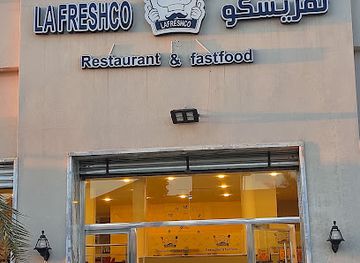
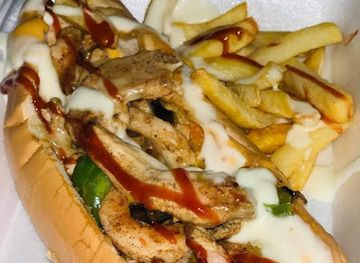
لافريشكو
Experience the essence of Italy at لافريشكو in Zuwara, where authentic flavors and a warm atmosphere create unforgettable dining moments.
-
Pub
قهوة الروشن
Discover the authentic taste of Libya at قهوة الروشن in Zuwara, where traditional flavors and welcoming ambiance await every visitor.
-
Pub
صالة الملكة نوميديا
Experience the charm of صالة الملكة نوميديا in Zuwara, a tranquil lounge perfect for unwinding and enjoying local culture.
-
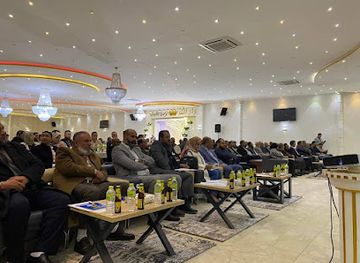
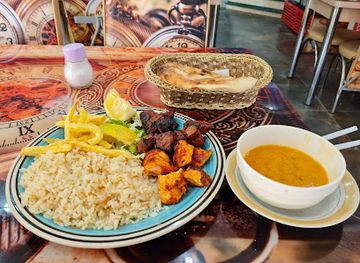
المطعم التركي Turkish Restaurant
Experience authentic Turkish flavors at المطعم التركي in Zuwara, where every bite tells a story of rich culinary tradition.
Best nightclubs in Zuwara
Zuwara does not have a conventional bar-and-nightclub scene. Alcohol is restricted in Libya, and evening social life is more likely to centre on family visits, cafés, tea, restaurants, private gatherings and community events than on licensed nightlife. Local cafés can provide an informal setting for conversation, but opening patterns and public atmospheres vary, particularly during religious periods or times of heightened tension. Cultural performances, Amazigh music and community celebrations may be more significant than commercial entertainment, although these are not guaranteed tourist events. Visitors should dress and behave conservatively, avoid photographing gatherings without permission and follow the advice of local hosts about appropriate places and times to go out. Much of Zuwara becomes quiet after evening activity ends, so travellers should arrange transport back to their accommodation rather than rely on late public services.
-
Night club
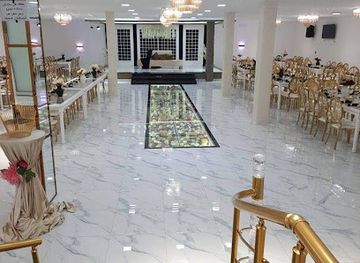
قاعة وايت دريم للافراح و المناسبات الاجتماعية
Discover elegance and exquisite dining at قاعة وايت دريم, the ultimate venue for weddings and special events in Sabratah.
-
Night club
شعبت هلال الهيرا
Embrace the rhythm of Libya at Shab'at Hilal Al-Hira, an electrifying disco club where unforgettable nights come alive.
-
Night club
Walter Black cucina roba blu
Immerse yourself in the vibrant nightlife of Murzuq at Walter Black Cucina Roba Blu, where music, culture, and fun come together.
-
Night club
سعيد بوجناح
Discover the energetic nightlife of Tamzawa at سعيد بوجناح, a premier disco club where music and culture blend for an unforgettable experience.
Best shops in Zuwara
Shopping in Zuwara is local and practical, with small shops, food sellers, markets and independent traders serving residents rather than a large visitor economy. Visitors may find dates, spices, olive products, bread, locally prepared foods and everyday goods, while Amazigh cultural products such as woven textiles, jewellery or decorative items may be available through local makers or community contacts. Availability and authenticity vary, so ask about the origin of handmade items and pay fairly without treating bargaining as a performance. There is no dependable luxury-shopping district or broad chain-retail offer to plan around. Carry cash in Libyan dinars, especially for smaller purchases, and remember that card payments may not work. Food products should be packed with regard to customs rules and travel restrictions, while archaeological objects, old coins and antiquities must never be bought or taken out of the country.
-
Grocery store
ميني ماركت - mini market
Explore Zuwara's Mini Market, your go-to grocery store for fresh produce and local snacks in the heart of the city.
-
Clothing store
Tsaoh clothing
Explore Tsaoh Clothing in Zuwara for trendy fashion and unique local styles that elevate your wardrobe while you travel.
-
Shopping mall
Zuwara Mall
Discover the heart of shopping in Libya at Zuwara Mall, where international brands and local flavors create an unforgettable shopping experience.
-
Clothing store
Cactus couture
Discover unique local fashion at Cactus Couture in Zuwara, where style meets cultural elegance in every piece.

Get your free copy of our complete guide to Zuwara, delivered straight to you.
Everything on this page, from attractions and restaurants to essentials and local phrases, in one PDF you can read offline, print or share.
Already have an account? Sign in
Your Zuwara guide is ready.
We'll send it to · Not you? Sign out

Getting your guide ready…
We are putting together a fresh copy of the Zuwara guide. This can take up to a minute.
This can take a few moments. If your browser asks, choose Allow so the download can start. You'll find the guide in your Downloads folder.
Nothing happened? Download it again
Sorry, the guide is taking longer than usual. Please try again in a minute, or get it by email instead.
Zuwara essentials
Currency and Payment
Safety
Emergency Situations
Do's and Don'ts
Local Tips
From Eve
Local phrases worth knowing
You don't need to get them perfect. A few words go a long way, and locals appreciate the effort.
Basics
| English | Local | Say it |
|---|---|---|
| Hello | مرحبا | [Marhaban] |
| Goodbye | وداعا | [Wada'an] |
| Yes | نعم | [Na'am] |
| No | لا | [La] |
| Please/You're welcome | من فضلك | [Min fadlik] |
| Thank you | شكرا | [Shukran] |
| Excuse me/Sorry | عفوا | [Afwan] |
| How are you? | كيف حالك؟ | [Kayfa halak?] |
| Fine. And you? | بخير. وأنت؟ | [Bikhayr. Wa anta?] |
| Do you speak English? | هل تتحدث الإنجليزية؟ | [Hal tatahaddath al-ingliziyya?] |
| I don't understand | لا أفهم | [La afham] |
Eating & Drinking
| English | Local | Say it |
|---|---|---|
| I'd like to see the menu, please | أود رؤية القائمة، من فضلك | [Awad ru'yat al-qa'ima, min fadlik] |
| I don't eat meat | لا أتناول اللحم | [La atanaawal al-lahm] |
| Cheers! | صحتين | [Sahtein] |
| I would like to pay, please | أود الدفع، من فضلك | [Awad al-daf', min fadlik] |
Emergencies
| English | Local | Say it |
|---|---|---|
| Help! | نجدة! | [Najda!] |
| Go away! | ابتعد! | [Ibt'id!] |
| Call the Police! | اتصل بالشرطة! | [Ittasil bil-shurta!] |
| Call a doctor! | اتصل بطبيب! | [Ittasil bi-tabeeb!] |
| I'm lost | أنا ضائع | [Ana da'i'] |
| I'm ill | أنا مريض | [Ana marid] |
Shopping
| English | Local | Say it |
|---|---|---|
| I'd like to buy... | أود أن أشتري... | [Awad an ashtari...] |
| I'm just looking | أنا فقط أنظر | [Ana faqat anzur] |
| How much is it? | كم سعره؟ | [Kam si'ruh?] |
| That's too expensive | هذا مكلف جدا | [Hatha mukallaf jidan] |
| Can you lower the price? | هل يمكنك خفض السعر؟ | [Hal yumkinuka khafd al-si'r?] |
Time & Numbers
| English | Local | Say it |
|---|---|---|
| What time is it? | كم الساعة؟ | [Kam al-saa'a?] |
| It's one o'clock | الساعة واحدة | [Al-saa'a wahida] |
| Half past (10) | العاشرة والنصف | [Al-‘ashira wal-nisf] |
| Morning | صباحا | [Sabaahan] |
| Afternoon | بعد الظهر | [Ba'd al-dhuhr] |
| Evening | مساء | [Masa'a] |
| Yesterday | أمس | [Ams] |
| Today | اليوم | [Al-yawm] |
| Tomorrow | غدا | [Ghadan] |
| 1 | واحد | [Wahid] |
| 2 | اثنان | [Ithnan] |
| 3 | ثلاثة | [Thalatha] |
| 4 | أربعة | [Arba'a] |
| 5 | خمسة | [Khamsa] |
| 6 | ستة | [Sitta] |
| 7 | سبعة | [Sab'a] |
| 8 | ثمانية | [Thamaniya] |
| 9 | تسعة | [Tis'a] |
| 10 | عشرة | [Ashara] |
Transport & Directions
| English | Local | Say it |
|---|---|---|
| Where's a/the...? | أين...؟ | [Ayna...?] |
| What's the address? | ما هو العنوان؟ | [Ma huwa al-'unwan?] |
| Can you show me (on the map)? | هل يمكنك أن تريني (على الخريطة)؟ | [Hal yumkinuka an turini (ala al-kharita)?] |
| When's the next (bus)? | متى يكون (الباص) التالي؟ | [Mata yakun (al-bus) al-tali?] |
| A ticket (to ....) | تذكرة (إلى....) | [Tadhkara (ila....)] |
History of Zuwara
Ancient Tripolitanian Coast
Zuwara lies within the wider historical landscape of Tripolitania, the coastal region shaped by Phoenician, Carthaginian, Roman and later Mediterranean connections. The best-known Roman remains of the western Libyan coast are at Sabratha, which is nearby but separate from Zuwara. The coastal plain supported fishing, farming and maritime exchange, while inland communities maintained their own social and linguistic traditions. Zuwara’s later Amazigh identity developed within this layered North African environment rather than from a single ancient settlement.
Amazigh Settlement and Community Identity
The city’s name is associated with the Zwara Amazigh community, whose presence forms the foundation of modern Zuwara’s cultural identity. Amazigh communities have long inhabited parts of north-western Libya, maintaining distinctive speech, family networks, oral traditions and agricultural and maritime practices. Written records for local history are uneven, so many aspects of community continuity are preserved through language, genealogy, customary knowledge and material culture rather than through monumental ruins.
Ottoman Tripolitania
From the sixteenth century, the coastal towns of Tripolitania were incorporated into the Ottoman regency centred on Tripoli. Ottoman authority connected the region to wider Mediterranean political and commercial networks, although control outside major settlements could be indirect and variable. Zuwara’s coastal position gave it relevance within local maritime activity, while surrounding communities retained strong local identities. This period helped link western Libya to the political and trading world of Ottoman North Africa.
Italian Rule and Colonial Reorganisation
Italy invaded Ottoman Libya in 1911 and subsequently imposed colonial rule across Tripolitania. The period brought military occupation, administrative reorganisation and attempts to control land, movement and local populations. Resistance occurred across Libya, and colonial violence had lasting effects on communities and the region’s political memory. In western Libya, Italian rule also tied ports, roads and coastal settlements more closely to colonial economic priorities, although development was unequal and largely served imperial interests.
Libyan Independence and the Kingdom
Libya became independent in 1951 as the United Kingdom of Libya, later becoming a unified kingdom under Idris. Zuwara formed part of the western coastal society increasingly connected to the institutions of the new state. The discovery and exploitation of oil transformed Libya’s economy during the twentieth century, bringing national revenue and urban change, although local communities experienced these developments unevenly. Arabic dominated official public life, while Amazigh identity continued through private and community settings.
The Gaddafi Era
Muammar Gaddafi’s rule, beginning in 1969, centralised political power and restricted independent public organisation. Amazigh language and cultural expression faced particular pressure, and public recognition of Amazigh identity was limited. In Zuwara, as elsewhere in Amazigh Libya, language and community traditions nevertheless survived through family life and informal cultural transmission. The period also brought extensive state control over travel, associations, media and local political activity.
The 2011 Uprising and Amazigh Cultural Revival
Zuwara played a prominent role during the 2011 uprising against Gaddafi, after which Amazigh cultural expression became more visible in public life. Tamazight education, cultural organisations, publishing and public debate expanded in western Libya, although political instability and institutional fragmentation complicated long-term development. Since 2011, Zuwara has remained important in discussions about Libya’s plural identity, local autonomy, minority rights and the place of Amazigh heritage in national culture.
Zuwara in Photos
Browse through our photo collection highlighting the charm and character of the destination.
Neighbouring regions of Zuwara
The closest regions to Zuwara, if you have time for more than one.
-

-

-

-

-


Swipe for more regions
Explore more

Explore more of Libya
Discover Libya: Ancient ruins, vast deserts, and Mediterranean charm await in this North African gem.
Explore Libya