

Free Mauren Travel Guide & Mobile App
Plan your Mauren trip with Evendo. Get free guides to top attractions, restaurants, hotels, and bars. Web access or download the mobile app.


Mauren, Liechtenstein, pairs village life with MuseumMura, historic churches, Eschnerberg walks and easy access to the Rhine Valley and Alpine scenery.
Village Character and Setting
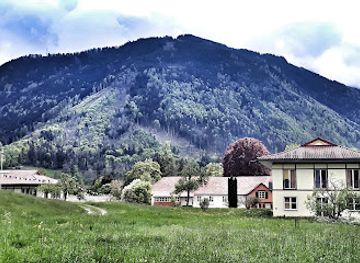
Mauren lies in northern Liechtenstein, close to the Austrian border and within the settlement area known as the Unterland. The municipality includes Mauren itself and the smaller village of Schaanwald, spreading between the wooded slopes of the Eschnerberg and the broad Rhine Valley. Its setting gives the place a distinctly rural character: orchards, meadows and forest paths remain close to residential streets, while the mountains of the Three Sisters and the wider Alpine landscape form a dramatic southern backdrop.Read more about Mauren
History in the Landscape
Walking and Regional Connections
When is the best time to visit Mauren?
Best: June–August · 24–26°C| Month | High (°C) | Rainfall (mm) |
|---|---|---|
| January | 3 | 40 |
| February | 4 | 35 |
| March | 8 | 30 |
| April | 13 | 25 |
| May | 19 | 20 |
| June (best) | 24 | 15 |
| July (best) | 26 | 10 |
| August (best) | 25 | 10 |
| September | 20 | 20 |
| October | 15 | 25 |
| November | 8 | 30 |
| December | 2 | 35 |
Getting to and around Mauren
How to get there
Transportation
Best attractions in Mauren
Mauren’s attractions are modest in scale but rewarding for visitors interested in local history and countryside. MuseumMura presents the municipality’s archaeological discoveries, customs and social history, making it a useful starting point for understanding the Eschnerberg and the villages of northern Liechtenstein. The parish church of Saints Peter and Paul is the community’s principal historic building, while nearby civic and traditional structures reveal how religious and communal life shaped the settlement. Walking routes lead from Mauren and Schaanwald into woodland, meadows and the wider Eschnerberg, with changing views towards the Rhine Valley and Alpine foothills. The neighbouring ridge villages of Eschen, Gamprin and Schellenberg can be reached on foot or by bus, turning Mauren into a base for a broader rural itinerary. Visitors seeking a more urban cultural experience can continue towards Vaduz or Feldkirch, but Mauren itself is best appreciated through its museum, village landscape and accessible walking paths.
-
Tourist attraction
Buddhist Monastery Letzehof
Find serenity at a Gelug Buddhist monastery in Frastanz, Austria, offering meditation, teachings, and a peaceful escape in the Vorarlberg region.
11 min drive · 3.6 km from city centre
-
Tourist attraction
Riet-Bänkchen
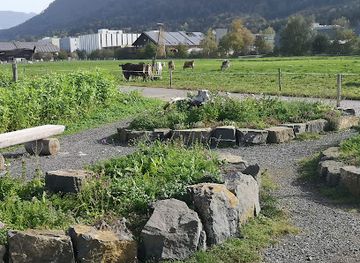
Escape to the serene beauty of Riet-Bänkchen in Mauren, Liechtenstein, for a peaceful retreat in nature's embrace.
10 min walk · 0.8 km from city centre
Best landmarks in Mauren
The parish church of Saints Peter and Paul is Mauren’s most prominent historic landmark, its position and continuing religious role reflecting the central place of the parish in village life. MuseumMura is an important cultural landmark rather than a monumental one: its displays preserve archaeological evidence, domestic memories and the story of a community shaped by farming, faith and the Eschnerberg. Traditional village buildings and civic facilities around Mauren provide further reminders of its rural development, while Schaanwald adds a second settlement character within the municipality. The wider Eschnerberg is itself a landscape landmark, a long inhabited ridge whose elevated fields, woods and villages contrast with the Rhine Valley below. For architectural variety, visitors can extend their route to nearby Eschen or Feldkirch, but Mauren’s identity is expressed through the combination of parish heritage, local museum culture and a lived-in countryside setting.
-
Animal park
Vogelparadies Birka
Explore Vogelparadies Birka, an enchanting animal park in Mauren showcasing diverse bird species in a serene, picturesque setting perfect for families and nature lovers.
7 min walk · 0.6 km from city centre
-
 Club
Clubs'Loch
Discover the electrifying nightlife at s'Loch, Mauren's top club for dancing and entertainment in a vibrant atmosphere.
2 min walk · 0.1 km from city centre
-
Local history museum
MuseumMura
Explore the fascinating history of Liechtenstein at MuseumMura, a local history museum in Schaanwald, where culture and heritage come alive.
12 min walk · 0.9 km from city centre
-
Museum
Bäuerliches Wohnmuseum
Explore Liechtenstein's rich agricultural heritage at the Bäuerliches Wohnmuseum in Schellenberg, a captivating museum that brings rural history to life.
5 min drive · 1.7 km from city centre


Explore Mauren on the map
Plan your Mauren trip on one map. See where the top attractions, landmarks, restaurants, bars and hotels are, find what's near where you're staying, and book hotels and experiences in a few clicks.
Best hotels in Mauren
Best restaurants in Mauren
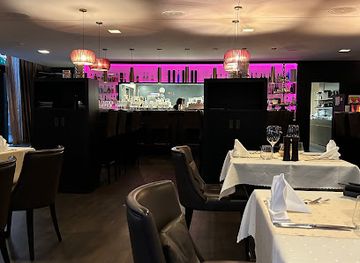
Mauren’s dining scene reflects its small population and rural setting rather than a concentrated restaurant quarter. Local menus in Liechtenstein commonly draw on Alpine and Central European traditions, with hearty soups, rösti, dumplings, seasonal vegetables, cheese and meat dishes appearing more often than elaborate regional specialities. Nearby Swiss and Austrian influences are natural in this borderland, while bakeries and cafés provide simpler places for coffee, pastries and light meals. Restaurants and inns in Mauren and neighbouring Unterland municipalities tend to serve local residents as well as visitors, so opening patterns can vary and advance checking is sensible. The town is also close enough to Eschen, Schaan and Feldkirch for a wider choice of dining styles. Food shopping and informal picnics can work well for walkers, particularly when exploring the Eschnerberg, but visitors should not expect a large market or a late-night culinary scene.
-
Italian
Kokon
Experience authentic Italian cuisine at Kokon, Ruggell's favorite dining spot known for its warm atmosphere and delectable dishes.
11 min drive · 3.7 km from city centre
-
Restaurant
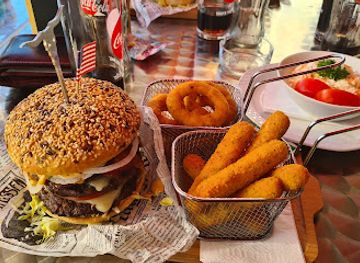
1950 American Diner
Discover retro charm at the 1950 American Diner in Schaanwald – where classic comfort food meets nostalgic ambiance.
17 min walk · 1.4 km from city centre
-
Restaurant
Fago by meier
Experience culinary excellence at Fago by Meier in Eschen – where tradition meets innovation in every exquisite dish.
5 min drive · 1.8 km from city centre
-
Italian
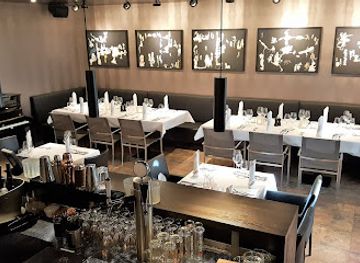
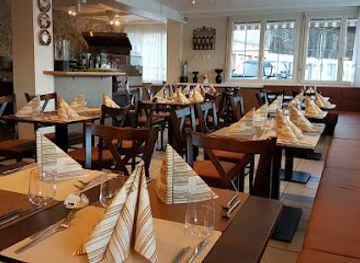
Ristorante Pizzeria Sapori
Discover authentic Italian cuisine at Ristorante Pizzeria Sapori in Schaanwald – where every meal is a celebration of flavor.
5 min drive · 1.6 km from city centre
Best bars in Mauren
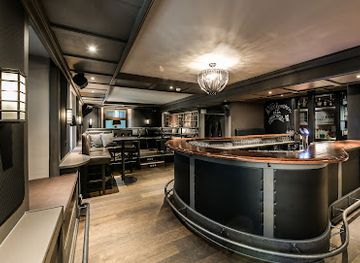
Mauren has a quiet evening culture rather than a defined nightlife district or club scene. Evenings are generally centred on restaurants, local inns, cafés and community activities, with social life often connected to village associations, seasonal celebrations and events at municipal or cultural venues. The atmosphere is convivial but low-key, and late-night entertainment is limited compared with Vaduz or larger towns across the border in Austria and Switzerland. Visitors looking for concerts, theatre or a broader selection of bars can consider Vaduz, Schaan or Feldkirch, subject to current programmes and transport connections. In Mauren, the most characteristic evening experience is a relaxed meal or a local event rather than a circuit of venues. Quiet behaviour is appropriate in residential areas, particularly when returning from neighbouring towns by bus or on foot.
-
Thai
Mai Thai Restaurant
Experience authentic Thai cuisine at Mai Thai Restaurant in Mauren, featuring fresh ingredients and traditional flavors in a welcoming atmosphere.
6 min walk · 0.5 km from city centre
-
Bar
Gasthaus zum Hirschen
Discover the delightful flavors of Gasthaus zum Hirschen in Mauren, where local cuisine meets warm hospitality in a cozy atmosphere.
4 min walk · 0.3 km from city centre
-
Bar
St. Martins Pub am Platz
Discover St. Martins Pub am Platz: A lively Irish pub and restaurant in Eschen offering delightful cuisine and a warm atmosphere.
5 min drive · 1.6 km from city centre
-
Bar tabac
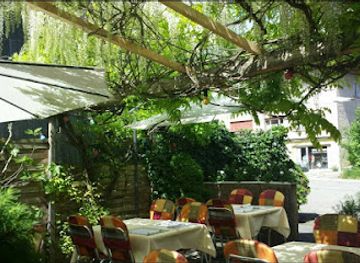
Ethno Cafe Bar
Discover the vibrant atmosphere and unique flavors at Ethno Cafe Bar in Schaanwald, a perfect spot for relaxation and enjoyment.
5 min drive · 1.5 km from city centre


Best nightclubs in Mauren
Mauren has a quiet evening culture rather than a defined nightlife district or club scene. Evenings are generally centred on restaurants, local inns, cafés and community activities, with social life often connected to village associations, seasonal celebrations and events at municipal or cultural venues. The atmosphere is convivial but low-key, and late-night entertainment is limited compared with Vaduz or larger towns across the border in Austria and Switzerland. Visitors looking for concerts, theatre or a broader selection of bars can consider Vaduz, Schaan or Feldkirch, subject to current programmes and transport connections. In Mauren, the most characteristic evening experience is a relaxed meal or a local event rather than a circuit of venues. Quiet behaviour is appropriate in residential areas, particularly when returning from neighbouring towns by bus or on foot.
-
Bar tabac
Ethno Cafe Bar
Experience local culture and vibrant nightlife at Ethno Cafe Bar in Schaanwald, where great drinks and friendly faces await.
5 min drive · 1.5 km from city centre
-
Bar
Räbabar
Discover the warmth of Räbabar, the perfect bar in Mauren for unwinding with drinks and enjoying the vibrant local atmosphere.
4 min walk · 0.3 km from city centre
-
Club
s'Loch
Experience the vibrant nightlife at s'Loch, Mauren's top club for unforgettable music, dancing, and socializing.
2 min walk · 0.1 km from city centre
-
Club
Seniorenmusik Liechtenstein
Discover the heartwarming musical community at Seniorenmusik Liechtenstein, where seniors celebrate life through the joy of music in the lovely town of Mauren.
3 min walk · 0.2 km from city centre

Best shops in Mauren
Shopping in Mauren is designed primarily around everyday local needs rather than department stores, designer streets or a large tourist market. Small shops and services serve residents, while supermarkets and retail areas in nearby Eschen, Schaan and Feldkirch provide a broader choice. Visitors interested in distinctive goods can look for Liechtenstein-made food products, wine, chocolate, handicrafts and locally themed souvenirs, although availability varies by shop and season. The municipality’s most meaningful purchases are often connected to its cultural identity: publications from local museums, regional produce or craft items reflecting Alpine traditions. Mauren is also a practical place to buy provisions before walking across the Eschnerberg. For larger retail concentrations, Feldkirch in Austria and the commercial centres of the Rhine Valley are more suitable than the village itself, with cross-border travel requiring attention to transport and customs rules.
-
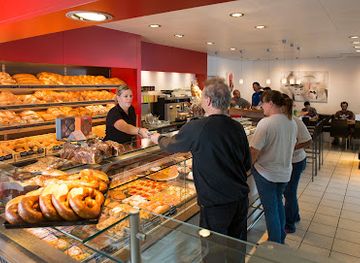
Bakery
Mündle Bakeries AG
Experience the authentic flavors of Liechtenstein at Mündle Bakeries AG, where every pastry tells a story of tradition and quality.
1 min walk · 0.1 km from city centre
-
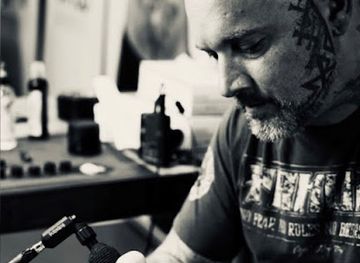
Tattoo shop
Tattoo Dydy | Dydy Gassner
Discover unique artistry and exceptional craftsmanship at Tattoo Dydy | Dydy Gassner, the premier tattoo destination in Mauren, Liechtenstein.
9 min walk · 0.7 km from city centre
-
Gift shop
omni bücher spiele und mehr
Explore omni bücher spiele und mehr in Eschen for unique gifts and local crafts, a must-visit for tourists seeking memorable souvenirs.
5 min drive · 1.8 km from city centre
-
Gift shop
Liechtenkind Naturkosmetik & Handgemachte Naturprodukte
Explore Liechtenkind Naturkosmetik for exquisite handmade beauty products and gifts crafted from nature's finest ingredients in Gamprin.
8 min drive · 2.6 km from city centre


Get your free copy of our complete guide to Mauren, delivered straight to you.
Everything on this page, from attractions and restaurants to essentials and local phrases, in one PDF you can read offline, print or share.
Already have an account? Sign in
Your Mauren guide is ready.
We'll send it to · Not you? Sign out

Getting your guide ready…
We are putting together a fresh copy of the Mauren guide. This can take up to a minute.
This can take a few moments. If your browser asks, choose Allow so the download can start. You'll find the guide in your Downloads folder.
Nothing happened? Download it again
Sorry, the guide is taking longer than usual. Please try again in a minute, or get it by email instead.
Mauren essentials
Currency and Payment
Safety
Emergency Situations
Do's and Don'ts
Local Tips
From Eve
Local phrases worth knowing
You don't need to get them perfect. A few words go a long way, and locals appreciate the effort.
Basics
| English | Local | Say it |
|---|---|---|
| Hello | Hallo | [ha-lo] |
| Goodbye | Adieu | [a-dju] |
| Yes | Ja | [ya] |
| No | Nein | [nine] |
| Please/You're welcome | Bitte | [bi-te] |
| Thank you | Danke | [dan-ke] |
| Excuse me/Sorry | Entschuldigung | [ent-shool-di-gung] |
| How are you? | Wie geht es dir? | [vee geyt es deer] |
| Fine. And you? | Gut. Und dir? | [goot oont deer] |
| Do you speak English? | Sprechen Sie Englisch? | [shprek-en zee eng-lish] |
| I don't understand | Ich verstehe nicht | [ikh fer-shtey-e nikht] |
Eating & Drinking
| English | Local | Say it |
|---|---|---|
| I'd like to see the menu, please | Ich möchte die Speisekarte sehen, bitte | [ikh merkhte dee shpy-ze-kar-te zeyen, bi-te] |
| I don't eat meat | Ich esse kein Fleisch | [ikh es-se kine fleysh] |
| Cheers! | Prost! | [prost] |
| I would like to pay, please | Ich möchte bitte bezahlen | [ikh merkhte bi-te bey-tsah-len] |
Emergencies
| English | Local | Say it |
|---|---|---|
| Help! | Hilfe! | [hil-fe] |
| Go away! | Gehen Sie weg! | [gey-en zee vayg] |
| Call the Police! | Rufen Sie die Polizei! | [roo-fen zee dee po-lee-tsey] |
| Call a doctor! | Rufen Sie einen Arzt! | [roo-fen zee i-nen artsht] |
| I'm lost | Ich habe mich verirrt | [ikh ha-be meesh fey-rirt] |
| I'm ill | Ich bin krank | [ikh been krunk] |
Shopping
| English | Local | Say it |
|---|---|---|
| I'd like to buy... | Ich möchte kaufen... | [ikh merkhte kow-fen] |
| I'm just looking | Ich schaue nur | [ikh shoy-e noor] |
| How much is it? | Wie viel kostet es? | [vee feel kos-tet es] |
| That's too expensive | Das ist zu teuer | [das ist tsoy toy-er] |
| Can you lower the price? | Können Sie den Preis senken? | [kern-en zee den preys zen-ken] |
Time & Numbers
| English | Local | Say it |
|---|---|---|
| What time is it? | Wie spät ist es? | [vee shpet ist es] |
| It's one o'clock | Es ist ein Uhr | [es ist ine oor] |
| Half past (10) | Halb elf | [halb elf] |
| Morning | Morgen | [mor-gen] |
| Afternoon | Nachmittag | [nah-mit-tahg] |
| Evening | Abend | [ah-bend] |
| Yesterday | Gestern | [ge-stern] |
| Today | Heute | [hoy-te] |
| Tomorrow | Morgen | [mor-gen] |
| 1 | eins | [ines] |
| 2 | zwei | [tsvai] |
| 3 | drei | [dry] |
| 4 | vier | [feer] |
| 5 | fünf | [foonf] |
| 6 | sechs | [zeks] |
| 7 | sieben | [zee-ben] |
| 8 | acht | [akht] |
| 9 | neun | [noyn] |
| 10 | zehn | [tsen] |
Transport & Directions
| English | Local | Say it |
|---|---|---|
| Where's a/the...? | Wo ist ein/der...? | [vo ist in/der] |
| What's the address? | Was ist die Adresse? | [vas ist dee a-dre-se] |
| Can you show me (on the map)? | Können Sie mir zeigen (auf der Karte)? | [kern-en zee meer tsay-gen (ouf der kar-te)] |
| When's the next (bus)? | Wann ist der nächste (Bus)? | [van ist der nehk-stuh (boos)] |
| A ticket (to ....) | Eine Fahrkarte (nach ...) | [i-ne far-kar-te (nakh)] |
History of Mauren
Early Settlement on the Eschnerberg
Mauren occupies part of the Eschnerberg, a low ridge that offered dry, defensible ground above the Rhine Valley and attracted settlement from prehistoric times. Archaeological discoveries in northern Liechtenstein, including evidence from the wider ridge and nearby settlements, show that people lived and worked here long before the principality existed. Farming, animal husbandry and movement across the ridge shaped the landscape, while the relationship between the elevated settlements and the flood-prone valley remained important for centuries. Mauren’s present-day fields, village routes and wooded slopes preserve elements of this long pattern of occupation, even though modern housing and roads have changed the settlement considerably.
Medieval Mauren and Its Name
Mauren appears in medieval documentary records under early forms of its name, indicating an established rural community by the High Middle Ages. During this period, the settlement belonged to the political and ecclesiastical world of the Rhine Valley, where local communities were influenced by landholding families, religious institutions and neighbouring jurisdictions. Agriculture formed the economic foundation, supplemented by woodland resources and small-scale craft activity. The village developed around a parish structure and communal land use rather than an urban market centre. This history helps explain why Mauren retains a dispersed village character, with religious and civic buildings providing its principal historic reference points.
From County to Principality
Mauren’s political history followed the wider territories that became Liechtenstein. The Lords of Schellenberg acquired the area in 1699, and the County of Vaduz followed in 1712; both territories were purchased by the Liechtenstein family and were raised to the status of an imperial principality in 1719. These changes placed Mauren within the framework of the new Principality of Liechtenstein while leaving everyday rural life largely dependent on farming and parish institutions. The municipality’s position in the Unterland also connected it to trade, administration and social networks extending towards Feldkirch and the Austrian side of the Rhine Valley.
Parish Life and Village Development
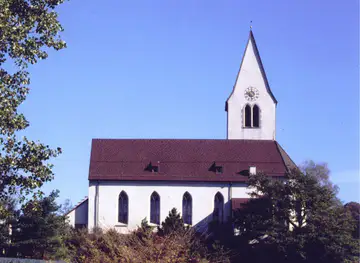
Religious life remained central to Mauren’s identity as the community expanded. The parish church dedicated to Saints Peter and Paul stands as the principal historic ecclesiastical landmark, representing the importance of parish organisation in a predominantly rural society. Over the nineteenth and early twentieth centuries, roads, schools and civic facilities gradually strengthened the connection between Mauren and neighbouring villages. Traditional agriculture continued, but improved transport and changing employment patterns allowed residents to work beyond the municipality. Buildings and local institutions associated with this period form an important part of the village’s cultural landscape, even where their original functions have changed.
Modernisation in Northern Liechtenstein
During the twentieth century, Mauren changed from a primarily agricultural community into a residential municipality linked to Liechtenstein’s industrial, administrative and service economy. Population growth brought new housing, public facilities and improved transport, while Schaanwald developed as a distinct settlement within the municipality. At the same time, local organisations worked to preserve archaeological remains, customs and memories of village life. MuseumMura reflects this interest in documenting Mauren’s past. Today, the municipality’s identity combines modern cross-border mobility with older patterns of parish life, countryside stewardship and attachment to the Eschnerberg.
Travel experiences inspired by this city

Swipe for more travel diaries
Mauren in Photos
Browse through our photo collection highlighting the charm and character of the destination.
Cities near Mauren
The closest cities to Mauren, if you have time for more than one stop.
-

-

-
-

-


Swipe for more cities
Explore more

Explore more of Liechtenstein
Discover the charm of Liechtenstein, a tiny Alpine principality offering medieval castles, stunning hiking trails, and a rich cultural heritage in the heart of Europe.
Explore Liechtenstein