

Vaduz Nature Park Travel Guide - Free Web & App
Your ultimate guide to Vaduz Nature Park. Discover top landmarks, proposed trips, and local tips. Free on the web or via the Evendo companion app.


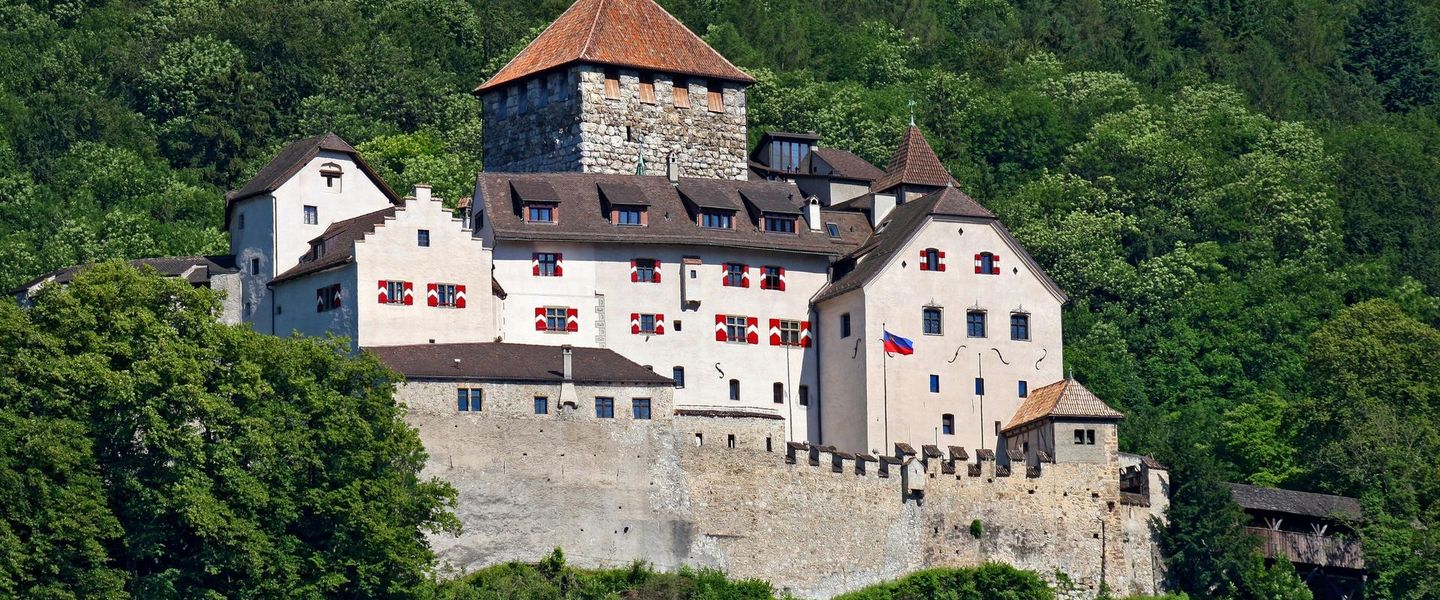


Vaduz Nature Park in Liechtenstein combines wooded Alpine foothills, castle views, gentle walks and easy access to Vaduz’s museums, trails and culture.
Foothills and Forest
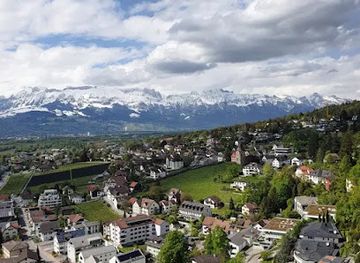
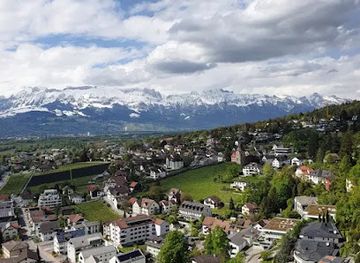
Vaduz Nature Park is best understood as the green, wooded foothill landscape around Vaduz rather than as a large, separately administered national park. Rising from the Liechtenstein capital towards the forested slopes of the Drei Schwestern range, it provides a natural counterpoint to Vaduz’s compact cultural centre and the prominent medieval Vaduz Castle. Paths climb through woodland and open hillside, with views across the Rhine Valley towards Switzerland and the distant Alpine ranges. The terrain changes quickly from town-edge paths to steeper mountain tracks, so the experience depends on how far visitors continue into the surrounding slopes.Read more about Vaduz Nature Park
Nature and the Capital
Exploring the Area
When is the best time to visit Vaduz Nature Park?
Best: June–August · 24–27°C| Month | High (°C) | Rainfall (mm) |
|---|---|---|
| January | 3 | 60 |
| February | 4 | 50 |
| March | 8 | 60 |
| April | 13 | 70 |
| May | 19 | 80 |
| June (best) | 24 | 100 |
| July (best) | 27 | 110 |
| August (best) | 26 | 110 |
| September | 21 | 100 |
| October | 15 | 90 |
| November | 10 | 70 |
| December | 4 | 60 |
Getting to and around Vaduz Nature Park
How to get there
Transportation
Best attractions in Vaduz Nature Park
The principal attraction of Vaduz Nature Park is the transition from the capital’s streets into wooded foothills and open mountain slopes above the town. Paths around the castle hill provide changing views of Vaduz, the Rhine Valley and the Swiss mountains, while longer routes lead towards the forested terrain of the Drei Schwestern area. Vaduz Castle is the defining visual feature, although its interior is not normally open for routine public visits. In town, the Liechtenstein National Museum, Kunst Museum Liechtenstein, PostMuseum and the Red House add cultural depth to a visit focused on nature. The vineyards above Vaduz offer another perspective on the landscape, linking cultivation with the steep lower slopes. The area is more rewarding for walking, scenery and the combination of natural and civic attractions than for a collection of formal facilities, and visitors should distinguish the accessible town-edge paths from more demanding mountain trails.
-
 Tourist attraction
Jahrmarkt Vaduz
Experience the traditional Jahrmarkt Vaduz, a vibrant market fair with amusement rides, local crafts, and delicious food in the heart of Liechtenstein.
-
Tourist attraction
ليخشتاين
Explore Städtle in Vaduz: A charming blend of history, culture, and stunning Alpine scenery in the heart of Liechtenstein's capital.
Best landmarks in Vaduz Nature Park
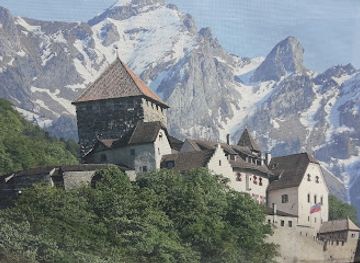
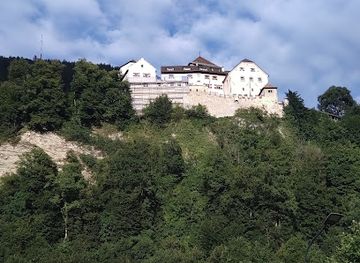
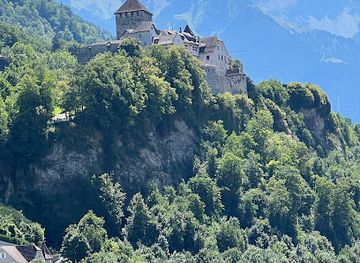
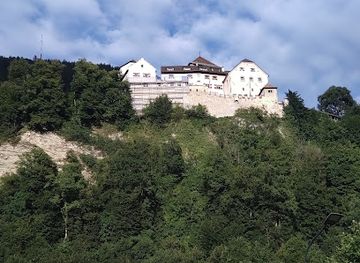
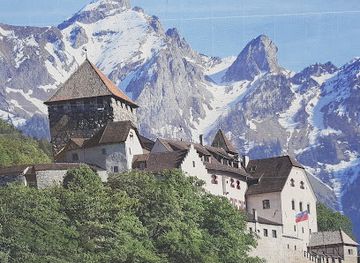
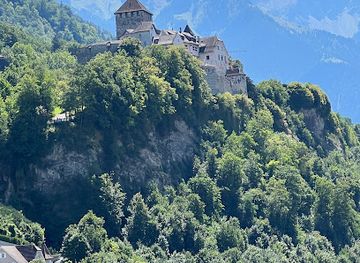
Vaduz Castle is the landmark most closely associated with the landscape, occupying a prominent rocky spur above the capital and remaining the residence of the Prince of Liechtenstein. Its elevated position makes it a powerful reference point from the surrounding paths, even though the interior is not generally open to ordinary visitors. The wooded slopes and mountain backdrop form a natural landmark system rather than a single monument: the rise towards the Drei Schwestern range, the Rhine Valley below and the views across to the Swiss Alps define the setting. Vaduz’s vineyards are also significant landscape features, showing how cultivation occupies the sunny lower slopes beneath the forest. In the town, the modern architecture of the Kunst Museum Liechtenstein and the historic Red House contrast with the rural hillside, making the destination notable for the close proximity of natural, civic and princely landmarks.
-
Hotel
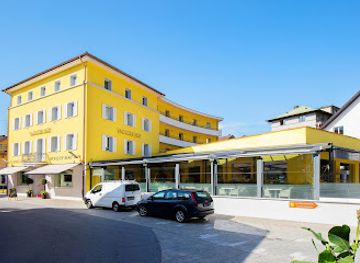
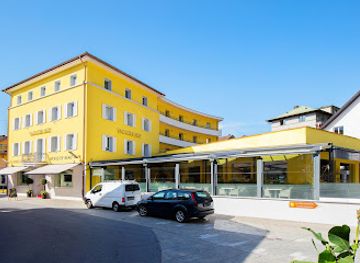
Hotel Vaduzerhof
Discover the elegance of Hotel Vaduzerhof, where comfort meets culture in the heart of Vaduz, Liechtenstein.
-
City or town hall
Vaduz Town Hall
Discover the architectural beauty and cultural heritage of Vaduz Town Hall, the heart of Liechtenstein's capital, Vaduz.
-
Sculpture
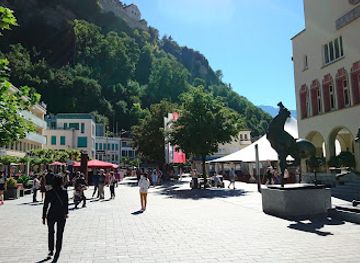
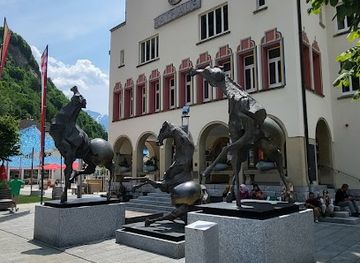
Tre Cavalli
Explore the elegance of Tre Cavalli, a breathtaking sculpture in Vaduz, capturing the heart of Liechtenstein's artistic spirit amidst stunning landscapes.
-
Playground
Liechtenstein
Discover the Alpine beauty and cultural richness of Liechtenstein, a hidden gem nestled between Switzerland and Austria, perfect for adventurers and culture lovers alike.
Explore Vaduz Nature Park on the map
Plan your trip on one map. See where the top attractions, landmarks, restaurants and hotels are, and book hotels and experiences in a few clicks.
Best hotels in Vaduz Nature Park
Best restaurants in Vaduz Nature Park
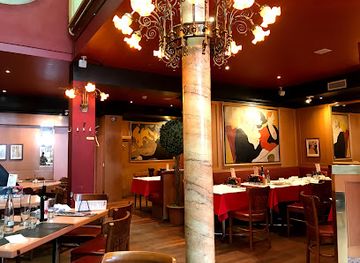
Dining is concentrated in Vaduz and nearby Schaan rather than within the wooded landscape itself. Visitors can find restaurants, cafés, bakeries and hotel dining in and around the capital, with a mixture of Liechtenstein and wider Alpine influences. Regional cooking reflects the cuisine of the Rhine Valley and neighbouring Switzerland and Austria, including dishes based on cheese, potatoes, pasta and seasonal produce; Käsknöpfle, a local cheese dumpling dish, is one of the best-known specialities associated with Liechtenstein. Vineyards above Vaduz also contribute to the area’s food and drink identity, although production and availability vary. Walkers should not expect cafés or refreshment facilities on woodland paths, so carrying water and arranging meals in town is sensible. Schaan provides further everyday dining options close to Vaduz and is practical for visitors using the railway station or regional buses.
-
Restaurant
New Castle
Savor exquisite local and international cuisine at New Castle in Vaduz – where every dish tells a story.
-
Brasserie
Brasserie Burg
Experience delightful culinary offerings at Brasserie Burg in Vaduz—where gourmet burgers meet authentic Italian flavors in a charming atmosphere.
-
Italian
made-in-italy.li
Experience authentic Italian cuisine at Made-in-Italy.li in Vaduz - where tradition meets flavor in every dish.
-
Hotel
Hotel Vaduzerhof
Experience elegance and comfort at Hotel Vaduzerhof in the heart of Vaduz, your gateway to exploring Liechtenstein's stunning landscapes.
Best bars in Vaduz Nature Park
Vaduz Nature Park has no nightlife infrastructure within its wooded and hillside areas, and evening visits are primarily quiet walks or time spent at accommodation in the capital. Vaduz has a modest selection of hotel bars, cafés, restaurants and pubs, while nearby Schaan provides additional local evening venues, but neither should be portrayed as a major clubbing destination. The atmosphere is more suited to a relaxed drink, a meal or a cultural event than to late-night entertainment. Outdoor paths should be approached cautiously after dark because lighting, waymarking and mobile coverage are not comparable with those in a town centre. Seasonal concerts, festivals and performances may bring extra evening activity to Vaduz, but programmes change and should be checked locally.
-
Restaurant
New Castle
Discover the exquisite flavors of Liechtenstein at New Castle, Vaduz's premier dining destination for an unforgettable culinary experience.
-
Brasserie
Brasserie Burg
Experience the vibrant flavors of Brasserie Burg in Vaduz, where gourmet hamburgers meet authentic Italian cuisine in a delightful setting.
-
Italian
made-in-italy.li
Savor authentic Italian cuisine in Vaduz at Made in Italy, where tradition meets flavor in a cozy setting.
-
Restaurant
Cafe Restaurant Engel Asian & Local
Experience the perfect fusion of Asian and local flavors at Café Restaurant Engel in Vaduz, a must-visit destination for food enthusiasts.
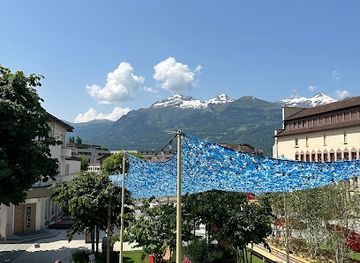
Best nightclubs in Vaduz Nature Park
Vaduz Nature Park has no nightlife infrastructure within its wooded and hillside areas, and evening visits are primarily quiet walks or time spent at accommodation in the capital. Vaduz has a modest selection of hotel bars, cafés, restaurants and pubs, while nearby Schaan provides additional local evening venues, but neither should be portrayed as a major clubbing destination. The atmosphere is more suited to a relaxed drink, a meal or a cultural event than to late-night entertainment. Outdoor paths should be approached cautiously after dark because lighting, waymarking and mobile coverage are not comparable with those in a town centre. Seasonal concerts, festivals and performances may bring extra evening activity to Vaduz, but programmes change and should be checked locally.
-
Bar
CENTRUM RESTAURANT & BAR, Vaduz
Discover a vibrant culinary experience at Centrum Restaurant & Bar in Vaduz, where exquisite cuisine meets a lively atmosphere.
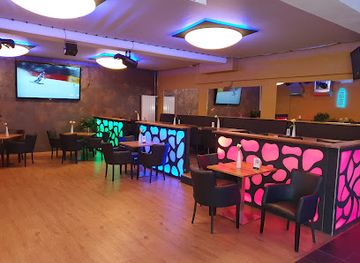
Best shops in Vaduz Nature Park
Shopping opportunities are centred on Vaduz rather than the nature area, with small independent businesses, museum shops, jewellers, bookshops and food retailers serving residents and visitors. The capital is a useful place to look for Liechtenstein-themed gifts, local wine, regional foods, postcards and items connected with the principality’s stamps and cultural institutions. The PostMuseum provides context for Liechtenstein’s long philatelic tradition, while the country’s vineyards and Alpine setting are reflected in locally produced wine and craft-based products where available. Schaan offers further everyday retail and services, but the wider destination does not contain a large shopping district or a permanent rural market of the kind found in major tourist centres. Visitors planning a walk should buy provisions in Vaduz or another settlement before entering the foothills, where there are no ordinary shops.
-
Souvenir store
Central Plaza
Explore Central Plaza in Vaduz for unique souvenirs and exquisite watches that embody the charm of Liechtenstein, perfect for travelers.
-
Sculpture
Tre Cavalli
Discover Tre Cavalli in Vaduz, a breathtaking sculpture that embodies art, culture, and nature's beauty, inviting tourists to explore its elegance.
-
Playground
Liechtenstein
Explore the breathtaking landscapes and rich culture of Liechtenstein, a hidden gem nestled in the heart of Europe.

Get your free copy of our complete guide to Vaduz Nature Park, delivered straight to you.
Everything on this page, from attractions and restaurants to essentials and local phrases, in one PDF you can read offline, print or share.
Already have an account? Sign in
Your Vaduz Nature Park guide is ready.
We'll send it to · Not you? Sign out

Getting your guide ready…
We are putting together a fresh copy of the Vaduz Nature Park guide. This can take up to a minute.
This can take a few moments. If your browser asks, choose Allow so the download can start. You'll find the guide in your Downloads folder.
Nothing happened? Download it again
Sorry, the guide is taking longer than usual. Please try again in a minute, or get it by email instead.
Vaduz Nature Park essentials
Currency and Payment
Safety
Emergency Situations
Do's and Don'ts
Local Tips
From Eve
Local phrases worth knowing
You don't need to get them perfect. A few words go a long way, and locals appreciate the effort.
Basics
| English | Local | Say it |
|---|---|---|
| Hello | Hallo | [hah-loh] |
| Goodbye | Auf Wiedersehen | [owf vee-der-zay-en] |
| Yes | Ja | [yah] |
| No | Nein | [nine] |
| Please/You're welcome | Bitte | [bih-teh] |
| Thank you | Danke | [dahn-kuh] |
| Excuse me/Sorry | Entschuldigung | [ent-shool-dee-goong] |
| How are you? | Wie geht es Ihnen? | [vee gayt es een-en] |
| Fine. And you? | Gut. Und du? | [goot oont doo] |
| Do you speak English? | Sprechen Sie Englisch? | [shpre-khen zee eng-leesh] |
| I don't understand | Ich verstehe nicht | [eekh fair-shtay-uh nikht] |
Eating & Drinking
| English | Local | Say it |
|---|---|---|
| I'd like to see the menu, please | Ich möchte bitte die Speisekarte sehen | [eekh merkhte bih-teh dee shpahy-zuh-kahr-teh zay-en] |
| I don't eat meat | Ich esse kein Fleisch | [eekh ehs-seh kine flysh] |
| Cheers! | Prost! | [prohst] |
| I would like to pay, please | Ich möchte bitte bezahlen | [eekh merkhte bih-teh bay-tsah-len] |
Emergencies
| English | Local | Say it |
|---|---|---|
| Help! | Hilfe! | [hil-feh] |
| Go away! | Gehen Sie weg! | [gey-en zee vekh] |
| Call the Police! | Rufen Sie die Polizei! | [roo-fen zee dee poh-lee-tsai] |
| Call a doctor! | Rufen Sie einen Arzt! | [roo-fen zee i-nen ahr-tst] |
| I'm lost | Ich bin verloren | [eekh been fair-loh-ren] |
| I'm ill | Ich bin krank | [eekh been krangk] |
Shopping
| English | Local | Say it |
|---|---|---|
| I'd like to buy... | Ich möchte ... kaufen | [eekh merkhte ... kow-fen] |
| I'm just looking | Ich schaue nur | [eekh show-eh noor] |
| How much is it? | Wie viel kostet es? | [vee feel kohs-tet es] |
| That's too expensive | Das ist zu teuer | [dahs ist tsoo toy-er] |
| Can you lower the price? | Können Sie den Preis senken? | [kern-en zee den prees zehn-ken] |
Time & Numbers
| English | Local | Say it |
|---|---|---|
| What time is it? | Wie spät ist es? | [vee shpeht ist es] |
| It's one o'clock | Es ist ein Uhr | [es ist iyn oor] |
| Half past (10) | Halb zehn | [halb tsayn] |
| Morning | Morgen | [mohr-ghen] |
| Afternoon | Nachmittag | [nahkh-mit-tahk] |
| Evening | Abend | [ah-bent] |
| Yesterday | Gestern | [geh-stern] |
| Today | Heute | [hoy-teh] |
| Tomorrow | Morgen | [mohr-ghen] |
| 1 | Eins | [ayns] |
| 2 | Zwei | [tsvay] |
| 3 | Drei | [dry] |
| 4 | Vier | [feer] |
| 5 | Fünf | [fuhnf] |
| 6 | Sechs | [zeks] |
| 7 | Sieben | [zee-ben] |
| 8 | Acht | [ahkt] |
| 9 | Neun | [noyn] |
| 10 | Zehn | [tsayn] |
Transport & Directions
| English | Local | Say it |
|---|---|---|
| Where's a/the...? | Wo ist ein/der...? | [vo ist iyn/dehr] |
| What's the address? | Was ist die Adresse? | [vahs ist dee ah-dreh-say] |
| Can you show me (on the map)? | Können Sie mir zeigen (auf der Karte)? | [kern-en zee meer tsay-gen (owf dehr kahr-teh)] |
| When's the next (bus)? | Wann fährt der nächste (Bus)? | [vahn fairt dehr nehkhs-teh (boos)] |
| A ticket (to ....) | Eine Fahrkarte (nach ....) | [i-nuh fahr-kahr-teh (nahkh)] |
History of Vaduz Nature Park
A Landscape Shaped by the Alps
The landscape above Vaduz belongs to the western edge of the Alps, where steep mountain slopes rise from the Rhine Valley. Geological processes associated with Alpine uplift, erosion and glacial activity shaped the valley and the surrounding mountains over very long timescales. The lower slopes around Vaduz combine woodland, meadow and cultivated land rather than forming a wilderness separate from human settlement. Their present character reflects the interaction of natural drainage, forestry, farming and the gradual growth of the capital below.
Settlement in the Rhine Valley
Human settlement in the Vaduz area developed within the wider Rhine Valley, a fertile corridor connected to neighbouring Alpine regions. Farming, grazing and forestry influenced the lower slopes, while routes through the valley linked communities in present-day Liechtenstein, Switzerland and Austria. Vaduz grew as a village beneath the castle hill, with the surrounding hills providing timber, pasture and cultivated ground. The woodland paths and open slopes around the town therefore form part of a lived-in cultural landscape rather than an isolated natural reserve.
Vaduz Castle and Princely Rule
Vaduz Castle stands on a rocky spur above the town and is the most visible historical presence in the surrounding landscape. Its origins reach back to the medieval period, and it later became associated with the Counts of Werdenberg-Sargans and other regional rulers before passing into the history of the princely house of Liechtenstein. The castle remains the residence of the Prince of Liechtenstein and is not generally open as a standard interior attraction. Its elevated position, however, explains the close visual relationship between the town, the wooded slopes and the Rhine Valley.
From Rural Slopes to a Capital Landscape
Liechtenstein’s transformation from a predominantly rural territory into a modern constitutional principality changed the setting around Vaduz. Administrative, cultural and financial institutions expanded in the town, while forests, vineyards, meadows and mountain paths remained important elements of its identity. In the twentieth and twenty-first centuries, improved roads, public buses and marked walking routes made the foothills more accessible for residents and visitors. Conservation and responsible land management now balance recreation with the needs of woodland, agriculture and a steep Alpine environment.
Vaduz Nature Park in Photos
Browse through our photo collection highlighting the charm and character of the destination.
Cities in Vaduz Nature Park
The towns and cities of Vaduz Nature Park, and the easiest places to base yourself.

Swipe for more cities
Neighbouring destination travel guides
The closest destinations to Vaduz Nature Park, if you have time for more than one.
-

-
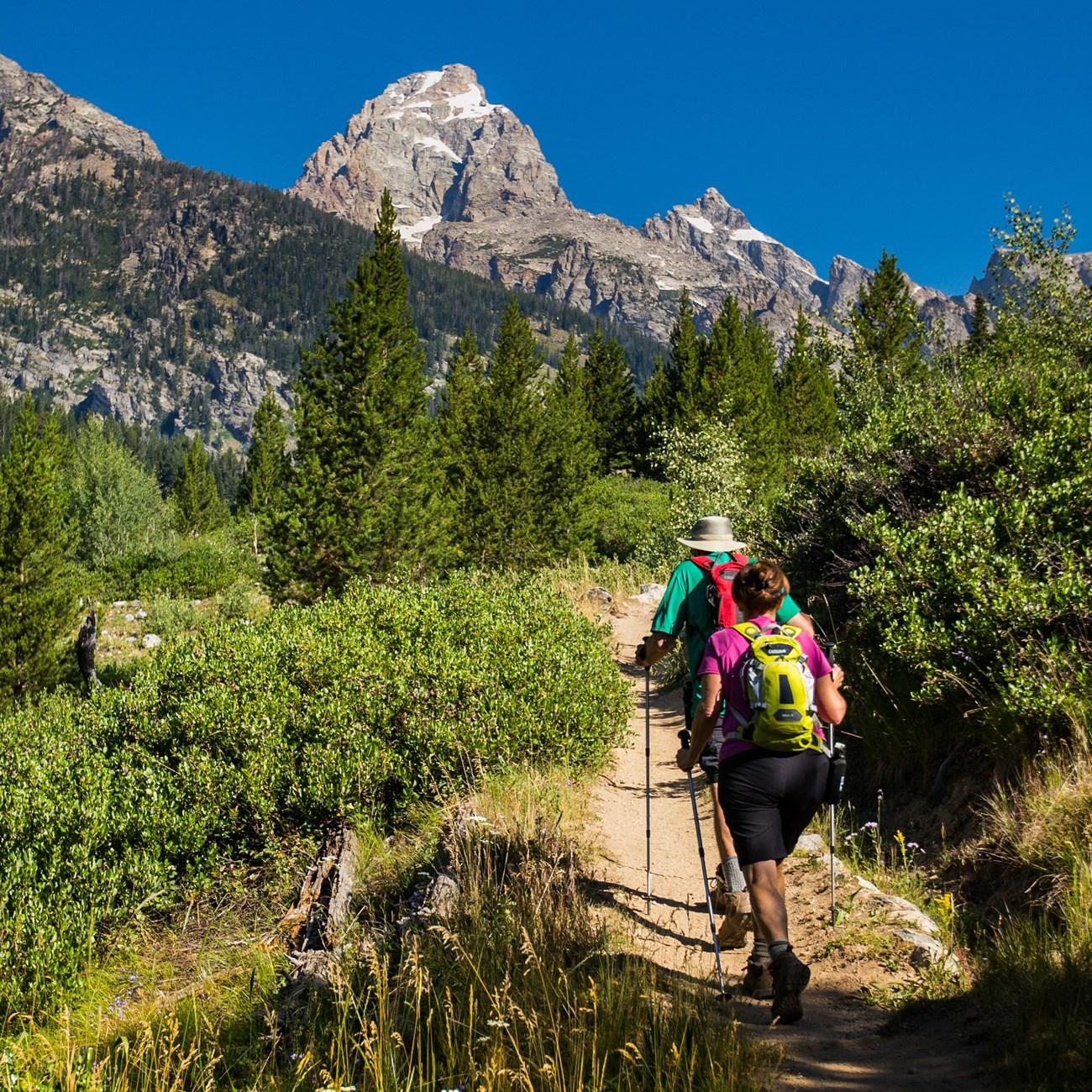 Princes' Way
, Liechtenstein: hike the historic Fürstensteig above the Rhine Valley, with alpine ridges, mountain views and access from Gaflei.
Princes' Way
Princes' Way, Liechtenstein: hike the historic Fürstensteig above the Rhine Valley, with alpine ridges, mountain views and access from Gaflei.
-

-

-


Swipe for more destinations
Explore more

Explore more of Vaduz Region
Explore the Vaduz Region for Liechtenstein’s museums, Alpine viewpoints, princely heritage, vineyards and Walser mountain culture.
Explore Vaduz Region
Explore more of Liechtenstein
Discover the charm of Liechtenstein, a tiny Alpine principality offering medieval castles, stunning hiking trails, and a rich cultural heritage in the heart of Europe.
Explore Liechtenstein