

Trakai Island Castle Travel Guide - Free Web & App
Your ultimate guide to Trakai Island Castle. Discover top landmarks, proposed trips, and local tips. Free on the web or via the Evendo companion app.


Trakai Island Castle in Lithuania pairs a Gothic stronghold, Lake Galvė, Karaim heritage and scenic walks near Vilnius for a memorable cultural escape.
A Castle Among the Lakes
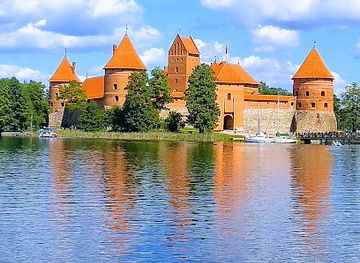
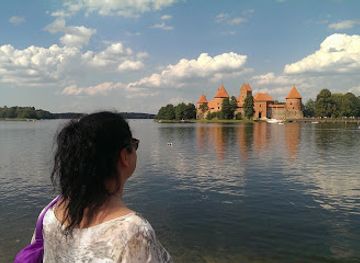
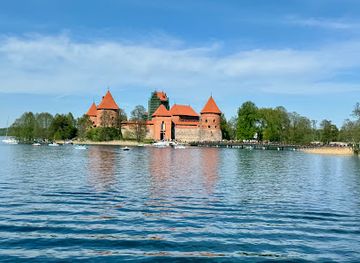
Trakai Island Castle rises from Lake Galvė in western Lithuania, reached by a footbridge from the lakeside town of Trakai. Built in red brick on one of the lake’s wooded islands, the castle is the defining feature of Trakai Historical National Park, a protected landscape of waterways, forests and historic settlements roughly 28 kilometres west of Vilnius. Its towers, curtain walls and inner courtyard create an unusually complete medieval setting, while the surrounding lake gives the site its distinctive sense of separation and quiet.Read more about Trakai Island Castle
History and Cultural Character
Exploring Trakai
When is the best time to visit Trakai Island Castle?
Best: June–August · 21–24°C| Month | High (°C) | Rainfall (mm) |
|---|---|---|
| January | -1 | 26 |
| February | -1 | 23 |
| March | 4 | 25 |
| April | 10 | 33 |
| May | 16 | 43 |
| June (best) | 21 | 54 |
| July (best) | 24 | 64 |
| August (best) | 23 | 58 |
| September | 18 | 47 |
| October | 12 | 38 |
| November | 5 | 37 |
| December | 1 | 31 |
Getting to and around Trakai Island Castle
How to get there
Transportation
Best attractions in Trakai Island Castle
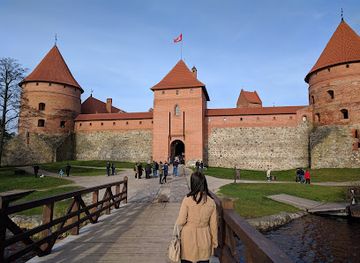
The principal attraction is Trakai Island Castle, whose restored Gothic halls, defensive walls, towers and courtyard contain the Trakai History Museum. The footbridge approach across Lake Galvė provides changing views of the fortress and its wooded island setting. In the town, the Peninsula Castle site introduces an earlier and more open layer of Trakai’s medieval defences, while the historic streets and Karaim heritage sites reveal the community that grew around the grand-ducal centre. The Karaim kenesa, a wooden place of worship, is an important cultural landmark, and local eateries offer an opportunity to encounter Karaim culinary traditions. Beyond the built heritage, Trakai Historical National Park is defined by linked lakes, forested shorelines and quiet rural scenery. Walking beside Lake Galvė is accessible for many visitors, while seasonal boat excursions and other water-based activities may be available through local providers, subject to conditions and permission.
-
Tourist attraction
Varnikai Nature Trail
Explore the enchanting Varnikai Nature Trail in Lithuania, where natural beauty meets adventure and tranquility for every nature lover.
-
Trakai Island and Peninsula Castles Reserve
Explore the enchanting Trakai Island and Peninsula Castles Reserve, a stunning blend of history, culture, and natural beauty in Lithuania.
-
Trakai History Museum
Discover the captivating history of Lithuania at Trakai History Museum, set in a stunning medieval castle surrounded by picturesque landscapes.
-
Tourist attraction
Trakai Church of the Visitation of the Blessed Virgin Mary
Explore the Trakai Church of the Visitation of the Blessed Virgin Mary, a stunning Baroque masterpiece surrounded by the enchanting landscapes of Trakai.


Best landmarks in Trakai Island Castle
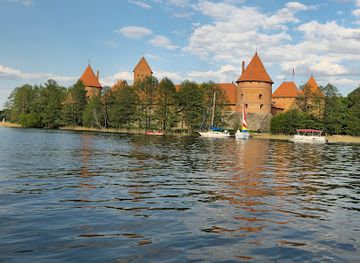
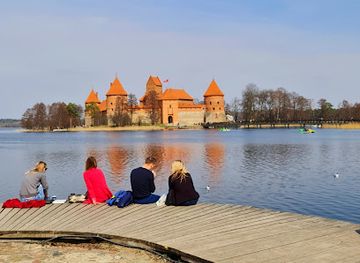
Trakai Island Castle is the destination’s defining landmark: a red-brick medieval fortress and former grand-ducal residence set on an island in Lake Galvė. Its towers, curtain walls and restored palace buildings demonstrate how water and masonry were combined for defence and ceremony in the Grand Duchy of Lithuania. The footbridge, lake and wooded shoreline form part of the landmark’s significance, making the surrounding landscape inseparable from the architecture. The Peninsula Castle site provides a contrasting reminder of Trakai’s wider defensive system, while the Karaim kenesa represents the town’s enduring multicultural heritage. Lake Galvė itself is a natural landmark as well as the castle’s setting, and the network of lakes within Trakai Historical National Park explains the area’s strategic importance and its continuing appeal as a place where history is encountered through both buildings and landscape.
-
Tourist attraction
Užutrakio dvaro sodybos rūmai
Explore the breathtaking beauty and rich history of Užutrakis Manor near Trakai, a stunning example of Neo-Renaissance architecture surrounded by nature.
-
Restaurant
Kybynlar
Discover the flavors of traditional Karaim cuisine at Kybynlar, a charming restaurant in Trakai, Lithuania, offering a unique culinary experience.
-
Restaurant
Markizas
Experience authentic Lithuanian cuisine at Markizas in Trakai, where traditional flavors meet stunning views and warm hospitality.
-
Hiking area
Varnikai Nature Trail
Discover the enchanting Varnikai Nature Trail in Trakai, a perfect destination for hiking and immersing in Lithuania's stunning natural beauty.



Explore Trakai Island Castle on the map
Plan your trip on one map. See where the top attractions, landmarks, restaurants and hotels are, and book hotels and experiences in a few clicks.
Best hotels in Trakai Island Castle
Best restaurants in Trakai Island Castle
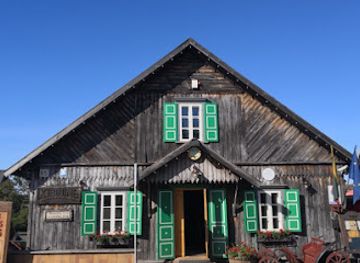
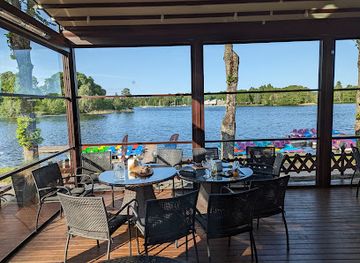
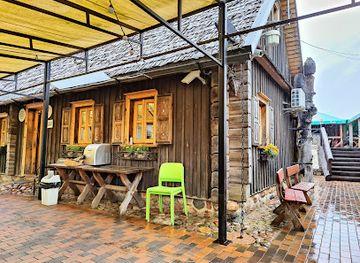
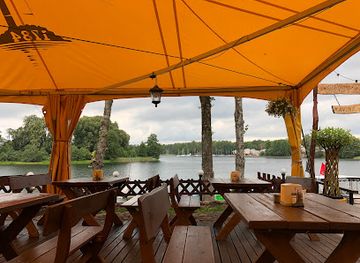
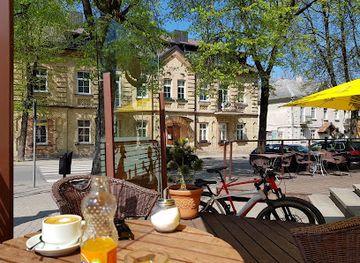
Dining in Trakai is concentrated around the historic town and the approach to the castle rather than on the island itself. The area’s most distinctive culinary association is with the Karaim community, whose cuisine includes kibinai, baked pastry parcels traditionally filled with meat, as well as other dishes connected with Karaim household traditions. Restaurants, cafés and bakeries in Trakai commonly provide opportunities to sample these specialities alongside broader Lithuanian food, including soups, potato dishes, rye bread and seasonal produce. Visitors should distinguish established town eateries from seasonal refreshments near the visitor route, as opening patterns and choice can vary outside the main season. Those staying in the wider national park may find dining options more limited in rural areas and should plan meals around Trakai or another nearby settlement.
-
Restaurant
Senoji kibininė
Discover authentic Lithuanian cuisine at Senoji Kibininė in Trakai - home of the famous kibinai pastry!
-
Restaurant
Kybynlar
Discover authentic Lithuanian flavors at Kybynlar in Trakai – home to delicious traditional dishes and warm hospitality.
-
Restaurant
Kiubėtė
Discover authentic Lithuanian flavors at Kiubėtė in Trakai – where tradition meets modern cuisine in a cozy setting.
-
Restaurant
Markizas
Experience traditional Lithuanian flavors at Markizas in Trakai, where stunning views meet culinary excellence.


Best bars in Trakai Island Castle
Trakai is not a nightlife destination, and evening entertainment is generally quiet, seasonal and centred on restaurants, cafés and traditional hospitality venues in the town. After the castle closes, the main experience is a lakeside walk, an evening meal or a relaxed drink rather than clubbing or a large programme of live entertainment. Some accommodation establishments may offer a bar or evening service, but availability varies and should be confirmed locally. Visitors seeking a wider choice of cinemas, music venues or late-night bars will generally find more options in Vilnius, outside the destination itself. In Trakai, the atmosphere is shaped by the illuminated historic setting, residential streets and the dark lakes rather than by a dedicated entertainment district.
-
Restaurant
Senoji kibininė
Experience authentic Lithuanian cuisine at Senoji Kibininė in Trakai, specializing in traditional kibinai and local flavors.
-
Restaurant
Kybynlar
Experience the flavors of Karaim cuisine at Kybynlar, Trakai's charming restaurant, where tradition meets taste in a picturesque setting.
-
Restaurant
Kiubėtė
Discover authentic Lithuanian cuisine at Kiubėtė, a cozy restaurant in Trakai, perfect for indulging in local flavors and traditions.
-
Restaurant
Markizas
Experience the rich flavors of Trakai at Markizas, where traditional Lithuanian cuisine meets modern culinary excellence in a picturesque setting.


Best nightclubs in Trakai Island Castle
Trakai is not a nightlife destination, and evening entertainment is generally quiet, seasonal and centred on restaurants, cafés and traditional hospitality venues in the town. After the castle closes, the main experience is a lakeside walk, an evening meal or a relaxed drink rather than clubbing or a large programme of live entertainment. Some accommodation establishments may offer a bar or evening service, but availability varies and should be confirmed locally. Visitors seeking a wider choice of cinemas, music venues or late-night bars will generally find more options in Vilnius, outside the destination itself. In Trakai, the atmosphere is shaped by the illuminated historic setting, residential streets and the dark lakes rather than by a dedicated entertainment district.
-
Castle
Trakai Island Castle
Discover the enchanting Trakai Island Castle, a medieval fortress set on a picturesque lake, showcasing Lithuania's rich history and breathtaking landscapes.
-
Tourist attraction
Užutrakio dvaro sodybos rūmai
Explore the captivating beauty and rich history of Užutrakio dvaro sodybos rūmai, a stunning manor by Lake Galvė near Trakai.
-
Restaurant
Apvalaus Stalo Klubas restaurant and hotel
Explore the flavors of Lithuania at Apvalaus Stalo Klubas restaurant and hotel in Trakai, where tradition meets comfort in a stunning setting.
-
Historical landmark
Pilies sala
Explore the historic Pilies Sala in Trakai, home to a stunning castle and surrounded by breathtaking natural beauty.
Best shops in Trakai Island Castle
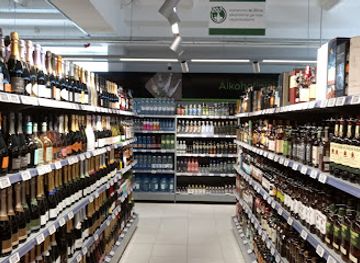
Shopping in Trakai is modest and focused on the historic town, the castle visitor area and small local businesses rather than a large retail district. Visitors may find Karaim-inspired food products, locally made gifts, Lithuanian crafts, amber items, textiles, ceramics and artwork, although range and availability vary between shops and seasons. The most characteristic purchase is often culinary: kibinai and other regional food specialities can be enjoyed during the visit or bought from established bakeries and eateries where available. Small shops and market-style sellers may also stock souvenirs connected with the castle and Lithuania’s medieval history. For broader retail choice, supermarkets, specialist shops and independent boutiques, Vilnius is the nearest major shopping centre; Trakai is better suited to locally themed gifts and regional products than to extensive commercial shopping.
-
Grocery store
IKI - TRAKAI
Explore IKI - Trakai: Your destination for fresh produce and local delicacies in the heart of Lithuania.
-
Coffee shop
AJ Šokoladas
Experience the best of Trakai's coffee culture with gourmet chocolates at AJ Šokoladas, a must-visit café for sweet lovers.
-
Supermarket
Maxima
Explore local flavors and essentials at Maxima, Trakai's bustling supermarket, perfect for tourists wanting to experience the best of Lithuanian cuisine.
-
Grocery store
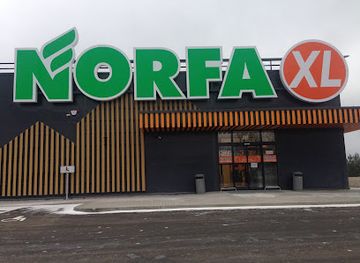
Norfa XL
Experience the local flavors and vibrant shopping atmosphere at Norfa XL, Trakai's premier grocery store for tourists and locals alike.

Get your free copy of our complete guide to Trakai Island Castle, delivered straight to you.
Everything on this page, from attractions and restaurants to essentials and local phrases, in one PDF you can read offline, print or share.
Already have an account? Sign in
Your Trakai Island Castle guide is ready.
We'll send it to · Not you? Sign out

Getting your guide ready…
We are putting together a fresh copy of the Trakai Island Castle guide. This can take up to a minute.
This can take a few moments. If your browser asks, choose Allow so the download can start. You'll find the guide in your Downloads folder.
Nothing happened? Download it again
Sorry, the guide is taking longer than usual. Please try again in a minute, or get it by email instead.
Trakai Island Castle essentials
Currency and Payment
Safety
Emergency Situations
Do's and Don'ts
Local Tips
From Eve
Local phrases worth knowing
You don't need to get them perfect. A few words go a long way, and locals appreciate the effort.
Basics
| English | Local | Say it |
|---|---|---|
| Hello | Labas | [lah-buhs] |
| Goodbye | Viso gero | [vee-soh geh-roh] |
| Yes | Taip | [taip] |
| No | Ne | [neh] |
| Please/You're welcome | Prašau | [prah-shau] |
| Thank you | Ačiū | [ah-chyoo] |
| Excuse me/Sorry | Atsiprašau | [ah-tsee-prah-shau] |
| How are you? | Kaip gyveni? | [kaip gee-veh-nee] |
| Fine. And you? | Gerai. O tu? | [geh-rah-ee. oh too] |
| Do you speak English? | Ar kalbate angliškai? | [ahr kahl-bah-teh ahng-leesh-kai] |
| I don't understand | Aš nesuprantu | [ahsh neh-soo-prahn-too] |
Eating & Drinking
| English | Local | Say it |
|---|---|---|
| I'd like to see the menu, please | Norėčiau pamatyti meniu, prašau | [noh-reh-chow pah-mah-tee-ti meh-nyoo, prah-shau] |
| I don't eat meat | Aš nevalgau mėsos | [ahsh neh-vahl-gow meh-sohs] |
| Cheers! | Į sveikatą! | [ee svee-kah-tah] |
| I would like to pay, please | Norėčiau sumokėti, prašau | [noh-reh-chow soo-moh-keh-tee, prah-shau] |
Emergencies
| English | Local | Say it |
|---|---|---|
| Help! | Pagalba! | [pah-gahl-bah] |
| Go away! | Eik šalin! | [ayk shah-leen] |
| Call the Police! | Skambinkite policijai! | [skahm-been-kee-teh poh-lee-tsee-yai] |
| Call a doctor! | Skambinkite gydytojui! | [skahm-been-kee-teh gee-dih-toh-yoo-ee] |
| I'm lost | Aš pasiklydau | [ahsh pah-see-klood-ow] |
| I'm ill | Aš esu serga | [ahsh eh-soo sehr-gah] |
Shopping
| English | Local | Say it |
|---|---|---|
| I'd like to buy... | Norėčiau nusipirkti... | [noh-reh-chow noo-see-peerk-tee] |
| I'm just looking | Aš tik žiūriu | [ahsh teek zhoo-roo] |
| How much is it? | Kiek tai kainuoja? | [kyek tahy kai-nwoy-ah] |
| That's too expensive | Tai per brangu | [tai pehr brahn-goo] |
| Can you lower the price? | Ar galite sumažinti kainą? | [ahr gah-lee-teh soo-mah-zin-tee kai-now] |
Time & Numbers
| English | Local | Say it |
|---|---|---|
| What time is it? | Kiek valandų? | [kyek vah-lahn-doo] |
| It's one o'clock | Yra viena valanda | [ee-rah vyeh-nah vah-lahn-dah] |
| Half past (10) | Dešimt po pusės | [deh-shimt poh poo-says] |
| Morning | Rytas | [rih-tahs] |
| Afternoon | Popietė | [poh-pyeh-teh] |
| Evening | Vakaras | [vah-kah-rahs] |
| Yesterday | Vakar | [vah-kahr] |
| Today | Šiandien | [shahn-dyehn] |
| Tomorrow | Rytoj | [rih-toy] |
| 1 | Vienas | [vyeh-nahs] |
| 2 | Du | [doo] |
| 3 | Trys | [treese] |
| 4 | Keturi | [keh-too-ree] |
| 5 | Penki | [pehn-kee] |
| 6 | Šeši | [sheh-shi] |
| 7 | Septyni | [sehp-ty-nee] |
| 8 | Aštuoni | [ahs-too-oh-nee] |
| 9 | Devyni | [deh-vuh-nee] |
| 10 | Dešimt | [deh-shimt] |
Transport & Directions
| English | Local | Say it |
|---|---|---|
| Where's a/the...? | Kur yra... | [koor irr-ah] |
| What's the address? | Koks adresas? | [kohks ah-dreh-sahs] |
| Can you show me (on the map)? | Ar galite man parodyti (žemėlapyje)? | [ahr gah-lee-teh mahn pah-roh-dih-tee zheh-meh-lah-pyeh] |
| When's the next (bus)? | Kada yra kitas (autobusas)? | [kah-dah irr-ah kee-tahs ow-toh-boos-ahs] |
| A ticket (to ....) | Bilietas (į ....) | [bee-lyeh-tahs ee] |
History of Trakai Island Castle
Lakes, Settlement and the Grand Duchy
Trakai developed within a landscape of lakes that offered both natural protection and access to the political heartlands of the Grand Duchy of Lithuania. An earlier settlement and defensive centre grew around the island and peninsula sites before the brick castle complex assumed its later form. The choice of Lake Galvė was strategic: water separated the fortress from the mainland while the surrounding lakes helped connect Trakai with routes across the region. The area’s history is therefore inseparable from its geography, with defensive construction, courtly residence and settlement developing together among the waterways.
Vytautas and the Island Fortress
The Island Castle was developed in the late fourteenth and early fifteenth centuries during the rule of Grand Duke Vytautas the Great, when Trakai was one of the most significant centres of the Grand Duchy. Its Gothic brick buildings combined military strength with the requirements of a princely residence. The victory of the Lithuanian-Polish forces over the Teutonic Order at the Battle of Grunwald in 1410 strengthened Vytautas’s position, and Trakai retained an important political and ceremonial role. The castle’s architecture reflects the wider medieval connections of Lithuania with Central and Eastern Europe.
Karaim Settlement and Multicultural Trakai
Trakai is associated with the settlement of Karaims, a small Turkic-speaking religious community whose tradition links their arrival to Grand Duke Vytautas’s campaigns and the late fourteenth century. Karaims served the grand-ducal administration and military establishment, and their presence became a lasting part of Trakai’s identity. The community’s kenesa, cemetery, houses and culinary traditions continue to give the town a cultural character distinct from the castle’s military history. Karaim heritage is best understood as part of Trakai’s living history rather than as a separate attraction detached from the town.
Decline, Damage and Restoration
As political power shifted away from Trakai, the castle gradually lost its central role, and warfare in the seventeenth century caused serious damage to the complex. For centuries the ruins remained an imposing reminder of the Grand Duchy’s past, but they were not preserved in their present form until extensive conservation and reconstruction work took place during the twentieth century. The restored buildings eventually became home to the Trakai History Museum, established in the castle in 1962. Modern Trakai combines this museum function with the protection of the surrounding historical landscape and the presentation of Lithuanian and Karaim heritage.
Trakai Island Castle in Photos
Browse through our photo collection highlighting the charm and character of the destination.
Neighbouring destination travel guides
The closest destinations to Trakai Island Castle, if you have time for more than one.
-

-

-
-

-


Swipe for more destinations
Explore more

Explore more of Dzūkija
Discover Dzūkija: Explore Lithuania's serene forests, charming villages, and rich cultural heritage in this enchanting southern region.
Explore Dzūkija
Explore more of Lithuania
Discover Lithuania, a captivating blend of medieval charm, natural beauty, and vibrant culture, offering a unique and enriching travel experience in the heart of the Baltics.
Explore Lithuania