

Zemaitija National Park Travel Guide - Free Web & App
Your ultimate guide to Zemaitija National Park. Discover top landmarks, proposed trips, and local tips. Free on the web or via the Evendo companion app.


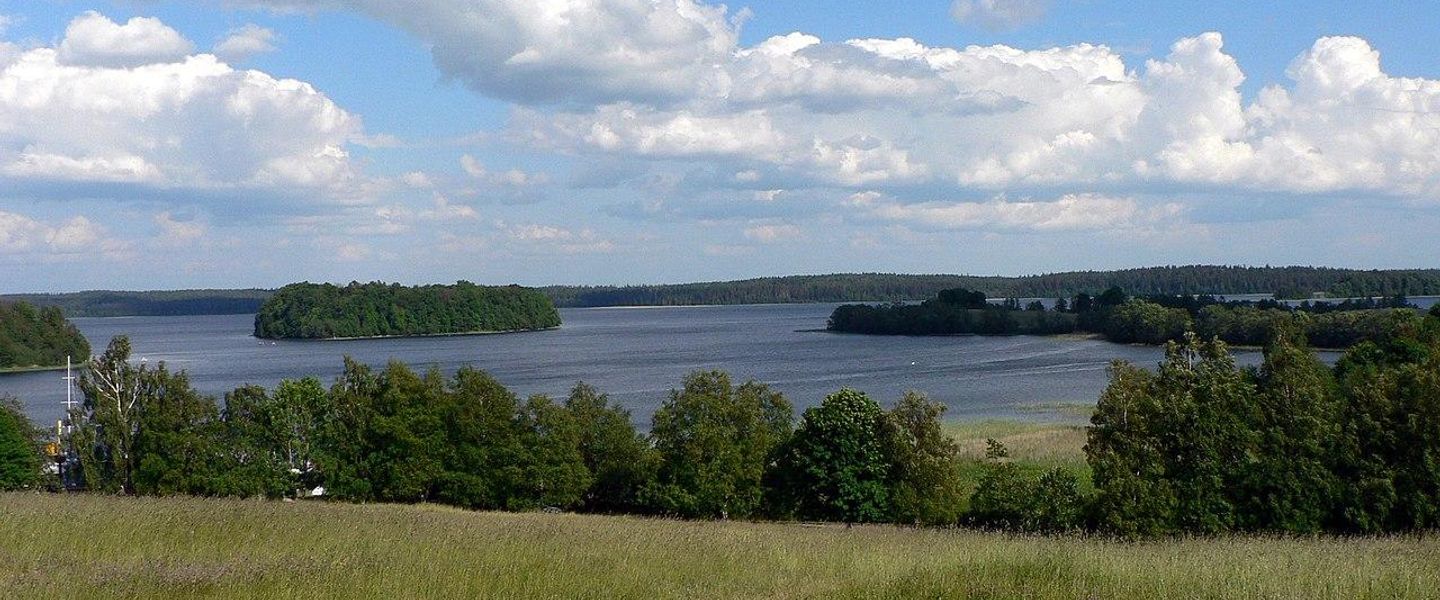


Žemaitija National Park in Lithuania combines Lake Plateliai, forest trails, Žemaitian villages, wetlands and Cold War history for outdoor explorers.
A Landscape of Lakes and Forests
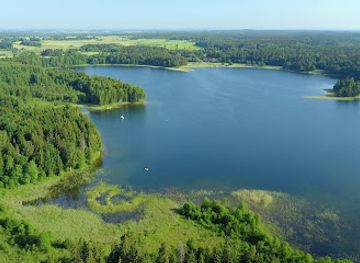
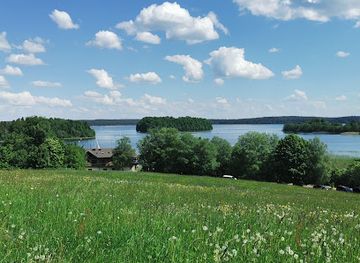
Žemaitija National Park lies in north-western Lithuania, within the historic Žemaitija region, whose name is commonly rendered in English as Samogitia. The park is centred on Lake Plateliai, one of Lithuania’s largest and most visited lakes, and extends across a varied landscape of glacial hills, woodlands, wetlands, meadows, islands and rural settlements. Roads and paths connect the lakeside town of Plateliai with smaller villages such as Paplatelė and Beržoras, while the shoreline and surrounding forests provide a setting for walking, cycling, boating and quiet observation of nature.Read more about Zemaitija National Park
Žemaitian Character and Heritage
Exploring the Park
When is the best time to visit Zemaitija National Park?
Best: June–August · 23–25°C| Month | High (°C) | Rainfall (mm) |
|---|---|---|
| January | 1 | 41 |
| February | 2 | 31 |
| March | 6 | 36 |
| April | 12 | 34 |
| May | 19 | 53 |
| June (best) | 23 | 75 |
| July (best) | 25 | 86 |
| August (best) | 24 | 76 |
| September | 19 | 53 |
| October | 12 | 45 |
| November | 4 | 46 |
| December | 2 | 37 |
Getting to and around Zemaitija National Park
How to get there
Transportation
Best attractions in Zemaitija National Park
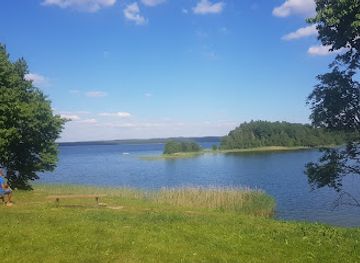
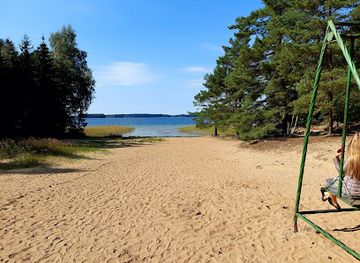
Lake Plateliai is the park’s central attraction, with wooded shores, islands, bays and opportunities for walking, cycling and water-based recreation where locally permitted. Around the lake, the town of Plateliai provides access to the Šeirė nature trail, which leads through forest and wetland habitats, while the Siberija viewpoint offers an elevated view over the surrounding landscape. The Cold War Museum at Plokštinė occupies a former underground Soviet missile facility and adds a powerful historical dimension to the natural setting. Beržoras combines a traditional village atmosphere with its wooden church and churchyard, and Paplatelė is associated with rural scenery and access to further park landscapes. Smaller lakes, meadows, forest tracks and protected habitats reward slower exploration, although facilities are dispersed and several attractions are best reached by car or bicycle rather than by a single continuous route.
-
Park
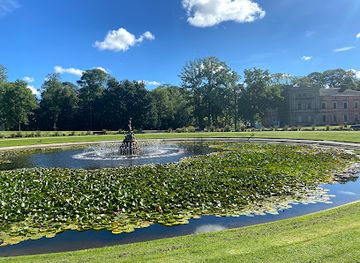
Plungė Park
Explore the serene landscapes and rich heritage of Plungė Park, a peaceful retreat in Lithuania with beautiful gardens and cultural treasures.
-
Tourist attraction
Samogitian Art Museum
Discover the rich artistic heritage of the Samogitian Art Museum, showcasing local and contemporary art in a serene setting.
-
Tourist attraction
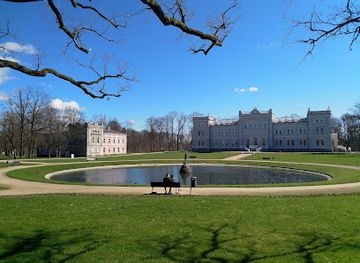
Plateliai Manor
Explore the elegant Plateliai Manor, a historical gem surrounded by lush landscapes and rich Lithuanian culture.
-
Tourist attraction
Šeirės pažintinis takas
Explore the serene Šeirė's Nature Trail in Plungė District, a perfect escape for hiking enthusiasts and nature lovers seeking adventure in Lithuania.
Best landmarks in Zemaitija National Park
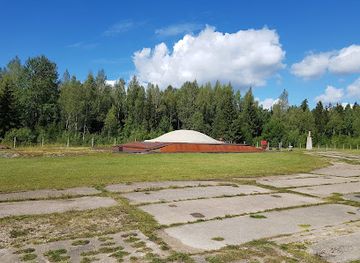
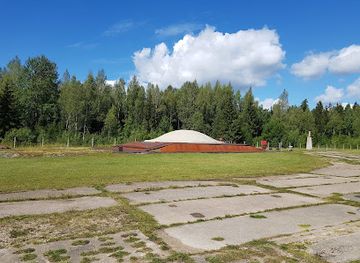
Lake Plateliai is the defining natural landmark of Žemaitija National Park, its broad water surface and wooded shoreline shaping both the scenery and the visitor experience. The lake’s islands and glacially formed surroundings illustrate the region’s Ice Age landscape, while the Siberija viewpoint provides a notable elevated outlook across the terrain. The Šeirė trail represents the park’s wetland and woodland heritage rather than a single monument. Among the built landmarks, Beržoras wooden church and its churchyard express the architectural and religious traditions of Žemaitija. At Plokštinė, the former Soviet underground missile base is significant for a different reason: preserved below the forest, it records the military geography of the Cold War and now forms the centrepiece of the Cold War Museum.
-
Tourist attraction
Cold War Museum
Uncover the secrets of the Cold War at the Cold War Museum in Plokštinių k, where history comes alive through extensive exhibits and artifacts.
-
National park
Žemaitijos nacionalinis parkas
Experience the pristine beauty of Žemaitijos Nacionalinis Parkas, where nature, adventure, and culture come together in Lithuania's stunning landscapes.
Explore Zemaitija National Park on the map
Plan your trip on one map. See where the top attractions, landmarks, restaurants and hotels are, and book hotels and experiences in a few clicks.
Best hotels in Zemaitija National Park
Best restaurants in Zemaitija National Park
Dining in Žemaitija National Park is concentrated mainly in Plateliai and the surrounding villages, with further choice in nearby regional towns such as Plungė and Telšiai. Local menus may draw on the food traditions of Samogitia, including potatoes, rye bread, dairy produce, pork, freshwater fish and hearty soups, while seasonal berries and mushrooms reflect the surrounding forests. Rural guesthouses, cafés, small eateries and homestead-style accommodation may provide food by arrangement, but visitors should not expect a dense restaurant scene beside every lake or trail. Farm shops and local sellers can be useful for regional produce, particularly in summer, although opening patterns vary. Advance planning is sensible for day excursions, especially when travelling beyond Plateliai or visiting outside the main holiday season.
-
Restaurant
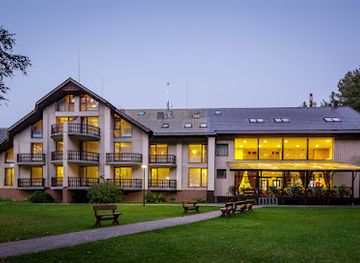
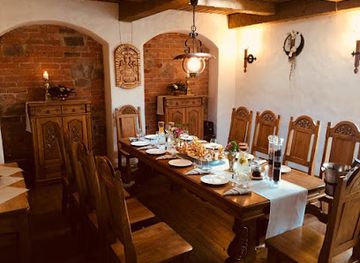
Linelis, hotel - restaurant
Discover tranquility at Linelis by Plateliai Lake—where exquisite dining meets breathtaking nature in Lithuania.
Best bars in Zemaitija National Park
Evening entertainment in Žemaitija National Park is quiet and locally focused rather than club-oriented. Plateliai and nearby villages may offer rural cafés, accommodation-based dining or traditional public-house-style hospitality, while seasonal events and community celebrations can provide music and social occasions at particular times of year. The park’s small settlements do not form a nightlife district, and options become more limited around remote lakes, trails and museum sites after daytime visiting hours. Visitors seeking a wider choice of bars, performances or late-evening venues are more likely to find it in the regional towns outside the park, including Plungė or Telšiai. In the protected landscape, evenings are better suited to lakeside calm, dark skies and the quiet atmosphere of a rural base than to late-night entertainment.
-
Bar
Skalvija Plungė
Discover the vibrant flavors and warm hospitality at Skalvija Plungė, a must-visit bar and restaurant in the heart of Plungė.
-
Restaurant
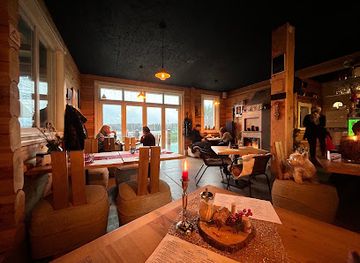
Le Le Terasa
Discover the delightful flavors of Le Le Terasa in Paežerės Rūdaičiai, where local cuisine meets stunning natural beauty.
-
Bar
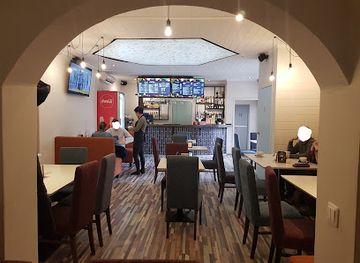
Picos namai
Discover the charm of Picos Namai, a vibrant bar in Plungė offering an extensive drink menu, friendly service, and a cozy atmosphere perfect for relaxation.
-
Restaurant
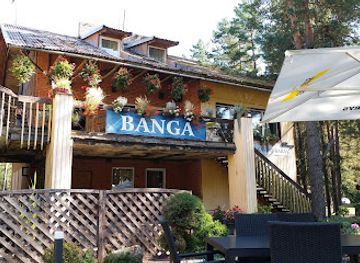
Banga Restaurant
Experience authentic Lithuanian cuisine at Banga Restaurant in Žemaičių Kalvarija, where local flavors and warm hospitality await.
Best nightclubs in Zemaitija National Park
Evening entertainment in Žemaitija National Park is quiet and locally focused rather than club-oriented. Plateliai and nearby villages may offer rural cafés, accommodation-based dining or traditional public-house-style hospitality, while seasonal events and community celebrations can provide music and social occasions at particular times of year. The park’s small settlements do not form a nightlife district, and options become more limited around remote lakes, trails and museum sites after daytime visiting hours. Visitors seeking a wider choice of bars, performances or late-evening venues are more likely to find it in the regional towns outside the park, including Plungė or Telšiai. In the protected landscape, evenings are better suited to lakeside calm, dark skies and the quiet atmosphere of a rural base than to late-night entertainment.
-
Disco club
Jawo
Unleash your energy at Jawo, the ultimate disco club in Telšiai, where the music is electrifying and the nights are unforgettable.
-
Night club
Jocių Dvaras
Discover the energetic nightlife at Jocių Dvaras, Varkaliai's premier night club, where music, drinks, and fun come together for an unforgettable experience.
-
 Night club
Šoniai pievų g. 8
Discover the vibrant nightlife of Šoniai at its premier night club, where exhilarating music and a lively atmosphere await every visitor.
-
Night club
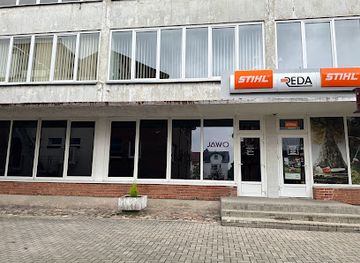
Rueda, sokiu ir laisvalaikio centras
Experience the electrifying nightlife of Plungė at Rueda, the ultimate night club featuring top DJs and an unforgettable atmosphere.
Best shops in Zemaitija National Park
Shopping within the park is modest and mainly connected with local food, crafts and everyday supplies in Plateliai and nearby settlements rather than with a formal retail quarter. Visitors may find regional produce such as honey, preserves, rye-based foods, dairy products and seasonal forest ingredients through farm shops, markets or small sellers, depending on the time of year. Žemaitian cultural identity is also represented through folk crafts, textiles, woodwork and traditional designs at local events or visitor-oriented cultural venues. Larger supermarkets, pharmacies and a broader range of practical shops are more likely to be found in Plungė, Telšiai or other towns outside the park. Availability varies in rural areas, so food and walking essentials are best obtained before travelling to remote trailheads.
-
Tourist attraction
Cold War Museum
Discover the Cold War Museum in Lithuania for a profound journey through history, exploring artifacts and stories from one of the most crucial eras of the 20th century.
-
National park
Žemaitijos nacionalinis parkas
Discover the breathtaking landscapes and rich biodiversity of Žemaitijos National Park, a perfect getaway for nature lovers and adventure seekers in Lithuania.
-
Campground
Plokštinės stovyklavietė
Experience the tranquility of Plokštinės Stovyklavietė, a premier campground in the scenic Plateliai region of Lithuania, perfect for outdoor enthusiasts and families.
-
Tourist attraction
Barstyčių akmuo
Explore Barstyčių Akmuo, a captivating natural monument in Skuodas District, steeped in folklore and surrounded by stunning landscapes.
Get your free copy of our complete guide to Zemaitija National Park, delivered straight to you.
Everything on this page, from attractions and restaurants to essentials and local phrases, in one PDF you can read offline, print or share.
Already have an account? Sign in
Your Zemaitija National Park guide is ready.
We'll send it to · Not you? Sign out

Getting your guide ready…
We are putting together a fresh copy of the Zemaitija National Park guide. This can take up to a minute.
This can take a few moments. If your browser asks, choose Allow so the download can start. You'll find the guide in your Downloads folder.
Nothing happened? Download it again
Sorry, the guide is taking longer than usual. Please try again in a minute, or get it by email instead.
Zemaitija National Park essentials
Currency and Payment
Safety
Emergency Situations
Do's and Don'ts
Local Tips
From Eve
Local phrases worth knowing
You don't need to get them perfect. A few words go a long way, and locals appreciate the effort.
Basics
| English | Local | Say it |
|---|---|---|
| Hello | Labas | [LAH-bahs] |
| Goodbye | Viso gero | [VEE-soh GEH-roh] |
| Yes | Taip | [TAI-p] |
| No | Ne | [NEH] |
| Please/You're welcome | Prašau | [PRAH-shau] |
| Thank you | Ačiū | [AH-chyoo] |
| Excuse me/Sorry | Atsiprašau | [AHT-si-PRAH-sau] |
| How are you? | Kaip jums sekasi? | [Kai-p yums se-KA-si?] |
| Fine. And you? | Gerai. O jūs? | [GE-rai. O yoos?] |
| Do you speak English? | Ar kalbate anglų kalba? | [Ar KAL-bah-te ahng-LOO KAL-bah?] |
| I don't understand | Aš nesuprantu | [A-sh ne-su-PRAHN-too] |
Eating & Drinking
| English | Local | Say it |
|---|---|---|
| I'd like to see the menu, please | Norėčiau pamatyti meniu, prašau | [No-RE-chyow pah-MAH-ti MEN-yoo, PRAH-shau] |
| I don't eat meat | Aš nevalgau mėsos | [A-sh ne-VAL-gow MEH-sos] |
| Cheers! | Į sveikatą! | [EE svei-KA-ta] |
| I would like to pay, please | Norėčiau sumokėti, prašau | [No-RE-chyow soo-MOH-keh-tee, PRAH-shau] |
Emergencies
| English | Local | Say it |
|---|---|---|
| Help! | Pagalba! | [Pah-GAL-bah] |
| Go away! | Išeik! | [EE-shayk] |
| Call the Police! | Paskambinkite policijai! | [Pah-skam-BEEN-kee-te poh-li-TSEE-yai] |
| Call a doctor! | Paskambinkite gydytojui! | [Pah-skam-BEEN-kee-te GI-dy-to-yoo-ee] |
| I'm lost | Aš pasiklydau | [A-sh pah-si-KLU-du] |
| I'm ill | Aš sergu | [A-sh SEHR-goo] |
Shopping
| English | Local | Say it |
|---|---|---|
| I'd like to buy... | Norėčiau pirkti... | [No-RE-chyow PEERK-tee] |
| I'm just looking | Aš tik žiūriu | [A-sh teek zyoo-REE-oo] |
| How much is it? | Kiek tai kainuoja? | [Kyek tai kai-NOO-ya?] |
| That's too expensive | Tai per brangu | [Tai per BRAH-ngoo] |
| Can you lower the price? | Ar galite sumažinti kainą? | [Ar ga-LEE-te soo-MAH-zin-tee KAI-now] |
Time & Numbers
| English | Local | Say it |
|---|---|---|
| What time is it? | Kiek valandų? | [Kyek vah-LAHN-doo] |
| It's one o'clock | Yra viena valanda | [Ee-rah VYEH-na vah-LAHN-da] |
| Half past (10) | Dešimt valandų penkiolika | [De-shimt vah-LAHN-doo pehn-kyoh-LEE-kah] |
| Morning | Rytas | [RIT-as] |
| Afternoon | Popietė | [Poh-pyah-TEH] |
| Evening | Vakaras | [Vah-KAH-rahs] |
| Yesterday | Vakar | [VAH-kar] |
| Today | Šiandien | [Shyan-DYEN] |
| Tomorrow | Rytoj | [RI-toy] |
| 1 | Vienas | [VYEH-nas] |
| 2 | Du | [Doo] |
| 3 | Trys | [Tris] |
| 4 | Keturi | [Ke-TOO-ree] |
| 5 | Penki | [PEN-kee] |
| 6 | Šeši | [SHE-shi] |
| 7 | Septyni | [Serp-TEE-nee] |
| 8 | Aštuoni | [Ash-TWOH-nee] |
| 9 | Devyni | [Deh-VEEN-ee] |
| 10 | Dešimt | [De-SHIMT] |
Transport & Directions
| English | Local | Say it |
|---|---|---|
| Where's a/the...? | Kur yra... | [Koor yra] |
| What's the address? | Kokia adresas? | [Koy-kya ah-DREH-sahs] |
| Can you show me (on the map)? | Ar galite man parodyti (žemėlapyje)? | [Ar ga-LEE-te man pah-RO-dee-tee (zhe-MEH-la-pyeh)] |
| When's the next (bus)? | Kada yra kitas (autobusas)? | [Kah-dah yra KEE-tas (ow-to-BOO-sas)] |
| A ticket (to ....) | Bilietas (į ....) | [Bee-LYE-tas (ee)] |
History of Zemaitija National Park
Glacial Origins and the Lake District
The physical character of Žemaitija National Park was shaped by the last Ice Age, when retreating glaciers left a varied relief of hills, hollows, lakes and wetlands across north-western Lithuania. Lake Plateliai and the surrounding smaller lakes form the central element of this glacial landscape. Soils, drainage patterns and woodland distribution helped determine later settlement and land use, creating the mixture of forests, meadows, cultivated plots and village landscapes that visitors see today. Geological history is therefore inseparable from the park’s cultural geography: the terrain influenced where people farmed, travelled and established settlements, while the lakes and wooded hills remained defining features of regional identity.
Early Settlement in Žemaitija
Human communities have occupied the wider Žemaitija region for many centuries, using its forests, waters and agricultural land for hunting, fishing, farming and settlement. The area formed part of the historic Samogitian cultural region, whose people developed a distinctive dialect, customs and material culture within the Baltic world. Rural settlement patterns, field boundaries, cemeteries and surviving wooden buildings preserve elements of that long relationship with the land. The villages around Lake Plateliai, including Beržoras and Paplatelė, are best understood as parts of a living cultural landscape rather than isolated historic exhibits.
Religious and Rural Heritage
Christian traditions and rural community life left some of the park’s most recognisable historic buildings. Beržoras is known for its wooden Church of St Stanislaus and the associated churchyard, while the region also contains wayside crosses, chapels and cemeteries that reflect local devotional practice. Timber construction, compact villages and traditional farm buildings show how communities adapted to the wooded, lake-rich environment. These places are significant not only for their age or appearance but also for their continuing connection with Žemaitian identity, religious observance and local memory.
The Soviet Military Landscape
During the Cold War, the forested isolation of Plokštinė was used by the Soviet Union for a highly secretive military installation. An underground base operated there as part of the Soviet missile system, hidden beneath the landscape and inaccessible to ordinary visitors. After the end of the Soviet period, the complex was preserved and converted into the Cold War Museum. Its tunnels, technical spaces and displays explain the strategic tensions of the era and reveal a layer of twentieth-century history that contrasts sharply with the park’s older rural and natural heritage.
National Park and Conservation
Žemaitija National Park was established in 1991 during the reorganisation of Lithuania’s protected-area system after the restoration of independence. Its purpose is to conserve the region’s lakes, forests, wetlands, biological diversity, cultural landscapes and historic heritage while allowing carefully managed recreation and local life to continue. The park’s modern identity rests on this combination of protection and interpretation: nature trails, viewpoints, museums and cultural sites make the landscape accessible without reducing it to a single attraction. Management continues to balance visitor use with the needs of habitats, rural communities and the preservation of Žemaitian character.
Zemaitija National Park in Photos
Browse through our photo collection highlighting the charm and character of the destination.
Neighbouring destination travel guides
The closest destinations to Zemaitija National Park, if you have time for more than one.
-

-

-

-

-


Swipe for more destinations
Explore more
Explore more of Samogitia
Discover Samogitia, Lithuania's cultural heartland, where history, nature, and tradition converge to offer a unique and enriching travel experience.
Explore Samogitia
Explore more of Lithuania
Discover Lithuania, a captivating blend of medieval charm, natural beauty, and vibrant culture, offering a unique and enriching travel experience in the heart of the Baltics.
Explore Lithuania