

Free Samogitia Travel Guide & Mobile App
Explore Samogitia with free travel guides. Discover regional history, expert tips, proposed trips, and audio guides on web or mobile app.


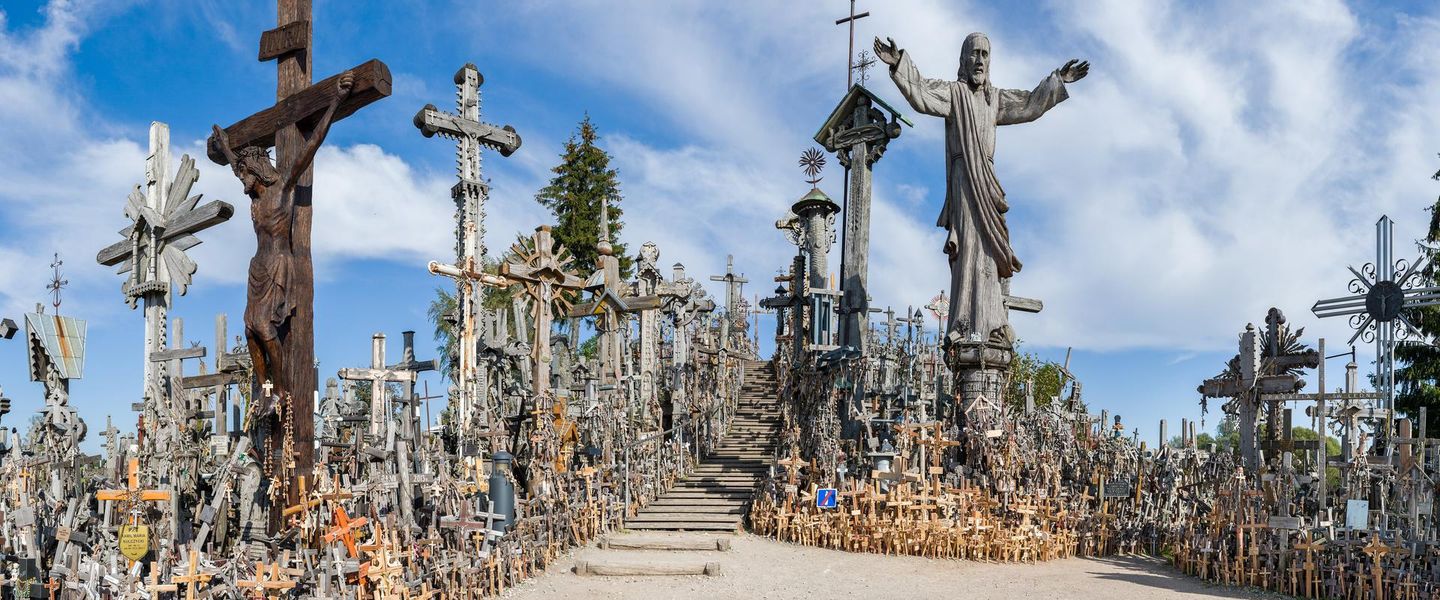


Explore Samogitia in north-west Lithuania for Žemaitian culture, glacial lakes, manor estates, historic towns and forested national-park landscapes.
Read more about Samogitia
When is the best time to visit Samogitia?
Best: June–August · 20–23°C| Month | High (°C) | Rainfall (mm) |
|---|---|---|
| January | 0 | 40 |
| February | 1 | 35 |
| March | 6 | 40 |
| April | 12 | 45 |
| May | 17 | 50 |
| June (best) | 20 | 55 |
| July (best) | 23 | 60 |
| August (best) | 22 | 60 |
| September | 17 | 55 |
| October | 12 | 50 |
| November | 6 | 45 |
| December | 1 | 40 |
Getting to and around Samogitia
How to get there
Transportation
Top city travel guides in Samogitia
The cities of Samogitia, and the easiest places to base yourself.
-

-

-
-

-
-


Swipe for more cities
Destinations in Samogitia
Resorts, valleys and scenic spots worth a trip of their own.
-

-
-

-


Swipe for more destinations
Best attractions in Samogitia
Samogitia’s attractions are spread across a landscape of lakes, glacial hills, forests and small historic towns. Žemaitija National Park is the region’s principal outdoor destination, with Lake Plateliai, wooded walking routes, cycle rides, boating opportunities and the Cold War Museum in a former underground missile complex. Around Telšiai, visitors can combine lakeside scenery with museums, public art and the compact historic centre. Plungė is associated with the Oginskiai manor estate and park, while nearby Rietavas preserves another important aristocratic and cultural setting. Kretinga offers a Franciscan monastery tradition, a manor complex and a botanical garden. Varniai provides religious and historical museums, and the surrounding uplands contain hillforts and viewpoints such as Medvėgalis and Šatrija. Smaller museums, wooden churches, roadside shrines and craft collections add depth to the rural itinerary. On the western side, the Baltic resorts and coastal settlements provide beaches and maritime landscapes, although their character is more seasonal than that of the inland towns.
-
Tourist attraction
Vilnius Museum of Illusions
Discover the mind-boggling wonders at the Vilnius Museum of Illusions - a captivating attraction blending science and art for all ages.
-
Park
Japanese garden
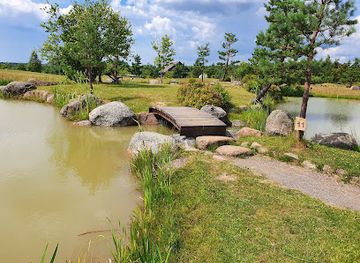
Experience tranquility and beauty at the Japanese Garden in Kretinga District, a perfect blend of nature and Japanese culture.
-
Tourist attraction
Horse Museum
Explore the Horse Museum in Anykščiai, a captivating blend of culture, history, and artistry celebrating Lithuania's equestrian heritage.
-
Historical landmark
Gelgaudiškis Manor
Explore the enchanting Gelgaudiškis Manor, a historical landmark in Lithuania, where rich heritage meets stunning natural beauty.
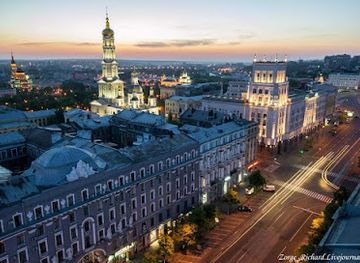
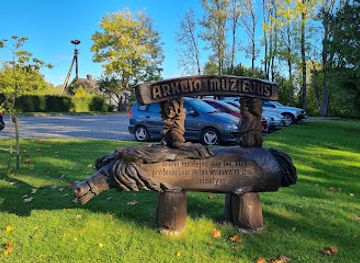
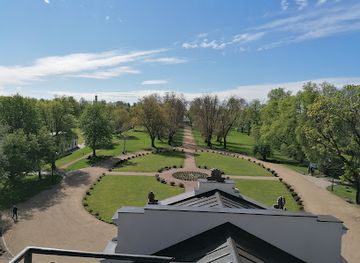
Best landmarks in Samogitia
Telšiai’s historic centre and lakeside position on Lake Mastis form one of Samogitia’s most recognisable urban landscapes. The city’s Cathedral of St Anthony of Padua and the surrounding old town reflect its enduring religious and regional importance. Plungė’s Oginskiai manor ensemble, with its palace, park and formal layout, represents the influence of the great estates that shaped nineteenth-century Samogitia. Varniai Cathedral and the town’s ecclesiastical heritage recall the former centre of the Samogitian diocese, while the nearby Church of St Peter and Paul at Varniai adds to the area’s architectural significance. The hillfort of Medvėgalis is both a geographical and historical emblem of the region, associated with medieval defence and Samogitia’s pre-Christian past. Šatrija, a prominent wooded hill with strong folkloric associations, is another defining feature of the Žemaitian landscape. On the coast, Palanga’s neo-Gothic Church of the Assumption of the Virgin Mary and the resort’s long sea frontage provide a contrasting landmark environment, linking Samogitia’s inland cultural identity with the Baltic shore.
-
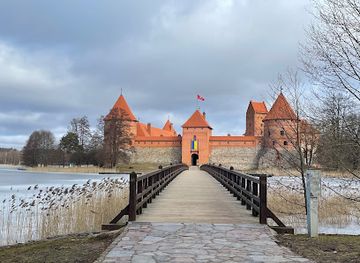
Castle
Trakai Island Castle
Explore the breathtaking Trakai Island Castle, a historical gem surrounded by stunning lake views and rich Lithuanian culture.
-
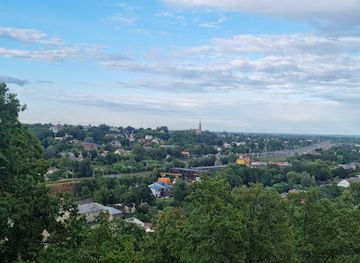
Park
Pavilnys Regional Park
Explore the breathtaking landscapes and diverse wildlife of Pavilnys Regional Park, a perfect escape for nature lovers and adventure seekers in Vilnius.
-
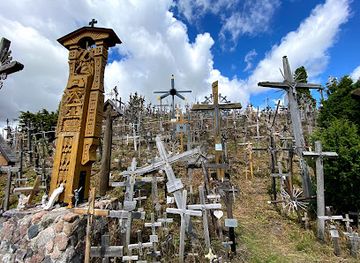
Religious destination
Hill of Crosses
Explore the Hill of Crosses, a profound symbol of faith and resilience in Lithuania, where thousands of crosses tell stories of hope and remembrance.
-
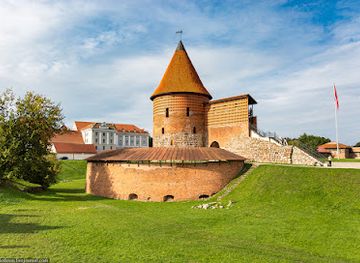
Castle
Kaunas Castle
Explore the rich history and stunning architecture of Kaunas Castle, a must-see landmark in Lithuania, offering breathtaking views and captivating exhibits.
Explore Samogitia on the map
Plan your trip on one map. See where the top cities, national parks and sights are, and book hotels and experiences in a few clicks.
Best hotels in Samogitia
Best restaurants in Samogitia
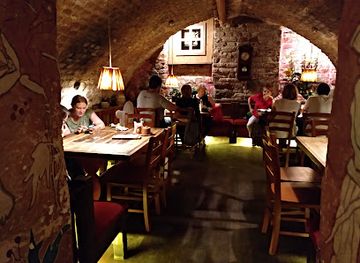
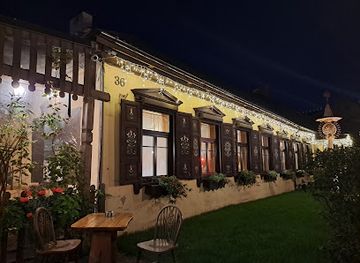
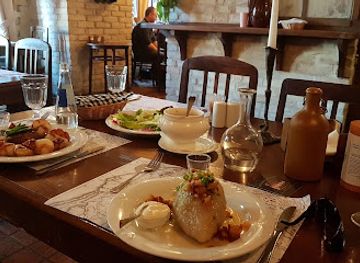
Samogitian food is hearty, dairy-rich and closely connected to farming traditions. A regional speciality is kastinys, a lightly cultured, whipped dairy preparation often served with hot potatoes; its texture and tang distinguish it from ordinary butter or sour cream. Menus and farm shops commonly feature dark rye bread, potatoes, smoked meats, freshwater fish, mushrooms, berries, farmhouse cheeses and seasonal vegetables. In Telšiai, Plungė, Kretinga and Palanga, visitors will find a broader choice of cafés, contemporary restaurants and bakeries, while village kitchens, rural homesteads and traditional inns offer a more local setting when available. Coastal areas add Baltic fish and smoked seafood to the wider Samogitian repertoire. Local beer, fruit drinks and herbal infusions accompany meals, and markets are useful for finding honey, preserves, bread and other produce. Dining is generally more formal in resort and town restaurants, whereas rural food experiences may require advance arrangements.
-
Lithuanian
Etno Dvaras
Discover the essence of Lithuania through authentic cuisine at Etno Dvaras in Vilnius.
-
Lithuanian
Senoji trobelė
Experience authentic Lithuanian flavors at Senoji Trobelė in Vilnius - where tradition meets taste in every dish.
-
Lithuanian
Žemaičių ąsotis
Experience authentic Lithuanian cuisine at Žemaičių ąsotis in Vilnius - where tradition meets flavor in every dish.
-
Georgian
Georgian House
Savor authentic Georgian dishes in Vilnius at Georgian House - a culinary journey filled with flavor and tradition.

Best bars in Samogitia
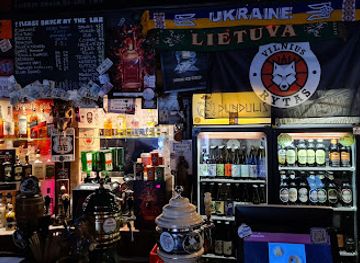
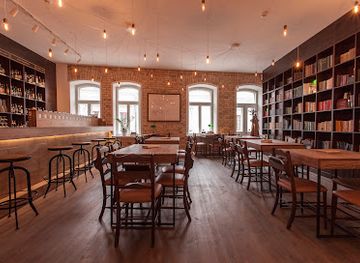
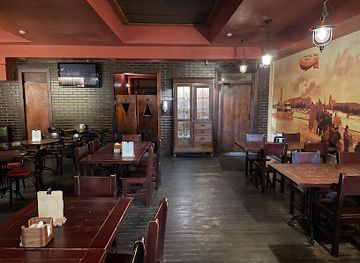
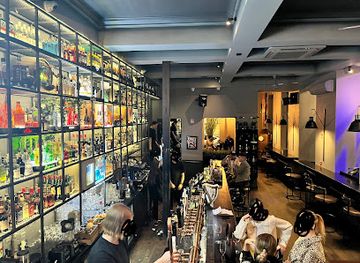
Evening life in Samogitia is concentrated in Telšiai, Plungė, Kretinga and the larger coastal resorts rather than spread through the countryside. In the inland towns, traditional pubs, modern cafés, hotel bars and occasional live-music venues provide a relaxed evening, with local beer and conversation playing a larger role than a large nightclub scene. Palanga, on the Baltic coast, has the region’s most seasonal nightlife, with a wider choice of bars, late-opening venues and summer entertainment, although its atmosphere changes markedly outside the holiday period. Smaller settlements generally become quiet after dinner, and rural accommodation is better suited to stargazing, sauna visits or an evening meal than to clubbing. Visitors should not assume that every village has late public transport, so arrange a taxi or return journey before travelling out to a countryside restaurant or event.
-
Pub
Šnekutis
Discover Šnekutis, the heart of Vilnius's pub scene, where local brews and hearty Lithuanian dishes await in a vibrant atmosphere.
-
Pub
Alaus Biblioteka | Beer Library
Discover Alaus Biblioteka, Vilnius' Beer Library, featuring an extensive selection of local and international beers in a cozy and inviting atmosphere.
-
Pub
Alaus Namai
Discover the essence of Lithuanian culture at Alaus Namai, a cozy pub in Vilnius offering a vast selection of local and international beers in a friendly atmosphere.
-
Bar
Distilerija
Experience the best of Lithuanian craft drinks at Distilerija, a vibrant bar in Vilnius offering artisanal cocktails and a welcoming atmosphere.
Best nightclubs in Samogitia
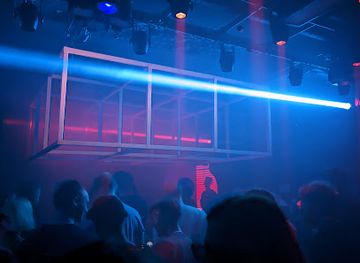
Evening life in Samogitia is concentrated in Telšiai, Plungė, Kretinga and the larger coastal resorts rather than spread through the countryside. In the inland towns, traditional pubs, modern cafés, hotel bars and occasional live-music venues provide a relaxed evening, with local beer and conversation playing a larger role than a large nightclub scene. Palanga, on the Baltic coast, has the region’s most seasonal nightlife, with a wider choice of bars, late-opening venues and summer entertainment, although its atmosphere changes markedly outside the holiday period. Smaller settlements generally become quiet after dinner, and rural accommodation is better suited to stargazing, sauna visits or an evening meal than to clubbing. Visitors should not assume that every village has late public transport, so arrange a taxi or return journey before travelling out to a countryside restaurant or event.
-
Night club
Tamsta Club
Experience the vibrant nightlife of Vilnius at Tamsta Club, a premier venue for live music and unforgettable parties.
-
Night club
Opium Club
Discover the vibrant nightlife of Vilnius at Opium Club, where energetic music and lively crowds create an unforgettable experience.
-
Night club
DejaVu Party Bar
Experience the vibrant nightlife of Kaunas at DejaVu Party Bar, where music, dancing, and local culture converge for an unforgettable night out.
-
Night club
Burlesque Night Club
Discover the enchanting world of Burlesque Night Club in Vilnius, where dazzling performances and vibrant nightlife come alive.



Best shops in Samogitia
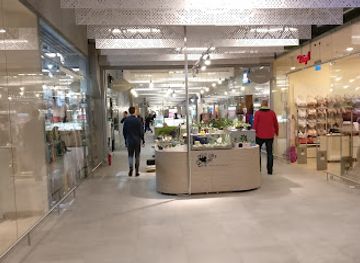
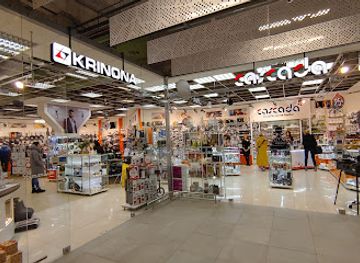
Shopping in Samogitia is centred on the high streets and market areas of Telšiai, Plungė, Kretinga, Palanga and other regional towns rather than on large specialist retail districts. Telšiai is a good place to look for locally themed crafts, books and small design items connected with Žemaitian culture, while Palanga offers a much broader seasonal range of amber jewellery, artworks, clothing and seaside souvenirs. Town markets and farm shops provide opportunities to buy rye bread, honey, smoked foods, cheeses, preserves, herbal products and other produce from the surrounding countryside. Independent craft outlets and museum shops may stock ceramics, textiles, woodwork and traditional decorative objects, though selection varies by season. Visitors should distinguish genuinely regional products from mass-produced souvenirs, particularly in busy coastal areas, and should carry cash for smaller market stalls and rural producers.
-
Outlet mall
Outlet Park
Discover incredible deals at Outlet Park, Vilnius' premier outlet mall featuring top brands and delightful dining options for an unforgettable shopping experience.
-
Shopping mall
Ogmios miestas
Discover the vibrant shopping experience at Ogmios Miestas in Vilnius, where diverse shops and dining await every visitor.
-
Ski resort
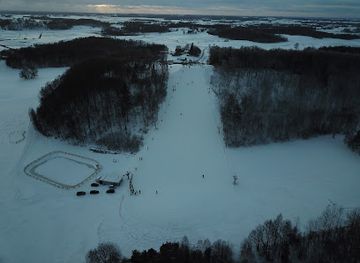
Aukštagirė Ski Area
Experience thrilling skiing and stunning winter landscapes at Aukštagirė Ski Area, a top destination for adventure seekers in Šilalė District.
-
Hypermarket
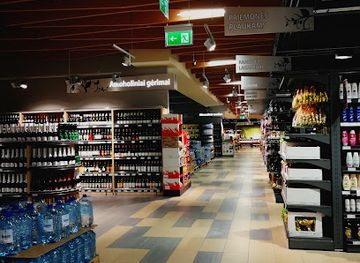
Norfa XXL
Experience a unique blend of local flavors and global products at Norfa XXL, Telšiai's premier hypermarket for all your shopping needs.
Get your free copy of our complete guide to Samogitia, delivered straight to you.
Everything on this page, from attractions and restaurants to essentials and local phrases, in one PDF you can read offline, print or share.
Already have an account? Sign in
Your Samogitia guide is ready.
We'll send it to · Not you? Sign out

Getting your guide ready…
We are putting together a fresh copy of the Samogitia guide. This can take up to a minute.
This can take a few moments. If your browser asks, choose Allow so the download can start. You'll find the guide in your Downloads folder.
Nothing happened? Download it again
Sorry, the guide is taking longer than usual. Please try again in a minute, or get it by email instead.
Samogitia essentials
Currency and Payment
Safety
Emergency Situations
Do's and Don'ts
Local Tips
From Eve
Local phrases worth knowing
You don't need to get them perfect. A few words go a long way, and locals appreciate the effort.
Basics
| English | Local | Say it |
|---|---|---|
| Hello | Labas | [lah-bahs] |
| Goodbye | Viso gero | [vee-so geh-ro] |
| Yes | Taip | [type] |
| No | Ne | [neh] |
| Please/You're welcome | Prašom | [prah-shom] |
| Thank you | Ačiū | [ah-choo] |
| Excuse me/Sorry | Atsiprašau | [ah-tsee-prah-shau] |
| How are you? | Kaip sekasi? | [kype seh-kah-see] |
| Fine. And you? | Gerai. O tu? | [geh-rai. oh too] |
| Do you speak English? | Ar kalbate angliškai? | [ar kahl-bah-teh ahn-glee-skee] |
| I don't understand | Aš nesuprantu | [ahsh neh-soo-prahn-too] |
Eating & Drinking
| English | Local | Say it |
|---|---|---|
| I'd like to see the menu, please | Norėčiau pamatyti meniu, prašom | [noh-reh-choo pah-mah-tee-tee meh-nyoo, prah-shom] |
| I don't eat meat | Aš nevalgau mėsos | [ahsh neh-vahl-gau meh-sohs] |
| Cheers! | Į sveikatą! | [ee svei-kah-tah] |
| I would like to pay, please | Norėčiau sumokėti, prašom | [noh-reh-choo soo-moh-keh-tee, prah-shom] |
Emergencies
| English | Local | Say it |
|---|---|---|
| Help! | Pagalba! | [pah-gahl-bah] |
| Go away! | Eik šalin! | [ayk shah-lin] |
| Call the Police! | Skambinkite policijai! | [skahm-been-kee-teh poh-lee-tsi-yai] |
| Call a doctor! | Skambinkite gydytojui! | [skahm-been-kee-teh gee-dee-toh-yui] |
| I'm lost | Aš pasiklydau | [ahsh pah-see-kleed-ow] |
| I'm ill | Aš sergu | [ahsh sehr-goo] |
Shopping
| English | Local | Say it |
|---|---|---|
| I'd like to buy... | Norėčiau pirkti... | [noh-reh-choo peer-kee] |
| I'm just looking | Aš tik žiūriu | [ahsh teek zhoo-ree-u] |
| How much is it? | Kiek tai kainuoja? | [kyek tie kahy-noo-yah] |
| That's too expensive | Tai per brangu | [tie pehr brahn-goo] |
| Can you lower the price? | Ar galite sumažinti kainą? | [ar gah-lee-teh soo-mah-zin-tee kahy-nah] |
Time & Numbers
| English | Local | Say it |
|---|---|---|
| What time is it? | Kiek valandų? | [kyek vah-lahn-doo] |
| It's one o'clock | Yra viena valanda | [ee-rah vyen-ah vah-lahn-dah] |
| Half past (10) | Pusė dešimt | [poo-seh deh-shimt] |
| Morning | Ryts | [reetz] |
| Afternoon | Pietūs | [pee-eh-toos] |
| Evening | Vakaras | [vah-kah-ras] |
| Yesterday | Vakar | [vah-kar] |
| Today | Šiandien | [shyan-dyen] |
| Tomorrow | Rytoj | [ree-toy] |
| 1 | 1 | [1] |
| 2 | 2 | [2] |
| 3 | 3 | [3] |
| 4 | 4 | [4] |
| 5 | 5 | [5] |
| 6 | 6 | [6] |
| 7 | 7 | [7] |
| 8 | 8 | [8] |
| 9 | 9 | [9] |
| 10 | 10 | [10] |
Transport & Directions
| English | Local | Say it |
|---|---|---|
| Where's a/the...? | Kur yra...? | [koor ee-rah] |
| What's the address? | Koks adresas? | [koks ah-dre-sahs] |
| Can you show me (on the map)? | Ar galite parodyti (žemėlapyje)? | [ar gah-lee-teh pah-roh-dee-tee (zheh-meh-lah-pee-yeh)] |
| When's the next (bus)? | Kada kitas (autobusas)? | [kah-dah kee-tahs (ow-toh-boo-sahs)] |
| A ticket (to ....) | Bilietas (į ....) | [bee-lyeh-tahs (ee ....)] |
History of Samogitia
Pre-Christian Samogitia and the Hillfort Landscape
Before the adoption of Christianity, Samogitia was a land of farming communities, sacred groves, fortified hilltops and local political leaders. Hillforts such as Medvėgalis and the heights associated with Šatrija are reminders of a landscape in which settlement, defence and ritual were closely connected. The region’s western position exposed it to pressure from the Teutonic Order, while its forests and difficult terrain helped local communities retain considerable independence. Archaeology and folklore continue to shape understanding of this pre-Christian past, although individual sacred sites should not be treated as perfectly preserved records of ancient belief.
The Samogitian Crusades and the Grand Duchy of Lithuania
During the late medieval period, Samogitia became a contested frontier between the Grand Duchy of Lithuania and the Teutonic Order. The region was transferred and contested several times in diplomatic agreements, and its political importance was linked to the Order’s attempts to secure a land route between Prussia and Livonia. Samogitian forces participated in the wider Lithuanian-Polish victory at Grunwald in 1410. After the final settlement with the Order, Samogitia’s incorporation into Christian Lithuania became more secure, although local traditions and institutions retained a strong regional character.
Christianisation and the Diocese of Samogitia, 1417 Onwards
Samogitia was among the last parts of Europe to be officially Christianised, following the conversion of Lithuania’s ruling dynasty in the late fourteenth century. A bishopric was established in 1417, and Varniai developed into its principal ecclesiastical centre. Churches, schools and clerical institutions gradually reshaped public life, while older customs persisted in rural practice and seasonal traditions. The cathedral and diocesan legacy at Varniai remain important for understanding how Christianity became rooted in western Lithuania and how the region became connected to the wider intellectual and administrative structures of the Grand Duchy.
Manors, Towns and the Polish-Lithuanian Commonwealth
From the sixteenth to the eighteenth centuries, Samogitia contained a network of noble estates, market towns, churches and agricultural communities. Families including the Oginskiai influenced the development of Plungė and Rietavas, supporting estates, music, education and technological projects. Telšiai grew as an administrative and commercial centre, while Varniai retained ecclesiastical importance. The region’s economy remained predominantly agricultural, but roads, craft production and trade connected it to ports and larger towns. Manor houses, parkland layouts and church foundations seen today are surviving traces of this social order.
Nineteenth-Century Cultural Revival and Motiejus Valančius
The nineteenth century brought Samogitia under the rule of the Russian Empire after the partitions of the Polish-Lithuanian Commonwealth. Religious institutions and the Lithuanian-speaking rural population became important guardians of local culture. Motiejus Valančius, born in the Kretinga area and later bishop of Samogitia, was a major religious writer, historian and organiser of education. During the Lithuanian press ban, which restricted printed Lithuanian in the Latin alphabet, books were circulated secretly across the country. Samogitia contributed strongly to the preservation and modern development of Lithuanian literary and religious culture.
Wars, Soviet Rule and the Transformation of Rural Life
The twentieth century brought independence, war, occupation and profound changes to Samogitian society. Land reform altered the old estate system, while the Second World War and subsequent Soviet occupation caused displacement, repression and the destruction or repurposing of institutions. Agriculture was collectivised, and the Soviet military established strategic facilities in the region, including the underground missile complex now interpreted through the Cold War Museum near Plungė. Since Lithuania restored independence in 1990, manor houses, churches, museums and national-park landscapes have increasingly been conserved as part of a regional cultural inheritance.
Žemaitian Identity in Contemporary Lithuania
Today Samogitia is one of Lithuania’s recognised ethnographic regions, distinguished by its dialect, folklore, foodways, artistic traditions and historical memory. Žemaitian speech has a particularly strong cultural presence, although standard Lithuanian dominates public administration and most visitor services. Telšiai functions as a leading centre for regional cultural life, while museums and festivals across the countryside present crafts, religious heritage and rural customs. Contemporary Samogitian identity is not a separate national identity, but an enduring regional expression within Lithuania, shaped by both local continuity and modern cultural institutions.
Samogitia in Photos
Browse through our photo collection highlighting the charm and character of the destination.
Neighbouring regions of Samogitia
The closest regions to Samogitia, if you have time for more than one.
-

-

-

-

-


Swipe for more regions
Explore more

Explore more of Lithuania
Discover Lithuania, a captivating blend of medieval charm, natural beauty, and vibrant culture, offering a unique and enriching travel experience in the heart of the Baltics.
Explore Lithuania