

Nida Beach Travel Guide - Free Web & App
Your ultimate guide to Nida Beach. Discover top landmarks, proposed trips, and local tips. Free on the web or via the Evendo companion app.


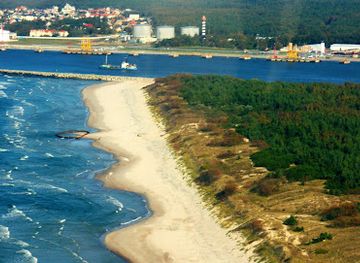
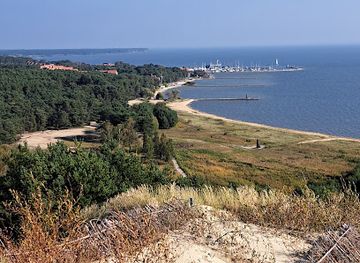
Discover the serene beauty of Nida Beach in Lithuania, where white sands meet clear blue waters and rich cultural heritage thrives on the Curonian Spit.
Read more about Nida Beach
When is the best time to visit Nida Beach?
Best: June–August · 23–25°C| Month | High (°C) | Rainfall (mm) |
|---|---|---|
| January | 1 | 29 |
| February | 2 | 25 |
| March | 4 | 23 |
| April | 10 | 20 |
| May | 18 | 16 |
| June (best) | 23 | 14 |
| July (best) | 25 | 13 |
| August (best) | 24 | 15 |
| September | 19 | 19 |
| October | 14 | 24 |
| November | 7 | 26 |
| December | 3 | 28 |
Getting to and around Nida Beach
How to get there
Transportation
Best attractions in Nida Beach
Nida Beach in Lithuania offers visitors a captivating blend of natural beauty, rich history, and cultural experiences. From the striking sand dunes of the Curonian Spit to the charming old town with its traditional fisherman's cottages, there is plenty to explore. Visitors can enjoy relaxing on the pristine beaches, hiking through the lush forests, or taking a boat trip along the lagoon. The area is also home to fascinating museums, art galleries, and a unique folklore ensemble, providing insight into the local way of life. Whether you are seeking outdoor adventure, cultural immersion, or simply a peaceful retreat, Nida Beach has something for every traveler to enjoy.
-
Tourist attraction
Curonian Spit National Park
Discover the stunning landscapes and rich biodiversity of Curonian Spit National Park, a UNESCO World Heritage site on the Baltic Sea.
-
Public beach
Melnrage Beach
Discover the serene beauty of Melnrage Beach in Klaipeda, Lithuania, where golden sands meet the tranquil Baltic Sea for a perfect coastal getaway.
-
Tourist attraction
Melnrages Molas
Experience the beauty of Melnrages Molas, a stunning tourist attraction in Klaipeda, offering breathtaking beach views and a peaceful atmosphere.
-
Tourist attraction
Dutchman's Cap
Discover the breathtaking beauty of Dutchman's Cap in Klaipėda District, Lithuania – a stunning coastal gem perfect for adventurers and nature lovers.
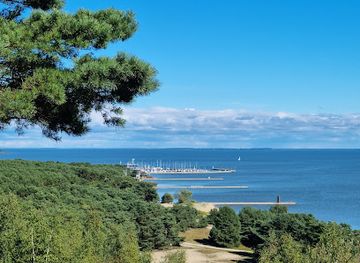
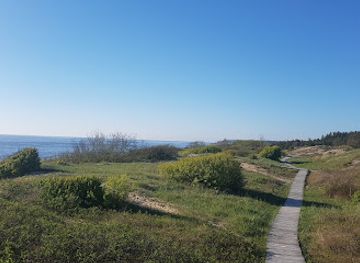
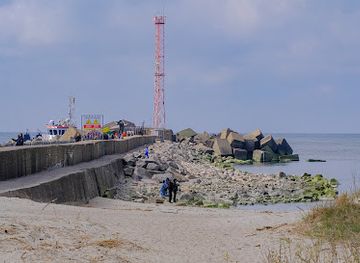
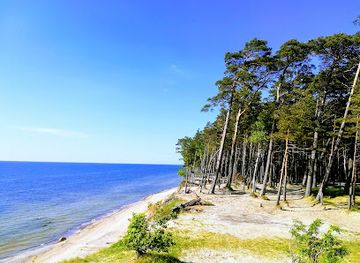
Best landmarks in Nida Beach
Nida Beach in Lithuania offers visitors a unique blend of natural beauty and cultural heritage. From the towering sand dunes of the Curonian Spit to the quaint old fishermen's houses in the village, there is something for everyone to explore. Don't miss the Nida lighthouse for panoramic views of the surrounding area or the Thomas Mann House museum for a glimpse into the area's literary history. Whether you're looking to relax on the beach or immerse yourself in local history, Nida Beach has it all.
-
Maritime museum
Lithuanian Sea Museum
Explore the fascinating maritime world at the Lithuanian Sea Museum, where history, nature, and fun come together on the beautiful Baltic coast.
-
Tourist attraction
Curonian Spit National Park
Discover the breathtaking beauty of Curonian Spit National Park, a UNESCO World Heritage site filled with stunning landscapes and rich biodiversity.
-
Art museum
Palangos gintaro muziejus
Explore the fascinating world of amber at the Palangos gintaro muziejus, a captivating museum showcasing Lithuania's rich cultural heritage and natural beauty.
-
Children's amusement center
Dino parkas Radailiai
Explore Dino Parkas Radailiai, a thrilling children's amusement center in Klaipėda District, offering a fun-filled journey into the age of dinosaurs.
Explore Nida Beach on the map
Plan your trip on one map. See where the top attractions, landmarks, restaurants and hotels are, and book hotels and experiences in a few clicks.
Best hotels in Nida Beach
Best restaurants in Nida Beach
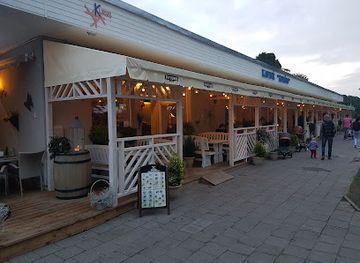
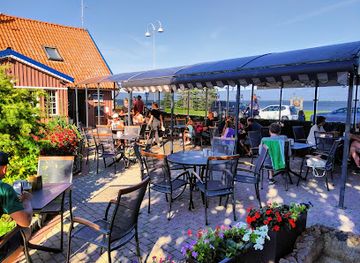
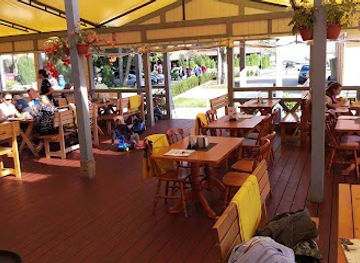
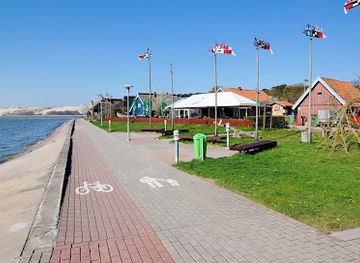
The dining scene at Nida Beach offers a delightful mix of local Lithuanian cuisine and international flavors, catering to a wide range of tastes and preferences. From cozy cafes serving up freshly baked pastries and aromatic coffee to upscale restaurants offering gourmet seafood dishes with a stunning view of the Curonian Lagoon, visitors can indulge in a culinary adventure like no other. Don't miss the opportunity to savor traditional smoked fish, hearty potato dishes, and decadent desserts made with locally sourced ingredients. Whether you're looking for a quick bite or a leisurely dining experience, Nida Beach has something for everyone to enjoy.
-
Restaurant
KURŠIS, kavinė-baras, Gražinos Starkuvienės firma
Discover the flavors of Lithuania at KURŠIS, Nida's top destination for traditional cuisine and warm hospitality.
-
Restaurant
Žvejonė
Discover authentic Lithuanian cuisine at Žvejonė in Juodkrantė, where tradition meets stunning coastal views.
-
Grill
Senasis uostas nida
Discover the flavors of Lithuania at Senasis Uostas Nida - where fresh seafood meets stunning coastal views.
-
Restaurant
Tik pas Joną
Experience the best of Lithuanian cuisine at Tik pas Joną in Nida – where local flavors meet coastal charm.
Best bars in Nida Beach
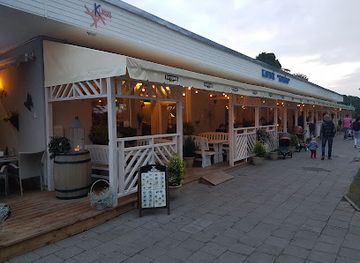
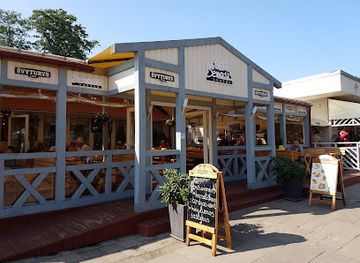
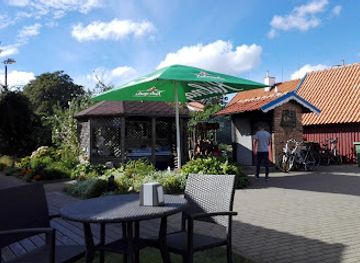
Nida Beach offers a vibrant nightlife scene with a variety of bars and nightclubs that cater to different tastes and preferences. From cozy beachfront bars where you can enjoy a cocktail while watching the sunset, to lively nightclubs where you can dance the night away to the latest hits, Nida Beach has something for everyone. The atmosphere is laid-back and friendly, making it easy to meet new people and have a great time. Whether you're looking for a relaxing evening by the sea or a night of partying, Nida Beach has it all.
-
Restaurant
KURŠIS, kavinė-baras, Gražinos Starkuvienės firma
Discover KURŠIS in Nida: A charming café-bar offering local dishes and drinks in a cozy coastal atmosphere.
-
Grill
Senasis uostas nida
Experience the flavors of Nida at Senasis Uostas, where fresh ingredients meet stunning coastal views for an unforgettable dining adventure.
-
Beach
Beach Of Nida
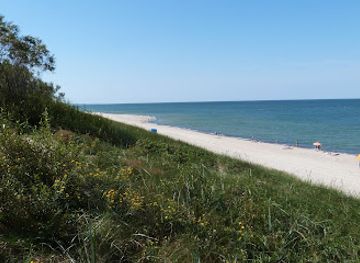
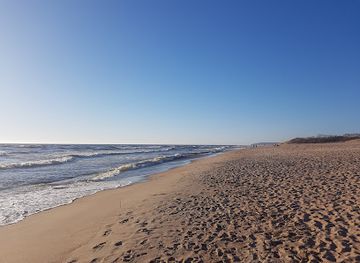
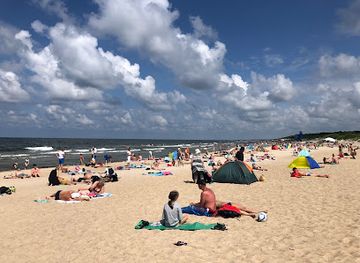
Experience the tranquil beauty of Nida Beach in Neringa Municipality, where golden sands meet serene waters and nature thrives.
-
Restaurant
Tik pas Joną
Experience the best of Lithuanian cuisine at Tik pas Joną, where local flavors and smoked fish specialties take center stage in beautiful Nida.
Best nightclubs in Nida Beach
Nida Beach offers a vibrant nightlife scene with a variety of bars and nightclubs that cater to different tastes and preferences. From cozy beachfront bars where you can enjoy a cocktail while watching the sunset, to lively nightclubs where you can dance the night away to the latest hits, Nida Beach has something for everyone. The atmosphere is laid-back and friendly, making it easy to meet new people and have a great time. Whether you're looking for a relaxing evening by the sea or a night of partying, Nida Beach has it all.
-
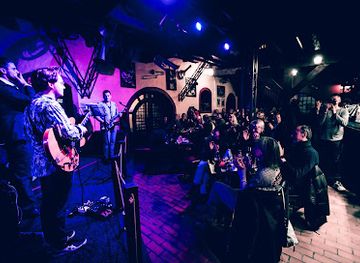
Jazz
Kurpiai
Discover the magic of jazz and culinary excellence at Kurpiai, a premier dining and entertainment destination in Klaipėda.
-
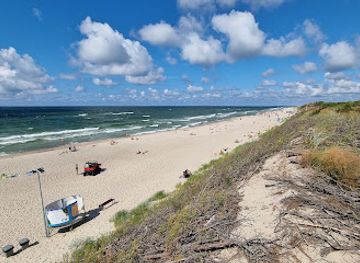
Beach
Nida nudist beach
Explore Nida Nudist Beach, where nature meets liberation in a stunning coastal paradise perfect for relaxation and self-expression.
-
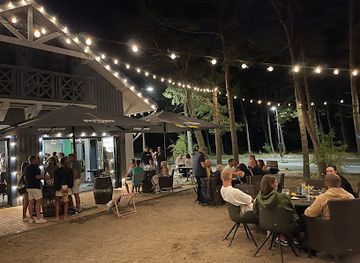
Bar
Sangrita Nida
Experience the vibrant nightlife at Sangrita Nida, a bar that offers delightful drinks and a lively atmosphere in the heart of Nida.
-
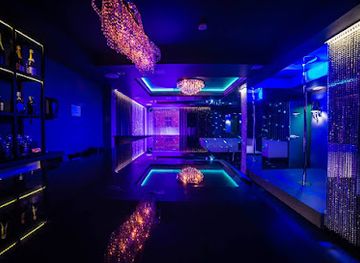
Night club
Crystal Show Club
Discover the vibrant nightlife of Klaipėda at Crystal Show Club, where captivating performances and a lively atmosphere await every visitor.
Best shops in Nida Beach
Nida Beach offers a unique shopping experience for visitors, with a variety of local shops and boutiques showcasing traditional Lithuanian crafts and souvenirs. From handmade amber jewelry to intricate wood carvings, visitors can find one-of-a-kind treasures to bring home. The charming streets of Nida are lined with quaint shops selling local artwork, textiles, and pottery, providing a glimpse into the rich cultural heritage of the area. Whether you're looking for a special gift or a piece of history to take home, the shopping scene at Nida Beach is sure to delight travelers of all tastes.
-
National park
Curonian Spit National Park
Explore the breathtaking beauty and diverse ecosystems of Curonian Spit National Park, a UNESCO World Heritage Site along the Baltic Sea.
-
Public beach
Melnrage Beach
Discover the charm of Melnrage Beach in Klaipeda, a perfect blend of relaxation, fun activities, and stunning coastal views.
-
Beach
Palanga sahili
Experience the enchanting Palanga Beach, a perfect blend of natural beauty, vibrant culture, and endless seaside adventures.
-
Historical landmark
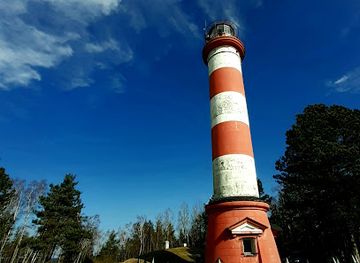
Nida Lighthouse
Uncover the maritime history and breathtaking views at the iconic Nida Lighthouse on the Curonian Spit.
Get your free copy of our complete guide to Nida Beach, delivered straight to you.
Everything on this page, from attractions and restaurants to essentials and local phrases, in one PDF you can read offline, print or share.
Already have an account? Sign in
Your Nida Beach guide is ready.
We'll send it to · Not you? Sign out

Getting your guide ready…
We are putting together a fresh copy of the Nida Beach guide. This can take up to a minute.
This can take a few moments. If your browser asks, choose Allow so the download can start. You'll find the guide in your Downloads folder.
Nothing happened? Download it again
Sorry, the guide is taking longer than usual. Please try again in a minute, or get it by email instead.
Nida Beach essentials
Currency and Payment
Safety
Emergency Situations
Do's and Don'ts
Local Tips
From Eve
Local phrases worth knowing
You don't need to get them perfect. A few words go a long way, and locals appreciate the effort.
Basics
| English | Local | Say it |
|---|---|---|
| Hello | Labas | [lah-bahs] |
| Goodbye | Viso gero | [vee-soh geh-roh] |
| Yes | Taip | [taip] |
| No | Ne | [neh] |
| Please/You're welcome | Prašau | [prah-shau] |
| Thank you | Ačiū | [ah-choo] |
| Excuse me/Sorry | Atsiprašau | [ah-tsee-prah-shau] |
| How are you? | Kaip gyveni? | [kah-eep gee-veh-nee] |
| Fine. And you? | Gerai. O tu? | [geh-rah-e. oh too] |
| Do you speak English? | Ar kalbate angliškai? | [ahr kahl-bah-teh ahng-leesh-kai] |
| I don't understand | Aš nesuprantu | [ahsh neh-soo-prahn-too] |
Eating & Drinking
| English | Local | Say it |
|---|---|---|
| I'd like to see the menu, please | Norėčiau pamatyti meniu, prašau | [no-reh-chow pah-mah-tea meh-nee-oo, prah-shau] |
| I don't eat meat | Aš nevalgau mėsos | [ahsh neh-vahl-gow meh-sohs] |
| Cheers! | Į sveikatą! | [ee svee-kah-tah] |
| I would like to pay, please | Norėčiau sumokėti, prašau | [no-reh-chow soo-moh-keh-tee, prah-shau] |
Emergencies
| English | Local | Say it |
|---|---|---|
| Help! | Pagalba! | [pah-gahl-bah] |
| Go away! | Išeik! | [ee-shayk] |
| Call the Police! | Skambinkite policijai! | [skahm-been-kee-teh poh-lee-tsai] |
| Call a doctor! | Skambinkite gydytojui! | [skahm-been-kee-teh gih-dih-toh-yoo-ee] |
| I'm lost | Aš pasiklydau | [ahsh pah-see-kloo-dah-oo] |
| I'm ill | Aš sergu | [ahsh sehr-goo] |
Shopping
| English | Local | Say it |
|---|---|---|
| I'd like to buy... | Norėčiau nusipirkti... | [no-reh-chow noo-see-peerk-tee] |
| I'm just looking | Aš tik žiūriu | [ahsh teek zee-oo-ree-oo] |
| How much is it? | Kiek tai kainuoja? | [kee-ehk tai kai-noo-yah] |
| That's too expensive | Tai per brangu | [tai pehr brahn-goo] |
| Can you lower the price? | Ar galite sumažinti kainą? | [ahr gah-lee-teh soo-mah-zin-tee kai-nah] |
Time & Numbers
| English | Local | Say it |
|---|---|---|
| What time is it? | Kiek valandų? | [kee-ehk vah-lahn-doo] |
| It's one o'clock | Yra viena valanda | [ee-rah vee-eh-nah vah-lahn-dah] |
| Half past (10) | Pusė (dešimt) | [poo-seh deh-shimt] |
| Morning | Rytas | [rih-tahs] |
| Afternoon | Popietė | [poh-pie-teh] |
| Evening | Vakaras | [vah-kah-rahs] |
| Yesterday | Vakar | [vah-kahr] |
| Today | Šiandien | [shahn-diehn] |
| Tomorrow | Rytoj | [rih-toy] |
| 1 | Vienas | [vyeh-nahs] |
| 2 | Du | [doo] |
| 3 | Trys | [trees] |
| 4 | Keturi | [keh-too-ree] |
| 5 | Penki | [pehn-kee] |
| 6 | Šeši | [sheh-shee] |
| 7 | Septyni | [sehp-tih-nee] |
| 8 | Aštuoni | [ahs-too-oh-nee] |
| 9 | Devyni | [deh-vee-nee] |
| 10 | Dešimt | [deh-shimt] |
Transport & Directions
| English | Local | Say it |
|---|---|---|
| Where's a/the...? | Kur yra...? | [koor eer-ah] |
| What's the address? | Koks adresas? | [kohks ah-dreh-sahs] |
| Can you show me (on the map)? | Ar galite man parodyti (žemėlapyje)? | [ahr gah-lee-teh mahn pah-roh-dih-tee zheh-meh-lah-pie-ye] |
| When's the next (bus)? | Kada kitas (autobusas)? | [kah-dah kee-tahs ow-toh-boo-sahs] |
| A ticket (to ....) | Bilietas (į ....) | [bee-lyeh-tahs ee] |
History of Nida Beach
The Origins of Nida
Nida, a picturesque village on the Curonian Spit, has a history that dates back to the early 15th century. Initially part of the Teutonic Order’s territory, it was a small fishing settlement that thrived due to its strategic location. The village's name is believed to be derived from the Curonian word ‘nidda’, meaning ‘a bog’. Nida’s historical roots are deeply intertwined with the maritime and fishing traditions of the Baltic region.
The Influence of the Prussian Empire
In the 18th century, Nida came under the control of the Prussian Empire. This era saw significant developments, including the establishment of better infrastructure and the introduction of Prussian administrative systems. The Prussian influence is evident in the architectural styles of the period, which can still be seen in some of the older buildings in the village.
The Artists' Colony
During the late 19th and early 20th centuries, Nida became a haven for artists and writers, forming the famous Nida Artists' Colony. Notable figures such as Thomas Mann, who built a summer house there in 1930, were drawn to Nida's serene landscapes and unique light. This period marked a cultural renaissance for the village, significantly influencing its cultural heritage.
World War II and Soviet Era
Nida, like much of Lithuania, was heavily impacted by World War II. After the war, it became part of the Soviet Union. The Soviet era brought both challenges and changes, including the establishment of collective farms and the restriction of access to the Curonian Spit, which was declared a border zone. Despite these difficulties, Nida retained its charm and continued to attract visitors.
Modern Day Nida
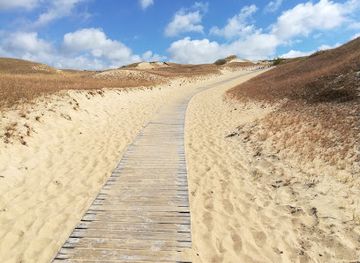
Since Lithuania regained its independence in 1990, Nida has flourished as a tourist destination. The village has successfully preserved its historical charm while embracing modern amenities. Today, Nida Beach is renowned for its stunning dunes, part of the Curonian Spit National Park, a UNESCO World Heritage site. The blend of natural beauty and rich history makes Nida a unique and captivating destination.
Nida Beach in Photos
Browse through our photo collection highlighting the charm and character of the destination.
Cities in Nida Beach
The towns and cities of Nida Beach, and the easiest places to base yourself.

Swipe for more cities
Neighbouring destination travel guides
The closest destinations to Nida Beach, if you have time for more than one.
-

-

-
-

-


Swipe for more destinations
Explore more

Explore more of Klaipėda Region
Discover Klaipėda Region: Lithuania's Coastal Charm with Historic Towns, Pristine Beaches, and Rich Maritime Heritage.
Explore Klaipėda Region
Explore more of Lithuania
Discover Lithuania, a captivating blend of medieval charm, natural beauty, and vibrant culture, offering a unique and enriching travel experience in the heart of the Baltics.
Explore Lithuania