

Free Slidell Travel Guide & Mobile App
Plan your Slidell trip with Evendo. Get free guides to top attractions, restaurants, hotels, and bars. Web access or download the mobile app.


Slidell, Louisiana welcomes visitors with North Shore history, bayou wildlife and Cajun and seafood culture, from historic districts to wetland adventures.
North Shore Setting
Slidell sits on the north-eastern shore of Lake Pontchartrain, close to the Pearl River and the wetlands that separate south-east Louisiana from the Gulf Coast. Its location gives the city a distinctly regional character: New Orleans is within easy reach across the lake, while bayous, cypress swamps and wildlife refuges begin close to town. Slidell is a practical base for exploring the Northshore, with a relaxed pace, broad roads and a strong connection to the surrounding waterways.Read more about Slidell
Historic Streets and Local Character
Wetlands, Seafood and the Wider Northshore
When is the best time to visit Slidell?
Best: April, October–November · 21–27°C| Month | High (°C) | Rainfall (mm) |
|---|---|---|
| January | 16 | 105 |
| February | 18 | 110 |
| March | 21 | 130 |
| April (best) | 24 | 110 |
| May | 29 | 130 |
| June | 32 | 160 |
| July | 33 | 175 |
| August | 33 | 185 |
| September | 32 | 150 |
| October (best) | 27 | 110 |
| November (best) | 21 | 115 |
| December | 17 | 120 |
Getting to and around Slidell
How to get there
Transportation
Best attractions in Slidell
Slidell’s principal sights combine local history with easy access to Northshore landscapes. In Olde Towne Slidell, visitors can browse historic commercial streets, antique shops and small businesses before visiting the Slidell Museum, whose displays explain the city’s railway, maritime and community heritage. Camp Salmen Nature Park offers trails, wooded scenery and wetland habitats on a former settlement and camp site, making it one of the city’s most direct introductions to the surrounding environment. For a broader view of south-east Louisiana’s waterways, guided excursions into Honey Island Swamp and the Pearl River basin reveal cypress forests, bayous and abundant birdlife, although many launches are outside the urban centre. Nearby marinas and charter services connect the city with fishing and boating traditions, while the lakefront landscape and long causeways provide a strong sense of Slidell’s position beside Lake Pontchartrain.
-
Tourist attraction
Heritage Park
Explore Heritage Park in Slidell, Louisiana - a perfect blend of nature, history, and serene beauty for an unforgettable outdoor experience.
15 min walk · 1.2 km from city centre
-
Tourist attraction
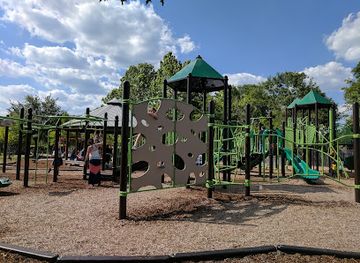
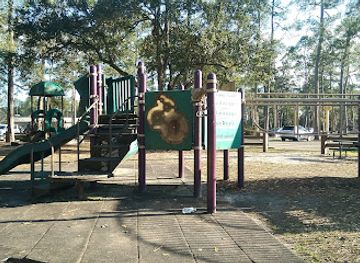
John Slidell Park
Discover the beauty of nature at John Slidell Park, a tranquil escape in Slidell, Louisiana, perfect for relaxation, family fun, and outdoor activities.
12 min drive · 3.9 km from city centre
-
Tourist attraction
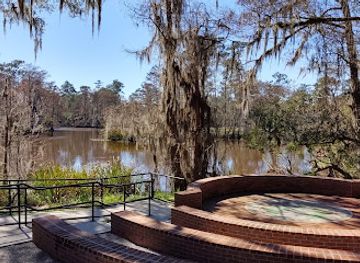
Camp Salmen Nature Park
Explore the tranquil beauty of Camp Salmen Nature Park, a nature preserve in Slidell, Louisiana, with scenic trails and diverse wildlife.
10 min drive · 3.4 km from city centre
-
Park
Fritchie Park
Discover the serene beauty of Fritchie Park, a perfect family-friendly destination in Slidell, Louisiana, blending nature and recreation.
15 min drive · 4.9 km from city centre
Best landmarks in Slidell
Slidell’s landmarks are closely connected with its development as a railway and Northshore community. The Slidell Museum is housed in a former city building and provides an important civic record of local rail, maritime, commercial and social history. Olde Towne Slidell forms the city’s most recognisable historic streetscape, where older shopfronts and surviving commercial structures recall the period when the railway helped establish the community. The city’s position is also symbolised by the Lake Pontchartrain causeway approaches and the waterways around the Pearl River, which explain Slidell’s longstanding relationship with transport, fishing and wetlands. Camp Salmen Nature Park adds an environmental and historical landmark, preserving a large natural area associated with earlier settlement and recreation. Together, these places represent a smaller-scale Gulf South city shaped by movement, water, commerce and repeated adaptation to coastal storms.
-
Visitor center
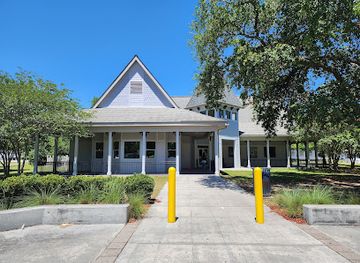
Louisiana Welcome Center
Explore Louisiana's rich culture and history at the Louisiana Welcome Center in Slidell, your essential stop for travel information and Southern hospitality.
21 min drive · 6.9 km from city centre
-
Shopping mall
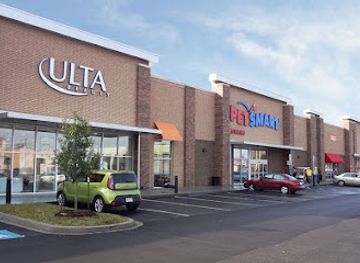
Fremaux Town Center
Discover the perfect blend of shopping, dining, and entertainment at Fremaux Town Center in Slidell, Louisiana — a must-visit destination for all travelers.
10 min drive · 3.4 km from city centre
-
Cajun
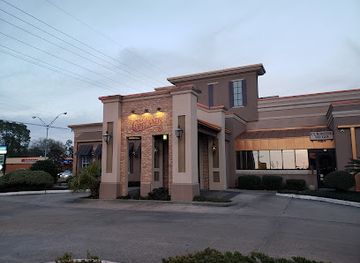
Copeland's of New Orleans
Experience the heart of Louisiana's culinary traditions at Copeland's of New Orleans in Slidell, where Cajun and Creole delights await every food lover.
6 min drive · 2.0 km from city centre
-
Louisianan
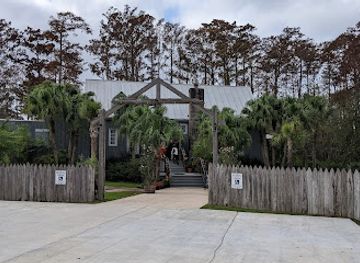
Palmettos On The Bayou
Experience the rich flavors of Louisiana at Palmettos On The Bayou, where exquisite cuisine meets picturesque bayou views.
16 min walk · 1.3 km from city centre
Explore Slidell on the map
Plan your Slidell trip on one map. See where the top attractions, landmarks, restaurants, bars and hotels are, find what's near where you're staying, and book hotels and experiences in a few clicks.
Best hotels in Slidell
Best restaurants in Slidell
Slidell’s dining identity is rooted in the seafood and seasoning traditions of south-east Louisiana. Gulf shrimp, oysters, catfish, crawfish, crab and local fish appear in po’boys, fried platters, étouffée, gumbo and other dishes shaped by Cajun and Creole cooking. Casual seafood restaurants, family-run cafés and independent po’boy shops are particularly characteristic, while bakeries and coffee shops provide simpler stops around the older centre and commercial corridors. Olde Towne has a more intimate setting for dining and drinks, whereas larger roads around the city offer a broader choice of restaurants. Seasonal availability matters: crawfish and some Gulf catches follow changing harvests, so menus can reflect the time of year. Visitors will also find familiar American dining, but the most regionally distinctive meals draw on the area’s waterways, rice-growing traditions, French and Creole influences, and long-standing preference for generously seasoned food.
-
American
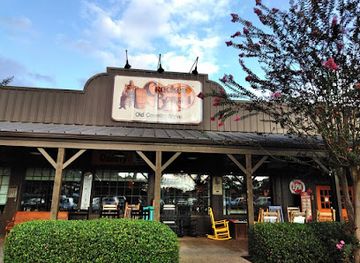
Cracker Barrel Old Country Store
Experience authentic Southern cuisine at Cracker Barrel Old Country Store in Slidell - where tradition meets comfort food.
10 min drive · 3.4 km from city centre
-
Steak
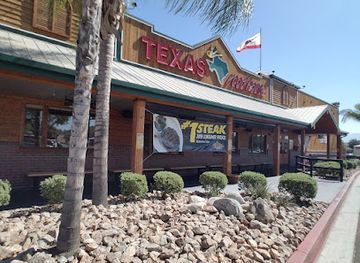
Texas Roadhouse
Experience the best of American cuisine at Texas Roadhouse in Slidell - home to mouthwatering steaks and southern hospitality.
10 min drive · 3.4 km from city centre
-
American
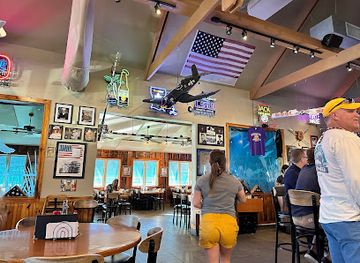
Southside Cafe
Experience Southern hospitality at Southside Cafe in Slidell - where delicious American cuisine meets a vibrant atmosphere.
10 min drive · 3.2 km from city centre
-
Fast Food
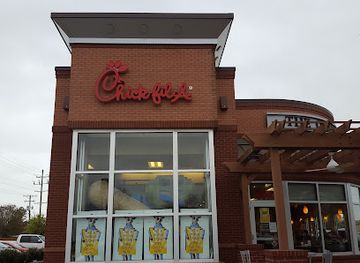
Chick-fil-A
Enjoy delicious chicken meals at Chick-fil-A Slidell, where flavor meets family-friendly service in an inviting atmosphere.
9 min drive · 2.9 km from city centre
Best bars in Slidell
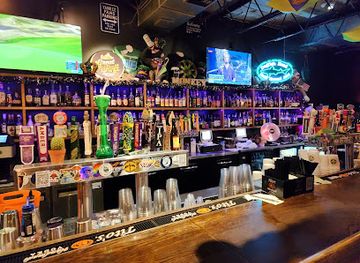
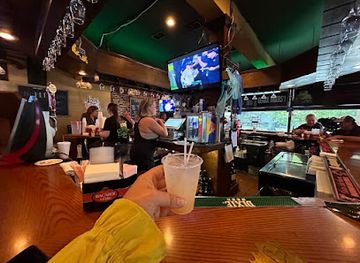
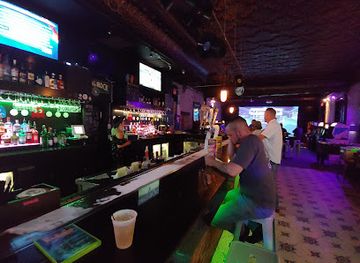
Slidell’s evening scene is modest and locally focused rather than built around large nightclubs. Olde Towne provides the most characterful setting for a relaxed drink, with bars, restaurant lounges and small venues occupying or near older commercial buildings. Elsewhere, neighbourhood bars, sports-focused establishments and live-music nights offer casual socialising, while some restaurants extend their service into the evening. Entertainment tends to be dispersed along roads and shopping corridors, so walking between venues is less practical than in the French Quarter or central New Orleans. Visitors seeking theatre, major concerts or a much wider club selection can travel towards New Orleans, but should plan transport and a safe return journey. Live music and informal gatherings reflect the wider Louisiana culture of blues, country, rock, zydeco and southern dance traditions, though the schedule and venue mix can change seasonally.
-
Bar
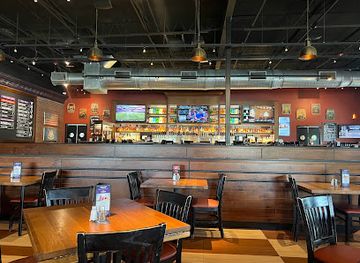
BJ's Restaurant & Brewhouse
Indulge in a vibrant dining experience with handcrafted brews and delicious dishes at BJ's Restaurant & Brewhouse in Slidell, Louisiana.
9 min drive · 3.1 km from city centre
-
Grill
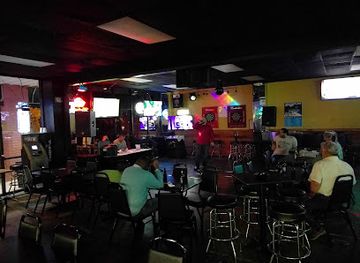
Kappy's Daiquiri & Sports Bar
Experience the vibrant atmosphere and delicious flavors at Kappy's Daiquiri & Sports Bar in Slidell, where food, fun, and friendship come together.
15 min drive · 4.9 km from city centre
-
Bar
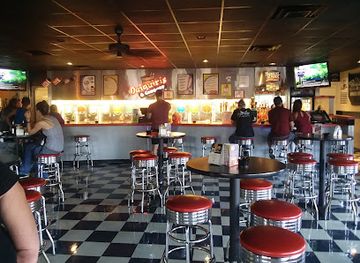
Daiquiris & Company
Discover Daiquiris & Company in Slidell, LA: A vibrant bar known for its signature daiquiris and lively atmosphere, perfect for tourists and locals alike.
6 min drive · 1.9 km from city centre
-
Bar
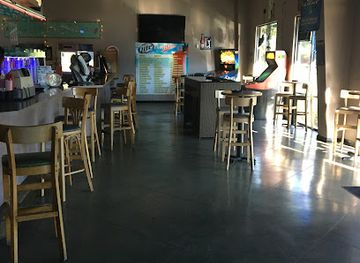
Daiquiris & Creams Of Slidell
Experience the vibrant nightlife at Daiquiris & Creams of Slidell, where delicious drinks and lively dance floors create unforgettable nights.
10 min drive · 3.5 km from city centre
Best nightclubs in Slidell
Slidell’s evening scene is modest and locally focused rather than built around large nightclubs. Olde Towne provides the most characterful setting for a relaxed drink, with bars, restaurant lounges and small venues occupying or near older commercial buildings. Elsewhere, neighbourhood bars, sports-focused establishments and live-music nights offer casual socialising, while some restaurants extend their service into the evening. Entertainment tends to be dispersed along roads and shopping corridors, so walking between venues is less practical than in the French Quarter or central New Orleans. Visitors seeking theatre, major concerts or a much wider club selection can travel towards New Orleans, but should plan transport and a safe return journey. Live music and informal gatherings reflect the wider Louisiana culture of blues, country, rock, zydeco and southern dance traditions, though the schedule and venue mix can change seasonally.
-
Grill
Kappy's Daiquiri & Sports Bar
Experience the vibrant atmosphere of Kappy's Daiquiri & Sports Bar, where delicious grills, karaoke, and sports unite in Slidell, Louisiana.
15 min drive · 4.9 km from city centre
-
Bar
The Brass Monkey Slidell
Discover the vibrant nightlife at The Brass Monkey in Slidell, where great drinks meet live music for an unforgettable evening.
5 min drive · 1.6 km from city centre
-
Cocktail bar
Heidelberg's
Discover Heidelberg's, Slidell's top cocktail bar offering creative drinks and a lively atmosphere perfect for a fun night out.
5 min drive · 1.7 km from city centre
-
Bar
Electric Avenue
Experience the vibrant nightlife at Electric Avenue, Slidell's premier bar for drinks, music, and unforgettable moments.
5 min drive · 1.7 km from city centre

Best shops in Slidell
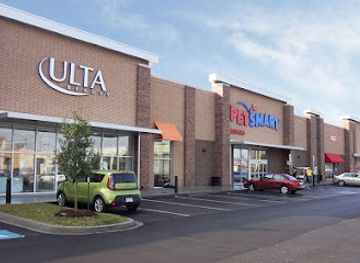
Shopping in Slidell ranges from independent businesses in Olde Towne to modern retail around Fremaux Town Center and the city’s larger commercial corridors. Olde Towne is particularly associated with antiques, collectibles, vintage furnishings and locally owned shops, giving browsing a more historic setting than the newer retail areas. Contemporary centres provide national brands, everyday goods and dining, while smaller specialist businesses appear along established roads. Visitors looking for regional gifts can seek out Louisiana food products, hot sauces, spice blends, pralines, packaged seafood, locally themed artwork and craft items, though stock varies by shop. The city is more useful for practical shopping and antiques than for a concentrated luxury or designer scene. Its retail character reflects Slidell’s role as a service centre for the Northshore, combining suburban convenience with a modest but distinctive connection to Louisiana’s culinary and decorative traditions.
-
Shopping mall
Fremaux Town Center
Explore the ultimate shopping destination in Slidell at Fremaux Town Center, featuring top stores, delightful dining, and a vibrant atmosphere.
10 min drive · 3.4 km from city centre
-
Craft store
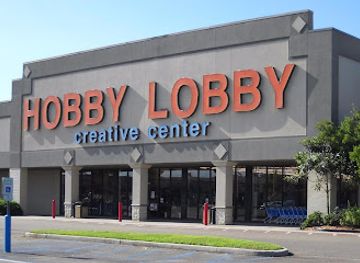
Hobby Lobby
Explore creative possibilities at Hobby Lobby Slidell, the ultimate destination for crafters and DIY enthusiasts offering a wide selection of supplies.
8 min drive · 2.7 km from city centre
-
Shopping mall
Slidell Midtown Square Shopping Center
Explore the vibrant Slidell Midtown Square Shopping Center, where shopping, dining, and entertainment come together for a complete experience.
8 min drive · 2.7 km from city centre
-
Gift shop
Five Below
Explore Five Below in Slidell, LA for a unique shopping experience filled with trendy gifts, toys, and sweet treats—all for $5 or less.
10 min drive · 3.2 km from city centre
Get your free copy of our complete guide to Slidell, delivered straight to you.
Everything on this page, from attractions and restaurants to essentials and local phrases, in one PDF you can read offline, print or share.
Already have an account? Sign in
Your Slidell guide is ready.
We'll send it to · Not you? Sign out

Getting your guide ready…
We are putting together a fresh copy of the Slidell guide. This can take up to a minute.
This can take a few moments. If your browser asks, choose Allow so the download can start. You'll find the guide in your Downloads folder.
Nothing happened? Download it again
Sorry, the guide is taking longer than usual. Please try again in a minute, or get it by email instead.
Slidell essentials
Currency and Payment
Safety
Emergency Situations
Do's and Don'ts
Local Tips
From Eve
Local phrases worth knowing
You don't need to get them perfect. A few words go a long way, and locals appreciate the effort.
Basics
| English | Local | Say it |
|---|---|---|
| Hello | Howdy | [haw-dee] |
| Goodbye | See ya later | [see ya lay-tuh] |
| Yes | Yeah | [yay-uh] |
| No | Nah | [nah] |
| Please/You're welcome | Please/No problem | [pleez/no prob-lem] |
| Thank you | Thanks | [thanks] |
| Excuse me/Sorry | Pardon me/My bad | [par-dun me/my bad] |
| How are you? | How y'all doin'? | [how y'all doin'] |
| Fine. And you? | Fine. How 'bout you? | [fine. how 'bout yuh] |
| Do you speak English? | Y'all speak English? | [y'all speak ing-glish] |
| I don't understand | I'm lost | [I'm lost] |
Eating & Drinking
| English | Local | Say it |
|---|---|---|
| I'd like to see the menu, please | Can I see the menu, please | [can I see the menu, please] |
| I don't eat meat | I don't eat meat | [I don't eat meat] |
| Cheers! | Cheers! | [Cheers!] |
| I would like to pay, please | Can I pay, please | [can I pay, please] |
Emergencies
| English | Local | Say it |
|---|---|---|
| Help! | Help! | [Help!] |
| Go away! | Get outta here! | [get outta here!] |
| Call the Police! | Call the cops! | [call the cops!] |
| Call a doctor! | Get a doc! | [get a doc!] |
| I'm lost | I'm lost | [I'm lost] |
| I'm ill | I'm sick | [I'm sick] |
Shopping
| English | Local | Say it |
|---|---|---|
| I'd like to buy... | I wanna buy... | [I wanna buy...] |
| I'm just looking | Just lookin' | [just lookin'] |
| How much is it? | How much does it cost? | [how much does it cost?] |
| That's too expensive | That's too pricey | [that's too pricey] |
| Can you lower the price? | Can ya lower the price? | [can ya lower the price?] |
Time & Numbers
| English | Local | Say it |
|---|---|---|
| What time is it? | What time is it? | [What time is it?] |
| It's one o'clock | It's one o'clock | [It's one o'clock] |
| Half past (10) | Half past ten | [Half past ten] |
| Morning | Morning | [Morning] |
| Afternoon | Afternoon | [Afternoon] |
| Evening | Evening | [Evening] |
| Yesterday | Yesterday | [Yesterday] |
| Today | Today | [Today] |
| Tomorrow | Tomorrow | [Tomorrow] |
| 1 | One | [One] |
| 2 | Two | [Two] |
| 3 | Three | [Three] |
| 4 | Four | [Four] |
| 5 | Five | [Five] |
| 6 | Six | [Six] |
| 7 | Seven | [Seven] |
| 8 | Eight | [Eight] |
| 9 | Nine | [Nine] |
| 10 | Ten | [Ten] |
Transport & Directions
| English | Local | Say it |
|---|---|---|
| Where's a/the...? | Where's the...? | [Where's the...?] |
| What's the address? | What's the address? | [What's the address?] |
| Can you show me (on the map)? | Can you show me (on the map)? | [Can you show me (on the map)?] |
| When's the next (bus)? | When's the next (bus)? | [When's the next (bus)?] |
| A ticket (to ....) | A ticket (to ....) | [A ticket (to ....)] |
History of Slidell
Indigenous Wetlands and Colonial Frontiers
The land around present-day Slidell formed part of a watery landscape occupied and travelled by Indigenous peoples long before the modern city emerged. Bayous, marshes, forests and the Pearl River provided routes for movement, fishing and hunting. During the colonial period, the wider region passed through French, Spanish and later American control, while settlement remained scattered because of the difficult terrain. Slidell’s eventual development was shaped less by an old colonial town centre than by transport, drainage, timber, fishing and access between Lake Pontchartrain, the Gulf Coast and the communities of south-east Louisiana.
Railway Foundations in the 1880s
Modern Slidell began to take shape in the 1880s with the construction of the New Orleans and Northeastern Railroad and related railway connections across the Northshore. The settlement was named for John Slidell, a Louisiana politician and diplomat. Rail access encouraged commerce, residential growth and the movement of timber and agricultural products, turning a previously rural area into a developing transportation community. Slidell was incorporated in 1888, and the street pattern and older commercial buildings around Olde Towne retain traces of this railway-era foundation.
Timber, Fishing and Regional Commerce
During the late nineteenth and early twentieth centuries, Slidell expanded through industries closely tied to its landscape. Timber operations used the pine forests and wetlands of the Northshore, while fishing, seafood processing and boatbuilding drew on Lake Pontchartrain and nearby waterways. Rail and road links strengthened the city’s role as a service centre between New Orleans, the Gulf Coast and eastern Louisiana. The community’s cultural identity developed within the wider French, Creole, Cajun and Gulf South traditions of the region, expressed through foodways, music, family networks and working relationships with the water.
Roads, Suburban Growth and the Northshore
The arrival of improved highways, especially Interstate 10 and Interstate 12, changed Slidell’s scale and function after the Second World War. Better road connections encouraged suburban expansion, commuting and the growth of retail and service businesses, linking the city more closely with New Orleans while strengthening its position within St Tammany Parish. New neighbourhoods spread beyond the historic centre, and commercial corridors developed alongside older streets. Slidell consequently became both a Northshore community in its own right and part of the wider economic orbit of the New Orleans metropolitan area.
Storms, Recovery and Renewal
Slidell’s history is inseparable from the hazards of the Gulf Coast. Hurricane Katrina struck the region in 2005, causing severe flooding, wind damage and widespread disruption across St Tammany Parish and the greater New Orleans area. Recovery reshaped homes, businesses, infrastructure and public spaces, while subsequent storms reinforced the importance of drainage, wetlands and coastal resilience. Today, local museums, historic districts and preserved natural areas provide different ways of understanding the city: as a railway-founded community, a lake and wetland settlement, and a modern Northshore city adapting to environmental pressures.
Slidell in Photos
Browse through our photo collection highlighting the charm and character of the destination.
Cities near Slidell
The closest cities to Slidell, if you have time for more than one stop.
-

-

-

-
-


Swipe for more cities
Explore more

Explore more of Louisiana
Discover Louisiana: A melting pot of cultures, flavors, and music in the heart of the American South. Experience the vibrant heritage and natural beauty of the Bayou State.
Explore Louisiana