

Free Monroe Travel Guide & Mobile App
Plan your Monroe trip with Evendo. Get free guides to top attractions, restaurants, hotels, and bars. Web access or download the mobile app.


Monroe, Louisiana blends Ouachita River scenery, Delta history, museums, gardens, wildlife refuges and distinctive north Louisiana food and culture.
River City and Delta Crossroads
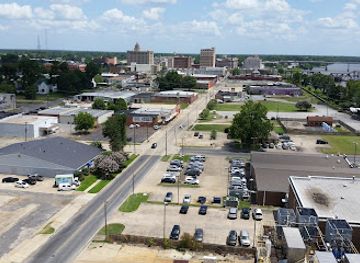
Monroe lies along the Ouachita River in north-east Louisiana, where the flat, fertile landscapes of the Lower Mississippi Valley meet the waterways and woodland of the Ouachita basin. Its identity is closely tied to the river: cotton, timber, steamboat commerce and later highways helped shape a regional centre whose pace remains more measured than that of Louisiana's larger cities. The surrounding landscape is equally important, with cypress-lined lakes, bayous, wetlands and open agricultural country offering a distinctly north Louisiana setting.Read more about Monroe
History in Buildings and Museums
Wildlife, Gardens and Local Culture
When is the best time to visit Monroe?
Best: April, September–October · 24–30°C| Month | High (°C) | Rainfall (mm) |
|---|---|---|
| January | 13 | 120 |
| February | 16 | 110 |
| March | 20 | 130 |
| April (best) | 25 | 110 |
| May | 29 | 130 |
| June | 33 | 110 |
| July | 34 | 100 |
| August | 33 | 110 |
| September (best) | 30 | 110 |
| October (best) | 24 | 100 |
| November | 17 | 120 |
| December | 13 | 130 |
Getting to and around Monroe
How to get there
Transportation
Best attractions in Monroe
Monroe offers a varied group of attractions rooted in north Louisiana history and the Ouachita landscape. At the Biedenharn Museum & Gardens, visitors can explore the former home of Joseph Biedenharn and learn about his pioneering role in commercially bottling Coca-Cola, then walk through the surrounding gardens. The Masur Museum of Art presents changing exhibitions in a historic house, while the Chennault Aviation & Military Museum examines regional connections with military aviation and twentieth-century conflict. Families often focus on the Louisiana Purchase Gardens and Zoo, whose grounds combine animal exhibits with landscaped outdoor spaces. Downtown Monroe brings together the RiverMarket, river views and older commercial architecture, and the nearby University of Louisiana Monroe provides access to Bayou Desiard scenery. For a more natural outing, Black Bayou Lake National Wildlife Refuge, just north of the city, offers boardwalks, wetlands and opportunities for observing native wildlife.
-
Tourist attraction
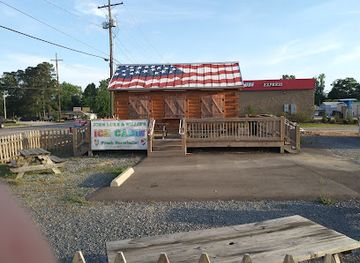
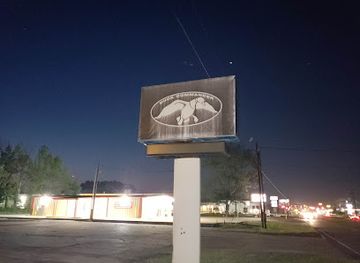
Duck Commander
Explore Duck Commander in West Monroe, a unique blend of museum and gift shop celebrating Southern culture and the art of duck hunting.
24 min drive · 8.1 km from city centre
-
Zoo
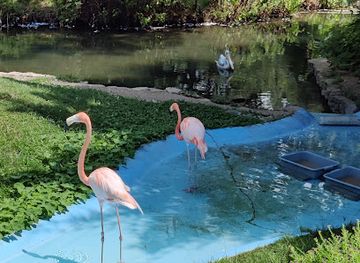
Louisiana Purchase Gardens & Zoo
Explore the Louisiana Purchase Gardens & Zoo: A family-friendly wildlife adventure filled with diverse animal exhibits and beautiful gardens in Monroe, Louisiana.
18 min drive · 6.0 km from city centre
-
Tourist attraction
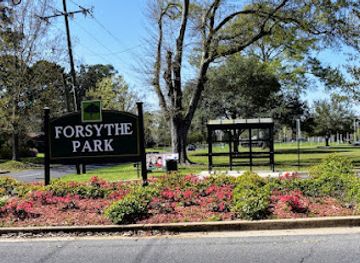
Forsythe Park
Discover the natural beauty and recreational charm of Forsythe Park in Monroe, Louisiana - an ideal escape for relaxation and family fun.
15 min drive · 4.8 km from city centre
-
Tourist attraction
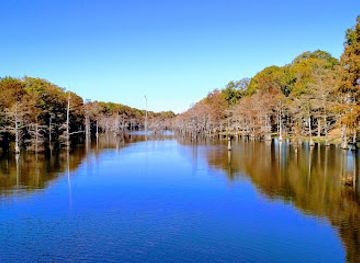
Black Bayou Lake National Wildlife Refuge Visitor Center
Discover the tranquil beauty and diverse wildlife of Black Bayou Lake National Wildlife Refuge in Louisiana, a serene escape into nature's embrace.
30 min drive · 9.9 km from city centre
Best landmarks in Monroe
Monroe's landmarks express its relationship with the Ouachita River, regional commerce and twentieth-century institutions. The RiverMarket is a contemporary civic and cultural focal point near the water, while the older streets of downtown retain commercial buildings associated with the city's growth as a river and cotton centre. The Biedenharn Museum, a former private residence, is significant for its connection with Joseph Biedenharn and the early commercial bottling of Coca-Cola, as well as for its domestic architecture and gardens. The Chennault Aviation & Military Museum preserves the area's association with aviation and military history through aircraft, objects and interpretation. The University of Louisiana Monroe campus beside Bayou Desiard represents the city's educational development, and the Ouachita River itself remains a defining geographical landmark, shaping views, transport history and the layout of the urban area.
-
Tourist attraction
Duck Commander
Experience the charm of Louisiana at Duck Commander, where duck hunting heritage meets family entertainment in a unique tourist attraction.
24 min drive · 8.1 km from city centre
-
Louisianan
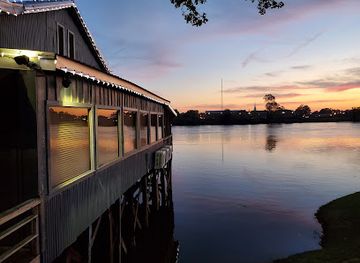
Warehouse No 1 Restaurant
Experience the true taste of Southern cuisine at Warehouse No 1 Restaurant, a culinary gem in Monroe, Louisiana, serving delicious steaks and seafood.
13 min drive · 4.5 km from city centre
-
Seafood
Riverside Coney Island
Experience the best seafood in Monroe, Louisiana at Riverside Coney Island, where fresh flavors and Southern hospitality await you.
13 min drive · 4.4 km from city centre
-
Irish pub
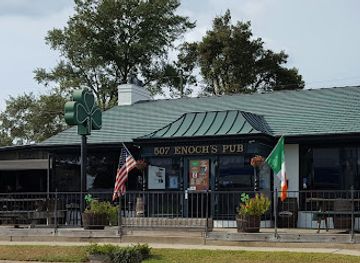
Enoch's Pub and Grill
Experience the charm of Enoch's Pub and Grill, where authentic Irish cuisine meets Southern hospitality in Monroe, Louisiana.
12 min drive · 4.0 km from city centre
Explore Monroe on the map
Plan your Monroe trip on one map. See where the top attractions, landmarks, restaurants, bars and hotels are, find what's near where you're staying, and book hotels and experiences in a few clicks.
Best hotels in Monroe
Best restaurants in Monroe
Monroe's food scene reflects the meeting of Cajun, Creole, Southern and Delta traditions rather than a single formal cuisine. Menus commonly draw on rice, seafood, fried catfish, poultry, smoked meats, beans, seasonal vegetables and richly seasoned gravies, while familiar Louisiana dishes such as gumbo, étouffée and jambalaya appear alongside everyday American and Southern cooking. Local restaurants range from relaxed cafés and family-run dining rooms to barbecue counters, seafood houses and casual places serving po'boys and burgers. The Ouachita basin and agricultural surroundings help explain the importance of rice, freshwater fish and hearty one-pot meals, while the wider state's French, African, Caribbean and American influences remain apparent in seasoning and technique. Downtown and the broader Monroe-West Monroe area provide the greatest concentration of independent dining, with menus and opening patterns varying by establishment.
-
Italian
Olive Garden Italian Restaurant
Savor authentic Italian cuisine at Olive Garden in Monroe - a family-friendly dining experience with delicious meals and inviting ambiance.
9 min drive · 3.0 km from city centre
-
Cajun
Trapp's
Experience authentic Cajun cuisine at Trapp's in West Monroe - where every bite tells a story of Louisiana's rich culinary heritage.
14 min drive · 4.6 km from city centre
-
Seafood
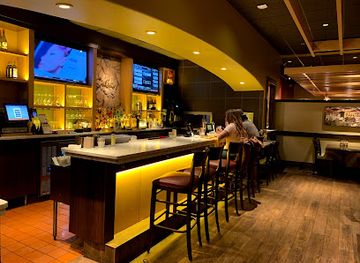
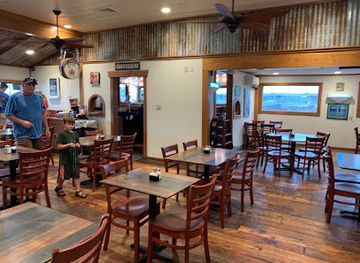
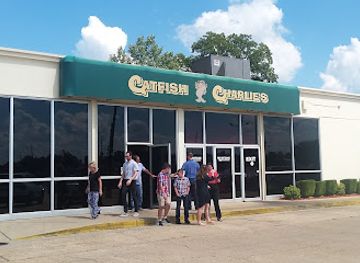
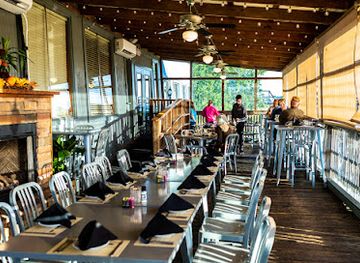
Catfish Charlie's
Experience authentic Cajun flavors at Catfish Charlie's in Monroe, LA – where every meal tells a story.
6 min drive · 2.1 km from city centre
-
Louisianan
Warehouse No 1 Restaurant
Discover authentic Louisiana cuisine at Warehouse No 1 Restaurant in Monroe - where Southern hospitality meets delicious flavors.
13 min drive · 4.5 km from city centre
Best bars in Monroe
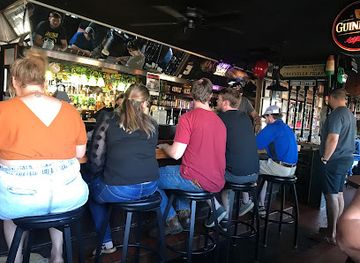
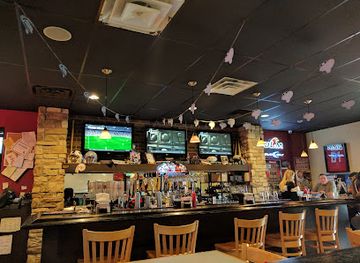
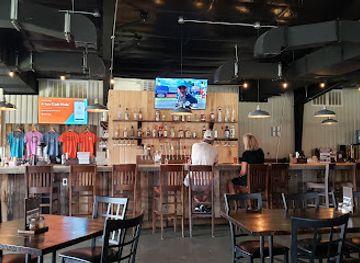
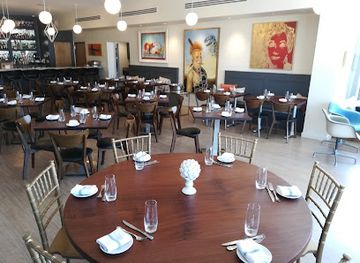
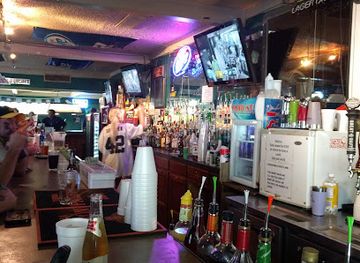
Monroe's evening scene is regional and comparatively low-key, centred on restaurants, neighbourhood bars, live music and occasional events rather than a dense club district. Downtown Monroe and nearby West Monroe provide the main concentration of places for an evening out, with bars and casual venues where local performers may play Southern, country, blues or contemporary music. The RiverMarket and other community spaces can host concerts, festivals and cultural programmes, although the calendar changes during the year. University of Louisiana Monroe contributes a younger audience and periodic campus entertainment, while cinemas and performance events offer alternatives to nightlife focused on alcohol. Visitors should expect distances between venues and plan transport accordingly, particularly if moving between Monroe and West Monroe across the Ouachita River.
-
Irish pub
Enoch's Pub and Grill
Discover Enoch's Pub and Grill in Monroe, LA - a lively Irish pub offering delicious food, a friendly atmosphere, and unforgettable entertainment.
12 min drive · 4.0 km from city centre
-
Grill
Fieldhouse Bar & Grill
Experience the essence of Louisiana at Fieldhouse Bar & Grill, where delicious food meets vibrant sports culture in Monroe.
6 min drive · 1.9 km from city centre
-
Brewery
Flying Heart Brewing & Pub - West Monroe
Discover the essence of Louisiana's craft beer culture at Flying Heart Brewing & Pub in West Monroe, a perfect blend of brews and culinary delights.
14 min drive · 4.7 km from city centre
-
Restaurant
Parish Restaurant & Bar
Discover the flavors of Louisiana at Parish Restaurant & Bar, where Southern hospitality meets culinary excellence in Monroe.
13 min drive · 4.2 km from city centre
Best nightclubs in Monroe
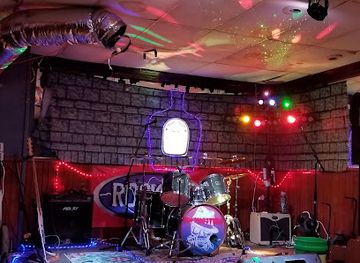
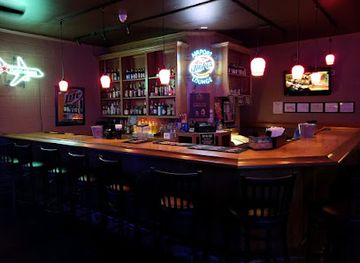
Monroe's evening scene is regional and comparatively low-key, centred on restaurants, neighbourhood bars, live music and occasional events rather than a dense club district. Downtown Monroe and nearby West Monroe provide the main concentration of places for an evening out, with bars and casual venues where local performers may play Southern, country, blues or contemporary music. The RiverMarket and other community spaces can host concerts, festivals and cultural programmes, although the calendar changes during the year. University of Louisiana Monroe contributes a younger audience and periodic campus entertainment, while cinemas and performance events offer alternatives to nightlife focused on alcohol. Visitors should expect distances between venues and plan transport accordingly, particularly if moving between Monroe and West Monroe across the Ouachita River.
-
Bar
Shananigans
Experience the vibrant atmosphere at Shananigans, Monroe’s favorite bar and pool hall, perfect for a fun night out with friends.
12 min drive · 3.9 km from city centre
-
Bar
Sal's Saloon
Discover the vibrant nightlife at Sal's Saloon, Monroe's favorite bar for karaoke, drinks, and local fun in an inviting atmosphere.
8 min walk · 0.7 km from city centre
-
Cocktail bar
Nell's Airport Lounge
Experience the perfect blend of comfort and flavor at Nell's Airport Lounge in Monroe, Louisiana—your ideal cocktail retreat.
13 min drive · 4.2 km from city centre
-
Club
Lotus Club
Discover the vibrant nightlife at Lotus Club in Monroe, Louisiana, where music, cocktails, and good vibes create an unforgettable experience.
13 min drive · 4.2 km from city centre
Best shops in Monroe
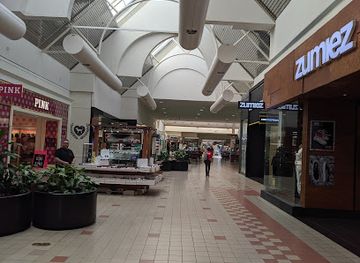
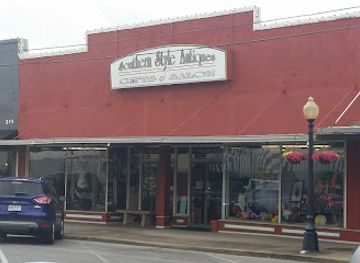
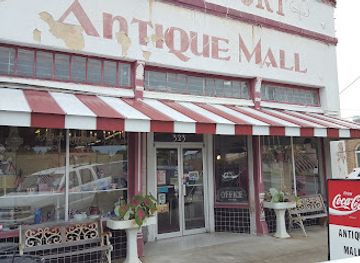
Shopping in Monroe combines regional retail with smaller-scale independent businesses and traditional browsing. Downtown streets around the RiverMarket and Antique Alley are associated with antiques, vintage goods, collectibles and locally run shops, although individual businesses and trading days change. Pecanland Mall and surrounding commercial areas provide the broadest selection of national retailers, department stores and everyday services. Visitors looking for Louisiana-related gifts may find regional foods, seasoning blends, preserves, pecan products, artwork and handmade items in independent shops, markets and museum stores. The most distinctive purchases are often practical or edible rather than elaborate souvenirs, reflecting north Louisiana's agricultural and culinary identity. Shopping is spread across the city, so a car is useful for combining downtown browsing with larger retail areas and for visiting businesses beyond the central streets.
-
Shopping mall
Pecanland Mall
Experience shopping and entertainment in the heart of Monroe at Pecanland Mall, where excitement meets convenience.
8 min drive · 2.7 km from city centre
-
Antique store
Antique Alley
Explore Antique Alley in West Monroe, LA, a vintage paradise filled with unique antiques, collectibles, and rich history, perfect for all treasure hunters.
14 min drive · 4.8 km from city centre
-
Gift shop
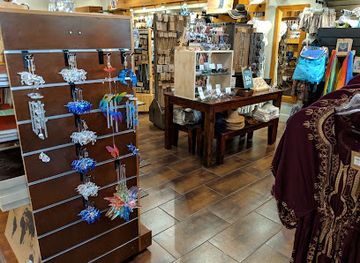
Earthbound Trading Co.
Discover unique gifts and artisan treasures at Earthbound Trading Co. in Monroe, Louisiana—perfect for souvenirs and fashion enthusiasts alike.
9 min drive · 2.8 km from city centre
-
Antique store
Cotton Port Antique Mall
Explore Cotton Port Antique Mall in West Monroe, LA for a unique collection of vintage treasures and collectibles that tell stories from the past.
15 min drive · 4.9 km from city centre
Get your free copy of our complete guide to Monroe, delivered straight to you.
Everything on this page, from attractions and restaurants to essentials and local phrases, in one PDF you can read offline, print or share.
Already have an account? Sign in
Your Monroe guide is ready.
We'll send it to · Not you? Sign out

Getting your guide ready…
We are putting together a fresh copy of the Monroe guide. This can take up to a minute.
This can take a few moments. If your browser asks, choose Allow so the download can start. You'll find the guide in your Downloads folder.
Nothing happened? Download it again
Sorry, the guide is taking longer than usual. Please try again in a minute, or get it by email instead.
Monroe essentials
Currency and Payment
Safety
Emergency Situations
Do's and Don'ts
Local Tips
From Eve
Local phrases worth knowing
You don't need to get them perfect. A few words go a long way, and locals appreciate the effort.
Basics
| English | Local | Say it |
|---|---|---|
| Hello | Hey y'all | [hey y'all] |
| Goodbye | See ya later | [see ya later] |
| Yes | Yeah | [yeah] |
| No | Nah | [nah] |
| Please/You're welcome | Please/You're welcome | [please/you're welcome] |
| Thank you | Thanks | [thanks] |
| Excuse me/Sorry | Pardon me/My bad | [pardon me/my bad] |
| How are you? | How y'all doin'? | [how y'all doin'] |
| Fine. And you? | Fine. And you? | [fine. and you?] |
| Do you speak English? | You speak English? | [you speak English?] |
| I don't understand | I don't get it | [I don't get it] |
Eating & Drinking
| English | Local | Say it |
|---|---|---|
| I'd like to see the menu, please | I wanna see the menu, please | [I wanna see the menu, please] |
| I don't eat meat | I don't eat meat | [I don't eat meat] |
| Cheers! | Cheers! | [cheers!] |
| I would like to pay, please | I wanna pay, please | [I wanna pay, please] |
Emergencies
| English | Local | Say it |
|---|---|---|
| Help! | Help! | [help!] |
| Go away! | Git! | [git!] |
| Call the Police! | Call the Po-lice! | [call the po-lice!] |
| Call a doctor! | Call a doc! | [call a doc!] |
| I'm lost | I'm lost | [I'm lost] |
| I'm ill | I'm feelin' bad | [I'm feelin' bad] |
Shopping
| English | Local | Say it |
|---|---|---|
| I'd like to buy... | I wanna buy... | [I wanna buy...] |
| I'm just looking | I'm just lookin' | [I'm just lookin'] |
| How much is it? | How much is that? | [How much is that?] |
| That's too expensive | That's too pricey | [That's too pricey] |
| Can you lower the price? | Can you come down on the price? | [Can you come down on the price?] |
Time & Numbers
| English | Local | Say it |
|---|---|---|
| What time is it? | What time is it? | [What time is it?] |
| It's one o'clock | It's one o'clock | [It's one o'clock] |
| Half past (10) | Half past ten | [Half past ten] |
| Morning | Mornin' | [mornin'] |
| Afternoon | Afternoon | [afternoon] |
| Evening | Evenin' | [evenin'] |
| Yesterday | Yest'day | [yest'day] |
| Today | Today | [today] |
| Tomorrow | Tomorra | [tomorra] |
| 1 | One | [one] |
| 2 | Two | [two] |
| 3 | Three | [three] |
| 4 | Four | [four] |
| 5 | Five | [five] |
| 6 | Six | [six] |
| 7 | Seven | [seven] |
| 8 | Eight | [eight] |
| 9 | Nine | [nine] |
| 10 | Ten | [ten] |
Transport & Directions
| English | Local | Say it |
|---|---|---|
| Where's a/the...? | Where's a/the...? | [Where's a/the...?] |
| What's the address? | What's the address? | [What's the address?] |
| Can you show me (on the map)? | Can you show me (on the map)? | [Can you show me (on the map)?] |
| When's the next (bus)? | When's the next (bus)? | [When's the next (bus)?] |
| A ticket (to ....) | A ticket (to ....) | [A ticket (to ....)] |
History of Monroe
Ouachita Peoples and Colonial Beginnings
The Ouachita River valley was inhabited and travelled by Indigenous peoples, including the Ouachita, long before the emergence of the modern city. French exploration and settlement in the lower Mississippi region brought the area into European colonial networks, while Spain later held authority over Louisiana for periods in the eighteenth century. A Spanish trading post known as Fort Miro, named for Governor Esteban Miró, developed near the present site of Monroe in the late eighteenth century. The post reflected the strategic importance of the Ouachita as a route through the interior, linking river traffic, trade and diplomacy in a landscape where Indigenous communities remained central to regional life.
From Fort Miro to Monroe
After the United States acquired Louisiana in 1803, the settlement around Fort Miro entered a new political and commercial system. It was renamed Monroe in 1819, honouring President James Monroe and the newly launched USS Monroe, and grew as river transport connected north Louisiana with larger markets. The Ouachita provided a natural corridor for the movement of cotton, timber and agricultural goods, while the surrounding countryside supplied the town's commercial base. Monroe's position on the river helped it develop as a regional centre rather than simply a small inland settlement, and the street plan and older commercial areas still reflect this relationship between town and waterway.
Cotton, River Commerce and Incorporation
During the nineteenth century, Monroe expanded with the cotton economy and the arrival of improved transport links. Steamboats carried plantation produce and manufactured goods along the Ouachita, while merchants, warehouses and professional businesses formed an increasingly substantial town. Monroe was incorporated as a municipality in the mid-nineteenth century, and its civic institutions developed alongside churches, schools and commercial buildings. The economy was shaped by slavery before the Civil War and by the difficult transformation of agriculture and labour after emancipation. These changes affected the whole region, leaving a history that includes both economic growth and the profound social inequalities of the plantation South.
War, Reconstruction and a Changing Economy
The Civil War disrupted river commerce and agriculture across north Louisiana, and Monroe's strategic location made it significant during military operations and the movement of supplies. Reconstruction brought political conflict, economic uncertainty and the reorganisation of formerly enslaved communities, while the town gradually adapted to new patterns of trade. Cotton remained important, but timber, manufacturing, education and improved land transport increasingly supplemented river commerce. Railways and roads altered the relationship between Monroe and the Ouachita, reducing the river's former monopoly over long-distance movement while preserving its importance as a geographic and cultural reference point.
Modern Monroe and Regional Institutions
The twentieth century brought broader roads, aviation, new industries and expanding public institutions. Monroe became an important service and commercial centre for north-east Louisiana, with its economy increasingly connected to education, healthcare, retail, manufacturing and regional business. The University of Louisiana Monroe began in 1931 as a junior college and grew into a university that remains a major presence beside Bayou Desiard. Museums, heritage properties and aviation collections preserve different strands of the city's development, from river commerce and domestic life to military technology and education. Contemporary Monroe continues to balance this institutional growth with the wetlands, waterways and agricultural landscapes that shaped its earlier history.
Monroe in Photos
Browse through our photo collection highlighting the charm and character of the destination.
Cities near Monroe
The closest cities to Monroe, if you have time for more than one stop.
-

-

-
-

-


Swipe for more cities
Explore more

Explore more of Louisiana
Discover Louisiana: A melting pot of cultures, flavors, and music in the heart of the American South. Experience the vibrant heritage and natural beauty of the Bayou State.
Explore Louisiana