

Free Ifaty Travel Guide & Mobile App
Plan your Ifaty trip with Evendo. Get free guides to top attractions, restaurants, hotels, and bars. Web access or download the mobile app.


Ifaty, Madagascar, pairs a coral lagoon, Vezo fishing culture, baobabs and spiny-forest wildlife with quiet beach stays near Toliara in the southwest.
Lagoon and Coastal Landscape
Ifaty lies on Madagascar’s dry south-western coast, north of Toliara, where a broad lagoon meets pale sand and the Mozambique Channel. The settlement is best understood as a coastal village and small tourism centre rather than a conventional town. Its appeal comes from the contrast between the calm, shallow waters of the lagoon and the harsh beauty of the surrounding spiny landscape, a distinctive ecosystem shaped by drought, heat and plants adapted to scarce rainfall. Traditional Vezo fishing pirogues, often fitted with slender outriggers and square sails, remain an important part of the shoreline’s character.Read more about Ifaty
Vezo Culture and the Sea
Spiny Forest and Wildlife
When is the best time to visit Ifaty?
Best: July–September · 26–27°C| Month | High (°C) | Rainfall (mm) |
|---|---|---|
| January | 32 | 5 |
| February | 32 | 7 |
| March | 32 | 7 |
| April | 31 | 5 |
| May | 29 | 1 |
| June | 27 | 0 |
| July (best) | 26 | 0 |
| August (best) | 26 | 0 |
| September (best) | 27 | 0 |
| October | 29 | 1 |
| November | 31 | 1 |
| December | 32 | 3 |
Getting to and around Ifaty
How to get there
Transportation
Best attractions in Ifaty
Ifaty’s principal attractions are its coast, lagoon and surrounding dry landscape rather than a concentration of formal museums or monuments. The shallow lagoon offers opportunities for guided pirogue outings, swimming and snorkelling when sea conditions allow, while the reef and beach reveal the importance of the maritime environment to Vezo communities. Inland, Reniala Reserve provides marked trails through spiny forest, with baobabs, unusual succulents, reptiles and locally adapted birdlife interpreted by guides. The neighbouring settlement of Mangily adds small craft stalls, restaurants and access points for coastal excursions. Visitors can also observe the working shoreline, where traditional outriggers and fishing practices remain part of daily life, provided they do so respectfully. Toliara, with its larger market, museums and urban services, is nearby but should be treated as a separate destination rather than folded into Ifaty’s village attractions.
-
Tourist attraction
Arboretum d'Antsokay
Explore the enchanting Arboretum d'Antsokay, a botanical paradise in Toliara showcasing Madagascar's unique plant species and serene landscapes.
53 min drive · 33 km from city centre
-
Tourist attraction
Reserve Reniala
Explore the breathtaking landscapes and unique wildlife of Reserve Reniala, a stunning nature preserve in Madagascar's rich ecosystem.
7 min drive · 2.4 km from city centre
-
Tourist attraction
Arboretum d'Antsokay
Explore the rich biodiversity of Madagascar at the Arboretum d'Antsokay, a botanical garden showcasing unique indigenous plants and serene landscapes.
53 min drive · 33 km from city centre
-
Tourist attraction
Musée Rabesandratana
Explore the captivating history and culture of Madagascar at Musée Rabesandratana in Toliara, a must-visit destination for every traveler.
46 min drive · 26 km from city centre


Best landmarks in Ifaty
Ifaty’s most significant landmarks are natural and cultural rather than monumental. The Ifaty lagoon defines the settlement’s seaward edge, its reef-sheltered waters and landing beaches closely tied to Vezo fishing and sailing traditions. Reniala Reserve is the area’s principal conservation landmark, recognised for its spiny forest, giant baobabs and plants that embody the dry south-west’s distinctive ecology. Along the shore, traditional Vezo pirogues with outriggers and sails are practical vessels as well as visible expressions of local maritime craft. The coastal road linking Ifaty and Mangily provides a sense of the settlement’s linear geography, with guesthouses, sandy tracks and village life spread between sea and forest. These places explain Ifaty’s identity more clearly than a historic civic centre, since the village developed around the resources and movement of its coastline.
-
 Hotel
HotelLa Bella Donna
Experience the serene beauty and warm hospitality of La Bella Donna, your ideal getaway in Ifaty, Madagascar's coastal paradise.
7 min drive · 2.5 km from city centre
-
Hotel
Bamboo Club
Experience the charm of Bamboo Club in Ifaty, Madagascar, where relaxation meets adventure amidst stunning natural beauty and rich local culture.
9 min drive · 2.9 km from city centre
-
Nature preserve
Reserve Reniala
Explore the breathtaking biodiversity and stunning landscapes of Madagascar's Reserve Reniala, a premier nature preserve and tourist attraction.
7 min drive · 2.4 km from city centre
-
Botanical garden
Arboretum d'Antsokay
Explore the Arboretum d'Antsokay, a botanical paradise in Madagascar showcasing unique flora and offering a serene escape into nature's beauty.
53 min drive · 33 km from city centre

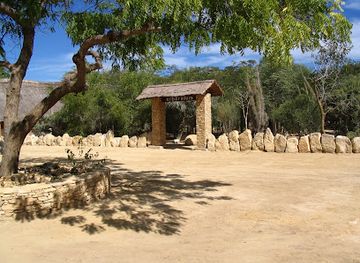
Explore Ifaty on the map
Plan your Ifaty trip on one map. See where the top attractions, landmarks, restaurants, bars and hotels are, find what's near where you're staying, and book hotels and experiences in a few clicks.
Best hotels in Ifaty
Best restaurants in Ifaty
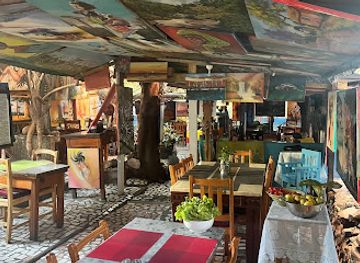
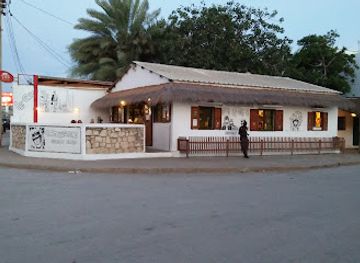
Dining in Ifaty is shaped by the lagoon, the Mozambique Channel and the produce brought north from Madagascar’s south-west. Small hotel restaurants and informal beach eateries commonly centre meals on freshly caught fish and seafood, often served with rice, vegetables, salad or simple sauces. Madagascar’s wider culinary traditions are also present in dishes built around rice, zebu, chicken, legumes and seasonal produce, with chilli, ginger, garlic and coconut appearing according to the cook and ingredients available. In the neighbouring Mangily area, restaurants aimed at visitors provide a broader choice of shared meals, drinks and light lunches, while village stalls may offer simpler snacks rather than a formal dining setting. Menus and supplies can change with weather, fishing conditions and transport, so food in Ifaty is best understood as seasonal and locally dependent rather than highly standardised.
-
Restaurant
Le Jardin Restaurant
Discover the flavors of Madagascar at Le Jardin Restaurant in Toliara - where every meal is a celebration of local cuisine and hospitality.
44 min drive · 24 km from city centre
-
Hotel
La Bella Donna
Discover paradise at La Bella Donna Hotel in Ifaty – where tranquility meets adventure along Madagascar's stunning coastline.
7 min drive · 2.5 km from city centre
-
 Hotel
HotelBamboo Club
Discover tranquility at Bamboo Club in Ifaty - where luxury meets nature on Madagascar's stunning coastline.
9 min drive · 2.9 km from city centre
-
Italian
Corto Maltese
Discover authentic Italian flavors at Corto Maltese in Toliara – where delicious cuisine meets warm Malagasy hospitality.
44 min drive · 24 km from city centre
Best bars in Ifaty
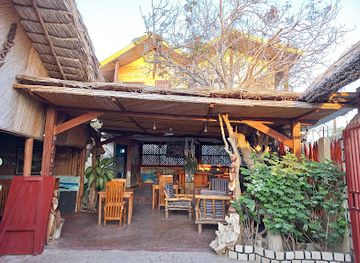
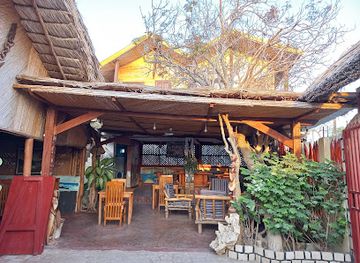
Ifaty has a quiet evening scene centred on guesthouse dining areas, beachfront restaurants and informal bars rather than nightclubs or a concentrated entertainment district. After sunset, visitors may find locally produced rum, beer, soft drinks and simple cocktails, with evenings often shaped by conversation, sea air and the sound of the surf. Some accommodation venues arrange occasional music or cultural performances, but schedules are not necessarily regular and should not be assumed. The village is poorly suited to aimless late-night wandering because paths may be dark, sandy and sparsely populated, so transport between venues is best arranged beforehand. Nightlife here is primarily social and coastal, with the clear sky and low level of artificial light forming part of the evening atmosphere.
-
Hotel
Bamboo Club
Experience the charm of Madagascar at Bamboo Club, a perfect blend of relaxation and adventure in Ifaty.
9 min drive · 2.9 km from city centre
-
Hotel
Chez Freddy
Discover serenity and adventure at Chez Freddy, a charming hotel nestled in the heart of Ifaty's stunning coastline.
6 min drive · 2.0 km from city centre
-
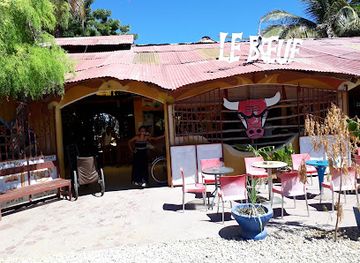
Bar
Restaurant le Boeuf
Experience the rich flavors of Madagascar at Restaurant le Boeuf, a culinary gem with stunning ocean views in Toliara.
44 min drive · 24 km from city centre
-
Hotel
Ifaty Beach Club
Experience the serene beauty of Ifaty Beach Club, where relaxation meets adventure in the heart of Madagascar's stunning coastline.
6 min drive · 2.1 km from city centre
Best nightclubs in Ifaty
Ifaty has a quiet evening scene centred on guesthouse dining areas, beachfront restaurants and informal bars rather than nightclubs or a concentrated entertainment district. After sunset, visitors may find locally produced rum, beer, soft drinks and simple cocktails, with evenings often shaped by conversation, sea air and the sound of the surf. Some accommodation venues arrange occasional music or cultural performances, but schedules are not necessarily regular and should not be assumed. The village is poorly suited to aimless late-night wandering because paths may be dark, sandy and sparsely populated, so transport between venues is best arranged beforehand. Nightlife here is primarily social and coastal, with the clear sky and low level of artificial light forming part of the evening atmosphere.
-
Hotel
Bamboo Club
Experience the beauty of Ifaty at Bamboo Club, where comfort meets adventure in Madagascar's stunning coastal paradise.
9 min drive · 2.9 km from city centre
-
Hotel
Chez Freddy
Discover the serene beauty of Ifaty at Chez Freddy, a charming hotel offering comfort, local culture, and stunning coastal views.
6 min drive · 2.0 km from city centre
-
Hotel
Ifaty Beach Club
Experience the perfect blend of relaxation and adventure at Ifaty Beach Club, Madagascar’s serene coastal retreat with stunning ocean views.
6 min drive · 2.1 km from city centre
-
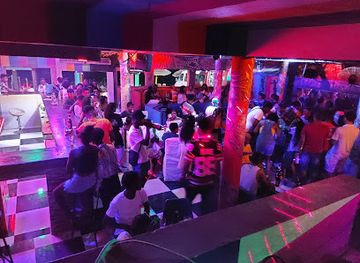
Night club
LE ROBYV PLAGE
Discover the vibrant nightlife of Ifaty at Le Robyv Plage, where music, dancing, and beach views come together for an unforgettable experience.
8 min drive · 2.8 km from city centre
Best shops in Ifaty
Shopping in Ifaty is modest and closely connected to local craft, fishing and tourism. Small stalls and craft displays around the coastal settlements may offer woven items, shell-based souvenirs, carved objects, jewellery and Malagasy textiles, although quality, materials and availability vary. Visitors should confirm that shells, coral or plant products have been obtained legally and sustainably, and should never buy pieces taken from protected reef environments. The most distinctive purchases are often made directly from local artisans, where the maker can explain the technique and cultural context. Mangily and accommodation areas provide the greatest concentration of visitor-oriented stalls, while Toliara has a broader market and more extensive everyday shopping. Bargaining may be part of a transaction, but it should remain good-natured and reflect the value of labour rather than treating handmade goods as disposable souvenirs.
-
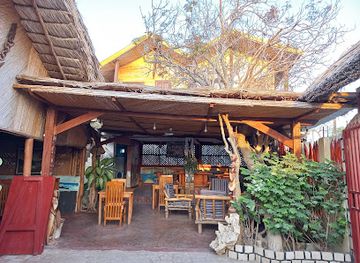
Hotel
Chez Freddy
Experience the charm of Ifaty at Chez Freddy, where stunning ocean views meet local hospitality and adventure awaits around every corner.
6 min drive · 2.0 km from city centre
-
Gift shop
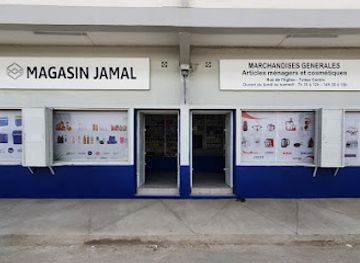
Magasin Jamal Tulear
Explore the vibrant offerings of Magasin Jamal Tulear, a gift shop in Toliara, Madagascar, featuring local crafts, cosmetics, and unique treasures.
44 min drive · 24 km from city centre
-
Paper store
LIBRAIRIE FIDIO
Explore the literary treasures of Librairie Fidio, Toliara's cultural gem for book lovers and travelers alike.
44 min drive · 24 km from city centre
-
Wine store
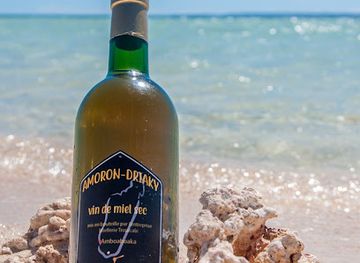
Miellerie Tropicale
Explore the unique flavors of Madagascar at Miellerie Tropicale, a local wine store offering exquisite wines and artisanal honey.
44 min drive · 24 km from city centre
Get your free copy of our complete guide to Ifaty, delivered straight to you.
Everything on this page, from attractions and restaurants to essentials and local phrases, in one PDF you can read offline, print or share.
Already have an account? Sign in
Your Ifaty guide is ready.
We'll send it to · Not you? Sign out

Getting your guide ready…
We are putting together a fresh copy of the Ifaty guide. This can take up to a minute.
This can take a few moments. If your browser asks, choose Allow so the download can start. You'll find the guide in your Downloads folder.
Nothing happened? Download it again
Sorry, the guide is taking longer than usual. Please try again in a minute, or get it by email instead.
Ifaty essentials
Currency and Payment
Safety
Emergency Situations
Do's and Don'ts
Local Tips
From Eve
Local phrases worth knowing
You don't need to get them perfect. A few words go a long way, and locals appreciate the effort.
Basics
| English | Local | Say it |
|---|---|---|
| Hello | Salama | [sah-lah-mah] |
| Goodbye | Veloma | [veh-loh-mah] |
| Yes | Eny | [eh-ny] |
| No | Tsia | [tsi-ah] |
| Please/You're welcome | Azafady | [ah-zah-fah-dy] |
| Thank you | Misaotra | [mee-sah-oh-trah] |
| Excuse me/Sorry | Fahafahana | [fah-hah-fah-nah] |
| How are you? | Manao ahoana ianao? | [mah-nah-oh ah-wah-nah yah-nah-oh] |
| Fine. And you? | Tsara. Ary ianao? | [tsah-rah. ah-ree yah-nah-oh] |
| Do you speak English? | Miteny Anglisy ve ianao? | [mee-teh-ny ahng-lee-see veh yah-nah-oh] |
| I don't understand | Tsy maintsy manana | [tsih mah-een-tsih mah-nah-nah] |
Eating & Drinking
| English | Local | Say it |
|---|---|---|
| I'd like to see the menu, please | Tianao hahita ny menio, azafady | [tee-ah-now hah-hee-tah ny meh-nyoh ah-zah-fah-dy] |
| I don't eat meat | Tsy mihinana hena | [tsih mee-hee-nah-nah hay-nah] |
| Cheers! | Santé! | [sahn-tay] |
| I would like to pay, please | Tianao manao fahadisoana, azafady | [tee-ah-now mah-nah-oh fah-hah-dee-soh-ah-nah ah-zah-fah-dy] |
Emergencies
| English | Local | Say it |
|---|---|---|
| Help! | Fanantenana! | [fah-nahn-teh-nahn] |
| Go away! | Miverena! | [mee-veh-reh-nah] |
| Call the Police! | Mangataha ny polisy! | [mah-ngah-tah-hah nee poh-lee-see] |
| Call a doctor! | Mangataha mpamohara! | [mah-ngah-tah-hah m-pah-moo-hah-rah] |
| I'm lost | Efa nivadika aho | [eh-fah nee-vah-dee-kah ah-hoo] |
| I'm ill | Mijanona aho | [mee-jah-noh-nah ah-hoo] |
Shopping
| English | Local | Say it |
|---|---|---|
| I'd like to buy... | Tianao hanoka... | [tee-ah-now hah-nook-ah] |
| I'm just looking | Manana fahatsiarovana ihany | [mah-nah-nah fah-ah-tsyah-roo-vah-nah ee-hahn] |
| How much is it? | Ohatrinona izany? | [oh-ha-tree-noo-nah ee-zahn] |
| That's too expensive | Mahatsiaro be | [mah-ha-tsyah-roh beh] |
| Can you lower the price? | Afaka mampiditra ny vidiny? | [ah-fah-kah mahm-pee-dee-trah nee vee-dee-nee] |
Time & Numbers
| English | Local | Say it |
|---|---|---|
| What time is it? | Inona no ora izao? | [ee-noh-nah noh oh-rah ee-zah-oh] |
| It's one o'clock | Irery no enina | [ee-reh-ree noh eh-nee-nah] |
| Half past (10) | Efatra sasany | [eh-fah-trah sah-sahn] |
| Morning | Maraina | [mah-rah-ee-nah] |
| Afternoon | Aloatra | [ah-loo-ah-trah] |
| Evening | Hariva | [hah-ree-vah] |
| Yesterday | Omaly | [oh-mah-lee] |
| Today | Anio | [ah-nyoh] |
| Tomorrow | Androany | [ahn-droh-ahn-ee] |
| 1 | Iray | [ee-rye] |
| 2 | Roa | [roo-ah] |
| 3 | Telo | [teh-loo] |
| 4 | Efatra | [eh-fah-trah] |
| 5 | Dimy | [dee-mee] |
| 6 | Enina | [eh-nee-nah] |
| 7 | Fitohizan-jiro | [fee-toh-hee-zahn-jee-roo] |
| 8 | Valo | [vah-loh] |
| 9 | Sivy | [see-vy] |
| 10 | Folo | [foh-loh] |
Transport & Directions
| English | Local | Say it |
|---|---|---|
| Where's a/the...? | Aiza ny... | [ah-ee-zah nee] |
| What's the address? | Inona ny adiresy? | [ee-noh-nah nee ah-dee-reh-see] |
| Can you show me (on the map)? | Afaka mampiseho ahy ve ianao? | [ah-fah-kah mahm-pee-seh-hoo ah-hee veh yah-nah-oh] |
| When's the next (bus)? | Ahoana ny farany (fiara)? | [ah-wah-nah nee fah-rah-ny fee-ah-rah] |
| A ticket (to ....) | Ny fichea (ho...) | [nee fee-chee-ah hoo] |
History of Ifaty
A Vezo Maritime Settlement
Ifaty belongs to the traditional coastal world of the Vezo, a maritime people whose communities are concentrated along Madagascar’s south-western shoreline. The name Vezo is often explained as referring to people who fish or live by the sea, although identity and local history are more complex than a single definition suggests. For generations, families along this coast have depended on fishing, sailing pirogues and detailed knowledge of tides, reefs and seasonal conditions. The settlement’s physical form reflects that relationship: boats, nets and landing places are more central to its character than formal civic buildings. The lagoon and reef are not merely scenic features but working landscapes, while oral knowledge, boat craft and coastal customs remain important parts of local heritage.
South-Western Trade and Cultural Exchange
The south-west coast was connected to wider Indian Ocean networks long before modern tourism. Maritime movement linked Madagascar’s western and southern shores with neighbouring islands and mainland coasts, bringing commercial exchange, new religious influences and contact between different Malagasy communities. In the wider region, Sakalava and other cultural traditions intersected with Vezo coastal life, while cattle, fishing products and agricultural goods supported local economies. Written records from later periods provide a partial view of these developments, and much of the history of small coastal settlements is preserved through community memory rather than monumental architecture. Ifaty’s present-day culture therefore reflects both long-established local practices and the wider circulation of people and goods around the Mozambique Channel.
Colonial Toliara and Regional Change
French colonial rule altered the political and economic organisation of south-western Madagascar, particularly around Toliara, the region’s principal port and administrative centre. Roads, administration and commercial activity increasingly concentrated on the town, connecting nearby coastal communities to new systems of trade and governance. Ifaty remained a small fishing settlement rather than becoming an urban centre, but its relationship with Toliara grew more important as transport and regional services developed. Colonial influence also introduced new religious, educational and administrative institutions, while local communities retained their own languages, livelihoods and cultural practices. The contrast between Toliara’s urban role and Ifaty’s village-based maritime economy still shapes the way visitors encounter the area.
Independence and a Coastal Economy
Madagascar became independent from France in 1960, after which local and national institutions continued to shape the south-western coast. Ifaty’s economy remained rooted in fishing, small-scale commerce and subsistence activities, but its beaches and accessible reef gradually attracted visitors travelling through Toliara. Guesthouses, restaurants, boat excursions and other tourism services appeared along the coast, creating new sources of income while also increasing pressure on water, waste management and marine resources. Tourism did not replace the village’s maritime identity; instead, it developed alongside it. The coexistence of working fishing boats and visitor facilities is one of the defining features of contemporary Ifaty.
Conservation in the Spiny Forest
The establishment and development of protected areas near Ifaty brought greater attention to the ecological value of the region’s dry forests. Reniala Reserve, whose name means ‘mother of the forest’ in Malagasy, protects plants and habitats characteristic of the south-west, including baobabs and other highly specialised species. Conservation efforts have also highlighted the need to manage pressure on the lagoon and reef, where fishing, tourism and environmental change intersect. These initiatives form part of a broader modern history in which Ifaty is valued not only as a coastal settlement but also as a gateway to rare ecosystems. The area’s identity today rests on the continuing relationship between Vezo culture, marine resources and the protection of dry-forest biodiversity.
Ifaty in Photos
Browse through our photo collection highlighting the charm and character of the destination.
Cities near Ifaty
The closest cities to Ifaty, if you have time for more than one stop.
-

-

-

-

-


Swipe for more cities
Explore more

Explore more of Madagascar
Discover Madagascar: A unique island paradise with unparalleled wildlife, breathtaking landscapes, and a rich cultural heritage.
Explore Madagascar