

Free Kennebec County Travel Guide & Mobile App
Explore Kennebec County with free travel guides. Discover regional history, expert tips, proposed trips, and audio guides on web or mobile app.


Explore Kennebec County in central Maine for Augusta's heritage, Kennebec River towns, Colby's art, wooded lakes and seasonal outdoor adventures.
Read more about Kennebec County
Getting to and around Kennebec County
How to get there
Transportation
Top city travel guides in Kennebec County
The cities of Kennebec County, and the easiest places to base yourself.
-

-


Swipe for more cities
Best attractions in Kennebec County
Kennebec County's attractions combine state institutions, river heritage, art, historic architecture and outdoor recreation. Augusta provides the strongest concentration of formal sights, including the Maine State House, Maine State Museum and Old Fort Western, while the Viles Arboretum offers a quieter setting of gardens, trails and woodland. The Kennebec River Rail Trail extends through Augusta, Hallowell and Gardiner, giving walkers and cyclists a way to experience the river corridor and several historic communities in one outing. Hallowell rewards exploration of its nineteenth-century streets, galleries and riverfront setting, while Gardiner offers further architectural and industrial history. In Waterville, the Colby Museum of Art is a major cultural attraction, complemented by the town's former mill landscape and campus setting. The county's rural side is equally important: the Belgrade Lakes support paddling, fishing and swimming, and wooded roads lead towards farms and small settlements. Skowhegan provides access to the upper Kennebec and a strong connection with regional art and agriculture. Seasonal foliage, snow-based recreation and wildlife viewing broaden the appeal, although outdoor plans should account for changing weather and limited facilities in remote areas.
-
Botanical garden
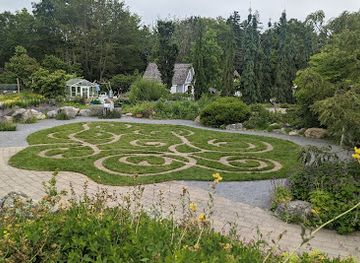
Coastal Maine Botanical Gardens
Explore the breathtaking Coastal Maine Botanical Gardens, a floral sanctuary celebrating nature's beauty and biodiversity in Boothbay, Maine.
-
Tourist attraction
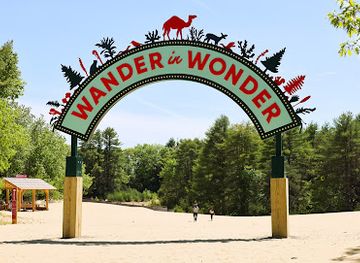
Desert of Maine
Explore the Desert of Maine, a unique natural wonder in Freeport featuring stunning landscapes, outdoor activities, and family-friendly fun.
-
Bridge
Two Cent Bridge
Discover the charm and history of Two Cent Bridge in Winslow, Maine—a picturesque landmark offering stunning views and a glimpse into local heritage.
-
Tourist attraction
Fort Halifax State Historic Site
Discover the historical significance and scenic beauty of Fort Halifax State Historic Site in Winslow, Maine, a treasure for history lovers and nature enthusiasts.


Best landmarks in Kennebec County
The Maine State House in Augusta is Kennebec County's most recognisable civic landmark, its nineteenth-century dome and later wings expressing the city's role as state capital. Nearby Old Fort Western, built in 1754 beside the Kennebec River, is a rare surviving example of a colonial wooden fort and preserves the county's frontier and trading history. The river itself is a defining natural and historical landmark, particularly where it passes the historic streets of Hallowell and Gardiner. Hallowell's compact collection of nineteenth-century brick and wooden buildings forms one of the county's most coherent townscapes, while Gardiner's elevated streets and former commercial architecture reveal the importance of river commerce and industry. In Winslow, the Fort Halifax site marks another colonial military position at the confluence of the Kennebec and Sebasticook rivers. The stone and civic architecture of Waterville, together with Colby College's campus and museum, represents a different kind of regional identity grounded in education and culture. Farther west, the Belgrade Lakes provide a landscape landmark of water, wooded shorelines and small islands characteristic of inland Maine.
-
State government office
Maine State House
Explore the majestic Maine State House in Augusta, a historic landmark that embodies the spirit of democracy and offers rich insights into state governance.
-
Museum
Colburn House State Historic Site
Explore the Colburn House State Historic Site, a treasured museum in Pittston, Maine, showcasing rich history and stunning landscapes.


Explore Kennebec County on the map
Plan your trip on one map. See where the top cities, national parks and sights are, and book hotels and experiences in a few clicks.
Best hotels in Kennebec County
Best restaurants in Kennebec County
Dining in Kennebec County reflects central Maine's mixture of river towns, farming districts, lakeside communities and a state capital. Augusta, Waterville, Hallowell and Gardiner offer the widest range, from cafés and bakeries to brewpubs, contemporary restaurants and established dining rooms. Menus commonly draw on Maine seafood, including clams, mussels, haddock and lobster, while local farms contribute vegetables, apples, berries, dairy products and meat during the appropriate seasons. Maple products, pies, breads and other baked goods are widely associated with the wider Maine food culture, and farm stands and farmers' markets are useful for regional produce. Around the Belgrade Lakes, casual summer dining and takeaway food suit boating and lakeside days, while rural roads may lead to country inns or small restaurants rather than dense dining districts. Tipping is customary in table-service establishments, and menus may include locally brewed beer or Maine-made spirits alongside familiar American favourites.
-
Seafood
The Red Barn
Experience authentic Maine seafood at The Red Barn in Augusta—where fresh flavors meet generous portions in a cozy barn setting.
-
New American
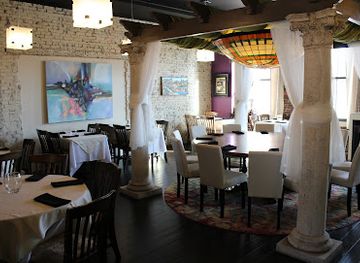
Otto's on the River
Discover Otto's on the River: A culinary haven in Augusta offering exquisite New American cuisine with stunning riverside views.
-
Gastropub
State Lunch
Experience innovative American cuisine at State Lunch in Augusta - where local flavors meet creative cocktails in a cozy gastropub setting.
-
American
Two Maine Guys Augusta
Discover Two Maine Guys Augusta – where American comfort food meets local charm in the heart of Maine.

Best bars in Kennebec County
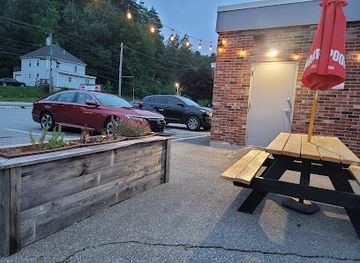
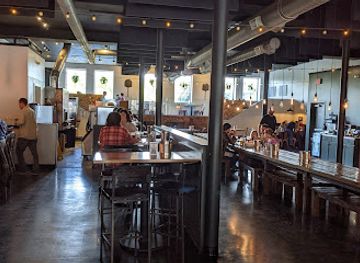
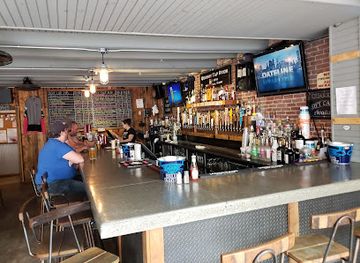
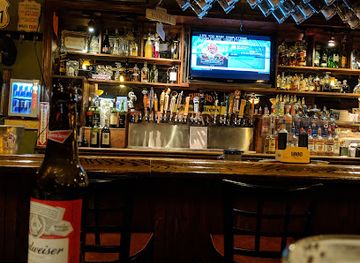
Kennebec County's evening life is centred on pubs, restaurants, breweries, live music and community events rather than a large nightclub scene. Augusta and Waterville provide the broadest selection of bars and evening venues, with Hallowell known for a compact cluster of restaurants, pubs and music-oriented establishments along its historic centre. Gardiner and Skowhegan offer a smaller-scale local scene, while the Belgrade Lakes area becomes busier in summer but is generally quiet outside the seasonal period. Breweries and taprooms may feature Maine-made beers, and some restaurants provide cocktails and regional spirits without operating as late-night clubs. College-related events contribute to Waterville's cultural calendar, although schedules change. Visitors should check current arrangements and plan transport carefully in rural areas, where taxis and rideshare availability can be limited.
-
Brewpub
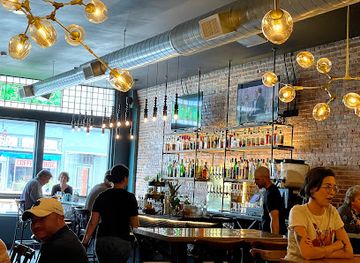
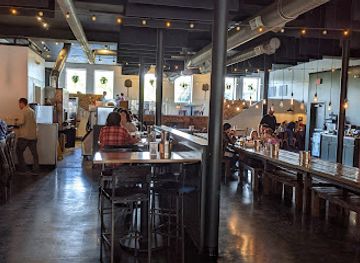
Cushnoc Brewing Co.
Discover the perfect blend of craft beers and gourmet pizzas at Cushnoc Brewing Co. in Augusta, Maine, a true gem for beer lovers and foodies alike.
-
Grill
The Quarry Tap Room
Discover The Quarry Tap Room, where delicious grill fare meets an extensive craft beer selection in Hallowell, Maine.
-
Bar
Mainely Brews Restaurant & Brewhouse
Experience local flavors and craft brews at Mainely Brews Restaurant & Brewhouse in Waterville, Maine, a family-friendly dining gem.
-
Restaurant
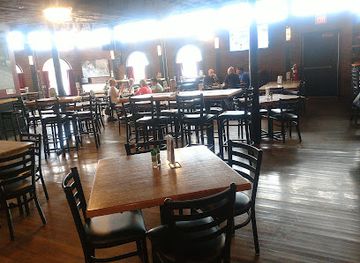
Silver Street Tavern & Restaurant
Discover the lively spirit of Waterville at Silver Street Tavern & Restaurant, where great food meets live music and sports excitement.
Best nightclubs in Kennebec County
-
Brewpub
Cushnoc Brewing Co.
Discover the heart of Augusta's craft beer scene at Cushnoc Brewing Co., where exceptional brews meet delicious pizza in a vibrant atmosphere.
-
Restaurant
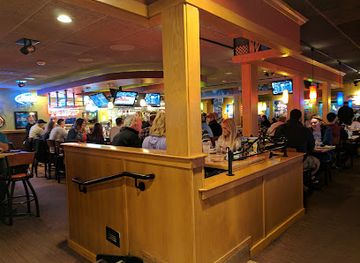
Applebee's Grill + Bar
Experience the best of American cuisine at Applebee's Grill + Bar in Waterville, Maine - a family-friendly restaurant with a vibrant atmosphere.
-
Restaurant
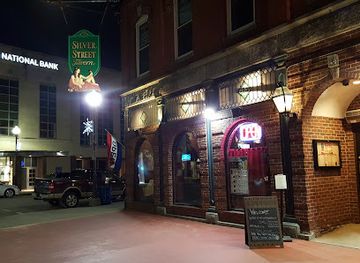
Silver Street Tavern & Restaurant
Discover the lively ambiance and delicious menu at Silver Street Tavern & Restaurant in Waterville, Maine, where every visit is a celebration of food and live music.
-
New American
Otto's on the River
Experience the finest New American cuisine with riverfront views at Otto's on the River in Augusta, Maine, where flavor meets ambiance.

Best shops in Kennebec County
Shopping in Kennebec County is concentrated in the historic centres and commercial corridors of Augusta, Waterville, Hallowell, Gardiner and Skowhegan rather than in a single regional retail district. Augusta combines everyday shopping with state-related bookstores, galleries and independent businesses, while Hallowell is particularly suited to browsing antiques, art, books, gifts and locally made items in a walkable historic setting. Waterville offers a mixture of independent shops, practical town-centre services and cultural retail linked to its arts community. Farmers' markets and seasonal farm stands throughout the county are good sources of maple products, preserves, baked goods, apples, vegetables and other Maine produce. Craft galleries may feature pottery, jewellery, textiles, prints and woodwork, although stock and opening arrangements vary. Larger retail needs are generally best met in Augusta or Waterville, while rural communities offer a more limited selection of locally produced food, crafts and souvenirs.
-
Shopping mall
Marketplace at Augusta
Discover the vibrant Marketplace at Augusta, where shopping, dining, and entertainment blend seamlessly for an unforgettable experience.
-
Discount store
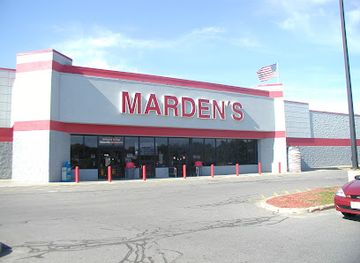
Marden's Inc.
Explore Marden's Inc. in Waterville, Maine, for unique treasures and discounted finds in a fun shopping environment.
-
Gift shop
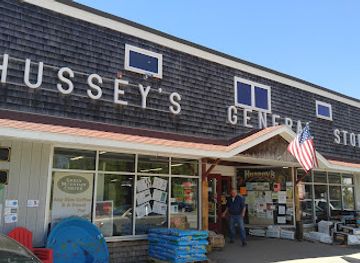
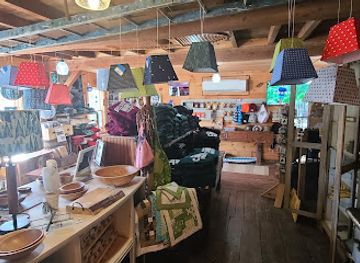
Hussey's General Store
Explore Hussey's General Store in Windsor, Maine – a charming stop for unique gifts, local goods, and a taste of community spirit.
-
Shopping mall
MAINE Cabin Company Home of The Maine Cabin Masters
Explore the Maine Cabin Company for unique home goods and rustic decor inspired by the beauty of Maine's natural landscapes.
Get your free copy of our complete guide to Kennebec County, delivered straight to you.
Everything on this page, from attractions and restaurants to essentials and local phrases, in one PDF you can read offline, print or share.
Already have an account? Sign in
Your Kennebec County guide is ready.
We'll send it to · Not you? Sign out

Getting your guide ready…
We are putting together a fresh copy of the Kennebec County guide. This can take up to a minute.
This can take a few moments. If your browser asks, choose Allow so the download can start. You'll find the guide in your Downloads folder.
Nothing happened? Download it again
Sorry, the guide is taking longer than usual. Please try again in a minute, or get it by email instead.
Kennebec County essentials
Currency and Payment
Safety
Emergency Situations
Do's and Don'ts
Local Tips
From Eve
Local phrases worth knowing
You don't need to get them perfect. A few words go a long way, and locals appreciate the effort.
Basics
| English | Local | Say it |
|---|---|---|
| Hello | Hey there | [Hey thair] |
| Goodbye | See ya | [See yah] |
| Yes | Yup | [Yup] |
| No | Nah | [Nah] |
| Please/You're welcome | No problem | [No prob-lum] |
| Thank you | Thanks a lot | [Thanks a lot] |
| Excuse me/Sorry | Pardon me | [Pardon me] |
| How are you? | How's it goin'? | [How's it goin'?] |
| Fine. And you? | Good, you? | [Good, you?] |
| Do you speak English? | You speakin' English? | [You speakin' English?] |
| I don't understand | I don't get it | [I don't get it] |
Eating & Drinking
| English | Local | Say it |
|---|---|---|
| I'd like to see the menu, please | Can I see the menu? | [Can I see the menu?] |
| I don't eat meat | I'm a vegetarian | [I'm a vegetarian] |
| Cheers! | Cheers! | [Cheers!] |
| I would like to pay, please | Can I get the check? | [Can I get the check?] |
Emergencies
| English | Local | Say it |
|---|---|---|
| Help! | Help! | [Help!] |
| Go away! | Leave me alone! | [Leave me alone!] |
| Call the Police! | Call the cops! | [Call the cops!] |
| Call a doctor! | Get a doctor! | [Get a doctor!] |
| I'm lost | I'm turned around | [I'm turned around] |
| I'm ill | I'm feelin' sick | [I'm feelin' sick] |
Shopping
| English | Local | Say it |
|---|---|---|
| I'd like to buy... | I wanna buy... | [I wanna buy...] |
| I'm just looking | Just browsin' | [Just browsin'] |
| How much is it? | What’s the price? | [What’s the price?] |
| That's too expensive | That’s a bit much | [That’s a bit much] |
| Can you lower the price? | Can you knock it down? | [Can you knock it down?] |
Time & Numbers
| English | Local | Say it |
|---|---|---|
| What time is it? | What time ya got? | [What time ya got?] |
| It's one o'clock | It's one | [It's one] |
| Half past (10) | Half past ten | [Half past ten] |
| Morning | Mornin' | [Mornin'] |
| Afternoon | Afternoon | [Afternoon] |
| Evening | Evenin' | [Evenin'] |
| Yesterday | Yestiddy | [Yestiddy] |
| Today | Today | [Today] |
| Tomorrow | Tomorrow | [Tomorrow] |
| 1 | One | [One] |
| 2 | Two | [Two] |
| 3 | Three | [Three] |
| 4 | Four | [Four] |
| 5 | Five | [Five] |
| 6 | Six | [Six] |
| 7 | Seven | [Seven] |
| 8 | Eight | [Eight] |
| 9 | Nine | [Nine] |
| 10 | Ten | [Ten] |
Transport & Directions
| English | Local | Say it |
|---|---|---|
| Where's a/the...? | Where’s the...? | [Where’s the...?] |
| What's the address? | What’s the address? | [What’s the address?] |
| Can you show me (on the map)? | Can you point it out? | [Can you point it out?] |
| When's the next (bus)? | When's the next bus? | [When's the next bus?] |
| A ticket (to ....) | A ticket to...? | [A ticket to...?] |
History of Kennebec County
Wabanaki Homelands and the Kennebec River
Long before European settlement, the Kennebec Valley formed part of the homelands and travel networks of Wabanaki peoples, including communities associated with the Abenaki cultural world. The river connected inland forests with the coast, providing routes for fishing, hunting, trade and seasonal movement. Indigenous knowledge shaped the geography later used by colonial settlers, although colonial expansion brought disease, conflict, dispossession and lasting disruption. The Kennebec remains a significant cultural and geographical feature, and the county's history is more accurately understood as beginning with these longstanding Indigenous relationships rather than with European arrival.
Early Colonial Trading on the Kennebec
English traders established a post at Cushnoc, near present-day Augusta, in 1628, reflecting the Kennebec's importance as an inland route. The settlement was connected with the Plymouth Colony's commercial ambitions but did not develop into a permanent town at that time. Competition among European powers and changing relationships with Indigenous communities made the region politically unstable. Later colonial settlement gradually became more substantial, particularly as the river offered access to timber, agricultural land and transport. The early trading post established the pattern of development that would make the Augusta area an enduring regional centre.
Fort Western and the Colonial Frontier
Built in 1754 at Augusta, Fort Western guarded the upper Kennebec during the conflicts commonly grouped under the French and Indian War. The surviving structure is one of the most important colonial buildings in Maine and illustrates how military posts also functioned as trading and supply centres. Nearby Fort Halifax, established at the junction of the Kennebec and Sebasticook rivers in Winslow, formed part of the same defensive system. These forts marked the contested frontier between expanding British settlement and French, Indigenous and colonial interests farther north.
The Arnold Expedition of 1775
In the autumn of 1775, Benedict Arnold's expedition to Quebec travelled up the Kennebec River before crossing the difficult Maine wilderness. The force used Fort Western in Augusta as a staging point and proceeded through the river corridor towards the height of land. Canoes, portages, swollen rivers and severe weather made the journey extraordinarily demanding, and many soldiers became ill or exhausted before reaching Quebec. The expedition's route is part of the wider military history of the American Revolution and demonstrates the strategic importance, as well as the physical challenges, of the Kennebec Valley.
River Commerce, Timber and Manufacturing
During the nineteenth century, the Kennebec River supported a growing economy based on timber, agriculture, shipping and manufacturing. Water power encouraged mills in towns such as Waterville, Augusta, Hallowell and Gardiner, while the river and later railways moved raw materials and finished goods. Waterville became particularly associated with textile and other manufacturing activity, and Gardiner developed as a commercial centre linked to the surrounding countryside. Dams and industrial works altered the river profoundly, creating prosperity but also changing fish passage, water flow and the appearance of the valley.
Maine Statehood and Augusta's Capital Role
Maine became a separate state from Massachusetts in 1820, and Augusta was selected as the state capital in 1827. The decision strengthened the city's civic importance and encouraged the construction of government buildings, transport links and public institutions. The Maine State House, completed in the nineteenth century and later altered, remains the clearest architectural expression of that role. Capital status distinguished Augusta from the county's industrial and market towns, giving the Kennebec Valley a continuing concentration of political, administrative and cultural activity.
Railways, Education and Cultural Renewal
Railways expanded the county's connections in the nineteenth century, reinforcing the importance of river towns while reducing dependence on water transport. In Waterville, Colby College developed into a major educational institution, and its presence helped support the town's later cultural identity. As traditional manufacturing declined during the twentieth century, communities across the county turned increasingly towards government, education, healthcare, services, arts and heritage tourism. Riverfront redevelopment, museums, galleries and converted industrial spaces now sit alongside surviving mills and civic buildings, making economic change itself part of the region's visible history.
Kennebec County in Photos
Browse through our photo collection highlighting the charm and character of the destination.
Neighbouring regions of Kennebec County
The closest regions to Kennebec County, if you have time for more than one.
-

-

-

-

-


Swipe for more regions
Explore more

Explore more of Maine
Discover Maine's breathtaking landscapes, charming coastal towns, and rich cultural heritage. From Acadia's cliffs to fresh lobster feasts, Maine promises an unforgettable adventure.
Explore Maine