

Free Waterville Travel Guide & Mobile App
Plan your Waterville trip with Evendo. Get free guides to top attractions, restaurants, hotels, and bars. Web access or download the mobile app.


Discover Waterville, Maine: A charming blend of cultural treasures and outdoor adventures nestled along the Kennebec River, perfect for art lovers and nature enthusiasts alike.
Read more about Waterville
When is the best time to visit Waterville?
Best: June, August–September · 22–27°C| Month | High (°C) | Rainfall (mm) |
|---|---|---|
| January | -1 | 78 |
| February | 0 | 68 |
| March | 6 | 78 |
| April | 13 | 83 |
| May | 19 | 88 |
| June (best) | 24 | 93 |
| July | 28 | 98 |
| August (best) | 27 | 93 |
| September (best) | 22 | 88 |
| October | 15 | 83 |
| November | 7 | 78 |
| December | 1 | 83 |
Getting to and around Waterville
How to get there
Transportation
Best attractions in Waterville
Waterville, Maine offers visitors a unique blend of outdoor adventures, cultural experiences, and historical sites. Explore the beautiful trails and scenic views at Quarry Road Recreation Area, or take a leisurely stroll along the Messalonskee Stream Trail. Visit the Colby College Museum of Art to admire an impressive collection of American art, or step back in time at the Redington Museum to learn about the local history. Don't miss a visit to the Waterville Opera House for a night of entertainment, or indulge in delicious cuisine at one of the many charming restaurants in the downtown area. Whether you're a nature lover, art enthusiast, history buff, or foodie, Waterville has something for everyone to enjoy.
-
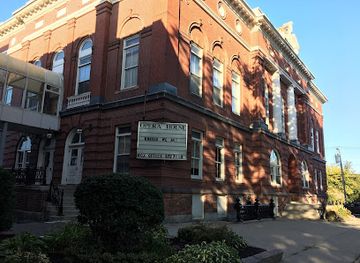
Opera house
Waterville Opera House
Discover the Waterville Opera House, a historic venue offering enchanting performances in the heart of Maine's cultural landscape.
4 min walk · 0.3 km from city centre
-
Tourist attraction
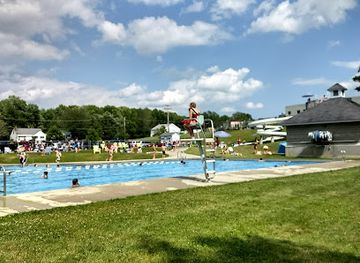
North Street Recreation Area
Discover the tranquility of North Street Recreation Area in Waterville, Maine, where nature meets adventure for the perfect outdoor getaway.
5 min drive · 1.6 km from city centre
-
Tourist attraction
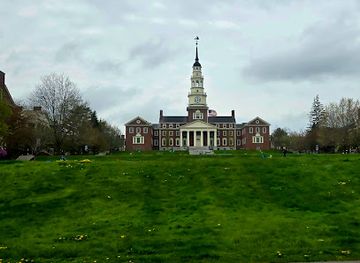
Colby College Museum of Art
Explore the Colby College Museum of Art, a cultural haven showcasing American art and offering free admission in the heart of Waterville, Maine.
8 min drive · 2.7 km from city centre
-
Bridge
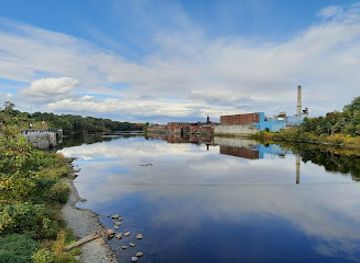
Two Cent Bridge
Discover the Two Cent Bridge in Winslow, Maine, where history meets stunning river views in a serene outdoor setting.
6 min walk · 0.5 km from city centre
Best landmarks in Waterville
Waterville, Maine offers visitors a charming mix of historical and cultural landmarks. Explore the Colby College Museum of Art, showcasing an impressive collection of American art, or visit the Redington Museum to learn about the city's rich history. Take a stroll along the Kennebec River Rail Trail for picturesque views, or enjoy a show at the historic Waterville Opera House. Don't miss the Waterville Historical Society's walking tours, highlighting the city's unique architecture and stories. With a blend of past and present, Waterville is sure to captivate visitors of all interests.
-
American
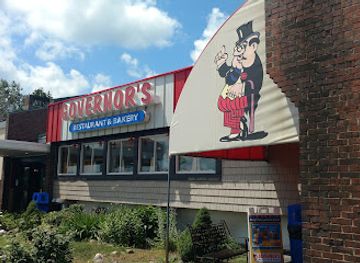
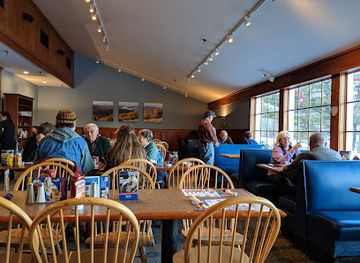
Governor's Restaurant & Bakery
Experience the best of American cuisine with homemade breakfast, lunch, and desserts at Governor's Restaurant & Bakery in Waterville, Maine.
7 min drive · 2.2 km from city centre
-
Restaurant
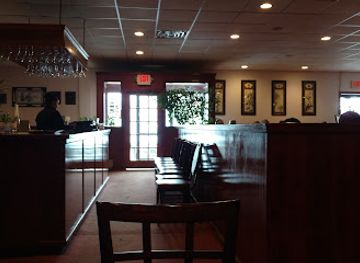
Ming Lee Chinese Restaurant
Experience the rich flavors of authentic Chinese cuisine at Ming Lee Chinese Restaurant in Waterville, Maine, where every dish is a delightful culinary journey.
6 min drive · 2.0 km from city centre
-
Shopping mall
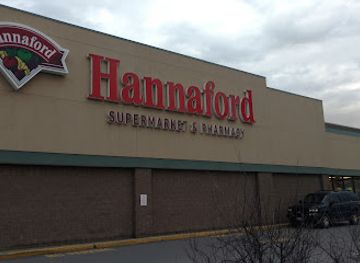
Elm Plaza
Experience the vibrant Elm Plaza in Waterville, Maine, where shopping, dining, and entertainment come together for an unforgettable visit.
6 min drive · 1.9 km from city centre
-
Shopping mall
J F K Mall
Discover the lively shopping experience at J F K Mall in Waterville, Maine, where retail, dining, and community converge for an unforgettable visit.
6 min drive · 2.1 km from city centre


Explore Waterville on the map
Plan your Waterville trip on one map. See where the top attractions, landmarks, restaurants, bars and hotels are, find what's near where you're staying, and book hotels and experiences in a few clicks.
Best hotels in Waterville
Best restaurants in Waterville
Waterville offers a diverse dining scene that caters to all tastes and preferences. From cozy cafes serving up freshly brewed coffee and pastries to upscale restaurants offering gourmet dishes made with locally sourced ingredients, there is something for everyone. Visitors can indulge in traditional New England seafood, savor international cuisine, or enjoy comforting American classics. The city's vibrant food truck scene adds a fun and casual element to dining out, with a variety of options to choose from. With its charming eateries, welcoming atmosphere, and delicious food, Waterville is sure to delight the taste buds of any visitor.
-
American
Governor's Restaurant & Bakery
Discover the heartwarming flavors of American cuisine at Governor's Restaurant & Bakery in Waterville – where every meal is made with love.
7 min drive · 2.2 km from city centre
-
Restaurant
Ming Lee Chinese Restaurant
Discover authentic Asian flavors at Ming Lee Chinese Restaurant in Waterville, Maine - where culinary excellence meets warm hospitality.
6 min drive · 2.0 km from city centre
-
Restaurant
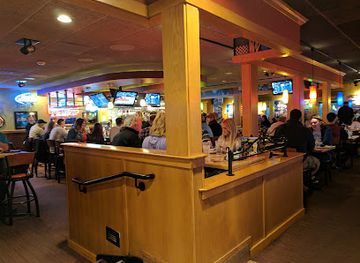
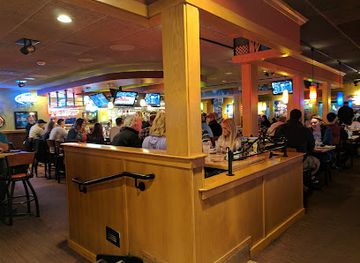
Applebee's Grill + Bar
Experience American dining at its finest at Applebee's Grill + Bar in Waterville - where great food meets friendly service.
8 min drive · 2.8 km from city centre
-
Fast Food
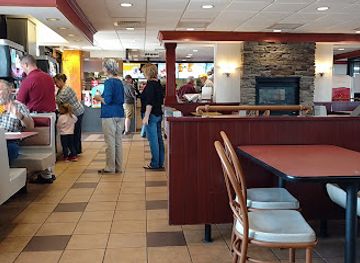
McDonald's
Discover the convenience of McDonald's in Waterville: your go-to spot for fast food favorites anytime!
5 min drive · 1.6 km from city centre
Best bars in Waterville
Waterville's nightlife scene offers a vibrant mix of bars and nightclubs that cater to a variety of tastes. From laid-back pubs serving craft beers to lively clubs with live music and dancing, visitors can expect a diverse range of options for a night out on the town. Whether you're looking for a casual evening with friends or a more upscale experience, Waterville has something for everyone. With a friendly atmosphere and welcoming locals, you'll feel right at home as you explore the city's nightlife offerings.
-
Restaurant
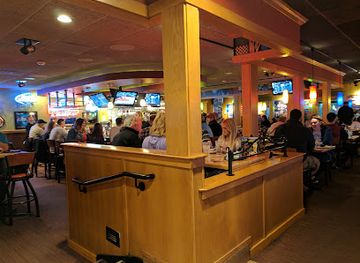
Applebee's Grill + Bar
Experience the best of American cuisine at Applebee's Grill + Bar in Waterville, Maine, where delicious food meets a welcoming atmosphere.
8 min drive · 2.8 km from city centre
-
Bar
Mainely Brews Restaurant & Brewhouse
Experience the authentic taste of Maine at Mainely Brews, a family-friendly bar and restaurant offering local brews and delicious dishes.
1 min walk · 0.1 km from city centre
-
Restaurant
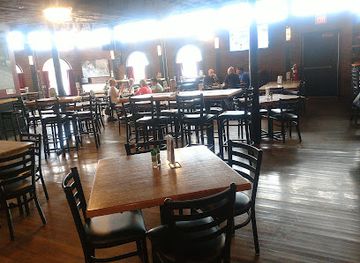
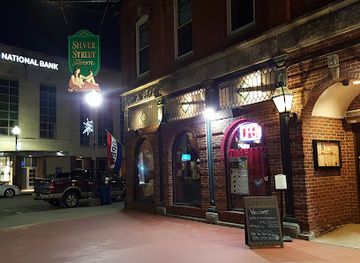
Silver Street Tavern & Restaurant
Experience the vibrant atmosphere of Silver Street Tavern & Restaurant, where great food meets live music in the heart of Waterville, Maine.
5 min walk · 0.4 km from city centre
-
American
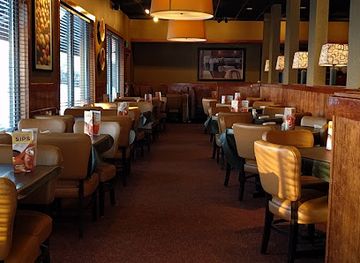
Ruby Tuesday
Discover Ruby Tuesday in Waterville, Maine - your destination for fresh American cuisine and a welcoming dining experience.
7 min drive · 2.3 km from city centre
Best nightclubs in Waterville
Waterville's nightlife scene offers a vibrant mix of bars and nightclubs that cater to a variety of tastes. From laid-back pubs serving craft beers to lively clubs with live music and dancing, visitors can expect a diverse range of options for a night out on the town. Whether you're looking for a casual evening with friends or a more upscale experience, Waterville has something for everyone. With a friendly atmosphere and welcoming locals, you'll feel right at home as you explore the city's nightlife offerings.
-
Restaurant
Applebee's Grill + Bar
Experience the best of American cuisine at Applebee's Grill + Bar in Waterville, Maine - a family-friendly restaurant with a vibrant atmosphere.
8 min drive · 2.8 km from city centre
-
Restaurant
Silver Street Tavern & Restaurant
Discover the lively ambiance and delicious menu at Silver Street Tavern & Restaurant in Waterville, Maine, where every visit is a celebration of food and live music.
5 min walk · 0.4 km from city centre
-
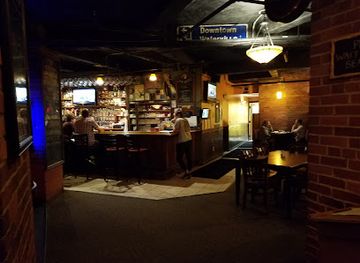
Bar
Lion's Den Tavern
Explore the vibrant atmosphere of Lion's Den Tavern in Waterville, Maine, where delightful food and drink meet lively entertainment.
4 min walk · 0.3 km from city centre
-
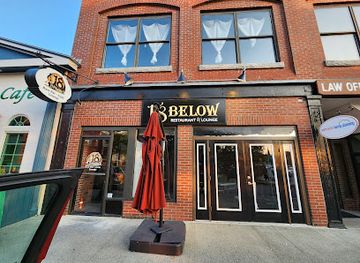
Restaurant
18 below
Experience the best of Maine's seafood and vibrant cocktails at 18 Below, a fine dining restaurant and lounge in Waterville, Maine.
5 min walk · 0.4 km from city centre

Best shops in Waterville
Waterville offers a charming shopping scene for visitors to explore, with a mix of local boutiques, antique shops, and specialty stores lining the streets. From unique handmade crafts and artisanal goods to trendy fashion finds and vintage treasures, there is something for every shopper to discover. Stroll through the bustling downtown area and browse the quaint shops, or visit the local farmers' market for fresh produce and homemade treats. Don't miss the chance to support small businesses and bring home a one-of-a-kind souvenir from your trip to Waterville.
-
Shopping mall
Elm Plaza
Discover Elm Plaza in Waterville, Maine – a lively shopping mall with unique boutiques, tasty eateries, and a welcoming atmosphere for all visitors.
6 min drive · 1.9 km from city centre
-
Shopping mall
J F K Mall
Explore J F K Mall in Waterville, Maine - a dynamic shopping hub with diverse retail, dining, and community events for a delightful experience.
6 min drive · 2.1 km from city centre
-
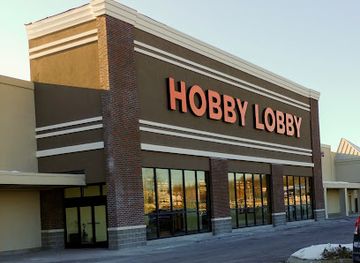
Craft store
Hobby Lobby
Explore Hobby Lobby, the ultimate destination for craft enthusiasts in Waterville, Maine, with endless supplies for your creative projects.
6 min drive · 1.9 km from city centre
-
Natural goods store
Uncle Dean's Natural Market
Explore Uncle Dean's Natural Market in Waterville, ME, for organic groceries and local products that promote health and sustainability.
6 min drive · 1.9 km from city centre

Get your free copy of our complete guide to Waterville, delivered straight to you.
Everything on this page, from attractions and restaurants to essentials and local phrases, in one PDF you can read offline, print or share.
Already have an account? Sign in
Your Waterville guide is ready.
We'll send it to · Not you? Sign out

Getting your guide ready…
We are putting together a fresh copy of the Waterville guide. This can take up to a minute.
This can take a few moments. If your browser asks, choose Allow so the download can start. You'll find the guide in your Downloads folder.
Nothing happened? Download it again
Sorry, the guide is taking longer than usual. Please try again in a minute, or get it by email instead.
Waterville essentials
Currency and Payment
Safety
Emergency Situations
Do's and Don'ts
Local Tips
From Eve
Local phrases worth knowing
You don't need to get them perfect. A few words go a long way, and locals appreciate the effort.
Basics
| English | Local | Say it |
|---|---|---|
| Hello | Hey | [Hey] |
| Goodbye | See ya | [See ya] |
| Yes | Yup | [Yup] |
| No | Nah | [Nah] |
| Please/You're welcome | Please/No problem | [Please/No problem] |
| Thank you | Thanks | [Thanks] |
| Excuse me/Sorry | Excuse me/Sorry | [Excuse me/Sorry] |
| How are you? | How ya doin'? | [How ya doin'?] |
| Fine. And you? | Good. You? | [Good. You?] |
| Do you speak English? | Ya speak English? | [Ya speak English?] |
| I don't understand | I don't get ya | [I don't get ya] |
Eating & Drinking
| English | Local | Say it |
|---|---|---|
| I'd like to see the menu, please | Can I check the menu? | [Can I check the menu?] |
| I don't eat meat | I'm veggie | [I'm veggie] |
| Cheers! | Cheers! | [Cheers!] |
| I would like to pay, please | I'll pay now | [I'll pay now] |
Emergencies
| English | Local | Say it |
|---|---|---|
| Help! | Help! | [Help!] |
| Go away! | Get lost! | [Get lost!] |
| Call the Police! | Call the cops! | [Call the cops!] |
| Call a doctor! | Get a doc! | [Get a doc!] |
| I'm lost | I'm lost | [I'm lost] |
| I'm ill | I'm sick | [I'm sick] |
Shopping
| English | Local | Say it |
|---|---|---|
| I'd like to buy... | I wanna buy... | [I wanna buy...] |
| I'm just looking | Just browsing | [Just browsing] |
| How much is it? | How much? | [How much?] |
| That's too expensive | Too steep | [Too steep] |
| Can you lower the price? | Can ya cut the price? | [Can ya cut the price?] |
Time & Numbers
| English | Local | Say it |
|---|---|---|
| What time is it? | What time is it? | [What time is it?] |
| It's one o'clock | It's one | [It's one] |
| Half past (10) | Half past ten | [Half past ten] |
| Morning | Morning | [Morning] |
| Afternoon | Afternoon | [Afternoon] |
| Evening | Evening | [Evening] |
| Yesterday | Yesterday | [Yesterday] |
| Today | Today | [Today] |
| Tomorrow | Tomorrow | [Tomorrow] |
| 1 | One | [One] |
| 2 | Two | [Two] |
| 3 | Three | [Three] |
| 4 | Four | [Four] |
| 5 | Five | [Five] |
| 6 | Six | [Six] |
| 7 | Seven | [Seven] |
| 8 | Eight | [Eight] |
| 9 | Nine | [Nine] |
| 10 | Ten | [Ten] |
Transport & Directions
| English | Local | Say it |
|---|---|---|
| Where's a/the...? | Where's the...? | [Where's the...?] |
| What's the address? | What's the address? | [What's the address?] |
| Can you show me (on the map)? | Can you show me (on the map)? | [Can you show me (on the map)?] |
| When's the next (bus)? | When's the next (bus)? | [When's the next (bus)?] |
| A ticket (to ....) | A ticket (to ....) | [A ticket (to ....)] |
History of Waterville
The Founding of Waterville
Waterville, Maine, was first settled in 1757 and officially incorporated in 1802. The area, originally known as 'Ticonic,' was part of the larger Kennebec region, which was inhabited by Native American tribes. The settlers were largely drawn to the area due to its strategic location along the Kennebec River, which provided opportunities for trade and transportation.
The Industrial Boom
In the 19th century, Waterville experienced significant industrial growth, primarily driven by the establishment of mills along the Kennebec River. The Ticonic Water Power and Manufacturing Company played a crucial role in this development, facilitating the production of textiles, lumber, and paper products. The arrival of the railroad in the 1850s further boosted the local economy, transforming Waterville into a bustling industrial hub.
Colby College: An Academic Pillar
Founded in 1813, Colby College is one of the oldest liberal arts colleges in the United States. Originally named the Maine Literary and Theological Institution, it was later renamed after benefactor Gardner Colby. The college has been a cornerstone of Waterville's cultural and intellectual life, attracting students and scholars from across the country and fostering a vibrant academic community.
The Franco-American Influence
Waterville has a rich Franco-American heritage, primarily due to the influx of French-Canadian immigrants in the late 19th and early 20th centuries. These immigrants were drawn to the area by the promise of employment in the mills and factories. They brought with them their language, traditions, and Catholic faith, which have left a lasting impact on Waterville’s cultural landscape. Today, the Franco-American heritage is celebrated through various community events and organizations.
The Great Fire of 1902
On July 15, 1902, Waterville was struck by a devastating fire that destroyed much of the downtown area. The fire began in a mill and quickly spread, fueled by strong winds and wooden buildings. Despite the extensive damage, the community rallied together to rebuild the city. The reconstruction efforts led to the establishment of more fire-resistant structures and improved urban planning, shaping the modern layout of downtown Waterville.
Modern Revitalization Efforts
In recent years, Waterville has undergone significant revitalization efforts aimed at boosting its economy and enhancing the quality of life for its residents. Key projects have included the redevelopment of historic buildings, the expansion of arts and cultural venues, and the enhancement of public spaces. These efforts have helped to preserve Waterville's rich history while also ensuring its future growth and prosperity.
Waterville in Photos
Browse through our photo collection highlighting the charm and character of the destination.
Cities near Waterville
The closest cities to Waterville, if you have time for more than one stop.
-

-
 Camden
Discover Camden, Maine: A scenic coastal town offering historic charm, outdoor adventures, and vibrant cultural events, nestled between Camden Hills and Penobscot Bay.
1 h 19 min drive · 59 km from city centre
Camden
Discover Camden, Maine: A scenic coastal town offering historic charm, outdoor adventures, and vibrant cultural events, nestled between Camden Hills and Penobscot Bay.
1 h 19 min drive · 59 km from city centre
-

-

-


Swipe for more cities
Explore more

Explore more of Maine
Discover Maine's breathtaking landscapes, charming coastal towns, and rich cultural heritage. From Acadia's cliffs to fresh lobster feasts, Maine promises an unforgettable adventure.
Explore Maine