

Mid Coast, Maine Travel Guide
Discover the Mid Coast of Maine, where scenic beauty, maritime heritage, and charming small towns create an unforgettable experience for every visitor.
The Mid Coast of Maine offers a captivating blend of scenic beauty, maritime heritage, and charming small towns. Stretching from Brunswick to Belfast, this region is famed for its rocky coastline, historic lighthouses, and picturesque harbors. Whether you are an outdoor enthusiast or a history buff, there's something for everyone here. Start your journey in the quaint town of Brunswick, home to Bowdoin College and a vibrant arts scene. A short drive away, you’ll find the historic Bath Iron Works in Bath, where you can delve into the rich shipbuilding history at the Maine Maritime Museum. Continue your adventure to the charming town of Wiscasset, known for its antique shops and the famous Red's Eats lobster shack. Further along the coast, visit the bustling town of Rockland, renowned for its art galleries and the annual Maine Lobster Festival. Don’t miss the chance to explore Camden, where you can hike up Mount Battie for panoramic views of Penobscot Bay. End your trip in Belfast, a picturesque town with a thriving arts community and beautiful waterfront parks.

Know before you go
Hi, I'm Eve. Here are a few practical things to know before exploring Mid Coast.
- Visit in the fall to experience stunning foliage and fewer crowds.
- Try the local seafood, especially lobster and clam chowder.
- Take a boat tour to see the lighthouses and coastal wildlife.
- Bring comfortable shoes for walking and hiking.
- Check out local festivals and events for a taste of the local culture.
Top City Travel Guides in Mid Coast
The cities of Mid Coast, and the easiest places to base yourself.

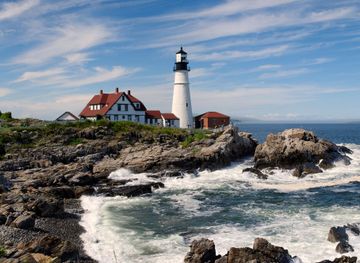


Destinations in Mid Coast
Resorts, valleys and scenic spots worth a trip of their own.


Explore Mid Coast: Things to Do, Places to Eat, Hotels & More
Handpicked recommendations for top attractions, local dining, accommodations, and more

Top Attractions & Sightseeing in Mid Coast
Top-rated picks
Best Attractions

Coastal Maine Botanical Gardens
Explore the breathtaking Coastal Maine Botanical Gardens, where nature's beauty meets tranquility in a picturesque coastal setting.

Fort Williams Park
Discover the breathtaking coastal beauty and historical charm of Fort Williams Park, a top destination for nature lovers and history enthusiasts in Cape Elizabeth, Maine.

Camden Hills State Park
Discover the breathtaking views and diverse outdoor activities at Camden Hills State Park, a gem of natural beauty in Maine.

Schooner Appledore II
Sail on the iconic Schooner Appledore II in Camden, Maine, and explore the stunning beauty of the Penobscot Bay and its islands.


Best restaurants in Mid Coast
Top-rated picks
Best Restaurants

DiMillo's On the Water
Experience fresh seafood with breathtaking views at DiMillo's On the Water in Portland - a culinary gem on Maine's scenic coast.
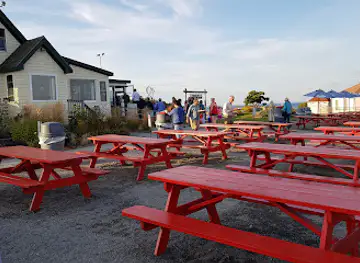
The Lobster Shack at Two Lights
Discover fresh seafood with breathtaking ocean views at The Lobster Shack at Two Lights in Cape Elizabeth.

Red's Eats
Experience the best lobster rolls and fresh seafood at Red's Eats in Wiscasset – a true taste of Maine.

Taste of Maine Restaurant
Discover the authentic flavors of New England at Taste of Maine Restaurant – where fresh seafood meets family-friendly dining.

Best bars in Mid Coast
Top-rated picks
Best Bars

Sea Dog Brewing Company Topsham
Experience the best of Maine's craft brewing at Sea Dog Brewing Company in Topsham, where great food meets exceptional handcrafted beers.

Gritty McDuff's Brew Pub
Discover the heart of Maine's craft beer scene at Gritty McDuff's Brew Pub, a family-friendly spot offering delicious brews and hearty meals.

The Thirsty Pig
Experience gourmet hot dogs and local brews at The Thirsty Pig, an American pub in Portland's charming Old Port district.

The Montsweag Restaurant
Discover the delightful American cuisine at The Montsweag Restaurant in Woolwich, Maine, perfect for brunch or lunch in a cozy setting.

Best nightclubs in Mid Coast
Top-rated picks
Best Nightclubs

Flask Lounge
Flask Lounge: A lively dance club and bar in downtown Portland, perfect for unforgettable nights filled with music, dancing, and fun.

Aura
Experience the vibrant nightlife at Aura, a premier night club in Downtown Portland, blending exquisite dining and energetic atmosphere.

Best shops in Mid Coast
Top-rated picks
Best Shops

Owls Head Lighthouse
Explore the historic Owls Head Lighthouse, a coastal gem in Maine, offering stunning views, local crafts, and a glimpse into maritime history.

Freeport Village Station
Explore Freeport Village Station: your ultimate shopping destination in Freeport, Maine, featuring unique shops and delightful dining.

Bull Moose
Explore Bull Moose, Brunswick's premier destination for vinyl records, CDs, DVDs, and video games, in a welcoming and vibrant setting.

Land's End Gift Shop
Explore Land's End Gift Shop on Bailey Island for unique Maine souvenirs and artisan treasures amidst stunning coastal views.

Explore Mid Coast on the Map
A handpicked selection of must-see spots in Mid Coast, mapped for you.
Mid Coast Essentials
-
Mid Coast Maine is accessible by various means of transportation. The nearest major airport is Portland International Jetport (PWM), about 40-60 miles from the Mid Coast area. From the airport, you can rent a car or take a bus to reach your destination. Additionally, Amtrak’s Downeaster train service connects Boston to Brunswick, offering a scenic and convenient route. For those driving, U.S. Route 1 runs through the heart of Mid Coast, making it easily accessible by car.
-
Once in Mid Coast Maine, getting around is relatively straightforward. Renting a car is highly recommended as it provides the flexibility to explore the coastal towns and scenic byways at your own pace. Local bus services, such as the Coastal Connector, offer routes between major towns. Biking is also a popular option, especially on the scenic paths and quieter roads. Taxi services and ride-sharing apps like Uber and Lyft are available but less common in rural areas.
-
The official currency is the United States Dollar (USD). Credit and debit cards are widely accepted, especially in restaurants, hotels, and larger stores. However, it is advisable to carry some cash for smaller establishments, farmers' markets, or when venturing into more rural areas. ATMs are readily available in towns and cities.
-
Mid Coast Maine is generally considered very safe for tourists. Violent crime is rare, and the area is known for its friendly, welcoming atmosphere. However, it is always wise to take standard precautions: lock your car, avoid leaving valuables in plain sight, and be cautious when exploring less populated areas at night. There are no specific neighborhoods known for high crime rates targeting tourists.
-
In case of emergency, dial 911 for immediate assistance from police, fire, or medical services. The area has several hospitals, including Mid Coast Hospital in Brunswick and Pen Bay Medical Center in Rockport, providing comprehensive medical care. Pharmacies are available in most towns for minor health issues. It is recommended to have travel insurance that covers medical emergencies.
-
Fashion: Do dress in layers, as the weather can be unpredictable. Casual, comfortable clothing is typically acceptable. Religion: Do respect religious sites and traditions; some churches may require modest dress. Public Transport: Do be polite and considerate to drivers and fellow passengers. Greetings: Do greet locals with a friendly 'hello' or 'good morning'; Mainers are known for their hospitality. Eating & Drinking: Do try local seafood, especially lobster and clams. Don’t rush your meal; dining is often a relaxed affair.
-
To experience Mid Coast Maine like a local, visit the numerous farmers' markets to sample fresh, local produce. Engage with local fishermen and artisans, who are often eager to share their stories and craft. Take advantage of the many outdoor activities, such as hiking in Camden Hills State Park or kayaking in the numerous bays and inlets. Don’t miss the opportunity to explore the historic towns of Bath and Rockland, and be sure to visit the Maine Maritime Museum for a taste of the region’s rich nautical history.
When is the best time to visit Mid Coast?
Useful Local Phrases for Mid Coast
You don't need to speak the language perfectly. Even learning a few simple words can make conversations warmer—and locals usually appreciate the effort.
— Eve

Here are the phrases I use most often in Mid Coast. Try a few—you'll be surprised how far they go! 😊
❤️
-
- HelloHiya
[Hiyuh] - GoodbyeSee ya
[See yah] - YesYup
[Yup] - NoNah
[Nah] - Please/You're welcomeSure thing
[Shoor thing] - Thank youThanks
[Thanks] - Excuse me/SorryPardon me
[Pardon me] - How are you?How's it goin'?
[How's it goin'?] - Fine. And you?Good. You?
[Good. You?] - Do you speak English?Do ya speak English?
[Doo yah speak English?] - I don't understandI dunno what you're sayin'
[I dunno what yer sayin']
- HelloHiya
-
- I'd like to see the menu, pleaseCan I see the menu?
[Can I see the menu?] - I don't eat meatI'm a vegetarian
[I'm a vegetarian] - Cheers!Cheers!
[Cheers!] - I would like to pay, pleaseCan I get the bill?
[Can I get the bill?]
- I'd like to see the menu, pleaseCan I see the menu?
-
- Help!Help!
[Help!] - Go away!Leave me alone!
[Leave me alone!] - Call the Police!Call the cops!
[Call the cops!] - Call a doctor!Get me a doctor!
[Get me a doctor!] - I'm lostI'm turned around
[I'm turned around] - I'm illI'm not feelin' well
[I'm not feelin' well]
- Help!Help!
-
- I'd like to buy...I'm lookin' to buy...
[I'm lookin' to buy...] - I'm just lookingJust browsin'
[Just browsin'] - How much is it?What’s the price?
[What’s the price?] - That's too expensiveThat's a bit pricey
[That's a bit pricey] - Can you lower the price?Can you do any better on the price?
[Can you do any better on the price?]
- I'd like to buy...I'm lookin' to buy...
-
- What time is it?What time ya got?
[What time ya got?] - It's one o'clockIt's one o'clock
[It's one o'clock] - Half past (10)Half past ten
[Half past ten] - MorningMornin'
[Mornin'] - AfternoonAfternoon
[Afternoon] - EveningEvenin'
[Evenin'] - YesterdayYesterday
[Yesterday] - TodayToday
[Today] - TomorrowTomorrow
[Tomorrow] - 1One
[One] - 2Two
[Two] - 3Three
[Three] - 4Four
[Four] - 5Five
[Five] - 6Six
[Six] - 7Seven
[Seven] - 8Eight
[Eight] - 9Nine
[Nine] - 10Ten
[Ten]
- What time is it?What time ya got?
-
- Where's a/the...?Where's a...?
[Where's a...?] - What's the address?What's the address?
[What's the address?] - Can you show me (on the map)?Can ya show me on the map?
[Can ya show me on the map?] - When's the next (bus)?When's the next bus?
[When's the next bus?] - A ticket (to ....)A ticket to ...
[A ticket to ...]
- Where's a/the...?Where's a...?
History of Mid Coast
-
The Mid Coast region of Maine saw its first European settlers in the early 1600s. The Popham Colony, established in 1607 near the mouth of the Kennebec River, was one of the first English settlements in North America. Although it was short-lived, the colony marked the beginning of European influence in the area.
-
The Mid Coast of Maine has a rich maritime history. During the 18th and 19th centuries, the region's deep harbors and abundant timber resources made it an ideal location for shipbuilding. Towns like Bath became renowned for producing some of the finest wooden ships, earning Bath the nickname 'The City of Ships.'
-
The rugged coastline of Mid Coast Maine necessitated the construction of numerous lighthouses to guide mariners safely to shore. Iconic lighthouses such as the Pemaquid Point Lighthouse, built in 1827, and the Owl's Head Light, established in 1825, remain as historical landmarks and are integral to the region's nautical heritage.
-
During the 19th century, the Mid Coast region became a hub for the ice harvesting industry. The area's cold winters and numerous freshwater lakes made it perfect for producing ice, which was shipped as far away as the Caribbean and India. This industry played a crucial role in the local economy until the advent of modern refrigeration.
-
Long before European settlers arrived, the Wabanaki Confederacy, consisting of tribes such as the Penobscot, Micmac, Passamaquoddy, and Maliseet, inhabited the Mid Coast region. Their culture, traditions, and knowledge of the land significantly influenced the development of the area. Many place names, like the Kennebec River, are derived from the native languages.
-
The Mid Coast region played a significant role during the American Revolution. The British naval blockade affected the coastal towns, and local shipbuilders and mariners aided the Continental Navy. Additionally, the Penobscot Expedition of 1779, an ill-fated American attempt to reclaim Maine from British control, took place in Penobscot Bay.
-
Beginning in the late 19th century, the natural beauty and serene environment of Mid Coast Maine attracted artists, writers, and wealthy tourists from cities like Boston and New York. The establishment of summer colonies and resorts helped shape the region into a popular tourist destination, a legacy that continues to this day.
-
Although primarily located on Mount Desert Island, Acadia National Park's establishment in 1916 influenced the entire Mid Coast region. The park's creation was part of a broader conservation movement that highlighted the importance of preserving Maine's natural beauty. Acadia remains one of the most visited national parks in the United States.
Neighbouring Regions of Mid Coast
The closest regions to Mid Coast, if you have time for more than one.




Your all‑in‑one travel companion app
Explore expert travel guides, compare and book tours, experiences, hotels, and more—all from the palm of your hand. Download now for seamless trip planning wherever your wanderlust takes you.


Explore More of Maine

Looking beyond Mid Coast? Discover Maine for broader travel guides, local hot-spots, and regional highlights.
Explore MaineMid Coast in Photos
Browse through our photo collection highlighting the charm and character of the destination.


The Enchanting Mid Coast of Maine
The Mid Coast of Maine offers a captivating blend of scenic beauty, maritime heritage, and charming small towns. Stretching from Brunswick to Belfast, this region is famed for its rocky coastline, historic lighthouses, and picturesque harbors. Whether you are an outdoor enthusiast or a history buff, there's something for everyone here. Start your journey in the quaint town of Brunswick, home to Bowdoin College and a vibrant arts scene. A short drive away, you’ll find the historic Bath Iron Works in Bath, where you can delve into the rich shipbuilding history at the Maine Maritime Museum. Continue your adventure to the charming town of Wiscasset, known for its antique shops and the famous Red's Eats lobster shack. Further along the coast, visit the bustling town of Rockland, renowned for its art galleries and the annual Maine Lobster Festival. Don’t miss the chance to explore Camden, where you can hike up Mount Battie for panoramic views of Penobscot Bay. End your trip in Belfast, a picturesque town with a thriving arts community and beautiful waterfront parks.