

Sin Sze Si Ya Temple, East Coast Travel Guide
Explore the serene beauty and rich cultural heritage of Sin Sze Si Ya Temple in Kuala Lumpur, a must-visit Taoist sanctuary.
Sin Sze Si Ya Temple, a serene Taoist sanctuary nestled in the heart of Kuala Lumpur, offers visitors a glimpse into the city’s spiritual heritage. This vibrant temple is a perfect blend of intricate architecture, rich history, and cultural significance, making it a must-visit for tourists seeking a deeper understanding of local traditions.
A brief summary to Sin Sze Si Ya Temple
- 113A, Jalan Tun H S Lee, Kuala Lumpur, Kuala Lumpur City Centre, Federal Territory of Kuala Lumpur, 50050, MY
- Click to display
- Monday 7 am-5 pm
- Tuesday 7 am-5 pm
- Wednesday 7 am-5 pm
- Thursday 7 am-5 pm
- Friday 7 am-5 pm
- Saturday 7 am-5 pm
- Sunday 7 am-5 pm

Know before you go
Hi, I'm Eve. Here are a few practical things to know before exploring Sin Sze Si Ya Temple.
- Visit early in the morning for a quieter experience and to witness the rituals of local worshippers.
- Respect local customs by dressing modestly when entering the temple.
- Take your time exploring the intricate details of the temple's architecture and decorations.
- Don't forget to bring a camera to capture the stunning visuals of this historical site.
- Consider visiting during a festival for a vibrant display of cultural celebrations and activities.
Do you manage this location?
Take control to get all the benefits, like improved information, better appearance, and stronger visibility across AI-powered discovery. Learn more about listing your business on Evendo
Activate your presenceOther nearby places you may find interesting
The closest places of the same kind, if this one is not quite what you had in mind.

Explore Sin Sze Si Ya Temple on the Map
A handpicked selection of must-see spots near Sin Sze Si Ya Temple, mapped for you.
Unlock the Best of Sin Sze Si Ya Temple
Buy tickets
-
No tickets available
Book tours with entry


Getting There
-
Car
If you are traveling by car, start from any location in East Coast and make your way towards Kuala Lumpur. Use the North-South Expressway (E1) and follow the signs for Kuala Lumpur. Once you reach the city, take the exit towards Jalan Tun H S Lee. The Sin Sze Si Ya Temple is located at 113A, Jalan Tun H S Lee, City Centre. Look for parking spots nearby, as parking can be limited. Be prepared to pay for parking fees, which typically range from RM2 to RM4 per hour.
-
Public Transportation - Bus
To reach Sin Sze Si Ya Temple using public transportation, start by finding a bus station that services routes to Kuala Lumpur. You can take a bus to the Puduraya Bus Terminal or any other major terminal in Kuala Lumpur. Once you arrive, you can walk or take a short taxi ride to the temple. The temple is approximately a 15-minute walk from Puduraya Terminal. Just head towards Jalan Tun H S Lee, and you'll find the temple at 113A. Ensure you have some cash for the bus fare, which is generally around RM30-50 depending on your departure point.
-
Public Transportation - Train
If you prefer to travel by train, you can take the KTM Komuter or the LRT to Kuala Lumpur. Get off at the Kuala Lumpur Sentral Station. From there, you can either take a taxi or use the MRT to get to the nearest station, then walk to the temple. The Sin Sze Si Ya Temple is about a 20-minute walk from the nearest MRT station. Make sure to check the train schedules and fares; a one-way ticket typically costs around RM5-15.
Discover more about Sin Sze Si Ya Temple













Your all‑in‑one travel companion app
Explore expert travel guides, compare and book tours, experiences, hotels, and more—all from the palm of your hand. Download now for seamless trip planning wherever your wanderlust takes you.


Explore More of East Coast
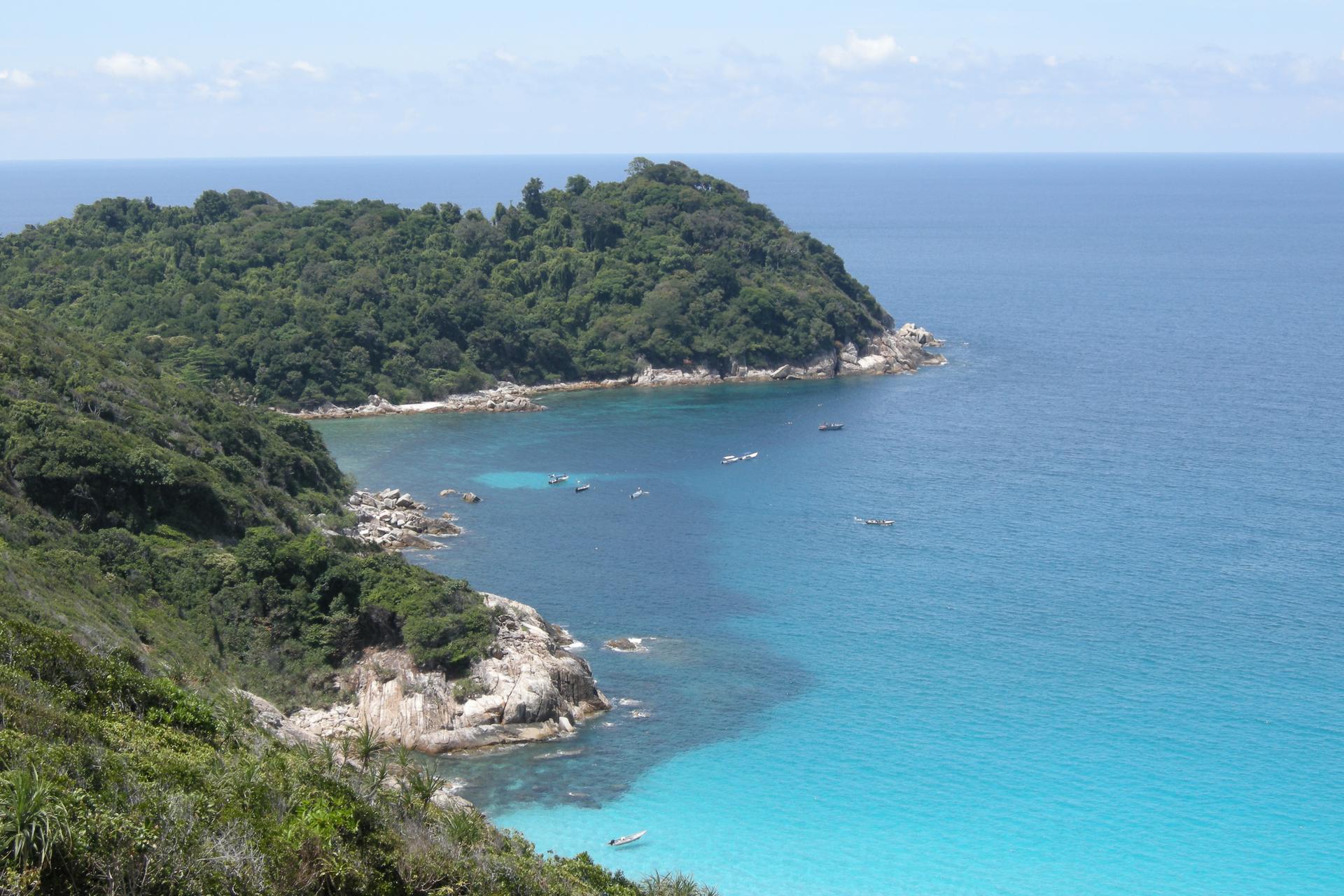
Looking beyond Sin Sze Si Ya Temple? Discover East Coast for broader travel guides, local hot-spots, and regional highlights.
Explore East Coast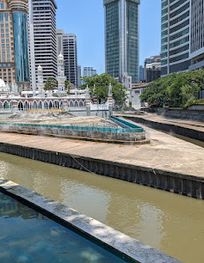
Discover the historical significance and vibrant atmosphere of Dataran Medan Pasar, a cultural gem in Kuala Lumpur's city center.
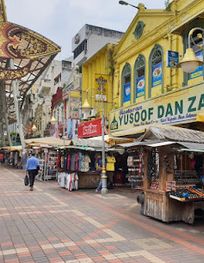
Explore the vibrant Kasturi Walk in Kuala Lumpur, a bustling flea market filled with local crafts, street food, and cultural experiences.
