

Free East Coast Travel Guide & Mobile App
Explore East Coast with free travel guides. Discover regional history, expert tips, proposed trips, and audio guides on web or mobile app.


Explore East Coast Malaysia for tropical islands, rainforest, Malay heritage, seafood and distinctive traditions across Pahang, Terengganu and Kelantan.
Read more about East Coast
When is the best time to visit East Coast?
Best: January–March · 29–30°C| Month | High (°C) | Rainfall (mm) |
|---|---|---|
| January (best) | 29 | 120 |
| February (best) | 30 | 130 |
| March (best) | 30 | 140 |
| April | 31 | 150 |
| May | 31 | 160 |
| June | 31 | 170 |
| July | 31 | 180 |
| August | 31 | 190 |
| September | 31 | 200 |
| October | 30 | 210 |
| November | 30 | 220 |
| December | 29 | 230 |
Getting to and around East Coast
How to get there
Transportation
Top city travel guides in East Coast
The cities of East Coast, and the easiest places to base yourself.
-

-

-

-

-

-


Swipe for more cities
Destinations in East Coast
Resorts, valleys and scenic spots worth a trip of their own.
-

-

-

-

-

-


Swipe for more destinations
Best attractions in East Coast
The East Coast’s attractions range from tropical islands and marine parks to rainforest, craft centres, museums and historic townscapes. Pahang offers coastal breaks at Cherating and Teluk Cempedak, excursions into Taman Negara and the former mining landscape of Sungai Lembing, while Tioman Island provides opportunities for diving, snorkelling, walking and village-based stays. Terengganu’s Redang, Perhentian and Kapas islands are major marine destinations, complemented on the mainland by Kuala Terengganu’s museums, craft workshops and riverside heritage. Kelantan’s attractions centre on Kota Bharu’s cultural institutions, traditional markets and performing arts, with inland Gua Musang providing access to limestone and forest scenery. Wildlife watching, river journeys, cave visits, birding and jungle walks are available in suitable areas, but conditions and access vary. The region’s appeal lies in the combination of living cultural traditions and outdoor environments rather than a single concentration of ticketed sights.
-
Zoo
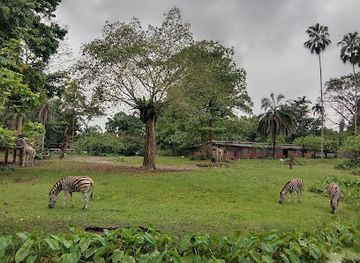
Taiping Zoo & Night Safari
Experience the magic of wildlife at Taiping Zoo & Night Safari, a premier tourist attraction in Malaysia that offers both daytime and nighttime adventures.
-
Theme park
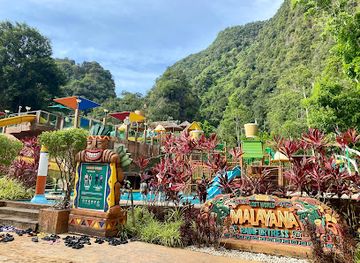
Lost World of Tambun Theme Park
Experience the excitement of Lost World of Tambun Theme Park, a family-friendly adventure in Ipoh, Malaysia, with thrilling rides and relaxing hot springs.
-
Buddhist temple
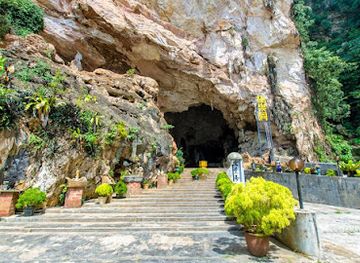
Kek Look Tong
Explore the tranquil beauty of Kek Look Tong, a stunning Buddhist temple in Ipoh, Malaysia, surrounded by breathtaking limestone caves and lush gardens.
-
Taoist temple
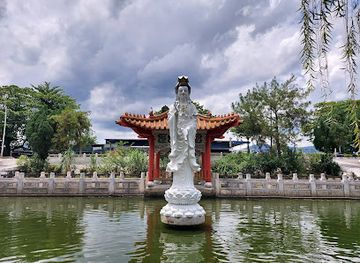
Perak Cave Temple
Discover the serene beauty of Perak Cave Temple, a stunning Taoist temple in Ipoh, where spirituality meets breathtaking natural landscapes.
Best landmarks in East Coast
The Batu Bersurat Terengganu is the East Coast’s most important historic artefact, preserved at the Terengganu State Museum in Kuala Terengganu and valued as an early record of Islamic law and Jawi writing in the Malay world. Kuala Terengganu’s waterfront, traditional fishing-boat workshops and the modern Crystal Mosque form a recognisable urban landscape along the Terengganu River. In Kota Bharu, Istana Jahar and the surrounding royal and civic museums reflect Kelantan’s courtly history and distinctive architectural traditions. Pahang’s Sungai Lembing carries the physical memory of the region’s mining era, while the forested ridges and river valleys of Taman Negara are geographical landmarks in their own right. Offshore, Tioman’s steep green interior rising above the sea, the coral-fringed islands of Terengganu and the long beaches of the Pahang coast provide the region’s most recognisable natural forms.
-
Historical landmark
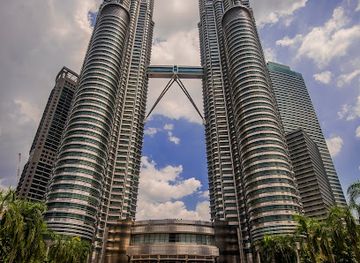
Petronas Twin Towers
Discover the breathtaking Petronas Twin Towers, a symbol of Kuala Lumpur's cultural heritage and modern architecture, with stunning views and shopping options.
-
Resort hotel
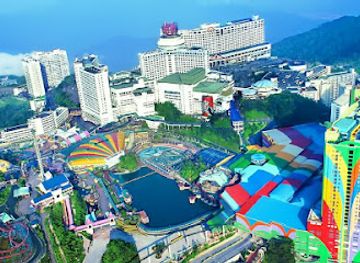
Resorts World Genting
Experience the ultimate getaway at Resorts World Genting, where luxury meets adventure in the heart of Malaysia's highlands.
-
 Shrine
Batu Caves
Discover the breathtaking Batu Caves, a spiritual haven with stunning limestone formations and vibrant Hindu temples, just outside Kuala Lumpur.
-
Historical landmark
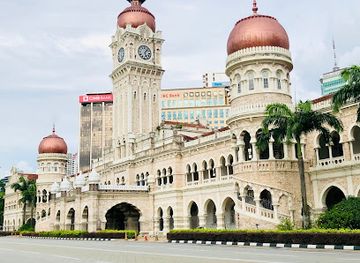
Merdeka Square
Discover Merdeka Square, Kuala Lumpur's historical landmark where culture, heritage, and modernity converge in a vibrant urban oasis.
Explore East Coast on the map
Plan your trip on one map. See where the top cities, national parks and sights are, and book hotels and experiences in a few clicks.
Best hotels in East Coast
Best restaurants in East Coast
East Coast cuisine is strongly shaped by rice, coconut, herbs, seafood and Malay culinary traditions, with meaningful differences between states. Terengganu is associated with dishes such as nasi dagang, ikan singgang and keropok lekor, the fish snack widely sold along the coast, while Kelantan is known for sweet-savoury flavours, nasi kerabu, nasi tumpang and ayam percik. Pahang contributes freshwater fish, forest-influenced ingredients and food traditions from both Malay communities and highland areas. Look for breakfast stalls, kedai makan, market vendors, family-run restaurants and roadside seafood places rather than expecting a western-style restaurant district in every town. Kuala Terengganu and Kota Bharu provide the broadest choice of local food, while beach resorts and island accommodation often offer international menus alongside regional dishes. Check ingredients carefully if you avoid shellfish, fish sauce or strong spices.
-
Restaurant
The Banjaran Hotsprings Retreat
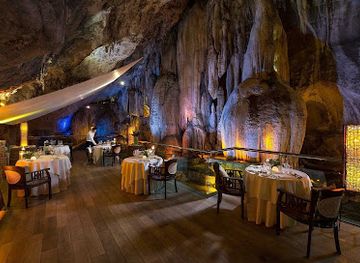
Experience ultimate relaxation at The Banjaran Hotsprings Retreat - where luxury meets nature in breathtaking Perak.
-
South American
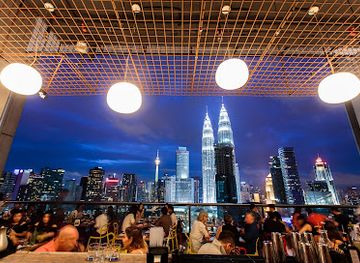
Fuego at Troika Sky Dining
Experience exquisite South American cuisine with breathtaking skyline views at Fuego at Troika Sky Dining in Kuala Lumpur.
-
Indian
Singh Chapati
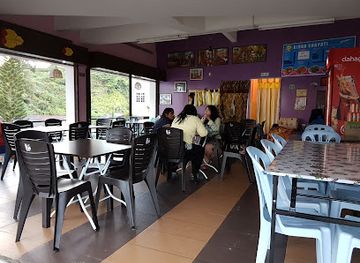
Discover authentic Indian flavors at Singh Chapati in Tanah Rata – where every meal is a celebration of taste and tradition.
-
Gastropub
Jeff's Cellar
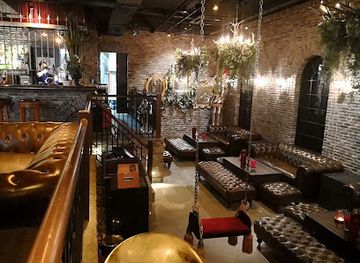
Discover culinary excellence at Jeff's Cellar, where innovative cuisine meets breathtaking ambiance in Sunway City.
Best bars in East Coast
Nightlife on Malaysia’s East Coast is generally quieter and more localised than in Kuala Lumpur or Penang. Evening life in Kuantan, Kuala Terengganu and Kota Bharu centres on restaurants, cafés, late food stalls, shopping areas and modest live-entertainment venues rather than a dense club scene. Alcohol is available in some hotels, resorts and licensed establishments, but it is less prominent in predominantly Muslim communities, particularly in Kelantan and more conservative rural districts. On Tioman and some resort islands, evenings may include beach restaurants, relaxed music and accommodation-based social spaces, though the atmosphere is seasonal and weather-dependent. Cherating has a long-standing traveller-oriented beach scene with casual cafés and music, while larger hotels provide the most predictable cocktail and lounge options. Visitors should respect local customs and avoid assuming that every coastal town operates as a party destination.
-
Grill
Havana Bar & Grill
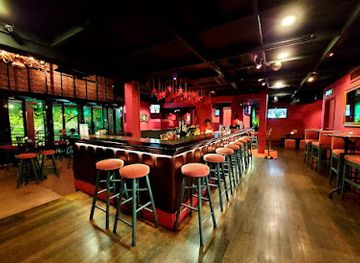
Havana Bar & Grill: A vibrant grill, cocktail bar, and night club in Kuala Lumpur, perfect for food and fun in the heart of the city.
-
Restaurant
Suzie Wong - Dinner and Show
Discover Suzie Wong, a premier dinner and show destination in Kuala Lumpur offering exquisite dining and captivating performances.
-
Cocktail bar
PS150
Discover PS150, Kuala Lumpur's premier cocktail bar blending local flavors with an unforgettable nightlife experience.
-
Restaurant
Puteh Beach Bar
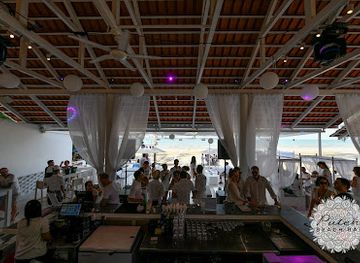
Discover the ultimate beachside escape at Puteh Beach Bar in Kuantan, where vibrant nightlife meets stunning coastal views.

Best nightclubs in East Coast
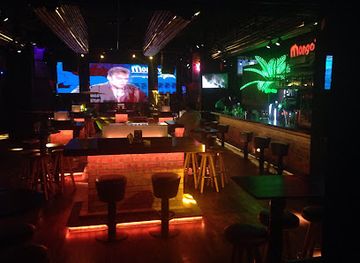
Nightlife on Malaysia’s East Coast is generally quieter and more localised than in Kuala Lumpur or Penang. Evening life in Kuantan, Kuala Terengganu and Kota Bharu centres on restaurants, cafés, late food stalls, shopping areas and modest live-entertainment venues rather than a dense club scene. Alcohol is available in some hotels, resorts and licensed establishments, but it is less prominent in predominantly Muslim communities, particularly in Kelantan and more conservative rural districts. On Tioman and some resort islands, evenings may include beach restaurants, relaxed music and accommodation-based social spaces, though the atmosphere is seasonal and weather-dependent. Cherating has a long-standing traveller-oriented beach scene with casual cafés and music, while larger hotels provide the most predictable cocktail and lounge options. Visitors should respect local customs and avoid assuming that every coastal town operates as a party destination.
-
Night club
TREC Kuala Lumpur
Discover TREC Kuala Lumpur: The ultimate nightlife destination featuring bars, clubs, dining, and live music in the heart of the city.
-
Night club
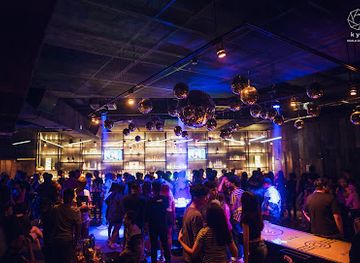
kyō kuala lumpur
Discover the pulse of Kuala Lumpur's nightlife at kyō, where dance, music, and excitement blend seamlessly in a chic atmosphere.
-
Night club
Privileged Space Vip Party House
Discover the electrifying nightlife at Privileged Space Vip Party House, a premier night club and bar & grill in the heart of Petaling Jaya.
-
Night club
Gemu Club KL
Immerse yourself in the vibrant nightlife at Gemu Club KL, a premier dance destination in Kuala Lumpur with exceptional music and ambiance.


Best shops in East Coast
Shopping on the East Coast is closely tied to markets, craft traditions and regional food products rather than luxury retail. Kuala Terengganu is a principal place to look for batik, songket textiles, brassware, woven goods and traditional boat-related crafts, while Kota Bharu has markets and specialist shops selling Kelantanese textiles, silverwork, woodcarving, kites and local snacks. Pahang’s towns offer handicrafts, forest-related produce and food specialities, with Sungai Lembing providing souvenirs connected to its mining heritage. Farmers’ markets and morning markets are useful for fruit, dried seafood, spices, keropok and prepared foods, although trading days and locations vary. Island resorts tend to have small practical shops rather than extensive retail, so buy specialist clothing, medicines and equipment in a mainland town before departure. At craft workshops, ask about materials, production methods and whether an item is locally made.
-
Shopping mall
Central Market
Discover the vibrant arts and culture at Central Market, Kuala Lumpur's historical shopping destination with local crafts and delicious cuisine.
-
Outlet mall
Genting Highlands Premium Outlets
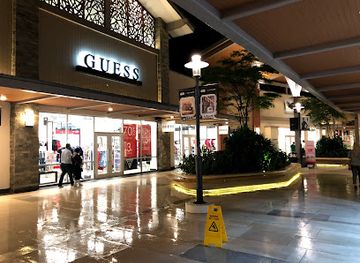
Discover unbeatable deals at Genting Highlands Premium Outlets, your ultimate shopping destination in Malaysia's breathtaking mountain retreat.
-
Shopping mall
KWC Fashion Wholesale
Explore KWC Fashion Wholesale in Kuala Lumpur for an unparalleled shopping experience filled with trendy clothing, accessories, and unbeatable deals.
-
Shopping mall
East Coast Mall
Explore East Coast Mall in Kuantan for an unforgettable shopping and dining experience with a blend of local and international flavors.
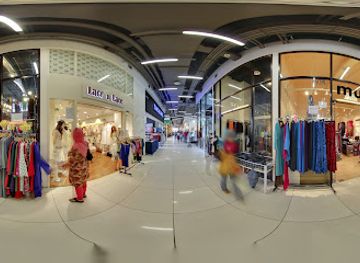

Get your free copy of our complete guide to East Coast, delivered straight to you.
Everything on this page, from attractions and restaurants to essentials and local phrases, in one PDF you can read offline, print or share.
Already have an account? Sign in
Your East Coast guide is ready.
We'll send it to · Not you? Sign out

Getting your guide ready…
We are putting together a fresh copy of the East Coast guide. This can take up to a minute.
This can take a few moments. If your browser asks, choose Allow so the download can start. You'll find the guide in your Downloads folder.
Nothing happened? Download it again
Sorry, the guide is taking longer than usual. Please try again in a minute, or get it by email instead.
East Coast essentials
Currency and Payment
Safety
Emergency Situations
Do's and Don'ts
Local Tips
From Eve
Local phrases worth knowing
You don't need to get them perfect. A few words go a long way, and locals appreciate the effort.
Basics
| English | Local | Say it |
|---|---|---|
| Hello | Hi | [hai] |
| Goodbye | Bye | [bai] |
| Yes | Yeah | [yeh] |
| No | Nah | [nah] |
| Please/You're welcome | No problem | [no prob-lum] |
| Thank you | Thanks | [thanks] |
| Excuse me/Sorry | Sorry | [sorry] |
| How are you? | How you doin'? | [how yuh doin'] |
| Fine. And you? | Good. You? | [gud. yuh?] |
| Do you speak English? | You speak English? | [yuh speak ing-lish?] |
| I don't understand | I don’t get it | [I dont get it] |
Eating & Drinking
| English | Local | Say it |
|---|---|---|
| I'd like to see the menu, please | Can I see the menu? | [can I see the men-yoo?] |
| I don't eat meat | I’m vegetarian | [I'm vege-tair-ian] |
| Cheers! | Cheers! | [cheers] |
| I would like to pay, please | Can I get the check? | [can I get the chek?] |
Emergencies
| English | Local | Say it |
|---|---|---|
| Help! | Help! | [help] |
| Go away! | Get lost! | [get lost] |
| Call the Police! | Call 911! | [call nine-one-one] |
| Call a doctor! | Get a doctor! | [get a dock-tor] |
| I'm lost | I’m lost | [I'm lost] |
| I'm ill | I don't feel good | [I don’t feel good] |
Shopping
| English | Local | Say it |
|---|---|---|
| I'd like to buy... | I want to buy... | [I want to buy...] |
| I'm just looking | Just browsing | [just brows-ing] |
| How much is it? | What's the price? | [what's the price?] |
| That's too expensive | That's pricey | [that's pry-see] |
| Can you lower the price? | Can you knock it down? | [can you knock it down?] |
Time & Numbers
| English | Local | Say it |
|---|---|---|
| What time is it? | What time? | [what time?] |
| It's one o'clock | It's one | [it's one] |
| Half past (10) | Half past ten | [half past ten] |
| Morning | Morning | [morning] |
| Afternoon | Afternoon | [afternoon] |
| Evening | Evening | [evening] |
| Yesterday | Yesterday | [yes-ter-day] |
| Today | Today | [to-day] |
| Tomorrow | Tomorrow | [to-mor-row] |
| 1 | One | [one] |
| 2 | Two | [two] |
| 3 | Three | [three] |
| 4 | Four | [four] |
| 5 | Five | [five] |
| 6 | Six | [six] |
| 7 | Seven | [seven] |
| 8 | Eight | [eight] |
| 9 | Nine | [nine] |
| 10 | Ten | [ten] |
Transport & Directions
| English | Local | Say it |
|---|---|---|
| Where's a/the...? | Where's the...? | [where's the...?] |
| What's the address? | What's the address? | [what's the ad-dress?] |
| Can you show me (on the map)? | Can you point it out? | [can you point it out?] |
| When's the next (bus)? | When's the next bus? | [when's the next bus?] |
| A ticket (to ....) | A ticket to ... | [a tick-it to ...] |
History of East Coast
Early Settlements and Maritime Exchange
The East Coast’s rivers and sheltered coastal areas supported communities long before the rise of modern states. Archaeological evidence from caves and inland valleys points to ancient human activity, while the South China Sea connected the peninsula with trading networks linking the Malay Archipelago, the Indian Ocean and mainland Southeast Asia. Pahang, Terengganu and Kelantan were not isolated territories: forest products, gold, ceramics and other goods moved through river mouths and coastal settlements. These networks helped establish the maritime outlook and cultural connections that still distinguish the eastern peninsula.
Early Malay Polities and External Influence
Between the first millennium and the early modern period, the region was influenced by successive Malay and Southeast Asian powers, including networks associated with Srivijaya and later regional sultanates. Kelantan and Terengganu developed their own political traditions, while Pahang became an important territory in the politics of the Malay Peninsula. Historical references to coastal settlements show their participation in wider commerce, although political control was often changing and centred on river valleys rather than fixed modern borders.
The Terengganu Stone Inscription, c. 1303
The Batu Bersurat Terengganu, generally dated to the early fourteenth century, is one of the earliest substantial Islamic inscriptions known from the Malay world. Written in Jawi, an Arabic-derived script used for Malay, it records legal and religious provisions and demonstrates the established presence of Islam in Terengganu by that period. The stone is now preserved in the Terengganu State Museum in Kuala Terengganu. Its importance lies not only in its age but also in what it reveals about literacy, law and Islamic networks on the peninsula’s eastern coast.
Sultanates, Islam and Traditional Culture
From the late medieval period onwards, the sultanates of Pahang, Terengganu and Kelantan shaped political authority, landholding and cultural life. Islam became deeply embedded in public institutions and local customs, while courtly arts and craft traditions developed around royal centres and settlements. Kelantan’s wayang kulit, dikir barat, silat, kite-making and woodcarving, together with Terengganu’s batik, songket and boatbuilding, reflect this long interaction between court culture, village skill and regional commerce.
British Influence, Mining and Plantation Development
British power expanded through treaties and advisers during the nineteenth and early twentieth centuries, although the Malay rulers retained formal authority in the east-coast states. Commercial extraction intensified: Pahang became known for gold and tin mining, including the operations around Sungai Lembing, while railways, roads and plantations altered movement and settlement. The changes were uneven, and coastal towns remained closely tied to fishing, small-scale trade and agriculture. Mining landscapes, old town buildings and transport routes preserve traces of this economic transformation.
The Second World War and the Road to Independence
The Japanese invasion of British Malaya began on the east coast in December 1941, with landings near Kota Bharu in Kelantan among the first major attacks. The occupation disrupted political and economic life and left a lasting mark on regional memory. After the war, anti-colonial politics and negotiations led to the formation of the Federation of Malaya in 1957, followed by Malaysia in 1963. The East Coast subsequently experienced expanded roads, education, public administration and industrial investment while retaining strong state-level identities.
Modern Coastal Development and Conservation
Since the late twentieth century, the East Coast has combined industrial growth, petroleum-related activity, urban expansion and tourism. Kuantan and Kerteh developed important industrial roles, while Kuala Terengganu and Kota Bharu remained cultural and administrative centres. Island tourism brought international attention to Redang, Perhentian and Tioman, alongside growing concern for coral reefs, sea turtles, forests and coastal erosion. Conservation areas and community initiatives now form an important counterpoint to development, particularly where marine ecosystems support both tourism and traditional livelihoods.
East Coast in Photos
Browse through our photo collection highlighting the charm and character of the destination.
Neighbouring regions of East Coast
The closest regions to East Coast, if you have time for more than one.
-

-

-

-

-


Swipe for more regions
Explore more
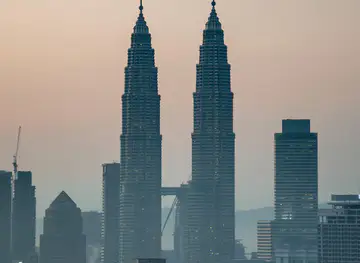
Explore more of Malaysia
Discover Malaysia: A stunning blend of modernity and nature, where diverse cultures meet, and adventure awaits. From vibrant cities to serene beaches, Malaysia has it all.
Explore Malaysia