

Bukit Bintang (Kuala Lumpur) Travel Guide - Free
Explore Bukit Bintang in Kuala Lumpur with Evendo's free guide. Find the best shops, historic streets, restaurants, and gems on web or mobile.


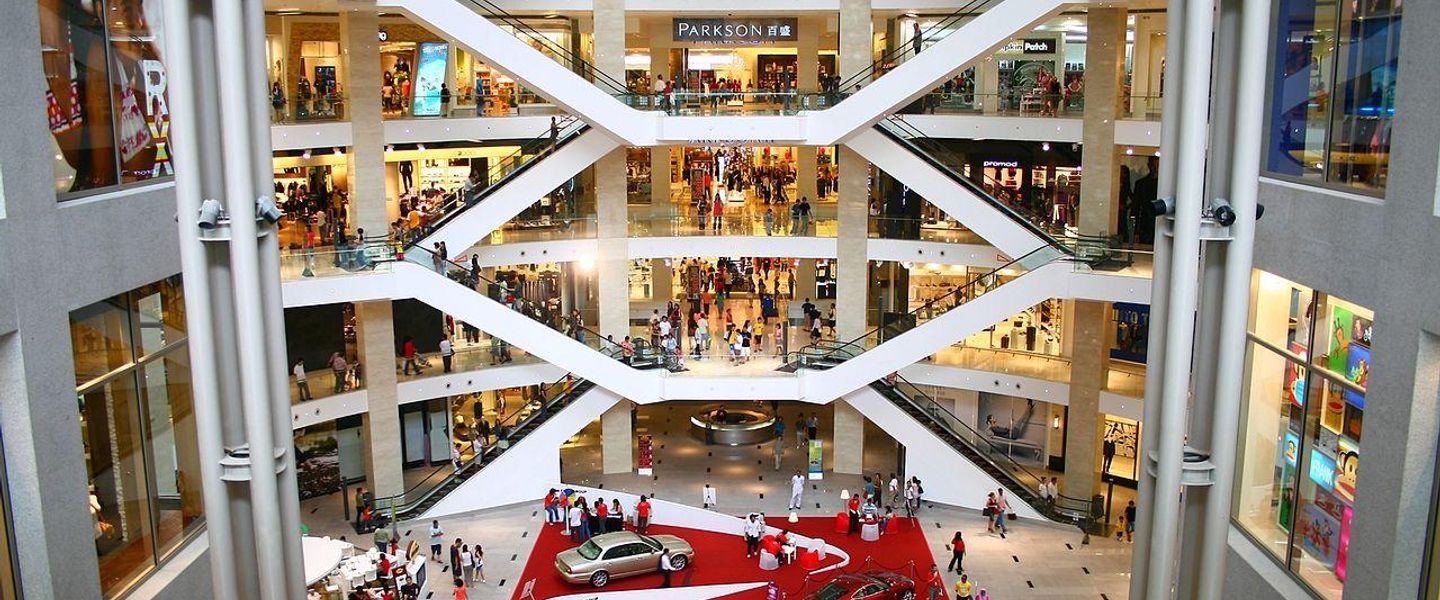


Bukit Bintang in Kuala Lumpur pairs malls, Jalan Alor street food, rooftop bars, live entertainment and easy rail links in Malaysia’s Golden Triangle.
Streets, Towers and City Energy
Bukit Bintang occupies the central commercial heart of Kuala Lumpur’s Golden Triangle, centred on Jalan Bukit Bintang and extending through a dense mix of shopping malls, hotels, restaurants, entertainment venues and high-rise offices. Its name means “Star Hill”, although the modern landscape is less about a physical hill than the bright, fast-moving city life gathered around the avenue. Elevated monorail tracks, broad pavements, illuminated façades and pedestrian links give the district a distinctly metropolitan character.Read more about Bukit Bintang
Food and Cultural Crossroads
Exploring on Foot
Best attractions in Bukit Bintang
Bukit Bintang’s attractions are concentrated in its streets and commercial spaces rather than a single monument. Pavilion Kuala Lumpur anchors the central shopping zone with its prominent public frontage, while Lot 10 and Fahrenheit88 continue the retail story along Jalan Bukit Bintang. Jalan Alor provides a contrasting street-level experience, with open-fronted eateries and illuminated food stalls occupying a lively corridor just off the main avenue. Changkat Bukit Bintang is worth exploring for its restored shop-house streetscape and evening activity, while the Bukit Bintang pedestrian links reveal how the district connects to adjoining parts of the Golden Triangle. Visitors interested in contemporary city design can follow the elevated monorail and dense tower views around the main junctions, then compare them with older low-rise premises on side streets. Nearby KLCC is accessible by pedestrian link but belongs to a different urban precinct.
-
Park
KLCC Park
Discover the serene beauty of KLCC Park, a lush urban oasis in Kuala Lumpur, offering stunning views of the iconic Petronas Twin Towers.
13 min walk · 1.0 km from neighbourhood centre
-
Landmark
Menara Kuala Lumpur
Experience breathtaking views of Kuala Lumpur from Menara Kuala Lumpur, an iconic landmark offering unique dining and cultural experiences.
13 min walk · 1.1 km from neighbourhood centre
-
Theme park
Berjaya Times Square Theme Park
Discover endless fun at Berjaya Times Square Theme Park, a premier indoor amusement experience in Kuala Lumpur, perfect for all adventure seekers.
6 min walk · 0.5 km from neighbourhood centre
-
Tourist attraction
Pavilion Crystal Fountain
Discover the breathtaking Pavilion Crystal Fountain in Kuala Lumpur, where mesmerizing water displays meet vibrant shopping and dining in the heart of Bukit Bintang.
4 min walk · 0.3 km from neighbourhood centre


Best landmarks in Bukit Bintang
Bukit Bintang’s most significant landmarks are modern commercial and transport structures that express Kuala Lumpur’s rapid urban growth. The Bukit Bintang MRT station and monorail station form a recognisable transit focus beneath and beside the district’s shopping streets, while the elevated monorail provides a visible layer of infrastructure through the skyline. Pavilion Kuala Lumpur is an important contemporary retail landmark on Jalan Bukit Bintang, and Lot 10 remains a notable reference point within the corridor’s long commercial history. The restored shop houses along Changkat Bukit Bintang provide a lower-rise architectural contrast to hotel and mall towers, while the tightly packed premises around Jalan Alor preserve a more informal street frontage. These landmarks are less monumental than the city’s historic civic buildings, but together they define Bukit Bintang as a commercial and entertainment centre shaped by modern retail, transport and hospitality.
-
Tourist attraction
MinNature Malaysia
Explore the stunning miniature models of Malaysia's iconic landmarks at MinNature Malaysia, a captivating attraction in Kuala Lumpur.
4 min walk · 0.3 km from neighbourhood centre
-
Tourist attraction
God bless
Experience the vibrant culinary scene of Jalan Alor in Bukit Bintang, where delicious street food meets the essence of Malaysian culture.
3 min walk · 0.3 km from neighbourhood centre
-
Tourist attraction
Starhill Square
Explore the luxury shopping, dining, and cultural experiences at Starhill Square in Bukit Bintang, Kuala Lumpur, a must-visit destination for all tourists.
4 min walk · 0.3 km from neighbourhood centre
-
Historical landmark
Victoria Fountain
Discover the charm of Victoria Fountain, a historical landmark in Kuala Lumpur, surrounded by stunning architecture and rich cultural heritage.
6 min drive · 1.9 km from neighbourhood centre


Explore Bukit Bintang on the map
A handpicked selection of must-see spots in Bukit Bintang, mapped for you.
Best hotels in Bukit Bintang
Best restaurants in Bukit Bintang
Eating in Bukit Bintang ranges from Malaysian street food to international dining in shopping centres, hotels and purpose-built restaurant spaces. Jalan Alor is the best-known food corridor within the neighbourhood, where open-fronted businesses serve dishes associated with Malaysian and wider Southeast Asian cooking, including grilled seafood, noodles, rice dishes and fruit-based desserts. The atmosphere is informal, but menus and service styles vary between establishments, so visitors should inspect prices and portions before ordering. Around Jalan Bukit Bintang and Changkat, cafés, bakeries, casual restaurants and bars occupy both modern retail complexes and adapted shop houses. Pavilion Kuala Lumpur, Lot 10 and nearby malls add air-conditioned dining with a broad range of cuisines, from local specialities to Japanese, Korean, Chinese, Indian and Western options. The result is a commercially polished food scene that still retains a visible street-dining layer.
-
Restaurant
Opera Cafe & Lounge
Discover the culinary delights of Opera Cafe & Lounge in Bukit Bintang - where exquisite flavors meet elegant ambiance.
4 min walk · 0.3 km from neighbourhood centre
-
Spanish
El Cerdo
Experience authentic Spanish cuisine at El Cerdo in Bukit Bintang—where pork takes center stage in an elegant dining atmosphere.
4 min walk · 0.4 km from neighbourhood centre
-
Japanese
Yaki Soul 燃える魂 Izakaya
Discover Yaki Soul in Kuala Lumpur: A delightful fusion of traditional Japanese flavors and modern culinary creativity awaits you.
5 min walk · 0.4 km from neighbourhood centre
-
Fine Dining
Dining In The Dark KL
Experience fine dining like never before at Dining In The Dark KL – where taste reigns supreme in total darkness.
4 min walk · 0.3 km from neighbourhood centre


Best bars in Bukit Bintang
Bukit Bintang is one of Kuala Lumpur’s most concentrated evening districts, although its nightlife is focused around particular corridors rather than spread evenly across every street. Changkat Bukit Bintang is the main bar strip, occupying a row of adapted shop houses with restaurants, pubs, cocktail venues and late-evening social spaces. Around Jalan Bukit Bintang, hotel lounges, mall bars and rooftop venues provide a more formal alternative, while Jalan Alor remains active through its food businesses rather than functioning as a conventional club street. Music and entertainment offerings change frequently, so visitors should check current details locally rather than assume that a venue or event remains available. Noise and crowds increase around the principal nightlife streets, while quieter roads a few blocks away are still used by hotels, offices and residents.
-
Grill
Havana Bar & Grill
Discover the lively ambiance of Havana Bar & Grill, where exquisite grills meet vibrant nightlife in the heart of Kuala Lumpur’s Bukit Bintang.
6 min walk · 0.5 km from neighbourhood centre
-
Bar
Pisco Bar
Experience the vibrant fusion of Spanish and Peruvian cuisine at Pisco Bar, a lively hotspot in the heart of Kuala Lumpur's Bukit Bintang.
4 min walk · 0.3 km from neighbourhood centre
-
Bar
Taps Beer Bar
Taps Beer Bar in Kuala Lumpur is your go-to destination for an exceptional craft beer experience, delicious snacks, and a lively atmosphere.
5 min walk · 0.4 km from neighbourhood centre
-
Bar
Healy Mac's
Discover the heart of Irish hospitality at Healy Mac's, a lively bar in Bukit Bintang, Kuala Lumpur, offering great drinks and a vibrant atmosphere.
5 min walk · 0.4 km from neighbourhood centre


Best nightclubs in Bukit Bintang
Bukit Bintang is one of Kuala Lumpur’s most concentrated evening districts, although its nightlife is focused around particular corridors rather than spread evenly across every street. Changkat Bukit Bintang is the main bar strip, occupying a row of adapted shop houses with restaurants, pubs, cocktail venues and late-evening social spaces. Around Jalan Bukit Bintang, hotel lounges, mall bars and rooftop venues provide a more formal alternative, while Jalan Alor remains active through its food businesses rather than functioning as a conventional club street. Music and entertainment offerings change frequently, so visitors should check current details locally rather than assume that a venue or event remains available. Noise and crowds increase around the principal nightlife streets, while quieter roads a few blocks away are still used by hotels, offices and residents.
-
Cabaret club
BlueBoy Pub & Restaurant
Discover the heart of Kuala Lumpur's nightlife at BlueBoy Pub & Restaurant, a vibrant cabaret club with electrifying performances and delicious cuisine.
2 min walk · 0.2 km from neighbourhood centre
-
Night club
Las Vegas Club KL
Discover the electrifying nightlife at Las Vegas Club KL, a premier night club in Kuala Lumpur's vibrant Bukit Bintang area.
5 min walk · 0.4 km from neighbourhood centre
-
Night club
Rockstar Changkat
Dive into the exhilarating nightlife at Rockstar Changkat, Kuala Lumpur's premier night club with top DJs, great cocktails, and an electric atmosphere.
6 min walk · 0.4 km from neighbourhood centre
-
Disco club
Oscar Arabic Night Club
Discover the lively Oscar Arabic Night Club in Bukit Bintang, where Arabic culture meets nightlife in a vibrant setting filled with music and delicious food.
2 min walk · 0.2 km from neighbourhood centre


Best shops in Bukit Bintang
Shopping is central to Bukit Bintang’s identity, with Jalan Bukit Bintang lined by major retail complexes, fashion stores, beauty retailers, electronics businesses and department-store-style outlets. Pavilion Kuala Lumpur offers a polished contemporary environment, while Lot 10 and Fahrenheit88 contribute different mixes of fashion, lifestyle and dining brands. Visitors can also explore the dense interiors of adjoining malls, where Malaysian and international labels sit alongside cafés and specialist services. The district is less associated with a traditional produce market or craft bazaar than with formal retail and commercial browsing, although smaller shops and service businesses appear on side streets and around older shop-house blocks. Jalan Alor belongs primarily to the food scene, not a conventional shopping market. Retail patterns change quickly in this high-investment area, so the most distinctive experience is comparing the grand, air-conditioned malls with the everyday businesses occupying the surrounding streets.
-
Department store
Isetan The Japan Store
Explore Isetan The Japan Store in Kuala Lumpur for a unique shopping experience featuring authentic Japanese products, gourmet food, and cultural treasures.
1 min walk · 0.1 km from neighbourhood centre
-
Gift shop
MONTBLANC Pavilion Store
Discover luxury at Montblanc Pavilion Store in Kuala Lumpur, where exquisite leather goods, fine stationery, and timeless watches await discerning shoppers.
5 min walk · 0.4 km from neighbourhood centre
-
Boutique
The dUCk Store @ Pavilion Bukit Bintang KL
Discover the elegance of contemporary fashion at the dUCk Store in Pavilion Bukit Bintang, a must-visit boutique for stylish accessories and apparel.
5 min walk · 0.4 km from neighbourhood centre
-
Boutique
M Store (Pavilion KL)
Explore M Store in Pavilion KL for a unique blend of contemporary fashion and local design, right in the heart of Kuala Lumpur's vibrant shopping scene.
5 min walk · 0.4 km from neighbourhood centre


Bukit Bintang essentials
Getting There
Getting Around
Safety
Emergency Situations
Do's and Don'ts
Local Tips

From Eve
Local phrases worth knowing
You don't need to get them perfect. A few words go a long way, and locals appreciate the effort.
Basics
| English | Local | Say it |
|---|---|---|
| Hello | Halo | [ha-loh] |
| Goodbye | Selamat tinggal | [se-la-mat ting-gal] |
| Yes | Ya | [ya] |
| No | Tidak | [tee-dak] |
| Please/You're welcome | Sila | [see-la] |
| Thank you | Terima kasih | [te-ree-ma ka-see] |
| Excuse me/Sorry | Maaf | [ma-af] |
| How are you? | Apa khabar? | [a-pa ka-bar] |
| Fine. And you? | Baik. Dan awak? | [ba-ik. dan a-wak] |
| Do you speak English? | Boleh bercakap Bahasa Inggeris? | [bo-leh ber-ca-kap ba-ha-sa ing-ge-ris] |
| I don't understand | Saya tak faham | [sa-ya tak fa-ham] |
Eating & Drinking
| English | Local | Say it |
|---|---|---|
| I'd like to see the menu, please | Saya ingin lihat menu, sila | [sa-ya in-gin lee-hat me-nu, see-la] |
| I don't eat meat | Saya tidak makan daging | [sa-ya tee-dak ma-kan da-ging] |
| Cheers! | Sihat! | [si-hat] |
| I would like to pay, please | Saya ingin bayar, sila | [sa-ya in-gin ba-yar, see-la] |
Emergencies
| English | Local | Say it |
|---|---|---|
| Help! | Tolong! | [to-long] |
| Go away! | Pergi jauh-jauh! | [per-gi jauh-jauh] |
| Call the Police! | Panggil Polis! | [pang-gil po-lis] |
| Call a doctor! | Panggil doktor! | [pang-gil dok-tor] |
| I'm lost | Saya sesat | [sa-ya se-sat] |
| I'm ill | Saya sakit | [sa-ya sa-kit] |
Shopping
| English | Local | Say it |
|---|---|---|
| I'd like to buy... | Saya nak beli... | [sa-ya nak be-lee] |
| I'm just looking | Saya cuma tengok-tengok | [sa-ya chu-ma teng-ok teng-ok] |
| How much is it? | Berapa harganya? | [ber-a-pa har-gan-ya] |
| That's too expensive | Terlalu mahal | [te-ru-la-ma-hal] |
| Can you lower the price? | Boleh kurangkan harga? | [bo-leh kur-ang-kan har-ga] |
Time & Numbers
| English | Local | Say it |
|---|---|---|
| What time is it? | Pukul berapa sekarang? | [pu-kul ber-a-pa se-ka-rang] |
| It's one o'clock | Pukul satu | [pu-kul sa-tu] |
| Half past (10) | Setengah (sepuluh) | [se-ten-gah (se-pu-luh)] |
| Morning | Pagi | [pa-gi] |
| Afternoon | Petang | [pe-tang] |
| Evening | Malam | [ma-lam] |
| Yesterday | Semalam | [se-ma-lam] |
| Today | Hari ini | [ha-ree i-ni] |
| Tomorrow | Esok | [e-sok] |
| 1 | Satu | [sa-tu] |
| 2 | Dua | [du-a] |
| 3 | Tiga | [ti-ga] |
| 4 | Empat | [em-pat] |
| 5 | Lima | [li-ma] |
| 6 | Enam | [e-nam] |
| 7 | Tujuh | [tu-joh] |
| 8 | Lapan | [la-pan] |
| 9 | Sembilan | [sem-bi-lan] |
| 10 | Sepuluh | [se-pu-luh] |
Transport & Directions
| English | Local | Say it |
|---|---|---|
| Where's a/the...? | Di mana... | [di ma-na] |
| What's the address? | Alamatnya di mana? | [a-la-mat-nya di ma-na] |
| Can you show me (on the map)? | Boleh tunjukkan saya (di peta)? | [bo-leh tun-jook-kan sa-ya (di pe-ta)] |
| When's the next (bus)? | Bila bas seterusnya? | [bi-la bas se-te-rus-nya] |
| A ticket (to ....) | Sebuah tiket (ke ....) | [se-bu-ah tee-ket (ke)] |
History of Bukit Bintang
From Rural Hill to City District
Bukit Bintang began as an area of rural land and small-scale settlement outside Kuala Lumpur’s original commercial core. Its Malay name, commonly translated as “Star Hill”, survives as the district’s defining geographical and commercial label. Early development was modest compared with the city centre, but roads linking the expanding town with southern and eastern settlements gradually made the area more accessible. The neighbourhood’s later identity was shaped less by a single historic institution than by its position between established central Kuala Lumpur and the developing commercial districts around Jalan Pudu and Jalan Imbi.
Roads, Shops and Urban Expansion
As Kuala Lumpur expanded during the twentieth century, Jalan Bukit Bintang became a significant shopping and entertainment route. Shop houses, cinemas, hotels and small businesses gave the area a busy commercial character, while nearby roads connected it to Pudu, Imbi and the city centre. The district’s growth reflected Kuala Lumpur’s wider transition from a colonial-era town into Malaysia’s national capital: land once associated with lower-density settlement was progressively occupied by retail, hospitality and office uses. Older low-rise commercial buildings remain reminders of this earlier urban grain, even where later projects dominate the skyline.
The Rise of the Golden Triangle
From the 1980s onwards, investment around Bukit Bintang, KLCC and the area now known as the Golden Triangle accelerated the neighbourhood’s transformation. Large shopping centres, international hotels and entertainment complexes replaced or absorbed many smaller premises, attracting domestic shoppers, business travellers and international visitors. The opening of major retail developments, including Lot 10 and later Pavilion Kuala Lumpur, strengthened the district’s position as a high-profile shopping destination. At the same time, Jalan Alor and Changkat Bukit Bintang retained more informal dining and nightlife uses, producing the mixture of polished and street-level commerce associated with the area today.
Transit-Led Contemporary Bukit Bintang
Rail investment further altered how visitors and residents experience Bukit Bintang. The Bukit Bintang monorail station connected the district to other central areas, while the MRT station introduced a major underground interchange on the Sungai Buloh–Kajang line. Wider pedestrian improvements and covered links have encouraged movement between malls, hotels and neighbouring commercial zones, although traffic, heat and rain still shape daily journeys. Contemporary Bukit Bintang is therefore both a shopping and entertainment precinct and a transport-connected urban meeting place, with a rapidly changing skyline alongside surviving street-front businesses.
Bukit Bintang in Photos
Browse through our photo collection highlighting the charm and character of the destination.
Neighbourhoods near Bukit Bintang
The closest neighbourhoods to Bukit Bintang, if you have time for more than one stop.
-

-

-

-


Swipe for more neighbourhoods
Explore more

Explore more of Kuala Lumpur
Kuala Lumpur pairs Petronas Towers and colonial heritage with street food, multicultural neighbourhoods, lively markets and modern Malaysian city culture.
Explore Kuala Lumpur