

Brickfields (Kuala Lumpur) Travel Guide - Free
Explore Brickfields in Kuala Lumpur with Evendo's free guide. Find the best shops, historic streets, restaurants, and gems on web or mobile.


Brickfields, Kuala Lumpur, brings together Little India’s Tamil heritage, railway history, temples, Malaysian food and easy access to the city’s transport hub.
Railways, Brickwork and Arrival
Brickfields occupies the area immediately south-west of central Kuala Lumpur, where the city’s railway history, Tamil Malaysian culture and modern transport infrastructure meet. Its name recalls the brick-making kilns that supplied building materials after Kuala Lumpur’s late-nineteenth-century fires and floods, while its current identity is closely associated with the Indian communities who settled around the railway workshops and transport corridors. Today, Jalan Tun Sambanthan forms the neighbourhood’s best-known spine, linking Indian restaurants, sari shops, jewellery stores, bakeries and Hindu temples with the vast interchange at KL Sentral.Read more about Brickfields
Little India and Living Culture
A Compact Urban Experience
Best attractions in Brickfields
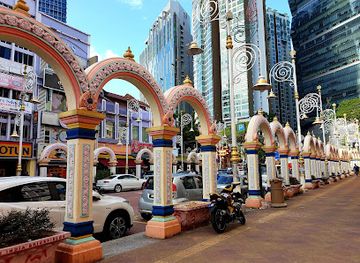
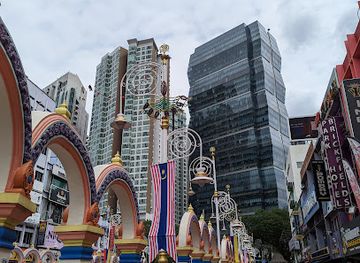
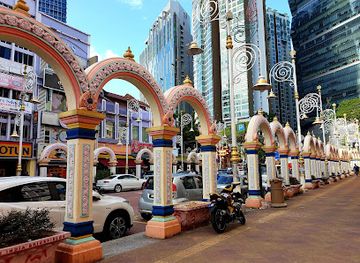
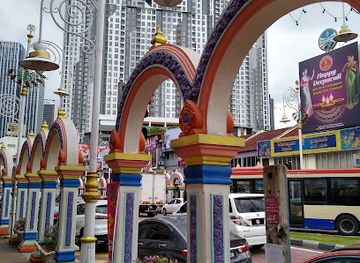
Brickfields is best explored as a sequence of cultural and street-level attractions rather than a collection of large museums. Jalan Tun Sambanthan leads through the area commonly known as Little India, where colourful shopfronts, flower stalls, Indian clothing businesses and restaurants provide the most immediate sense of place. The Sri Kandaswamy Kovil offers an important Hindu focus, while the Buddhist Maha Vihara introduces the neighbourhood’s long-established Buddhist tradition through its temple grounds and religious architecture. The Vivekananda Ashram adds an educational and spiritual dimension, and the railway-oriented spaces around KL Sentral show how dramatically the district has changed. Visitors interested in everyday urban life can follow the older shop rows and observe the contrast between small family businesses and the large transport interchange. The National Museum and Muzium Negara MRT station are nearby beyond Brickfields’ core, but should not be confused with attractions within the neighbourhood itself.
-
Tourist attraction
Little India Brickfields
Immerse yourself in the vibrant culture, delicious cuisine, and rich heritage of Little India Brickfields, Kuala Lumpur's colorful Indian enclave.
1 min walk · 0.1 km from neighbourhood centre
-
Buddhist temple
Buddhist Maha Vihara
Explore the tranquil beauty and cultural significance of the Buddhist Maha Vihara, a must-visit temple in Kuala Lumpur's vibrant Brickfields area.
5 min walk · 0.4 km from neighbourhood centre
-
Tourist attraction
Brickfields
Explore Brickfields, Kuala Lumpur's vibrant Little India, where rich culture, delicious cuisine, and stunning architecture come together in a unique travel experience.
1 min walk · 0.1 km from neighbourhood centre
-
Art center
Temple of Fine Arts KL
Explore the Temple of Fine Arts in Kuala Lumpur, a vibrant cultural center celebrating the rich artistic heritage of Malaysia through music, dance, and art.
5 min walk · 0.4 km from neighbourhood centre
Best landmarks in Brickfields
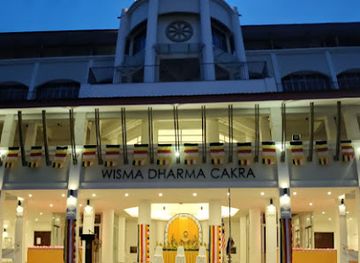
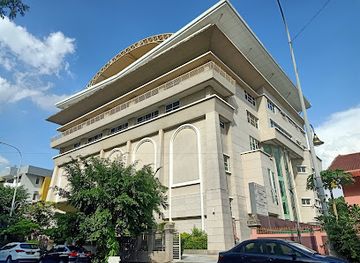
Brickfields’ landmarks express its history as a railway district and a centre of Indian Malaysian religious life. The Buddhist Maha Vihara, founded in 1894, is one of the neighbourhood’s most important Buddhist institutions and remains a significant religious complex rather than merely a historic façade. The Sri Kandaswamy Kovil is a prominent Hindu landmark associated with the Tamil community, while the Vivekananda Ashram represents the area’s early twentieth-century educational and spiritual history. Jalan Tun Sambanthan functions as a landmark in its own right, carrying the older commercial identity of Brickfields through the Little India streets. In contrast, KL Sentral’s large-scale station and surrounding towers represent the redevelopment of former railway land and the neighbourhood’s integration into Kuala Lumpur’s modern transport system. These contrasting structures make Brickfields’ layered development unusually legible.
-
Tourist attraction
Little India Brickfields
Experience the vibrant culture and flavors of Little India Brickfields in Kuala Lumpur, a must-visit destination for every traveler seeking authenticity.
1 min walk · 0.1 km from neighbourhood centre
-
Tourist attraction
Brickfields
Explore Brickfields, Kuala Lumpur's vibrant Little India, where rich culture meets delicious cuisine and colorful markets in an unforgettable experience.
1 min walk · 0.1 km from neighbourhood centre
-
Buddhist temple
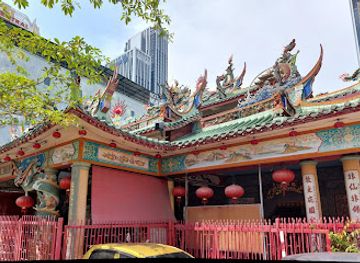
Arulmiku Sam Kow Tong Temple
Experience the serene beauty and spiritual depth of Arulmiku Sam Kow Tong Temple in Kuala Lumpur's vibrant Brickfields district.
7 min walk · 0.6 km from neighbourhood centre
-
Ashram
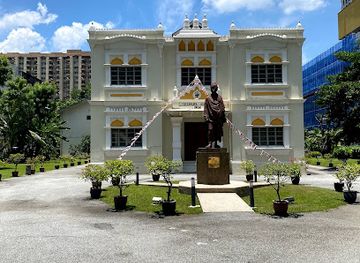
The Vivekananda Ashrama Kuala Lumpur
Experience the serenity and spiritual teachings at Vivekananda Ashrama in Kuala Lumpur, a cultural gem in the heart of the city.
2 min walk · 0.2 km from neighbourhood centre
Explore Brickfields on the map
A handpicked selection of must-see spots in Brickfields, mapped for you.
Best hotels in Brickfields
Best restaurants in Brickfields
Brickfields has one of Kuala Lumpur’s clearest South Indian dining identities, shaped by the Tamil community and sustained by long-established local demand. Around Jalan Tun Sambanthan and the Little India streets, visitors find banana-leaf meals, vegetarian South Indian cooking, dosa, idli, curries, biryani, Indian sweets and savoury snacks, alongside Malaysian dishes and cafés aimed at the neighbourhood’s wider working population. Restaurants range from straightforward eateries and bakeries to more polished venues in the KL Sentral precinct, while small counters and takeaway shops provide a useful introduction to local food without requiring a formal meal. Vegetarian choices are particularly visible, though menus vary considerably between establishments. The dining scene is most interesting when read alongside the surrounding commerce: flower sellers, spice aromas, religious institutions and sari shops all reflect the same South Asian cultural landscape rather than functioning as separate tourist themes.
-
Indian
Sri Paandi Restaurant
Experience authentic South Indian cuisine at Sri Paandi Restaurant in Brickfields, Kuala Lumpur - where every meal is a flavorful journey.
1 min walk · 0.1 km from neighbourhood centre
-
Punjabi
Singh Chapati House
Experience the essence of Punjabi cuisine at Singh Chapati House in Kuala Lumpur - a culinary journey through vibrant flavors and warm hospitality.
6 min walk · 0.4 km from neighbourhood centre
-
Indian
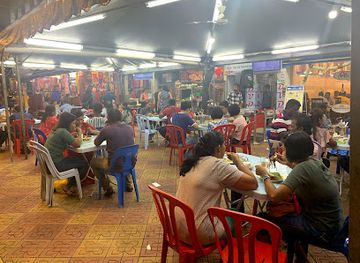
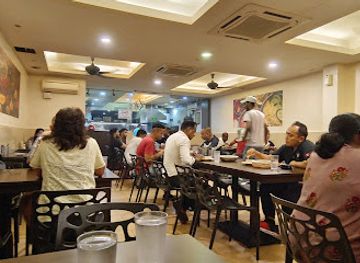
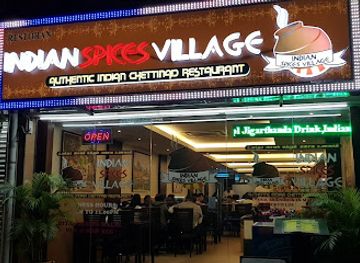
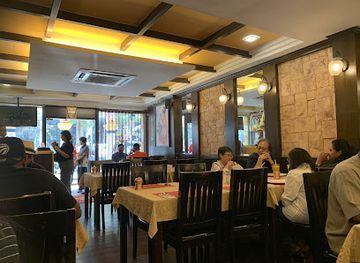
Indian Spices Village @ Brickfields
Discover authentic South Indian cuisine at Indian Spices Village in Brickfields - where every dish is a journey through India's rich culinary heritage.
5 min walk · 0.4 km from neighbourhood centre
-
Indian
GEM Restaurant Brickfields
Discover the rich flavors of authentic Indian cuisine at GEM Restaurant Brickfields, where tradition meets taste in Kuala Lumpur.
6 min walk · 0.5 km from neighbourhood centre
Best bars in Brickfields
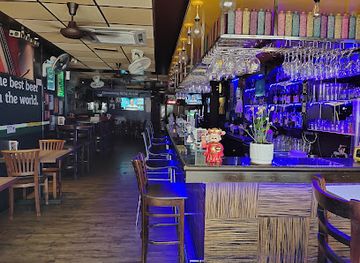
Brickfields is not primarily a nightclub district, and its evening character is more closely tied to restaurants, cafés, hotel venues and the steady movement around KL Sentral than to a concentrated bar scene. Jalan Tun Sambanthan remains active after work and around meal times, with South Indian eateries and dessert shops providing much of the neighbourhood’s informal evening life. The KL Sentral side has a wider selection of hotel bars and contemporary dining venues, but the atmosphere changes only a short distance away in the older commercial streets, where religious institutions and residential buildings encourage a quieter tone. Visitors seeking louder nightlife will generally find a broader choice in other central Kuala Lumpur districts, while Brickfields suits an evening built around food, conversation, temple architecture and an unhurried walk through Little India.
-
Pub
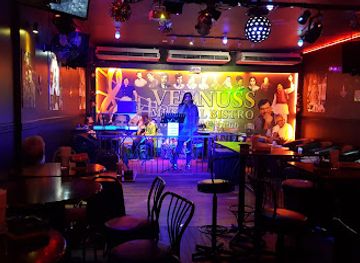
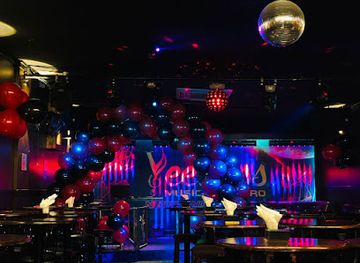
JP Veenuss Musical Bistro
Discover JP Veenuss Musical Bistro, a lively pub in Brickfields, Kuala Lumpur, where live music and vibrant nightlife create unforgettable evening experiences.
3 min walk · 0.2 km from neighbourhood centre
-
Bar
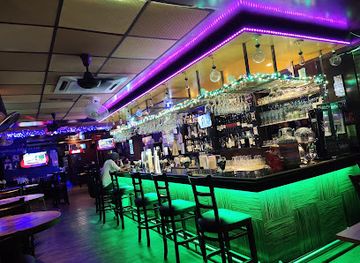
Supper Club
Discover the vibrant nightlife of Kuala Lumpur at Supper Club, Brickfields' premier bar offering delicious drinks and lively entertainment.
6 min walk · 0.5 km from neighbourhood centre
-
Bar
Oh Yeah Heaven
Discover the vibrant atmosphere of Oh Yeah Heaven, a bar and café in Brickfields offering delightful drinks and delicious bites for all.
3 min walk · 0.3 km from neighbourhood centre
-
Bar
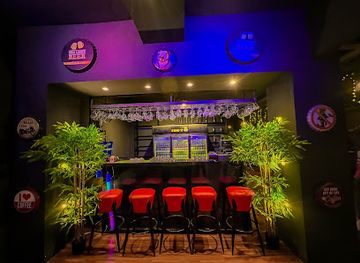
Kingz 15
Discover the lively atmosphere of Kingz 15, a premier bar in Brickfields, Kuala Lumpur, offering an array of drinks and unforgettable nightlife experiences.
7 min walk · 0.6 km from neighbourhood centre
Best nightclubs in Brickfields
Brickfields is not primarily a nightclub district, and its evening character is more closely tied to restaurants, cafés, hotel venues and the steady movement around KL Sentral than to a concentrated bar scene. Jalan Tun Sambanthan remains active after work and around meal times, with South Indian eateries and dessert shops providing much of the neighbourhood’s informal evening life. The KL Sentral side has a wider selection of hotel bars and contemporary dining venues, but the atmosphere changes only a short distance away in the older commercial streets, where religious institutions and residential buildings encourage a quieter tone. Visitors seeking louder nightlife will generally find a broader choice in other central Kuala Lumpur districts, while Brickfields suits an evening built around food, conversation, temple architecture and an unhurried walk through Little India.
-
Pub
JP Veenuss Musical Bistro
Discover the lively nightlife of Kuala Lumpur at JP Veenuss Musical Bistro, where live music and delightful flavors create unforgettable memories.
3 min walk · 0.2 km from neighbourhood centre
-
Bar
Supper Club
Experience the vibrant nightlife of Supper Club in Brickfields, Kuala Lumpur, where lively music, great drinks, and a welcoming atmosphere await you.
6 min walk · 0.5 km from neighbourhood centre
-
Night club
Kabaret Bangsar Utama
Discover the pulse of Kuala Lumpur's nightlife at Kabaret Bangsar Utama, where music, dance, and unforgettable performances await.
8 min walk · 0.6 km from neighbourhood centre
-
Night club
Kuala lumpur
Discover the exhilarating nightlife of Kuala Lumpur, where diverse nightclubs offer unforgettable experiences under the vibrant city lights.
2 min walk · 0.1 km from neighbourhood centre
Best shops in Brickfields
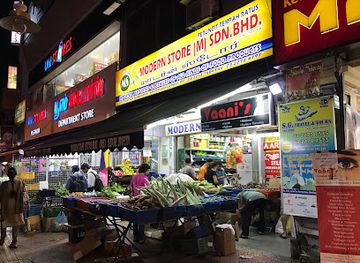
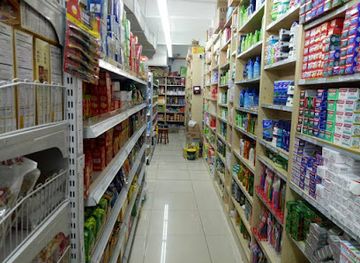
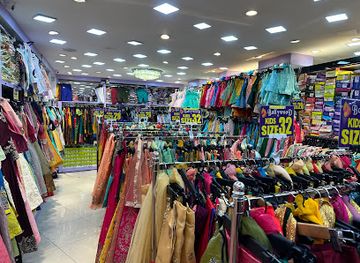
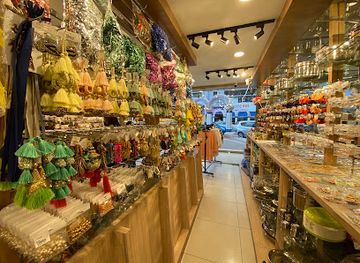
Shopping in Brickfields is concentrated around Jalan Tun Sambanthan and the streets serving Little India, where independent businesses remain more important than conventional department-store retail. Visitors can browse sari and textile shops, Indian clothing and jewellery businesses, flower sellers, sweet shops, bakeries, spice retailers, music and religious-goods stores, and small grocers carrying South Asian ingredients. The shopping experience is closely connected to worship, festivals and everyday community needs, so displays may change with religious calendars and local demand. KL Sentral adds modern convenience retail, while the older shop rows provide the stronger sense of Brickfields’ identity. Bargaining should not be assumed in every shop; ask politely where appropriate and handle textiles, ornaments and displayed goods with care. The area is more rewarding for specialist browsing and food-related purchases than for broad high-street fashion.
-
Indian grocery store
Modern Store Indian Grocery (old outlet)
Discover authentic Indian ingredients and culinary delights at Modern Store Indian Grocery in Brickfields, Kuala Lumpur, a paradise for food lovers.
1 min walk · 0.1 km from neighbourhood centre
-
Indian grocery store
Modern Store Indian Grocery (New Outlet)
Explore the flavors of India at Modern Store Indian Grocery, a vibrant hub for authentic spices, snacks, and culinary treasures in Kuala Lumpur.
2 min walk · 0.2 km from neighbourhood centre
-
Clothing store
Bollywood Fashion & Fashion Jewellery (Brickfields)
Explore a vibrant world of Indian fashion and jewelry at Bollywood Fashion & Fashion Jewellery in Brickfields, Kuala Lumpur.
1 min walk · 0.1 km from neighbourhood centre
-
Boutique
Bombay Point SDN BHD
Explore the vibrant world of fashion accessories at Bombay Point SDN BHD in Kuala Lumpur's Brickfields, where culture meets style.
1 min walk · 0.1 km from neighbourhood centre
Brickfields essentials
Getting There
Getting Around
Safety
Emergency Situations
Do's and Don'ts
Local Tips

From Eve
Local phrases worth knowing
You don't need to get them perfect. A few words go a long way, and locals appreciate the effort.
Basics
| English | Local | Say it |
|---|---|---|
| Hello | Selamat sejahtera | [suh-lah-mat say-ja-teh-rah] |
| Goodbye | Selamat tinggal | [suh-lah-mat ting-gal] |
| Yes | Ya | [yah] |
| No | Tidak | [tee-dak] |
| Please/You're welcome | Sila | [see-lah] |
| Thank you | Terima kasih | [teh-ree-mah kah-see] |
| Excuse me/Sorry | Maaf | [mah-ahf] |
| How are you? | Apa khabar? | [ah-pah kah-bar] |
| Fine. And you? | Baik. Dan awak? | [bah-ee. dan ah-wahk?] |
| Do you speak English? | Boleh bercakap Bahasa Inggeris? | [boh-leh bur-chah-kap bah-hah-sah ing-guh-rees] |
| I don't understand | Saya tidak faham | [sah-yah tee-dak fah-hahm] |
Eating & Drinking
| English | Local | Say it |
|---|---|---|
| I'd like to see the menu, please | Saya ingin melihat menu, sila | [sah-yah in-geen muh-lee-hut muh-new, see-lah] |
| I don't eat meat | Saya tidak makan daging | [sah-yah tee-dak mah-kan dah-ying] |
| Cheers! | Kampai! | [kam-pai] |
| I would like to pay, please | Saya ingin membayar, sila | [sah-yah in-geen muhm-bah-yar, see-lah] |
Emergencies
| English | Local | Say it |
|---|---|---|
| Help! | Tolong! | [toh-long] |
| Go away! | Pergi jauh! | [per-gee jow] |
| Call the Police! | Panggil polis! | [pahng-geel poh-lees] |
| Call a doctor! | Panggil doktor! | [pahng-geel dohk-tor] |
| I'm lost | Saya sesat | [sah-yah suh-saht] |
| I'm ill | Saya sakit | [sah-yah sah-keet] |
Shopping
| English | Local | Say it |
|---|---|---|
| I'd like to buy... | Saya ingin membeli... | [sah-yah in-geen muhm-buh-lee] |
| I'm just looking | Saya hanya melihat-lihat | [sah-yah huhn-yah muh-lee-hut-lee-hut] |
| How much is it? | Berapa harganya? | [buh-rah-pah har-gahn-yah] |
| That's too expensive | Itu terlalu mahal | [ee-too tuhr-lah-loo mah-hahl] |
| Can you lower the price? | Boleh kurangkan harga? | [boh-leh koor-ang-kahn har-gah] |
Time & Numbers
| English | Local | Say it |
|---|---|---|
| What time is it? | Pukul berapa sekarang? | [poo-kool buh-rah-pah suh-kah-rahng] |
| It's one o'clock | Pukul satu | [poo-kool sah-too] |
| Half past (10) | Pukul setengah (10) | [poo-kool suh-tuh-ngah (sepuluh)] |
| Morning | Pagi | [pah-gee] |
| Afternoon | Petang | [puh-tahng] |
| Evening | Malam | [mah-lahm] |
| Yesterday | Semalam | [suh-mah-lahm] |
| Today | Hari ini | [hah-ree ee-nee] |
| Tomorrow | Esok | [eh-sok] |
| 1 | Satu | [sah-too] |
| 2 | Dua | [doo-ah] |
| 3 | Tiga | [tee-gah] |
| 4 | Empat | [uhm-paht] |
| 5 | Lima | [lee-mah] |
| 6 | Enam | [uh-nahm] |
| 7 | Tujuh | [too-joo] |
| 8 | Lapan | [lah-pahn] |
| 9 | Sembilan | [suhm-bee-lahn] |
| 10 | Sepuluh | [suh-poo-loo] |
Transport & Directions
| English | Local | Say it |
|---|---|---|
| Where's a/the...? | Di mana... | [dee mah-nah] |
| What's the address? | Apakah alamatnya? | [ah-pah-kah ah-lah-maht-nyah] |
| Can you show me (on the map)? | Boleh tunjukkan saya (pada peta)? | [boh-leh toon-jook-kahn sah-yah (pah-dah peh-tah)] |
| When's the next (bus)? | Bila bas seterusnya? | [bee-lah bahs suh-teh-roos-nyah] |
| A ticket (to ....) | Satu tiket (ke ....) | [sah-too tee-keht (keh)] |
History of Brickfields
Brick Kilns Give the Area Its Name
Brickfields developed on the south-western edge of early Kuala Lumpur and took its name from brick kilns established to supply the rebuilding of the settlement. Bricks became particularly important after fires and floods damaged the largely timber-built town in the late nineteenth century. The area’s clay, production yards and position beyond the early commercial core made it a practical place for this industry, although the kilns themselves did not define the neighbourhood permanently. As Kuala Lumpur expanded, Brickfields changed from a peripheral working landscape into an urban district linked to the town by roads and later by the railway.
Railways and Indian Communities
The arrival and expansion of railway infrastructure transformed Brickfields during the late nineteenth and early twentieth centuries. Railway workshops, depots and associated employment drew workers from the Indian subcontinent, particularly Tamils, helping establish the cultural foundations of the neighbourhood that remain visible today. Hindu temples, businesses and community institutions developed alongside the transport economy, while roads such as Brickfields Road—now Jalan Tun Sambanthan—became important local corridors. This history explains why Brickfields’ identity is tied not only to religious buildings but also to railway labour, migration and the everyday commerce of a working urban district.
Religious and Community Institutions
Brickfields’ religious institutions gave the growing community durable physical and cultural anchors. The Buddhist Maha Vihara was founded in 1894 by the Sasana Abhiwurdhi Warrakyo Society and became an important centre for Theravada Buddhist activity in Kuala Lumpur. The Vivekananda Ashram was established in the early twentieth century as an educational and religious institution associated with the Ramakrishna movement, while the Sri Kandaswamy Kovil became a notable Hindu place of worship for the local Tamil community. Together these institutions illustrate the neighbourhood’s plural religious history and its role as a centre of South Asian cultural life.
From Railway District to Transport Hub
Late twentieth-century redevelopment reshaped Brickfields as Kuala Lumpur’s transport network was modernised and the KL Sentral precinct was developed on former railway land. The new interchange brought intercity rail, airport links and urban transit into close proximity to the older neighbourhood, increasing land values and changing the scale of surrounding construction. Hotels, offices, apartments and shopping facilities appeared beside long-established temples, shops and eateries. The result is a district where redevelopment has not erased the older cultural landscape: modern infrastructure and high-density construction now frame the streets, institutions and businesses associated with Brickfields’ earlier railway and migrant history.
Brickfields in Photos
Browse through our photo collection highlighting the charm and character of the destination.
Neighbourhoods near Brickfields
The closest neighbourhoods to Brickfields, if you have time for more than one stop.
-

-

-
-


Swipe for more neighbourhoods
Explore more

Explore more of Kuala Lumpur
Kuala Lumpur pairs Petronas Towers and colonial heritage with street food, multicultural neighbourhoods, lively markets and modern Malaysian city culture.
Explore Kuala Lumpur