

Batuferringhi (Penang) Travel Guide - Free
Explore Batuferringhi in Penang with Evendo's free guide. Find the best shops, historic streets, restaurants, and gems on web or mobile.


Batu Ferringhi, Penang’s seaside resort strip, pairs a broad tropical beach with night markets, watersports, coastal dining and easy access to Teluk Bahang.
A Seaside Strip Beyond George Town
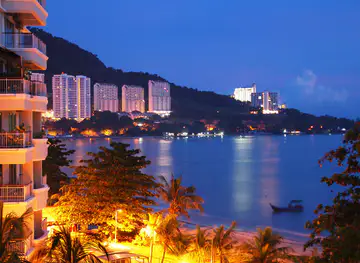
Batu Ferringhi occupies a long, curving stretch of Penang Island’s north-western coast, where the island’s main coastal road runs between the forested hills and the Andaman Sea. It is best known as Penang’s principal beach-resort area: a sequence of hotel gardens, condominium developments, restaurants, spas and low-key entertainment venues threaded along Jalan Batu Ferringhi. The atmosphere is markedly different from George Town’s dense heritage streets, with open horizons, tropical vegetation and a slower rhythm shaped by the shoreline.Read more about Batuferringhi
Beach Life and Evening Markets
Between Coast and Rainforest
Best attractions in Batuferringhi
Batu Ferringhi’s main attraction is its long sandy beachfront, where visitors can walk beside the Andaman Sea, watch the late-day light and find seasonal watersports subject to weather and local operating conditions. The public beach is interspersed with resort frontages, so access routes vary along the strip. After dark, the Batu Ferringhi night market becomes the area’s best-known informal visitor attraction, with stalls selling holiday clothing, souvenirs, accessories and snacks along the main road. The neighbourhood also works as a gateway to the north coast: nearby Teluk Bahang provides access to the Tropical Spice Garden, ESCAPE theme park and the Penang National Park, though these are outside Batu Ferringhi proper. The coastal drive itself is part of the experience, passing wooded hills, resort gardens and changing views across the sea.
-
Tourist attraction
Batu Ferringhi Beach
Experience the breathtaking beauty and vibrant culture of Batu Ferringhi Beach, a must-visit destination on Penang's stunning coastline.
4 min walk · 0.3 km from neighbourhood centre
-
Tourist attraction
Adventure Zone
Experience heart-pounding thrills and family fun at Adventure Zone, the premier amusement park in Batu Ferringhi, Penang.
13 min walk · 1.1 km from neighbourhood centre
-
Tourist attraction
Ferringhi Walk
Discover the lively atmosphere of Ferringhi Walk in Batu Ferringhi, where shopping, dining, and stunning coastal views await every traveler.
6 min walk · 0.5 km from neighbourhood centre
-
Tourist attraction
Batu Ferringhi Iron Waterfall
Explore the natural beauty of Batu Ferringhi Iron Waterfall, a serene escape amidst lush landscapes in Penang, Malaysia.
16 min walk · 1.2 km from neighbourhood centre


Best landmarks in Batuferringhi
Batu Ferringhi’s most significant physical feature is the coastal landscape itself: the broad beach, curving shoreline and wooded slopes define the neighbourhood more strongly than historic buildings do. Jalan Batu Ferringhi is its central structural landmark, linking hotel compounds, restaurants, roadside businesses and the route towards Teluk Bahang. The dense resort developments are also part of the area’s modern architectural identity, representing Penang’s transformation into a beach-holiday destination during the late twentieth century. The Batu Ferringhi night-market stretch is a recognisable commercial feature, although its stalls are temporary rather than heritage structures. Unlike George Town, the neighbourhood has few conserved shophouses or colonial monuments; its local importance lies in the relationship between the developed beachfront, the coastal road and the forested north-western landscape beyond it.
-
Tourist attraction
Batu Ferringhi Beach
Discover the beauty and excitement of Batu Ferringhi Beach, a top tourist destination in Penang, Malaysia, where relaxation meets adventure.
4 min walk · 0.3 km from neighbourhood centre
-
Tourist attraction
Ferringhi Walk
Discover the charm of Ferringhi Walk, a bustling seaside promenade in Batu Ferringhi, Penang, featuring local delights, shopping, and stunning views.
6 min walk · 0.5 km from neighbourhood centre
-
Tourist attraction
Batu Ferringhi Iron Waterfall
Discover the serene beauty of Batu Ferringhi Iron Waterfall, a hidden oasis in Penang perfect for nature lovers and adventure seekers alike.
16 min walk · 1.2 km from neighbourhood centre
-
Tourist attraction
Penang Batu Ferringhi
Discover the sun-kissed beaches and vibrant culture of Batu Ferringhi, Penang's ultimate coastal retreat for tourists seeking relaxation and adventure.
4 min walk · 0.4 km from neighbourhood centre


Explore Batuferringhi on the map
A handpicked selection of must-see spots in Batuferringhi, mapped for you.
Best hotels in Batuferringhi
Best restaurants in Batuferringhi
Dining in Batu Ferringhi is shaped by its resort identity and elongated coastal layout. Hotel restaurants provide a broad selection of Malaysian and international cooking, while independent venues along Jalan Batu Ferringhi and nearby side roads offer seafood, noodles, rice dishes, Indian and Chinese-influenced fare, cafés and casual Western menus. The area is not primarily a traditional hawker quarter, but visitors can still encounter familiar Penang flavours alongside food aimed at beach-holiday tastes. The night market contributes snacks and informal eating while visitors browse its stalls, and larger resort properties often provide the most convenient setting for breakfast or dinner near the beach. For more specialised local food hunting, George Town and its established hawker centres remain a separate excursion rather than an experience contained within Batu Ferringhi.
-
Western
Restaurant Ferringhi Garden
Experience the perfect blend of nature and gourmet Western cuisine at Restaurant Ferringhi Garden in Batu Ferringhi.
1 min walk · 0.1 km from neighbourhood centre
-
Restaurant
BoraBora @ Ferringhi
Discover BoraBora @ Ferringhi: A beachfront restaurant serving exquisite Malaysian cuisine with stunning ocean views.
6 min walk · 0.5 km from neighbourhood centre
-
Lebanese
Grand Lebanon Restaurant, Batu Ferringhi
Experience authentic Lebanese cuisine at Grand Lebanon Restaurant in Batu Ferringhi—where every dish tells a story.
3 min walk · 0.2 km from neighbourhood centre
-
Restaurant
Frandy Beach Bar & Restaurant
Experience beachside dining at Frandy Beach Bar & Restaurant in Batu Ferringhi with fresh seafood and breathtaking ocean views.
11 min walk · 0.9 km from neighbourhood centre


Best bars in Batuferringhi
Batu Ferringhi’s evenings are generally relaxed and resort-oriented rather than built around a dense club district. Hotel lounges, beach-adjacent bars and independent venues along the coastal road provide places for drinks, sunset views and casual conversation, while some resorts offer live entertainment or themed evening dining depending on their current programme. The night market gives the main strip plenty of after-dark activity without being a nightclub scene. Visitors seeking louder entertainment should check current arrangements directly, as venues and event schedules can change, and the area’s nightlife varies considerably between resort properties. Away from the commercial stretch, the neighbourhood becomes quieter, with many guests returning to their accommodation after dinner or an evening walk.
-
Bar
BoraBora @ Ferringhi
Experience the vibrant atmosphere and stunning ocean views at BoraBora @ Ferringhi, the ultimate beach bar in Penang.
6 min walk · 0.5 km from neighbourhood centre
-
Bar
Living Room Cafe Bar & Gallery
Discover the artistic charm and culinary delights at Living Room Cafe Bar & Gallery in Batu Ferringhi, Penang – a perfect blend of culture and cuisine.
1 min walk · 0.1 km from neighbourhood centre
-
Bar
The LightHouse Cafe & Bar
Discover the vibrant atmosphere and stunning coastal views at The LightHouse Cafe & Bar in Batu Ferringhi, Penang, where delicious cuisine meets tropical relaxation.
8 min walk · 0.7 km from neighbourhood centre
-
Bar
Feringgi Bar at Shangri-La's Rasa Sayang Resort and Spa - Penang
Discover serene luxury at Feringgi Bar in Penang's Shangri-La's Rasa Sayang Resort & Spa, where exquisite cocktails meet breathtaking views.
15 min walk · 1.2 km from neighbourhood centre


Best nightclubs in Batuferringhi
Batu Ferringhi’s evenings are generally relaxed and resort-oriented rather than built around a dense club district. Hotel lounges, beach-adjacent bars and independent venues along the coastal road provide places for drinks, sunset views and casual conversation, while some resorts offer live entertainment or themed evening dining depending on their current programme. The night market gives the main strip plenty of after-dark activity without being a nightclub scene. Visitors seeking louder entertainment should check current arrangements directly, as venues and event schedules can change, and the area’s nightlife varies considerably between resort properties. Away from the commercial stretch, the neighbourhood becomes quieter, with many guests returning to their accommodation after dinner or an evening walk.
-
Bar
The LightHouse Cafe & Bar
Experience the vibrant atmosphere and stunning views at The LightHouse Cafe & Bar in Batu Ferringhi, where delicious seafood and refreshing drinks await.
8 min walk · 0.7 km from neighbourhood centre
-
Karaoke bar
Ferringhi Classic Family Karaoke
Experience the joy of singing at Ferringhi Classic Family Karaoke, a lively spot in Batu Ferringhi, perfect for families and friends alike.
12 min walk · 1.0 km from neighbourhood centre
-
Bar
Sunset Bar
Experience breathtaking sunsets and delightful drinks at Sunset Bar, the ultimate beachside retreat in Batu Ferringhi, Penang.
2 min walk · 0.2 km from neighbourhood centre
-
Bar
FIP Fun Interactive & Play at Shangri-La's Rasa Sayang Resort and Spa - Penang
Discover FIP Lounge at Shangri-La's Rasa Sayang Resort, where exquisite cocktails meet stunning views in Penang's tropical paradise.
18 min walk · 1.4 km from neighbourhood centre


Best shops in Batuferringhi
Shopping in Batu Ferringhi is concentrated around the night market and the roadside commercial strip rather than a formal historic shopping quarter. Evening stalls commonly offer clothing, bags, accessories, sunglasses, souvenirs and decorative items, creating a holiday-market atmosphere along the resort road. Visitors will also find small convenience shops, beachwear outlets, craft and gift businesses, and retail facilities attached to larger accommodation properties. The selection reflects the neighbourhood’s international resort clientele, with practical beach goods and inexpensive keepsakes more prominent than specialist local craft traditions. Bargaining may be part of some market transactions, but quality and provenance vary, so examine goods carefully and agree on terms politely. For established heritage shopping, antiques, books and specialist local products, George Town offers a different retail environment outside the neighbourhood.
-
Clothing store
Ferringhi batik shop
Discover the captivating artistry of batik at Ferringhi Batik Shop, a vibrant clothing store in Batu Ferringhi, Penang. Experience authentic Malaysian textiles.
1 min walk · 0.1 km from neighbourhood centre
-
Gift shop
LUCKY HANDICRAFT&SOUVINIER SHOP
Explore the vibrant culture of Malaysia at Lucky Handicraft & Souvenir Shop, your go-to destination for unique gifts and local handicrafts in Batu Feringgi.
10 min walk · 0.8 km from neighbourhood centre
-
Grocery store
Phoon souvenirs&mini market
Explore the essence of Penang at Phoon Souvenirs & Mini Market, where local snacks and unique souvenirs await every traveler.
2 min walk · 0.1 km from neighbourhood centre
-
Craft store
Asia Handicrafts Co.
Explore the vibrant world of Malaysian crafts at Asia Handicrafts Co., where authentic treasures and local artistry meet in Batu Ferringhi.
5 min walk · 0.4 km from neighbourhood centre


Batuferringhi essentials
Getting There
Getting Around
Safety
Emergency Situations
Do's and Don'ts
Local Tips

From Eve
Local phrases worth knowing
You don't need to get them perfect. A few words go a long way, and locals appreciate the effort.
Basics
| English | Local | Say it |
|---|---|---|
| Hello | Selamat pagi | [suh-lah-maht pah-gee] |
| Goodbye | Selamat tinggal | [suh-lah-maht ting-gahl] |
| Yes | Ya | [yah] |
| No | Tidak | [tee-dahk] |
| Please/You're welcome | Sila | [see-lah] |
| Thank you | Terima kasih | [tuh-ree-mah kah-see] |
| Excuse me/Sorry | Maaf | [mah-ahf] |
| How are you? | Apa khabar? | [ah-pah kah-bahr] |
| Fine. And you? | Baik. Dan awak? | [by-k. dahn ah-wahk] |
| Do you speak English? | Boleh bercakap dalam Bahasa Inggeris? | [boh-leh buhr-chah-kahp dah-lahm bah-hah-sah ing-gehr-ees] |
| I don't understand | Saya tidak faham | [sah-yah tee-dahk fah-hahm] |
Eating & Drinking
| English | Local | Say it |
|---|---|---|
| I'd like to see the menu, please | Saya ingin lihat menu, sila | [sah-yah in-geen lee-haht meh-noo, see-lah] |
| I don't eat meat | Saya tidak makan daging | [sah-yah tee-dahk mah-kahn dah-yihng] |
| Cheers! | Sihat! | [see-haht] |
| I would like to pay, please | Saya ingin membayar, sila | [sah-yah in-geen muhm-bah-yahr, see-lah] |
Emergencies
| English | Local | Say it |
|---|---|---|
| Help! | Tolong! | [toh-lohng] |
| Go away! | Pergi! | [pehr-gee] |
| Call the Police! | Panggil polis! | [pahng-geel poh-lees] |
| Call a doctor! | Panggil doktor! | [pahng-geel dohk-tohr] |
| I'm lost | Saya sesat | [sah-yah suh-saht] |
| I'm ill | Saya sakit | [sah-yah sah-keet] |
Shopping
| English | Local | Say it |
|---|---|---|
| I'd like to buy... | Saya ingin membeli... | [sah-yah in-geen muhm-buh-lee] |
| I'm just looking | Saya hanya tengok-tengok | [sah-yah hahn-yah tehn-gohk-tehn-gohk] |
| How much is it? | Berapa harganya? | [buh-rah-pah hahr-gahn-yah] |
| That's too expensive | Itu terlalu mahal | [ee-too tuhr-lah-loo mah-hahl] |
| Can you lower the price? | Boleh kurangkan harga? | [boh-leh koo-rahn-gahn hahr-gah] |
Time & Numbers
| English | Local | Say it |
|---|---|---|
| What time is it? | Pukul berapa sekarang? | [poo-kool buh-rah-pah suh-kah-rahn] |
| It's one o'clock | Pukul satu | [poo-kool sah-too] |
| Half past (10) | Pukul setengah (sepuluh) | [poo-kool suh-tuh-ngah (suh-poo-loo)] |
| Morning | Pagi | [pah-gee] |
| Afternoon | Petang | [puh-tahng] |
| Evening | Malam | [mah-lahm] |
| Yesterday | Semalam | [suh-mah-lahm] |
| Today | Hari ini | [hah-ree ee-nee] |
| Tomorrow | Esok | [eh-sohk] |
| 1 | Satu | [sah-too] |
| 2 | Dua | [doo-ah] |
| 3 | Tiga | [tee-gah] |
| 4 | Empat | [em-paht] |
| 5 | Lima | [lee-mah] |
| 6 | Enam | [eh-nahm] |
| 7 | Tujuh | [too-joo] |
| 8 | Lapan | [lah-pahn] |
| 9 | Sembilan | [suhm-bee-lahn] |
| 10 | Sepuluh | [suh-poo-loo] |
Transport & Directions
| English | Local | Say it |
|---|---|---|
| Where's a/the...? | Di mana...? | [dee mah-nah] |
| What's the address? | Alamatnya apa? | [ah-lah-maht-nyah ah-pah] |
| Can you show me (on the map)? | Boleh tunjukkan kepada saya (di peta)? | [boh-leh toon-jook-ahn kuh-pah-dah sah-yah (dee peh-tah)] |
| When's the next (bus)? | Bila bas seterusnya? | [bee-lah bahs suh-tuh-roos-nyah] |
| A ticket (to ....) | Satu tiket (ke ....) | [sah-too tee-keht (keh ....)] |
History of Batuferringhi
A Name Shaped by the Coast
Batu Ferringhi is commonly translated from Malay as “Foreigner’s Rock” or “European Rock”, combining batu, meaning rock or stone, with ferringhi, a historical term associated with European foreigners. The name reflects the coastal character of the area rather than a dense old settlement. Before resort development, this part of Penang’s north coast consisted largely of shoreline, vegetation and scattered rural land uses, connected to the island’s other settlements by a road that followed the difficult terrain between hills and sea.
The Resort Coast Emerges
Batu Ferringhi’s modern identity developed during the second half of the twentieth century, when improved roads and rising demand for beach holidays encouraged hotel construction along Penang’s north-west coast. Large resort properties, landscaped grounds and apartment developments gradually replaced its predominantly rural setting. Unlike George Town, whose character was formed by mercantile streets and colonial-era institutions, Batu Ferringhi grew around leisure, beachfront access and the hospitality economy, becoming one of the island’s most recognisable visitor districts.
Tourism and the North Coast
As Penang’s tourism economy expanded, Batu Ferringhi became a base for domestic and international visitors seeking a beach stay within reach of George Town. Restaurants, spas, watersports businesses and evening stalls developed around the hotel strip, while the road west towards Teluk Bahang linked the resort area with newer nature and adventure attractions. The neighbourhood’s contemporary identity therefore rests on a meeting of tourism and landscape: a developed coastal corridor bordered by forested hills, with access to the wider recreational resources of Penang’s north-western tip.
Batuferringhi in Photos
Browse through our photo collection highlighting the charm and character of the destination.
Neighbourhoods near Batuferringhi
The closest neighbourhoods to Batuferringhi, if you have time for more than one stop.
-
-


Swipe for more neighbourhoods
Explore more

Explore more of Penang
Penang blends George Town’s UNESCO-listed heritage, hawker flavours, tropical landscapes and multicultural traditions into a compelling Malaysian island escape.
Explore Penang