

George Town (Penang) Travel Guide - Free
Explore George Town in Penang with Evendo's free guide. Find the best shops, historic streets, restaurants, and gems on web or mobile.


George Town, Penang blends UNESCO shophouses, clan temples, street art, hawker food and waterfront walks in Malaysia's historic island city centre.
Shophouses, Shrines and Street Life
George Town occupies Penang Island’s historic urban core, where a dense grid of nineteenth- and early twentieth-century streets meets the sea. Its UNESCO-listed heritage area is recognised for an architectural mixture that includes Chinese shophouses, colonial civic buildings, clan houses, mosques, Hindu temples and ornate Straits Eclectic residences. Walking is the best way to understand the district: the façades, five-foot ways and courtyards reveal how trading families, religious communities and craft businesses shaped the city over generations.Read more about George Town
A Multicultural Urban Landscape
Food, Art and the Waterfront
Best landmarks in George Town
George Town’s landmarks express the overlapping histories of port commerce, colonial administration and community life. Fort Cornwallis marks the settlement’s early British military presence at the waterfront, while the nearby Town Hall and City Hall form an important civic ensemble facing the Esplanade. The Kapitan Keling Mosque, St George’s Church, the Sri Mahamariamman Temple and the Goddess of Mercy Temple stand along or near Jalan Masjid Kapitan Keling, illustrating the close physical relationship between different religious communities. Khoo Kongsi on Cannon Street is a particularly elaborate Chinese clan complex, with a temple, ancestral hall and richly decorated architecture tied to the Khoo association. The Chew Jetty and neighbouring clan jetties are working residential settlements on stilts above the shore, linking present-day community life with the maritime economy that helped shape George Town.
-
Tourist attraction
Georgetown UNESCO Historic Site
Explore Georgetown, a UNESCO World Heritage Site, where rich history, vibrant culture, and delicious cuisine converge in a charming Malaysian city.
5 min walk · 0.4 km from neighbourhood centre
-
Museum
Pinang Peranakan Mansion
Explore the vibrant history of the Peranakan culture at Pinang Peranakan Mansion, an exquisite museum in the heart of Penang.
3 min walk · 0.2 km from neighbourhood centre
-
Museum
George Town Mansion
Explore George Town Mansion, a cultural gem in Penang, showcasing the rich heritage of Malay, Eurasian, and Baba Nyonya communities.
13 min walk · 1.0 km from neighbourhood centre
-
Tourist attraction
The House of Yeap Chor Ee
Explore the exquisite heritage and architectural beauty of The House of Yeap Chor Ee, a cultural gem in the heart of George Town, Penang.
2 min walk · 0.1 km from neighbourhood centre


Explore George Town on the map
A handpicked selection of must-see spots in George Town, mapped for you.
Best hotels in George Town
Best restaurants in George Town
George Town’s food culture is rooted in hawker stalls, kopitiams and family-run eateries rather than a single formal dining quarter. Chulia Street and Kimberley Street are long-established reference points for local eating, with dishes associated with Penang including char kway teow, assam laksa, Hokkien mee, curry mee, chee cheong fun and various noodle and rice preparations. The heritage core also contains cafés, bakeries and restaurants in adapted shophouses, reflecting Chinese, Malay, Indian, Peranakan and wider Southeast Asian influences. Little India around Queen Street and Market Street is particularly useful for Indian-Muslim and South Indian flavours, while coffee shops offer a glimpse of everyday routines alongside visitors. Menus, stalls and opening patterns change, so the most reliable approach is to follow visible local trade, observe queues and ask about ingredients when allergies or dietary restrictions matter.
-
Nyonya restaurant
Auntie Gaik Lean's Old School Eatery
Savor authentic Nyonya cuisine at Auntie Gaik Lean's Old School Eatery in George Town – a true culinary treasure!
4 min walk · 0.3 km from neighbourhood centre
-
Italian
Il Bacaro
Experience authentic Italian flavors at Il Bacaro in George Town - where tradition meets local charm.
10 min walk · 0.8 km from neighbourhood centre
-
Italian
Via Pre Penang Italian Restaurants
Experience authentic Italian cuisine at Via Pre in George Town, Penang—where every dish tells a story of tradition and flavor.
1 min walk · 0.1 km from neighbourhood centre
-
Restaurant
The Book Sandwich Cafe - Georgetown Restaurant
Discover delectable sandwiches and a cozy atmosphere at The Book Sandwich Cafe in Georgetown - where food meets literature.
9 min walk · 0.7 km from neighbourhood centre


Best bars in George Town
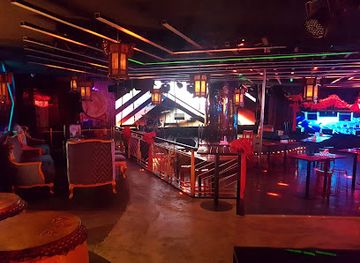
Nightlife in George Town is concentrated around the heritage core’s restaurants, small bars and late-opening food streets rather than large clubs. Chulia Street and nearby Love Lane have the most recognisable concentration of casual bars, while Armenian Street and adjoining lanes provide a quieter setting for cocktail bars, cafés and evening cultural events in converted shophouses. The atmosphere varies from informal backpacker-oriented venues to more polished rooms, with live music appearing at some establishments without forming a single permanent circuit. After dark, Kimberley Street is better known for hawker food than clubbing, and the Esplanade offers an open waterfront walk rather than a nightlife strip. Residential lanes remain close to entertainment areas, so considerate noise levels and a respectful departure are important.
-
Pub
The Pokok - All Day Bar
Experience the vibrant atmosphere at The Pokok - All Day Bar in George Town, where delightful drinks and lively ambiance combine for an unforgettable night out.
7 min walk · 0.5 km from neighbourhood centre
-
Bar
Manchu Bar 满族酒吧
Discover the vibrant nightlife of George Town at Manchu Bar, where eclectic decor meets an extensive drink menu in a lively atmosphere.
8 min walk · 0.7 km from neighbourhood centre
-
Bistro
MM2
Savor the flavors of Penang at MM2 Bistro, where local cuisine meets artisanal cocktails in the heart of George Town.
6 min walk · 0.5 km from neighbourhood centre
-
Cocktail bar
Good Friends Club
Experience the vibrant nightlife at Good Friends Club, George Town's top cocktail bar, known for its creative drinks and lively atmosphere.
5 min drive · 1.6 km from neighbourhood centre


Best nightclubs in George Town
Nightlife in George Town is concentrated around the heritage core’s restaurants, small bars and late-opening food streets rather than large clubs. Chulia Street and nearby Love Lane have the most recognisable concentration of casual bars, while Armenian Street and adjoining lanes provide a quieter setting for cocktail bars, cafés and evening cultural events in converted shophouses. The atmosphere varies from informal backpacker-oriented venues to more polished rooms, with live music appearing at some establishments without forming a single permanent circuit. After dark, Kimberley Street is better known for hawker food than clubbing, and the Esplanade offers an open waterfront walk rather than a nightlife strip. Residential lanes remain close to entertainment areas, so considerate noise levels and a respectful departure are important.
-
Disco club
Peace Club Penang
Discover the electrifying nightlife of Peace Club Penang, a premier disco club and casino in the heart of George Town, Malaysia.
14 min walk · 1.1 km from neighbourhood centre
-
Disco club
PENDORA CLUB | 潘多拉俱乐部
Discover George Town's nightlife at Pendora Club, a vibrant disco haven where music, dance, and excitement come together for an unforgettable experience.
8 min walk · 0.6 km from neighbourhood centre
-
Night club
The Journey Club Penang
Experience the electrifying nightlife at The Journey Club Penang, where great music and vibrant atmosphere create unforgettable memories.
15 min walk · 1.2 km from neighbourhood centre
-
Night club
Lim Bar
Discover the vibrant nightlife of Georgetown at Lim Bar, where electrifying music and delicious drinks create an unforgettable experience.
14 min walk · 1.1 km from neighbourhood centre



Best shops in George Town
Shopping in George Town is woven into the heritage streets rather than concentrated in a single modern retail centre. Armenian Street and its surrounding lanes contain art spaces, craft shops, antiques, books, souvenirs and independent businesses occupying traditional shophouses, while Campbell Street and Chowrasta Market, near the edge of the historic core, connect everyday shopping with local food and produce. Little India is associated with textiles, jewellery, Indian clothing, spices and devotional goods, although visitors should distinguish established shops from highly tourist-oriented merchandise. Traditional coffee shops, Chinese provision stores and small household businesses provide a more ordinary retail experience than restored boutiques. The most interesting purchases often relate to Penang’s culinary and multicultural life, but stock varies and bargaining is not appropriate everywhere, especially in fixed-price shops and religious premises.
-
Shopping mall
Gurney Paragon Mall
Explore Gurney Paragon Mall in Penang for a unique shopping and dining experience filled with local and international delights.
11 min drive · 3.7 km from neighbourhood centre
-
Shopping mall
1st Avenue Mall
Discover the ultimate shopping experience at 1st Avenue Mall in Penang, where modern retail meets vibrant culture and local flavors.
16 min walk · 1.3 km from neighbourhood centre
-
Gift shop
NICEDAY Gift Shop, Florist, Party Balloon, Blind Box Toys, Wrapping Service In Penang
Discover NICEDAY Gift Shop in Penang for unique gifts, stunning florals, vibrant balloons, and delightful toys that capture the spirit of celebration.
15 min walk · 1.2 km from neighbourhood centre
-
Boutique
Kapten Batik Lifestyle Store at Gurney Paragon
Explore the artistry of traditional Malaysian batik at Kapten Batik Lifestyle Store in Gurney Paragon, where fashion meets heritage.
11 min drive · 3.7 km from neighbourhood centre


George Town essentials
Getting There
Getting Around
Safety
Emergency Situations
Do's and Don'ts
Local Tips

From Eve
Local phrases worth knowing
You don't need to get them perfect. A few words go a long way, and locals appreciate the effort.
Basics
| English | Local | Say it |
|---|---|---|
| Hello | Hello | [Heh-loh] |
| Goodbye | Selamat tinggal | [Seh-lah-mat ting-gal] |
| Yes | Ya | [Yah] |
| No | Tidak | [Tee-dak] |
| Please/You're welcome | Sila | [See-lah] |
| Thank you | Terima kasih | [Teh-ree-ma kah-see] |
| Excuse me/Sorry | Maaf | [Mah-ahf] |
| How are you? | Apa khabar? | [Ah-pah kah-bar] |
| Fine. And you? | Baik. Awak? | [Bye-k. Ah-wahk] |
| Do you speak English? | Boleh bercakap Bahasa Inggeris? | [Boh-leh ber-cha-kap Bah-ha-sa Ing-gah-rees] |
| I don't understand | Saya tak faham | [Sah-yah tak fah-ham] |
Eating & Drinking
| English | Local | Say it |
|---|---|---|
| I'd like to see the menu, please | Boleh saya lihat menu? | [Boh-leh sah-yah lee-hat meh-noo] |
| I don't eat meat | Saya tak makan daging | [Sah-yah tak mah-kan dah-ying] |
| Cheers! | Sihat! | [See-hat] |
| I would like to pay, please | Boleh saya bayar? | [Boh-leh sah-yah bah-yar] |
Emergencies
| English | Local | Say it |
|---|---|---|
| Help! | Tolong! | [Toh-long] |
| Go away! | Pergi! | [Per-gee] |
| Call the Police! | Panggil polis! | [Pahng-geel po-lees] |
| Call a doctor! | Panggil doktor! | [Pahng-geel dok-tor] |
| I'm lost | Saya sesat | [Sah-yah seh-saht] |
| I'm ill | Saya sakit | [Sah-yah sah-keet] |
Shopping
| English | Local | Say it |
|---|---|---|
| I'd like to buy... | Saya nak beli... | [Sah-yah nak beh-lee] |
| I'm just looking | Saya cuma tengok-tengok | [Sah-yah choo-mah tung-goh tung-goh] |
| How much is it? | Berapa harganya? | [Beh-rah-pah har-gah-nya] |
| That's too expensive | Terlalu mahal | [Teh-rah-lah mah-hal] |
| Can you lower the price? | Boleh kurangkan harga? | [Boh-leh koor-ang-kahn har-gah] |
Time & Numbers
| English | Local | Say it |
|---|---|---|
| What time is it? | Pukul berapa sekarang? | [Poo-kool beh-rah-pah suh-kah-rang] |
| It's one o'clock | Pukul satu | [Poo-kool sah-too] |
| Half past (10) | Pukul setengah (sepuluh) | [Poo-kool suh-tuhng-ah (suh-poo-loo)] |
| Morning | Pagi | [Pah-gee] |
| Afternoon | Petang | [Peh-tahng] |
| Evening | Malam | [Mah-lahm] |
| Yesterday | Semalam | [Suh-mah-lam] |
| Today | Hari ini | [Hah-ree ee-nee] |
| Tomorrow | Esok | [Eh-sohk] |
| 1 | Satu | [Sah-too] |
| 2 | Dua | [Doo-ah] |
| 3 | Tiga | [Tee-gah] |
| 4 | Empat | [Um-paht] |
| 5 | Lima | [Lee-mah] |
| 6 | Enam | [Eh-nahm] |
| 7 | Tujuh | [Too-joo] |
| 8 | Lapan | [Lah-pan] |
| 9 | Sembilan | [Sum-bee-lahn] |
| 10 | Sepuluh | [Suh-poo-loo] |
Transport & Directions
| English | Local | Say it |
|---|---|---|
| Where's a/the...? | Di mana... | [Dee mah-nah] |
| What's the address? | Alamatnya di mana? | [Ah-lah-mat-nyah dee mah-nah] |
| Can you show me (on the map)? | Boleh tunjukkan saya (di peta)? | [Boh-leh toon-jook-kahn sah-yah (dee peh-tah)] |
| When's the next (bus)? | Bila bas seterusnya? | [Bee-lah bahs suh-teh-roos-nyah] |
| A ticket (to ....) | Satu tiket (ke ....) | [Sah-too tee-ket (keh)] |
History of George Town
The Port Settlement Takes Shape
George Town was founded in 1786 when Francis Light, acting for the British East India Company, established a settlement on Penang Island. The town was laid out beside a protected harbour and developed as a free port, attracting merchants, labourers and migrants from across the region and beyond. Early streets radiated from the waterfront and the administrative centre, while communities formed their own religious institutions, markets and associations. This mercantile beginning explains the neighbourhood’s unusually layered cultural landscape: its buildings and street names record the presence of Malay, Chinese, Indian, European and other trading communities rather than a single colonial tradition.
Trade, Communities and Clan Houses
During the nineteenth century, George Town grew as a regional entrepôt linking the Straits of Malacca with southern China, India and the wider Malay world. Wealthy merchants built residences, shops and clan houses, while associations provided welfare, education and religious support for migrants from particular districts or language groups. Streets around the present heritage core became specialised commercial and communal zones, with temples, mosques, churches and traditional businesses occupying close quarters. The waterfront jetties also developed as homes and working spaces for Chinese communities connected with maritime trade. Much of the town’s distinctive shophouse fabric dates from this period of commercial expansion.
Colonial Civic George Town
British administration brought formal civic buildings, municipal improvements and new transport and commercial infrastructure to the expanding town. The area around the Esplanade became an important ceremonial and administrative landscape, with Fort Cornwallis, the Town Hall and City Hall expressing different phases of colonial rule. At street level, however, commercial life remained rooted in shophouses, markets, religious institutions and family enterprises. Penang’s population was socially diverse but also divided by colonial regulations, economic hierarchies and communal organisations. This mixture of official architecture and locally sustained urban life remains central to the character of the historic core.
Heritage Recognition and Urban Change
After Malaysia’s independence, parts of George Town’s historic centre experienced changing trade patterns, building decline and the movement of some commercial activity towards newer districts. Conservation efforts gradually gained importance, particularly as residents, civic groups and public authorities debated how to protect the town without displacing its living communities. In 2008, George Town, together with Malacca, was inscribed as a UNESCO World Heritage Site for its historic urban landscape and multicultural heritage. Restoration, tourism and new creative businesses have since altered some streets, while long-standing homes, temples, workshops and food businesses continue to anchor the district’s local identity.
George Town in Photos
Browse through our photo collection highlighting the charm and character of the destination.
Neighbourhoods near George Town
The closest neighbourhoods to George Town, if you have time for more than one stop.
-
-


Swipe for more neighbourhoods
Explore more

Explore more of Penang
Penang blends George Town’s UNESCO-listed heritage, hawker flavours, tropical landscapes and multicultural traditions into a compelling Malaysian island escape.
Explore Penang