

Tanjung Bungah (Penang) Travel Guide - Free
Explore Tanjung Bungah in Penang with Evendo's free guide. Find the best shops, historic streets, restaurants, and gems on web or mobile.


Tanjung Bungah, Penang: explore a relaxed seaside suburb with beaches, the Floating Mosque, local food, coastal walks and easy access to George Town.
Coastal Character
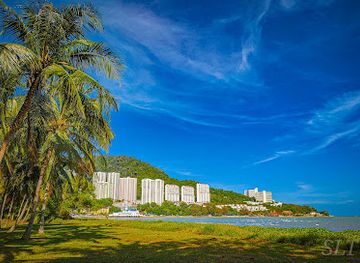
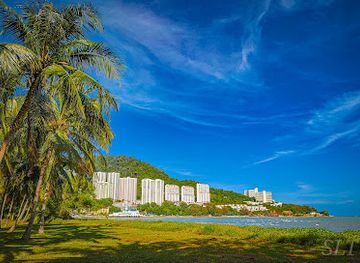
Tanjung Bungah occupies a broad stretch of Penang Island’s north-western coast between Tanjung Tokong and Batu Ferringhi. Its name means “Cape of Flowers”, and the area retains a more relaxed, residential character than central George Town, whose heritage streets lie to the south. The neighbourhood is shaped by the sea: Jalan Tanjung Bungah follows the coast, while hills rise behind apartment blocks, houses, schools and pockets of older kampung settlement. Beaches are interspersed with seawalls, hotels and private developments, creating a shoreline better suited to evening walks, sea views and informal local recreation than to uninterrupted swimming.Read more about Tanjung Bungah
Everyday Life and Local Culture
Sea, Faith and the Northern Coast
Best attractions in Tanjung Bungah
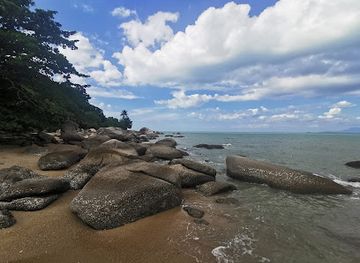
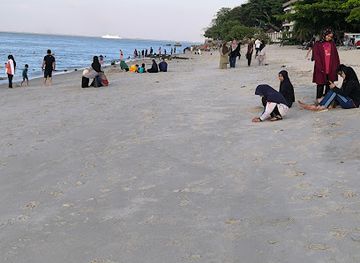
Tanjung Bungah’s principal attractions are coastal and local in scale. Tanjung Bungah Beach provides a broad view across the northern waters, although sections of the shoreline are shaped by seawalls, hotels and private development rather than a continuous public promenade. The Tanjung Bungah Floating Mosque is the neighbourhood’s defining sight, standing over the water on an elevated platform and creating a distinctive subject for photographs from the shore. The Tanjung Bungah Market offers a more everyday attraction, with fresh produce, cooked food and the sounds of local commerce in the morning. Visitors can also explore the coastal road, small stretches of waterfront and the quieter residential lanes rising towards the hills. Nearby Tanjung Tokong and Batu Ferringhi provide additional attractions, but they should be treated as separate northern-coast destinations rather than folded into Tanjung Bungah itself.
-
Tourist attraction
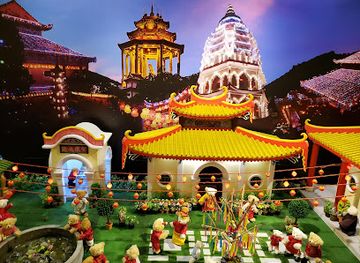
TeddyVille Museum@Batu Ferringhi
Discover the enchanting TeddyVille Museum in Batu Ferringhi, where teddy bears come to life through captivating exhibits and charming displays.
5 min drive · 1.7 km from neighbourhood centre
-
Tourist attraction
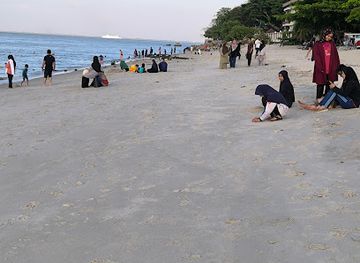
Tanjung Bungah Beach
Discover Tanjung Bungah Beach, a picturesque coastal paradise in Penang, Malaysia, perfect for relaxation, adventure, and cultural exploration.
10 min walk · 0.8 km from neighbourhood centre
-
Tourist attraction
Tanjung Bungah Seaside Viewing Spot
Discover the serene beauty of Tanjung Bungah Seaside Viewing Spot, an enchanting coastal retreat with stunning views perfect for relaxation and photography.
5 min walk · 0.4 km from neighbourhood centre
-
Tourist attraction
Bukit Mutiara and Viewingspot
Experience the breathtaking views and serene atmosphere of Bukit Mutiara, a hidden gem in Penang perfect for relaxation and photography.
6 min drive · 1.8 km from neighbourhood centre
Best landmarks in Tanjung Bungah
The Tanjung Bungah Floating Mosque, formally Masjid Terapung Tanjung Bungah, is the neighbourhood’s most recognisable landmark. Built over the sea on an elevated platform and opened after the 2004 tsunami, it combines religious importance with a striking relationship to the shoreline; its apparent floating form is created by the water surrounding the supporting structure. The wider coastal road is another defining physical feature, linking the suburb with Tanjung Tokong and Batu Ferringhi while separating the sea-facing developments from the rising inland slopes. Tanjung Bungah Market carries a different kind of significance as a working civic landmark, representing the everyday food economy of the suburb rather than grand architecture. Older houses, kampung remnants, places of worship and newer apartment buildings together show the area’s transition from a fishing and village coast into a developed residential corridor.
-
Tourist attraction
Tanjung Bungah Beach
Discover Tanjung Bungah Beach, a stunning coastal paradise in Penang offering sun, sea, and a taste of vibrant Malaysian culture.
10 min walk · 0.8 km from neighbourhood centre
-
Tourist attraction
Tanjung Bungah Seaside Beaches
Discover the stunning Tanjung Bungah Seaside Beaches in Penang, where sun-soaked sands and vibrant local culture await every visitor.
9 min walk · 0.7 km from neighbourhood centre
-
Historical landmark
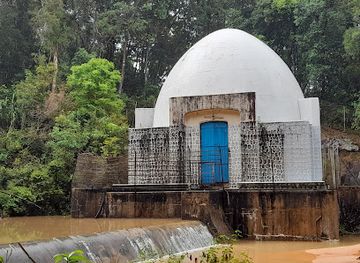
PBA Tanjung Bungah
Explore the captivating history and architecture of PBA Tanjung Bungah, a significant landmark in Penang that reflects the rich cultural heritage of Malaysia.
14 min walk · 1.1 km from neighbourhood centre
-
Tourist attraction
Tanjung Bungah Seaside Viewing Spot
Experience the serene beauty of Tanjung Bungah Seaside Viewing Spot, a perfect getaway with stunning ocean views and tranquil surroundings in Penang.
5 min walk · 0.4 km from neighbourhood centre
Explore Tanjung Bungah on the map
A handpicked selection of must-see spots in Tanjung Bungah, mapped for you.
Best hotels in Tanjung Bungah
Best restaurants in Tanjung Bungah
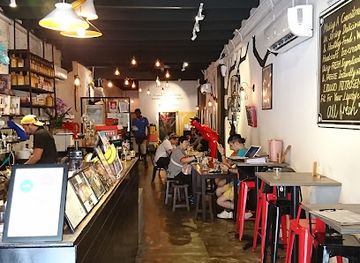
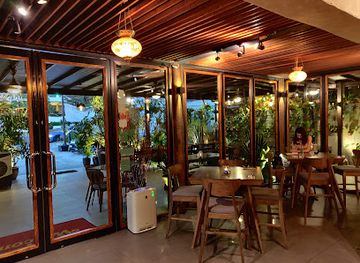
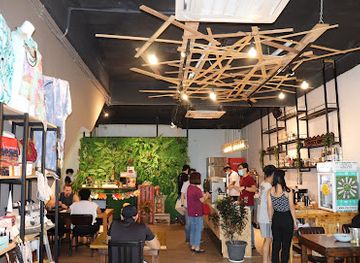
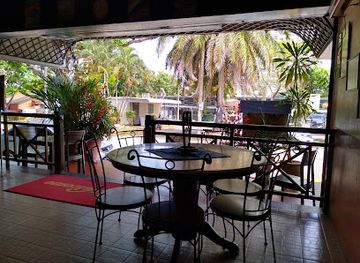
Eating in Tanjung Bungah is shaped by its role as a long-established suburb on the northern coast rather than by a single signature dining quarter. The market area and roadside coffee shops provide access to Penang favourites such as noodle dishes, rice meals, snacks and drinks, while seafood restaurants and Chinese-Malaysian eateries reflect the neighbourhood’s coastal setting and mixed local heritage. Along Jalan Tanjung Bungah, visitors will find a mixture of casual restaurants, cafés, bakeries and businesses serving residents, hotel guests and passing traffic. Malay food and familiar hawker fare sit alongside Chinese dishes and contemporary international menus, with options varying between the market, residential streets and hotel developments. The most useful approach is to explore by cluster and time of day, remembering that Tanjung Bungah’s dining scene is spread along the road rather than concentrated in a formally defined food street.
-
Steak
The Safe Room
Discover a culinary oasis in Penang with mouthwatering steaks and tantalizing desserts at The Safe Room.
7 min walk · 0.6 km from neighbourhood centre
-
Lebanese
Garden Lebanon Restaurant, Tanjung Bungah
Experience authentic Lebanese flavors at Garden Lebanon Restaurant in Tanjung Bungah - a must-visit culinary destination for food lovers.
11 min walk · 0.9 km from neighbourhood centre
-
American
Let's Meat | American Restaurant | American Food | American Breakfast
Experience the best of American cuisine at Let's Meat in Tanjung Bungah, where delicious breakfasts and delightful pastries await you.
5 min drive · 1.7 km from neighbourhood centre
-
German
Ingolf's Kneipe German Restaurant And Bar
Experience authentic German cuisine at Ingolf's Kneipe in Tanjung Tokong - where traditional flavors meet local charm.
16 min walk · 1.3 km from neighbourhood centre
Best bars in Tanjung Bungah
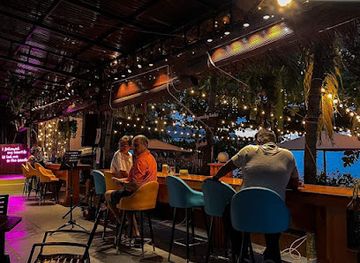
Nightlife in Tanjung Bungah is comparatively restrained and dispersed, reflecting the neighbourhood’s residential character. Evenings centre on casual restaurants, hotel bars, cafés and places where residents meet for food and conversation rather than on a dense nightclub strip. The coastal road remains active after dark, but its traffic and roadside layout make it less suited to leisurely bar-hopping than central George Town. Some larger nearby resort areas, particularly towards Batu Ferringhi, offer more established evening entertainment, though they are outside Tanjung Bungah and require transport. Visitors staying locally can expect a quieter night-time rhythm, with sea views and informal dining taking precedence over live-club culture. Respect for apartment residents and households is important when returning late, especially on the smaller roads leading uphill from the main corridor.
-
Bar
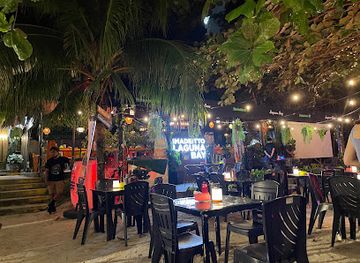
Laguna Bay Beach Bar Penang
Discover Laguna Bay Beach Bar in Penang for stunning ocean views, delicious cuisine, and a vibrant atmosphere - an unforgettable culinary experience awaits.
13 min walk · 1.0 km from neighbourhood centre
-
German
Ingolf's Kneipe German Restaurant And Bar
Discover authentic German flavors at Ingolf's Kneipe, a beloved restaurant in Tanjung Bungah, Penang, perfect for food lovers and cultural explorers.
16 min walk · 1.3 km from neighbourhood centre
-
Restaurant
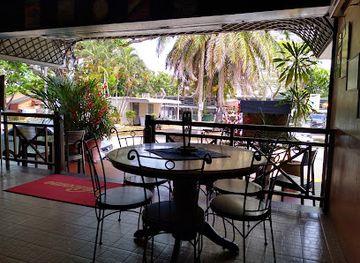
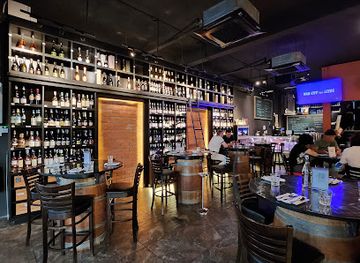
The Wine Shop
Experience the best of dining at The Wine Shop in Tanjung Bungah, where exquisite wines meet gourmet cuisine in a charming atmosphere.
16 min walk · 1.3 km from neighbourhood centre
-
Bar
Cheers 32 Cafe
Cheers 32 Cafe: Experience the vibrant nightlife of George Town with a diverse drink selection and a welcoming atmosphere.
5 min drive · 1.7 km from neighbourhood centre
Best nightclubs in Tanjung Bungah
Nightlife in Tanjung Bungah is comparatively restrained and dispersed, reflecting the neighbourhood’s residential character. Evenings centre on casual restaurants, hotel bars, cafés and places where residents meet for food and conversation rather than on a dense nightclub strip. The coastal road remains active after dark, but its traffic and roadside layout make it less suited to leisurely bar-hopping than central George Town. Some larger nearby resort areas, particularly towards Batu Ferringhi, offer more established evening entertainment, though they are outside Tanjung Bungah and require transport. Visitors staying locally can expect a quieter night-time rhythm, with sea views and informal dining taking precedence over live-club culture. Respect for apartment residents and households is important when returning late, especially on the smaller roads leading uphill from the main corridor.
-
Bar
Laguna Bay Beach Bar Penang
Experience tropical bliss at Laguna Bay Beach Bar in Penang, where refreshing drinks, delicious food, and captivating fire shows await.
13 min walk · 1.0 km from neighbourhood centre
-
Lounge
Axis Lounge
Discover the serene ambiance of Axis Lounge in Batu Ferringhi - the perfect spot to unwind with delicious refreshments and local flavors.
5 min drive · 1.8 km from neighbourhood centre

Best shops in Tanjung Bungah
Shopping in Tanjung Bungah is practical and local rather than centred on major retail complexes. The Tanjung Bungah Market is the neighbourhood’s main traditional shopping reference, with fresh vegetables, fruit, fish, meat, prepared foods and other daily necessities appearing alongside the social bustle of a working market. Small grocers, cafés, pharmacies, convenience shops and service businesses line parts of the coastal road and serve the surrounding residential communities. Visitors are more likely to find useful Malaysian snacks, fresh ingredients and ordinary household goods than a large selection of souvenirs, designer fashion or specialist craft products. Larger contemporary retail choices are available in nearby Tanjung Tokong and elsewhere in Penang, but those districts should not be presented as part of Tanjung Bungah. Market etiquette is simple: ask before photographing traders, handle produce carefully and carry reusable bags where possible.
-
Night market
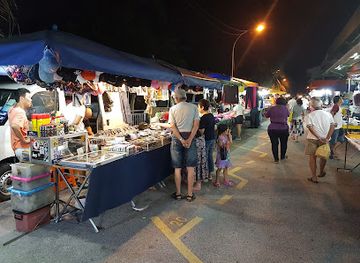
Tanjung Bungah Night Market (Tuesday)
Discover the vibrant Tanjung Bungah Night Market, a culinary paradise in Penang filled with local delicacies, crafts, and lively entertainment every Tuesday.
6 min walk · 0.5 km from neighbourhood centre
-
Market
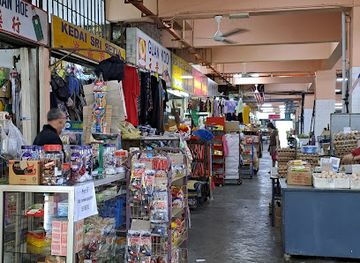
Market & Food Complex Tanjung Bungah (தஞ்சோங் பூங்கா சந்தை வளாகம்)
Experience the bustling energy and delicious diversity of Penang at the Market & Food Complex Tanjung Bungah, a must-visit for food lovers.
6 min walk · 0.5 km from neighbourhood centre
-
Outlet mall
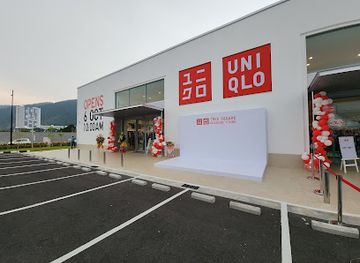
Tree Square
Experience the vibrant shopping and dining scene at Tree Square, the premier outlet mall in Tanjung Bungah, Penang.
6 min walk · 0.4 km from neighbourhood centre
-
Grocery store
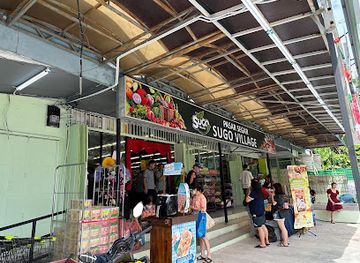
Sugo Village Tanjung Bungah
Discover the flavors of Penang at Sugo Village Tanjung Bungah, where local and international grocery selections await.
16 min walk · 1.3 km from neighbourhood centre
Tanjung Bungah essentials
Getting There
Getting Around
Safety
Emergency Situations
Do's and Don'ts
Local Tips

From Eve
Local phrases worth knowing
You don't need to get them perfect. A few words go a long way, and locals appreciate the effort.
Basics
| English | Local | Say it |
|---|---|---|
| Hello | Selamat sejahtera | [suh-lah-maht say-jah-tuh-rah] |
| Goodbye | Selamat tinggal | [suh-lah-maht ting-gahl] |
| Yes | Ya | [yah] |
| No | Tidak | [tee-dahk] |
| Please/You're welcome | Sila | [see-lah] |
| Thank you | Terima kasih | [tuh-ree-mah kah-see] |
| Excuse me/Sorry | Maaf | [mah-ahf] |
| How are you? | Apa khabar? | [ah-pah kah-bahr] |
| Fine. And you? | Baik. Dan awak? | [bah-eek dahn ah-wahk] |
| Do you speak English? | Boleh berbahasa Inggeris? | [boh-leh buhr-bah-hah eeng-guh-rees] |
| I don't understand | Saya tidak faham | [sah-yah tee-dahk fah-hahm] |
Eating & Drinking
| English | Local | Say it |
|---|---|---|
| I'd like to see the menu, please | Boleh saya lihat menu, sila | [boh-leh sah-yah lee-haht meh-noo, see-lah] |
| I don't eat meat | Saya tidak makan daging | [sah-yah tee-dahk mah-kahn dah-yehng] |
| Cheers! | Sihat! | [see-haht] |
| I would like to pay, please | Saya ingin bayar, sila | [sah-yah een-geen bah-yahr, see-lah] |
Emergencies
| English | Local | Say it |
|---|---|---|
| Help! | Tolong! | [toh-lohng] |
| Go away! | Pergi jauh! | [pehr-ghee jah-oo] |
| Call the Police! | Panggil polis! | [pahng-geel poh-lees] |
| Call a doctor! | Panggil doktor! | [pahng-geel dohk-tohr] |
| I'm lost | Saya sesat | [sah-yah suh-saht] |
| I'm ill | Saya sakit | [sah-yah sah-keet] |
Shopping
| English | Local | Say it |
|---|---|---|
| I'd like to buy... | Saya ingin membeli... | [sah-yah een-geen mehm-buh-lee] |
| I'm just looking | Saya hanya tengok-tengok | [sah-yah hahn-yah tehng-ohk-tehng-ohk] |
| How much is it? | Berapa harganya? | [buh-rah-pah hahr-gahn-yah] |
| That's too expensive | Itu terlalu mahal | [ee-too tuhr-lah-loo mah-hahl] |
| Can you lower the price? | Boleh kurangkan harga? | [boh-leh koor-ahn-gahn hahr-gah] |
Time & Numbers
| English | Local | Say it |
|---|---|---|
| What time is it? | Pukul berapa sekarang? | [poo-kool buh-rah-pah suh-kah-rahn] |
| It's one o'clock | Pukul satu | [poo-kool sah-too] |
| Half past (10) | Pukul setengah (sepuluh) | [poo-kool suh-tuhng-ah (suh-poo-looh)] |
| Morning | Pagi | [pah-gee] |
| Afternoon | Petang | [peh-tahng] |
| Evening | Malam | [mah-lahm] |
| Yesterday | Semalam | [suh-mah-lahm] |
| Today | Hari ini | [hah-ree ee-nee] |
| Tomorrow | Esok | [eh-sohk] |
| 1 | Satu | [sah-too] |
| 2 | Dua | [doo-ah] |
| 3 | Tiga | [tee-gah] |
| 4 | Empat | [em-paht] |
| 5 | Lima | [lee-mah] |
| 6 | Enam | [eh-nahm] |
| 7 | Tujuh | [too-joo] |
| 8 | Lapan | [lah-pahn] |
| 9 | Sembilan | [suhm-bee-lahn] |
| 10 | Sepuluh | [suh-poo-looh] |
Transport & Directions
| English | Local | Say it |
|---|---|---|
| Where's a/the...? | Di mana... | [dee mah-nah] |
| What's the address? | Alamatnya di mana? | [ah-lah-maht-nyah dee mah-nah] |
| Can you show me (on the map)? | Boleh tunjukkan kepada saya (pada peta)? | [boh-leh toon-jook-kahn keh-pah sah-yah (pah-dah peh-tah)] |
| When's the next (bus)? | Bila bas seterusnya? | [bee-lah bahs suh-teh-roos-nyah] |
| A ticket (to ....) | Sebuah tiket (ke ....) | [suh-oo-ah tee-keht (keh)] |
History of Tanjung Bungah
A Cape Named for Flowers
Tanjung Bungah takes its name from the Malay words tanjung, meaning cape or headland, and bunga, meaning flower. The coastal area developed from a combination of fishing settlements, small-scale cultivation and village life on the narrow plain between the sea and Penang’s hills. Its position along the northern route from George Town towards Batu Ferringhi gave it a practical connection to neighbouring coastal communities, while the shoreline and nearby slopes shaped the pattern of settlement. Although much of the original rural landscape has been built over, the name preserves the area’s geographic identity and its association with a greener, less urbanised stretch of Penang Island.
From Village Coast to Suburb
During the twentieth century, improvements to roads and the expansion of George Town encouraged Tanjung Bungah to become a residential and leisure suburb rather than an isolated coastal village. Hotels, schools, private homes and apartment developments gradually appeared along and behind the main coastal road. Tourism also expanded northwards from the city towards Batu Ferringhi, bringing new accommodation and commercial activity to the shoreline. This change did not erase local life: markets, food stalls, places of worship and long-established homes continued alongside the newer buildings, producing the mixed residential and resort character visible today.
The 2004 Tsunami and the Mosque
The Indian Ocean tsunami of 26 December 2004 reached Penang’s west-facing and northern coastal areas, including Tanjung Bungah, where waves damaged buildings and affected shoreline communities. In the following years, the Tanjung Bungah Floating Mosque was built over the water on an elevated structure and opened in 2007. The mosque became an important local place of worship as well as a visible reminder of the relationship between the neighbourhood and the sea. Its setting distinguishes Tanjung Bungah’s waterfront from a conventional urban beach and gives the coastline a landmark recognised well beyond the immediate suburb.
Contemporary Coastal Development
In recent decades, Tanjung Bungah has experienced continuing redevelopment through condominiums, hotels, restaurants and rebuilt waterfront properties. The area now forms part of Penang Island’s northern urban corridor, with regular movement between George Town, Tanjung Tokong, Tanjung Bungah and Batu Ferringhi. This growth has brought more services and accommodation but has also made the coastal road busier and reduced the continuity of older village landscapes. The neighbourhood’s contemporary identity therefore rests on a combination of residential life, sea-facing development, local food culture, religious landmarks and the surviving memory of a fishing coast.
Tanjung Bungah in Photos
Browse through our photo collection highlighting the charm and character of the destination.
Neighbourhoods near Tanjung Bungah
The closest neighbourhoods to Tanjung Bungah, if you have time for more than one stop.
-

-


Swipe for more neighbourhoods
Explore more

Explore more of Penang
Penang blends George Town’s UNESCO-listed heritage, hawker flavours, tropical landscapes and multicultural traditions into a compelling Malaysian island escape.
Explore Penang