

Free Guraidhoo Travel Guide & Mobile App
Plan your Guraidhoo trip with Evendo. Get free guides to top attractions, restaurants, hotels, and bars. Web access or download the mobile app.


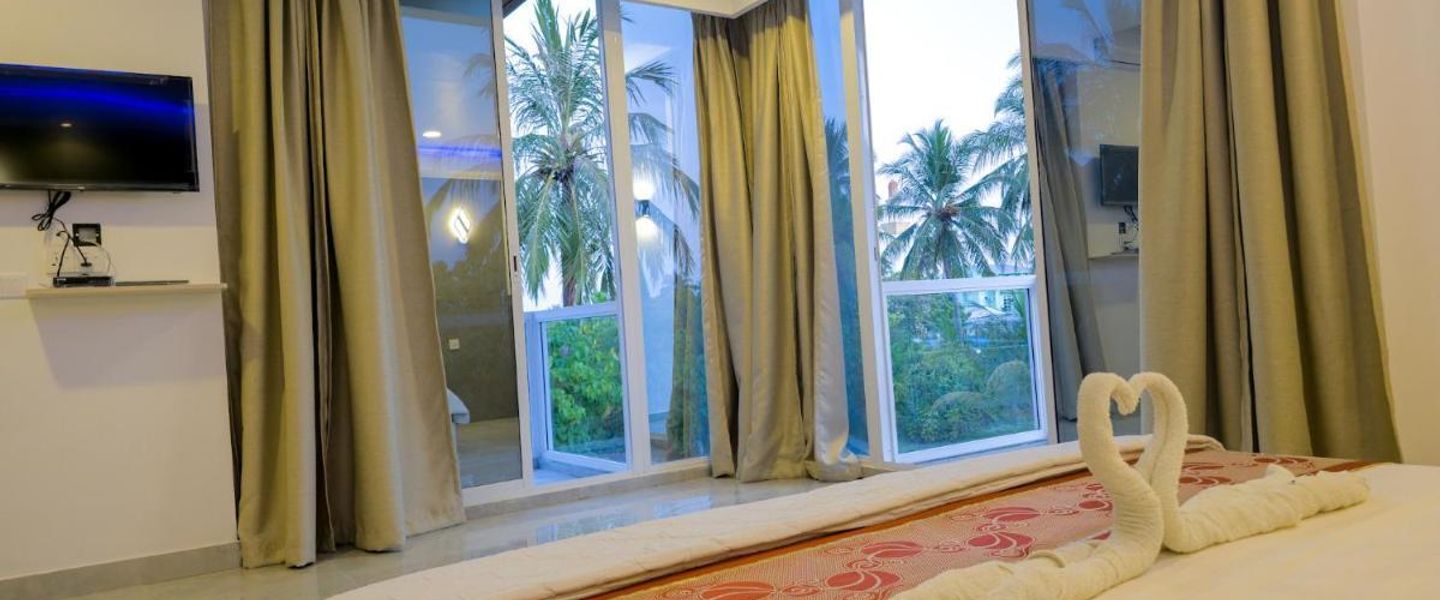


Guraidhoo, Maldives offers local island life, coral reefs, diving, guesthouses and cultural experiences within easy reach of South Malé Atoll.
Local Island Character
Guraidhoo is a compact inhabited island in South Malé Atoll, reached across the Indian Ocean from the Maldivian capital by public ferry or speedboat. Unlike the country’s private resort islands, it is a working community where guesthouses, small cafés, mosques, boatyards and homes share the same narrow island space. The pace is unhurried: fishing boats return to the harbour, children move between school and the waterfront, and residents gather in the shade during the heat of the day. A visit offers a closer view of everyday Maldivian life than is possible on a self-contained resort island.Read more about Guraidhoo
Sea, Reefs and the South Malé Atoll
Community and Contemporary Tourism
When is the best time to visit Guraidhoo?
Best: December–February · 30–31°C| Month | High (°C) | Rainfall (mm) |
|---|---|---|
| January (best) | 30 | 83 |
| February (best) | 30 | 84 |
| March | 31 | 85 |
| April | 31 | 86 |
| May | 31 | 87 |
| June | 32 | 88 |
| July | 32 | 87 |
| August | 32 | 87 |
| September | 32 | 86 |
| October | 32 | 85 |
| November | 31 | 84 |
| December (best) | 31 | 84 |
Getting to and around Guraidhoo
How to get there
Transportation
Best attractions in Guraidhoo
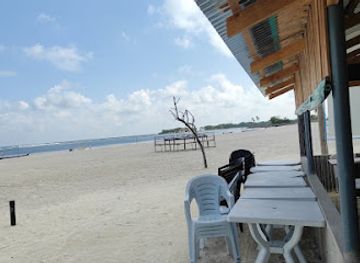
Guraidhoo’s principal attraction is the island itself: a compact settlement where visitors can walk between the harbour, residential lanes, small shops, mosques and working boat areas while observing everyday life in South Malé Atoll. The waterfront is the natural focal point, with dhonis and other boats moving through the lagoon and reef-fringed views extending towards neighbouring islands. Guraidhoo Kandu, a channel associated with local diving, draws experienced divers interested in currents, coral formations and marine life, while snorkelling trips explore shallower reef environments when conditions are suitable. The island’s beaches are modest but offer space for swimming and quiet shoreline walks, particularly at designated areas where local customs are respected. Guesthouses and boat crews can also arrange excursions to sandbanks, fishing grounds, snorkelling sites and nearby resorts, although these are marine experiences rather than attractions within the village itself.
-
Tourist attraction
Bikini Beach
Discover the beauty of Bikini Beach in Guraidhoo, Maldives - a stunning destination for sun, sand, and unforgettable underwater adventures.
7 min walk · 0.5 km from city centre
-
Tourist attraction
K.Guraidhoo Sandbank
Experience the serene beauty of K.Guraidhoo Sandbank, a tropical paradise in the Maldives perfect for relaxation and marine exploration.
12 min walk · 1.0 km from city centre
-
Tourist attraction
Kandooma Thila Dive Site
Explore Kandooma Thila Dive Site in the Maldives, a vibrant underwater paradise filled with colorful marine life and stunning coral reefs.
5 min drive · 1.5 km from city centre
-
Tourist attraction
Sunset Point
Discover the mesmerizing sunsets at Sunset Point in Guraidhoo, Maldives, a must-visit destination for nature lovers and photography enthusiasts.
9 min walk · 0.7 km from city centre


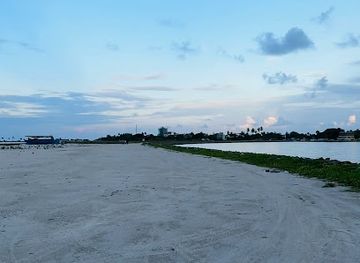
Best landmarks in Guraidhoo
Guraidhoo’s landmarks are modest, functional features of an inhabited island rather than monumental buildings. The local mosque provides a visible centre for religious and community life, while the harbour is the island’s defining civic and maritime space, connecting residents with Malé, neighbouring islands and fishing grounds. Traditional boatyards and working shorelines illustrate the continuing importance of dhonis and wooden boat skills in Maldivian island culture. Narrow lanes, boundary walls and clusters of homes reveal the compact pattern of settlement, and the surrounding reef edge forms a natural landmark whose channels have shaped travel and fishing for generations. None of these sites should be approached as museum exhibits: the mosque, harbour and residential areas remain active parts of community life, so respectful clothing, quiet behaviour and permission before photography are important.
-
 Hotel
HotelOcean Retreat & Spa
Experience authentic Maldivian culture and island tranquility at Ocean Retreat & Spa in Guraidhoo, just a speedboat ride from Malé.
3 min walk · 0.2 km from city centre
-
Restaurant
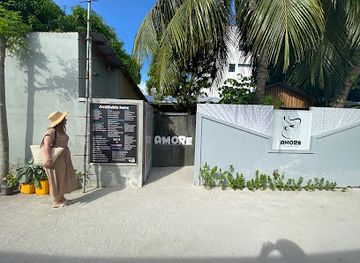
Amore - The Island Cafe
Experience authentic Maldivian flavors and warm hospitality at Amore - The Island Cafe, a culinary highlight in the heart of Guraidhoo.
1 min walk · 0.1 km from city centre
-
Guest house
Ithaa Beach Maldives
Experience Guraidhoo's local charm at Ithaa Beach: beachfront serenity, cultural immersion, and Maldivian hospitality.
3 min walk · 0.2 km from city centre
-
Restaurant
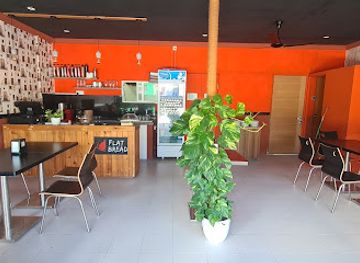
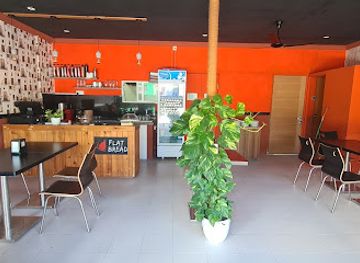
Flat Bread Guraidhoo
Savor delicious pizzas with fresh, local ingredients at Flat Bread Guraidhoo, a culinary gem on a beautiful Maldivian island.
1 min walk · 0.1 km from city centre
Explore Guraidhoo on the map
Plan your Guraidhoo trip on one map. See where the top attractions, landmarks, restaurants, bars and hotels are, find what's near where you're staying, and book hotels and experiences in a few clicks.
Best hotels in Guraidhoo
Best restaurants in Guraidhoo
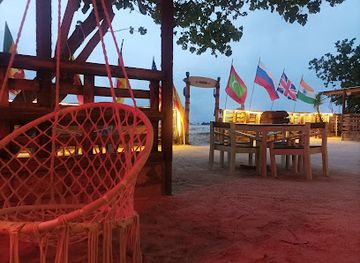
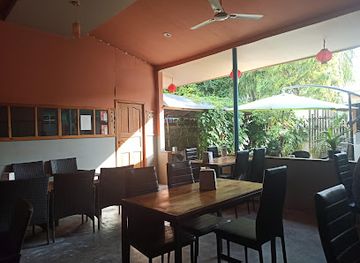
Guraidhoo’s dining scene is small, informal and closely connected to its guesthouses rather than built around a large collection of specialist restaurants. Maldivian meals commonly feature fish, especially tuna, alongside rice, coconut, chilli, lime and curry spices; mas huni, a mixture of tuna, coconut, onion and chilli, is a familiar breakfast dish across the country. Simple cafés and guesthouse kitchens may serve curries, roshi flatbread, fried snacks and international staples for travellers, while fresh seafood and tea reflect the island’s working maritime culture. Visitors should expect fewer choices and less formal service than on a resort island, with menus and meal times varying according to the establishment. Dining is often arranged through accommodation providers, making advance notice useful when a particular meal or dietary requirement is important.
-
Restaurant
CHAMBAO - Cafe & Retreat
Experience tranquility at Chambao - Cafe & Retreat in Guraidhoo, where delicious cuisine meets serene surroundings.
5 min walk · 0.4 km from city centre
-
Restaurant
Thun’di Cafe - The Island Restaurant
Experience authentic Maldivian flavors at Thun'di Cafe – where every meal is a celebration of island culture and cuisine.
4 min walk · 0.3 km from city centre
-
Restaurant
Amore - The Island Cafe
Experience delightful dining at Amore - The Island Cafe in Guraidhoo with local flavors and friendly service amidst stunning island views.
1 min walk · 0.1 km from city centre
-
Restaurant
Flat Bread Guraidhoo
Discover authentic Maldivian cuisine at Flat Bread Guraidhoo – where every meal tells a story of local flavors.
1 min walk · 0.1 km from city centre
Best bars in Guraidhoo
Guraidhoo does not have a club-led nightlife scene, and alcohol is not permitted on inhabited Maldivian islands. Evenings are generally quiet and community-oriented, with guesthouse dining, tea, conversation and the sound of boats around the harbour replacing late-night bars and dance venues. The most characteristic after-dark experiences are a walk along the shoreline, stargazing beneath the relatively open atoll sky or joining an organised night-fishing or marine outing when local operators offer one and conditions are suitable. Some nearby private resort islands have licensed bars and evening entertainment, but access requires a separate boat arrangement and resort permission rather than being part of Guraidhoo’s own nightlife. Visitors should keep noise subdued near homes and mosques, particularly after evening prayers.
-
Restaurant
CHAMBAO - Cafe & Retreat
Discover Chambao Cafe & Retreat in Guraidhoo, Maldives – your serene culinary escape amidst tropical beauty and local charm.
5 min walk · 0.4 km from city centre
-
Restaurant
Thun’di Cafe - The Island Restaurant
Experience the best of Maldivian cuisine at Thun’di Cafe, where delicious flavors meet breathtaking views.
4 min walk · 0.3 km from city centre
-
Restaurant
Amore - The Island Cafe
Experience the authentic flavors of the Maldives at Amore - The Island Cafe, a cozy restaurant in Guraidhoo known for its affordable local dishes.
1 min walk · 0.1 km from city centre
-
Restaurant
Flat Bread Guraidhoo
Experience the best flatbreads in Guraidhoo, Maldives, blending local and international flavors in a welcoming atmosphere.
1 min walk · 0.1 km from city centre


Best nightclubs in Guraidhoo
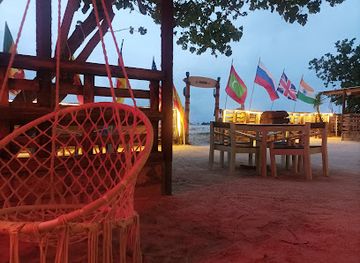
Guraidhoo does not have a club-led nightlife scene, and alcohol is not permitted on inhabited Maldivian islands. Evenings are generally quiet and community-oriented, with guesthouse dining, tea, conversation and the sound of boats around the harbour replacing late-night bars and dance venues. The most characteristic after-dark experiences are a walk along the shoreline, stargazing beneath the relatively open atoll sky or joining an organised night-fishing or marine outing when local operators offer one and conditions are suitable. Some nearby private resort islands have licensed bars and evening entertainment, but access requires a separate boat arrangement and resort permission rather than being part of Guraidhoo’s own nightlife. Visitors should keep noise subdued near homes and mosques, particularly after evening prayers.
-
Restaurant
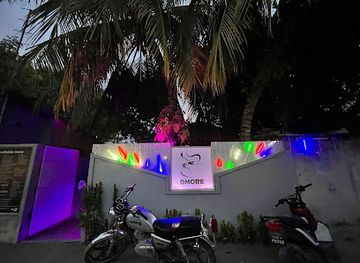
Amore - The Island Cafe
Discover the taste of the Maldives at Amore - The Island Cafe, where local flavors meet a welcoming atmosphere in Guraidhoo.
1 min walk · 0.1 km from city centre
-
Restaurant
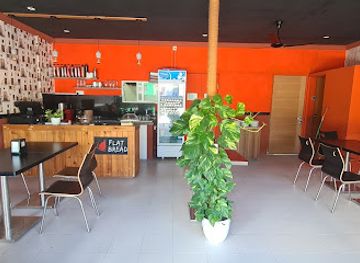
Flat Bread Guraidhoo
Discover the authentic flavors of the Maldives at Flat Bread Guraidhoo, where delicious flatbreads and pizzas await in a warm, inviting atmosphere.
1 min walk · 0.1 km from city centre
Best shops in Guraidhoo
Shopping on Guraidhoo is practical and local rather than centred on large retail streets. Small island shops supply snacks, drinks, toiletries and everyday necessities, while guesthouses may help visitors find locally made souvenirs or arrange purchases from residents. Maldivian handicrafts can include lacquerwork, woven items, carved objects and products made from coconut materials, although selection varies and should be checked for genuine local origin. Fish products and packaged coconut-based foods may also reflect the island’s maritime and agricultural heritage. There is no major shopping centre or extensive market district, so more specialised retail and a wider choice of gifts are found in Malé. Visitors should avoid buying coral, shells or products made from protected marine life, and should ask about materials and customs requirements before taking crafts home.
-
Dive shop
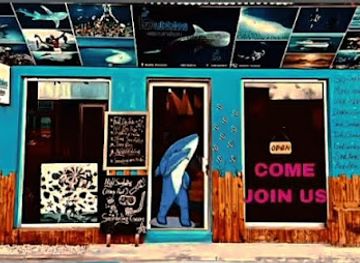
Bubbles Excursion Guraidhoo
Experience the best of Maldives diving at Bubbles Excursion Guraidhoo, where adventure meets marine beauty.
1 min walk · 0.1 km from city centre
-
Coffee shop
Silent bubbles coffee shop
Savor the essence of the Maldives at Silent Bubbles Coffee Shop, where exceptional coffee meets serene surroundings in Guraidhoo.
2 min walk · 0.1 km from city centre
-
Shopping mall
Nooraanee Shop 2
Explore Nooraanee Shop 2 in Guraidhoo for a delightful shopping experience featuring local crafts, electronics, and textiles.
1 min walk · 0.1 km from city centre
-
Store
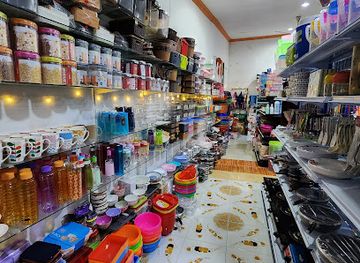
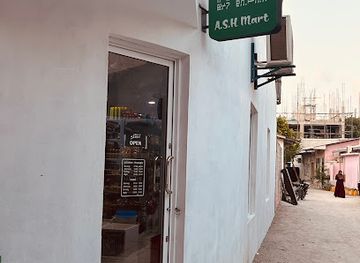
A.S.H MART
Discover local treasures and international goods at A.S.H MART in Guraidhoo, Maldives - your ultimate shopping destination.
4 min walk · 0.3 km from city centre

Get your free copy of our complete guide to Guraidhoo, delivered straight to you.
Everything on this page, from attractions and restaurants to essentials and local phrases, in one PDF you can read offline, print or share.
Already have an account? Sign in
Your Guraidhoo guide is ready.
We'll send it to · Not you? Sign out

Getting your guide ready…
We are putting together a fresh copy of the Guraidhoo guide. This can take up to a minute.
This can take a few moments. If your browser asks, choose Allow so the download can start. You'll find the guide in your Downloads folder.
Nothing happened? Download it again
Sorry, the guide is taking longer than usual. Please try again in a minute, or get it by email instead.
Guraidhoo essentials
Currency and Payment
Safety
Emergency Situations
Do's and Don'ts
Local Tips
From Eve
Local phrases worth knowing
You don't need to get them perfect. A few words go a long way, and locals appreciate the effort.
Basics
| English | Local | Say it |
|---|---|---|
| Hello | އިސްމިކޭމާ | [isimikima] |
| Goodbye | ހަދާދު | [hadhadhu] |
| Yes | އިމިއާ | [imia] |
| No | ނަން | [nan] |
| Please/You're welcome | މަތަން | [madan] |
| Thank you | ޝޮޓަކާއިރާ | [shukuri] |
| Excuse me/Sorry | މަތަން | [madan] |
| How are you? | ކަމަލޭގާން? | [kamaligaan?] |
| Fine. And you? | ކަމަލައި. ކިއަވާ? | [kamai. kiavai?] |
| Do you speak English? | އެމްގާން ކޮއިގޮޅެއް? | [emgaan koygelee?] |
| I don't understand | މިއްކާށާން | [miakhaan] |
Eating & Drinking
| English | Local | Say it |
|---|---|---|
| I'd like to see the menu, please | މިއީ މެނުއަން ދައްނެތް ކޮއިވާ | [mia menudhaan koyiva] |
| I don't eat meat | މިވަސަލް އާތާން | [miyasal adhan] |
| Cheers! | ކޮލިދޭތާ | [kolidhuga] |
| I would like to pay, please | މިއީ ފާއެނަން ކޮއިވާ | [mia faiyan koyiva] |
Emergencies
| English | Local | Say it |
|---|---|---|
| Help! | ކޮލިދޭތާ! | [kolidhuga!] |
| Go away! | ކޮލިދޭތާ! | [kolidhuga!] |
| Call the Police! | ބުލޮތަ ނަން ކޮއިވާ | [bolodha nan koyiva] |
| Call a doctor! | ޑޯކޯއި ނަން ކޮއިވާ | [dokyoai nan koyiva] |
| I'm lost | މިއާ އަލަންނަ | [mi alanna] |
| I'm ill | މިއާ އިއުސް | [mi isu] |
Shopping
| English | Local | Say it |
|---|---|---|
| I'd like to buy... | މިއީ ލިއުމެނަން... | [mia leumehaana...] |
| I'm just looking | މިއާ ކަވަކޮލް | [miakaavakaal] |
| How much is it? | ކައިގޭ ނަން މުސަލާން? | [kaige nan masalaan?] |
| That's too expensive | މިއަމާ އިސްފައިނެއް | [miai afainee] |
| Can you lower the price? | މިއީ މިއަމާ ކޮއިވާ? | [miai maamai koyiva?] |
Time & Numbers
| English | Local | Say it |
|---|---|---|
| What time is it? | ކައިގޭ ކަފީނާ? | [kaige kafiya?] |
| It's one o'clock | އިތުރާ އިތުރާ | [iniru iniru] |
| Half past (10) | އޭނިކަ ފަސް (10) | [inika fahdhu (10)] |
| Morning | މަބަރު | [mabaru] |
| Afternoon | ކައިވާނާ | [kaivaana] |
| Evening | މާވަނަ | [maivana] |
| Yesterday | ފާކުނި | [fakuni] |
| Today | މިއަދާ | [miadha] |
| Tomorrow | މިއަތާ | [miadhaa] |
| 1 | 1 | [1] |
| 2 | 2 | [2] |
| 3 | 3 | [3] |
| 4 | 4 | [4] |
| 5 | 5 | [5] |
| 6 | 6 | [6] |
| 7 | 7 | [7] |
| 8 | 8 | [8] |
| 9 | 9 | [9] |
| 10 | 10 | [10] |
Transport & Directions
| English | Local | Say it |
|---|---|---|
| Where's a/the...? | މިއީ މާކައިވާ...? | [mia makami vaai...?] |
| What's the address? | ކައިގޭ އެޑިސް? | [kaige edhisa?] |
| Can you show me (on the map)? | މިއީ ކޮއިވާ (މަޕުލާން)? | [mia koyiva (maplaan)?] |
| When's the next (bus)? | ކައިގޭ ދެފަތު (ބަސް)? | [kaige dhafathu (bus)?] |
| A ticket (to ....) | މީކާބުއި (....ކިރްތުން) | [mikabai (....kirevun)] |
History of Guraidhoo
An Atoll Island Before Modern Tourism
Guraidhoo’s early history is part of the wider story of settlement across the Maldivian atolls. The islands were inhabited by communities whose lives depended on coconut cultivation, fishing, seafaring and exchange between atolls, although detailed written records for individual small islands are limited. Guraidhoo’s position in South Malé Atoll placed it within short-haul maritime networks linking inhabited islands, fishing grounds and the capital region. The harbour and surrounding reef remain reminders that the sea was not simply a landscape around the settlement but its principal route, workplace and source of food.
Islam and the Maldivian Sultanate
The Maldives adopted Islam in the twelfth century, traditionally dated to 1153, and the faith became central to public and domestic life throughout the archipelago. Guraidhoo developed within this Islamic island culture, in which the mosque served as a place of worship and a visible focus of community identity. For centuries the islands were governed through Maldivian sultanates, while trade in coir rope, dried fish, coconut products and other goods connected local communities with wider Indian Ocean networks. The small scale of Guraidhoo did not isolate it from these maritime, religious and political connections.
Life in a Seafaring Community
Before guesthouses and leisure excursions became part of the local economy, Guraidhoo’s daily rhythm was closely tied to fishing, boats and household production. Maldivian communities traditionally used dhonis, wooden vessels adapted to lagoon and ocean travel, for fishing and transport, while coconut palms supplied food, fibres and materials. These activities shaped the island’s physical character: landing places, working shorelines and boatyards were as important as formal streets. Contemporary visitors may still see elements of this practical seafaring culture around the harbour, even as imported goods, modern boats and changing employment have transformed the island economy.
The Opening of Local-Island Tourism
For much of the modern tourism era, visitors to the Maldives stayed on separate resort islands, while inhabited islands remained outside the main holiday circuit. Policy changes in the early twenty-first century allowed locally operated guesthouses to expand on inhabited islands, bringing small-scale tourism to communities such as Guraidhoo. The change created new opportunities in accommodation, guiding, transport, food and marine excursions, while also making questions of privacy, dress, waste and reef protection more important. Guraidhoo today reflects this transition: a residential island where tourism exists alongside fishing, worship, education and ordinary community life.
Guraidhoo in Photos
Browse through our photo collection highlighting the charm and character of the destination.
Cities near Guraidhoo
The closest cities to Guraidhoo, if you have time for more than one stop.
-

-

-

-

-


Swipe for more cities
Explore more

Explore more of Maldives
Experience the unparalleled beauty of the Maldives, where pristine beaches, luxurious resorts, and vibrant marine life create the perfect tropical getaway.
Explore Maldives