

Free Hulhumalé Travel Guide & Mobile App
Plan your Hulhumalé trip with Evendo. Get free guides to top attractions, restaurants, hotels, and bars. Web access or download the mobile app.


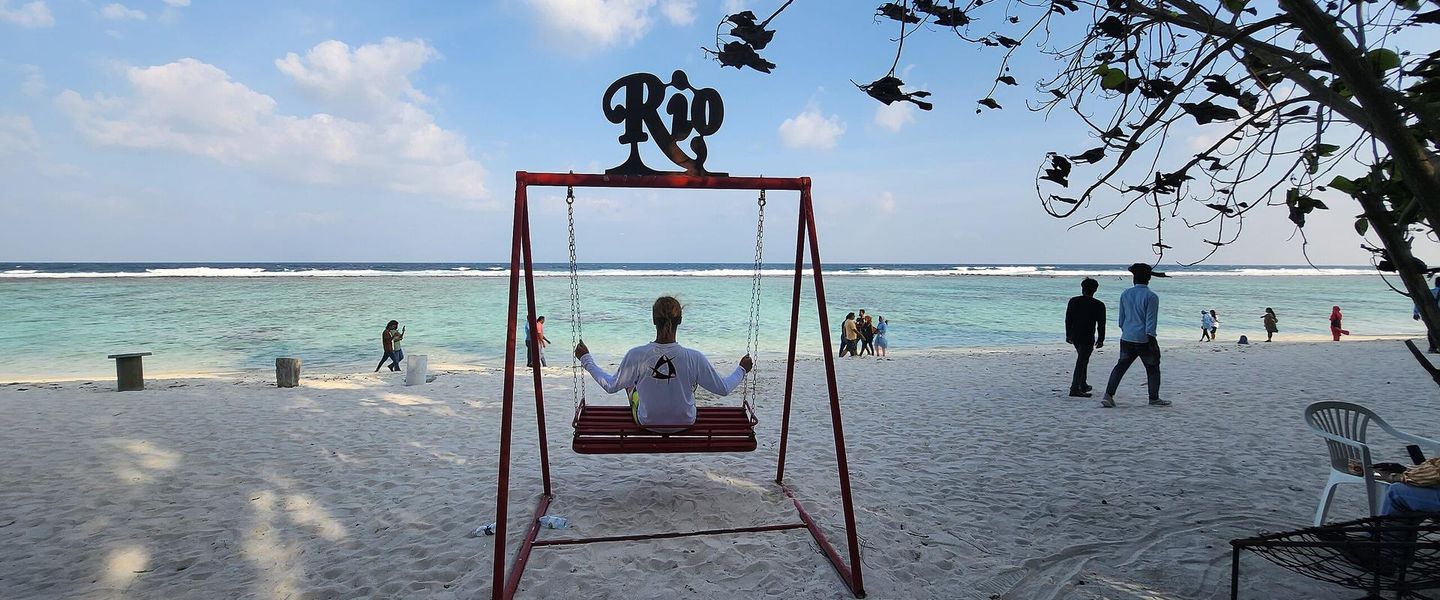


Hulhumalé, Maldives, pairs reclaimed-island beaches, lagoon views and modern cafés with easy access to Malé and Velana International Airport for city breaks.
Reclaimed Island, Maritime Setting
Hulhumalé is a planned island city in the Maldives, connected by causeway to Hulhulé, the airport island, and positioned just across the water from the capital, Malé. Built on reclaimed land, it has a different character from the densely settled capital and the private resort islands: broad roads, newer apartment blocks, landscaped public spaces and an accessible shoreline shape everyday life. Its location makes it one of the most practical bases for travellers arriving late, departing early or combining city visits with time on a Maldivian beach.Read more about Hulhumalé
Beaches and Contemporary City Life
A Practical Base in the Maldives
When is the best time to visit Hulhumalé?
Best: December–February · 30°C| Month | High (°C) | Rainfall (mm) |
|---|---|---|
| January (best) | 30 | 75 |
| February (best) | 30 | 75 |
| March | 30 | 75 |
| April | 31 | 75 |
| May | 31 | 75 |
| June | 31 | 75 |
| July | 31 | 75 |
| August | 31 | 75 |
| September | 30 | 75 |
| October | 30 | 75 |
| November | 30 | 75 |
| December (best) | 30 | 75 |
Getting to and around Hulhumalé
How to get there
Transportation
Best attractions in Hulhumalé
Hulhumalé's main attraction is its accessible public beach, where a broad strip of sand and shallow lagoon views provide a distinctly urban version of the Maldivian coastline. The eastern waterfront is suited to swimming in appropriate conditions, relaxed walks and sunrise photography, while Central Park offers landscaped open space among the island's newer neighbourhoods. Hulhumalé Mosque, with its contemporary form and prominent position, reflects the religious and civic life of the growing community. The island itself is also an attraction: visitors can observe reclaimed land, modern apartment districts, local cafés, small shops and the constant movement between the airport, Malé and nearby islands. Short boat excursions arranged locally may add snorkelling, fishing or sandbank visits, but these take place beyond the city and depend on sea conditions. Hulhumalé's appeal lies less in a concentration of historic monuments than in its combination of public beach, planned urban landscape and close-up view of everyday Maldivian life.
-
Tourist attraction
Central Park (Hulhumalé)
Discover the tranquility of Central Park in Hulhumalé, where lush greenery meets stunning ocean views for a perfect escape in the heart of the Maldives.
7 min walk · 0.5 km from city centre
-
Tour operator
Secret Paradise Maldives Tours
Explore the breathtaking beauty of Maldives with Secret Paradise Tours - your gateway to adventure and unforgettable experiences in paradise.
8 min walk · 0.6 km from city centre
-
Park
Leisure Zone (Central Park)
Experience the tranquility of Leisure Zone in Central Park, Malé - a perfect escape with lush landscapes and vibrant local culture.
6 min walk · 0.5 km from city centre
-
Tourist attraction
Furuba Beach by Dive Club Maldives
Experience the beauty and tranquility of Furuba Beach by Dive Club Maldives, a stunning destination for relaxation and marine adventures in the Maldives.
8 min walk · 0.6 km from city centre


Best landmarks in Hulhumalé
Hulhumalé's landmarks express the story of a new planned city rather than a long sequence of historic buildings. Hulhumalé Mosque is one of the most recognisable civic and religious structures, serving a growing Muslim community within a modern urban setting. The public beach and landscaped waterfront are important visual landmarks because they show how the reclaimed island meets the lagoon and how public space has been built into the city's plan. Central Park provides another defining piece of the urban landscape, contrasting planted open space with apartment blocks and broad roads. The causeway towards Hulhulé and Velana International Airport is also significant: it binds the residential city to the country's principal international gateway. Together, these places represent contemporary Maldivian development, where mosques, parks, reclaimed coastlines and transport links carry more architectural and civic meaning than surviving historic monuments.
-
Indian
Bombay Darbar
Savor authentic Indian cuisine at Bombay Darbar in Hulhumalé, Maldives, offering a diverse menu of flavorful dishes for a memorable dining experience.
6 min walk · 0.4 km from city centre
-
Restaurant
Naga's Indian Restaurant
Experience authentic Indian cuisine in Hulhumalé at Naga's Indian Restaurant, where flavorful dishes and a welcoming atmosphere await.
5 min walk · 0.4 km from city centre
-
Restaurant
Lazeez Gourmet
Experience authentic Middle Eastern cuisine in Hulhumalé. Taste the flavors of Arabia with traditional dishes and a warm, inviting atmosphere.
13 min walk · 1.0 km from city centre
-
Park
Central Park (Hulhumalé)
Escape to Hulhumalé Central Park: A green retreat with gardens, recreation, and community events for locals and tourists.
7 min walk · 0.5 km from city centre


Explore Hulhumalé on the map
Plan your Hulhumalé trip on one map. See where the top attractions, landmarks, restaurants, bars and hotels are, find what's near where you're staying, and book hotels and experiences in a few clicks.
Best hotels in Hulhumalé
Best restaurants in Hulhumalé
Hulhumalé's dining scene reflects its role as a residential, airport-adjacent city rather than an isolated resort. Local cafés and modest restaurants serve Maldivian staples such as mas huni with roshi, fish curry, garudhiya and hedhikaa, the savoury pastries and snacks commonly enjoyed with tea. Fresh tuna and other seafood feature prominently, while coconut, chilli, lime and curry leaves give everyday cooking its characteristic flavour. Alongside local food are eateries offering South Asian, Middle Eastern, East Asian and familiar international dishes for residents, airport workers and travellers. The eastern waterfront and central commercial areas contain much of the café and restaurant activity, with coffee shops particularly useful for informal meals and lingering during a stopover. Menus, payment options and opening patterns vary between businesses, so the most dependable choices are usually found near established hotels and the main populated districts.
-
Indian
Bombay Darbar
Discover the authentic taste of India at Bombay Darbar in Hulhumale, where every dish tells a story.
6 min walk · 0.4 km from city centre
-
Restaurant
Naga's Indian Restaurant
Experience the rich flavors of India at Naga's Indian Restaurant in Hulhumalé - where authentic cuisine meets warm hospitality.
5 min walk · 0.4 km from city centre
-
Restaurant
Lazeez Gourmet
Experience exquisite dining at Lazeez Gourmet – where local flavors meet global culinary artistry in a stunning setting.
13 min walk · 1.0 km from city centre
-
Restaurant
The Manhattan Fish Market Hulhumalé
Discover exquisite seafood dining at The Manhattan Fish Market Hulhumalé - where ocean flavors meet Maldivian hospitality.
7 min walk · 0.6 km from city centre


Best bars in Hulhumalé
Hulhumalé does not have the resort-style nightlife or concentration of nightclubs found in some international holiday destinations. Evening life is more commonly centred on cafés, dessert shops, hotel lounges and restaurants, with residents gathering after the heat of the day has eased. The public beach and waterfront can be pleasant for an early evening walk, although visitors should respect local customs and avoid treating residential areas as party spaces. Alcohol is generally not available in ordinary local establishments, while licensed resort islands operate under different rules. Travellers seeking a denser late-night scene will find more urban activity in Malé, reached by boat, though services and crossing conditions vary. Occasional cultural programmes, community events and informal social gatherings may add variety, but they should not be assumed to run on a fixed schedule.
-
Restaurant
Papa Sam's
Discover a culinary experience at Papa Sam's, where flavorful dishes meet a vibrant atmosphere in the heart of Hulhumalé.
5 min walk · 0.4 km from city centre
-
Lounge
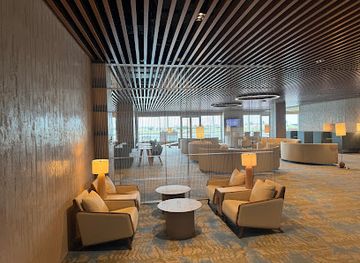
MACL Business Lounge
Discover the serene MACL Business Lounge in Hulhule, where comfort meets convenience for an exceptional travel experience.
7 min drive · 2.4 km from city centre
-
Restaurant
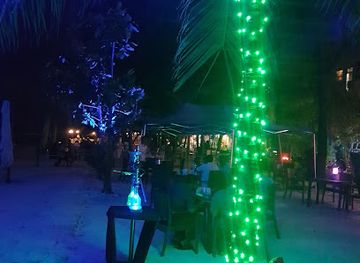
Coral Hookah & Lounge
Discover relaxation at Coral Hookah & Lounge, where flavorful hookahs and stunning views create the perfect escape in Hulhumalé.
5 min walk · 0.4 km from city centre
-
Restaurant
Cloud Signature
Experience the rich flavors of Maldivian cuisine at Cloud Signature, a dining gem nestled in the scenic Hulhumale with breathtaking ocean views.
5 min walk · 0.4 km from city centre


Best nightclubs in Hulhumalé
Hulhumalé does not have the resort-style nightlife or concentration of nightclubs found in some international holiday destinations. Evening life is more commonly centred on cafés, dessert shops, hotel lounges and restaurants, with residents gathering after the heat of the day has eased. The public beach and waterfront can be pleasant for an early evening walk, although visitors should respect local customs and avoid treating residential areas as party spaces. Alcohol is generally not available in ordinary local establishments, while licensed resort islands operate under different rules. Travellers seeking a denser late-night scene will find more urban activity in Malé, reached by boat, though services and crossing conditions vary. Occasional cultural programmes, community events and informal social gatherings may add variety, but they should not be assumed to run on a fixed schedule.
-
Lounge
MACL Business Lounge
Experience the ultimate relaxation and comfort at MACL Business Lounge in Hulhule Airport, your serene getaway before flying.
7 min drive · 2.4 km from city centre
-
Lounge
W Maldives Lounge
Experience tropical luxury at W Maldives Lounge, where exquisite cocktails and breathtaking views create the perfect oasis on Hulhule Island.
7 min drive · 2.4 km from city centre
-
Club
The Beach Club at Club One
Discover the vibrant energy of The Beach Club at Club One, where delicious Latin American cuisine meets breathtaking Maldives views.
11 min walk · 0.9 km from city centre
-
Lounge
Kanneiy Baa
Experience the vibrant atmosphere and exquisite offerings at Kanneiy Baa, the premier lounge in Malé, perfect for relaxation and nightlife.
12 min walk · 0.9 km from city centre
Best shops in Hulhumalé
Shopping in Hulhumalé is practical and local in character, concentrated around small supermarkets, convenience shops, pharmacies, cafés and independent businesses serving residents and visitors. Travellers can pick up snacks, bottled drinks, beach necessities, modest clothing and everyday supplies, while specialist shops may offer locally produced food items or souvenirs. The island does not have the historic bazaar atmosphere associated with older South Asian cities, and its retail landscape is still developing alongside new residential districts. For a wider choice of markets, electronics, clothing and traditional urban shopping, visitors usually travel across the water to Malé, where retail activity is denser. When buying Maldivian gifts, look for packaged local foods, handicrafts and products made from permitted materials rather than coral or items derived from protected marine life. Small businesses may prefer cash, so carrying some rufiyaa remains useful.
-
Vaporizer store
Voom Maldives - Vape Shop
Discover the ultimate vaping experience at Voom Maldives, where quality meets community in the beautiful island of Hulhumalé.
14 min walk · 1.1 km from city centre
-
Book store
Novelty Bookshop Hulhumale'
Explore the Novelty Bookshop in Hulhumalé for a unique selection of literature and creative gifts that celebrate Maldivian culture.
4 min walk · 0.4 km from city centre
-
Electronics store
Add-on Store Hulhumale
Explore the Add-on Store in Hulhumale for the latest electronics and gadgets, blending local culture with modern technology.
5 min walk · 0.4 km from city centre
-
Store
Fahi Plaza
Explore Fahi Plaza: A vibrant shopping destination in Malé, offering a unique blend of local culture and modern retail experiences.
8 min walk · 0.7 km from city centre


Get your free copy of our complete guide to Hulhumalé, delivered straight to you.
Everything on this page, from attractions and restaurants to essentials and local phrases, in one PDF you can read offline, print or share.
Already have an account? Sign in
Your Hulhumalé guide is ready.
We'll send it to · Not you? Sign out

Getting your guide ready…
We are putting together a fresh copy of the Hulhumalé guide. This can take up to a minute.
This can take a few moments. If your browser asks, choose Allow so the download can start. You'll find the guide in your Downloads folder.
Nothing happened? Download it again
Sorry, the guide is taking longer than usual. Please try again in a minute, or get it by email instead.
Hulhumalé essentials
Currency and Payment
Safety
Emergency Situations
Do's and Don'ts
Local Tips
From Eve
Local phrases worth knowing
You don't need to get them perfect. A few words go a long way, and locals appreciate the effort.
Basics
| English | Local | Say it |
|---|---|---|
| Hello | ދިވެހިން | [Salaam] |
| Goodbye | ކަނދިން | [Kan'di] |
| Yes | އި | [Ae] |
| No | ނު | [Nu] |
| Please/You're welcome | އަކައިއާ | [Akaa] |
| Thank you | މިއަހީފަނަ | [Shukuriyaa] |
| Excuse me/Sorry | ކަމަށްވިން | [Kamah vina] |
| How are you? | ކުރިމިއެކުން? | [Kihimae kuni?] |
| Fine. And you? | ކުރިމިއެކުން? | [Kihimae kuni?] |
| Do you speak English? | މެއިލްމެބަކުން? | [Inglis meeakah?] |
| I don't understand | އެޅިންހިފާނުން | [Ehunifaaehaanu] |
Eating & Drinking
| English | Local | Say it |
|---|---|---|
| I'd like to see the menu, please | މެންއެވެހީދަށީ | [Menu akah thaahakurey] |
| I don't eat meat | ދިވެހާލިންނުވާނުން | [Dhivahlihun nuhavaidhaanu] |
| Cheers! | ވިރީސް | [Viru] |
| I would like to pay, please | މެންއެވެހީފަށީ | [Furihavadhaa] |
Emergencies
| English | Local | Say it |
|---|---|---|
| Help! | އިކުރު! | [Ukur!] |
| Go away! | ކެމުނު! | [Kemaanu!] |
| Call the Police! | ކެލް ޕޮލިސް ދަރަޖަރުން! | [Kulhu polis dharavandhu!] |
| Call a doctor! | ދަކްލަ ވަނަރާން | [Daktha vandhaanu] |
| I'm lost | އެމުންވެހީދާ | [Emun vadhaa] |
| I'm ill | އެކަމައިފާ | [Emahifa] |
Shopping
| English | Local | Say it |
|---|---|---|
| I'd like to buy... | މެންއެވެހީދަށީ | [Furihavadhaa] |
| I'm just looking | ޔެކުރުތަކަށިން | [Hamaadhaakahthaanu] |
| How much is it? | އެކަލަވާ? | [Ehlaavai?] |
| That's too expensive | ބަވާނާއިފަ | [Bavaaiifaa] |
| Can you lower the price? | މެކަލައިފަށީ | [Mehlaai badhaavifaa] |
Time & Numbers
| English | Local | Say it |
|---|---|---|
| What time is it? | ކުރިމިއެކައި? | [Kihimae kae?] |
| It's one o'clock | އެސެސްމަނަ | [Eh saamai] |
| Half past (10) | އެކަލައިފާ | [Ehlaa] |
| Morning | މީރިނަށް | [Mihirunaa] |
| Afternoon | ދިރިވަނަށް | [Dhirivanan] |
| Evening | މަނަށް | [Maaan] |
| Yesterday | އީވިރިއަށް | [Eyvirivan] |
| Today | އެކައިދަ | [Ehkaadhu] |
| Tomorrow | އާކަވަރަ | [Akaavara] |
| 1 | ދިވެހާ | [Dhivah] |
| 2 | ދިއެވަނަ | [Dhevaanan] |
| 3 | ދިނެވެ | [Dhineva] |
| 4 | ދިބަ | [Dhiba] |
| 5 | ދިބައް | [Dhibaai] |
| 6 | ވައްކަ | [Vaaeka] |
| 7 | އެވެއް | [Evaai] |
| 8 | އެވެއްއަނަ | [Evaai anaa] |
| 9 | އެއްނާ | [Evaanaa] |
| 10 | އެމަން | [Ehman] |
Transport & Directions
| English | Local | Say it |
|---|---|---|
| Where's a/the...? | އާކުރުނުވާ...? | [Akaanuvaai...?] |
| What's the address? | އަޑުގަރ? | [Adugura?] |
| Can you show me (on the map)? | މެކަންވާއިފަށީ | [Mehavai fadhaavifaa] |
| When's the next (bus)? | އާކުރިން މަނަ? | [Akaari maa?] |
| A ticket (to ....) | އަކުރައިދަ | [Akaaraidhaa] |
History of Hulhumalé
A Planned Response to Limited Land
Hulhumalé was conceived as a planned urban development to relieve population pressure on Malé, one of the world's most densely settled capitals, and to provide additional land for housing, public services and economic activity. Rather than growing gradually from an old village, the city was created through large-scale land reclamation in the shallow waters near Hulhulé. Its location was particularly strategic because it lies beside the country's main international airport and close to the capital. The development reflects a broader Maldivian challenge: an archipelago of low-lying islands must accommodate a growing population while working within severe geographical limits.
Reclamation and the First Settlement
Land reclamation for Hulhumalé began in the late twentieth century, transforming a shallow lagoon into a planned island platform. The first phase was developed with roads, utilities, housing plots and civic infrastructure, and the island was formally inaugurated in the early 2000s. Early settlement was closely linked to the national need for additional homes and services rather than to tourism alone. The resulting urban plan included wider roads and more open space than the older fabric of Malé, while retaining close physical and economic connections with the capital, the airport and the wider atoll network.
Building a New Urban Community
As apartments, schools, mosques, shops and workplaces appeared, Hulhumalé developed from an infrastructure project into a permanent residential community. Its population includes Maldivians from different islands as well as foreign workers who support construction, hospitality, aviation and other sectors. This social mixture gives the city a more metropolitan character than many smaller Maldivian islands. The built environment remains relatively new, with modern apartment blocks and commercial premises replacing the layered historical streetscapes found in Malé. Public parks and coastal spaces were incorporated into the plan to provide breathing room in an increasingly urban setting.
Expansion into New Phases
Further reclamation and development extended Hulhumalé beyond its original settlement, creating additional land for housing, healthcare, education, offices and visitor accommodation. The expansion has been shaped by the Maldives' continuing population growth, the need to diversify economic activity and the pressure on Malé's limited territory. New districts have brought larger development sites and broader avenues, although construction and urban change remain visible parts of the landscape. Hulhumalé therefore represents an ongoing chapter in Maldivian urban history: a city still being built in response to demographic, economic and environmental pressures.
Climate and the Future of the City
Hulhumalé's history is inseparable from the environmental realities of the Maldives. The island was planned on raised reclaimed ground, reflecting concern over limited land availability, coastal exposure and the country's very low elevation. Its development has become part of wider discussions about climate adaptation, resilient infrastructure and the future of communities in low-lying island states. This does not make the city a historic monument in the conventional sense; its importance lies in what it reveals about contemporary Maldives. The avenues, seawalls, beaches and apartment districts record an attempt to create urban capacity where natural land is scarce.
Hulhumalé in Photos
Browse through our photo collection highlighting the charm and character of the destination.
Cities near Hulhumalé
The closest cities to Hulhumalé, if you have time for more than one stop.
-

-

-
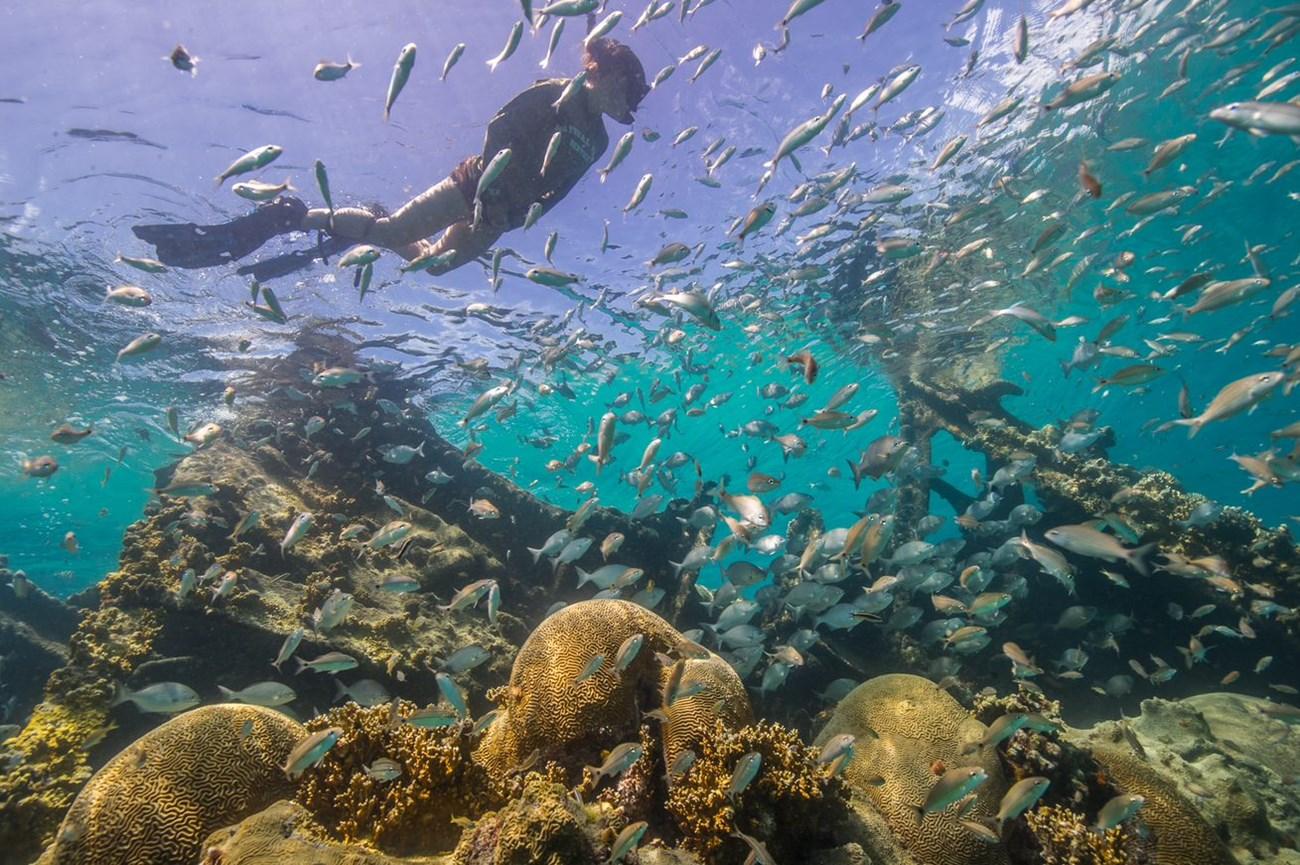 Thulusdhoo
, Maldives combines world-class surfing at Cokes with local island life, lagoon excursions, Maldivian food, guesthouses and quiet tropical beaches.
42 min drive · 22 km from city centre
-

-


Swipe for more cities
Explore more

Explore more of Maldives
Experience the unparalleled beauty of the Maldives, where pristine beaches, luxurious resorts, and vibrant marine life create the perfect tropical getaway.
Explore Maldives