

Free Sahel Travel Guide & Mobile App
Explore Sahel with free travel guides. Discover regional history, expert tips, proposed trips, and audio guides on web or mobile app.


Explore Mali’s Sahel through Niger River landscapes, earthen cities, Islamic scholarship and seasonal cultures, subject to strict security advice.
Read more about Sahel
When is the best time to visit Sahel?
Best: November–January · 30–32°C| Month | High (°C) | Rainfall (mm) |
|---|---|---|
| January (best) | 30 | 0 |
| February | 32 | 0 |
| March | 37 | 1 |
| April | 40 | 3 |
| May | 42 | 5 |
| June | 40 | 13 |
| July | 38 | 22 |
| August | 37 | 19 |
| September | 37 | 14 |
| October | 36 | 6 |
| November (best) | 32 | 1 |
| December (best) | 31 | 0 |
Getting to and around Sahel
How to get there
Transportation
Best attractions in Sahel
The Malian Sahel’s principal attractions are its river landscapes, historic earthen towns and evidence of long-distance intellectual and commercial exchange. Around the inland Niger Delta, the waterways and seasonal floodplains explain the region’s fishing, rice-growing and pastoral economies, although visits by boat require current safety and water-level advice. Mopti’s riverfront setting and traditional trading history are culturally important, while Ségou offers a more southerly view of Niger valley settlement and Bambara heritage. Djenné is renowned for its compact mud-brick town and Great Mosque, though access and conservation arrangements must be checked before travel. Timbuktu, on the northern edge of the Sahel, is associated with historic mosques, manuscript collections and trans-Saharan scholarship, but the security situation is exceptionally serious. Archaeological landscapes near Djenné, historic market towns and traditional craft activity add depth to the region’s heritage. Outdoor experiences such as walking, river travel or visits to rural communities should never be arranged independently. In present conditions, the availability of an attraction matters less than whether a journey can be undertaken lawfully and safely, with appropriate local authority, security and conservation guidance.
-
Museum
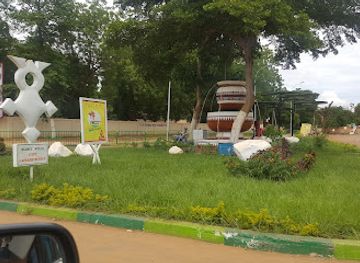
Museum of the Sahel
Discover the heart of Sahelian culture at the Museum of the Sahel in Gao, where history and heritage come alive through captivating exhibits.
Best landmarks in Sahel
The Great Mosque of Djenné is the most recognisable architectural landmark associated with Mali’s Sahelian river towns. Built in the distinctive Sudano-Sahelian earthen style and maintained through periodic replastering, it expresses both Islamic history and the collective responsibilities of a floodplain community. Djenné’s surrounding historic town, with narrow lanes and mud-brick compounds, is significant as an urban landscape rather than only as a single monument. Timbuktu’s historic mosques, including Djinguereber, Sankore and Sidi Yahya, represent the city’s role in Islamic education and trans-Saharan exchange, although access and conservation conditions are highly uncertain. Along the Niger, the river itself is a geographical landmark: its channels, floodplains and seasonal islands have supported settlement and transport for centuries. Mopti’s position at the meeting of river routes and commercial districts illustrates the relationship between water and trade. These landmarks are culturally important but should be approached only in accordance with current security advice and local access arrangements.
-
National park
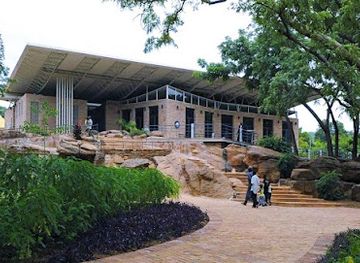
Mali National Park.
Discover Bamako's green heart: Mali National Park offers nature trails, diverse flora, and family-friendly activities in a revitalizing urban oasis.
-
Zoo
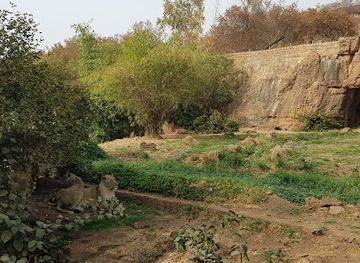
ZOO NATIONAL DU MALI
Discover diverse African wildlife at Bamako's ZOO NATIONAL DU MALI, a family-friendly destination promoting conservation and education.
-
National museum
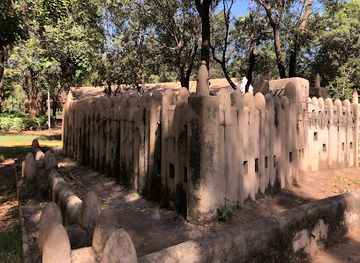
National Museum
Discover Mali's rich cultural heritage at the National Museum in Bamako, showcasing art, history, and traditions of its diverse ethnic groups.
-
 Hotel
HotelHotel Le Baobab
A serene Bamako hotel featuring a lush baobab garden, comfortable rooms, and exceptional hospitality.
Explore Sahel on the map
Plan your trip on one map. See where the top cities, national parks and sights are, and book hotels and experiences in a few clicks.
Best hotels in Sahel
Best restaurants in Sahel
Food in Mali’s Sahel is shaped by the Niger, seasonal agriculture and pastoral life. Rice, millet and sorghum form the basis of many meals, accompanied by fish from the river and delta, okra, beans, vegetables or sauces made with peanuts and other locally available ingredients. In river towns, grilled or stewed fish is an important part of the culinary character, while rural food varies according to harvests, livestock and access to markets. Street stalls and modest local eateries may serve rice dishes, millet preparations, broths and fried snacks, whereas larger towns offer a wider range of West African and French-influenced cooking. Sweet mint tea is widely associated with hospitality, although customs differ between communities. Travellers should use established restaurants or accommodation kitchens, take care with drinking water and food hygiene, and carry provisions where movement beyond major settlements is authorised, since supply chains and opening arrangements can be disrupted.
-
Restaurant
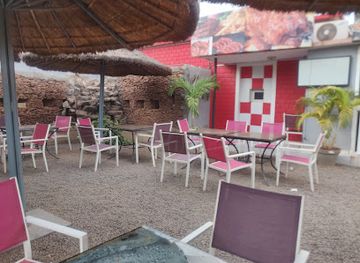
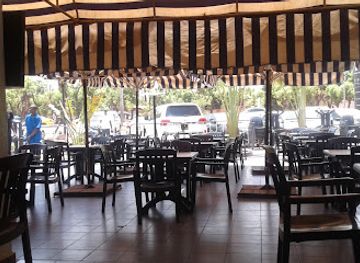
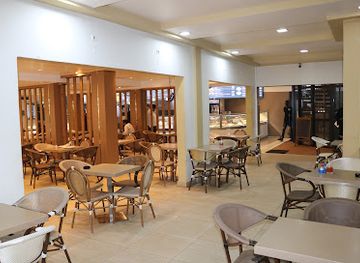
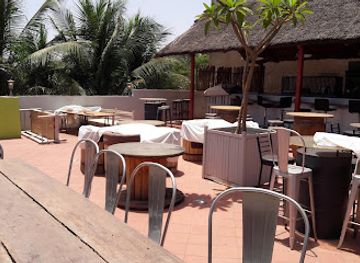
N'ice Cream.
Discover N'ice Cream in Bamako: A delightful blend of ice cream, pastries, and Italian cuisine awaits you in this charming eatery.
-
Restaurant
Amandine by Sel & Miel
Experience the finest French pastries at Amandine by Sel & Miel in Bamako – where tradition meets local flavor.
-
Restaurant
Relax
Experience authentic Malian cuisine at Relax in Bamako - where every meal is a celebration of flavors.
-
Restaurant
Bamako Kitchen
Experience authentic Malian cuisine at Bamako Kitchen - a vibrant restaurant in Bamako showcasing local flavors and traditional dishes.
Best bars in Sahel
Nightlife in Mali’s Sahel is limited and should not be treated as a central travel activity, particularly under current security conditions. In larger towns such as Ségou or Mopti, evening social life has traditionally centred on family compounds, tea gatherings, restaurants, modest cafés and occasional live music rather than a large club circuit. Some hotels and urban venues may serve drinks, but availability, opening arrangements and security can change without notice. In smaller settlements, evenings are generally shaped by community life, market activity and hospitality rather than dedicated nightlife venues. Visitors should avoid walking after dark, keep transport arranged in advance and follow local security guidance. Alcohol is not an assumed part of social life, and behaviour around mosques, religious schools and conservative communities should remain discreet and respectful.
-
Restaurant
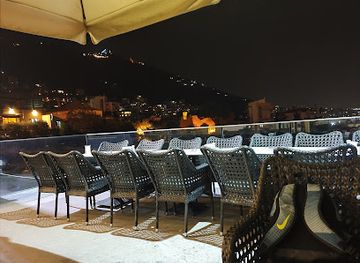
Al Saniour Sea View
Experience authentic Lebanese cuisine with breathtaking views at Al Saniour Sea View in Sahel Aalma, Lebanon.
-
Zoo
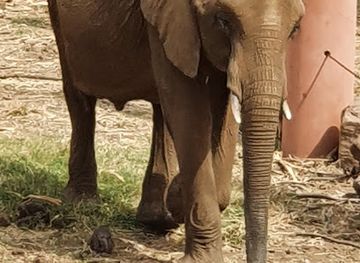
ZOO NATIONAL DU MALI
Explore the vibrant wildlife and conservation efforts at Zoo National du Mali in the heart of Bamako, a must-visit for nature lovers and families.
-
Restaurant
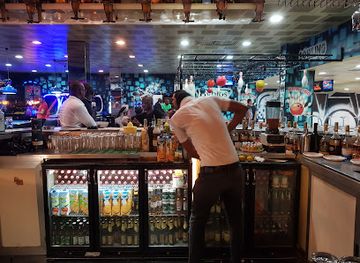
Le Byblos
Experience the vibrant blend of Lebanese cuisine, bowling, and nightlife at Le Byblos in Bamako, the ultimate destination for fun and flavor.
-
Restaurant
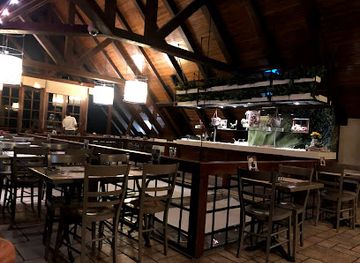
SHTRUMPF SALAD BAR AND GRILL
Discover the fresh flavors of SHTRUMPF Salad Bar and Grill in Jounieh, Lebanon, where healthy eating meets delicious culinary creativity.
Best nightclubs in Sahel
Nightlife in Mali’s Sahel is limited and should not be treated as a central travel activity, particularly under current security conditions. In larger towns such as Ségou or Mopti, evening social life has traditionally centred on family compounds, tea gatherings, restaurants, modest cafés and occasional live music rather than a large club circuit. Some hotels and urban venues may serve drinks, but availability, opening arrangements and security can change without notice. In smaller settlements, evenings are generally shaped by community life, market activity and hospitality rather than dedicated nightlife venues. Visitors should avoid walking after dark, keep transport arranged in advance and follow local security guidance. Alcohol is not an assumed part of social life, and behaviour around mosques, religious schools and conservative communities should remain discreet and respectful.
-
Disco club
Le Byblos
Experience the vibrant nightlife at Le Byblos in Bamako, where dining, dancing, and fun come together in an unforgettable atmosphere.
-
Night club
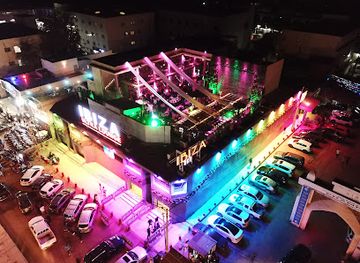
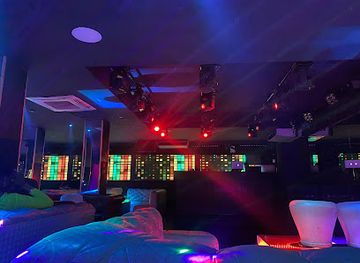
IBIZA CLUB
Immerse yourself in the vibrant nightlife of Bamako at Ibiza Club, where electrifying music and an energetic atmosphere await.
-
Night club
Éclipse
Experience Bamako's vibrant nightlife at Éclipse, a premier night club with electrifying music and an energetic atmosphere.
-
Night club
Chicago Night Club
Discover the electrifying nightlife at Chicago Night Club, Bamako's favorite destination for music, dancing, and unforgettable experiences.


Best shops in Sahel
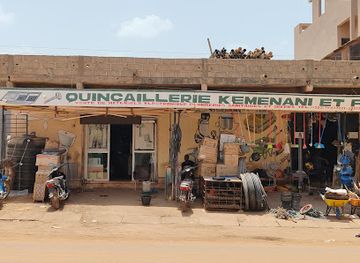
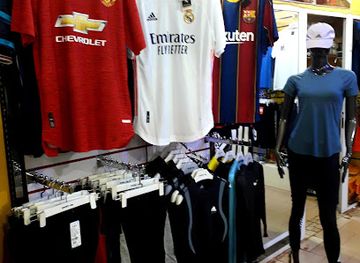
Shopping in Mali’s Sahel has traditionally focused on markets that connect farmers, fishers, herders and long-distance traders. Ségou, Mopti and Djenné have been associated with grain, rice, fish, livestock, textiles, leather goods, household wares and locally made crafts, although market activity and access can vary sharply with security conditions. Useful regional purchases may include woven textiles, baskets, leatherwork, carved objects and food products, but buyers should ask about provenance and avoid antiquities or archaeological material. Manuscripts and historic objects require particular caution: do not purchase items without clear legal documentation, and never remove cultural property illicitly. In larger towns, independent stalls and market streets are more characteristic than modern shopping centres. Bargaining may be customary, but it should remain courteous and proportionate. Visitors should carry discreet cash, avoid displaying valuables and confirm that markets are open and safe before setting out.
-
Grocery store
Shopreate Libre Service
Discover the vibrant flavors of Bamako at Shopreate Libre Service, your one-stop destination for groceries, baked goods, and local delicacies.
-
Shopping mall
CHINA MALL HOLDING
Explore the vibrant shopping scene at China Mall Holding in Bamako, where local culture meets diverse retail experiences.
-
Market
Fatima Center
Explore the vibrant Fatima Center Market in Bamako, where local culture, crafts, and cuisine come together in a lively atmosphere.
-
Shopping mall
Hamdallaye ACI 2000
Explore the vibrant shops and local cuisine at Hamdallaye ACI 2000, a central hub in Bamako offering a taste of Malian culture.


Get your free copy of our complete guide to Sahel, delivered straight to you.
Everything on this page, from attractions and restaurants to essentials and local phrases, in one PDF you can read offline, print or share.
Already have an account? Sign in
Your Sahel guide is ready.
We'll send it to · Not you? Sign out

Getting your guide ready…
We are putting together a fresh copy of the Sahel guide. This can take up to a minute.
This can take a few moments. If your browser asks, choose Allow so the download can start. You'll find the guide in your Downloads folder.
Nothing happened? Download it again
Sorry, the guide is taking longer than usual. Please try again in a minute, or get it by email instead.
Sahel essentials
Currency and Payment
Safety
Emergency Situations
Do's and Don'ts
Local Tips
From Eve
Local phrases worth knowing
You don't need to get them perfect. A few words go a long way, and locals appreciate the effort.
Basics
| English | Local | Say it |
|---|---|---|
| Hello | Sannu | [sahn-noo] |
| Goodbye | Sai an jima | [sai ahn jee-mah] |
| Yes | I | [ee] |
| No | A'a | [ah-ah] |
| Please/You're welcome | Don Allah | [dawn ah-lah] |
| Thank you | Na gode | [nah goh-day] |
| Excuse me/Sorry | Yi hakuri | [yee hah-koo-ree] |
| How are you? | Lafiya lau? | [lah-fee-yah lah-oo] |
| Fine. And you? | Lafiya. Kai fa? | [lah-fee-yah. kah-ee fah?] |
| Do you speak English? | Kana jin turanci? | [kah-nah jeen too-rah-nchee] |
| I don't understand | Ban gane ba | [bahn gah-neh bah] |
Eating & Drinking
| English | Local | Say it |
|---|---|---|
| I'd like to see the menu, please | Zan so in gani menu, don Allah | [zahn soh een gah-nee men-oo, dawn ah-lah] |
| I don't eat meat | Ban ci nama | [bahn chee nah-mah] |
| Cheers! | Lafiya! | [lah-fee-yah] |
| I would like to pay, please | Zan so in biya, don Allah | [zahn soh een bee-yah, dawn ah-lah] |
Emergencies
| English | Local | Say it |
|---|---|---|
| Help! | Taimako! | [tie-mah-koh] |
| Go away! | Tafi! | [tah-fee] |
| Call the Police! | Kira 'yan sanda! | [kee-rah yan sahn-dah] |
| Call a doctor! | Kira likita! | [kee-rah lee-kee-tah] |
| I'm lost | Na bata hanya | [nah bah-tah hahn-yah] |
| I'm ill | Ina da ciwo | [ee-nah dah chee-woh] |
Shopping
| English | Local | Say it |
|---|---|---|
| I'd like to buy... | Zan so in saya... | [zahn soh een sah-yah] |
| I'm just looking | Ina kallon ne | [ee-nah kah-lon nay] |
| How much is it? | Nawa ne? | [nah-wah nay?] |
| That's too expensive | Wannan yana da tsada | [wahn-nahn yah-nah dah tsah-dah] |
| Can you lower the price? | Za ka iya rage farashin? | [zah kah ee-yah rah-geh fah-rah-sheen?] |
Time & Numbers
| English | Local | Say it |
|---|---|---|
| What time is it? | Wane lokaci ne? | [wah-neh loh-kah-chee nay?] |
| It's one o'clock | Karfe daya | [kahr-feh dah-yah] |
| Half past (10) | Rabi (10) | [rah-bee] |
| Morning | Safiya | [sah-fee-yah] |
| Afternoon | Yammaci | [yahm-mah-chee] |
| Evening | Yamma | [yah-mah] |
| Yesterday | Jiya | [jee-yah] |
| Today | Yau | [yah-oo] |
| Tomorrow | Gobe | [goh-beh] |
| 1 | Daya | [dah-yah] |
| 2 | Biyu | [bee-yoo] |
| 3 | Ukku | [oo-koo] |
| 4 | Hudu | [hoo-doo] |
| 5 | Biyar | [bee-yahr] |
| 6 | Shida | [shee-dah] |
| 7 | Bakwai | [bah-kwhy] |
| 8 | Takwas | [tah-k-wahs] |
| 9 | Tara | [tah-rah] |
| 10 | Goma | [goh-mah] |
Transport & Directions
| English | Local | Say it |
|---|---|---|
| Where's a/the...? | Ina ...? | [ee-nah ...?] |
| What's the address? | Menene adireshin? | [meh-neh-neh ah-dee-reh-sheen?] |
| Can you show me (on the map)? | Za ka iya nuna mini (a taswirar)? | [zah kah ee-yah noo-nah mee-nee (ah tah-swee-rah)?] |
| When's the next (bus)? | Yaushe za a kawo (baki)? | [yah-oo-sheh zah ah kah-woh (bah-kee)?] |
| A ticket (to ....) | Tikit (zuwa ...) | [tee-kit (zoo-wah ...)] |
History of Sahel
Early Sahelian settlement and the Niger floodplain
People have adapted to the alternating flood and dry seasons of Mali’s middle Niger valley for thousands of years. Archaeological evidence from the inland delta shows the development of fishing, farming, herding and settled communities in a landscape where access to water determined movement and production. Rice cultivation, cattle keeping and fishing became closely linked to the annual rise and fall of the Niger and its distributaries. These environmental patterns helped create the economic foundations for later towns, even though settlement was repeatedly reshaped by changing river channels, rainfall and political control.
Jenne-jeno and early urban networks
The ancient settlement of Jenne-jeno, near modern Djenné, was one of the earliest major urban centres in West Africa. Flourishing from the first millennium BCE and expanding over subsequent centuries, it formed part of a network of settlements connected to local production and long-distance exchange. Its importance did not depend on monumental stone buildings; instead, clusters of mud-brick compounds, craft activity and commercial links supported a complex urban society. The site demonstrates that large-scale urban life in the western Sahel developed before the arrival of later Islamic empires.
Ghana and Mali: the rise of Sahelian empires
The Ghana Empire and, from the thirteenth century, the Mali Empire drew strength from control of trade routes, agricultural zones and access to gold-producing regions farther south. Mali’s rulers governed a broad territory rather than a uniform cultural area, linking riverine towns, farming communities, pastoral groups and desert traders. The Niger valley became an important corridor for commerce in gold, salt, textiles and foodstuffs. Mansa Musa’s pilgrimage to Mecca in the fourteenth century publicised Mali’s wealth abroad and helped strengthen the empire’s Islamic and commercial connections.
Songhai power and the commercial cities of the Niger
From the fifteenth century, the Songhai Empire became the dominant power along much of the middle and upper Niger. Under rulers including Sunni Ali and Askia Muhammad, its authority extended across important river towns and trade routes. Timbuktu and neighbouring centres prospered as marketplaces and places of Islamic learning, while Djenné remained an important commercial town connected to the floodplain and southern production zones. Songhai administration relied on a mixture of imperial authority, local elites and control of transport and taxation rather than cultural uniformity.
Islamic scholarship and Timbuktu’s manuscript tradition
Between the fifteenth and seventeenth centuries, Timbuktu developed a reputation as a major centre of Islamic scholarship. Mosques and private scholarly households supported teaching in law, theology, grammar, astronomy and other disciplines, while handwritten manuscripts circulated among learned families and merchants. The city’s influence extended beyond its physical size because knowledge, pilgrimage and trade connected it to North Africa and other parts of West Africa. Manuscripts and historic mosques remain important reminders of this intellectual history, although their preservation has been threatened by neglect, environmental conditions and conflict.
Moroccan conquest and changing trade routes
In 1591, a Moroccan army defeated the Songhai forces at the Battle of Tondibi, near Gao, and the Sahelian political order changed significantly. Moroccan-appointed rulers governed from Timbuktu and other centres, but their control was uneven and gradually weakened. Trade continued, yet political fragmentation and shifts in commercial routes reduced the influence of some historic cities. The episode illustrates how the region’s prosperity depended on the balance between river agriculture, desert commerce, military power and distant political networks.
French conquest and colonial reorganisation
French forces incorporated the territory that became French Sudan into the colonial system during the late nineteenth and early twentieth centuries. Colonial rule reorganised taxation, labour, administration and transport, while mapping and governing communities according to structures that often differed from local political and social arrangements. The Niger River continued to support agriculture and movement, but economic priorities were increasingly linked to colonial markets. The legacy of this period can be seen in administrative boundaries, official languages, infrastructure and the political geography inherited by independent Mali in 1960.
Independence, drought and contemporary insecurity
Since independence, the Sahelian parts of Mali have faced the combined pressures of population growth, variable rainfall, drought, competition over land and water, and uneven access to public services. Severe droughts in the 1970s and 1980s caused major loss of livestock and food insecurity, while later conflict affected northern and central regions. Armed groups, communal tensions and disrupted governance have made travel hazardous and placed historic sites and local livelihoods under strain. The contemporary Sahel is therefore shaped by both deep resilience and serious humanitarian and security challenges.
Sahel in Photos
Browse through our photo collection highlighting the charm and character of the destination.
Neighbouring regions of Sahel
The closest regions to Sahel, if you have time for more than one.
-

-

-

-

-


Swipe for more regions
Explore more

Explore more of Mali
Discover Mali: A blend of ancient history, vibrant cultures, and breathtaking landscapes awaits you in this West African gem.
Explore Mali