

Free Kayes Region Travel Guide & Mobile App
Explore Kayes Region with free travel guides. Discover regional history, expert tips, proposed trips, and audio guides on web or mobile app.


Kayes Region reveals Mali’s western rivers, Sahelian landscapes, historic Médine and diverse Soninké and Khassonké cultural traditions.
Read more about Kayes Region
When is the best time to visit Kayes Region?
Best: November–January · 30–33°C| Month | High (°C) | Rainfall (mm) |
|---|---|---|
| January (best) | 30 | 0 |
| February | 33 | 1 |
| March | 37 | 1 |
| April | 40 | 5 |
| May | 41 | 18 |
| June | 38 | 58 |
| July | 34 | 159 |
| August | 34 | 218 |
| September | 35 | 102 |
| October | 35 | 13 |
| November (best) | 33 | 1 |
| December (best) | 30 | 0 |
Getting to and around Kayes Region
How to get there
Transportation
Top city travel guides in Kayes Region
The cities of Kayes Region, and the easiest places to base yourself.

Swipe for more cities
Destinations in Kayes Region
Resorts, valleys and scenic spots worth a trip of their own.

Swipe for more destinations
Best attractions in Kayes Region
Kayes Region’s attractions are primarily historical, geographical and cultural rather than highly developed resort facilities. Around Kayes, the Senegal River, Félou Falls and the historic settlement of Médine provide a concentrated introduction to the region’s landscapes and colonial-era history. Gouina Falls, farther along the river, is a major natural feature, though access should be assessed locally because roads and security conditions are changeable. Bafoulabé offers a setting shaped by the meeting of the Bafing and Bakoy rivers, while the Manantali area reflects the scale and consequences of modern water infrastructure in the upper Senegal basin. Kita, at the foot of Mount Kita, has religious and cultural importance and a markedly different physical character from the Sahelian north. Markets, river communities, old railway environments and seasonal agricultural areas add texture to a journey, but visitor facilities are limited and distances are substantial. This is a region for carefully arranged cultural, historical and landscape travel, not an itinerary built around frequent independent excursions.
-
Waterfall
Gouina Falls
Discover the breathtaking Gouina Falls in Mali, a stunning natural wonder that mesmerizes with its wide cascade and serene surroundings, perfect for nature lovers.
-
Amusement center
K-PARC
Experience the thrill of K-PARC in Kayes, where fun and excitement await for visitors of all ages with rides, games, and entertainment.
-
 Waterfall
Félou Falls
Explore Férou Falls in Mali, where nature's beauty meets adventure amidst stunning cascading waterfalls and lush landscapes.
-
Jain temple
Kaye
Discover the serene beauty and rich cultural heritage of Kaye, a captivating Jain temple in Mali that enriches the spiritual journey of every traveler.


Best landmarks in Kayes Region
The fort and historic settlement of Médine are among Kayes Region’s most important built landmarks, representing the strategic importance of the Senegal River and the conflicts that accompanied French expansion into the western Sudan. Near Kayes, the Senegal River’s passage over Félou Falls forms a natural landmark as well as a reminder of the river’s role in transport, settlement and power generation. Gouina Falls, set in a rugged stretch of the same river, is a larger geographical landmark whose approach requires careful local planning. Bafoulabé is associated with the confluence of the Bafing and Bakoy rivers, the point at which the Senegal River begins, and the surrounding landscape gives the town unusual geographical significance. In Kayes itself, railway-era buildings and infrastructure evoke the Dakar–Niger railway and the city’s former role as a colonial transport gateway. Mount Kita, rising above the town of Kita, is both a prominent natural feature and a place with enduring religious associations. These landmarks are widely dispersed and should not be approached without checking access, security and local conditions.
-
Heritage museum
Tower Of Africa
Discover Mali's heritage and celebrate African unity at Bamako's iconic Tower of Africa, offering art, history, and stunning city views.
-
National park
Mali National Park.
Discover Bamako's green heart: Explore trails, gardens, and culture in the refreshing Mali National Park, a revitalizing urban escape.
-
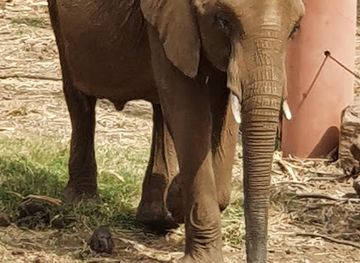
Zoo
ZOO NATIONAL DU MALI
Discover Mali's wildlife at the Zoo National du Mali, a family-friendly destination in Bamako promoting conservation and education.
-
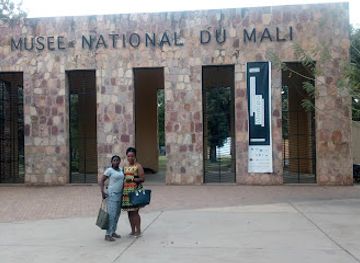
National museum
National Museum
Discover Mali's rich cultural heritage through art, history, and traditions at the National Museum in Bamako.

Explore Kayes Region on the map
Plan your trip on one map. See where the top cities, national parks and sights are, and book hotels and experiences in a few clicks.
Best hotels in Kayes Region
Best restaurants in Kayes Region
Dining in Kayes Region is generally informal, local and closely connected to household cooking, market supply and the agricultural seasons. Rice, millet, sorghum, couscous-style grain dishes, sauces, beans and grilled meats are common across Mali, while river communities may offer locally caught fish when supplies and conditions permit. Meals may include chicken, mutton or beef with onion, tomato, okra, baobab leaf or peanut-based sauces, alongside fresh fruit in season. In Kayes and larger towns, simple restaurants, tea stalls, cafés and hotel dining rooms provide the most predictable options; rural settlements have fewer formal establishments. Visitors may encounter regional variations in Soninké, Khassonké, Bambara and Fulani culinary traditions, although dishes are not always labelled by ethnic origin. Bottled water should be used when reliable treatment cannot be confirmed. Markets are useful for fruit, bread, grains and prepared snacks, but hygiene and refrigeration standards vary, so choose food that is freshly cooked and served hot.
-
Restaurant
Amandine by Sel & Miel
Experience the rich flavors of Mali at Amandine by Sel & Miel in Bamako – where traditional meets contemporary dining.
-
Restaurant
Alimentation Restaurant Siby
Discover authentic Malian cuisine at Alimentation Restaurant Siby in Bamako – a delightful dining experience awaits!
-
Restaurant
Resto Bafing
Experience authentic Malian flavors at Resto Bafing in Bamako – where every dish tells a story.
-
Restaurant
Appaloosa
Experience authentic Malian cuisine at Appaloosa in Bamako—a vibrant restaurant perfect for food lovers seeking local flavors.


Best bars in Kayes Region
Evening life in Kayes Region is restrained compared with Mali’s larger urban centres and generally centres on tea rooms, cafés, hotel compounds, family gatherings and informal conversation rather than a substantial nightclub circuit. Kayes has the broadest choice of places to sit after dark, while smaller towns such as Bafoulabé, Kita and Nioro du Sahel offer fewer formal venues. Alcohol is available in some licensed or hotel settings but is not central to regional social life, and visitors should respect local religious and cultural expectations. Live music, celebrations and community events may occur seasonally, but they should not be treated as permanent scheduled nightlife. Because security conditions and curfews can change, avoid moving around after dark unless transport and arrangements have been specifically authorised by trusted local contacts.
-
Bar
Class A
Discover the lively atmosphere of Class A Bar in Kita, where affordable drinks and vibrant nightlife await every visitor.
-
Lounge
Campus Bar
Experience the vibrant atmosphere of Campus Bar in Kayes, where locals and tourists gather for great drinks and memorable conversations.
-
Meat
DIBITERIE SANDARE chez cisse
Discover the savory flavors of Mali at Dibiterie Sandare chez Cisse, where grilled meats create an unforgettable dining experience.
-
Bar
Original bar
Experience the lively ambiance and local flavors at Original Bar, Kéniéba's top destination for nightlife and relaxation.


Best nightclubs in Kayes Region
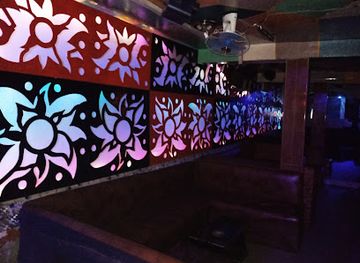
Evening life in Kayes Region is restrained compared with Mali’s larger urban centres and generally centres on tea rooms, cafés, hotel compounds, family gatherings and informal conversation rather than a substantial nightclub circuit. Kayes has the broadest choice of places to sit after dark, while smaller towns such as Bafoulabé, Kita and Nioro du Sahel offer fewer formal venues. Alcohol is available in some licensed or hotel settings but is not central to regional social life, and visitors should respect local religious and cultural expectations. Live music, celebrations and community events may occur seasonally, but they should not be treated as permanent scheduled nightlife. Because security conditions and curfews can change, avoid moving around after dark unless transport and arrangements have been specifically authorised by trusted local contacts.
-
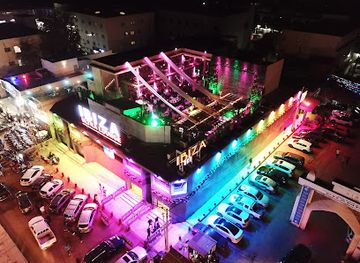
Night club
IBIZA CLUB
Experience the vibrant nightlife at Ibiza Club, Bamako's hotspot for music, dance, and unforgettable memories.
-
Bar
Class A
Dive into Kita's lively nightlife at Class A, a vibrant bar offering great drinks, music, and an unforgettable atmosphere for all visitors.
-
Lounge
Campus Bar
Discover the vibrant Campus Bar in Kayes, where relaxation meets socializing in a lively lounge atmosphere.
-
Night club
Éclipse
Discover the nightlife of Bamako at Éclipse, a vibrant night club where music and dance unite for an unforgettable experience.


Best shops in Kayes Region
Shopping in Kayes Region is concentrated in market streets, weekly markets, small provision shops and trading areas rather than large modern retail centres. Kayes, Kita, Bafoulabé and Nioro du Sahel serve as commercial hubs for surrounding communities, with stalls selling grains, livestock products, fruit, clothing, household goods and imported merchandise. Useful purchases may include locally produced woven textiles, leather goods, baskets, jewellery and small craft items, although quality and availability vary by town and season. Food markets offer millet, sorghum, rice, dried produce, peanuts and spices, while regional traders connect the area with Senegal, Mauritania and southern Mali. Bargaining is common in informal markets but should remain courteous and proportionate. Visitors should carry small denominations of CFA francs and avoid buying archaeological objects, old weapons or artefacts whose legal status and provenance cannot be established. Retail choice decreases sharply outside the main towns, so obtain essential supplies before leaving Kayes.
-
Cell phone store
Orange Mali Agence de Kayes
Discover Kayes' telecommunications hub at Orange Mali Agence de Kayes, where local culture meets modern connectivity.
-
Supermarket
Marché Nioro du Sahel
Experience the vibrant local culture and flavors at Marché Nioro du Sahel, a lively supermarket in Mali's heart.
-
Grocery store
Super marché kalanga
Experience the local flavors and vibrant culture at Super marché Kalanga in Yélimané, Mali, a must-visit grocery store for every traveler.
-
Shopping mall
Marche de Lambidou
Explore the lively Marche de Lambidou, a shopping mall in Mali where local culture, craftsmanship, and cuisine come together in a vibrant atmosphere.


Get your free copy of our complete guide to Kayes Region, delivered straight to you.
Everything on this page, from attractions and restaurants to essentials and local phrases, in one PDF you can read offline, print or share.
Already have an account? Sign in
Your Kayes Region guide is ready.
We'll send it to · Not you? Sign out

Getting your guide ready…
We are putting together a fresh copy of the Kayes Region guide. This can take up to a minute.
This can take a few moments. If your browser asks, choose Allow so the download can start. You'll find the guide in your Downloads folder.
Nothing happened? Download it again
Sorry, the guide is taking longer than usual. Please try again in a minute, or get it by email instead.
Kayes Region essentials
Currency and Payment
Safety
Emergency Situations
Do's and Don'ts
Local Tips
From Eve
Local phrases worth knowing
You don't need to get them perfect. A few words go a long way, and locals appreciate the effort.
Basics
| English | Local | Say it |
|---|---|---|
| Hello | Sannu | [sah-noo] |
| Goodbye | Sai anjima | [sai an-ji-ma] |
| Yes | Eh | [eh] |
| No | A'a | [ah-ah] |
| Please/You're welcome | Don Allah | [dawn ah-lah] |
| Thank you | Nagode | [nah-go-deh] |
| Excuse me/Sorry | Yi hakuri | [yee ha-koo-ree] |
| How are you? | Lafiya? | [lah-fee-yah] |
| Fine. And you? | Lafiya. Kuma ke? | [lah-fee-yah. koo-ma keh?] |
| Do you speak English? | Shin kuna jin turanci? | [sheen koo-nah jeen too-ran-chee?] |
| I don't understand | Ban fahimta | [ban fa-him-tah] |
Eating & Drinking
| English | Local | Say it |
|---|---|---|
| I'd like to see the menu, please | Ina so in ga menu, don Allah | [ee-nah soh in gah meh-noo, dawn ah-lah] |
| I don't eat meat | Ban ci nama | [ban chee nah-mah] |
| Cheers! | Barka da shan ruwa! | [bar-kah dah shan roo-wah!] |
| I would like to pay, please | Ina so in biya, don Allah | [ee-nah soh in bee-yah, dawn ah-lah] |
Emergencies
| English | Local | Say it |
|---|---|---|
| Help! | Taimako! | [tai-mah-koh!] |
| Go away! | Tafi! | [tah-fee!] |
| Call the Police! | Kira 'yan sanda! | [kee-rah yan sahn-dah!] |
| Call a doctor! | Kira likita! | [kee-rah lee-kee-tah!] |
| I'm lost | Na bata hanya | [nah bah-tah hahn-yah] |
| I'm ill | Ina jinya | [ee-nah jeen-yah] |
Shopping
| English | Local | Say it |
|---|---|---|
| I'd like to buy... | Ina so in sayi... | [ee-nah soh in sah-yee...] |
| I'm just looking | Ina kallo ne kawai | [ee-nah kah-loh neh kah-wah-ee] |
| How much is it? | Nawa ne? | [nah-wah neh?] |
| That's too expensive | Wannan ya yi tsada | [wahn-nahn yah yee tsah-dah] |
| Can you lower the price? | Za ka iya rage farashi? | [zah kah ee-yah rah-geh fah-rah-shee?] |
Time & Numbers
| English | Local | Say it |
|---|---|---|
| What time is it? | Wane lokaci ne? | [wah-neh loh-kah-chee neh?] |
| It's one o'clock | Karfe daya | [kar-feh dah-yah] |
| Half past (10) | Rabi (10) | [rah-bee (10)] |
| Morning | Safiya | [sah-fee-yah] |
| Afternoon | Yammaci | [yah-mah-chee] |
| Evening | Yamma | [yah-mah] |
| Yesterday | Jiya | [jee-yah] |
| Today | Yau | [yow] |
| Tomorrow | Gobe | [goh-beh] |
| 1 | Daya | [dah-yah] |
| 2 | Biyu | [bee-yoo] |
| 3 | Ukku | [ook-koo] |
| 4 | Hudu | [hoo-doo] |
| 5 | Biyar | [bee-yar] |
| 6 | Shida | [shee-dah] |
| 7 | Bakwai | [bah-kwah-ee] |
| 8 | Takwas | [tah-kwahs] |
| 9 | Tara | [tah-rah] |
| 10 | Goma | [goh-mah] |
Transport & Directions
| English | Local | Say it |
|---|---|---|
| Where's a/the...? | Ina ...? | [ee-nah ...?] |
| What's the address? | Menene adireshin? | [meh-neh-neh ah-dee-reh-sheen?] |
| Can you show me (on the map)? | Za ka iya nuna mini (a taswira)? | [zah kah ee-yah noo-nah mee-nee (ah tah-swee-rah)?] |
| When's the next (bus)? | Yaushe ne na gaba (busa)? | [yow-sheh neh nah gah-bah (boo-sah)?] |
| A ticket (to ....) | Tikit (zuwa ...) | [tee-kit (zoo-wah ...)] |
History of Kayes Region
Early Sahelian and Soninké Heritage
Western Mali formed part of the wider cultural and trading world associated with ancient Soninké states, including Wagadu, often known in European sources as the Ghana Empire. The region’s position between the Senegal River, the Sahel and routes towards the Sahara encouraged movement of gold, salt, livestock and grain. Much early history survives through archaeology, oral traditions and the continuing importance of Soninké languages and communities rather than through a single concentration of monumental ruins. River valleys, old settlement areas and market networks helped shape patterns of exchange that remained influential long after Wagadu declined.
The Mali Empire and Western Trade Routes
From the thirteenth century, the wider western Sudan was influenced by the Mali Empire, whose rulers controlled important commercial corridors and sources of wealth. Kayes Region lay within the broad sphere of these political and economic networks, linking riverine communities with routes towards the Senegal valley and the territories of present-day Senegal and Mauritania. Islam spread through merchants, scholars and ruling families, while existing social and agricultural practices continued. The region’s later prominence reflects this enduring geography of trade rather than its distance from the great capitals of the inland Niger basin.
Khasso and the Nineteenth-Century Western Sudan
The Khasso polity grew around the upper Senegal River and became one of the important political formations of the western Sudan. Khassonké communities, rulers and trading settlements played a significant role in regional diplomacy, agriculture and commerce. During the nineteenth century, the area was also affected by the expansion of the Toucouleur state led by El Hadj Umar Tall. These shifts brought warfare, changing alliances and the strengthening of Islamic political authority. The historical landscape around Kayes and Médine preserves the memory of this contested period.
Médine and French Colonial Expansion
Médine became a crucial site in the French advance inland from Senegal. Its fort and river position made it strategically important, and the settlement is associated with the 1857 siege during which French forces held out against the forces of El Hadj Umar Tall. The episode symbolised the rivalry between expanding French colonial power and established western Sudanese states. Afterward, French control gradually extended through military posts, administrative restructuring and new transport links. The fort at Médine remains one of the region’s clearest reminders of this formative period.
The Dakar–Niger Railway
Railway construction under French colonial rule connected the Senegalese coast with the inland territories of French West Africa. Kayes became an important early railway centre and a gateway between Dakar and the Niger basin. The line altered the movement of goods, soldiers and workers, while also encouraging migration and the growth of towns along its route. Railway labour was demanding and became part of the social history of the region. Although passenger services and infrastructure have not always operated reliably in recent decades, the railway’s embankments, stations and urban legacy remain significant to Kayes’s identity.
Independence and Regional Transformation
Mali became independent in 1960, and Kayes Region thereafter developed within the institutions of the modern Malian state. Roads, dams, schools, administrative centres and cross-border commerce reshaped the region, while long-standing migration links continued to connect western Mali with Senegal, Mauritania, France and other destinations. Projects on the Senegal and Bafing rivers supported regional ambitions in agriculture and electricity, though benefits and environmental effects have varied. Today, Kayes combines ancient trading geographies with contemporary mobility, rural livelihoods and the pressures of insecurity and climate variability.
Kayes Region in Photos
Browse through our photo collection highlighting the charm and character of the destination.
Neighbouring regions of Kayes Region
The closest regions to Kayes Region, if you have time for more than one.
-

-

-

-

-


Swipe for more regions
Explore more

Explore more of Mali
Discover Mali: A blend of ancient history, vibrant cultures, and breathtaking landscapes awaits you in this West African gem.
Explore Mali