

St Paul’s Catacombs, Bugibba Travel Guide
Free Guide: Discover Malta's early Christian heritage at St Paul's Catacombs in Rabat, an intriguing network of ancient Roman burial grounds.


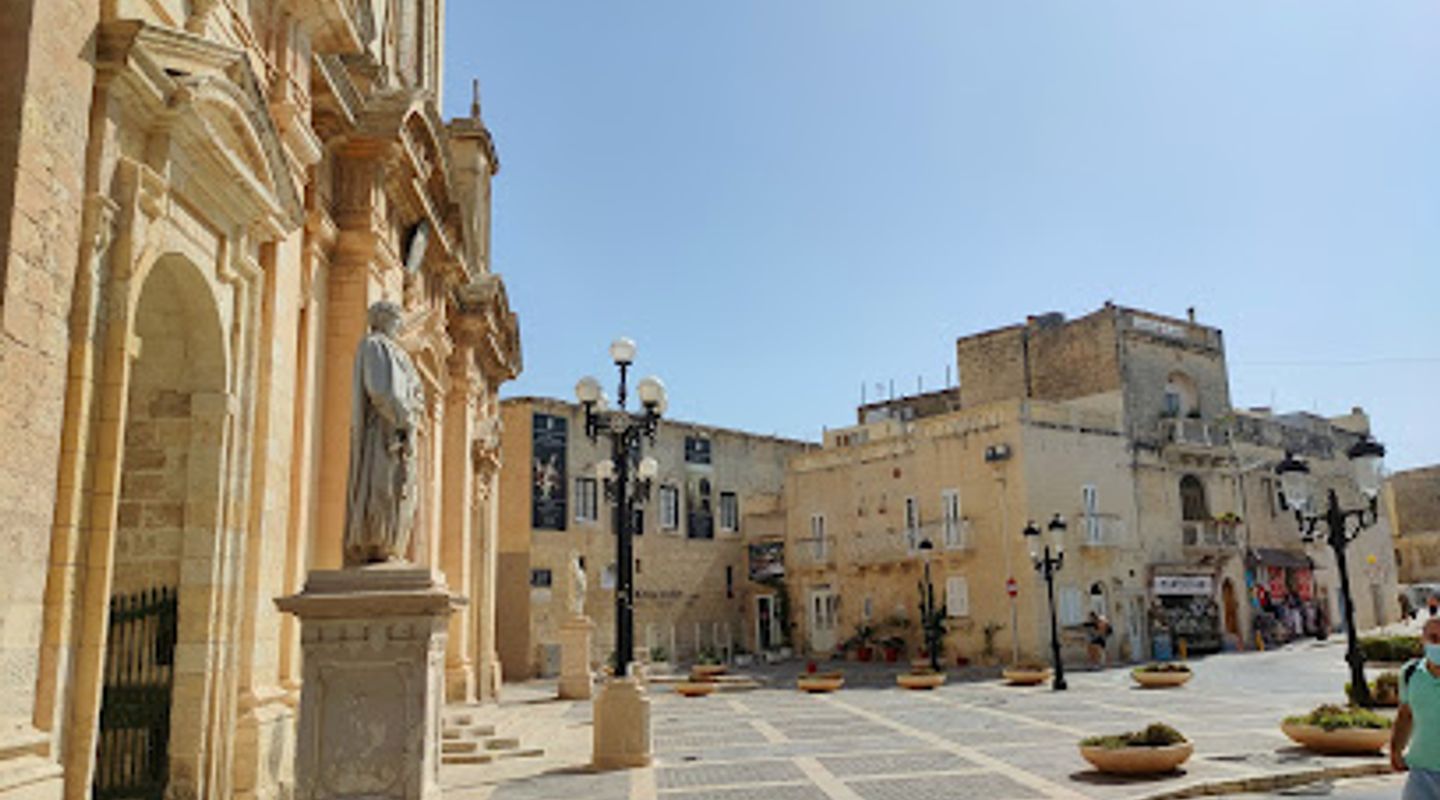
A brief summary of St Paul’s Catacombs
Discover Malta's early Christian heritage at St Paul's Catacombs in Rabat, an intriguing network of ancient Roman burial grounds.
Explore St Paul's Catacombs in Rabat, Malta, an extensive network of interconnected, underground Roman cemeteries dating back to the 3rd century AD. Serving as a burial ground for Punic, Roman, and Byzantine communities, these catacombs represent the earliest and largest archaeological evidence of Christianity on the island. Discover the unique architecture and burial practices of early Maltese Christians in this fascinating historical site.
Opening hours
- Every day10 am–6 pm
Opening hours as listed on the venue’s Google Business Profile. Hours can change for services and special events, so check with the venue before you go.
- Address
- Hal-Bajjada, Ir-Rabat
- Phone
- Website
Getting there
Public Transport
Walking
Driving
Discover more about St Paul’s Catacombs
Overview
St Paul's Catacombs, located in Rabat, Malta, offer a captivating journey into the island's early Christian history. These catacombs, dating back to the 3rd century AD, served as a burial ground for the ancient city of Melite, now Mdina and Rabat. The site is named for its proximity to St Paul's Church and the myth that it was connected to St Paul's Grotto, where the Apostle Paul is said to have sought refuge after being shipwrecked on Malta in 60 AD.The catacombs represent the largest and earliest archaeological evidence of Christianity in Malta, with interconnected passages and tombs covering over 2,000 square meters. Originally a cluster of small tombs from the Phoenician-Punic period, the hypogea were enlarged and connected to create the complex system used in the late Roman period. The catacombs were in use up to the 7th or 8th centuries AD.Visitors can explore the atmospheric labyrinth of rock-cut tombs, narrow stairs, and passages. The main complex features two large halls adorned with pillars resembling Doric columns. The site also contains unique architectural details such as 'agape tables,' circular stone tables used for commemorative meals in honor of the deceased. Although smaller than the catacombs of Rome, St Paul's Catacombs showcase Maltese underground architecture and indigenous development.During the Saracen period, the complex was likely looted and fell into disrepair. Part of the catacombs were reused during the re-Christianization of the island around the 13th century, with an open space re-cut and used as a Christian shrine decorated with murals. The site was cleared and investigated in 1894 by Dr A.A. Caruana, a pioneer of Christian-era archaeology in Malta. Today, visitors can explore over 20 of the underground chambers.
Evendo Review Centre
 Google
Guest reviews
Explore St Paul’s Catacombs on the map
A handpicked selection of must-see spots near St Paul’s Catacombs, mapped for you.
Get your free copy of our complete guide to St Paul’s Catacombs, delivered straight to you.
Everything on this page, from opening hours and how to get there to Eve’s tips and the best time to go, in one PDF you can read offline, print or share.
Already have an account? Sign in
Your St Paul’s Catacombs guide is ready.
We'll send it to · Not you? Sign out

Getting your guide ready…
We are putting together a fresh copy of the St Paul’s Catacombs guide. This can take up to a minute.
This can take a few moments. If your browser asks, choose Allow so the download can start. You'll find the guide in your Downloads folder.
Nothing happened? Download it again
Sorry, the guide is taking longer than usual. Please try again in a minute, or get it by email instead.
Unlock the best of St Paul’s Catacombs
Skip-the-line tickets, guided tours with entry, and walking tours of the area, booked in a few clicks.


Other nearby places you may find interesting
The closest places of the same kind, if this one is not quite what you had in mind.
-
-
-
-
-


Swipe for more places
More to explore near St Paul’s Catacombs

 Best experiences near St Paul’s Catacombs
 Best hotels near St Paul’s Catacombs
 Best landmarks near St Paul’s Catacombs
 Best attractions near St Paul’s Catacombs
 Best shops near St Paul’s Catacombs
 Best restaurants near St Paul’s Catacombs
 Best bars near St Paul’s Catacombs
Do you manage this location?
Take control to get all the benefits, like improved information, better appearance, and stronger visibility across AI-powered discovery.
Explore more
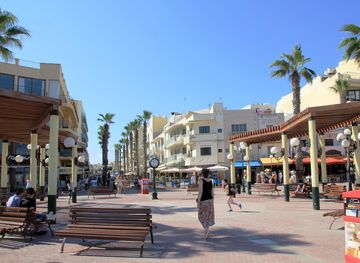
Explore more of Bugibba
Discover Bugibba, a lively seaside town in Malta with stunning coastal views, vibrant nightlife, and a rich blend of history, culture, and exciting water sports.
Explore Bugibba
Explore more of Malta
Discover Malta's crystal-clear waters, rich history, and vibrant culture. From ancient temples to modern nightlife, this Mediterranean gem offers something for everyone.
Explore Malta
