

Free Bugibba Travel Guide & Mobile App
Plan your Bugibba trip with Evendo. Get free guides to top attractions, restaurants, hotels, and bars. Web access or download the mobile app.


Bugibba, Malta combines a lively seaside promenade, swimming bays, Maltese food, boat trips and easy access to St Paul's Bay and Qawra for island holidays.
Seaside Setting
Bugibba occupies Malta’s north-western coast within the wider locality of St Paul’s Bay, facing the open Mediterranean across a shoreline shaped by rocky platforms, small bathing inlets and a long pedestrian promenade. The resort is linked closely with Qawra and the older settlement of St Paul’s Bay, creating a continuously developed coastal area where visitors can walk between waterfront cafés, swimming spots, hotels and casual restaurants. Bugibba’s appeal lies less in monumental architecture than in its accessible seaside atmosphere and practical position for exploring northern Malta.Read more about Bugibba
Waterfront Life
Gateway to Northern Malta
When is the best time to visit Bugibba?
Best: April–June · 21–30°C| Month | High (°C) | Rainfall (mm) |
|---|---|---|
| January | 18 | 85 |
| February | 18 | 60 |
| March | 19 | 45 |
| April (best) | 21 | 25 |
| May (best) | 25 | 15 |
| June (best) | 30 | 10 |
| July | 32 | 10 |
| August | 34 | 15 |
| September | 32 | 35 |
| October | 28 | 70 |
| November | 23 | 90 |
| December | 20 | 100 |
Getting to and around Bugibba
How to get there
Transportation
Best attractions in Bugibba
Bugibba’s main attraction is its accessible Mediterranean waterfront, where a broad promenade links swimming platforms, harbour views, cafés and open-air places to pause beside the sea. Bugibba Square forms the resort’s social centre, while the adjoining shoreline towards Qawra offers longer walks and changing perspectives across St Paul’s Bay. The Malta National Aquarium, set on the Qawra side, explores Mediterranean and tropical marine life in a family-friendly setting, with the surrounding waterfront extending the visit outdoors. Nearby Salina Nature Reserve presents a quieter side of northern Malta, where salt pans, shallow wetlands and bird habitat replace the resort’s dense streets. In St Paul’s Bay, Wignacourt Tower provides historical context for the coast’s former defensive role. Boat excursions from the resort area can introduce visitors to Malta’s caves, bays and offshore waters, although these are organised maritime experiences rather than attractions contained within Bugibba itself.
-
Theme park
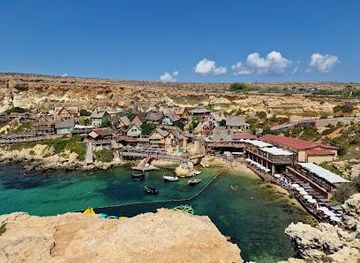
Popeye Village
Explore the whimsical Popeye Village in Mellieħa, Malta – a vibrant theme park filled with fun, adventure, and stunning coastal views.
19 min drive · 6.3 km from city centre
-
Aquarium
Malta National Aquarium
Explore the vibrant marine life at Malta National Aquarium, where conservation meets wonder in the heart of St. Paul's Bay.
17 min walk · 1.4 km from city centre
-
Beach
Golden Bay
Discover the beauty of Golden Bay in Mellieħa, Malta - a stunning beach known for its golden sands, clear waters, and vibrant sunsets.
19 min drive · 6.3 km from city centre
-
Catholic church
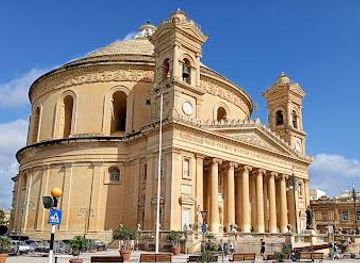
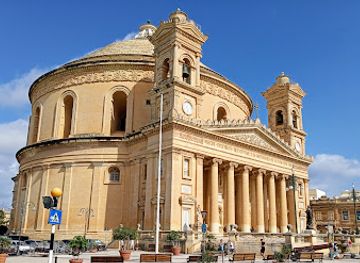
Mosta Rotunda
Explore the stunning Mosta Rotunda, an architectural marvel in Malta, known for its massive dome and rich historical significance in a serene setting.
14 min drive · 4.8 km from city centre


Best landmarks in Bugibba
Bugibba itself is shaped more by modern resort architecture than by a historic skyline, but several nearby landmarks explain the wider identity of St Paul’s Bay. Wignacourt Tower, built in 1610, is a substantial coastal watchtower associated with the defensive system established by the Order of St John and one of the clearest historical structures near the resort. The parish church dedicated to St Paul in St Paul’s Bay reflects the district’s enduring connection with the apostle’s traditional shipwreck on Malta, a story central to local religious identity. The Salina salt pans are a different kind of landmark: functional coastal works that record the former importance of salt production. Along the shore, Bugibba Square and the long promenade represent the twentieth-century transformation of open coastline into a major tourism district, while the limestone bathing platforms preserve the island’s characteristic geological setting.
-
Historical landmark
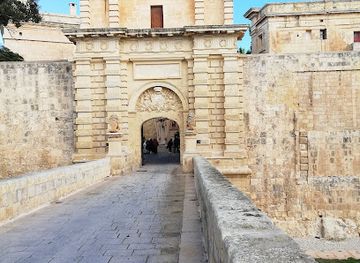
Mdina Gate
Enter Malta's ancient capital through this iconic Baroque gate, a filming location for Game of Thrones and a journey through history.
22 min drive · 7.4 km from city centre
-
Aquarium
Malta National Aquarium
Explore Malta's underwater world: Discover diverse marine life at the Malta National Aquarium in Qawra, a must-visit for all ages.
17 min walk · 1.4 km from city centre
-
Catholic church
Mosta Rotunda
Discover the architectural marvel of Mosta Rotunda, famed for its immense dome and wartime miracle, a symbol of Maltese resilience and faith.
14 min drive · 4.8 km from city centre
-
Archaeological museum
St Paul’s Catacombs
Discover Malta's early Christian heritage at St Paul's Catacombs in Rabat, an intriguing network of ancient Roman burial grounds.
24 min drive · 8.0 km from city centre
Explore Bugibba on the map
Plan your Bugibba trip on one map. See where the top attractions, landmarks, restaurants, bars and hotels are, find what's near where you're staying, and book hotels and experiences in a few clicks.
Best hotels in Bugibba
Best restaurants in Bugibba
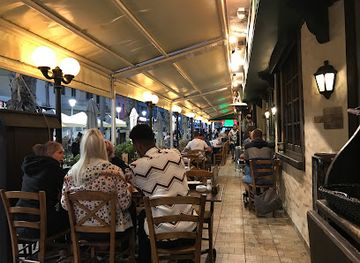
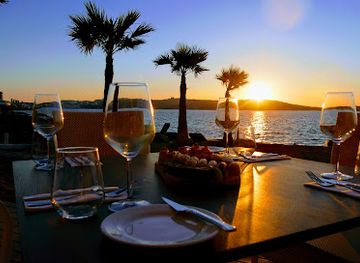
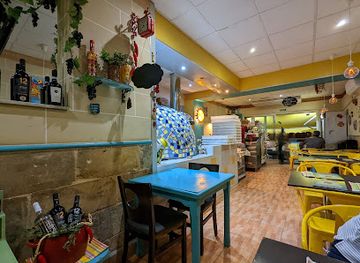
Bugibba’s dining scene reflects its role as an international seaside resort, with restaurants and cafés concentrated around Bugibba Square, the promenade and streets leading towards Qawra. Maltese dishes worth seeking include pastizzi, flaky pastries filled with ricotta or peas; ftira, a ring-shaped bread used in meals and snacks; rabbit prepared in traditional styles; and lampuki when the seasonal fish is available. Gozitan cheeselet, olives, capers and locally produced wine often appear alongside broader Mediterranean cooking. Waterfront establishments commonly serve seafood, pasta and casual plates, while bakeries and snack bars provide inexpensive daytime food. The area also has Indian, Chinese, Italian and other international options shaped by its overseas visitors and resident communities. Menus and standards vary, so traditional food is often best found by looking beyond the most overtly tourist-oriented terraces.
-
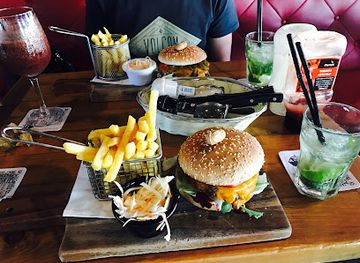
Gastropub
Cheeky Monkey Gastropub
Discover the vibrant flavors of Malta at Cheeky Monkey Gastropub - where delicious food meets lively atmosphere along Qawra's beautiful coast.
15 min walk · 1.2 km from city centre
-
Gastropub
Fat Harry's Pub
Discover the vibrant atmosphere and delicious cuisine at Fat Harry's Pub in St. Paul's Bay – a top gastropub experience awaits!
4 min walk · 0.3 km from city centre
-
Restaurant
Nine Lives Malta
Discover exquisite Mediterranean cuisine with stunning views at Nine Lives Malta in St. Paul's Bay – where every meal is a coastal adventure.
8 min walk · 0.7 km from city centre
-
Restaurant
Made in Sud
Experience the best of Maltese cuisine at Made in Sud - where tradition meets flavor in San Pawl il-Baħar.
3 min walk · 0.2 km from city centre
Best bars in Bugibba
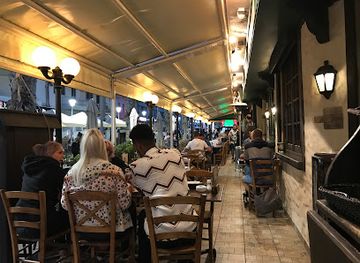
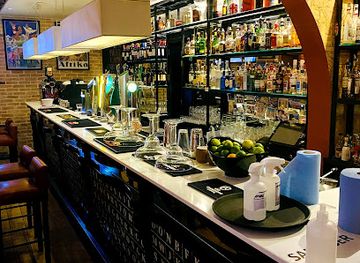
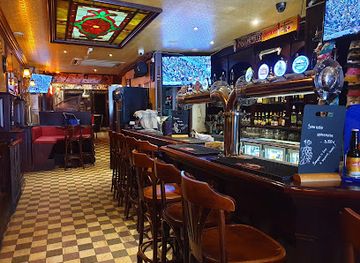
Bugibba’s evenings centre on its promenade, square and adjoining streets, where casual bars, hotel lounges, sports bars and live-entertainment venues create a sociable resort atmosphere. The nightlife is generally more relaxed and accessible than the concentrated club scene in Paceville, with many visitors moving between waterfront drinks, music and late meals rather than seeking large nightclubs. Some venues offer karaoke, televised sport or seasonal performances, while the open-air seafront remains a popular place for an evening walk. Qawra extends the choice of bars along the coast, and the nearby Malta National Aquarium area contributes to the broader entertainment zone. Visitors should remember that Bugibba also contains residential accommodation: considerate noise levels, attention to local licensing rules and care on uneven pavements are part of enjoying the area after dark.
-
Gastropub
Fat Harry's Pub
Discover the unique flavors and vibrant atmosphere at Fat Harry's Pub, a top gastropub in St. Paul's Bay, Malta, perfect for food lovers and social butterflies.
4 min walk · 0.3 km from city centre
-
Bar
Travellers Cafe Bar
Enjoy the vibrant atmosphere and delicious drinks at Travellers Cafe Bar in St. Paul's Bay, a must-visit for tourists seeking local flavor.
5 min walk · 0.4 km from city centre
-
Pub
O'Reilly's Pub
Experience the best of Bugibba at O'Reilly's Pub, where delicious food, cocktails, and sports come together in a vibrant atmosphere.
5 min walk · 0.4 km from city centre
-
Grill
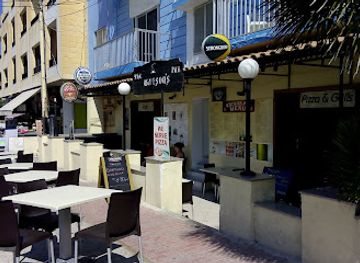
The Watson's Pub & Diner
Discover the vibrant flavors and lively atmosphere at The Watson's Pub & Diner, a top spot for grill lovers in St. Paul's Bay, Malta.
10 min walk · 0.8 km from city centre
Best nightclubs in Bugibba
Bugibba’s evenings centre on its promenade, square and adjoining streets, where casual bars, hotel lounges, sports bars and live-entertainment venues create a sociable resort atmosphere. The nightlife is generally more relaxed and accessible than the concentrated club scene in Paceville, with many visitors moving between waterfront drinks, music and late meals rather than seeking large nightclubs. Some venues offer karaoke, televised sport or seasonal performances, while the open-air seafront remains a popular place for an evening walk. Qawra extends the choice of bars along the coast, and the nearby Malta National Aquarium area contributes to the broader entertainment zone. Visitors should remember that Bugibba also contains residential accommodation: considerate noise levels, attention to local licensing rules and care on uneven pavements are part of enjoying the area after dark.
-
Lounge
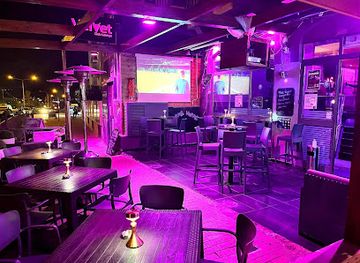
VELVET LOUNGE CLUB (SHISHA AND FOOD )
Discover the lively Velvet Lounge Club in St Paul's Bay, offering exquisite cocktails, shisha, and a vibrant atmosphere perfect for unforgettable nights.
6 min walk · 0.5 km from city centre
-
Bar
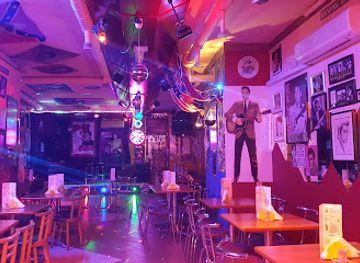
The Elvis Tribute Lounge
Immerse yourself in the electrifying world of Elvis at The Elvis Tribute Lounge, where music and memories come alive in St Paul's Bay.
13 min walk · 1.1 km from city centre
-
Night club
Miracles Lounge
Discover the energetic nightlife of Miracles Lounge in St. Paul's Bay, where great music and tasty drinks create unforgettable moments.
4 min walk · 0.3 km from city centre
-
Night club
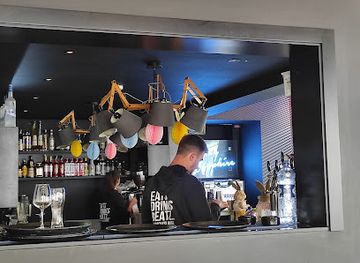
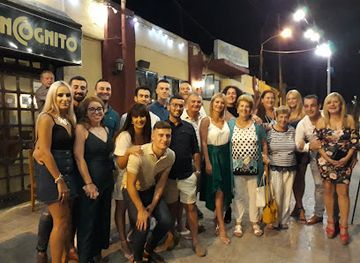
Incognito Terrace Bar and pub
Experience the vibrant nightlife of Malta at Incognito Terrace Bar and Pub, where dance, karaoke, and a lively atmosphere await.
11 min walk · 0.9 km from city centre
Best shops in Bugibba
Shopping in Bugibba is practical and visitor-oriented, concentrated around Bugibba Square, the promenade and the streets connecting the resort with Qawra. Small shops sell swimwear, beach equipment, clothing, postcards, jewellery, snacks and souvenirs, while supermarkets and convenience stores serve the many apartments and hotels in the area. Visitors looking for Maltese products can seek out locally made honey, wine, olive oil, capers, sweets, lace-inspired goods and decorative items, checking labels to distinguish island-made products from generic imports. The resort does not have the historic market character of Valletta or the artisan concentration of craft villages elsewhere in Malta, but its independent food shops and bakeries offer useful everyday discoveries. Salina and the surrounding coastal landscape also provide a reminder that the area’s older commercial traditions were connected to salt, farming and maritime resources rather than retail tourism.
-
Store
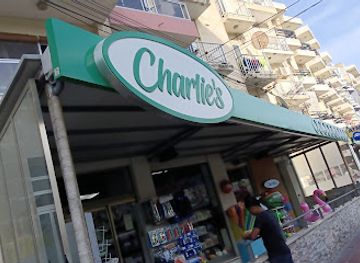
Charlie's Bugibba
Discover unique treasures and local crafts at Charlie's Bugibba, the must-visit store in the heart of Malta's vibrant Bugibba area.
5 min walk · 0.4 km from city centre
-
General store
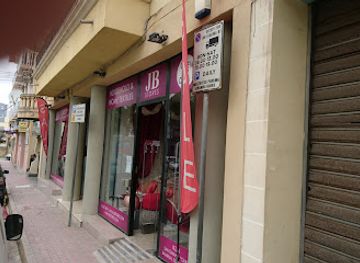
JB Stores St.Pauls Bay
Experience the charm of St. Paul's Bay shopping at JB Stores, where quality meets variety in a delightful general store setting.
7 min walk · 0.5 km from city centre
-
Home goods store
Tal-Lira Bugibba
Discover unique home goods and delightful souvenirs at Tal-Lira Bugibba, a charming store in St. Paul's Bay, Malta.
6 min walk · 0.5 km from city centre
-
Bazar
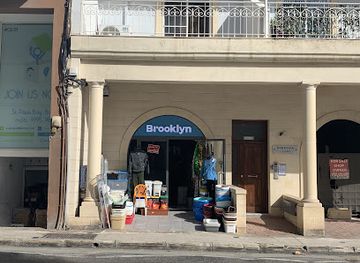
Brooklyn Bazaar
Experience the vibrant culture of Malta at Brooklyn Bazaar, a diverse marketplace for shopping, local treats, and unique finds.
8 min walk · 0.7 km from city centre
Get your free copy of our complete guide to Bugibba, delivered straight to you.
Everything on this page, from attractions and restaurants to essentials and local phrases, in one PDF you can read offline, print or share.
Already have an account? Sign in
Your Bugibba guide is ready.
We'll send it to · Not you? Sign out

Getting your guide ready…
We are putting together a fresh copy of the Bugibba guide. This can take up to a minute.
This can take a few moments. If your browser asks, choose Allow so the download can start. You'll find the guide in your Downloads folder.
Nothing happened? Download it again
Sorry, the guide is taking longer than usual. Please try again in a minute, or get it by email instead.
Bugibba essentials
Currency and Payment
Safety
Emergency Situations
Do's and Don'ts
Local Tips
From Eve
Local phrases worth knowing
You don't need to get them perfect. A few words go a long way, and locals appreciate the effort.
Basics
| English | Local | Say it |
|---|---|---|
| Hello | Bongu | [Bon-goo] |
| Goodbye | Ċaw | [Chow] |
| Yes | Iva | [Ee-va] |
| No | Le | [Lay] |
| Please/You're welcome | Grazzi | [Grat-see] |
| Thank you | Grazzi ħafna | [Grat-see haf-na] |
| Excuse me/Sorry | Skuzi | [Skoo-zee] |
| How are you? | Kif int? | [Kif eent?] |
| Fine. And you? | Tajjeb. U int? | [Ta-yeb. Oo eent?] |
| Do you speak English? | Titkellem bl-Ingliż? | [Tee-tell-em bl-Ing-leez?] |
| I don't understand | Ma nifhimx | [Ma neef-heemsh] |
Eating & Drinking
| English | Local | Say it |
|---|---|---|
| I'd like to see the menu, please | Nixtieq nara l-menù, jekk jogħġbok | [Nishteeq nara l-menoo, yekk yoj-bok] |
| I don't eat meat | Ma niekulx laħam | [Ma nee-koolsh la-ham] |
| Cheers! | Saħħa | [Sa-ha] |
| I would like to pay, please | Nixtieq nħallas, jekk jogħġbok | [Nishteeq nal-las, yekk yoj-bok] |
Emergencies
| English | Local | Say it |
|---|---|---|
| Help! | Għajni! | [Aah-nee!] |
| Go away! | Mur! | [Moor!] |
| Call the Police! | Ibgħatu l-Pulizija! | [Ib-gha-too l-Pool-ee-zee-ya!] |
| Call a doctor! | Ibgħatu tabib! | [Ib-gha-too ta-beeb!] |
| I'm lost | Għandi nqatel | [Aan-dee nqa-tel] |
| I'm ill | Għandi xi mard | [Aan-dee shee mard] |
Shopping
| English | Local | Say it |
|---|---|---|
| I'd like to buy... | Nixtieq inixtri... | [Nishteeq inis-tree...] |
| I'm just looking | Qed nara biss | [Ked nara beess] |
| How much is it? | Kemm huwa dan? | [Kemm hoo-wa dan?] |
| That's too expensive | Dan huwa wisq sħiħ | [Dan hoo-wa wees-k sah-heeh] |
| Can you lower the price? | Tista' tieħu l-prezz? | [Tistah tee-ehu l-prezz?] |
Time & Numbers
| English | Local | Say it |
|---|---|---|
| What time is it? | X'ħin huwa? | [Shin hoo-wa?] |
| It's one o'clock | Huwa l-ewwel siegħa | [Hoo-wa le-wel see-ee-gha] |
| Half past (10) | Noqs ta' għaxar | [Noks ta gha-shar] |
| Morning | Filgħodu | [Fil-od-oo] |
| Afternoon | Waranofsinhar | [War-a-no-sin-har] |
| Evening | Filgħaxija | [Fil-ax-ee-ya] |
| Yesterday | Ilbieraħ | [Il-bier-ah] |
| Today | Illum | [Il-lum] |
| Tomorrow | Għada | [Aada] |
| 1 | Wieħed | [Wee-hed] |
| 2 | Tnejn | [Tnayn] |
| 3 | Tlieta | [Tlee-ta] |
| 4 | Erba' | [Er-ba] |
| 5 | Ħamsa | [Hamsa] |
| 6 | Sitta | [Sit-ta] |
| 7 | Seb'a | [Seb-a] |
| 8 | Tminja | [Tmin-ya] |
| 9 | Disgħa | [Dis-a] |
| 10 | Għaxra | [Gha-shra] |
Transport & Directions
| English | Local | Say it |
|---|---|---|
| Where's a/the...? | Fejn hemm... | [Fayne hemm...] |
| What's the address? | X'inhu l-indirizz? | [Shin hoo l-in-di-reez?] |
| Can you show me (on the map)? | Tista' turini (fuq il-mappa)? | [Tistah too-ree-nee (fooq il-mappa)?] |
| When's the next (bus)? | Meta hu l-ohra li ġejja (il-linja tal-avveniment)? | [Meta hoo l-o-ra lee gay-ya (il-lin-ya tal-av-ven-ee-ment)?] |
| A ticket (to ....) | Biljett (għal ....) | [Bil-yett (al ....)] |
History of Bugibba
A Coastal Landscape Before the Resort
The area now occupied by Bugibba formed part of Malta’s broader north-eastern coastal landscape long before the modern resort appeared. Malta’s strategic position in the central Mediterranean brought successive prehistoric, Phoenician, Carthaginian, Roman and later Mediterranean communities to the islands, although Bugibba itself is not defined by a single surviving ancient urban centre. The surrounding St Paul’s Bay area contains evidence of earlier settlement and burial activity, reflecting the importance of sheltered coastal zones for movement, farming and maritime contact. The landscape’s limestone shore, shallow inlets and hinterland fields remained more significant than any formal town until the modern period, when roads, tourism and suburban development transformed the coast.
Paul’s Shipwreck and the Bay’s Name
St Paul’s Bay takes its name from the Christian tradition that the apostle Paul was shipwrecked on Malta in approximately AD 60, an event described in the Acts of the Apostles. The precise landing place is part of religious tradition rather than an archaeological certainty, but the story has shaped the identity of the whole bay and the island’s Christian heritage. It later influenced churches, statues and local place names across the surrounding settlements. Bugibba developed much later and does not represent the ancient harbour of the apostolic narrative; its connection is geographical, through its position on the same broad bay and within the modern locality of San Pawl il-Baħar, or St Paul’s Bay.
Hospitaller Coastal Defences
Under the Order of St John, Malta’s coastline was organised through watchtowers, fortified positions and communication systems designed to monitor maritime approaches. Wignacourt Tower, built in 1610 at St Paul’s Bay during the rule of Grand Master Alof de Wignacourt, belongs to this early seventeenth-century defensive programme. Its presence reflects the wider military landscape that surrounded the future resort: exposed shores were watched for corsair raids and enemy vessels, while inland communities supported agriculture and movement between fortified centres. The tower is now a tangible reminder that the bay’s earlier importance was strategic rather than recreational, and that Malta’s coastal settlements developed under constant military consideration.
Salt, Agriculture and Maritime Work
For centuries, the coast near Bugibba and Qawra was associated with small-scale agriculture, fishing, quarrying and the production of sea salt. The Salina salt pans, situated near the resort, used shallow basins cut into the coastal limestone to evaporate seawater. Salt-making depended on seasonal weather, careful maintenance and access to the shore, while nearby fields supplied food to local communities. These activities created a working landscape quite different from today’s line of hotels and promenades. Remnants of the salt pans and the surrounding wetland environment preserve part of that economic history, even though tourism and urban growth have become the defining forces of the modern coastline.
From Village Coast to Tourist Resort
Bugibba’s transformation accelerated during the twentieth century, particularly in the decades after the Second World War, as Malta’s roads improved and international tourism expanded. Hotels, apartments, restaurants and entertainment businesses spread along the previously open coastal terrain, while neighbouring Qawra developed in parallel. The resort’s growth was part of a national shift towards tourism as a major economic sector, bringing employment and new services but also replacing much of the traditional agricultural landscape. Bugibba Square, the seafront promenade and the dense commercial streets that surround them are products of this modern expansion rather than remnants of a medieval town.
Bugibba in Photos
Browse through our photo collection highlighting the charm and character of the destination.
Cities near Bugibba
The closest cities to Bugibba, if you have time for more than one stop.
-

-

-

-

-


Swipe for more cities
Explore more
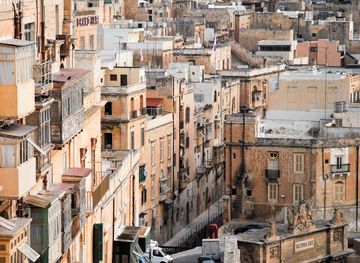
Explore more of Malta
Discover Malta's crystal-clear waters, rich history, and vibrant culture. From ancient temples to modern nightlife, this Mediterranean gem offers something for everyone.
Explore Malta