

Fells Point (Baltimore) Travel Guide - Free
Explore Fells Point in Baltimore with Evendo's free guide. Find the best shops, historic streets, restaurants, and gems on web or mobile.


Fells Point in Baltimore pairs cobbled streets, waterfront views, maritime history, shops, seafood restaurants, pubs, live music and late-night character.
Historic Waterfront Character
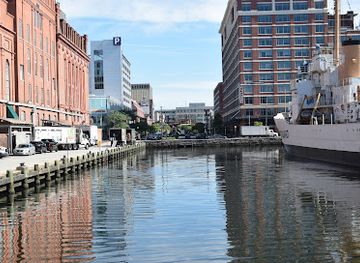
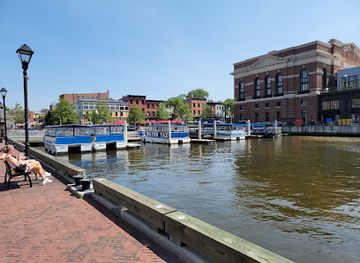
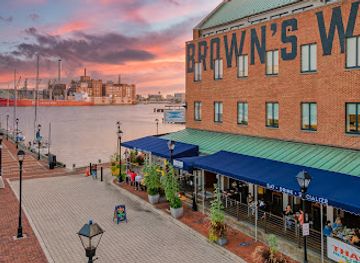
Fells Point occupies Baltimore’s eastern waterfront, where cobbled lanes, brick warehouses and narrow residential streets meet the harbour. The neighbourhood grew around shipbuilding and maritime commerce, and its connection with the water remains visible along Thames Street, the waterfront promenade and the working details of older commercial buildings. Founded by the Fell family in the eighteenth century, it retains one of Baltimore’s most recognisable concentrations of historic architecture, although the area is also an active residential and entertainment district rather than a preserved museum piece.Read more about Fells Point
Streets, Squares and the Harbour
Food, Music and Evening Life
Best attractions in Fells Point
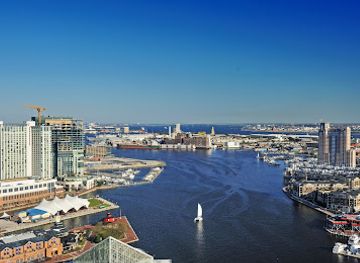
Fells Point’s principal attraction is the neighbourhood itself: a remarkably legible waterfront district of cobbled streets, brick warehouses, compact row houses and harbour views. Thames Street provides the most concentrated walk, linking restaurants, pubs and small shops with older buildings whose ground floors once served maritime commerce. Broadway Square offers a modest public space and a useful point for understanding the street grid, while the waterfront promenade opens views towards the harbour and surrounding Baltimore districts. At the Frederick Douglass-Isaac Myers Maritime Park, exhibits and preserved maritime features connect the local waterfront to shipbuilding, African American labour and the history of Chesapeake commerce. The Robert Long House, an early eighteenth-century urban dwelling, adds architectural depth near the neighbourhood’s quieter streets. Visitors can also explore the lanes around Aliceanna and Lancaster streets, where residential façades and converted commercial buildings show how Fells Point has changed without losing its close-grained historic form.
-
Aquarium
National Aquarium
Explore the captivating underwater world at the National Aquarium in Baltimore, where marine life and conservation come together for an unforgettable experience.
5 min drive · 1.6 km from neighbourhood centre
-
Observation deck
Top of the World Observation Level
Experience breathtaking views of Baltimore from the Top of the World Observation Level, a must-visit attraction for every traveler.
5 min drive · 1.7 km from neighbourhood centre
-
Historical landmark
Broadway Pier
Experience the vibrant atmosphere and rich history at Broadway Pier in Baltimore, a perfect blend of heritage and waterfront charm.
7 min walk · 0.5 km from neighbourhood centre
-
Tour operator
Baltimore Ghost Tours
Uncover the haunted history of Baltimore with thrilling ghost tours that reveal the city's eerie past and ghostly legends.
4 min walk · 0.4 km from neighbourhood centre
Best landmarks in Fells Point
Fells Point’s landmarks are closely tied to its waterfront history and unusually intact street pattern. The Frederick Douglass-Isaac Myers Maritime Park commemorates the African American shipbuilding tradition and honours Frederick Douglass and Isaac Myers, whose careers are connected to Black maritime history in Baltimore. The Robert Long House, dating from the eighteenth century, is a notable surviving example of early urban housing. Around Thames, Lancaster, Aliceanna and Fleet streets, brick warehouses, narrow row houses and former commercial buildings preserve the physical scale of a port neighbourhood shaped by trade and craft. Broadway Square provides a civic focus within the historic district, while the harbour edge recalls the wharves and shipyards that supported Fells Point’s early economy. These places matter less as isolated monuments than as parts of a continuous architectural setting in which homes, businesses and waterfront infrastructure developed together.
-
Historical landmark
Broadway Pier
Explore Broadway Pier in Baltimore: A historical landmark rich in maritime heritage, vibrant culture, and stunning waterfront views perfect for tourists.
7 min walk · 0.5 km from neighbourhood centre
-
Tour operator
Baltimore Ghost Tours
Explore the haunted streets of Baltimore with captivating ghost stories and rich historical tales on the Baltimore Ghost Tours.
4 min walk · 0.4 km from neighbourhood centre
-
Maritime museum
Frederick Douglass-Isaac Myers Maritime Park
Discover Baltimore's rich maritime history at Frederick Douglass-Isaac Myers Maritime Park, a unique museum celebrating African American contributions to the maritime industry.
10 min walk · 0.8 km from neighbourhood centre
-
Scenic spot
Seven Foot Knoll Lighthouse
Explore the historic Seven Foot Knoll Lighthouse in Baltimore's Inner Harbor, a charming landmark rich in maritime history and scenic beauty.
17 min walk · 1.4 km from neighbourhood centre


Explore Fells Point on the map
A handpicked selection of must-see spots in Fells Point, mapped for you.
Best hotels in Fells Point
Best restaurants in Fells Point
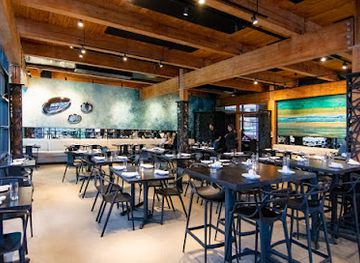
Dining in Fells Point centres on Thames Street, Aliceanna Street and the adjoining harbour lanes, where seafood restaurants, casual cafés, bars with substantial menus and international eateries occupy converted historic buildings. Chesapeake traditions appear through crab and other regional seafood, while restaurants such as Thames Street Oyster House have helped define the area’s contemporary seafood identity. Bertha’s, a long-established institution, is associated with casual local dining and the neighbourhood’s informal character. Breakfast and café options support daytime exploration, while evening restaurants make use of the waterfront setting and old warehouse interiors. The scene is broad rather than narrowly traditional, combining established Baltimore staples with newer dining businesses. Visitors should distinguish Fells Point’s restaurant streets from the nearby waterfront districts, which offer additional choices but have a different commercial character.
-
Mexican
Barcocina
Experience authentic Mexican cuisine at Barcocina in Fells Point, Baltimore – where vibrant flavors meet lively ambiance.
6 min walk · 0.5 km from neighbourhood centre
-
American
Ampersea
Discover Ampersea: A must-visit American restaurant in Fells Point offering unique flavors and an inviting atmosphere.
10 min walk · 0.8 km from neighbourhood centre
-
Mediterranean
Twist Fells Point
Experience vibrant Mediterranean cuisine infused with American and Moroccan flavors at Twist Fells Point in Baltimore's historic district.
4 min walk · 0.3 km from neighbourhood centre
-
New American
The Point In Fells
Discover vibrant flavors at The Point In Fells, where New American cuisine meets creative cocktails in Baltimore's historic Fells Point.
4 min walk · 0.3 km from neighbourhood centre

Best bars in Fells Point
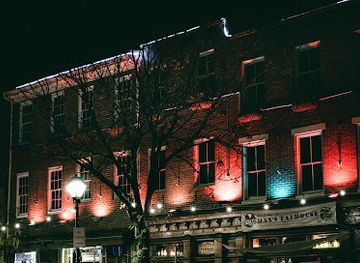
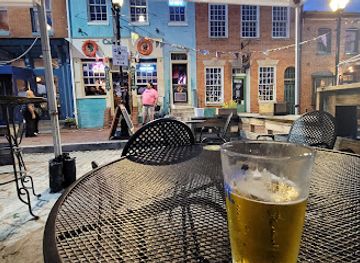
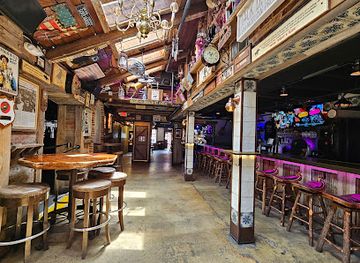
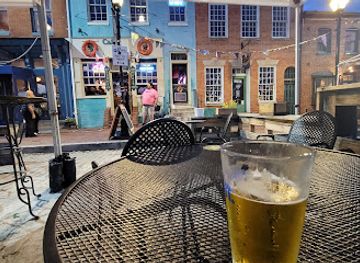
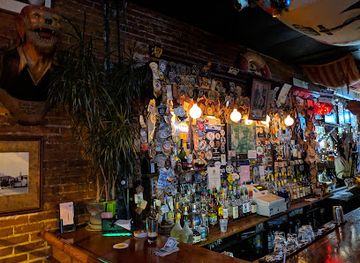
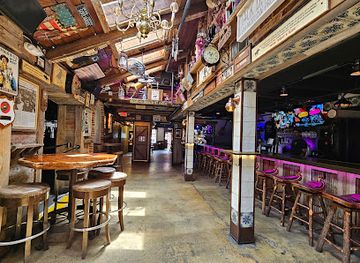
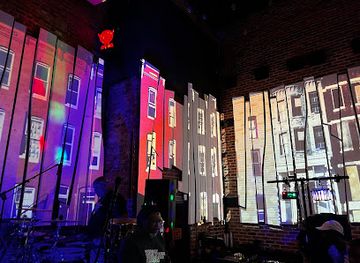
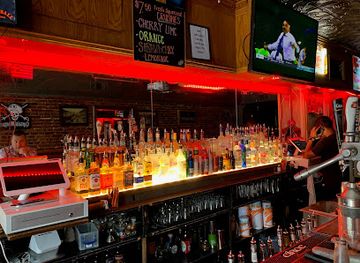
Fells Point is one of Baltimore’s most established evening districts, with a concentration of pubs, music bars and late-night venues around Thames Street, Broadway and Aliceanna Street. The scene ranges from historic-looking taverns and neighbourhood bars to venues built around live music, dancing and a younger weekend crowd. The Horse You Came In On Saloon is among the area’s best-known drinking establishments, while smaller bars and music venues fill former shops and warehouses nearby. Evenings can become crowded and loud, especially around popular nightlife stretches, but the district is not solely a club zone: waterfront walks, relaxed pubs and restaurants create a slower alternative. Because Fells Point is also residential, visitors should keep noise down near homes when moving between venues and should expect transport and pedestrian conditions to change later at night.
-
Bar
Max's Taphouse
Discover a vibrant beer sanctuary in Fells Point with over 1,000 craft beers and delicious bar fare at Max's Taphouse.
4 min walk · 0.4 km from neighbourhood centre
-
Live music bar
The Horse You Came In On Saloon
Experience vibrant nightlife and rich history at The Horse You Came In On Saloon in Baltimore's Fells Point, the oldest continuously operating saloon in the U.S.
6 min walk · 0.5 km from neighbourhood centre
-
New American
The Point In Fells
Discover a vibrant culinary experience at The Point In Fells, where New American cuisine meets artisanal cocktails in the heart of Baltimore's Fells Point.
4 min walk · 0.3 km from neighbourhood centre
-
Live music bar
Cat's Eye Pub
Discover the lively atmosphere of Cat's Eye Pub in Fells Point, Baltimore – a premier live music venue with great drinks and unforgettable performances.
4 min walk · 0.3 km from neighbourhood centre
Best nightclubs in Fells Point
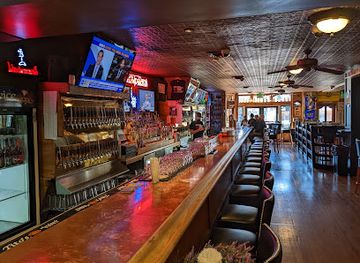
Fells Point is one of Baltimore’s most established evening districts, with a concentration of pubs, music bars and late-night venues around Thames Street, Broadway and Aliceanna Street. The scene ranges from historic-looking taverns and neighbourhood bars to venues built around live music, dancing and a younger weekend crowd. The Horse You Came In On Saloon is among the area’s best-known drinking establishments, while smaller bars and music venues fill former shops and warehouses nearby. Evenings can become crowded and loud, especially around popular nightlife stretches, but the district is not solely a club zone: waterfront walks, relaxed pubs and restaurants create a slower alternative. Because Fells Point is also residential, visitors should keep noise down near homes when moving between venues and should expect transport and pedestrian conditions to change later at night.
-
Night club
The Horse You Came In On Saloon
Experience the historic charm and vibrant nightlife of The Horse You Came In On Saloon, a Fells Point treasure that offers live music, great food, and a unique atmosphere.
6 min walk · 0.5 km from neighbourhood centre
-
Bar
The Rockwell
Experience the vibrant nightlife of Fells Point at The Rockwell, where craft cocktails and lively entertainment create unforgettable nights in Baltimore.
5 min walk · 0.4 km from neighbourhood centre
-
Bar
Rodos Bar
Experience the vibrant nightlife at Rodos Bar in Fells Point, Baltimore, where great drinks and good vibes await every night.
4 min walk · 0.3 km from neighbourhood centre
-
Bar
Moby Dick's
Unwind at Moby Dick's, a vibrant bar in Fells Point, Baltimore, offering a lively atmosphere, great drinks, and unforgettable entertainment.
4 min walk · 0.3 km from neighbourhood centre
Best shops in Fells Point
Shopping in Fells Point is concentrated along Thames Street, Broadway and the side streets leading towards the harbour. Independent boutiques, gift shops, vintage and speciality retailers occupy many of the neighbourhood’s small historic storefronts, creating a more localised experience than Baltimore’s large commercial centres. Visitors may find clothing, jewellery, homewares, books, artwork and Baltimore-themed goods, although individual stock and businesses change over time. The district’s retail character is closely connected to its hospitality scene: browsing is easily combined with cafés, restaurants and waterfront walks. Broadway Market, near the neighbourhood’s western edge, adds a historic market setting, though visitors should treat the boundary as transitional rather than assuming every nearby shop belongs to Fells Point. There is little sense of a single enclosed shopping centre; the appeal lies in moving between small premises and seeing how older commercial buildings continue to support contemporary businesses.
-
Gift shop
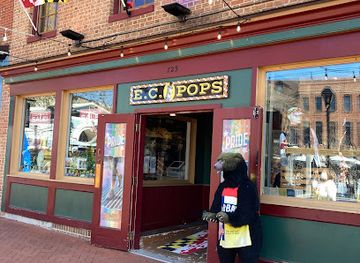
E. C. Pops
Explore E. C. Pops in Fells Point for quirky gifts and unique souvenirs that capture the heart of Baltimore's vibrant culture.
4 min walk · 0.3 km from neighbourhood centre
-
Gift shop
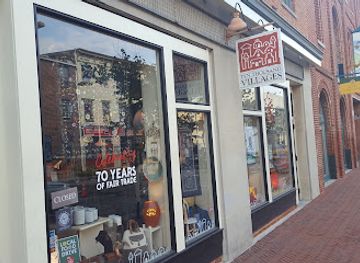
Ten Thousand Villages
Explore handcrafted treasures from around the world at Ten Thousand Villages in Baltimore, where every purchase supports artisans and fair trade practices.
6 min walk · 0.5 km from neighbourhood centre
-
Gift shop
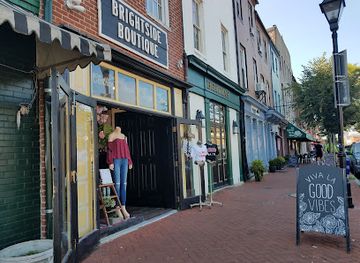
The Gift Shop by Brightside
Discover unique gifts and local treasures at The Gift Shop by Brightside in Fells Point, a charming destination for memorable souvenirs.
4 min walk · 0.4 km from neighbourhood centre
-
Gift shop
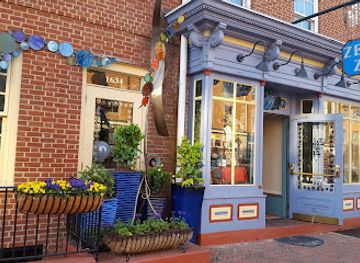
Zelda Zen
Explore Zelda Zen, a unique gift shop in Fells Point offering one-of-a-kind treasures and handcrafted jewelry reflecting Baltimore's artistic spirit.
6 min walk · 0.5 km from neighbourhood centre
Fells Point essentials
Getting There
Getting Around
Safety
Emergency Situations
Do's and Don'ts
Local Tips

From Eve
Local phrases worth knowing
You don't need to get them perfect. A few words go a long way, and locals appreciate the effort.
Basics
| English | Local | Say it |
|---|---|---|
| Hello | Hey | [Hey] |
| Goodbye | Later | [Lay-ter] |
| Yes | Yeah | [Yeh] |
| No | Nah | [Nah] |
| Please/You're welcome | Please | [Please] |
| Thank you | Thanks | [Thanks] |
| Excuse me/Sorry | Excuse me | [Ex-cuse me] |
| How are you? | How you doin'? | [How you doin'?] |
| Fine. And you? | Good. You? | [Good. You?] |
| Do you speak English? | You speak English? | [You speak English?] |
| I don't understand | I don't get it | [I don't get it] |
Eating & Drinking
| English | Local | Say it |
|---|---|---|
| I'd like to see the menu, please | Menu, please | [Menu, please] |
| I don't eat meat | No meat for me | [No meat for me] |
| Cheers! | Cheers! | [Cheers!] |
| I would like to pay, please | Check, please | [Check, please] |
Emergencies
| English | Local | Say it |
|---|---|---|
| Help! | Help! | [Help!] |
| Go away! | Go away! | [Go away!] |
| Call the Police! | Call the cops! | [Call the cops!] |
| Call a doctor! | Call a doc! | [Call a doc!] |
| I'm lost | I'm lost | [I'm lost] |
| I'm ill | I'm sick | [I'm sick] |
Shopping
| English | Local | Say it |
|---|---|---|
| I'd like to buy... | I wanna buy... | [I wanna buy...] |
| I'm just looking | Just looking | [Just looking] |
| How much is it? | How much? | [How much?] |
| That's too expensive | Too much | [Too much] |
| Can you lower the price? | Can you do less? | [Can you do less?] |
Time & Numbers
| English | Local | Say it |
|---|---|---|
| What time is it? | What time? | [What time?] |
| It's one o'clock | It's one | [It's one] |
| Half past (10) | Half (10) | [Half (10)] |
| Morning | Mornin' | [Mornin'] |
| Afternoon | Afternoon | [Afternoon] |
| Evening | Evenin' | [Evenin'] |
| Yesterday | Yesterday | [Yesterday] |
| Today | Today | [Today] |
| Tomorrow | Tomorrow | [Tomorrow] |
| 1 | One | [One] |
| 2 | Two | [Two] |
| 3 | Three | [Three] |
| 4 | Four | [Four] |
| 5 | Five | [Five] |
| 6 | Six | [Six] |
| 7 | Seven | [Seven] |
| 8 | Eight | [Eight] |
| 9 | Nine | [Nine] |
| 10 | Ten | [Ten] |
Transport & Directions
| English | Local | Say it |
|---|---|---|
| Where's a/the...? | Where's... | [Where's...] |
| What's the address? | Address? | [Address?] |
| Can you show me (on the map)? | Show me | [Show me] |
| When's the next (bus)? | Next (bus)? | [Next (bus)?] |
| A ticket (to ....) | Ticket (to ...) | [Ticket (to ...)] |
History of Fells Point
The Fell Family and Early Settlement
The area takes its name from William Fell, an English Quaker and shipbuilder who acquired land on Baltimore’s eastern harbour in the eighteenth century. Fell’s Point developed as a distinct waterfront settlement during the 1700s, with its sheltered position encouraging wharves, warehouses, shipyards and houses for workers and merchants. The neighbourhood’s present street pattern and concentration of brick buildings reflect this early relationship between domestic life and maritime trade. Rather than growing solely as an extension of Baltimore’s commercial centre, it evolved around the working harbour and the businesses that served ships, sailors and local residents.
Shipbuilding and Maritime Commerce
During the late eighteenth and nineteenth centuries, Fells Point became an important shipbuilding and trading area. Local yards produced sailing vessels, including privateers associated with Baltimore’s maritime economy during the War of 1812, while wharves handled goods arriving by water. The neighbourhood’s narrow streets, durable warehouses and waterfront lots were shaped by this activity. Shipbuilding also depended on a diverse workforce, including free and enslaved Black labourers and skilled tradespeople. The maritime economy brought prosperity to some residents but also exposed the district to industrial decline as shipping technology and port activity changed.
A Changing Working Neighbourhood
As Baltimore’s harbour industries shifted during the nineteenth and twentieth centuries, Fells Point became increasingly associated with small workshops, taverns, boarding houses, immigrant communities and working-class housing. Its connection to the water remained important, but larger port and industrial facilities elsewhere in Baltimore reduced the area’s central role in shipping. The neighbourhood’s close-grained buildings survived periods of decline partly because redevelopment did not erase its older street network. Local institutions, religious buildings, shops and long-established homes helped preserve a recognisable community setting through these changes.
Preservation and Contemporary Fells Point
By the mid-twentieth century, plans for major road construction and redevelopment threatened parts of Fells Point’s historic waterfront fabric. Residents and preservation campaigners opposed schemes that would have cut through the neighbourhood, contributing to wider recognition of its architectural and historical value. Fells Point was later designated a national historic district, and restoration brought renewed investment to its eighteenth- and nineteenth-century buildings. The resulting neighbourhood combines heritage tourism, restaurants, nightlife and new housing with an established residential community, while ongoing development continues to raise questions about affordability, commercial change and the balance between preservation and daily life.
Fells Point in Photos
Browse through our photo collection highlighting the charm and character of the destination.
Neighbourhoods near Fells Point
The closest neighbourhoods to Fells Point, if you have time for more than one stop.
-
-

-


Swipe for more neighbourhoods
Explore more

Explore more of Baltimore
Baltimore blends harbour history, acclaimed museums, Chesapeake seafood and lively neighbourhoods for memorable sightseeing in Maryland’s largest city.
Explore Baltimore