

Inner Harbor (Baltimore) Travel Guide - Free
Explore Inner Harbor in Baltimore with Evendo's free guide. Find the best shops, historic streets, restaurants, and gems on web or mobile.


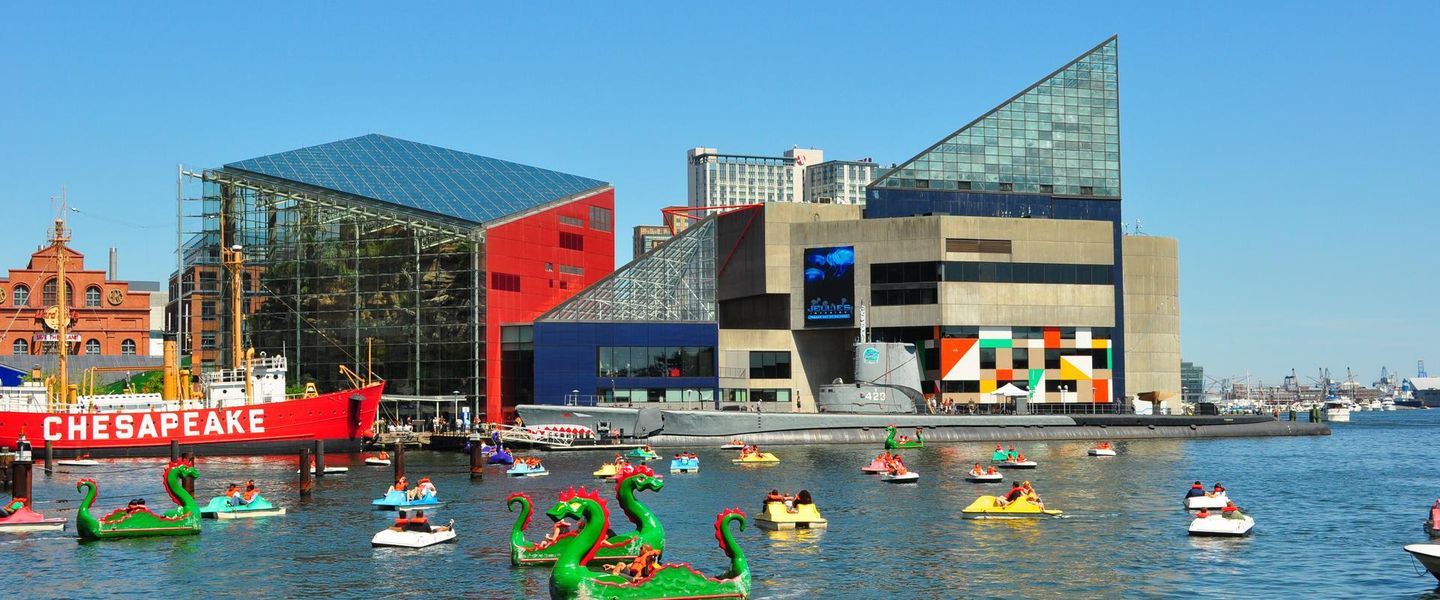


Inner Harbor Baltimore blends waterfront promenades, the National Aquarium, historic ships, science, dining and easy access to the city's maritime story.
Waterfront Setting and Character
Inner Harbor occupies the central waterfront basin of Baltimore, where the city’s commercial core meets the Patapsco River. Its broad promenades, piers and waterside plazas are framed by Pratt Street, Light Street and the downtown skyline, creating an unusually concentrated district for museums, historic vessels, public art and harbour views. The area is designed for easy sightseeing on foot, with much of the visitor experience unfolding along the water rather than through traditional residential streets.Read more about Inner Harbor
Museums, Ships and Public Spaces
A Working Port Reimagined
Best attractions in Inner Harbor
The National Aquarium is the Inner Harbor’s principal attraction, with immersive galleries presenting marine habitats and conservation themes inside a landmark waterfront building. Nearby, the Maryland Science Center combines interactive exhibits, a planetarium and an IMAX theatre, making the western side of the harbour particularly strong for family and science-focused visits. Baltimore’s historic ships provide a different kind of encounter: USS Constellation, USS Torsk, USCGC Taney and the lightship Chesapeake are preserved vessels visited from piers along the waterfront, although displays and access can vary. Between these institutions, the promenade offers public seating, harbour views, piers and changing perspectives towards the city skyline. The Baltimore Visitor Center provides orientation and city information, while attractions beyond the immediate basin, including Oriole Park at Camden Yards and the Baltimore Museum of Art, should be treated as nearby destinations rather than Inner Harbor sights.
-
 Science museum
Maryland Science Center
Discover, learn, and explore at the Maryland Science Center, a premier science museum in Baltimore's Inner Harbor, featuring interactive exhibits and a planetarium.
6 min walk · 0.5 km from neighbourhood centre
-
Scenic spot
Seven Foot Knoll Lighthouse
Explore the Seven Foot Knoll Lighthouse, a historic gem in Baltimore's Inner Harbor, offering breathtaking views and a glimpse into maritime history.
5 min walk · 0.4 km from neighbourhood centre
-
Tourist attraction
Baltimore Harbor
Discover the enchanting Baltimore Harbor, a vibrant waterfront filled with attractions, dining, and breathtaking views, perfect for every traveler.
3 min walk · 0.2 km from neighbourhood centre
-
Tourist attraction
Baltimore Inner Harbor
Discover the enchanting charm of Baltimore's Inner Harbor, where history, culture, and stunning waterfront views come together in a vibrant tourism experience.
8 min walk · 0.6 km from neighbourhood centre


Best landmarks in Inner Harbor
The Inner Harbor’s most important landmarks are closely tied to Baltimore’s maritime redevelopment. The National Aquarium is recognisable for its layered waterfront architecture and remains the district’s principal cultural symbol, while the Maryland Science Center anchors the western end of the basin. The preserved ships at the piers give physical form to the city’s naval and port history: USS Constellation is a nineteenth-century sailing warship, and the submarine USS Torsk reflects a later era of naval technology. Harborplace’s pavilions represent the festival-marketplace model that shaped the waterfront after 1980, even as its retail and public role continues to change. The promenade, piers and open views across the water are landmarks of urban planning as much as sightseeing amenities, showing how Baltimore converted a declining working harbour into a civic destination.
-
Aquarium
National Aquarium
Explore the National Aquarium in Baltimore, a vibrant attraction showcasing the beauty of marine life and the importance of conservation in an immersive setting.
1 min walk · 0.1 km from neighbourhood centre
-
Maritime museum
Historic Ships in Baltimore
Explore the Historic Ships in Baltimore, a premier maritime museum showcasing iconic vessels and the rich nautical heritage of the city.
2 min walk · 0.2 km from neighbourhood centre
-
Historical landmark
Washington Monument
Explore the Washington Monument in Baltimore, a majestic tribute to George Washington surrounded by lush parkland and rich history.
19 min walk · 1.5 km from neighbourhood centre
-
Science museum
Maryland Science Center
Discover the wonders of science and space at the Maryland Science Center in Baltimore, a family-friendly attraction with engaging exhibits and a stunning planetarium.
6 min walk · 0.5 km from neighbourhood centre


Explore Inner Harbor on the map
A handpicked selection of must-see spots in Inner Harbor, mapped for you.
Best hotels in Inner Harbor
Best restaurants in Inner Harbor
Dining in Inner Harbor is shaped by the waterfront setting and the district’s visitor economy, with restaurants concentrated around Pratt Street, Light Street, the piers and nearby commercial developments. Menus range from Maryland seafood and crab-focused cooking to American grill fare, casual cafés, pizza, international dishes and family-oriented dining attached to major attractions. The area is convenient for eating between museum visits, though its restaurants generally operate at a larger commercial scale than the independent dining found in neighbourhoods such as Fells Point or Mount Vernon. Visitors seeking local seafood should look for Maryland crab, oysters and other regional specialities, while checking menus and current locations rather than assuming that long-established waterfront businesses remain unchanged. More varied evening dining is available in adjacent Harbor East, Fells Point and downtown, each a separate area reached by walking or local transport.
-
Brazilian
Fogo de Chão Brazilian Steakhouse
Experience authentic Brazilian cuisine at Fogo de Chão Steakhouse in Baltimore's Inner Harbor—an unforgettable dining adventure awaits!
3 min walk · 0.3 km from neighbourhood centre
-
American
Miss Shirley's Cafe, Inner Harbor
Discover Miss Shirley's Cafe in Baltimore's Inner Harbor - where Southern charm meets American breakfast bliss.
5 min walk · 0.4 km from neighbourhood centre
-
Seafood
Rusty Scupper Restaurant & Bar
Experience exquisite seafood dining at Rusty Scupper Restaurant & Bar in Baltimore's Inner Harbor with stunning waterfront views.
5 min walk · 0.4 km from neighbourhood centre
-
American
Kona Grill - Baltimore
Experience vibrant American cuisine blended with Asian influences at Kona Grill in Baltimore's bustling downtown.
6 min walk · 0.4 km from neighbourhood centre


Best bars in Inner Harbor
Inner Harbor’s evening life is centred more on waterfront dining, hotel lounges, sports crowds and event-led entertainment than on a dense concentration of nightclubs. Bars attached to restaurants and hotels provide places for drinks with harbour views, while the promenade remains active when concerts, festivals or major games draw visitors into the central waterfront. The nearby Power Plant complex has historically contributed to the district’s entertainment identity, but individual venues and tenants change, so current listings should be checked before making plans. Fells Point and Federal Hill offer more established bar scenes within a short journey, although neither belongs to Inner Harbor. After dark, use well-lit, populated routes between venues and avoid treating the waterfront’s daytime attraction zone as a continuous late-night entertainment district.
-
Seafood
Rusty Scupper Restaurant & Bar
Experience the finest seafood dining in Baltimore with breathtaking waterfront views at Rusty Scupper Restaurant & Bar.
5 min walk · 0.4 km from neighbourhood centre
-
American
Kona Grill - Baltimore
Experience the best of American cuisine at Kona Grill in Baltimore, featuring sushi, seafood, and signature cocktails in a vibrant setting.
6 min walk · 0.4 km from neighbourhood centre
-
Pub
Peter's Pour House
Experience the perfect blend of American cuisine and a lively pub atmosphere at Peter's Pour House in downtown Baltimore.
6 min walk · 0.5 km from neighbourhood centre
-
Sports bar
Hooters
Experience the excitement of sports and savor delicious American cuisine at Hooters in Baltimore's Inner Harbor, a must-visit for food lovers and sports fans.
3 min walk · 0.3 km from neighbourhood centre


Best nightclubs in Inner Harbor
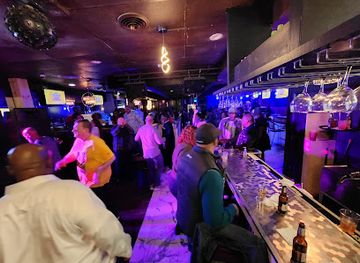
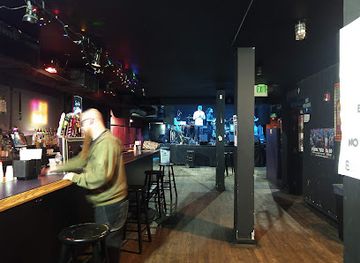
Inner Harbor’s evening life is centred more on waterfront dining, hotel lounges, sports crowds and event-led entertainment than on a dense concentration of nightclubs. Bars attached to restaurants and hotels provide places for drinks with harbour views, while the promenade remains active when concerts, festivals or major games draw visitors into the central waterfront. The nearby Power Plant complex has historically contributed to the district’s entertainment identity, but individual venues and tenants change, so current listings should be checked before making plans. Fells Point and Federal Hill offer more established bar scenes within a short journey, although neither belongs to Inner Harbor. After dark, use well-lit, populated routes between venues and avoid treating the waterfront’s daytime attraction zone as a continuous late-night entertainment district.
-
Night club
Power Plant Live!
Discover the ultimate nightlife experience at Power Plant Live! in Baltimore - a vibrant mix of bars, restaurants, and live music for unforgettable evenings.
6 min walk · 0.5 km from neighbourhood centre
-
Bar
The Place Lounge
Discover the nightlife at The Place Lounge in Baltimore's Bromo Arts District, where great drinks and vibrant music create unforgettable memories.
18 min walk · 1.5 km from neighbourhood centre
-
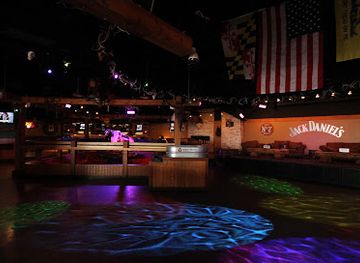
Night club
PBR Baltimore
Experience the vibrant nightlife of Baltimore at PBR Baltimore, where music, dancing, and excitement come together in a lively atmosphere.
7 min walk · 0.6 km from neighbourhood centre
-
Night club
The 8x10
Experience the vibrant nightlife of Baltimore at The 8x10, a premier live music venue in Federal Hill with an intimate atmosphere.
12 min walk · 1.0 km from neighbourhood centre

Best shops in Inner Harbor
Shopping in Inner Harbor has traditionally been associated with visitor-oriented retail around Harborplace, the Gallery and nearby commercial buildings, offering souvenirs, apparel, gifts and convenience shopping alongside restaurants and attractions. The retail landscape is subject to redevelopment and changing tenants, so visitors should verify which businesses are currently operating rather than relying on older descriptions of the marketplace. The neighbourhood is not Baltimore’s strongest area for specialist independent shopping: visitors seeking vintage clothing, records, books or locally distinctive boutiques will find broader choices in nearby Fells Point, Mount Vernon and Federal Hill. Within Inner Harbor, the most characteristic purchases are maritime, Baltimore-themed and attraction-related goods, with museum shops providing a more focused selection connected to the aquarium, science centre and historic ships.
-
Department store
Marshalls
Explore unbeatable deals at Marshalls in Baltimore's Inner Harbor - your ultimate shopping destination for stylish clothing and home goods.
4 min walk · 0.3 km from neighbourhood centre
-
Gift shop
Sideshow at the American Visionary Art Museum
Discover unique gifts and local art at the Sideshow, an enchanting gift shop within the American Visionary Art Museum in Baltimore.
7 min walk · 0.5 km from neighbourhood centre
-
Gift shop
Pandora's Box Boutique
Explore a charming gift shop in Baltimore's Federal Hill, featuring unique children's books and fashionable accessories that capture the essence of local creativity.
12 min walk · 0.9 km from neighbourhood centre
-
Clothing store
Neighborhoods
Discover the charm of Baltimore's neighborhoods with a mix of vibrant shopping, dining, and rich cultural experiences.
3 min walk · 0.3 km from neighbourhood centre


Inner Harbor essentials
Getting There
Getting Around
Safety
Emergency Situations
Do's and Don'ts
Local Tips

From Eve
Local phrases worth knowing
You don't need to get them perfect. A few words go a long way, and locals appreciate the effort.
Basics
| English | Local | Say it |
|---|---|---|
| Hello | Hey | [hey] |
| Goodbye | Later | [lay-ter] |
| Yes | Yup | [yuhp] |
| No | Nah | [nah] |
| Please/You're welcome | Please/No worries | [please/no wuhr-eez] |
| Thank you | Thanks | [thanks] |
| Excuse me/Sorry | Excuse me/My bad | [ex-kyoos me/my bad] |
| How are you? | How you doin'? | [how yuh doin'] |
| Fine. And you? | Good. You? | [good. yoo?] |
| Do you speak English? | You speak English? | [yoo speak ing-glish?] |
| I don't understand | I don't get it | [I don't get it] |
Eating & Drinking
| English | Local | Say it |
|---|---|---|
| I'd like to see the menu, please | Can I check the menu? | [can I chek the menu?] |
| I don't eat meat | I'm vegetarian | [I'm ve-jeh-tair-ee-an] |
| Cheers! | Cheers! | [cheers!] |
| I would like to pay, please | Can I settle the bill? | [can I set-tuhl the bill?] |
Emergencies
| English | Local | Say it |
|---|---|---|
| Help! | Help! | [help!] |
| Go away! | Leave me alone! | [leave mee uh-lohn!] |
| Call the Police! | Call the cops! | [call the cops!] |
| Call a doctor! | Get a doc! | [get uh doc!] |
| I'm lost | I'm lost | [I'm lost] |
| I'm ill | I'm sick | [I'm sik] |
Shopping
| English | Local | Say it |
|---|---|---|
| I'd like to buy... | I wanna buy... | [I wun-nuh buy...] |
| I'm just looking | Just browsing | [just brows-ing] |
| How much is it? | How much does it cost? | [how much duhz it cost?] |
| That's too expensive | That's pricey | [that's pry-see] |
| Can you lower the price? | Can you drop the price? | [can you drop the price?] |
Time & Numbers
| English | Local | Say it |
|---|---|---|
| What time is it? | What's the time? | [what's the time?] |
| It's one o'clock | It's one | [it's one] |
| Half past (10) | Ten thirty | [ten thur-tee] |
| Morning | Morning | [mor-ning] |
| Afternoon | Afternoon | [af-ter-noon] |
| Evening | Evening | [ee-ven-ing] |
| Yesterday | Yesterday | [yes-ter-day] |
| Today | Today | [to-day] |
| Tomorrow | Tomorrow | [to-mor-row] |
| 1 | One | [wun] |
| 2 | Two | [too] |
| 3 | Three | [three] |
| 4 | Four | [for] |
| 5 | Five | [five] |
| 6 | Six | [siks] |
| 7 | Seven | [sev-en] |
| 8 | Eight | [ate] |
| 9 | Nine | [nine] |
| 10 | Ten | [ten] |
Transport & Directions
| English | Local | Say it |
|---|---|---|
| Where's a/the...? | Where's the...? | [where's the...?] |
| What's the address? | What's the address? | [what's the address?] |
| Can you show me (on the map)? | Can you point it out (on the map)? | [can you point it out (on the map)?] |
| When's the next (bus)? | When's the next (bus)? | [when's the next (bus)?] |
| A ticket (to ....) | A ticket (to ....) | [a ticket (to ....)] |
History of Inner Harbor
A Port on the Patapsco
Baltimore’s central waterfront developed as part of the city’s commercial port, with wharves, warehouses and ship-related businesses lining the harbour during the eighteenth and nineteenth centuries. The Inner Harbor was not a separate historic town but a working section of the larger port, connected to downtown streets and the industrial economy of the Patapsco waterfront. Cargo handling, coastal trade and maritime employment shaped the district’s physical character, while the surrounding city expanded around it. Much of the original commercial fabric was later altered or removed, but the harbour’s purpose as a place of exchange explains the enduring presence of piers, ships and waterside infrastructure.
Industry and Waterfront Decline
During the twentieth century, changes in shipping, industrial organisation and port operations reduced the importance of the central waterfront for cargo activity. As larger and more specialised facilities developed elsewhere around Baltimore, the Inner Harbor accumulated underused wharves and declining industrial sites close to the city centre. The contraction was part of a wider challenge facing older American port cities, where traditional waterfront employment no longer supported extensive central-city land. Baltimore’s response was to reconsider the harbour as a public urban asset, linking economic redevelopment with cultural institutions, open space and renewed access to the water.
The Renaissance Waterfront Plan
Baltimore’s late twentieth-century waterfront transformation grew from the city’s broader Renaissance redevelopment programme, which sought to reconnect downtown with the harbour. Public investment in promenades, parks and infrastructure was paired with private development, and Harborplace opened in 1980 as a major festival-marketplace project. The National Aquarium followed in 1981, helping establish the Inner Harbor as a destination for education and leisure rather than cargo handling. The approach influenced waterfront redevelopment well beyond Baltimore, although it also changed the area’s relationship with local commerce by prioritising visitors, events and large cultural attractions.
A Civic and Cultural District
The opening and expansion of major institutions consolidated the Inner Harbor’s present identity. The Maryland Science Center, originally established in the area in 1976, became an important family and educational anchor, while the preserved ships added a tangible connection to naval and maritime history. Hotels, offices, restaurants and public spaces grew around the water, and the nearby Oriole Park at Camden Yards strengthened the central waterfront’s role in Baltimore’s visitor economy without being part of Inner Harbor itself. Contemporary redevelopment continues to reshape retail and public space, making the district a changing civic waterfront rather than a single finished project.
Inner Harbor in Photos
Browse through our photo collection highlighting the charm and character of the destination.
Neighbourhoods near Inner Harbor
The closest neighbourhoods to Inner Harbor, if you have time for more than one stop.
-

-

-


Swipe for more neighbourhoods
Explore more

Explore more of Baltimore
Baltimore blends harbour history, acclaimed museums, Chesapeake seafood and lively neighbourhoods for memorable sightseeing in Maryland’s largest city.
Explore Baltimore