

Free Baltimore Travel Guide & Mobile App
Plan your Baltimore trip with Evendo. Get free guides to top attractions, restaurants, hotels, and bars. Web access or download the mobile app.


Baltimore blends harbour history, acclaimed museums, Chesapeake seafood and lively neighbourhoods for memorable sightseeing in Maryland’s largest city.
A Port City with a Distinctive Past
Baltimore occupies a series of waterways at the head of the Chesapeake Bay, where working harbour traditions, grand nineteenth-century buildings and lively residential districts create a city with a strong sense of place. Founded as a port in the early eighteenth century, it grew through shipping, manufacturing and immigration, leaving a legacy visible in the brick row houses of Federal Hill, the cobbled streets of Fells Point and the civic monuments of Mount Vernon. The Inner Harbor, once an industrial basin, now forms a major visitor quarter with museums, waterfront promenades and historic vessels.Read more about Baltimore
Museums, Music and Neighbourhood Life
The Chesapeake Connection
When is the best time to visit Baltimore?
Best: May, September–October · 20–27°C| Month | High (°C) | Rainfall (mm) |
|---|---|---|
| January | 6 | 79 |
| February | 7 | 72 |
| March | 13 | 88 |
| April | 18 | 84 |
| May (best) | 23 | 98 |
| June | 29 | 94 |
| July | 32 | 100 |
| August | 31 | 95 |
| September (best) | 27 | 88 |
| October (best) | 20 | 79 |
| November | 13 | 78 |
| December | 7 | 78 |
Getting to and around Baltimore
How to get there
Transportation
Best attractions in Baltimore
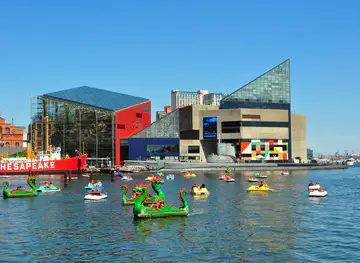
Baltimore's principal attractions range from waterfront institutions to historic neighbourhood experiences. The National Aquarium presents marine habitats in a prominent Inner Harbor setting, while the Maryland Science Center combines interactive exhibits with an IMAX theatre and planetarium. The Baltimore Museum of Art holds major collections in a quieter northern setting, and the Walters Art Museum brings together art from antiquity to the nineteenth century in Mount Vernon. The American Visionary Art Museum, built beside the harbour, is known for self-taught and outsider art. Historic Fells Point offers eighteenth- and nineteenth-century streets, maritime associations and independent businesses, while Federal Hill provides elevated views towards the skyline and harbour. Literary visitors can explore Edgar Allan Poe's House and Grave, and sports enthusiasts may tour Oriole Park at Camden Yards. Fort McHenry adds an important military and national-history dimension, though it lies across the harbour from the central visitor quarter.
-
Aquarium
National Aquarium
Discover the National Aquarium in Baltimore, a top tourist attraction featuring breathtaking marine exhibits and a commitment to conservation.
8 min walk · 0.6 km from city centre
-
Stadium
Oriole Park at Camden Yards
Discover the iconic Oriole Park at Camden Yards, where baseball history and vibrant culture come together in the heart of Baltimore.
14 min walk · 1.1 km from city centre
-
Stadium
M&T Bank Stadium
Discover the excitement of M&T Bank Stadium in Baltimore, home of the Ravens, where thrilling football moments come alive in an iconic venue.
5 min drive · 1.7 km from city centre
-
Zoo
The Maryland Zoo in Baltimore
Explore The Maryland Zoo in Baltimore, a family-friendly destination featuring diverse wildlife and educational programs in a beautiful park setting.
15 min drive · 4.8 km from city centre


Best landmarks in Baltimore
Baltimore's landmarks reveal its development as a port, industrial centre and seat of civic ambition. Fort McHenry National Monument and Historic Shrine occupies the harbour entrance and is associated with the American defence during the War of 1812. In Mount Vernon, the Washington Monument, completed in 1829, is an early major monument to George Washington, while the nearby Basilica of the National Shrine of the Assumption of the Blessed Virgin Mary is a landmark of American Catholic architecture. The Battle Monument in downtown Baltimore commemorates the city's defenders during the same war. At the waterfront, the USS Constellation preserves a nineteenth-century naval vessel, and the Seven Foot Knoll Lighthouse represents the working navigation network of Chesapeake waters. Oriole Park at Camden Yards is significant in a different way: its 1992 design influenced the later development of baseball stadiums with a strong relationship to historic urban districts.
-
Aquarium
National Aquarium
Explore the National Aquarium in Baltimore, a captivating destination showcasing the beauty of marine ecosystems and inspiring conservation efforts.
8 min walk · 0.6 km from city centre
-
Historical landmark
Fort McHenry National Monument and Historic Shrine
Discover the birthplace of the Star-Spangled Banner at Fort McHenry National Monument, a historic site filled with stories of bravery and freedom.
12 min drive · 4.0 km from city centre
-
Park
Federal Hill Park
Discover the stunning views, rich history, and lush landscapes of Federal Hill Park, Baltimore's premier outdoor destination for relaxation and adventure.
15 min walk · 1.2 km from city centre
-
Rail museum
B&O Railroad Museum
Explore the fascinating world of American railroads at the B&O Railroad Museum, where history meets innovation in Baltimore.
6 min drive · 1.8 km from city centre


Explore Baltimore on the map
Plan your Baltimore trip on one map. See where the top attractions, landmarks, restaurants, bars and hotels are, find what's near where you're staying, and book hotels and experiences in a few clicks.
Neighbourhoods in Baltimore
-

-

-
-


Swipe for more neighbourhoods
Best hotels in Baltimore
Best restaurants in Baltimore
Baltimore's food culture is closely tied to the Chesapeake Bay, with steamed blue crabs, crab cakes, soft-shell crab and oysters forming the best-known local traditions. Crab houses often provide paper-covered tables, wooden mallets and seasoning associated with Maryland seafood, while crab cakes vary from generously filled preparations to more economical versions with additional binder. Other regional specialities include pit beef, a Baltimore style of slow-roasted beef often served in sandwiches, and the city's distinctive Berger cookie, topped with thick chocolate icing. Lexington Market and Cross Street Market bring together prepared foods, seafood and everyday shopping, while neighbourhoods such as Fells Point, Hampden, Canton and Mount Vernon support restaurants ranging from casual taverns to contemporary dining rooms. Food history also reflects Baltimore's immigrant and African American communities, making bakeries, carry-outs and family-run establishments part of the city's culinary landscape.
-
American
Miss Shirley's Cafe, Inner Harbor
Experience the best of American breakfast and brunch at Miss Shirley's Cafe in Baltimore's vibrant Inner Harbor.
9 min walk · 0.7 km from city centre
-
Seafood
Rusty Scupper Restaurant & Bar
Discover exquisite seafood dining at Rusty Scupper Restaurant & Bar in Baltimore's Inner Harbor with stunning views and exceptional service.
13 min walk · 1.0 km from city centre
-
American
Kona Grill - Baltimore
Experience the vibrant fusion of American cuisine and sushi at Kona Grill in downtown Baltimore - where flavor meets fun.
6 min walk · 0.5 km from city centre
-
Diner
The PaperMoon Diner
Experience the charm of The PaperMoon Diner in Baltimore - where quirky decor meets delicious comfort food in a welcoming atmosphere.
11 min drive · 3.6 km from city centre


Best bars in Baltimore
Baltimore's evening life is distributed across neighbourhoods rather than concentrated in one entertainment strip. Fells Point combines historic waterfront streets with pubs, live-music rooms and bars in converted commercial buildings, while Canton and Federal Hill offer busy local venues and relaxed places for drinks. Mount Vernon has a more cultured evening atmosphere, with cocktail bars, restaurants, theatres and performances around its historic squares. Station North is associated with independent arts spaces, live music, galleries and late-night creative events, and the Hippodrome Theatre provides a major setting for touring productions. The city also has a strong tradition of neighbourhood taverns and music venues, from intimate rooms to larger concert halls. Visitors should check current arrangements for individual venues, use recognised transport after late events and remember that age-verification and alcohol laws are enforced in Maryland.
-
Live music bar
The Horse You Came In On Saloon
Discover the historic charm and lively atmosphere of The Horse You Came In On Saloon, Baltimore's oldest saloon with live music and delicious food.
6 min drive · 1.8 km from city centre
-
Grill
The Owl Bar
Experience the vibrant atmosphere of The Owl Bar, where delicious grill dishes and crafted cocktails meet in the heart of Baltimore.
17 min walk · 1.3 km from city centre
-
Cocktail bar
The Bluebird Cocktail Room
Discover The Bluebird Cocktail Room in Hampden, Baltimore - where exquisite cocktails meet a vibrant atmosphere for an unforgettable night out.
15 min drive · 4.9 km from city centre
-
Live music bar
Cat's Eye Pub
Experience the heartbeat of Baltimore at Cat's Eye Pub, where live music, great drinks, and vibrant atmosphere come together for an unforgettable night out.
6 min drive · 2.0 km from city centre


Best nightclubs in Baltimore
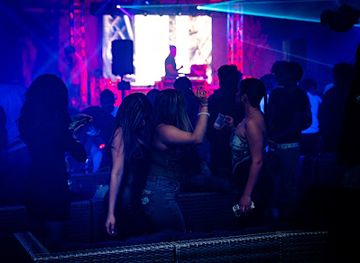
Baltimore's evening life is distributed across neighbourhoods rather than concentrated in one entertainment strip. Fells Point combines historic waterfront streets with pubs, live-music rooms and bars in converted commercial buildings, while Canton and Federal Hill offer busy local venues and relaxed places for drinks. Mount Vernon has a more cultured evening atmosphere, with cocktail bars, restaurants, theatres and performances around its historic squares. Station North is associated with independent arts spaces, live music, galleries and late-night creative events, and the Hippodrome Theatre provides a major setting for touring productions. The city also has a strong tradition of neighbourhood taverns and music venues, from intimate rooms to larger concert halls. Visitors should check current arrangements for individual venues, use recognised transport after late events and remember that age-verification and alcohol laws are enforced in Maryland.
-
Night club
The Original Cancun Cantina
Experience the electrifying nightlife at The Original Cancun Cantina in Hanover, Maryland – a vibrant night club with music, dancing, and unforgettable entertainment.
36 min drive · 16 km from city centre
-
Bar
The Depot
Discover the pulsating nightlife at The Depot in Baltimore, where vibrant events and a lively atmosphere await every visitor.
7 min drive · 2.2 km from city centre
-
Night club
Euphoria Night Club
Experience the pulse of Baltimore's nightlife at Euphoria Night Club, where electrifying music and vibrant crowds create unforgettable nights.
15 min drive · 5.2 km from city centre
-
Lounge
Greenmount Lounge
Discover the vibrant nightlife and local culture at Greenmount Lounge in Baltimore, where fun, laughter, and entertainment await you.
5 min drive · 1.7 km from city centre



Best shops in Baltimore
Shopping in Baltimore ranges from food markets and neighbourhood main streets to independent galleries and specialist retailers. Lexington Market, one of the city's historic public markets, is a place for prepared food and everyday city life, while Cross Street Market serves the Federal Hill and Riverside area with food stalls and casual dining. Hampden's 36th Street, often called The Avenue, is known for independent clothing shops, gifts, books, art and locally minded businesses. Fells Point combines boutiques with maritime streets and older commercial buildings, and Mount Vernon offers galleries, design-led shops and cultural institutions. Visitors can look for Maryland food products, Chesapeake-themed goods, locally made art and Baltimore sports merchandise, but the city's most characteristic purchases are often found in small neighbourhood shops rather than large luxury malls. Harbor East provides a more contemporary retail environment close to the waterfront.
-
Shopping mall
Centre at Glen Burnie
Explore the Centre at Glen Burnie - Maryland's premier shopping experience with diverse retail, dining, and entertainment options for all ages.
31 min drive · 11 km from city centre
-
Gift shop
Bazaar
Explore Bazaar Baltimore for unique gifts and collectibles, reflecting the local spirit and creativity of Maryland's vibrant Hampden neighborhood.
14 min drive · 4.7 km from city centre
-
Gift shop
Ten Thousand Villages
Discover the exquisite handcrafted gifts at Ten Thousand Villages, where every purchase supports fair trade and global artisanship.
6 min drive · 1.9 km from city centre
-
Gift shop
Flourish - A Lifestyle Boutique
Discover unique gifts and home decor at Flourish, Baltimore's charming lifestyle boutique, showcasing local artistry and creativity.
19 min drive · 6.4 km from city centre


Get your free copy of our complete guide to Baltimore, delivered straight to you.
Everything on this page, from attractions and restaurants to essentials and local phrases, in one PDF you can read offline, print or share.
Already have an account? Sign in
Your Baltimore guide is ready.
We'll send it to · Not you? Sign out

Getting your guide ready…
We are putting together a fresh copy of the Baltimore guide. This can take up to a minute.
This can take a few moments. If your browser asks, choose Allow so the download can start. You'll find the guide in your Downloads folder.
Nothing happened? Download it again
Sorry, the guide is taking longer than usual. Please try again in a minute, or get it by email instead.
Baltimore essentials
Currency and Payment
Safety
Emergency Situations
Do's and Don'ts
Local Tips
From Eve
Local phrases worth knowing
You don't need to get them perfect. A few words go a long way, and locals appreciate the effort.
Basics
| English | Local | Say it |
|---|---|---|
| Hello | Wassup | [wuh-suhp] |
| Goodbye | Lata | [lay-tuh] |
| Yes | Yea | [yay] |
| No | Nah | [nuh] |
| Please/You're welcome | Plz/No prob | [pleez/noh prob] |
| Thank you | Thanks | [thanks] |
| Excuse me/Sorry | S'cuse me/Sorry | [skews me/saw-ree] |
| How are you? | How ya doin'? | [how yuh doh-in] |
| Fine. And you? | Aiight. How 'bout you? | [ai-ite. how bout yuh] |
| Do you speak English? | U speak English? | [yu speek ing-lish] |
| I don't understand | I dunno wut u talkin' 'bout | [ah dun-no wut yu talkin bowt] |
Eating & Drinking
| English | Local | Say it |
|---|---|---|
| I'd like to see the menu, please | Lemme see da menu, pls | [lem-mee see duh menu, puh-leez] |
| I don't eat meat | I don't eat no meat | [ah dun eat noh meat] |
| Cheers! | Cheers! | [cheers] |
| I would like to pay, please | Lemme pay dis up, pls | [lem-mee pay diss up, puh-leez] |
Emergencies
| English | Local | Say it |
|---|---|---|
| Help! | Help! | [help] |
| Go away! | Beat it! | [beet it] |
| Call the Police! | Call da Po-lice! | [call duh po-lees] |
| Call a doctor! | Call a doc! | [call a dok] |
| I'm lost | I'm lost | [ahm lost] |
| I'm ill | I'm sick | [ahm sik] |
Shopping
| English | Local | Say it |
|---|---|---|
| I'd like to buy... | I wanna cop... | [ah wanna kop] |
| I'm just looking | I'm just browsin' | [ahm just brow-sin] |
| How much is it? | How much dis cost? | [how much diss cost] |
| That's too expensive | Dat's mad pricey | [dats mad pry-see] |
| Can you lower the price? | Can ya bring da price down? | [can yuh bring duh pryce down] |
Time & Numbers
| English | Local | Say it |
|---|---|---|
| What time is it? | Wat time it be? | [wut time it bee] |
| It's one o'clock | It's one | [its wuhn] |
| Half past (10) | Half past ten | [haff past ten] |
| Morning | Mornin' | [morn-in] |
| Afternoon | Afternoon | [after-noon] |
| Evening | Evenin' | [eve-nin] |
| Yesterday | Yestaday | [yes-tuh-day] |
| Today | Today | [toh-day] |
| Tomorrow | Tomorra | [tuh-mor-rah] |
| 1 | One | [wuhn] |
| 2 | Two | [too] |
| 3 | Three | [three] |
| 4 | Four | [four] |
| 5 | Five | [five] |
| 6 | Six | [six] |
| 7 | Seven | [sev-en] |
| 8 | Eight | [ate] |
| 9 | Nine | [nine] |
| 10 | Ten | [ten] |
Transport & Directions
| English | Local | Say it |
|---|---|---|
| Where's a/the...? | Where da... at? | [where duh at] |
| What's the address? | What's da address? | [whats duh address] |
| Can you show me (on the map)? | Can ya show me (on da map)? | [can yuh show me on duh map] |
| When's the next (bus)? | When da next (bus) comin'? | [wen duh next bus comin] |
| A ticket (to ....) | A ticket (to ....) | [a ticket to] |
History of Baltimore
Indigenous Chesapeake Shores
Long before Baltimore was established, the wider Chesapeake region was inhabited by Indigenous peoples whose communities used its rivers, marshes and forests for fishing, hunting, farming and trade. The Baltimore area lies within a landscape associated with peoples including the Susquehannock and Piscataway, although changing alliances, European settlement and disease reshaped Indigenous life from the seventeenth century onwards. English colonisation introduced new landholding patterns and maritime commerce, while the deep natural harbour helped determine the location's later importance. The shoreline and river systems that supported earlier communities continued to influence the city's economy after colonial settlement, even as urban development transformed the environment.
Colonial Port and Proprietary City
Baltimore was founded in 1729 and named for the Barons Baltimore, the proprietors of Maryland. Its original town developed around the northern shore of the tidal Patapsco River, with Jonestown and Fells Point becoming important parts of the growing settlement. Tobacco exports, grain trade and shipbuilding helped the port expand during the eighteenth century, while merchants, artisans and migrants added to its population. The town was incorporated as Baltimore in 1796 and Baltimore County was separated from the city in 1851. Early commercial streets, waterfront warehouses and surviving religious buildings reflect the period when maritime trade established the foundations of the modern city.
War of 1812 and National Symbolism
Baltimore became nationally significant during the War of 1812, when British forces attacked the harbour in September 1814. Fort McHenry withstood the bombardment, while American troops and local defenders protected the city from a land assault at North Point. Francis Scott Key, observing the defence from a vessel in the harbour, wrote the poem that became the lyrics of the United States national anthem. The episode gave Baltimore an enduring place in American national memory. Fort McHenry remains the clearest physical link to this history, while the city's Battle Monument, completed in the 1820s, commemorates those who died defending Baltimore.
Railways, Immigration and Industry
During the nineteenth century Baltimore became a major centre of transport, commerce and manufacturing. The Baltimore and Ohio Railroad, chartered in 1827, connected the port with markets to the west and helped make the city an important railway eastern terminus. Shipbuilding, canning, ironworking and other industries developed around the waterfront and rail corridors. Immigration from Germany, Ireland and elsewhere enlarged the population and contributed churches, social organisations, businesses and distinctive row-house communities. Baltimore's dense brick housing and grand civic architecture took shape during this era, as did institutions such as the Peabody Institute and the Walters Art Museum, which reflected the wealth and cultural ambition of the industrial city.
Fire, Reform and Urban Expansion
The Great Baltimore Fire of February 1904 destroyed much of the central business district, spreading across roughly eighty city blocks. Rebuilding brought stricter construction standards and a more coordinated urban infrastructure, including wider streets and modern utilities. Baltimore continued to expand through annexation and industrial growth, while public health, education and municipal reform became increasingly important concerns. The early twentieth century also saw the consolidation of segregated neighbourhoods and discriminatory housing practices that shaped the city's geography for generations. Downtown office buildings, civic structures and sections of the waterfront visible today reflect both the rebuilding that followed the fire and the prosperity of the industrial period.
Civil Rights and a Changing Waterfront
In the twentieth century Baltimore experienced the pressures of suburbanisation, industrial decline, racial inequality and population loss, alongside strong community activism and cultural renewal. African American residents and civil rights organisations challenged segregation in schools, housing, employment and public facilities, contributing to wider changes in Maryland and the United States. The city’s waterfront was gradually redeveloped from the 1970s, replacing declining industrial uses with public spaces, museums, restaurants and cultural attractions around the Inner Harbor. That transformation did not erase older social and economic challenges, but it created a new civic image and helped preserve historic districts while Baltimore continued to develop as a centre for medicine, education, arts and maritime heritage.
Baltimore in Photos
Browse through our photo collection highlighting the charm and character of the destination.
Cities near Baltimore
The closest cities to Baltimore, if you have time for more than one stop.
-

-

-

-

-


Swipe for more cities
Explore more

Explore more of Maryland
Discover Maryland, where coastal charm meets rich history and outdoor adventure. Experience the best of the East Coast in this small but diverse state.
Explore Maryland