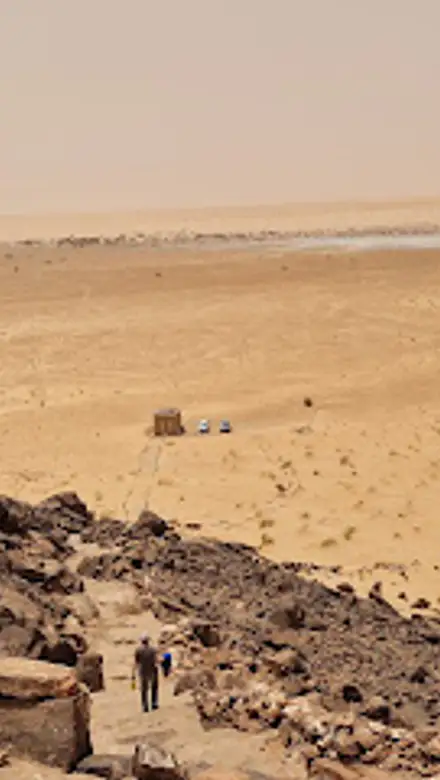
Dhar Tichitt Travel Guide
Free Guide: Explore the ancient wonders of Dhar Tichitt, a UNESCO World Heritage site that unveils the rich history of Mauritania through its stunning architecture and desert landscapes.


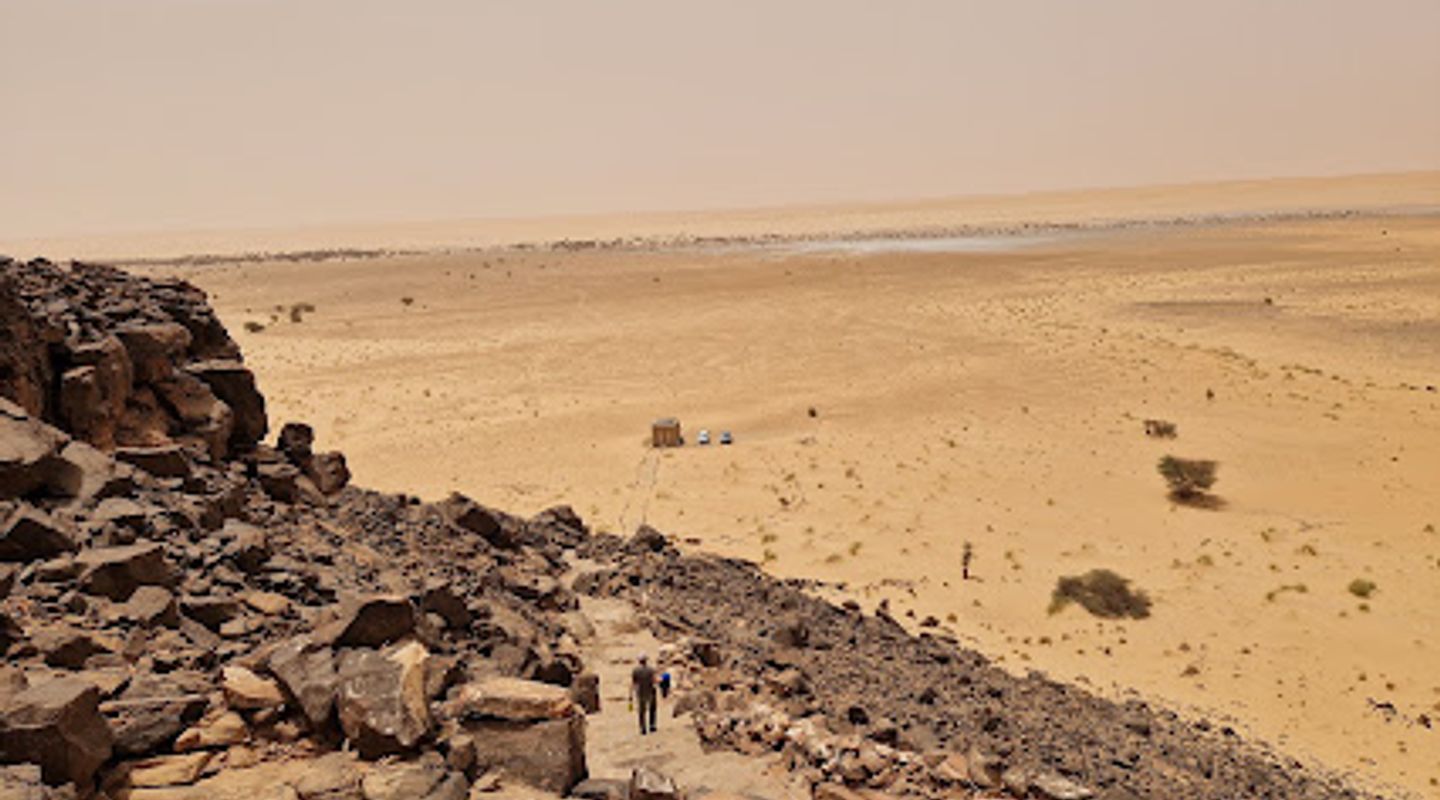
A brief summary of Dhar Tichitt
Explore the ancient wonders of Dhar Tichitt, a UNESCO World Heritage site that unveils the rich history of Mauritania through its stunning architecture and desert landscapes.
Dhar Tichitt, a UNESCO World Heritage site, offers visitors a fascinating glimpse into the ancient history and architecture of Mauritania. Nestled in the desert, this historic place is an essential stop for tourists seeking to explore the rich cultural heritage of the region.
- Address
- FH2V+HWC, Tichit, Mauritania
Getting there
Car
Public Transportation
Walking
Discover more about Dhar Tichitt
Overview
Dhar Tichitt is a remarkable historical site located in the heart of the Mauritanian desert. As a UNESCO World Heritage site, it stands as a testament to the ancient civilization that once thrived here. The site features an impressive array of stone structures, including remnants of ancient houses and fortifications that date back to the 11th century. Visitors to Dhar Tichitt will be captivated by the stunning desert landscape that surrounds the ruins, which provides a picturesque backdrop for exploration and photography.The architecture of Dhar Tichitt is characterized by its unique use of local materials, giving insight into the construction techniques of the time. The site is not only a visual feast but also a historical treasure trove, revealing the rich cultural tapestry of Mauritania. Tourists can take guided tours to learn about the significance of the structures and the stories of the people who once inhabited this area. The experience is enriched by knowledgeable guides who share fascinating anecdotes and historical context, making each visit truly memorable.In addition to its historical significance, Dhar Tichitt offers an opportunity for visitors to engage with the local culture. The surrounding communities are known for their warm hospitality and traditions. Tourists can take part in local crafts, music, and cuisine, further enhancing their experience in this enchanting region. Whether you're an avid history buff or simply looking to immerse yourself in the beauty of Mauritania, Dhar Tichitt is a must-visit destination that promises to leave lasting impressions.
Evendo Review Centre
 Google
Guest reviews
Explore Dhar Tichitt on the map
A handpicked selection of must-see spots near Dhar Tichitt, mapped for you.
Get your free copy of our complete guide to Dhar Tichitt, delivered straight to you.
Everything on this page, from opening hours and how to get there to Eve’s tips and the best time to go, in one PDF you can read offline, print or share.
Already have an account? Sign in
Your Dhar Tichitt guide is ready.
We'll send it to · Not you? Sign out

Getting your guide ready…
We are putting together a fresh copy of the Dhar Tichitt guide. This can take up to a minute.
This can take a few moments. If your browser asks, choose Allow so the download can start. You'll find the guide in your Downloads folder.
Nothing happened? Download it again
Sorry, the guide is taking longer than usual. Please try again in a minute, or get it by email instead.
Other nearby places you may find interesting
The closest places of the same kind, if this one is not quite what you had in mind.
-
-
-


Swipe for more places
More to explore near Dhar Tichitt

 Best experiences near Dhar Tichitt
 Best hotels near Dhar Tichitt
 Best landmarks near Dhar Tichitt
 Best attractions near Dhar Tichitt
 Best shops near Dhar Tichitt
 Best restaurants near Dhar Tichitt
 Best bars near Dhar Tichitt
Do you manage this location?
Take control to get all the benefits, like improved information, better appearance, and stronger visibility across AI-powered discovery.
Explore more
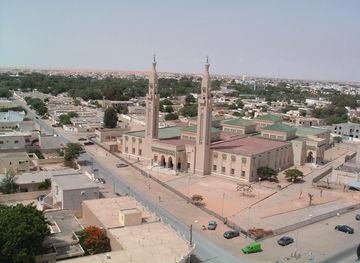
Explore more of Tichit
Discover Tichit: An ancient oasis in the Mauritanian desert, renowned for its historic stone architecture, ancient manuscripts, and breathtaking desert landscape.
Explore Tichit
Explore more of Mauritania
Discover Mauritania's vast Sahara Desert, ancient cities, and rich cultural heritage. Experience the stunning landscapes and warm hospitality of this West African gem.
Explore Mauritania