

Free Tichit Travel Guide & Mobile App
Explore Tichit with free travel guides. Discover regional history, expert tips, proposed trips, and audio guides on web or mobile app.


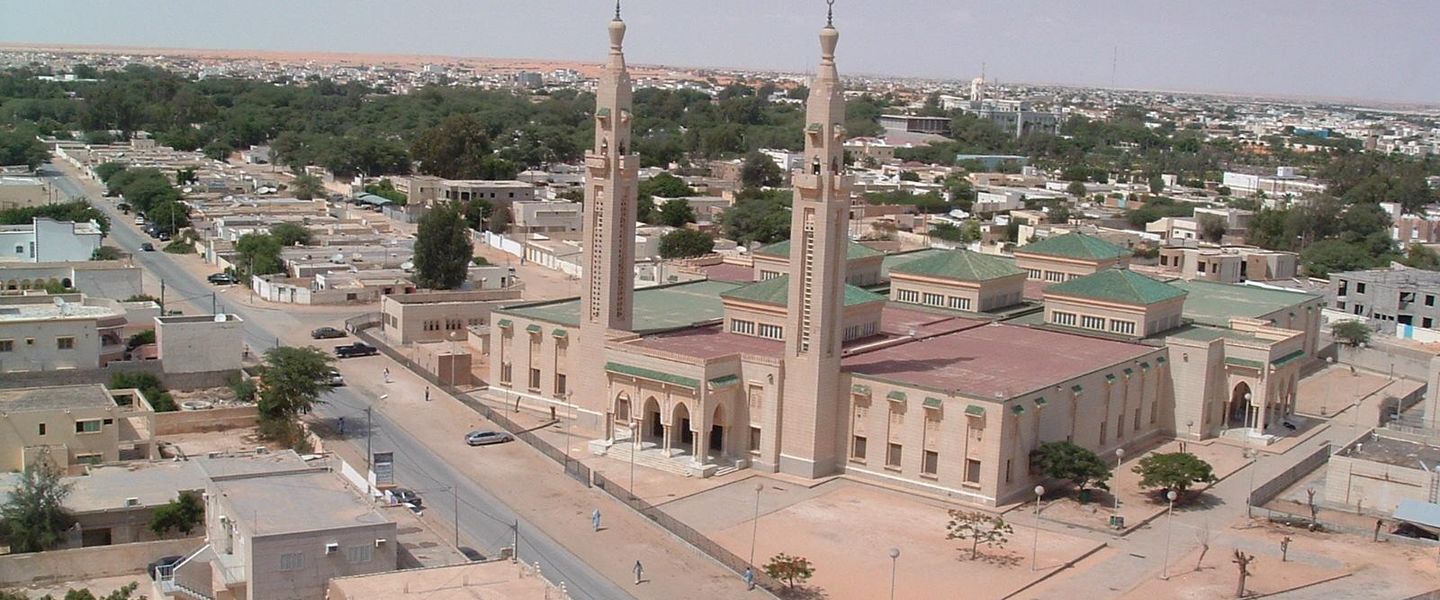


Explore Tichit in Mauritania for UNESCO-listed ksar architecture, Saharan archaeology, oasis landscapes and a demanding journey across the Tagant plateau.
Read more about Tichit
When is the best time to visit Tichit?
Best: December–February · 25–28°C| Month | High (°C) | Rainfall (mm) |
|---|---|---|
| January (best) | 25 | 0 |
| February (best) | 28 | 0 |
| March | 33 | 1 |
| April | 36 | 1 |
| May | 40 | 2 |
| June | 43 | 5 |
| July | 43 | 10 |
| August | 42 | 15 |
| September | 40 | 10 |
| October | 36 | 1 |
| November | 30 | 0 |
| December (best) | 26 | 0 |
Getting to and around Tichit
How to get there
Transportation
Best attractions in Tichit
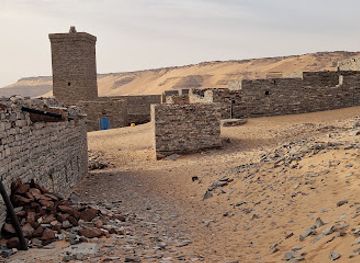
Tichit’s principal attraction is the historic ksar itself, where narrow lanes, stone-built houses, mosque architecture and remnants of domestic courtyards reveal how a desert settlement was organised around shade, security and scarce water. The town forms part of the UNESCO-listed Ancient Ksour of Mauritania, alongside Ouadane, Chinguetti and Oualata, although each settlement has its own architectural character. The oasis provides a contrasting landscape of palms and cultivated pockets, while walks beyond the town lead into the rocky plateaux, wadis and gravel plains of the Tagant. The wider Dhar Tichitt area is important for prehistoric archaeology, with evidence of ancient settled communities from a wetter phase of Saharan history; access to individual archaeological sites should be arranged with specialists or local guides rather than attempted independently. Tichit is not a resort destination and offers few formal museums, organised excursions or family attractions. Its appeal lies in close observation of vernacular architecture, the scale of the desert, the survival of oasis life and the chance to understand how trade, scholarship and pastoral movement shaped Mauritania’s interior. Visitors should treat the landscape as fragile and avoid disturbing stones, artefacts or archaeological remains.
-
Tichit historical city
Discover the historical wonders of Tichit, a medieval trading city hidden in the Mauritanian desert, where culture meets adventure.
-

Dahr Tichit
Discover the breathtaking beauty of Dahr Tichit, a majestic cliff in Mauritania offering stunning views and rich cultural experiences.
Best landmarks in Tichit
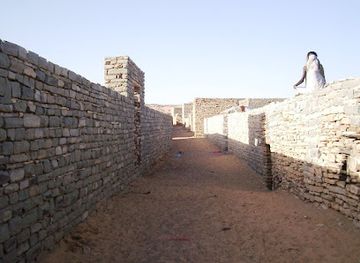
The stone-built historic ksar is Tichit’s defining landmark and the reason the settlement is included in the Ancient Ksour of Mauritania UNESCO World Heritage property. Its walls, lanes, doorways and compact urban layout show how local builders used available stone to create substantial structures in an arid environment. The mosque and associated religious architecture are important elements of the townscape, though access to sacred spaces should always follow local permission and custom. Tichit’s palm oasis is a second landmark of a different kind: a cultivated island of shade and water management set against the severe Tagant plateau. Beyond the settlement, the Dhar Tichitt archaeological landscape gives the region wider significance, preserving traces of prehistoric occupation linked to a wetter Saharan climate. The escarpments, rocky plains and seasonal watercourses around the town are natural landmarks whose appearance changes with light, rainfall and grazing. Together, these places express Tichit’s distinctive relationship between built shelter, oasis cultivation and the ancient environmental history of the western Sahara.
-
Tourist attraction
Richat Structure
Experience the breathtaking Richat Structure, a geological marvel in Mauritania that captivates with its unique circular formation visible from space.
-
Historical landmark
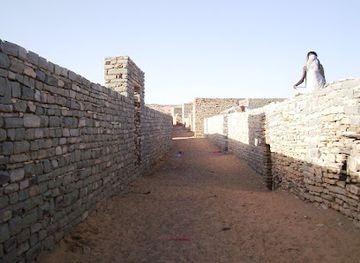
Tichit historical city
Discover Tichit, an enchanting historical city in Mauritania, where ancient architecture meets the stunning Sahara landscape, inviting travelers to explore its rich heritage.
-
Cliff
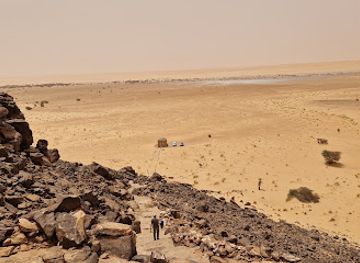
Dahr Tichit
Explore the awe-inspiring Dahr Tichit cliffs in Mauritania, where adventure meets breathtaking scenery and rich cultural experiences await.
-
Historical place
Dhar Tichitt
Explore the ancient wonders of Dhar Tichitt, a UNESCO World Heritage site that unveils the rich history of Mauritania through its stunning architecture and desert landscapes.

Explore Tichit on the map
Plan your trip on one map. See where the top cities, national parks and sights are, and book hotels and experiences in a few clicks.
Best hotels in Tichit
Best restaurants in Tichit
Tichit has no developed restaurant scene, so visitors should arrange meals and provisions before leaving Tidjikja or Nouakchott. Food is likely to be simple, locally prepared fare based on staples such as rice, couscous, bread, dates, tea and, where available, meat or fresh produce brought through the regional supply chain. Hospitality and shared meals are important aspects of travel in Mauritania, but visitors should not assume that a fixed menu, refrigeration or reliable supplies will be available in this remote settlement. Tea may be offered during conversation, and dates reflect the continuing importance of oasis cultivation, although local harvests are not sufficient for every visitor’s needs. Bring safe drinking water, useful snacks and any dietary provisions required for the journey, using sealed supplies where appropriate. Travellers staying with a local household or guide should follow their host’s customs, eat with the right hand when that is the local practice and ask discreetly about ingredients. The culinary experience here is closely tied to desert hospitality and logistics rather than to formal dining.
-
Portuguese
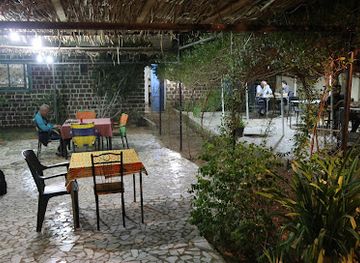
A Casa Portuguesa
Discover authentic Portuguese cuisine at A Casa Portuguesa in Nouakchott – a culinary journey full of flavor awaits!
Best bars in Tichit
Tichit has no conventional bar or nightclub scene, and public alcohol consumption is incompatible with Mauritania’s Islamic cultural and legal environment. Evening life centres instead on family and community gatherings, tea, conversation and the quiet routines of an oasis town after the heat of the day. Visitors staying with local hosts or guides should follow their arrangements and avoid treating hospitality as a commercial nightlife service. After sunset, the settlement and surrounding plateau can become exceptionally quiet, with darkness offering clear desert skies when conditions permit. Evenings are also a practical time for a short accompanied walk or conversation about the ksar, provided residents’ privacy and religious customs are respected. Travellers should not expect organised entertainment, late-opening venues or reliable evening transport, and should carry torches or headlamps for moving safely across uneven ground.
-
Restaurant
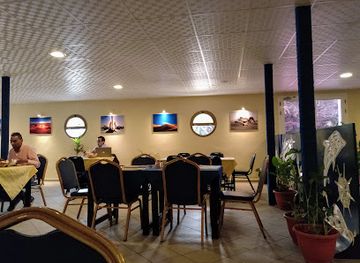
Tafarit Restaurant
Experience the authentic tastes of Mauritania at Tafarit Restaurant, a culinary delight in the heart of Nouakchott.
-
Restaurant
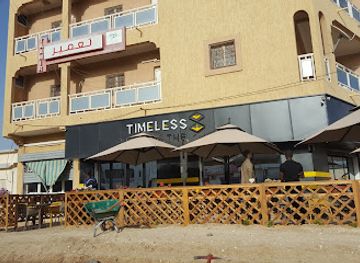
Timeless
Explore the authentic flavors of Mauritania at Timeless, a premier restaurant in Nouakchott known for its warm ambiance and delicious local cuisine.
-
Restaurant
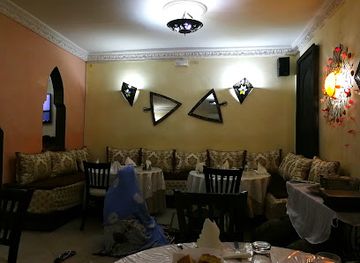
مطعم فنتازيا
Discover the flavors of Mauritania at مطعم فنتازيا, a dining experience that delights the senses and showcases the best of local cuisine.
-
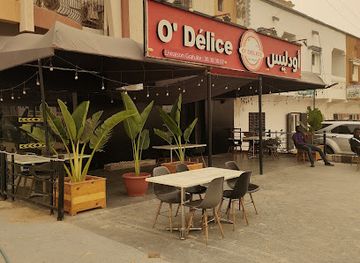
O Délice
Discover the vibrant flavors of O Délice in Nouakchott, where authentic hamburgers and tacos meet local Mauritian hospitality.
Best shops in Tichit
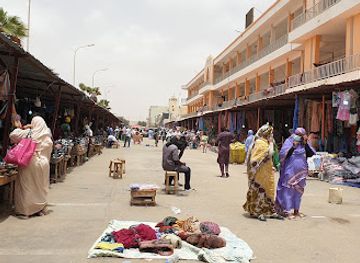
Shopping in Tichit is limited to everyday local supplies rather than a dedicated visitor retail scene. Travellers should buy fuel, substantial food stocks, medicines, cash and specialist equipment in Nouakchott or Tidjikja, where choice is considerably greater. Within the settlement, small shops and informal vendors may provide basic provisions when available, but stock, opening arrangements and payment options can be unpredictable. The most meaningful regional purchases are likely to be dates or other oasis produce when in season, simple household goods and locally made items obtained directly through a host or guide. Do not remove stones, archaeological objects, manuscripts or fragments from the ksar, and be cautious about buying anything described as antique without clear legal provenance. Visitors seeking Mauritanian handicrafts, textiles, leatherwork or jewellery will generally find a broader selection in larger towns and cities rather than Tichit itself. Carry reusable bags and minimise packaging, since waste collection and disposal facilities in this remote environment are limited.
-
Shopping mall
Marche Capitale
Experience the heart of Nouakchott at Marche Capitale, a vibrant shopping mall filled with culture, cuisine, and local craftsmanship.
-
Art gallery
Galerie Zeinart
Discover the cultural heartbeat of Nouakchott at Galerie Zeinart, where local art and craftsmanship come alive in a vibrant setting.
-
Historical landmark
Tichit historical city
Uncover the rich history and stunning architecture of Tichit, a captivating historical city in Mauritania and a UNESCO World Heritage site.
-
Clothing store
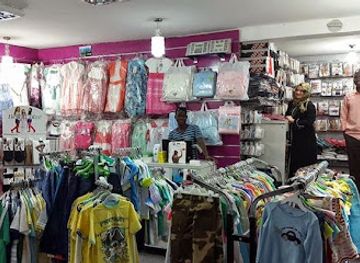
MARCHE TURC
Discover the vibrant shopping experience at MARCHE TURC in Nouakchott, Mauritania, offering a diverse range of clothing and accessories for all ages.

Get your free copy of our complete guide to Tichit, delivered straight to you.
Everything on this page, from attractions and restaurants to essentials and local phrases, in one PDF you can read offline, print or share.
Already have an account? Sign in
Your Tichit guide is ready.
We'll send it to · Not you? Sign out

Getting your guide ready…
We are putting together a fresh copy of the Tichit guide. This can take up to a minute.
This can take a few moments. If your browser asks, choose Allow so the download can start. You'll find the guide in your Downloads folder.
Nothing happened? Download it again
Sorry, the guide is taking longer than usual. Please try again in a minute, or get it by email instead.
Tichit essentials
Currency and Payment
Safety
Emergency Situations
Do's and Don'ts
Local Tips
From Eve
Local phrases worth knowing
You don't need to get them perfect. A few words go a long way, and locals appreciate the effort.
Basics
| English | Local | Say it |
|---|---|---|
| Hello | Salam | [sah-lahm] |
| Goodbye | Besslama | [bes-lah-mah] |
| Yes | Iyeh | [ee-yeh] |
| No | La | [lah] |
| Please/You're welcome | Afwan | [ah-fwan] |
| Thank you | Shukran | [shoo-kraan] |
| Excuse me/Sorry | Ana asif | [ah-nah ah-seef] |
| How are you? | Kif halak? | [keef hah-lak] |
| Fine. And you? | Ana bikhair, wa anta? | [ah-nah bee-khair, wah an-tah] |
| Do you speak English? | Hal tatakallam al-ingliziya? | [hal tah-tah-kah-lam al-in-glee-zee-yah] |
| I don't understand | Ana la afham | [ah-nah lah af-ham] |
Eating & Drinking
| English | Local | Say it |
|---|---|---|
| I'd like to see the menu, please | Arju an ara al-menu, afwan | [ar-joo an ah-rah al-men-oo, ah-fwan] |
| I don't eat meat | Ana la akulu lahm | [ah-nah lah ah-koo-lu lahm] |
| Cheers! | Sahha! | [sah-hah] |
| I would like to pay, please | Arju an adfa'a, afwan | [ar-joo an ad-fa-ah, ah-fwan] |
Emergencies
| English | Local | Say it |
|---|---|---|
| Help! | Ain aid! | [ain aid] |
| Go away! | Izhab! | [iz-hab] |
| Call the Police! | Ittasil bil-shurta! | [it-ta-sil bil-shur-ta] |
| Call a doctor! | Ittasil bi-doctor! | [it-ta-sil bi-doc-tor] |
| I'm lost | Ana dhahibt! | [ah-nah dha-haybt] |
| I'm ill | Ana marid | [ah-nah ma-rid] |
Shopping
| English | Local | Say it |
|---|---|---|
| I'd like to buy... | Arju an ashtari... | [ar-joo an ash-tah-ree] |
| I'm just looking | Ana just amdur | [ah-nah just am-door] |
| How much is it? | Kam thamanuh? | [kam tha-ma-nuh] |
| That's too expensive | Hatha ghaly jidan | [ha-tha ghal-ee jee-dan] |
| Can you lower the price? | Hal yumkinuka an tukhafidh al-thaman? | [hal yum-kee-nu-kah an too-khah-fidh al-tha-man] |
Time & Numbers
| English | Local | Say it |
|---|---|---|
| What time is it? | Ay waqt huwa? | [ay waqt hoo-wah] |
| It's one o'clock | Huwa wahid | [hoo-wah wah-heed] |
| Half past (10) | Nisf waqti (10) | [nisf waq-ti] |
| Morning | Sabah | [sah-bah] |
| Afternoon | Ba'ad al-zuhur | [ba-ad al-zu-hoor] |
| Evening | Masa | [mah-sah] |
| Yesterday | Ams | [ams] |
| Today | Al-yawm | [al-yawm] |
| Tomorrow | Ghad | [ghad] |
| 1 | Wahid | [wah-heed] |
| 2 | Ithnayn | [ith-nayn] |
| 3 | Thalatha | [tha-lah-thah] |
| 4 | Arba'a | [ar-ba-ah] |
| 5 | Khamsa | [khams-ah] |
| 6 | Sitta | [sit-tah] |
| 7 | Sab'a | [sab-ah] |
| 8 | Thamaniya | [tha-mah-nee-yah] |
| 9 | Tis'a | [tis-ah] |
| 10 | Ashara | [ah-shah-rah] |
Transport & Directions
| English | Local | Say it |
|---|---|---|
| Where's a/the...? | Ayna ...? | [ay-nah] |
| What's the address? | Ma huwa al-'unwan? | [ma hoo-wah al-un-wan] |
| Can you show me (on the map)? | Hal yumkinuka an turini (ala al-kharta)? | [hal yum-kee-nu-kah an too-ree-nee] |
| When's the next (bus)? | Mata al-hafila al-qadima? | [ma-tah al-ha-fee-lah al-qah-dee-mah] |
| A ticket (to ....) | Tazkara (ila ...) | [taz-kah-rah] |
History of Tichit
The Dhar Tichitt prehistoric landscape
The wider Dhar Tichitt region preserves archaeological evidence of communities that lived in the western Sahara during a substantially wetter prehistoric period. Sites associated with the Dhar Tichitt tradition include stone-built settlements, storage features and traces of cultivation and herding, showing that the area once supported more settled lifeways than its present arid conditions suggest. Although these prehistoric remains are distinct from the later town of Tichit, they give the region an important place in the study of Saharan environmental change, early food production and long-distance cultural connections.
Saharan routes and the rise of the ksour
From the medieval period, settlements across Mauritania’s interior developed around wells, oases, religious learning and desert trade. Tichit formed part of this wider network of ksour, or fortified settlements, linking communities across the western Sahara. Their prosperity depended on movement rather than on large permanent rivers: merchants, scholars, pastoralists and pilgrims followed routes whose viability changed with politics, security and access to water. Tichit’s stone architecture reflects the need to create durable shelter and defensible urban space in a demanding environment.
Tichit as a centre of Islamic learning
Like several historic towns of the Adrar and Tagant, Tichit became associated with Islamic scholarship, manuscript culture and religious authority. Learning was rooted in mosques, family libraries and the transmission of works in Arabic, with knowledge circulating among travelling scholars and desert communities. The surviving historic buildings and scholarly traditions are part of the cultural legacy that distinguishes Mauritania’s ancient towns. Their importance lies not only in their architecture but also in the intellectual networks that connected remote settlements to the wider Islamic world.
Trade, oasis cultivation and pastoral life
Tichit’s history was shaped by the combination of trade, date-palm cultivation and pastoral mobility. The oasis supplied shade and produce, while surrounding lands supported livestock when seasonal conditions permitted. Desert commerce was vulnerable to changing routes, political authority and the emergence of more accessible transport corridors, yet small oases remained essential points of support. This relationship between a compact settlement and a sparsely populated hinterland continues to explain Tichit’s form and its dependence on water, seasonal rainfall and outside supply.
Mauritania’s modern political transformation
The creation of the Islamic Republic of Mauritania in 1960 brought the country’s historic desert settlements into a modern state whose administrative and economic centres were increasingly concentrated elsewhere. Roads, motor vehicles and national institutions altered older patterns of caravan movement, but remote towns such as Tichit remained connected to pastoral communities and regional exchange. Modernisation did not erase the ksar’s historical value; instead, it made the preservation of its buildings, oasis and manuscript heritage a question of national and international cultural responsibility.
UNESCO recognition of the Ancient Ksour
In 1996, the Ancient Ksour of Ouadane, Chinguetti, Tichitt and Oualata were inscribed together on the UNESCO World Heritage List. The designation recognises a group of historic Saharan settlements whose urban form, religious buildings, domestic architecture and cultural records express the evolution of trans-Saharan society. Tichit’s inclusion places its stone-built core within a shared Mauritanian heritage, while also highlighting the pressures of desert erosion, population change and limited conservation capacity.
Tichit in Photos
Browse through our photo collection highlighting the charm and character of the destination.
Neighbouring regions of Tichit
The closest regions to Tichit, if you have time for more than one.
-

-

-

-

-


Swipe for more regions
Explore more

Explore more of Mauritania
Discover Mauritania's vast Sahara Desert, ancient cities, and rich cultural heritage. Experience the stunning landscapes and warm hospitality of this West African gem.
Explore Mauritania