

Plage de Moya Travel Guide - Free Web & App
Your ultimate guide to Plage de Moya. Discover top landmarks, proposed trips, and local tips. Free on the web or via the Evendo companion app.


Plage de Moya, Mayotte: discover volcanic black sand, turtle-rich waters, coastal walks and Petite-Terre landscapes near Dzaoudzi and Labattoir for island escapes.
A Black-Sand Beach on Petite-Terre
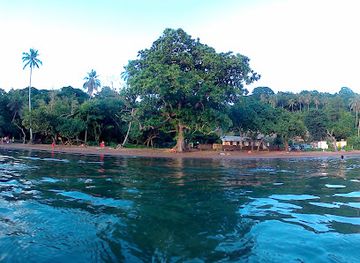
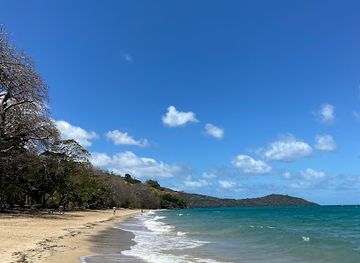
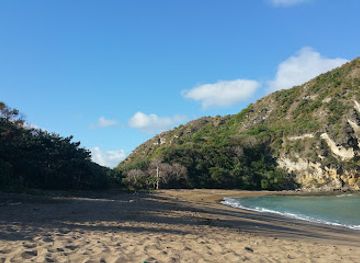
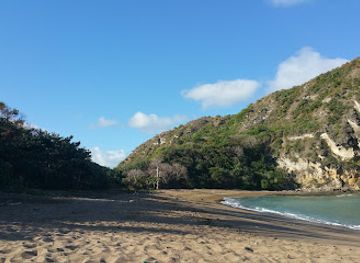
Plage de Moya lies on the southern coast of Petite-Terre, the smaller, more densely settled island of Mayotte in the Indian Ocean. Its dark volcanic sand, low coastal cliffs and open views across the surrounding sea give it a character quite different from the pale coral beaches found elsewhere in the archipelago. The beach is reached from the urbanised areas around Dzaoudzi and Labattoir, yet its setting quickly feels more natural, with dry tropical vegetation and exposed volcanic terrain framing the shoreline.Read more about Plage de Moya
Volcanic Landscapes and Marine Life
Exploring the Surrounding Island
When is the best time to visit Plage de Moya?
Best: June–August · 31°C| Month | High (°C) | Rainfall (mm) |
|---|---|---|
| January | 31 | 173 |
| February | 31 | 144 |
| March | 31 | 147 |
| April | 32 | 104 |
| May | 31 | 73 |
| June (best) | 31 | 34 |
| July (best) | 31 | 33 |
| August (best) | 31 | 32 |
| September | 31 | 49 |
| October | 31 | 112 |
| November | 31 | 177 |
| December | 31 | 202 |
Getting to and around Plage de Moya
How to get there
Transportation
Best attractions in Plage de Moya
The principal attraction is the beach itself, where dark volcanic sand meets the open Indian Ocean beneath the rugged southern coast of Petite-Terre. The surrounding slopes and low cliffs reveal the island's volcanic character, while the shoreline provides a possible setting for observing sea turtles without approaching or disturbing them. Plage de Moya is best paired with other Petite-Terre landscapes rather than treated as an isolated resort: the crater scenery around Lac Dziani offers a contrasting inland environment, and the viewpoints around the island open across the lagoon towards Grande-Terre. Dzaoudzi contributes a historic and urban dimension, with its old settlement and maritime setting, while Labattoir and Pamandzi provide food, shops and practical services. The attractions around Moya are primarily geological, coastal and ecological, with little purpose-built infrastructure on the beach itself.
-
Hiking area
Pointe Mahabou
Explore the natural beauty of Pointe Mahabou, a serene hiking area in Mamoudzou, Mayotte, featuring stunning landscapes and diverse wildlife.
-
Tourist attraction
Plage De Tanaraki
Discover the untouched beauty of Plage De Tanaraki, a serene beach in Mayotte where relaxation meets adventure amidst stunning natural landscapes.
-
Beach
Plages de Moya
Explore the tranquil shores of Plages de Moya in Mayotte, where pristine beaches meet vibrant marine life for an unforgettable escape.
-
Visitor center
Agence d'Attractivité et de Développement Touristique de Mayotte (AaDTM)
Explore the vibrant culture and stunning landscapes of Mayotte through the Agence d'Attractivité et de Développement Touristique de Mayotte.
Best landmarks in Plage de Moya
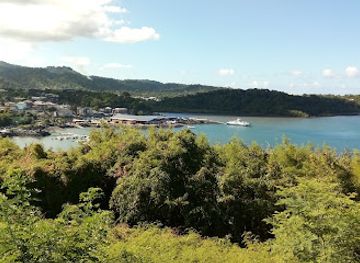
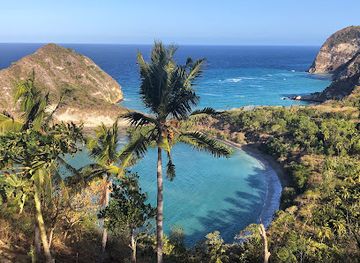
Plage de Moya's defining landmark is its dark volcanic shoreline, a visible reminder that Petite-Terre is an island of volcanic origin rather than a uniformly coral-built coast. The surrounding sea forms part of the wider Mayotte lagoon environment, whose reefs, channels and marine habitats underpin the archipelago's ecological identity. Inland, the crater landscape around Lac Dziani provides an important geological counterpoint to Moya's ocean-facing setting. Across the island, Dzaoudzi's historic centre and maritime position represent the administrative and settlement history of Petite-Terre, while the views towards Grande-Terre place the beach within Mayotte's larger island system. These features are experienced as a combination of natural formation, living coastline and human settlement rather than as a concentration of monumental architecture.
-
Tourist attraction
Beach N'Gouja
Discover the serene beauty of Beach N'Gouja in Mayotte, where golden sands and crystal-clear waters await your arrival in a tropical paradise.
-
Hotel
Le Jardin Maore
Experience the beauty of Mayotte at Le Jardin Maore, where luxury meets adventure by the stunning Plage N'Gouja.
-
Island
Grande-Terre
Explore Grande-Terre, an enchanting island in Mayotte, where stunning beaches, diverse wildlife, and vibrant culture await every traveler.
-
French
Le Moya
Discover Le Moya, Mayotte's premier French restaurant, offering a delightful culinary experience with local flavors and exquisite dishes.
Explore Plage de Moya on the map
Plan your trip on one map. See where the top attractions, landmarks, restaurants and hotels are, and book hotels and experiences in a few clicks.
Best hotels in Plage de Moya
Best restaurants in Plage de Moya
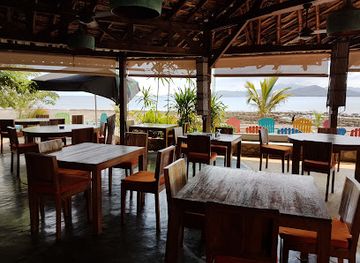
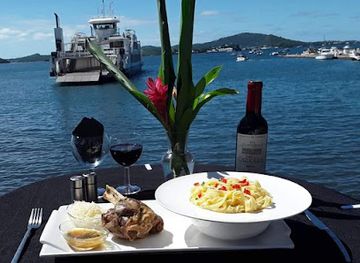
Plage de Moya is not a dining centre, and visitors should not rely on finding a restaurant, café or permanent refreshment stall beside the sand. The widest choice is in and around Dzaoudzi, Labattoir and Pamandzi, where local eateries and everyday food businesses reflect Mayotte's Indian Ocean setting. Mahoran cooking commonly combines rice with fragrant sauces, coconut, chilli, seafood, meat or locally grown produce, while French culinary influences are also part of daily life. Street-food style snacks and small informal meals may be available in populated areas, but opening patterns and payment methods vary. Buying water and provisions before travelling to the beach is sensible. Picnicking can be practical, provided all food waste is removed and visitors avoid leaving traces on the shore.
-
Restaurant
Le Faré
Experience authentic Mahoran cuisine at Le Faré in Dzaoudzi—where every meal tells a story.
-
French
Le Moya
Discover authentic French flavors at Le Moya in Labattoir, where exquisite dishes meet warm hospitality in a charming atmosphere.
-
Restaurant
Le Tour du Monde
Explore diverse flavors at Le Tour du Monde in Dzaoudzi - where Mayotte's culinary culture meets global influences in every bite.
-
Restaurant
Le Mékong
Discover authentic Southeast Asian cuisine at Le Mékong in Pamandzi – where every dish tells a story!
Best bars in Plage de Moya
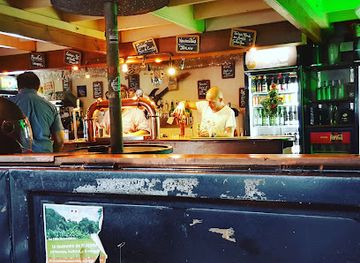
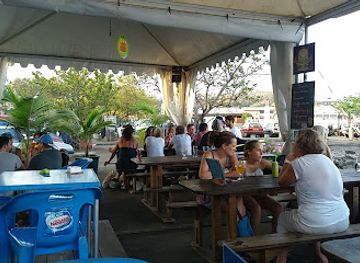
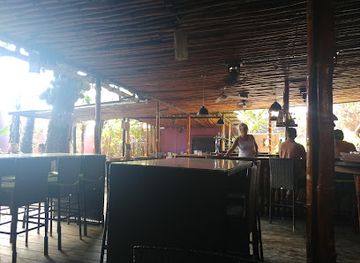
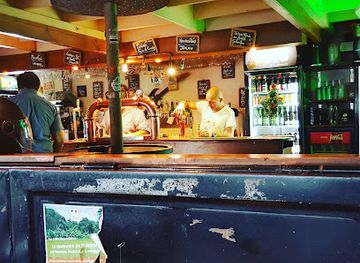
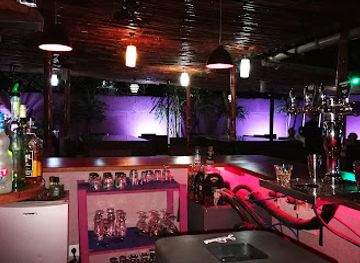
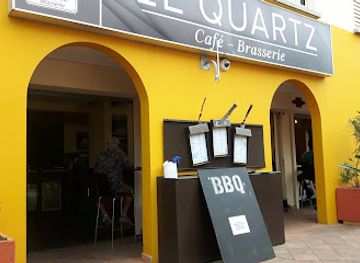
Evening entertainment around Plage de Moya is limited, as the site is a natural beach rather than a resort strip with bars or nightclubs. After dark, the priority should be quiet, responsible use of the coast, particularly if turtles are nesting or other wildlife is present; bright lights, noise and shoreline disturbance can cause harm. Visitors seeking an evening meal or a more social atmosphere should look towards Dzaoudzi, Labattoir and Pamandzi, where hospitality venues are concentrated, while larger hotels and restaurants may provide the most predictable evening options. Local cafés and informal meeting places offer a more representative experience of Petite-Terre than a dedicated nightlife district, but venue availability and hours can change.
-
Bar
Barakili
Discover the vibrant atmosphere of Barakili in Mamoudzou, Mayotte, where local drinks and culture come alive in a cozy bar setting.
-
Bar
Le Camion Blanc
Le Camion Blanc: A lively bar in Mamoudzou offering a vibrant atmosphere, refreshing drinks, and a taste of local culture in the heart of Mayotte.
-
French
Le Moya
Experience authentic French cuisine at Le Moya in Labattoir, Mayotte - a culinary gem where flavor meets elegance.
-
Restaurant
Le 5/5
Discover the vibrant atmosphere of Le 5/5 in Mamoudzou, where delicious pizzas, crafted cocktails, and lively karaoke nights await you.
Best nightclubs in Plage de Moya
Evening entertainment around Plage de Moya is limited, as the site is a natural beach rather than a resort strip with bars or nightclubs. After dark, the priority should be quiet, responsible use of the coast, particularly if turtles are nesting or other wildlife is present; bright lights, noise and shoreline disturbance can cause harm. Visitors seeking an evening meal or a more social atmosphere should look towards Dzaoudzi, Labattoir and Pamandzi, where hospitality venues are concentrated, while larger hotels and restaurants may provide the most predictable evening options. Local cafés and informal meeting places offer a more representative experience of Petite-Terre than a dedicated nightlife district, but venue availability and hours can change.
-
Bar
Barakili
Experience the vibrant nightlife of Mayotte at Barakili, where great drinks and friendly faces await you.
-
French
Le Moya
Experience exquisite French cuisine at Le Moya, a culinary gem in Mayotte, blending local flavors with classic techniques for an unforgettable dining experience.
-
Bar
M'biwi
Experience the vibrant atmosphere and refreshing drinks at M'biwi, a bar in Mamoudzou, Mayotte, where locals and tourists unite.
-
Bar
Le Sympa
Experience the lively ambiance and exquisite flavors at Le Sympa, Pamanzi's premier bar and restaurant, perfect for tourists seeking local culture and fun.

Best shops in Plage de Moya
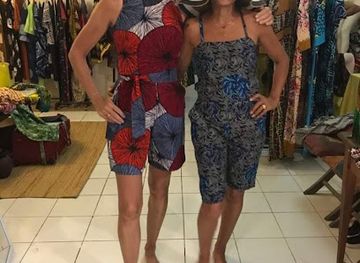
There is no substantial retail area at Plage de Moya, so shopping should be completed in Dzaoudzi, Labattoir or Pamandzi. These settlements provide everyday shops, food supplies and practical items, while visitors may also encounter locally made crafts, clothing, woven goods and regional produce through small businesses or informal community markets. Products associated with Mayotte can reflect Comorian, Malagasy, African and French cultural influences, although stock and market arrangements are not necessarily permanent. Farm and food products may include tropical fruit, spices and other ingredients used in Mahoran cooking. Visitors should distinguish genuine local goods from generic souvenirs and carry purchases securely when travelling between the towns and the beach.
-
Fashion designer
Choumi Créations
Explore the vibrant fashion scene at Choumi Créations, a boutique in Pamandzi, Mayotte, showcasing local artistry and contemporary designs.
-
Store
Rama
Experience the rich culture and unique products at Rama Store in Dzaoudzi, a charming destination for every traveler in Mayotte.
-
Vaporizer store
Maycig - Boutique EN LIGNE
Explore the finest selection of vaporizers at Maycig - Boutique EN LIGNE, a top destination for vaping enthusiasts in Mayotte.
-
Clothing store
Super bazars Mayotte
Explore unique styles and local craftsmanship at Super Bazars Mayotte, your premier clothing destination in Pamandzi.


Get your free copy of our complete guide to Plage de Moya, delivered straight to you.
Everything on this page, from attractions and restaurants to essentials and local phrases, in one PDF you can read offline, print or share.
Already have an account? Sign in
Your Plage de Moya guide is ready.
We'll send it to · Not you? Sign out

Getting your guide ready…
We are putting together a fresh copy of the Plage de Moya guide. This can take up to a minute.
This can take a few moments. If your browser asks, choose Allow so the download can start. You'll find the guide in your Downloads folder.
Nothing happened? Download it again
Sorry, the guide is taking longer than usual. Please try again in a minute, or get it by email instead.
Plage de Moya essentials
Currency and Payment
Safety
Emergency Situations
Do's and Don'ts
Local Tips
From Eve
Local phrases worth knowing
You don't need to get them perfect. A few words go a long way, and locals appreciate the effort.
Basics
| English | Local | Say it |
|---|---|---|
| Hello | Salama | [sa-la-ma] |
| Goodbye | Kwaheri | [kwa-he-ri] |
| Yes | Ewe | [e-we] |
| No | Hapana | [ha-pa-na] |
| Please/You're welcome | Tafadhali | [ta-fa-dha-li] |
| Thank you | Asante | [a-san-te] |
| Excuse me/Sorry | Samahani | [sa-ma-ha-ni] |
| How are you? | U hewa? | [u he-wa] |
| Fine. And you? | Nzuri. Na wewe? | [nzu-ri. na we-we] |
| Do you speak English? | Unasema Kiingereza? | [u-na-se-ma ki-in-ge-re-za] |
| I don't understand | Sielewi | [sie-le-wi] |
Eating & Drinking
| English | Local | Say it |
|---|---|---|
| I'd like to see the menu, please | Ningependa kuona menyu, tafadhali | [ni-nge-pen-da ku-o-na men-yu, ta-fa-dha-li] |
| I don't eat meat | Sili nyama | [si-li nya-ma] |
| Cheers! | Mambo! | [mam-bo] |
| I would like to pay, please | Ningependa kulipa, tafadhali | [ni-nge-pen-da ku-li-pa, ta-fa-dha-li] |
Emergencies
| English | Local | Say it |
|---|---|---|
| Help! | Msaada! | [m-saa-da] |
| Go away! | Ondoka! | [on-do-ka] |
| Call the Police! | Piga Polisi! | [pi-ga po-li-si] |
| Call a doctor! | Piga daktari! | [pi-ga dak-ta-ri] |
| I'm lost | Nimepotea | [ni-me-po-te-a] |
| I'm ill | Ninaumwa | [ni-na-um-wa] |
Shopping
| English | Local | Say it |
|---|---|---|
| I'd like to buy... | Ningependa kununua... | [ni-nge-pen-da ku-nu-nua] |
| I'm just looking | Natazama tu | [na-ta-za-ma tu] |
| How much is it? | Ni bei gani? | [ni bei ga-ni] |
| That's too expensive | Hiyo ni ghali sana | [hi-yo ni gha-li sa-na] |
| Can you lower the price? | Unaweza kupunguza bei? | [u-na-we-za ku-pun-gu-za bei] |
Time & Numbers
| English | Local | Say it |
|---|---|---|
| What time is it? | Saa ngapi? | [sa-a nga-pi] |
| It's one o'clock | Ni saa moja | [ni sa-a mo-ja] |
| Half past (10) | Nusu saa kumi | [nu-su sa-a ku-mi] |
| Morning | Asubuhi | [a-su-bu-hi] |
| Afternoon | Mchana | [m-cha-na] |
| Evening | Jioni | [jo-ni] |
| Yesterday | Jana | [ja-na] |
| Today | Leo | [le-o] |
| Tomorrow | Kesho | [ke-sho] |
| 1 | Moja | [mo-ja] |
| 2 | Mbili | [m-bi-li] |
| 3 | Tatu | [ta-tu] |
| 4 | Nne | [n-ne] |
| 5 | Tano | [ta-no] |
| 6 | Sita | [si-ta] |
| 7 | Saba | [sa-ba] |
| 8 | Nane | [na-ne] |
| 9 | Kenda | [ken-da] |
| 10 | Kumi | [ku-mi] |
Transport & Directions
| English | Local | Say it |
|---|---|---|
| Where's a/the...? | Iko wapi...? | [i-ko wa-pi] |
| What's the address? | Anwani ni gani? | [an-wa-ni ni ga-ni] |
| Can you show me (on the map)? | Unaweza kunionyesha (kwenye ramani)? | [u-na-we-za ku-nio-nye-sha (kwe-nye ra-ma-ni)] |
| When's the next (bus)? | Basi lifuatalo ni saa ngapi? | [ba-si li-fua-ta-lo ni sa-a nga-pi] |
| A ticket (to ....) | Tiketi (kwenda ....) | [ti-ke-ti (kwen-da)] |
History of Plage de Moya
An Ancient Volcanic Island
Plage de Moya's setting is rooted in the volcanic history of Petite-Terre. The island forms part of the Mayotte archipelago, itself associated with the Comoros volcanic chain, and its relief reflects successive eruptions, erosion and the later influence of the sea. The dark sand at Moya derives from the breakdown of volcanic rock rather than the pale carbonate material characteristic of many tropical beaches. The surrounding island contains other volcanic features, including crater landscapes, showing how geological processes continue to shape the scenery experienced by visitors.
Early Settlement and Indian Ocean Exchange
Mayotte's human history developed within the wider maritime world of the western Indian Ocean. African, Malagasy, Arab and Swahili influences contributed to settlement, language, religion and trade across the islands, with coastal locations providing access to fishing and seaborne movement. Petite-Terre's sheltered position beside the main island helped connect communities to lagoon and ocean resources. Although Plage de Moya is principally valued today for its landscape, its coast belongs to a lived island environment shaped over centuries by movement between settlements and the sea.
Mayotte under French Administration
France took possession of Mayotte in 1841 after an agreement with Sultan Andriantsoly, beginning the political relationship that distinguishes the island from the other Comoros islands. Dzaoudzi, on Petite-Terre, became the principal colonial administrative centre and an important base for movement through the archipelago. The legacy of this period remains visible in the historic fabric of Dzaoudzi and in Mayotte's contemporary institutions. Plage de Moya itself has no major monumental complex, but it is reached from an island whose modern settlement pattern was strongly influenced by this administrative history.
Departmental Mayotte and Coastal Conservation
Mayotte became an overseas department of France in 2011, bringing its administration and public services more closely into the French state while preserving a distinctive Mahoran social and cultural identity. In recent decades, environmental attention has increasingly focused on the lagoon, coral ecosystems, mangroves and beaches used by sea turtles. Moya sits within this wider conservation context: its value lies not only in recreation but also in the relationship between volcanic coast, marine habitats and local communities. Responsible access is especially important where nesting or other sensitive wildlife activity occurs.
Plage de Moya in Photos
Browse through our photo collection highlighting the charm and character of the destination.
Cities in Plage de Moya
The towns and cities of Plage de Moya, and the easiest places to base yourself.
-

-

-
-

-

-


Swipe for more cities
Neighbouring destination travel guides
The closest destinations to Plage de Moya, if you have time for more than one.
-

-

-

-

-


Swipe for more destinations
Explore more

Explore more of Petite-Terre
Petite-Terre in Mayotte combines volcanic lakes, turtle beaches, historic Dzaoudzi and easy access to the islands’ famed lagoon.
Explore Petite-Terre
Explore more of Mayotte
Discover Mayotte, the untouched paradise of the Indian Ocean, where stunning beaches, vibrant marine life, and a unique cultural blend await you.
Explore Mayotte