
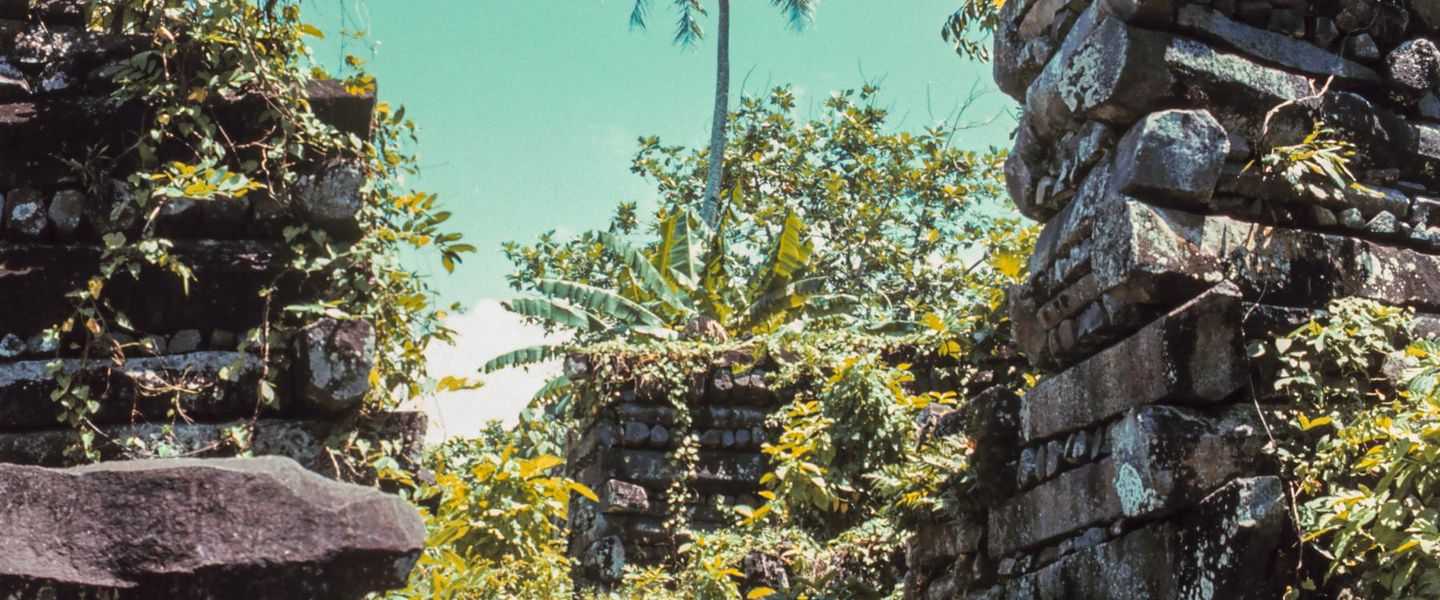
Pohnpei, Micronesia Travel Guide
Discover Pohnpei, the lush island paradise in Micronesia, known for its ancient ruins, vibrant culture, and breathtaking natural beauty.
Pohnpei, the largest island in the Federated States of Micronesia, is a hidden gem in the Pacific Ocean. Known for its lush rainforests, ancient ruins, and vibrant culture, Pohnpei offers a unique blend of natural beauty and rich history. The island is a paradise for nature lovers, with its stunning waterfalls, dense jungles, and diverse marine life. Nan Madol, an ancient city built on a series of small, artificial islands, is one of Pohnpei's most remarkable attractions. Often referred to as the 'Venice of the Pacific,' this mysterious archaeological site is a must-see for history enthusiasts. The ruins, which date back to the 12th century, offer a glimpse into the island's past and the advanced engineering skills of its early inhabitants. Pohnpei is also famous for its warm and welcoming locals. The island's culture is deeply rooted in tradition, and visitors can experience this through local festivals, traditional dance performances, and the vibrant markets. The local cuisine, featuring fresh seafood and tropical fruits, is another highlight of any trip to Pohnpei. For adventure seekers, Pohnpei offers excellent opportunities for hiking, diving, and surfing. The island's rugged terrain and pristine waters make it an ideal destination for those looking to explore off the beaten path. Whether you're trekking through the rainforest to see the stunning Sokehs Rock or diving in the crystal-clear waters to discover the vibrant coral reefs, Pohnpei promises an unforgettable experience.

Know before you go
Hi, I'm Eve. Here are a few practical things to know before exploring Pohnpei.
- Bring insect repellent as the rainforests can have many mosquitoes.
- Respect local customs and dress modestly, especially when visiting villages.
- Try the traditional drink, sakau, made from the roots of the kava plant.
- Rent a car or hire a local guide to explore the island more efficiently.
- Visit during the dry season from November to April for the best weather.
Explore Pohnpei: Things to Do, Places to Eat, Hotels & More
Handpicked recommendations for top attractions, local dining, accommodations, and more

Best attractions in Pohnpei
Top-rated picks
Best Attractions

Japanese WWII Anti-Aircraft Guns
Discover the historical significance and stunning natural beauty of the Japanese WWII Anti-Aircraft Guns in Soledi, Pohnpei.

Lelu Ruins Historic Park
Discover the ancient wonders of Lelu Ruins Historic Park on Kosrae, a hidden gem showcasing the rich history and culture of Micronesia.
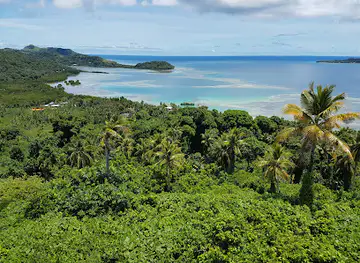
Japanese WWII Lighthouse
Explore the Japanese WWII Lighthouse in Weno, Chuuk - a historical gem offering stunning coastal views and a glimpse into the region's past.

Sokehs Rock
Discover the breathtaking beauty and cultural significance of Sokehs Rock, a stunning natural landmark in Pohnpei, ideal for adventure seekers and nature lovers.

Best landmarks in Pohnpei
Top-rated picks
Best Landmarks
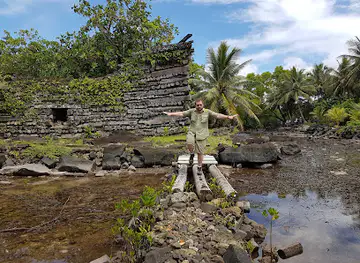
Nan Madol
Uncover the mystique of Nan Madol, a breathtaking UNESCO World Heritage site steeped in ancient history and stunning natural beauty, located in Pohnpei.

Cliff Hotel & Restaurant
Experience the essence of Pohnpei at Cliff Hotel & Restaurant, where comfort meets authentic local cuisine amidst stunning natural beauty.
Joy Hotel & Restaurant
Experience the charm of Kolonia at Joy Hotel & Restaurant, where exquisite Japanese cuisine and comfort await every traveler.
Kosrae Nautilus Resort
Experience the beauty of Kosrae at Kosrae Nautilus Resort, your tropical sanctuary for relaxation and adventure in paradise.

Best restaurants in Pohnpei
Top-rated picks
Best Restaurants

Denny's Micronesia Mall
Discover casual dining at Denny's Micronesia Mall in Guam—where delicious American cuisine meets family-friendly hospitality.

Beachin' Shrimp 3
Discover delicious seafood delights at Beachin' Shrimp 3 in Guam's Micronesia Mall - A must-visit culinary destination for food lovers.
Cliff Hotel & Restaurant
Experience breathtaking views and exquisite flavors at Cliff Hotel & Restaurant in Pohnpei - where culinary excellence meets stunning landscapes.
Joy Hotel & Restaurant
Experience authentic Japanese cuisine infused with local flavors at Joy Hotel & Restaurant in Kolonia, Pohnpei.

Best bars in Pohnpei
Top-rated picks
Best Bars
Cliff Hotel & Restaurant
Experience the best of Pohnpei's cuisine at Cliff Hotel & Restaurant, where breathtaking views meet exquisite flavors.
Joy Hotel & Restaurant
Experience the best of Japanese and local cuisine at Joy Hotel & Restaurant in Kolonia, Pohnpei, where every meal is a delightful adventure.
7 Stars Inn & Riverside Restaurant
Discover the perfect blend of hospitality, local cuisine, and stunning views at 7 Stars Inn & Riverside Restaurant on Pohnpei Island.
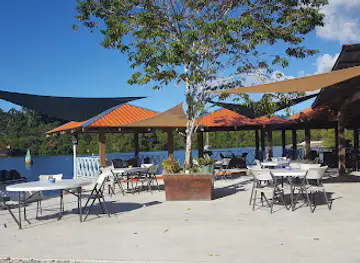
Mangrove Bay Bar
Explore the beauty of Pohnpei at Mangrove Bay Bar, where vibrant nightlife meets delicious local cuisine and refreshing cocktails.

Best nightclubs in Pohnpei
Top-rated picks
Best Nightclubs

Mangrove Bay Bar
Discover the vibrant nightlife at Mangrove Bay Bar in Pohnpei, where stunning views, delicious food, and refreshing drinks await every traveler.

Club Flamingo
Dive into the vibrant nightlife of Pohnpei at Club Flamingo, where music, dance, and cocktails create unforgettable memories.

PCR / Nantehlik Restaurant / Mummy's Club
Discover the lively blend of dining and nightlife at PCR / Nantehlik Restaurant / Mummy's Club in Kolonia, Pohnpei.

Best shops in Pohnpei
Top-rated picks
Best Shops

A-One Mart, Kolonia
Discover local flavors and everyday essentials at A-One Mart, the bustling grocery store in Kolonia, Pohnpei, perfect for tourists.

Ace Commercial Center
Visit Ace Commercial Center in Kolonia for a vibrant shopping experience filled with local produce, international goods, and delicious meals.

Palm Terrace Market
Discover the vibrant flavors of Pohnpei at Palm Terrace Market, your go-to grocery store for local produce and unique snacks.

Isamu Nakasone Store (INS)
Explore the authentic flavors and local culture at Isamu Nakasone Store, a delightful grocery store and café in Kolonia, Pohnpei.

Explore Pohnpei on the Map
A handpicked selection of must-see spots in Pohnpei, mapped for you.
Pohnpei Essentials
-
Pohnpei is part of the Federated States of Micronesia and is primarily accessed by air. The main entry point is Pohnpei International Airport (PNI) located near the capital city of Kolonia. United Airlines operates regular flights from Guam and Honolulu, with connections from other international destinations. Some regional flights come from other islands within Micronesia. Ensure your travel documents are in order, including a valid passport and any necessary visas.
-
Getting around Pohnpei can be done via taxis, rental cars, or local buses. Taxis are abundant and relatively inexpensive, but it's advisable to negotiate the fare beforehand. Car rentals are available for those who prefer to explore at their own pace. Public buses are less frequent but can be a cost-effective way to travel between major points on the island. Walking is also a practical option in smaller towns and villages.
-
The official currency of Pohnpei is the United States Dollar (USD). Credit cards are accepted in major hotels, some restaurants, and larger stores, but cash is preferred for smaller establishments and local markets. ATMs are available, mainly in Kolonia, but it's wise to carry sufficient cash, especially when traveling to more remote areas. Traveler's checks are generally not accepted.
-
Pohnpei is generally a safe destination for tourists. However, standard precautions should be taken. Avoid walking alone at night in isolated areas and be aware of your surroundings. Petty theft can occur, so keep valuables secured. There are no specific high-crime areas targeting tourists, but it's always best to stay vigilant. The local police are approachable and can be contacted for assistance if needed.
-
In case of emergency, dial 911 for immediate assistance. Medical facilities are available in Kolonia, with the main hospital being the Pohnpei State Hospital. It’s advisable to have travel insurance that covers medical emergencies. For minor health issues, pharmacies in Kolonia can provide over-the-counter medications. Familiarize yourself with local emergency procedures and contacts upon arrival.
-
Fashion: Do dress modestly, especially in rural areas and villages. Avoid overly revealing clothing. Religion: Do respect local customs and traditions. Remove your shoes when entering someone's home or a place of worship. Public Transport: Do be respectful and courteous to fellow passengers. Avoid loud conversations and disruptive behavior. Greetings: Do greet people with a smile and a handshake. A slight bow is also appreciated. Eating & Drinking: Do try local dishes and accept food offerings graciously. Don’t refuse hospitality, as it may be considered impolite.
-
To experience Pohnpei like a local, visit the markets in Kolonia where you can buy fresh produce and traditional crafts. Engage with locals, who are often friendly and willing to share insights about the island’s history and culture. Don’t miss the Nan Madol ruins, a UNESCO World Heritage Site. For a unique experience, participate in a sakau (kava) ceremony, which is an important cultural tradition on the island. Respect the natural environment by not littering and adhering to local conservation efforts.
When is the best time to visit Pohnpei?
Useful Local Phrases for Pohnpei
You don't need to speak the language perfectly. Even learning a few simple words can make conversations warmer—and locals usually appreciate the effort.
— Eve

Here are the phrases I use most often in Pohnpei. Try a few—you'll be surprised how far they go! 😊
❤️
-
- HelloKaselel
[kah-seh-lehl] - GoodbyeKalahngan
[kah-lahng-gahn] - YesEi
[ay] - NoEng
[ehng] - Please/You're welcomeKalahngan
[kah-lahng-gahn] - Thank youKalahngan
[kah-lahng-gahn] - Excuse me/SorryKalahngan
[kah-lahng-gahn] - How are you?Kaselel di kediad?
[kah-seh-lehl dee kehd-yahd] - Fine. And you?Mweodo. Ei kediad?
[mweh-oh-doh. ay kehd-yahd] - Do you speak English?Pweipwei English ak?
[pweh-pweh ehn-gleesh ahk] - I don't understandEhng kediad
[ehng kehd-yahd]
- HelloKaselel
-
- I'd like to see the menu, pleaseEimwini menu, kalahngan
[eh-mwee-nee meh-noo, kah-lahng-gahn] - I don't eat meatEng pweipwei ni mihmi
[ehng pweh-pweh nee meeh-mee] - Cheers!Kalahngan
[kah-lahng-gahn] - I would like to pay, pleaseEimwini pweipwei, kalahngan
[eh-mwee-nee pweh-pweh, kah-lahng-gahn]
- I'd like to see the menu, pleaseEimwini menu, kalahngan
-
- Help!Kohso!
[koh-soh] - Go away!Pwukei!
[pwuh-keh-ee] - Call the Police!Kohso polis!
[koh-soh poh-lees] - Call a doctor!Kohso doketa!
[koh-soh doh-keh-tah] - I'm lostEhng kohso mwahu
[ehng koh-soh mwah-hoo] - I'm illEng mwahu
[ehng mwah-hoo]
- Help!Kohso!
-
- I'd like to buy...Eimwini kohso...
[eh-mwee-nee koh-soh] - I'm just lookingEng kohso mei
[ehng koh-soh meh-ee] - How much is it?Kihdo mwahnge?
[keedoh mwahng-geh] - That's too expensiveSoun pweipwei mwahnge
[sown pweh-pweh mwahng-geh] - Can you lower the price?Pweipwei kahso sohla mwahnge?
[pweh-pweh kah-soh soh-lah mwahng-geh]
- I'd like to buy...Eimwini kohso...
-
- What time is it?Kihdo di kohso?
[keedoh dee koh-soh] - It's one o'clockIngasou wain
[een-gah-soh wah-een] - Half past (10)Sihsih pweipwei (10)
[see-see pweh-pweh (10)] - MorningKohso
[koh-soh] - AfternoonIpil
[ee-peel] - EveningLemmeng
[lehm-mehng] - YesterdayKehleng
[keh-leng] - TodayKohso
[koh-soh] - TomorrowKilang
[kee-lahng] - 1Wain
[wah-een] - 2Sohk
[sohk] - 3Kihkih
[keek-keek] - 4Sihpei
[see-pay] - 5Lima
[lee-mah] - 6Enem
[eh-nehm] - 7Fitu
[fee-too] - 8Walung
[wah-loong] - 9Siwah
[see-wah] - 10Sang
[sahng]
- What time is it?Kihdo di kohso?
-
- Where's a/the...?Kihdo di...
[keedoh dee] - What's the address?Kihdo di address?
[keedoh dee address] - Can you show me (on the map)?Pweipwei kahso sohla (di map)?
[pweh-pweh kah-soh soh-lah (dee map)] - When's the next (bus)?Kihdo duhd di next (bus)?
[keedoh doo-dee dee next (bus)] - A ticket (to ....)Eimwini ticket (to ....)
[eh-mwee-nee ticket (to)]
- Where's a/the...?Kihdo di...
History of Pohnpei
-
Nan Madol is often referred to as the 'Venice of the Pacific'. This archaeological site served as the ceremonial and political seat of the Saudeleur Dynasty, which ruled Pohnpei until around 1628. Built on a series of artificial islets, the remains of stone palaces, temples, and tombs are a testament to the island’s sophisticated ancient society. The construction of Nan Madol, involving massive basalt stones, remains a subject of fascination and mystery, as it is unclear how such heavy stones were transported and assembled.
-
The first known European contact with Pohnpei occurred in the early 16th century when Spanish explorers sighted the island. However, it wasn't until the 19th century that more sustained interaction began. The arrival of European explorers and traders introduced new goods, ideas, and diseases, which had significant impacts on the local population and culture.
-
In the mid-19th century, Christian missionaries arrived on Pohnpei, bringing with them new religious practices and Western education. The spread of Christianity led to significant changes in the social and cultural fabric of the island. Traditional practices and beliefs were often suppressed or modified to align with Christian teachings.
-
Pohnpei became a part of the German Empire in 1899 following the Spanish-American War. The Germans introduced various administrative and economic changes, including the development of copra production. After World War I, Japan took control of Pohnpei under a League of Nations mandate. The Japanese era saw the construction of infrastructure, such as roads and schools, as well as the introduction of new agricultural techniques.
-
During World War II, Pohnpei was occupied by Japanese forces and became a target for Allied bombings. The island witnessed significant military activity, and remnants of this period, such as bunkers and aircraft wrecks, can still be found today. After the war, Pohnpei came under U.S. administration as part of the Trust Territory of the Pacific Islands.
-
Pohnpei, along with other islands in the Federated States of Micronesia, began its journey towards independence in the late 20th century. In 1979, the Federated States of Micronesia was established, and Pohnpei became one of its four states. The nation achieved full sovereignty in 1986, entering into a Compact of Free Association with the United States.
-
Despite the influences of colonization and modernization, Pohnpei has managed to preserve many of its traditional customs and practices. The island is known for its rich oral history, traditional navigation skills, and vibrant cultural festivals. Efforts are ongoing to document and revive traditional knowledge and practices, ensuring that the cultural heritage of Pohnpei remains alive for future generations.
Cities near Pohnpei
The closest cities to Pohnpei, if you have time for more than one stop.


Your all‑in‑one travel companion app
Explore expert travel guides, compare and book tours, experiences, hotels, and more—all from the palm of your hand. Download now for seamless trip planning wherever your wanderlust takes you.


Pohnpei in Photos
Browse through our photo collection highlighting the charm and character of the destination.


Pohnpei: The Heart of Micronesia
Pohnpei, the largest island in the Federated States of Micronesia, is a hidden gem in the Pacific Ocean. Known for its lush rainforests, ancient ruins, and vibrant culture, Pohnpei offers a unique blend of natural beauty and rich history. The island is a paradise for nature lovers, with its stunning waterfalls, dense jungles, and diverse marine life. Nan Madol, an ancient city built on a series of small, artificial islands, is one of Pohnpei's most remarkable attractions. Often referred to as the 'Venice of the Pacific,' this mysterious archaeological site is a must-see for history enthusiasts. The ruins, which date back to the 12th century, offer a glimpse into the island's past and the advanced engineering skills of its early inhabitants. Pohnpei is also famous for its warm and welcoming locals. The island's culture is deeply rooted in tradition, and visitors can experience this through local festivals, traditional dance performances, and the vibrant markets. The local cuisine, featuring fresh seafood and tropical fruits, is another highlight of any trip to Pohnpei. For adventure seekers, Pohnpei offers excellent opportunities for hiking, diving, and surfing. The island's rugged terrain and pristine waters make it an ideal destination for those looking to explore off the beaten path. Whether you're trekking through the rainforest to see the stunning Sokehs Rock or diving in the crystal-clear waters to discover the vibrant coral reefs, Pohnpei promises an unforgettable experience.
Explore More of Pohnpei Island

Looking beyond Pohnpei? Discover Pohnpei Island for broader travel guides, local hot-spots, and regional highlights.
Explore Pohnpei IslandExplore More of Micronesia

Looking beyond Pohnpei? Discover Micronesia for broader travel guides, local hot-spots, and regional highlights.
Explore Micronesia