

Free Pohnpei Island Travel Guide & Mobile App
Explore Pohnpei Island with free travel guides. Discover regional history, expert tips, proposed trips, and audio guides on web or mobile app.


Explore Pohnpei Island for Nan Madol, rainforest waterfalls, coral reefs, Pohnpeian culture and a remarkably green Pacific landscape.
Read more about Pohnpei Island
When is the best time to visit Pohnpei Island?
Best: February, April, June · 28–29°C| Month | High (°C) | Rainfall (mm) |
|---|---|---|
| January | 28 | 350 |
| February (best) | 28 | 320 |
| March | 29 | 340 |
| April (best) | 29 | 320 |
| May | 29 | 350 |
| June (best) | 29 | 330 |
| July | 29 | 340 |
| August | 29 | 370 |
| September | 29 | 360 |
| October | 29 | 340 |
| November | 29 | 340 |
| December | 29 | 350 |
Getting to and around Pohnpei Island
How to get there
Transportation
Top city travel guides in Pohnpei Island
The cities of Pohnpei Island, and the easiest places to base yourself.
-

-


Swipe for more cities
Best attractions in Pohnpei Island
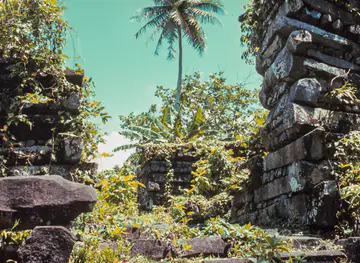
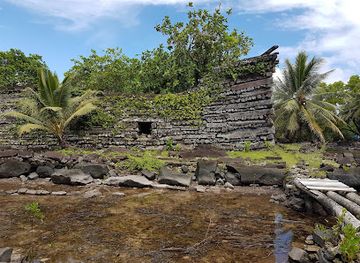
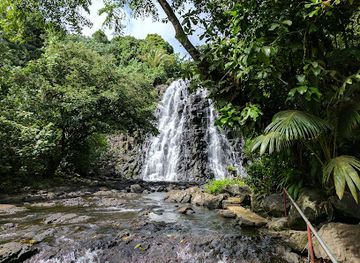
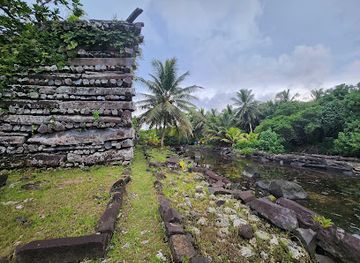
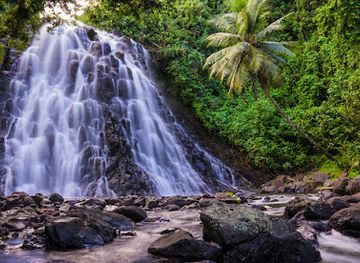
Pohnpei's attractions are defined less by a concentration of formal visitor facilities than by the close relationship between rainforest, reef, history and community. Nan Madol is the principal archaeological attraction, with basalt walls, ceremonial spaces and tidal waterways spread across low islets on the south-eastern coast. Access and conditions can vary, so local guidance is valuable. Inland, rivers and steep forested slopes create waterfalls such as Kepirohi Falls and Liduduhniap Falls, while other cascades and swimming pools are reached by village roads or footpaths. Sokehs Rock offers a demanding climb and broad views near Kolonia, as well as historical associations. The coast supports snorkelling, diving, fishing, kayaking and boat excursions through mangroves and lagoon waters, but visibility and sea conditions are seasonal. Kolonia and nearby areas provide churches, colonial remnants, markets and small cultural collections rather than large museum complexes. Travellers should also allow time for village landscapes, local farming areas and reef-fringed viewpoints, treating access to private land and culturally significant places with respect.
-
Tourist attraction
Nan Madol
Explore Nan Madol, an archaeological masterpiece in Pohnpei, where ancient ruins meet stunning natural beauty in a unique Pacific setting.
-
Tourist attraction
Kepirohi Waterfall
Explore the natural beauty of Kepirohi Waterfall in Pohnpei, where hiking, swimming, and tranquility await at this stunning tourist attraction.
-
Tourist attraction
Japanese WWII Anti-Aircraft Guns
Explore the historic Japanese WWII Anti-Aircraft Guns in Pohnpei, a remarkable site blending history, nature, and scenic beauty for an enriching experience.
-
Historical place
Lelu Ruins Historic Park
Explore the ancient beauty of Lelu Ruins Historic Park, a hidden gem in Kosrae with captivating stone structures and lush landscapes.

Best landmarks in Pohnpei Island
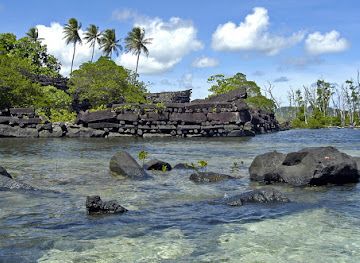
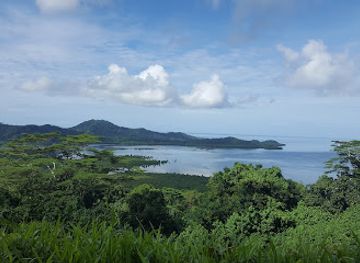
Nan Madol is Pohnpei's defining landmark: an extensive complex of basalt-built islets and canals on the south-eastern shore, associated with the Saudeleur dynasty and recognised for its outstanding archaeological importance. Its massive columnar stones, tidal setting and overgrown walls create a landscape unlike any other on the island. Sokehs Rock, a prominent volcanic outcrop near Kolonia, dominates the northern skyline and is linked to both traditional stories and the 1910 Sokehs rebellion against German colonial rule. Palikir's federal government complex represents Pohnpei's modern constitutional role as the capital of the Federated States of Micronesia, although it is a working administrative area rather than a conventional monument precinct. Around Kolonia, surviving Spanish, German and Japanese-era traces provide reminders of successive foreign administrations. The island's natural landmarks are equally important: steep forested ridges, mangrove-lined shores, reef passages and waterfalls such as Kepirohi Falls express the geological and hydrological character that has shaped Pohnpei's history and daily life.
-
Historical landmark
Nan Madol
Explore the mystical ruins of Nan Madol, a UNESCO World Heritage site in Pohnpei, showcasing ancient engineering and rich cultural history.
-
Tourist attraction
Kepirohi Waterfall
Explore the captivating natural beauty of Kepirohi Waterfall in Pohnpei, where lush landscapes meet tranquil waters for an unforgettable adventure.
-
Tourist attraction
鰻魚池
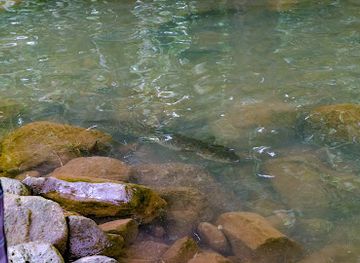
Discover the enchanting Eel Pools in Pohnpei, where crystal-clear waters and friendly eels create a serene escape in paradise.
-
Island
Temwen Island
Experience the serene beauty and cultural richness of Temwen Island, a hidden gem in Pohnpei, perfect for relaxation and adventure.

Explore Pohnpei Island on the map
Plan your trip on one map. See where the top cities, national parks and sights are, and book hotels and experiences in a few clicks.
Best hotels in Pohnpei Island
Best restaurants in Pohnpei Island
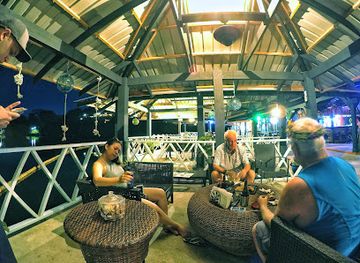
Dining on Pohnpei is centred on small restaurants, hotel dining rooms, roadside stands and informal local eateries rather than a large restaurant district. Fresh fish, reef and lagoon seafood, coconut, breadfruit, taro, bananas and other tropical produce appear alongside rice, noodles and American-influenced staples. Pohnpeian food is often straightforward and communal, with preparation and hospitality as important as presentation. Kolonia offers the broadest choice of cafés and casual meals, while accommodation outside the main centres may require advance arrangements. Markets and small shops are useful for fruit, snacks and locally available produce, although supplies can be affected by the island's remoteness. Sakau is the most distinctive local drink and is traditionally prepared from the pepper plant and shared in a cultural setting; it should not be treated simply as a bar beverage. Visitors should expect limited late-night dining and should carry water and snacks on excursions into rural areas.
-
 Hotel
HotelJoy Hotel & Restaurant
Experience unparalleled comfort and exquisite Japanese cuisine at Joy Hotel & Restaurant in Kolonia, Pohnpei – your perfect travel retreat.
-
Hotel
Cliff Hotel & Restaurant
Discover comfort and local flavors at Cliff Hotel & Restaurant in Kolonia, Pohnpei - a perfect blend of relaxation and adventure.
-
Hotel
Chinastar Hotel & Restaurant
Experience comfort and authentic Chinese cuisine at Chinastar Hotel & Restaurant in Kolonia, your gateway to Pohnpei's natural beauty.
-
Hotel
7 Stars Inn & Riverside Restaurant
Discover the perfect blend of relaxation and culinary delight at 7 Stars Inn & Riverside Restaurant on beautiful Pohnpei Island.
Best bars in Pohnpei Island
Pohnpei's evening life is relatively low-key and concentrated around Kolonia, hotels and a small number of restaurants and social venues rather than a substantial nightclub scene. Local bars typically provide a place for conversation, music and informal gatherings, while hotel lounges may offer the most predictable evening service for visitors. Sakau sessions are culturally different from commercial drinking and should be approached with respect for local etiquette and the setting in which the drink is prepared. Live music, community events and church or family gatherings can be more representative of island social life than late-night entertainment. Outside Kolonia, evenings are generally quiet, with rural accommodation focused on dining, conversation and the surrounding landscape. Opening arrangements and entertainment can change, so check locally rather than relying on old listings, and avoid assuming that alcohol is central to experiencing Pohnpei.
-
Restaurant
Joy Hotel & Restaurant
Experience authentic Japanese cuisine and warm hospitality at Joy Hotel & Restaurant in Kolonia, a must-visit for every traveler in Pohnpei.
-
Restaurant
Cliff Hotel & Restaurant
Discover culinary delights and breathtaking ocean views at Cliff Hotel & Restaurant, your perfect getaway in Pohnpei.
-
Bar
Chinastar Hotel & Restaurant
Discover the flavors of Pohnpei at Chinastar Hotel & Restaurant, where authentic Chinese cuisine meets island hospitality in Kolonia.
-
Bar
7 Stars Inn & Riverside Restaurant
7 Stars Inn & Riverside Restaurant: An authentic taste of Pohnpei Island culture and cuisine in a breathtaking natural setting.
Best nightclubs in Pohnpei Island
Pohnpei's evening life is relatively low-key and concentrated around Kolonia, hotels and a small number of restaurants and social venues rather than a substantial nightclub scene. Local bars typically provide a place for conversation, music and informal gatherings, while hotel lounges may offer the most predictable evening service for visitors. Sakau sessions are culturally different from commercial drinking and should be approached with respect for local etiquette and the setting in which the drink is prepared. Live music, community events and church or family gatherings can be more representative of island social life than late-night entertainment. Outside Kolonia, evenings are generally quiet, with rural accommodation focused on dining, conversation and the surrounding landscape. Opening arrangements and entertainment can change, so check locally rather than relying on old listings, and avoid assuming that alcohol is central to experiencing Pohnpei.
-
Hotel
7 Stars Inn & Riverside Restaurant
Experience the perfect blend of comfort and local cuisine at 7 Stars Inn & Riverside Restaurant on beautiful Pohnpei Island.
-
Diving center
Pohnpei Surf and Dive Club
Experience the breathtaking underwater world of Pohnpei with diving adventures and boat rentals at Pohnpei Surf and Dive Club.
-
Bar
Mangrove Bay Bar
Discover the lively charm of Mangrove Bay Bar in Kolonia, Pohnpei, where stunning views and delicious cuisine create unforgettable experiences.
-
Night club
Club Flamingo
Discover the vibrant nightlife at Club Flamingo in Kolonia, Pohnpei, where music, dance, and socializing come together for an unforgettable experience.

Best shops in Pohnpei Island
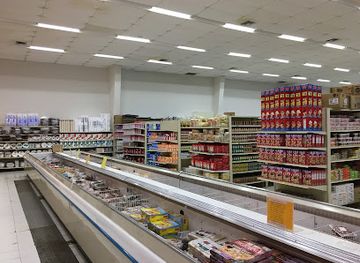
Shopping on Pohnpei is practical and local in character, with the greatest choice in Kolonia and around the main commercial roads. Small shops and supermarkets carry imported provisions, while market stalls and roadside sellers offer fruit, vegetables and occasional prepared foods when supplies are available. Visitors may find locally made handicrafts, woven items, shell work, carved objects and souvenirs connected with Pohnpeian culture, although selection and availability vary. Regional products such as sakau and tropical produce are more meaningful purchases than generic imported merchandise; check transport and customs rules before taking plant material, food or organic products overseas. There is little reason to expect a large luxury-shopping scene or extensive retail complexes. Bargaining is not automatically appropriate in ordinary shops, and visitors should ask permission before photographing craftspeople or cultural objects. Buying directly from local makers or established sellers, while avoiding archaeological artefacts and items made from protected wildlife, supports responsible tourism.
-
Historical landmark
Nan Madol
Unveil the mysteries of Nan Madol, an ancient archaeological wonder in Pohnpei, where history and natural beauty converge in a serene landscape.
-
Tourist attraction
Kepirohi Waterfall
Experience the breathtaking beauty of Kepirohi Waterfall, a tranquil oasis in Pohnpei, perfect for hiking, swimming, and reconnecting with nature.
-
Grocery store
A-One Mart, Kolonia
Discover the vibrant local flavors and essential goods at A-One Mart, the best grocery store in Kolonia, Pohnpei.
-
Grocery store
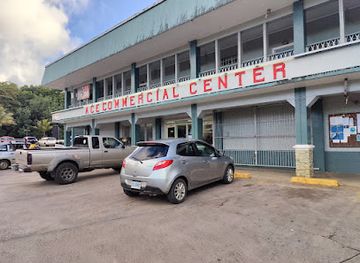
Ace Commercial Center
Ace Commercial Center: Explore the heart of Pohnpei through its vibrant grocery store, local produce, and unique culinary delights.
Get your free copy of our complete guide to Pohnpei Island, delivered straight to you.
Everything on this page, from attractions and restaurants to essentials and local phrases, in one PDF you can read offline, print or share.
Already have an account? Sign in
Your Pohnpei Island guide is ready.
We'll send it to · Not you? Sign out

Getting your guide ready…
We are putting together a fresh copy of the Pohnpei Island guide. This can take up to a minute.
This can take a few moments. If your browser asks, choose Allow so the download can start. You'll find the guide in your Downloads folder.
Nothing happened? Download it again
Sorry, the guide is taking longer than usual. Please try again in a minute, or get it by email instead.
Pohnpei Island essentials
Currency and Payment
Safety
Emergency Situations
Do's and Don'ts
Local Tips
From Eve
Local phrases worth knowing
You don't need to get them perfect. A few words go a long way, and locals appreciate the effort.
Basics
| English | Local | Say it |
|---|---|---|
| Hello | Mwar | [mwar] |
| Goodbye | Siong | [siong] |
| Yes | Iye | [ee-yeh] |
| No | Nge | [nge] |
| Please/You're welcome | Sakau | [sah-kau] |
| Thank you | Kinisou | [kee-nee-sow] |
| Excuse me/Sorry | Ngkaw | [ng-kaw] |
| How are you? | Ong mwah? | [ong mwah] |
| Fine. And you? | Ngkaw esen. Ongo mwah? | [ng-kaw eh-sen. ong-oh mwah] |
| Do you speak English? | Iye mwah neneh in English? | [ee-yeh mwah neh-neh in English] |
| I don't understand | Nge mwah eik | [nge mwah eh-ik] |
Eating & Drinking
| English | Local | Say it |
|---|---|---|
| I'd like to see the menu, please | Sakau, ngkaw esen menu. | [sah-kau, ng-kaw eh-sen meh-noo] |
| I don't eat meat | Nge mwah eik meat. | [nge mwah eh-ik meet] |
| Cheers! | Mwar! | [mwar] |
| I would like to pay, please | Sakau, ngkaw esen pay. | [sah-kau, ng-kaw eh-sen pay] |
Emergencies
| English | Local | Say it |
|---|---|---|
| Help! | Help! | [help] |
| Go away! | Siong! | [siong] |
| Call the Police! | Call Police! | [call po-lees] |
| Call a doctor! | Call doctor! | [call doc-tor] |
| I'm lost | Nge mwah lost. | [nge mwah lost] |
| I'm ill | Nge mwah eik sick. | [nge mwah eh-ik sick] |
Shopping
| English | Local | Say it |
|---|---|---|
| I'd like to buy... | Sakau, ngkaw esen buy... | [sah-kau, ng-kaw eh-sen buy] |
| I'm just looking | Nge mwah mwar eik. | [nge mwah mwar eh-ik] |
| How much is it? | Ongo mwah eik? | [ong-oh mwah eh-ik] |
| That's too expensive | Ongo mwah eik expensive. | [ong-oh mwah eh-ik ex-pen-siv] |
| Can you lower the price? | Iye mwah eik lower price? | [ee-yeh mwah eh-ik low-er price] |
Time & Numbers
| English | Local | Say it |
|---|---|---|
| What time is it? | Ongo mwah eik time? | [ong-oh mwah eh-ik time] |
| It's one o'clock | Ongo mwah eik one. | [ong-oh mwah eh-ik one] |
| Half past (10) | Half past (10) | [half past (10)] |
| Morning | Pelep | [pe-lep] |
| Afternoon | Kehn | [keh-n] |
| Evening | Sang | [sang] |
| Yesterday | Ongong | [ong-ong] |
| Today | Mwah | [mwah] |
| Tomorrow | Kahk | [kahk] |
| 1 | Nge | [nge] |
| 2 | Ngei | [ngeh-ee] |
| 3 | Ngen | [ng-en] |
| 4 | Ngehn | [ng-ehn] |
| 5 | Ngeh | [ng-eh] |
| 6 | Ngeni | [ng-eh-nee] |
| 7 | Ngenis | [ng-eh-nees] |
| 8 | Ngeiwo | [ng-eh-ee-wo] |
| 9 | Ngenin | [ng-eh-neen] |
| 10 | Ngehn | [ng-ehn] |
Transport & Directions
| English | Local | Say it |
|---|---|---|
| Where's a/the...? | Ongo mwah a/the...? | [ong-oh mwah a/the] |
| What's the address? | Ongo mwah address? | [ong-oh mwah ad-dress] |
| Can you show me (on the map)? | Iye mwah eik show (on the map)? | [ee-yeh mwah eh-ik show on the map] |
| When's the next (bus)? | Ongo mwah next (bus)? | [ong-oh mwah next bus] |
| A ticket (to ....) | A ticket (to ....) | [a ticket to...] |
History of Pohnpei Island
Early Settlement and Pohnpeian Society
Pohnpei was settled by Austronesian voyagers in the distant past, and its communities developed distinctive relationships with the island's mountains, rivers, reef and surrounding islets. Oral traditions, chiefly titles and clan histories remain important to Pohnpeian identity. The island's difficult terrain encouraged a pattern of settlements linked by coastal routes and waterways rather than one continuous urban centre. Agriculture, fishing and exchange supported communities whose social organisation was expressed through landholding, ceremonial obligations and respect for traditional authorities.
Nan Madol and the Saudeleur Dynasty
Between the shore and the barrier reef on Pohnpei's south-eastern side, generations of builders created Nan Madol from enormous basalt columns and coral fill. The complex contains artificial islets, waterways, tombs and ceremonial structures associated with the Saudeleur dynasty, which is traditionally remembered as an important early ruling power on the island. Its construction required extensive organisation and knowledge of local materials and tides. Although the site is now partly overgrown, its stone architecture remains one of the clearest physical records of Pohnpei's pre-colonial political and ceremonial history.
The Nahnmwarki Era
Pohnpeian traditions describe the decline of the Saudeleur order and the rise of a system of separate chiefly domains. The titles nahnmwarki and nahnken continue to have cultural significance, even though modern government operates through the institutions of the Federated States of Micronesia and Pohnpei State. This political history helps explain why land, lineage, ceremony and local authority remain important in contemporary life. It also provides context for the island's complex oral traditions, which cannot be reduced to a single written chronology.
Spanish and German Colonial Rule
Foreign influence increased during the nineteenth century as missionaries, traders and colonial powers reached the Caroline Islands. Spain asserted control over the archipelago in the late nineteenth century, and Catholic missions left a lasting place in Pohnpei's religious landscape. In 1899 Spain sold its northern Pacific possessions to Germany, bringing German administration and commercial activity to the island. Remnants of colonial-era buildings and roads around Kolonia are modest but help illustrate the transition from chiefly political systems to external imperial administration.
Japanese Administration and the First World War
Japan took control of Pohnpei during the First World War and administered it under the League of Nations mandate system. Japanese officials developed communications, commercial facilities and plantations, while the island also became part of the wider strategic landscape of the western Pacific during the Second World War. Military remains, roads and other traces survive in parts of Pohnpei, though they are less dominant than on some neighbouring islands. The period brought further economic and political change, alongside experiences of wartime hardship.
The Trust Territory and Self-Government
After the Second World War, Pohnpei became part of the United States-administered Trust Territory of the Pacific Islands. Schools, roads, public health services and new political institutions expanded during this period, while local leaders pursued greater self-government. The Federated States of Micronesia adopted its constitution in 1979, and the Compact of Free Association with the United States came into force in 1986. Pohnpei became the national capital area, with Palikir developing as the seat of the federal government.
Contemporary Pohnpei
Modern Pohnpei combines public institutions, small-scale commerce, subsistence and commercial agriculture, fishing, tourism and strong community networks. Christianity is influential, but customary titles, ceremonial exchange and Pohnpeian language remain central to cultural life. The island also faces the practical challenges of a remote Pacific economy, including high transport costs, limited visitor infrastructure and vulnerability to heavy weather. Conservation at Nan Madol, protection of reefs and forests, and respectful cultural tourism are increasingly important to the island's future.
Pohnpei Island in Photos
Browse through our photo collection highlighting the charm and character of the destination.
Neighbouring regions of Pohnpei Island
The closest regions to Pohnpei Island, if you have time for more than one.
-

-

-
-

-


Swipe for more regions
Explore more

Explore more of Micronesia
Discover Micronesia: A Pacific paradise with vibrant coral reefs, rich cultural heritage, and breathtaking landscapes.
Explore Micronesia