

Summit-University (Saint Paul) Travel Guide - Free
Explore Summit-University in Saint Paul with Evendo's free guide. Find the best shops, historic streets, restaurants, and gems on web or mobile.


Summit-University in Saint Paul blends Summit Avenue mansions, Cathedral Hill, Selby Avenue dining, local history and walkable cultural sights.
Hillside Streets and Civic Landmarks
Summit-University occupies a broad, historically layered part of central Saint Paul, where the residential slopes around Summit Avenue meet the commercial activity of Selby Avenue and the civic institutions near the Mississippi bluff. Its character is less about a single centre than a sequence of streets: grand Victorian houses, apartment blocks, churches, independent businesses and leafy residential corners spread across terrain that rises and falls noticeably. The neighbourhood is closely associated with Cathedral Hill, although local boundaries are understood in slightly different ways.Read more about Summit-University
Architecture and Local History
Selby Avenue and Everyday Life
Best landmarks in Summit-University
The Cathedral of Saint Paul is Summit-University's defining landmark, an early twentieth-century Beaux-Arts-inspired church designed by Emmanuel Louis Masqueray and set prominently above the surrounding streets. The James J. Hill House on Summit Avenue, completed in 1891, is significant both for its architecture and for its connection with the railway fortunes that shaped Saint Paul. Summit Avenue itself functions as a landmark landscape: its mature trees, grand residences and broad alignment reveal the ambitions of the city's late nineteenth-century elite. The Minnesota History Center is a later but equally important civic presence, designed as a public institution for preserving and interpreting Minnesota's history. Along Selby Avenue, older shopfronts and commercial blocks provide a more modest record of streetcar-era neighbourhood life and remain central to the area's identity.
-
Park
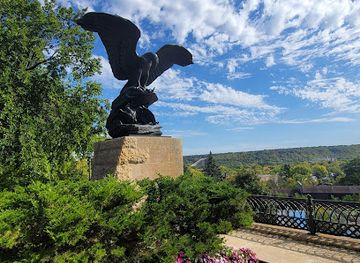
Summit Overlook Park
Experience the stunning views and serenity of Summit Overlook Park in St. Paul, MN, an urban oasis perfect for relaxation and exploration.
6 min drive · 2.1 km from neighbourhood centre
-
Park
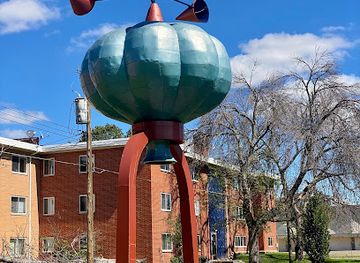
Western Sculpture Park
Discover the artistic charm of Western Sculpture Park, where stunning sculptures and natural beauty create a unique outdoor experience in St. Paul, MN.
7 min drive · 2.5 km from neighbourhood centre
-
Historical landmark
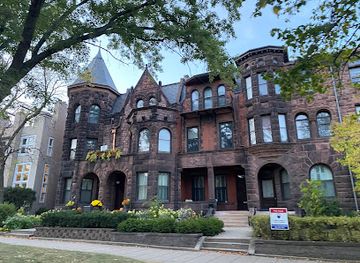
F. Scott Fitzgerald House
Discover the historic F. Scott Fitzgerald House in St. Paul, Minnesota, where the iconic author penned his literary masterpieces.
18 min walk · 1.5 km from neighbourhood centre
Explore Summit-University on the map
A handpicked selection of must-see spots in Summit-University, mapped for you.
Best hotels in Summit-University
Best restaurants in Summit-University
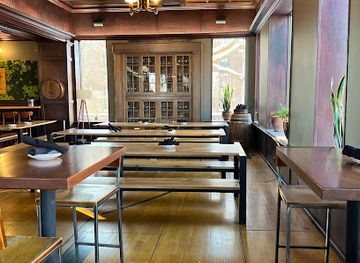
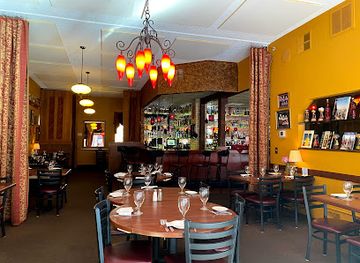
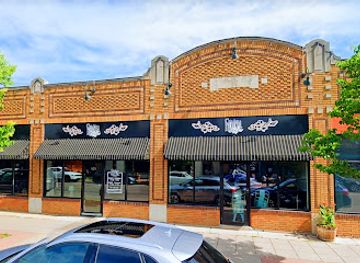
Dining in Summit-University is closely tied to Selby Avenue and the Cathedral Hill area, where established restaurants, cafés and bars occupy the neighbourhood's older commercial premises. Moscow on the Hill is associated with Russian and Eastern European cooking, while W.A. Frost & Restaurant occupies a historic Selby Avenue setting and represents the area's longstanding, occasion-oriented dining tradition. Coffee shops and casual eateries provide daytime stops between architectural walks, and the avenue's independent businesses give the district a more local rhythm than a concentrated restaurant quarter. Menus and ownership change, so visitors should check current details rather than rely on old listings. The wider area also reflects Saint Paul's central-city diversity, with nearby districts adding further options, but those should not be confused with restaurants located within Summit-University itself.
-
Restaurant
Red Cow St. Paul
Discover Red Cow St. Paul: A culinary haven offering gourmet burgers, brunch delights, and local craft beers in the heart of Cathedral Hill.
6 min drive · 2.0 km from neighbourhood centre
-
Restaurant
The Gnome Craft Pub
Discover The Gnome Craft Pub in Cathedral Hill - where craft beer meets gourmet comfort food in a cozy atmosphere.
5 min drive · 1.6 km from neighbourhood centre
-
Russian
Moscow on the Hill
Discover authentic Russian cuisine at Moscow on the Hill in St. Paul—where tradition meets flavor in a charming setting.
6 min drive · 2.1 km from neighbourhood centre
-
Southern
Revival St. Paul
Experience authentic Southern cuisine at Revival St. Paul—where comfort food meets modern flair in Cathedral Hill.
5 min drive · 1.5 km from neighbourhood centre
Best bars in Summit-University
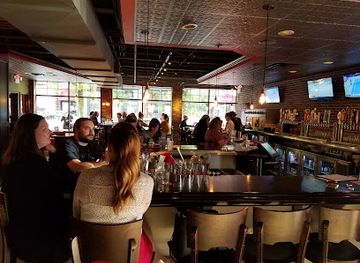
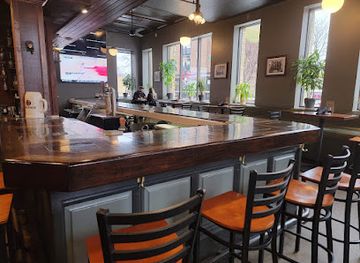
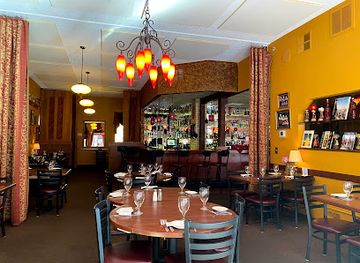
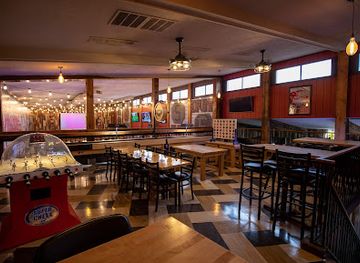
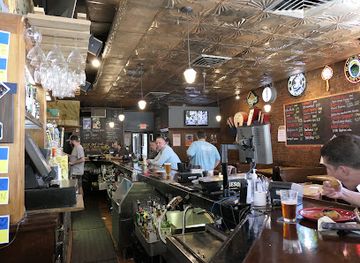
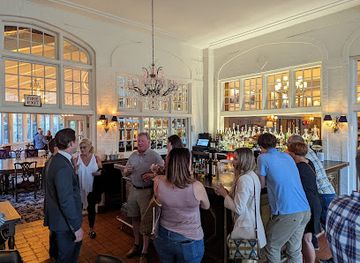
Nightlife in Summit-University is modest and neighbourhood-scaled, with evening activity focused on Selby Avenue restaurants, traditional bars and convivial cafés rather than a dense strip of nightclubs. The area is well suited to a meal followed by a drink in a historic commercial setting, while the cathedral and Summit Avenue create a quieter atmosphere after dark. Some venues combine food, conversation and drinks rather than operating as late-night dance spaces, and live entertainment or special events should be checked locally because schedules change. For a larger club and concert scene, visitors generally travel elsewhere in Saint Paul or across the river to Minneapolis; those districts are nearby in metropolitan terms but are not part of Summit-University.
-
Restaurant
The Gnome Craft Pub
Experience the unique blend of craft beers and gourmet pub fare at The Gnome Craft Pub in St. Paul’s historic Cathedral Hill neighborhood.
5 min drive · 1.6 km from neighbourhood centre
-
Russian
Moscow on the Hill
Savor the rich flavors of Russia at Moscow on the Hill, where authentic dishes and creative cocktails come together in a charming atmosphere.
6 min drive · 2.1 km from neighbourhood centre
-
Grill
St Paul Tap
Discover the lively ambiance of St Paul Tap, where delicious grilled meals meet exciting entertainment in the heart of St. Paul.
6 min drive · 1.9 km from neighbourhood centre
-
Bar
Sweeney's Saloon
Discover the vibrant atmosphere and delicious offerings of Sweeney's Saloon, a must-visit bar in St. Paul's Cathedral Hill district.
16 min walk · 1.3 km from neighbourhood centre
Best nightclubs in Summit-University
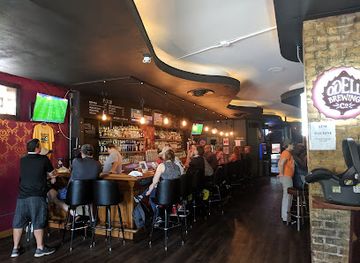
Nightlife in Summit-University is modest and neighbourhood-scaled, with evening activity focused on Selby Avenue restaurants, traditional bars and convivial cafés rather than a dense strip of nightclubs. The area is well suited to a meal followed by a drink in a historic commercial setting, while the cathedral and Summit Avenue create a quieter atmosphere after dark. Some venues combine food, conversation and drinks rather than operating as late-night dance spaces, and live entertainment or special events should be checked locally because schedules change. For a larger club and concert scene, visitors generally travel elsewhere in Saint Paul or across the river to Minneapolis; those districts are nearby in metropolitan terms but are not part of Summit-University.
-
Bar
Black Hart of Saint Paul
Experience the lively atmosphere of Black Hart of Saint Paul, a vibrant bar that welcomes everyone and celebrates sports and LGBTQ+ culture.
5 min drive · 1.7 km from neighbourhood centre
-
Social club
The University Club of Saint Paul
Immerse yourself in elegance and community spirit at The University Club of Saint Paul, a historic social club with luxurious amenities and rich local culture.
6 min drive · 2.0 km from neighbourhood centre
-
Social club
Sterling Club
Discover the elegance of The Sterling Club in St. Paul, where upscale amenities meet a vibrant social atmosphere for an unforgettable experience.
14 min walk · 1.1 km from neighbourhood centre
-
Dance club
One Night in Cuba
Discover the electrifying nightlife at One Night in Cuba, St. Paul's premier dance club, where the music never stops and the fun never ends.
12 min walk · 0.9 km from neighbourhood centre


Best shops in Summit-University
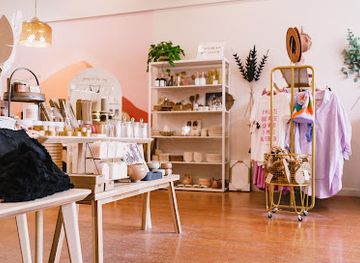
Shopping in Summit-University is independent and street-based rather than centred on a large mall. Selby Avenue is the principal place to browse cafés, small retailers, gift shops, personal services and locally oriented businesses, with older shopfronts giving the corridor much of its visual character. The Cathedral Hill area also contains specialist and lifestyle-oriented stores, although individual businesses and stock change over time. Visitors should approach the neighbourhood for its combination of browsing, architecture and food rather than for a single signature market or extensive souvenir selection. Larger retail concentrations lie elsewhere in Saint Paul, while the nearby shops associated with Summit-University are most useful for gifts, books, food, design-led items and everyday local commerce. Independent businesses may keep varying hours, particularly at weekends or during severe weather.
-
Shopping mall
Uni-Dale Mall
Experience the vibrant shopping and dining atmosphere at Uni-Dale Mall in St. Paul, Minnesota, where every visit holds new adventures and local flavors.
5 min drive · 1.6 km from neighbourhood centre
-
Gift shop
GoodThings
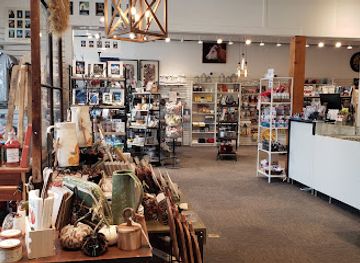
Explore GoodThings in St. Paul, MN, where unique gifts, toys, and local artistry come together in a charming boutique setting.
11 min walk · 0.9 km from neighbourhood centre
-
Boutique
Primp - St. Paul
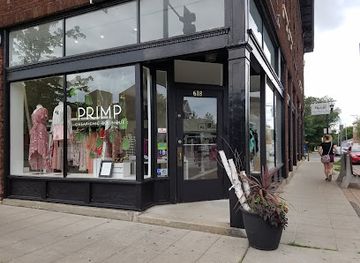
Discover unique women's fashion at Primp Boutique in St. Paul, where style meets local flair in a charming boutique setting.
16 min walk · 1.2 km from neighbourhood centre
-
Boutique
Jenny in the City
Explore the eclectic treasures of Jenny in the City, a boutique in St. Paul, offering unique fashion, accessories, and more in a welcoming atmosphere.
5 min drive · 1.6 km from neighbourhood centre
Summit-University essentials
Getting There
Getting Around
Safety
Emergency Situations
Do's and Don'ts
Local Tips

From Eve
Local phrases worth knowing
You don't need to get them perfect. A few words go a long way, and locals appreciate the effort.
Basics
| English | Local | Say it |
|---|---|---|
| Hello | Hey | [Hey] |
| Goodbye | See ya | [See ya] |
| Yes | Yeah | [Yeah] |
| No | Nah | [Nah] |
| Please/You're welcome | Please/No problem | [Please/No problem] |
| Thank you | Thanks | [Thanks] |
| Excuse me/Sorry | Sorry | [Sorry] |
| How are you? | How you doin'? | [How you doin'?] |
| Fine. And you? | I'm good. You? | [I'm good. You?] |
| Do you speak English? | You speak English? | [You speak English?] |
| I don't understand | I don't get it | [I don't get it] |
Eating & Drinking
| English | Local | Say it |
|---|---|---|
| I'd like to see the menu, please | Can I see the menu? | [Can I see the menu?] |
| I don't eat meat | I don't eat meat | [I don't eat meat] |
| Cheers! | Cheers! | [Cheers!] |
| I would like to pay, please | Can I pay now? | [Can I pay now?] |
Emergencies
| English | Local | Say it |
|---|---|---|
| Help! | Help! | [Help!] |
| Go away! | Get lost! | [Get lost!] |
| Call the Police! | Call the cops! | [Call the cops!] |
| Call a doctor! | Get a doc! | [Get a doc!] |
| I'm lost | I'm lost | [I'm lost] |
| I'm ill | I'm sick | [I'm sick] |
Shopping
| English | Local | Say it |
|---|---|---|
| I'd like to buy... | I wanna buy... | [I wanna buy...] |
| I'm just looking | Just lookin' | [Just lookin'] |
| How much is it? | How much? | [How much?] |
| That's too expensive | Too pricey | [Too pricey] |
| Can you lower the price? | Can you do it cheaper? | [Can you do it cheaper?] |
Time & Numbers
| English | Local | Say it |
|---|---|---|
| What time is it? | What time is it? | [What time is it?] |
| It's one o'clock | It's one | [It's one] |
| Half past (10) | Half ten | [Half ten] |
| Morning | Mornin' | [Mornin'] |
| Afternoon | Afternoon | [Afternoon] |
| Evening | Evenin' | [Evenin'] |
| Yesterday | Yesterday | [Yesterday] |
| Today | Today | [Today] |
| Tomorrow | Tomorrow | [Tomorrow] |
| 1 | One | [One] |
| 2 | Two | [Two] |
| 3 | Three | [Three] |
| 4 | Four | [Four] |
| 5 | Five | [Five] |
| 6 | Six | [Six] |
| 7 | Seven | [Seven] |
| 8 | Eight | [Eight] |
| 9 | Nine | [Nine] |
| 10 | Ten | [Ten] |
Transport & Directions
| English | Local | Say it |
|---|---|---|
| Where's a/the...? | Where's the...? | [Where's the...?] |
| What's the address? | What's the address? | [What's the address?] |
| Can you show me (on the map)? | Show me on the map? | [Show me on the map?] |
| When's the next (bus)? | When's the next bus? | [When's the next bus?] |
| A ticket (to ....) | A ticket to ... | [A ticket to ...] |
History of Summit-University
From Rural Slopes to Streetcar Suburb
Before dense urban development, the high ground west of central Saint Paul consisted largely of farms, estates and open land overlooking the river valley. Residential growth accelerated in the nineteenth century as Saint Paul expanded westward and streetcar connections made the hills more accessible from the commercial centre. Summit Avenue emerged as an elite residential boulevard, while Selby Avenue developed a more mixed commercial and residential role. The resulting pattern—large houses on prominent avenues, smaller homes and apartments on side streets, and shops along transit corridors—still shapes Summit-University's physical character.
Summit Avenue and Saint Paul's Elite
During the late nineteenth century, railway wealth, commerce and civic ambition transformed the Summit Avenue area into one of Saint Paul's most prestigious residential districts. The James J. Hill House, completed in 1891 for Great Northern Railway founder James J. Hill, is the best-known surviving expression of that period. Its scale and setting reflect the social hierarchy of the time, while the surrounding houses demonstrate the range of architectural design favoured by prominent families. The avenue's historic residential character survived later changes in ownership and use, helping make the area an important record of Saint Paul's urban development.
Cathedral Hill and Civic Saint Paul
The Cathedral of Saint Paul was designed by Emmanuel Louis Masqueray and constructed between 1906 and 1915, giving the hilltop a monumental religious landmark. Its presence reinforced the area's role as a civic and cultural address rather than simply an affluent residential quarter. Around Selby Avenue and the cathedral, commercial buildings, churches, schools and homes created a neighbourhood with overlapping social and institutional life. The streets also connected the area to nearby districts whose histories include African American, immigrant and working-class communities, making Summit-University part of a wider central-Saint-Paul urban landscape.
Preservation, Change and Cultural Memory
Twentieth-century highway construction, institutional expansion and changing housing patterns altered central Saint Paul, while historic-preservation efforts helped retain important buildings along Summit Avenue, Selby Avenue and the cathedral precinct. The Minnesota History Center opened in 1992 near Kellogg Boulevard, adding a major public institution devoted to documenting the state's past. In recent decades, independent restaurants, cafés and small businesses have sustained Selby Avenue's commercial identity, even as property values, redevelopment and changing patterns of urban living have continued to influence the neighbourhood.
Summit-University in Photos
Browse through our photo collection highlighting the charm and character of the destination.
Neighbourhoods near Summit-University
The closest neighbourhoods to Summit-University, if you have time for more than one stop.
-

-

-

-


Swipe for more neighbourhoods
Explore more

Explore more of Saint Paul
Saint Paul, Minnesota blends riverfront history, Victorian architecture, museums, live music and welcoming neighbourhoods for distinctive Twin Cities sightseeing.
Explore Saint Paul