

West Seventh (Saint Paul) Travel Guide - Free
Explore West Seventh in Saint Paul with Evendo's free guide. Find the best shops, historic streets, restaurants, and gems on web or mobile.


West Seventh in Saint Paul blends immigrant history, local restaurants, historic streets, live music and access to the Mississippi River and downtown Minnesota.
A Road with Many Layers
West Seventh follows one of Saint Paul’s oldest urban routes, a long corridor descending from the downtown edge towards the Mississippi River and the historic road to Fort Snelling. Its identity is less about formal boundaries than about the streets, businesses and institutions gathered around West Seventh Street, where older homes, commercial blocks, churches, restaurants and former industrial sites occupy the slopes west of the city centre. The area has long been shaped by movement: Indigenous paths, river commerce, military traffic, streetcars and later automobiles all helped form its character.Read more about West Seventh
Food, Neighbours and Local Institutions
Parks, Sport and Evening Life
Best attractions in West Seventh
West Seventh’s attractions are found in the relationship between its historic street and its smaller, locally rooted destinations. Irvine Park offers a leafy public square enclosed by nineteenth-century houses, while the West Seventh commercial corridor provides a view of how a former streetcar-era neighbourhood still functions as a place for dining, shopping and everyday services. Keg and Case Market occupies the restored Schmidt brewery complex and combines food stalls, small businesses and industrial architecture. The neighbourhood’s established Italian-American food institutions, including Cossetta’s, are cultural attractions as much as places to eat, reflecting the area’s immigrant history. Visitors interested in Saint Paul’s urban development can also follow the changing topography towards the river and the nearby Upper Landing area, although portions of that riverfront lie outside the neighbourhood’s informal core. Downtown sports and concert venues sit immediately east and are nearby rather than defining West Seventh itself.
-
National reserve
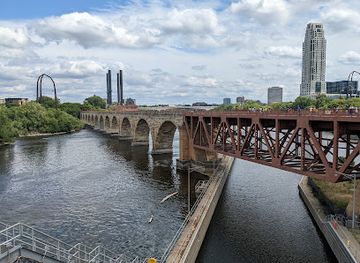
Mississippi National River & Recreation Area
Discover the natural beauty and rich history of the Mississippi National River & Recreation Area, a perfect destination for outdoor enthusiasts and families.
12 min walk · 1.0 km from neighbourhood centre
-
Park
Rice Park
Explore the tranquil beauty of Rice Park, a historic urban oasis in downtown St. Paul, Minnesota, perfect for relaxation and cultural events.
5 min drive · 1.5 km from neighbourhood centre
-
Tourist attraction
Wabasha Street Caves
Explore the enchanting Wabasha Street Caves, a unique historical attraction in St. Paul, Minnesota, showcasing incredible geology and rich American history.
7 min drive · 2.3 km from neighbourhood centre
-
Park
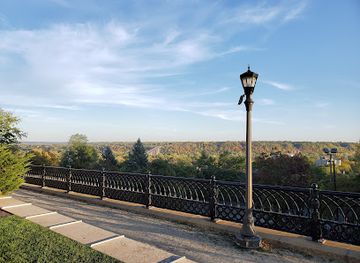
Summit Overlook Park
Discover the stunning views and serene beauty of Summit Overlook Park in St. Paul, a perfect escape for tourists seeking nature and cityscapes.
2 min walk · 0.2 km from neighbourhood centre
Best landmarks in West Seventh
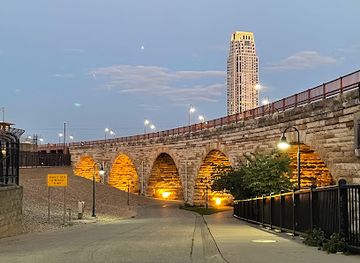
The defining landmark of West Seventh is the street itself: the historic Fort Road corridor, whose descending route expresses the neighbourhood’s connection between Saint Paul’s central city, the river and Fort Snelling. Irvine Park is another important local feature, combining a formal green space with a particularly well-preserved group of surrounding historic homes. The former Schmidt brewery complex at Keg and Case Market gives the area its most substantial industrial landmark, with large adapted buildings recalling the scale of nineteenth- and twentieth-century brewing. West Seventh’s churches, older commercial blocks and long-established food businesses are significant in a more communal sense, preserving evidence of the German, Irish and Italian immigrant communities that helped shape the district. The Cathedral of Saint Paul and downtown’s major venues are close to the neighbourhood but belong to adjacent areas or the city centre rather than West Seventh proper.
-
National reserve
Mississippi National River & Recreation Area
Explore Minnesota's stunning Mississippi National River & Recreation Area, where nature, history, and adventure come together in breathtaking landscapes.
12 min walk · 1.0 km from neighbourhood centre
-
History museum
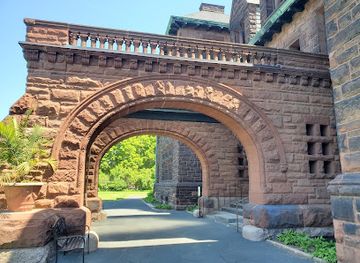
James J. Hill House
Uncover the history and grandeur of the James J. Hill House, a stunning architectural gem and museum in St. Paul, Minnesota.
9 min walk · 0.7 km from neighbourhood centre
-
Historical landmark
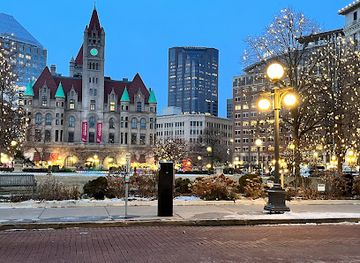
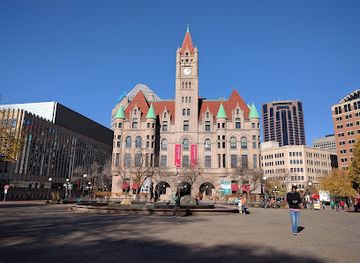
Landmark Center
Explore the Landmark Center in St. Paul, a historic hub for art, culture, and community events nestled in a stunning architectural masterpiece.
5 min drive · 1.5 km from neighbourhood centre
-
Park
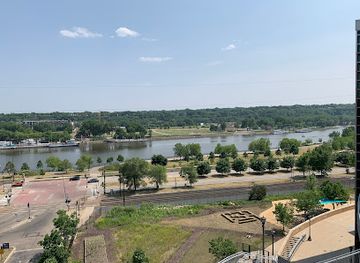
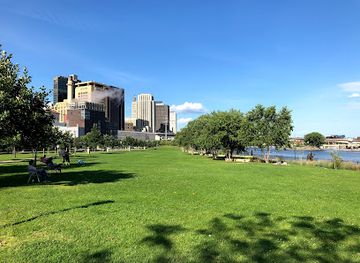
Upper Landing Park
Discover the beauty of Upper Landing Park, a serene riverside retreat in St. Paul, perfect for relaxation and exploration for every visitor.
17 min walk · 1.4 km from neighbourhood centre
Explore West Seventh on the map
A handpicked selection of must-see spots in West Seventh, mapped for you.
Best hotels in West Seventh
Best restaurants in West Seventh
West Seventh has one of Saint Paul’s clearest local dining identities, built around family-run institutions, Italian-American cooking, neighbourhood bars and newer food businesses in adapted industrial spaces. Cossetta’s is associated with an expansive Italian market and prepared-food tradition, while Mancini’s is known for its long-established steakhouse and lounge presence on West Seventh Street. Keg and Case Market adds a different format within the former Schmidt brewery complex, bringing together independent food vendors and drink-focused businesses under one roof. The corridor also includes casual restaurants, pubs and cafés that serve residents as well as visitors attending nearby downtown events. Its culinary character is less about a single formal cuisine than about the continuity of immigrant-founded businesses alongside contemporary urban food culture. Visitors should distinguish the established West Seventh dining strip from the larger restaurant scenes of downtown, Lowertown and Cathedral Hill nearby.
-
Italian
Cossetta
Discover the taste of Italy at Cossetta in St. Paul – a culinary haven offering authentic dishes, delightful pastries, and warm hospitality.
12 min walk · 1.0 km from neighbourhood centre
-
Restaurant
DeGidio's Restaurant & Bar
Experience authentic Italian dining at DeGidio's Restaurant & Bar in St. Paul – where tradition meets flavor in every dish.
5 min walk · 0.4 km from neighbourhood centre
-
Southern
Handsome Hog
Discover authentic Southern cuisine at Handsome Hog in St. Paul—where tradition meets innovation in a charming setting.
9 min walk · 0.7 km from neighbourhood centre
-
Mexican
Pajarito
Discover authentic Mexican flavors at Pajarito in St. Paul—where every dish offers a taste of tradition combined with creativity.
7 min walk · 0.6 km from neighbourhood centre
Best bars in West Seventh
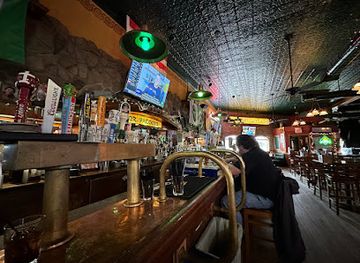
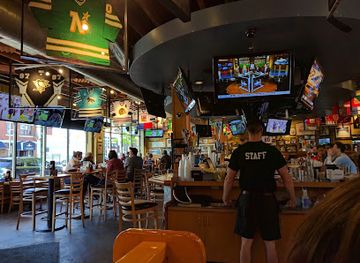
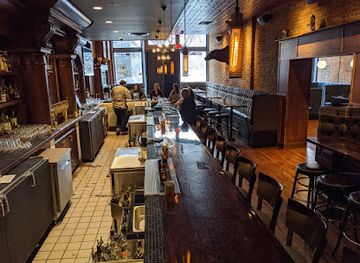
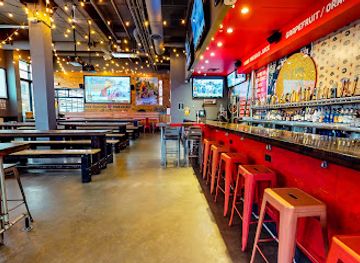
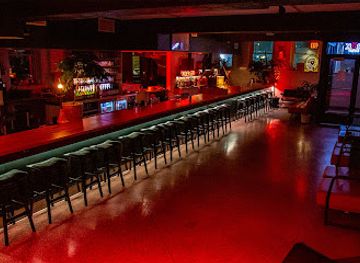
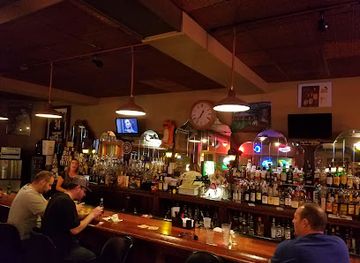
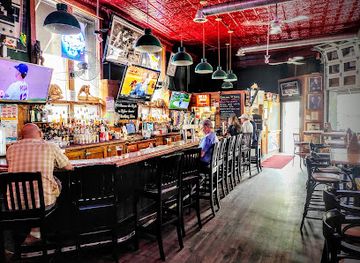
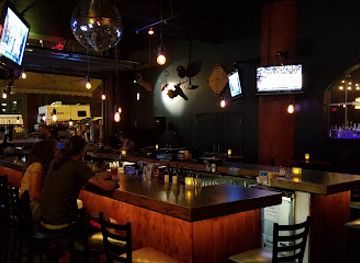
West Seventh’s evening life is centred on restaurants, pubs, lounges and live-music settings rather than a dense club district. Mancini’s Lounge provides a long-running example of the neighbourhood’s supper-club tradition, while Patrick McGovern’s Pub and other West Seventh bars contribute a more informal, social atmosphere. The former brewery complex at Keg and Case also extends the corridor’s food-and-drink culture into a contemporary market setting, with individual businesses and events varying over time. Nearby downtown arenas and theatres can make the eastern end busier before and after games or concerts, but the neighbourhood itself generally retains a local, conversational rhythm. Visitors should expect evenings organised around dinner, drinks, music and community gatherings rather than a continuous strip of nightclubs, and should check current event details directly with venues before planning a late night.
-
Grill
Shamrocks
Discover the lively atmosphere and delicious grill offerings at Shamrocks, a must-visit restaurant in St. Paul, Minnesota.
5 min drive · 1.8 km from neighbourhood centre
-
Sports bar
Tom Reid's Hockey City Pub
Experience the thrill of hockey at Tom Reid's Hockey City Pub, where American cuisine meets a vibrant sports atmosphere in St. Paul.
11 min walk · 0.8 km from neighbourhood centre
-
American
Parlour St. Paul
Experience the best of American cuisine at Parlour St. Paul, where local flavors meet a contemporary dining experience.
10 min walk · 0.8 km from neighbourhood centre
-
Bar
New Bohemia - St. Paul
Discover the authentic flavors of Germany at New Bohemia, a lively bar and restaurant in St. Paul, perfect for beer lovers and food enthusiasts alike.
12 min walk · 1.0 km from neighbourhood centre
Best nightclubs in West Seventh
West Seventh’s evening life is centred on restaurants, pubs, lounges and live-music settings rather than a dense club district. Mancini’s Lounge provides a long-running example of the neighbourhood’s supper-club tradition, while Patrick McGovern’s Pub and other West Seventh bars contribute a more informal, social atmosphere. The former brewery complex at Keg and Case also extends the corridor’s food-and-drink culture into a contemporary market setting, with individual businesses and events varying over time. Nearby downtown arenas and theatres can make the eastern end busier before and after games or concerts, but the neighbourhood itself generally retains a local, conversational rhythm. Visitors should expect evenings organised around dinner, drinks, music and community gatherings rather than a continuous strip of nightclubs, and should check current event details directly with venues before planning a late night.
-
Bar
ROK Music Lounge + Bar
Experience the vibrant nightlife of St. Paul at ROK Music Lounge + Bar, where live music meets exquisite cocktails and delectable small plates.
17 min walk · 1.4 km from neighbourhood centre
-
Grill
Keenan's Bar and Grill (Keenan's 620 Club)
Experience the heart of St. Paul at Keenan's Bar and Grill, where delicious grilled dishes and a welcoming atmosphere await you.
8 min walk · 0.7 km from neighbourhood centre
-
Bar
Grand 7
Experience the vibrant nightlife of St. Paul at Grand 7, a lively bar with great drinks and a friendly atmosphere.
8 min walk · 0.6 km from neighbourhood centre
-
Night club
Camp Bar and Cabaret
Enjoy a captivating night filled with comedy, cocktails, and cabaret at Camp Bar and Cabaret in St. Paul, MN.
6 min drive · 2.0 km from neighbourhood centre
Best shops in West Seventh
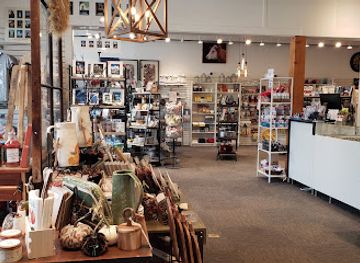
Shopping in West Seventh is concentrated in independent businesses and food-oriented retail rather than a conventional enclosed shopping district. Keg and Case Market is the most distinctive destination, using the former Schmidt brewery complex for a collection of food vendors, drinks, small retailers and locally oriented goods. Italian-American food shopping and prepared foods are central to the corridor’s identity, particularly around Cossetta’s, where the retail experience is closely connected to the neighbourhood’s immigrant culinary history. Other West Seventh businesses include specialist shops, service establishments and small-scale retailers serving local residents, with the selection changing more gradually than in a large downtown mall. The area is best approached as a street-based shopping and eating district: allow time to browse individual businesses, look beyond the main road into adjoining blocks, and avoid expecting the continuous chain-store selection found elsewhere in Saint Paul.
-
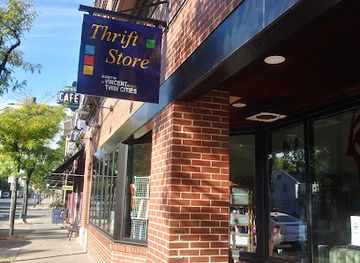
Thrift store
St Vincent de Paul Thrift Store
Explore unique finds and vintage treasures at St Vincent de Paul Thrift Store, where every purchase supports a local cause.
5 min walk · 0.4 km from neighbourhood centre
-
Gift shop
GoodThings
Explore GoodThings, a unique gift shop in St. Paul, offering eclectic items, boutique treasures, and delightful toys for all ages.
7 min drive · 2.4 km from neighbourhood centre
-
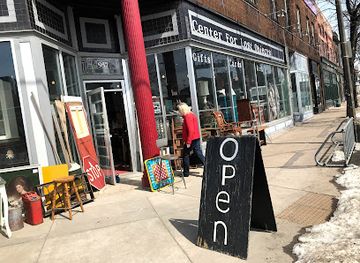
Gift shop
Center For Lost Objects
Explore the Center For Lost Objects in St. Paul, MN - a unique gift shop with vintage clothing, antique furniture, and hidden treasures waiting to be discovered.
5 min drive · 1.7 km from neighbourhood centre
-
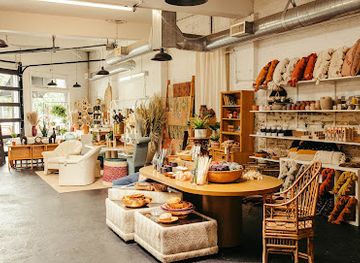
Home goods store
Style Society Vintage Shop
Discover unique vintage finds and charming home goods at Style Society Vintage Shop in St. Paul, Minnesota.
5 min walk · 0.4 km from neighbourhood centre
West Seventh essentials
Getting There
Getting Around
Safety
Emergency Situations
Do's and Don'ts
Local Tips

From Eve
Local phrases worth knowing
You don't need to get them perfect. A few words go a long way, and locals appreciate the effort.
Basics
| English | Local | Say it |
|---|---|---|
| Hello | Hey there | [hey thair] |
| Goodbye | See ya later | [see ya lay-tur] |
| Yes | Yeah | [yeh] |
| No | Nah | [nah] |
| Please/You're welcome | Sure thing | [shore thang] |
| Thank you | Thanks a lot | [thanks uh lot] |
| Excuse me/Sorry | Pardon me | [par-dun me] |
| How are you? | How ya doin'? | [how yuh doin] |
| Fine. And you? | Good. You? | [good. yuh?] |
| Do you speak English? | Ya speak English? | [yuh speak ing-glish?] |
| I don't understand | I'm clueless | [I'm kloo-less] |
Eating & Drinking
| English | Local | Say it |
|---|---|---|
| I'd like to see the menu, please | Can I check out the menu? | [ken eye check out the menu?] |
| I don't eat meat | I'm veggie | [I'm vedge-ee] |
| Cheers! | Prost! | [prohst] |
| I would like to pay, please | Can I settle up? | [ken eye set-ul up?] |
Emergencies
| English | Local | Say it |
|---|---|---|
| Help! | I need help! | [eye need help!] |
| Go away! | Get lost! | [get lost!] |
| Call the Police! | Call the cops! | [call the cops!] |
| Call a doctor! | Get a doc! | [get uh doc!] |
| I'm lost | I'm turned around | [I'm turned around] |
| I'm ill | I'm under the weather | [I'm under the weather] |
Shopping
| English | Local | Say it |
|---|---|---|
| I'd like to buy... | I wanna get... | [I wanna get...] |
| I'm just looking | Just browsing | [just brows-ing] |
| How much is it? | How much? | [how much?] |
| That's too expensive | That's steep | [that's steep] |
| Can you lower the price? | Can ya give me a deal? | [can yuh give me uh deal?] |
Time & Numbers
| English | Local | Say it |
|---|---|---|
| What time is it? | What's the time? | [what's the time?] |
| It's one o'clock | It's one | [it's one] |
| Half past (10) | Ten-thirty | [ten-thur-tee] |
| Morning | Mornin' | [mor-nin] |
| Afternoon | Afternoon | [after-noon] |
| Evening | Evenin' | [even-in] |
| Yesterday | Yest'day | [yest-day] |
| Today | Today | [to-day] |
| Tomorrow | Tomorrah | [tom-or-rah] |
| 1 | One | [wun] |
| 2 | Two | [too] |
| 3 | Three | [three] |
| 4 | Four | [for] |
| 5 | Five | [fahv] |
| 6 | Six | [siks] |
| 7 | Seven | [sev-en] |
| 8 | Eight | [ate] |
| 9 | Nine | [nine] |
| 10 | Ten | [ten] |
Transport & Directions
| English | Local | Say it |
|---|---|---|
| Where's a/the...? | Where's the... at? | [where's the at?] |
| What's the address? | What's the addy? | [what's the addy?] |
| Can you show me (on the map)? | Can you point it out? | [can yuh point it out?] |
| When's the next (bus)? | When's the next bus? | [when's the next bus?] |
| A ticket (to ....) | A ticket (to ...) | [a ticket (to ...)] |
History of West Seventh
The Early Fort Road
West Seventh developed along the route historically known as Fort Road, connecting Saint Paul’s river landing and settlement with Fort Snelling to the south-west. The corridor followed older Indigenous travel routes through the region, although the later road’s name reflects its military and colonial use. Its position above the Mississippi made it important to movement between the riverfront, the growing town and the fort, while the surrounding slopes and ravines produced a more varied landscape than the rectilinear streets of central Saint Paul.
Immigration and Streetcar Growth
During the nineteenth century, development spread westward along Fort Road and the route increasingly became known as West Seventh Street. German, Irish and Italian immigrants, among others, helped shape the area’s houses, churches, shops and social institutions. Streetcar service strengthened the corridor’s connection with downtown and encouraged a mixture of modest residential streets and commercial frontages. Businesses serving workers, families and river-related trade established the pattern of everyday commerce that remains visible in long-running food and hospitality establishments.
Industry, Breweries and Community Life
The neighbourhood’s industrial identity became especially evident at the Schmidt brewery complex, whose buildings formed a substantial presence near West Seventh Street. Brewing and other commercial activities supported employment and brought warehouses, workshops and service businesses into the area. Religious institutions, family restaurants and local meeting places also helped West Seventh retain a strong community identity as Saint Paul expanded. The corridor’s architecture consequently combines small-scale nineteenth- and early twentieth-century housing with larger commercial and industrial structures.
Preservation and Contemporary Change
In the later twentieth century, West Seventh faced the pressures experienced by many urban corridors: changing retail habits, road traffic, redevelopment and the loss or adaptation of industrial properties. Some historic buildings found new uses rather than disappearing, most notably through the reworking of the former Schmidt site as Keg and Case Market. Established businesses continue beside breweries, restaurants and newer services, while nearby downtown redevelopment and major events bring additional visitors. The neighbourhood remains recognisable as a historic route and working commercial district rather than a museum of its earlier immigrant and industrial past.
West Seventh in Photos
Browse through our photo collection highlighting the charm and character of the destination.
Neighbourhoods near West Seventh
The closest neighbourhoods to West Seventh, if you have time for more than one stop.
-

-

-

-


Swipe for more neighbourhoods
Explore more

Explore more of Saint Paul
Saint Paul, Minnesota blends riverfront history, Victorian architecture, museums, live music and welcoming neighbourhoods for distinctive Twin Cities sightseeing.
Explore Saint Paul