

Tunica Casinos Travel Guide - Free Web & App
Your ultimate guide to Tunica Casinos. Discover top landmarks, proposed trips, and local tips. Free on the web or via the Evendo companion app.


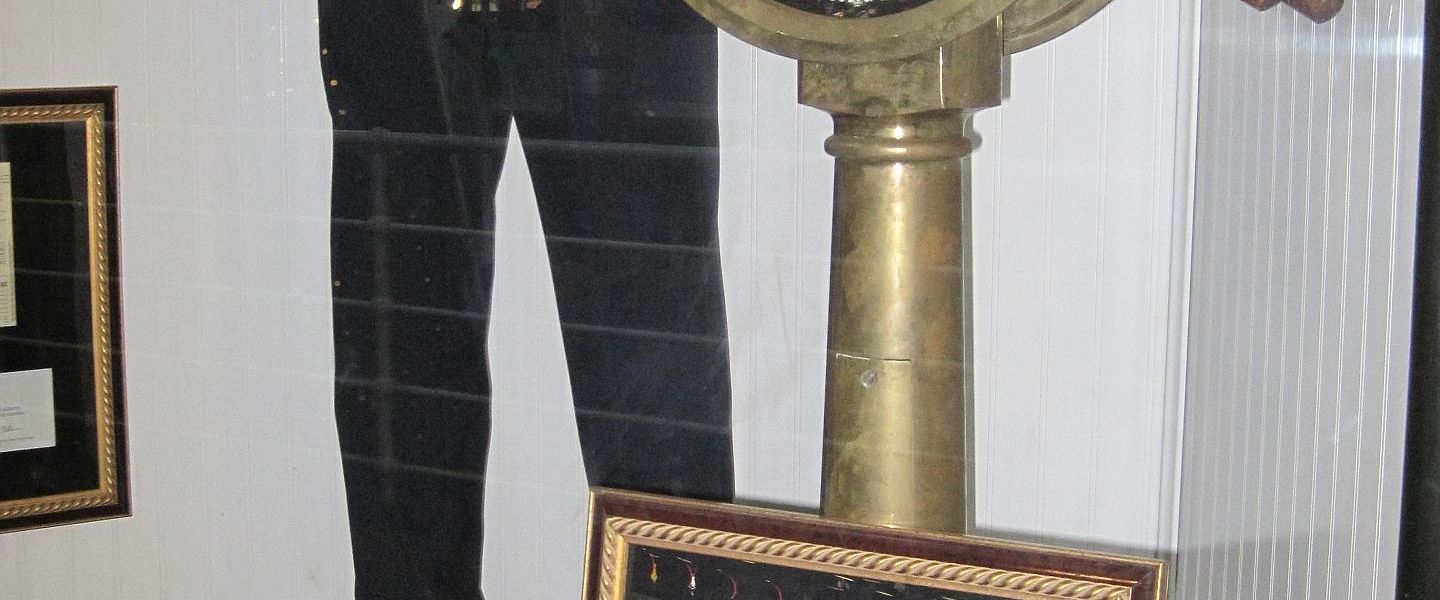


Tunica Casinos in Mississippi combine gaming, live entertainment and Delta heritage near the Mississippi River, with Memphis close by for a varied break.
The Casino Corridor
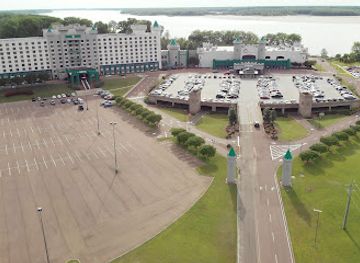
Tunica Casinos refers to the gaming and resort area around Robinsonville in Tunica County, north-west Mississippi, rather than to a conventional town centre. The district developed beside the Mississippi River floodplain and is reached most easily by road from Memphis, Tennessee, roughly 40 miles to the north-west, or from other parts of the Mississippi Delta. Wide roads, large parking areas and individual casino resorts define the landscape, while the surrounding flat agricultural country gives the area a distinctly rural setting.Read more about Tunica Casinos
More Than Gaming
Gateway to the Delta
When is the best time to visit Tunica Casinos?
Best: April, September–October · 22–29°C| Month | High (°C) | Rainfall (mm) |
|---|---|---|
| January | 10 | 100 |
| February | 12 | 110 |
| March | 17 | 120 |
| April (best) | 22 | 130 |
| May | 28 | 140 |
| June | 32 | 130 |
| July | 33 | 110 |
| August | 33 | 90 |
| September (best) | 29 | 100 |
| October (best) | 22 | 90 |
| November | 16 | 110 |
| December | 11 | 120 |
Getting to and around Tunica Casinos
How to get there
Transportation
Best attractions in Tunica Casinos
The casino resorts around Robinsonville are the destination’s main attractions, combining gaming floors with hotel accommodation, restaurants and entertainment that vary by property and current operating arrangements. Beyond the resorts, Tunica County offers a quieter Delta landscape of cotton fields, drainage channels, levees and roads following the broad Mississippi floodplain. Tunica’s local museums and heritage displays provide insight into Indigenous history, plantation agriculture, African American experiences and the county’s changing relationship with the river and casino economy. The Mississippi River is an important nearby feature, although access is not uniform and visitors should use established public areas rather than assuming every levee or riverbank is open. The wider region also connects naturally with Mississippi blues country, including Clarksdale to the south, while Memphis lies to the north-west with major music, civil-rights and cultural attractions. These comparisons and excursions belong to the surrounding Delta and gateway region, not to the casino corridor itself.
-
Visitor center
Tunica County River Park
Discover the scenic beauty and rich wildlife of Tunica County River Park, an ideal destination for nature lovers and outdoor adventures in Mississippi.
-
Museum
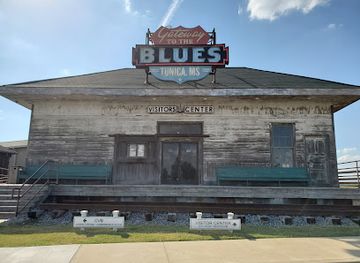
Gateway to the Blues Museum
Discover the rich history of blues music at the Gateway to the Blues Museum in Tunica Resorts, Mississippi - a must-visit for all music enthusiasts!
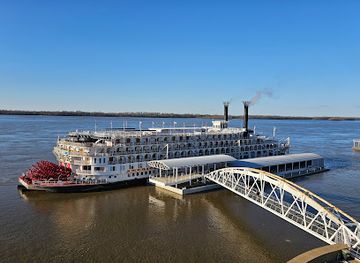
Explore Tunica Casinos on the map
Plan your trip on one map. See where the top attractions, landmarks, restaurants and hotels are, and book hotels and experiences in a few clicks.
Best hotels in Tunica Casinos
Best restaurants in Tunica Casinos
Dining in Tunica Casinos is concentrated within the operating resort properties, where visitors may find casual restaurants, cafés, bars, buffets or more formal menus depending on the individual casino and its current facilities. The wider culinary identity comes from the Mississippi Delta and the American South: catfish, fried chicken, barbecue, greens, cornbread and other soul-food traditions are associated with the region, although menus differ between establishments. Tunica and Robinsonville provide additional local eating options, while a broader choice is available in Memphis and other regional towns. Farm products and the agricultural landscape shape the Delta’s food culture, but the casino district is primarily a resort dining environment rather than a traditional market town. Check current opening arrangements and menus directly, especially outside peak periods, since the area’s hospitality offer is smaller and more changeable than that of nearby Memphis.
-
Fast Food
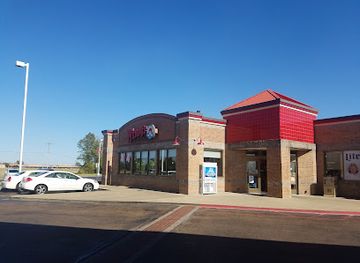
Wendy's
Experience quick and delicious meals at Wendy's in Tunica Resorts - perfect for travelers craving fast food favorites.
-
Sandwich
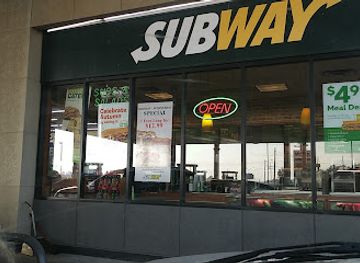
Subway
Discover fresh and delicious sandwiches at Subway in Tunica Resorts – perfect for travelers seeking quick and healthy dining options.
-
American
Sweet Tea
Savor authentic American cuisine at Sweet Tea in Gold Strike Resort & Casino - where Southern hospitality meets delicious dining.
Best bars in Tunica Casinos
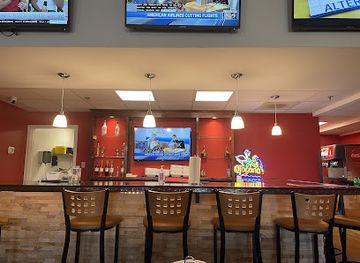
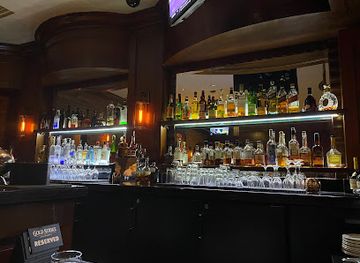
Evening entertainment in Tunica Casinos is centred on casino lounges, resort bars, gaming floors and scheduled performances where individual properties continue to offer them. The atmosphere is generally self-contained and resort-based rather than that of a walkable nightlife district, and facilities can change as ownership, programming and operating patterns evolve. Robinsonville and Tunica have a quieter evening character, with local bars and restaurants rather than a concentration of independent nightclubs. Visitors seeking a larger live-music, theatre or late-night scene usually look towards Memphis, which is outside the destination and requires a planned drive. Drink responsibly, arrange transport before drinking and confirm current entertainment listings directly with the relevant property; assumed opening hours or regular performances should not be relied upon.
-
American
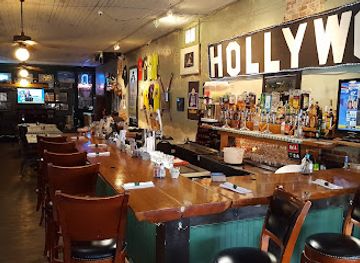
The Hollywood Cafe
Experience the charm of classic American cuisine at The Hollywood Cafe in Tunica Resorts, where comfort food meets a welcoming atmosphere.
-
Grill
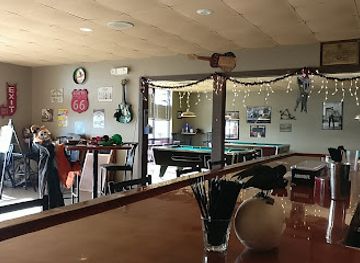
Frank's Pub and Grille
Discover a delightful dining experience at Frank's Pub and Grille in Tunica Resorts, serving up comfort food and vibrant ambiance for all visitors.
-
Mobile caterer
Krazy Legz
Experience the vibrant flavors of Krazy Legz, a must-try mobile catering gem in Tunica Resorts, MS, serving up delicious dishes with a twist.
-
Steak
Chicago Steakhouse
Experience the finest steak dining at Chicago Steakhouse in Tunica Resorts, where exceptional flavor meets a welcoming atmosphere.
Best nightclubs in Tunica Casinos
Evening entertainment in Tunica Casinos is centred on casino lounges, resort bars, gaming floors and scheduled performances where individual properties continue to offer them. The atmosphere is generally self-contained and resort-based rather than that of a walkable nightlife district, and facilities can change as ownership, programming and operating patterns evolve. Robinsonville and Tunica have a quieter evening character, with local bars and restaurants rather than a concentration of independent nightclubs. Visitors seeking a larger live-music, theatre or late-night scene usually look towards Memphis, which is outside the destination and requires a planned drive. Drink responsibly, arrange transport before drinking and confirm current entertainment listings directly with the relevant property; assumed opening hours or regular performances should not be relied upon.
-
Live Music
Roxy's Live at Sam's TownRoxy's Live
Enjoy a vibrant live music scene at Roxy's Live, where great food, drinks, and unforgettable performances unite in Tunica Resorts.
-
Night club
Stage2
Discover the pulsating nightlife at Stage2, a premier venue for live music and unforgettable entertainment in Tunica Resorts, Mississippi.
Best shops in Tunica Casinos
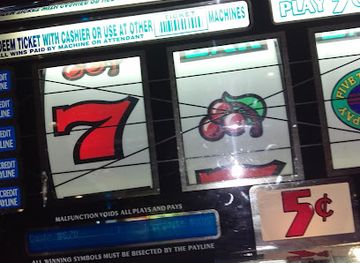
Shopping within Tunica Casinos is primarily resort-based, with convenience retail, casino-related outlets and occasional merchandise or gift shops depending on the property. Robinsonville and Tunica provide ordinary local services rather than an extensive shopping district, so visitors should not expect the designer stores or specialist retail found in a major city. Regional purchases may include Mississippi food products, Delta-themed souvenirs, blues-related items, artwork and practical outdoor or travel supplies, although the range varies by shop and season. Farm shops and independent businesses are more likely to be encountered during wider Delta drives than immediately beside the casino resorts. Memphis offers the nearest broad urban retail choice, but it is a separate gateway city. Visitors planning to buy particular local products should check individual businesses in advance, as opening patterns and stock can be changeable in this rural region.
-
Casino
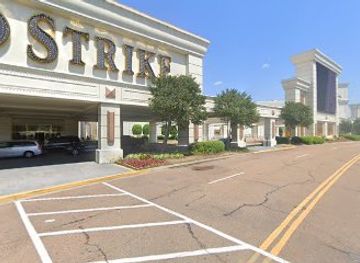
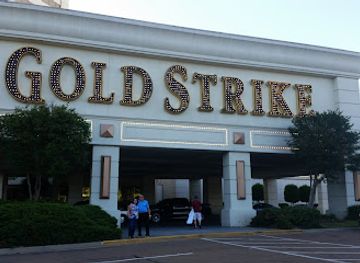
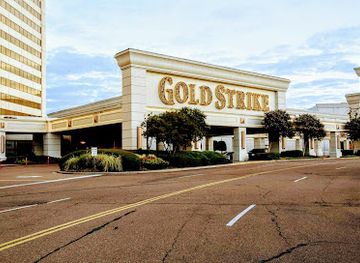
Gold Strike Casino Resort
Discover the excitement and luxury of Gold Strike Casino Resort, where gaming, relaxation, and entertainment come together in Tunica Resorts, Mississippi.
-
 Hotel
HotelHorseshoe Tunica
Discover the ultimate blend of luxury accommodations and thrilling gaming at Horseshoe Tunica, a premier hotel and casino in Mississippi.
-
Casino
Hollywood Casino & Hotel Tunica
Discover the excitement of gaming and entertainment at Hollywood Casino & Hotel Tunica, a premier destination in Mississippi for tourists seeking thrills and luxury.
-
Hotel
Fitz Casino & Hotel Tunica, Trademark Collection by Wyndham
Discover the perfect blend of luxury and excitement at Fitzgerald Casino & Hotel Tunica, your ultimate getaway filled with gaming, relaxation, and fine dining.
Get your free copy of our complete guide to Tunica Casinos, delivered straight to you.
Everything on this page, from attractions and restaurants to essentials and local phrases, in one PDF you can read offline, print or share.
Already have an account? Sign in
Your Tunica Casinos guide is ready.
We'll send it to · Not you? Sign out

Getting your guide ready…
We are putting together a fresh copy of the Tunica Casinos guide. This can take up to a minute.
This can take a few moments. If your browser asks, choose Allow so the download can start. You'll find the guide in your Downloads folder.
Nothing happened? Download it again
Sorry, the guide is taking longer than usual. Please try again in a minute, or get it by email instead.
Tunica Casinos essentials
Currency and Payment
Safety
Emergency Situations
Do's and Don'ts
Local Tips
From Eve
Local phrases worth knowing
You don't need to get them perfect. A few words go a long way, and locals appreciate the effort.
Basics
| English | Local | Say it |
|---|---|---|
| Hello | Hey y'all | [Hey y'all] |
| Goodbye | See ya later | [See ya later] |
| Yes | Yessir | [Yessir] |
| No | Nah | [Nah] |
| Please/You're welcome | Please/You're welcome | [Please/You're welcome] |
| Thank you | Thank ya kindly | [Thank ya kindly] |
| Excuse me/Sorry | Pardon me | [Pardon me] |
| How are you? | How y'all doin'? | [How y'all doin'?] |
| Fine. And you? | Fine. And you? | [Fine. And you?] |
| Do you speak English? | Ya speak English? | [Ya speak English?] |
| I don't understand | I don't reckon | [I don't reckon] |
Eating & Drinking
| English | Local | Say it |
|---|---|---|
| I'd like to see the menu, please | Can I get the menu? | [Can I get the menu?] |
| I don't eat meat | I don't eat meat | [I don't eat meat] |
| Cheers! | Cheers! | [Cheers!] |
| I would like to pay, please | Check, please | [Check, please] |
Emergencies
| English | Local | Say it |
|---|---|---|
| Help! | Help! | [Help!] |
| Go away! | Git! | [Git!] |
| Call the Police! | Call the Sheriff! | [Call the Sheriff!] |
| Call a doctor! | Call a doc! | [Call a doc!] |
| I'm lost | I'm lost | [I'm lost] |
| I'm ill | I'm sick | [I'm sick] |
Shopping
| English | Local | Say it |
|---|---|---|
| I'd like to buy... | I'd like to buy... | [I'd like to buy...] |
| I'm just looking | Just lookin' | [Just lookin'] |
| How much is it? | How much for that? | [How much for that?] |
| That's too expensive | That's too much | [That's too much] |
| Can you lower the price? | Can ya do any better? | [Can ya do any better?] |
Time & Numbers
| English | Local | Say it |
|---|---|---|
| What time is it? | What time is it? | [What time is it?] |
| It's one o'clock | It's one o'clock | [It's one o'clock] |
| Half past (10) | Half past (10) | [Half past (10)] |
| Morning | Mornin' | [Mornin'] |
| Afternoon | Afternoon | [Afternoon] |
| Evening | Evenin' | [Evenin'] |
| Yesterday | Yesterday | [Yesterday] |
| Today | Today | [Today] |
| Tomorrow | Tomorrow | [Tomorrow] |
| 1 | One | [One] |
| 2 | Two | [Two] |
| 3 | Three | [Three] |
| 4 | Four | [Four] |
| 5 | Five | [Five] |
| 6 | Six | [Six] |
| 7 | Seven | [Seven] |
| 8 | Eight | [Eight] |
| 9 | Nine | [Nine] |
| 10 | Ten | [Ten] |
Transport & Directions
| English | Local | Say it |
|---|---|---|
| Where's a/the...? | Where's the...? | [Where's the...?] |
| What's the address? | What's the address? | [What's the address?] |
| Can you show me (on the map)? | Can ya show me (on the map)? | [Can ya show me (on the map)?] |
| When's the next (bus)? | When's the next (bus)? | [When's the next (bus)?] |
| A ticket (to ....) | A ticket (to ....) | [A ticket (to ....)] |
History of Tunica Casinos
River, Floodplain and Delta Settlement
The Tunica area occupies the Mississippi Alluvial Valley, a broad floodplain shaped by the Mississippi River and its changing channels, wetlands and deposited sediments. Long before modern resorts appeared, Indigenous peoples used and inhabited the wider Delta, while later settlement developed through farming, river commerce and transport. The county’s landscape was progressively altered by drainage, levees, roads and intensive agriculture, particularly cotton cultivation. These changes created the flat, open setting that still surrounds the casino corridor, although the river remains a defining geographical and environmental influence.
Agriculture and the Mississippi Delta Economy
For much of its modern history, Tunica County was closely associated with plantation agriculture and the labour systems that sustained cotton production. The Delta economy brought wealth to landowners but also depended on the exploitation of enslaved people before the American Civil War and on profoundly unequal social and economic conditions afterwards. Mechanisation, population change and the restructuring of agriculture altered local communities during the twentieth century. Tunica’s historic identity therefore sits within the wider story of the Mississippi Delta: fertile soil and commercial farming alongside persistent economic hardship and major African American cultural contributions.
From River Trade to Regional Tourism
The Mississippi River supported movement of people and goods, but changing transport patterns increasingly placed roads and regional highways at the centre of local access. Tunica remained a small rural county seat while nearby Robinsonville developed as a separate commercial area. In the late twentieth century, legal casino gaming transformed the local economy, attracting investment, visitors and employment to large resort properties near the river corridor. The industry became widely known as Tunica Resorts, although the area is not a conventional incorporated city and its fortunes have changed as competition and gaming markets evolved.
The Casino Industry’s Changing Landscape
Tunica’s casino boom brought large hotels, entertainment venues and supporting businesses to a part of the Delta that had previously had relatively limited tourism infrastructure. Later developments in regional gaming, economic conditions and travel patterns led to closures, ownership changes and a smaller operating market than during the industry’s peak. Today, the casino district is best understood as a changing resort corridor within Tunica County, complemented by local heritage attractions and the wider cultural landscape of the Delta. Current visitors should verify which properties and facilities are operating before making detailed plans.
Tunica Casinos in Photos
Browse through our photo collection highlighting the charm and character of the destination.
Neighbouring destination travel guides
The closest destinations to Tunica Casinos, if you have time for more than one.
-

-

-

-
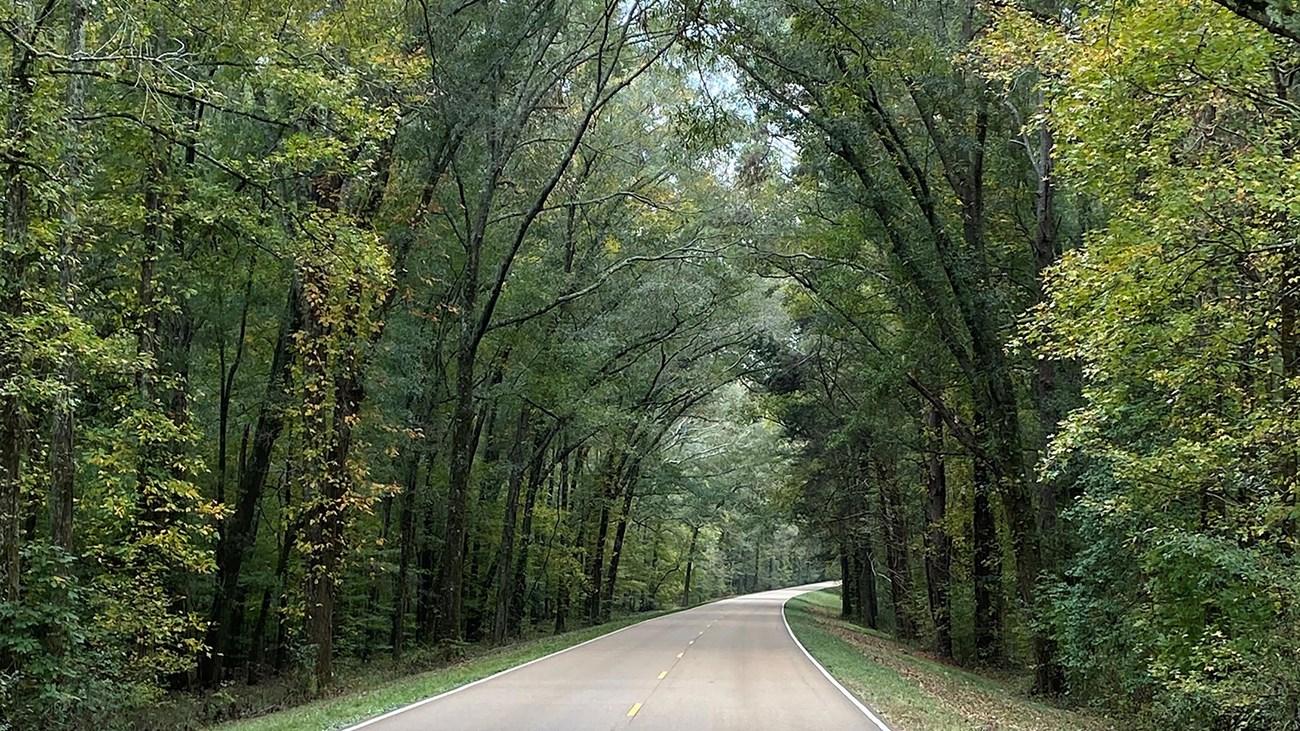 Natchez Trace Parkway
Explore the scenic, historic, and cultural wonders of the Natchez Trace Parkway, a 444-mile journey through the heart of the American South.
Natchez Trace Parkway
Explore the scenic, historic, and cultural wonders of the Natchez Trace Parkway, a 444-mile journey through the heart of the American South.
-


Swipe for more destinations
Explore more

Explore more of The Hills
Explore The Hills of Mississippi for blues heritage, literary landmarks, Civil War history, small-town squares, trails and wooded upland scenery.
Explore The Hills
Explore more of Mississippi
Discover Mississippi: A treasure trove of Southern culture, blues music heritage, and stunning natural landscapes perfect for every kind of traveler.
Explore Mississippi