

Memphis Beale Street, Tennessee Travel Guide
Discover the heart of Memphis on Beale Street, where the blues were born and live music, Southern cuisine, and rich history create an unforgettable experience.
Beale Street in Memphis, Tennessee, is an iconic destination that pulses with the rich history and vibrant culture of the American South. Known as the birthplace of the blues, Beale Street is where legends like B.B. King and Elvis Presley began their musical journeys. The street stretches over two miles, lined with neon-lit bars, restaurants, and shops that offer visitors a taste of Memphis' unique charm. Walking down Beale Street, you'll be enveloped by live music pouring out from every corner. From blues and jazz to rock 'n' roll, the street's soundtrack is ever-changing and always engaging. Historic landmarks like the Orpheum Theatre and the Memphis Rock 'n' Soul Museum add depth to the experience, providing insight into the city's cultural heritage. Food lovers will find plenty to indulge in as well, with a variety of eateries serving up Southern favorites like barbecue ribs, fried catfish, and soul food. Many establishments host live performances, so you can enjoy a meal while soaking in the sounds of local talent. Whether you're a history buff, a music enthusiast, or just looking for a lively atmosphere, Beale Street offers something for everyone.

Know before you go
Hi, I'm Eve. Here are a few practical things to know before exploring Memphis Beale Street.
- Visit during the evening to experience the full energy and vibrant nightlife of Beale Street.
- Check out the historic bars like Rum Boogie Café and B.B. King's Blues Club for great live music.
- Take a guided tour to learn about the street's rich history and its role in the development of American music.
- Wear comfortable shoes as you will be walking a lot and standing in venues.
- Try the local barbecue; many places offer fantastic ribs and pulled pork.
Explore Memphis Beale Street: Things to Do, Places to Eat, Hotels & More
Handpicked recommendations for top attractions, local dining, accommodations, and more

Best attractions in Memphis Beale Street
Top-rated picks
Best Attractions

Withers Collection Museum & Gallery
Explore the Withers Collection Museum & Gallery in Memphis: a cultural gem celebrating African American history, art, and heritage.

Memphis Rock 'n' Soul Museum
Explore the soulful origins of rock and soul music at the Memphis Rock 'n' Soul Museum, a vibrant tribute to the legends of Memphis.

Beale Street Entertainment District
Discover the energetic Beale Street in Memphis, a legendary entertainment district rich in blues music, Southern cuisine, and vibrant nightlife.

Backbeat Tours
Discover the vibrant culture and rich musical history of Memphis with Backbeat Tours, where every journey brings the city to life.

Best landmarks in Memphis Beale Street
Top-rated picks
Best Landmarks

Withers Collection Museum & Gallery
Immerse yourself in the vibrant history and artistry at the Withers Collection Museum & Gallery in Memphis, a must-visit for every traveler.

Memphis Rock 'n' Soul Museum
Explore the roots of rock and soul at the Memphis Rock 'n' Soul Museum, a tribute to the legends of music in the heart of Memphis.

A. Schwab
Discover the eclectic charm of A. Schwab on Beale Street, where vintage treasures and local crafts await every curious traveler.

Beale Street Entertainment District
Explore the vibrant Beale Street Entertainment District in Memphis, where live music, delicious Southern cuisine, and rich cultural history come together.

Best restaurants in Memphis Beale Street
Top-rated picks
Best Restaurants

Esco Memphis Restaurant & Tapas
Experience the best of American cuisine at Esco Memphis Restaurant & Tapas in downtown Memphis—where flavor meets community.

B.B. King's Blues Club
Discover authentic Memphis barbecue paired with live blues at B.B. King's Blues Club on Beale Street – a must-visit for music lovers.

Itta Bena
Discover exquisite Southern cuisine at Itta Bena on Beale Street – where tradition meets modern dining in Memphis.

Wet Willie's
Experience vibrant nightlife at Wet Willie's on Beale Street with delicious frozen cocktails and great bar bites in Memphis.

Best bars in Memphis Beale Street
Top-rated picks
Best Bars

B.B. King's Blues Club
Discover the best of Memphis at B.B. King's Blues Club, where live blues music meets mouthwatering Southern barbecue in a vibrant atmosphere.

Itta Bena
Experience the best of Southern cuisine and Memphis nightlife at Itta Bena, a unique dining venue on historic Beale Street.

Blues Hall Juke Joint
Experience the soul of Memphis at Blues Hall Juke Joint, the heart of live blues music and vibrant nightlife on Beale Street.

Wet Willie's
Discover the vibrant flavors of Wet Willie's on Beale Street, Memphis, where frozen daiquiris and lively atmosphere create unforgettable moments.

Best nightclubs in Memphis Beale Street
Top-rated picks
Best Nightclubs

B.B. King's Blues Club
Dive into the rhythm of Memphis at B.B. King's Blues Club, where barbecue meets live blues in an unforgettable atmosphere.

Twelve Bar
Discover Twelve Bar: A vibrant bar and nightclub in Memphis, offering American cuisine, handcrafted cocktails, and live music for an unforgettable night out.

Tin Roof
Experience the heartbeat of Memphis at Tin Roof, a lively bar and restaurant on Beale Street where great music and delicious food unite.

Club Handy
Discover Club Handy in Memphis: A lively bar on Beale Street with electrifying live music and a warm atmosphere reflecting the soul of the city.

Best shops in Memphis Beale Street
Top-rated picks
Best Shops

Beale Sweets Sugar Shack
Experience the sweet side of Memphis at Beale Sweets Sugar Shack, your go-to candy store for delightful confections and nostalgic treats.

A. Schwab
Discover A. Schwab, a historic Memphis variety store on Beale Street, offering unique gifts and a taste of local culture in every corner.

Beale Street Entertainment District
Discover the vibrant energy of Beale Street, Memphis' iconic entertainment district, where music, food, and culture come alive.

Memphis Music
Discover the rich musical heritage of Memphis at Memphis Music, your gateway to the sounds and stories of legendary artists.

Explore Memphis Beale Street on the Map
A handpicked selection of must-see spots in Memphis Beale Street, mapped for you.
Memphis Beale Street Essentials
-
Memphis, Tennessee, is accessible via Memphis International Airport (MEM), located approximately 12 miles from Beale Street. From the airport, you can take a taxi, rideshare service, or rental car to reach Beale Street. Alternatively, Greyhound and Megabus offer bus services to Memphis from various cities, and Amtrak provides train services to the Memphis Central Station, which is a short distance from Beale Street.
-
Once in Memphis, several transportation options are available. The Memphis Area Transit Authority (MATA) operates buses and trolleys throughout the city, including routes to Beale Street. Taxis and rideshare services like Uber and Lyft are also plentiful. For a more unique experience, consider taking a horse-drawn carriage ride around downtown Memphis. Walking is another great option, as many attractions are within close proximity.
-
The official currency is the US Dollar (USD). Credit and debit cards are widely accepted at most businesses on Beale Street, including restaurants, bars, and shops. ATMs are available throughout the area for cash withdrawals. It’s always a good idea to carry some cash for smaller vendors or in case of technical issues with card payments.
-
Beale Street is generally safe, particularly in the well-lit and busy areas. However, it is advisable to take standard precautions, such as avoiding poorly lit areas at night and being mindful of your belongings in crowded places. Neighborhoods to be cautious of include parts of South Memphis and areas far from the downtown core, which have higher crime rates. Always stay aware of your surroundings and travel in groups if possible.
-
In case of an emergency, dial 911 for immediate assistance. There are several hospitals and urgent care facilities in and around Memphis, including the Regional One Health Medical Center. It’s advisable to have travel insurance that covers medical emergencies. Beale Street also has a visible police presence, particularly during peak times, so you can approach an officer if you need help.
-
Fashion: Do wear comfortable shoes, as you will likely be walking a lot. Don’t wear overly revealing clothing, especially if you plan to visit more conservative areas or religious sites. Religion: Do respect all religious sites and practices. Don’t disrupt services or ceremonies. Public Transport: Do give up your seat to the elderly or disabled. Don’t be loud or disruptive on public transport. Greetings: Do greet people with a smile or a handshake. Don’t be overly familiar with strangers. Eating & Drinking: Do try the local BBQ and soul food. Don’t forget to tip your servers, as it’s customary in the United States.
-
To experience Beale Street like a local, visit during off-peak times to enjoy a less crowded atmosphere. Check out the live music venues, many of which host local artists. Don't miss the Beale Street Music Festival if you are visiting in May. For an authentic experience, try the local cuisine at establishments like Gus's World Famous Fried Chicken and The Rendezvous. Engage with the locals, who are known for their friendly and hospitable nature.
When is the best time to visit Memphis Beale Street?
Useful Local Phrases for Memphis Beale Street
You don't need to speak the language perfectly. Even learning a few simple words can make conversations warmer—and locals usually appreciate the effort.
— Eve

Here are the phrases I use most often in Memphis Beale Street. Try a few—you'll be surprised how far they go! 😊
❤️
-
- HelloHowdy
[hah-dee] - GoodbyeSee ya
[see yah] - YesYessir
[yes-sir] - NoNah
[nah] - Please/You're welcomePlease/You're welcome
[pleez/yur wel-kum] - Thank youThank ya
[thank yah] - Excuse me/SorryPardon me/My bad
[par-dn mee/my bad] - How are you?How y'all doin'?
[how yall do-in] - Fine. And you?Fine. And you?
[fine and yuh] - Do you speak English?Ya speak English?
[ya speak in-glish] - I don't understandI ain't catchin' on
[I aint ketch-in on]
- HelloHowdy
-
- I'd like to see the menu, pleaseLemme see the menu, please
[lem-mee see the menu, please] - I don't eat meatI don't eat meat
[I dohnt eet meet] - Cheers!Cheers!
[cheers] - I would like to pay, pleaseI need to settle up, please
[I need to set-l up, please]
- I'd like to see the menu, pleaseLemme see the menu, please
-
- Help!Help!
[help] - Go away!Scat!
[skat] - Call the Police!Call the Fuzz!
[call the fuzz] - Call a doctor!Get me a sawbones!
[get mee a saw-bones] - I'm lostI'm turned around
[I'm turned aroun] - I'm illI'm feelin' poorly
[I'm feelin poor-ly]
- Help!Help!
-
- I'd like to buy...I wanna buy...
[I wanna buy] - I'm just lookingI'm just browsin'
[I'm just brow-zin] - How much is it?How much does it cost?
[how much duz it cost] - That's too expensiveThat's mighty pricey
[that's my-tee prah-sy] - Can you lower the price?Can you do any better on the price?
[can yuh do any bed-der on the prah-s]
- I'd like to buy...I wanna buy...
-
- What time is it?What's the time?
[what's the time] - It's one o'clockIt's one o'clock
[it's one o-clock] - Half past (10)Half past ten
[half past ten] - MorningMornin'
[morn-in] - AfternoonAfternoon
[after-noon] - EveningEvenin'
[even-in] - YesterdayYestiddy
[yes-tid-dee] - TodayToday
[to-day] - TomorrowTomorrow
[to-mor-row] - 1One
[wun] - 2Two
[too] - 3Three
[three] - 4Four
[for] - 5Five
[fahv] - 6Six
[siks] - 7Seven
[sev-in] - 8Eight
[ate] - 9Nine
[nine] - 10Ten
[ten]
- What time is it?What's the time?
-
- Where's a/the...?Where's a/the...?
[where's a/the] - What's the address?What's the address?
[what's the address] - Can you show me (on the map)?Can you show me (on the map)?
[can yuh show me (on the map)] - When's the next (bus)?When's the next (bus)?
[whens the next bus] - A ticket (to ....)A ticket (to ....)
[a ticket (to)]
- Where's a/the...?Where's a/the...?
History of Memphis Beale Street
-
Beale Street was officially established in 1841 by developer Robertson Topp, who named the street after a forgotten war hero. It quickly became a bustling commercial area, attracting merchants, musicians, and a diverse range of businesses. By the late 19th century, Beale Street had grown into a cultural hub, particularly for the African American community in Memphis.
-
In the early 1900s, Beale Street became synonymous with the blues. Musicians like W.C. Handy, known as the 'Father of the Blues,' composed some of the genre's most iconic songs on this very street. Handy's 'Beale Street Blues' immortalized the area in music history, making it a pilgrimage site for blues enthusiasts.
-
During the 1960s, Beale Street was a significant location in the Civil Rights Movement. It served as a meeting place for activists and was the site of several key events. The Lorraine Motel, just a short distance from Beale Street, was where Dr. Martin Luther King Jr. was assassinated in 1968, a tragic event that had a profound impact on the nation and the local community.
-
Post-World War II, Beale Street experienced a period of decline due to economic hardships and urban decay. However, efforts to revive the historic district began in the 1980s, spearheaded by local organizations and city officials. The street was designated a National Historic Landmark in 1966, and revitalization projects have since transformed Beale Street into a vibrant entertainment district, preserving its rich cultural heritage.
-
Since 1977, the Beale Street Music Festival has been an annual event celebrating the area's musical legacy. Held in Tom Lee Park, the festival attracts tens of thousands of visitors each year, featuring performances by renowned artists across various genres. This event underscores Beale Street's ongoing importance as a cultural and musical epicenter.
-
Today, Beale Street is a bustling three-block area filled with clubs, restaurants, and shops. It continues to be a vibrant cultural and entertainment district, drawing visitors from around the world. The street's rich history is celebrated through various museums, historical markers, and tours that offer a glimpse into its storied past.
Neighbouring destination travel guides
Browse our curated selection of top destinations, scenic points, and must-visit spots in the area.




Your all‑in‑one travel companion app
Explore expert travel guides, compare and book tours, experiences, hotels, and more—all from the palm of your hand. Download now for seamless trip planning wherever your wanderlust takes you.


Explore More of Hatchie River Area

Looking beyond Memphis Beale Street? Discover Hatchie River Area for broader travel guides, local hot-spots, and regional highlights.
Explore Hatchie River AreaExplore More of Tennessee

Looking beyond Memphis Beale Street? Discover Tennessee for broader travel guides, local hot-spots, and regional highlights.
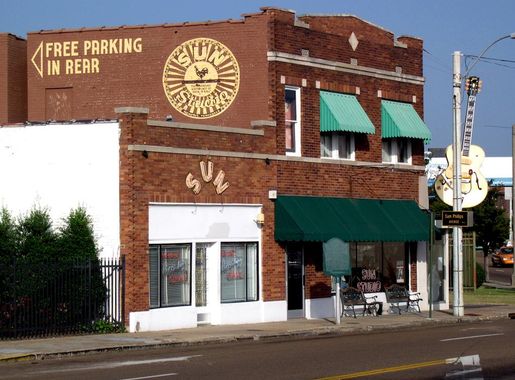
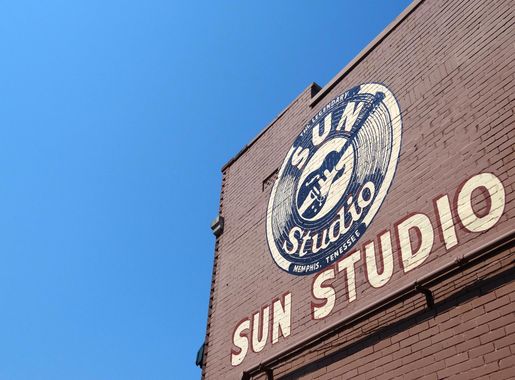
Explore TennesseeMemphis Beale Street in Photos
Browse through our photo collection highlighting the charm and character of the destination.





The Soulful Rhythms of Beale Street
Beale Street in Memphis, Tennessee, is an iconic destination that pulses with the rich history and vibrant culture of the American South. Known as the birthplace of the blues, Beale Street is where legends like B.B. King and Elvis Presley began their musical journeys. The street stretches over two miles, lined with neon-lit bars, restaurants, and shops that offer visitors a taste of Memphis' unique charm. Walking down Beale Street, you'll be enveloped by live music pouring out from every corner. From blues and jazz to rock 'n' roll, the street's soundtrack is ever-changing and always engaging. Historic landmarks like the Orpheum Theatre and the Memphis Rock 'n' Soul Museum add depth to the experience, providing insight into the city's cultural heritage. Food lovers will find plenty to indulge in as well, with a variety of eateries serving up Southern favorites like barbecue ribs, fried catfish, and soul food. Many establishments host live performances, so you can enjoy a meal while soaking in the sounds of local talent. Whether you're a history buff, a music enthusiast, or just looking for a lively atmosphere, Beale Street offers something for everyone.