Hincu Monastery, Bessarabia Travel Guide
Discover Moldova's spiritual heart at Hincu Monastery: a historic sanctuary of peace, resilience, and architectural beauty nestled in serene landscapes.
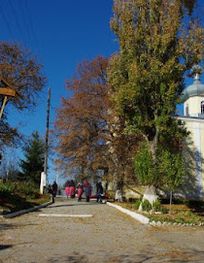
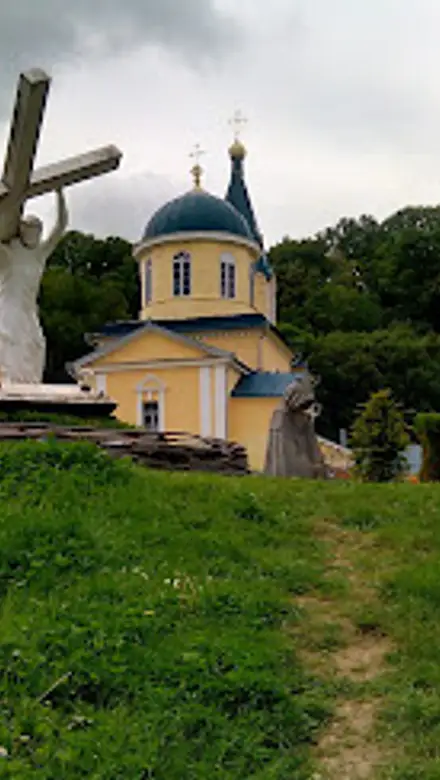
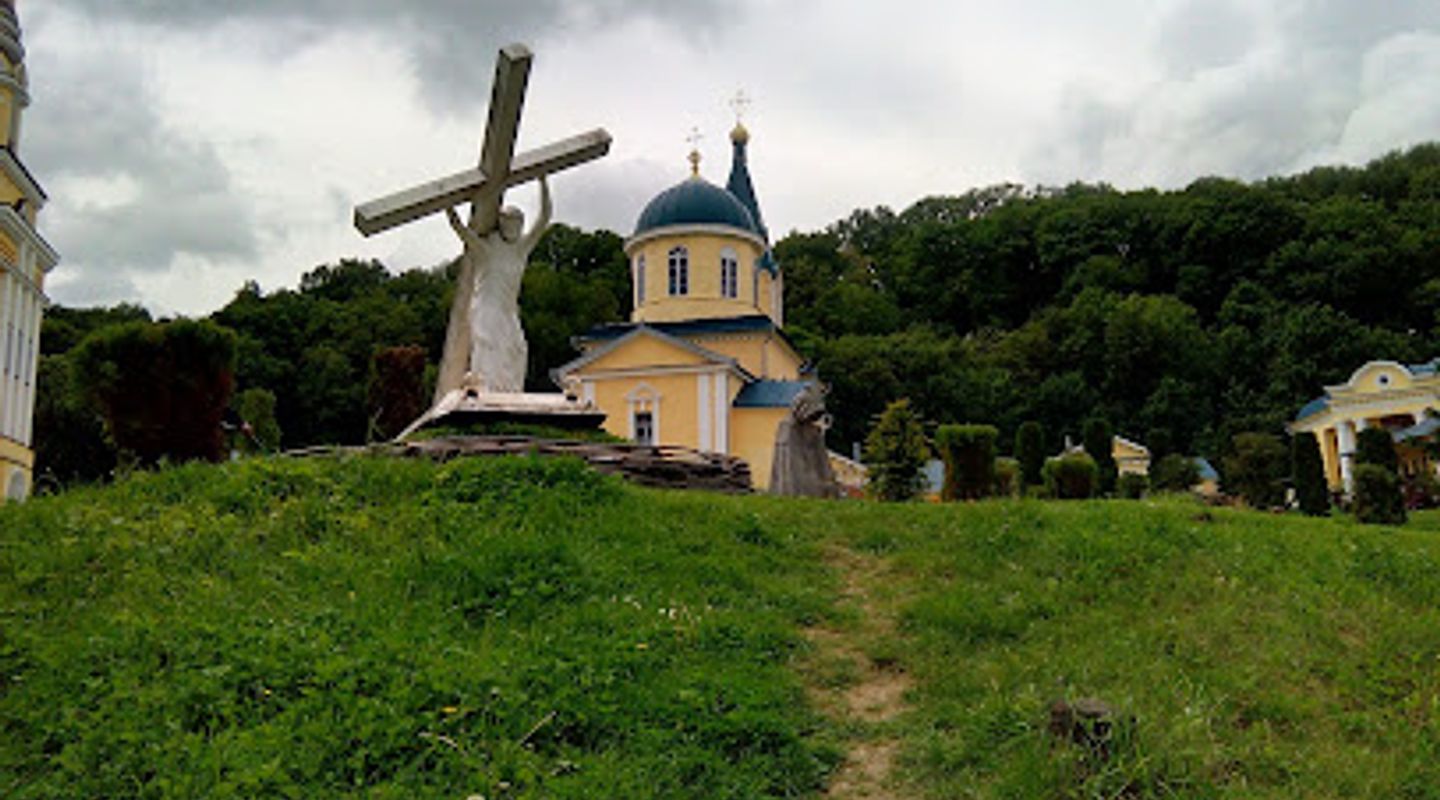
Nestled in the heart of Moldova, Hincu Monastery offers a serene escape into the country's rich religious and cultural heritage. Founded in 1678, the monastery has persevered through invasions, Soviet closures, and rebirth, now standing as a testament to Moldovan resilience and Orthodox tradition.
A brief summary to Hincu Monastery

Know before you go
Hi, I'm Eve. Here are a few practical things to know before exploring Hincu Monastery.
- Visit in the early morning or late afternoon for a quieter experience and optimal lighting for photography.
- Dress modestly to respect the monastery's religious customs.
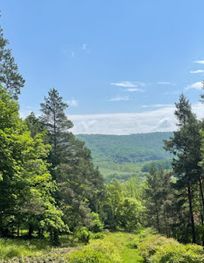
- Explore the gardens for relaxation and contemplation amidst beautiful scenery.
Do you manage this location?
Take control to get all the benefits, like improved information, better appearance, and stronger visibility across AI-powered discovery. Learn more about listing your business on Evendo
Activate your presenceOther nearby places you may find interesting
The closest places of the same kind, if this one is not quite what you had in mind.
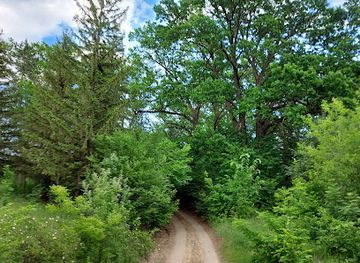
Explore Hincu Monastery on the Map
A handpicked selection of must-see spots near Hincu Monastery, mapped for you.
Unlock the Best of Hincu Monastery
Buy tickets
-
No tickets available
Book tours with entry

Book tours without entry
-
No tours available
Getting There
-
Public Transport
From Chișinău, take a bus from the Central Bus Station to the village of Hincu. Buses to Micleușeni depart every 30 minutes and cost between $2 and $4. From Hincu, the monastery is a short walk (approximately 1 km); follow the signs or ask locals for directions.
-
Car
From Chișinău, take the E581 road east towards Hincu Monastery. Continue for approximately 30 km until you reach Hincu village, then follow the signs to the monastery. Parking is available near the entrance.
Discover more about Hincu Monastery













Your all‑in‑one travel companion app
Explore expert travel guides, compare and book tours, experiences, hotels, and more—all from the palm of your hand. Download now for seamless trip planning wherever your wanderlust takes you.


Explore More of Bessarabia
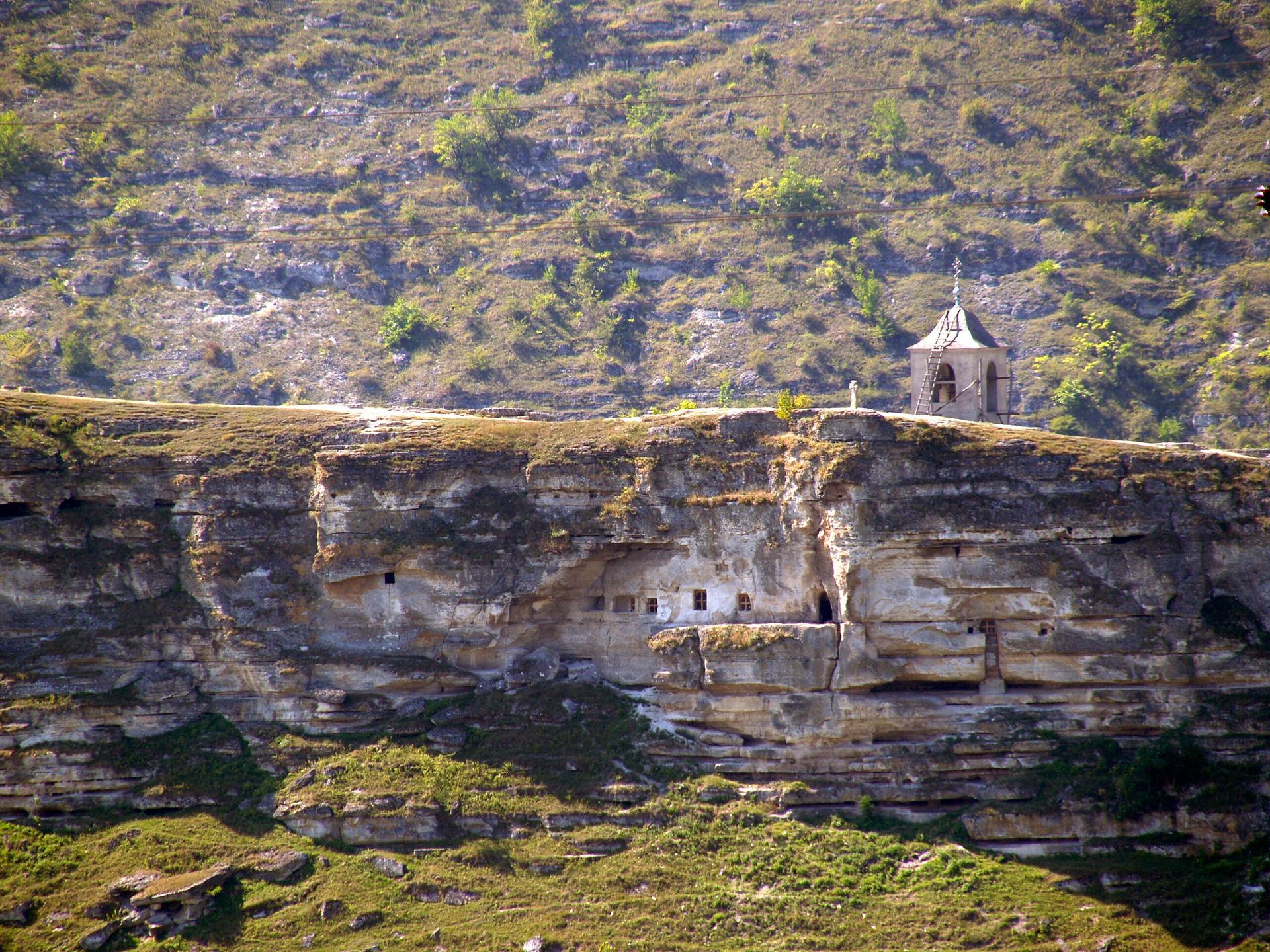
Looking beyond Hincu Monastery? Discover Bessarabia for broader travel guides, local hot-spots, and regional highlights.
Explore Bessarabia