

Saharna Monastery Complex Travel Guide - Free Web & App
Your ultimate guide to Saharna Monastery Complex. Discover top landmarks, proposed trips, and local tips. Free on the web or via the Evendo companion app.


Discover the serene beauty and spiritual heritage of Moldova at the Saharna Monastery Complex, where history, nature, and tranquility converge.
Read more about Saharna Monastery Complex
When is the best time to visit Saharna Monastery Complex?
Best: May–June, September · 23–29°C| Month | High (°C) | Rainfall (mm) |
|---|---|---|
| January | 1 | 30 |
| February | 2 | 28 |
| March | 9 | 25 |
| April | 16 | 22 |
| May (best) | 23 | 19 |
| June (best) | 29 | 16 |
| July | 32 | 15 |
| August | 31 | 16 |
| September (best) | 26 | 19 |
| October | 18 | 22 |
| November | 10 | 26 |
| December | 4 | 29 |
Getting to and around Saharna Monastery Complex
How to get there
Transportation
Best attractions in Saharna Monastery Complex
Saharna Monastery Complex in Moldova offers visitors a unique blend of spiritual and natural beauty. Nestled in a picturesque setting surrounded by lush forests and cascading waterfalls, the complex is home to several ancient monastic buildings dating back to the 15th century. Visitors can explore the historic churches and chapels, adorned with stunning frescoes and ornate decorations, while enjoying the peaceful atmosphere and stunning views of the surrounding landscape. The complex also features a holy spring believed to have healing properties, making it a popular pilgrimage site for both locals and tourists. Whether you are interested in history, religion, or simply seeking a tranquil retreat in nature, Saharna Monastery Complex is a must-visit destination for all travelers.
-
Tourist attraction
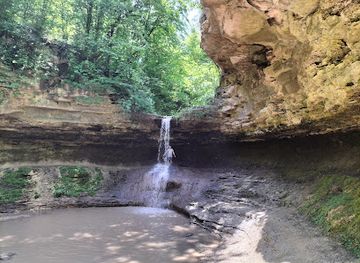
Saharna Waterfall
Discover the stunning Saharna Waterfall, a natural gem in Moldova surrounded by rich culture and breathtaking scenery.
-
Nature preserve
Rezervaţia peisagistică Saharna
Explore the stunning landscapes and rich biodiversity of Rezervația Peisagistică Saharna, Moldova's premier nature preserve for outdoor enthusiasts.
Best landmarks in Saharna Monastery Complex
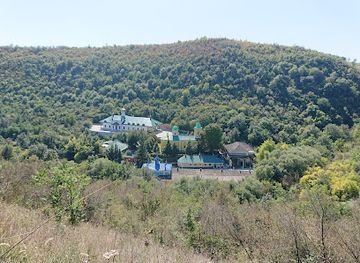
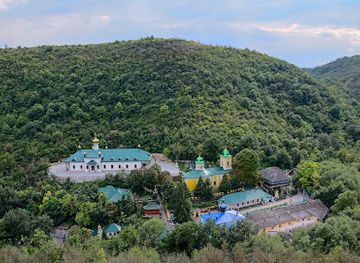
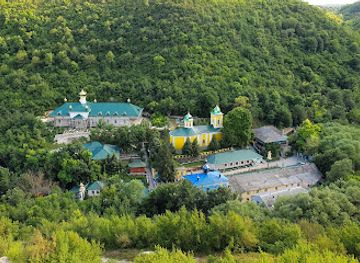
Saharna Monastery Complex in Moldova offers visitors a mesmerizing journey through history and spirituality. From the breathtaking natural surroundings of the Saharna waterfall to the peaceful atmosphere of the monastery itself, visitors can immerse themselves in the rich cultural heritage of the area. Explore the ancient cave monastery, marvel at the stunning frescoes, and feel a sense of tranquility as you wander through the picturesque grounds. Whether you are a history buff, a nature lover, or a spiritual seeker, Saharna Monastery Complex has something unique and captivating to offer to every visitor.
-
Monastery
Saharna Monastery
Discover Moldova's spiritual heart at Saharna Monastery, a pilgrimage site surrounded by stunning natural beauty and ancient history.
-
Tourist attraction
Saharna Waterfall
Discover the serene beauty of Saharna Waterfall in Moldova, a natural oasis with cascading waters, lush landscapes, and ancient monasteries.
-
Nature preserve
Rezervaţia peisagistică Saharna
Discover Moldova's Rezervaţia peisagistică Saharna: stunning landscapes, spiritual sites, and a haven for nature enthusiasts and pilgrims alike.
Explore Saharna Monastery Complex on the map
Plan your trip on one map. See where the top attractions, landmarks, restaurants and hotels are, and book hotels and experiences in a few clicks.
Best hotels in Saharna Monastery Complex
Best shops in Saharna Monastery Complex
The shopping scene at Saharna Monastery Complex offers a unique experience for visitors, with a variety of local vendors selling traditional Moldovan handicrafts, souvenirs, and religious items. Visitors can explore stalls filled with beautifully crafted pottery, embroidery, and woodcarvings, as well as sample local wines and food products. The atmosphere is bustling and vibrant, with friendly vendors eager to share their knowledge and culture with tourists. Whether looking for a one-of-a-kind souvenir or simply wanting to immerse oneself in the local culture, the shopping scene at Saharna Monastery Complex is sure to delight and inspire visitors.
-
Monastery
Saharna Monastery
Discover the serene beauty and spiritual richness of Saharna Monastery, a breathtaking retreat nestled in Moldova's picturesque landscapes.
Get your free copy of our complete guide to Saharna Monastery Complex, delivered straight to you.
Everything on this page, from attractions and restaurants to essentials and local phrases, in one PDF you can read offline, print or share.
Already have an account? Sign in
Your Saharna Monastery Complex guide is ready.
We'll send it to · Not you? Sign out

Getting your guide ready…
We are putting together a fresh copy of the Saharna Monastery Complex guide. This can take up to a minute.
This can take a few moments. If your browser asks, choose Allow so the download can start. You'll find the guide in your Downloads folder.
Nothing happened? Download it again
Sorry, the guide is taking longer than usual. Please try again in a minute, or get it by email instead.
Saharna Monastery Complex essentials
Currency and Payment
Safety
Emergency Situations
Do's and Don'ts
Local Tips
From Eve
Local phrases worth knowing
You don't need to get them perfect. A few words go a long way, and locals appreciate the effort.
Basics
| English | Local | Say it |
|---|---|---|
| Hello | Salut | [sa-ˈlut] |
| Goodbye | La revedere | [la re.veˈde.re] |
| Yes | Da | [da] |
| No | Nu | [nu] |
| Please/You're welcome | Te rog | [te rog] |
| Thank you | Mulțumesc | [mul.t͡suˈmesk] |
| Excuse me/Sorry | Scuzați-mă | [sku.zaˈtsi mə] |
| How are you? | Ce faci? | [t͡ʃe ˈfat͡ʃi] |
| Fine. And you? | Bine. Și tu? | [bi.ne ʃi tu] |
| Do you speak English? | Vorbiți engleză? | [vorˈbit͡sʲ enˈglezə] |
| I don't understand | Nu înțeleg | [nu ɨnˈt͡se.leɡ] |
Eating & Drinking
| English | Local | Say it |
|---|---|---|
| I'd like to see the menu, please | Aș dori să văd meniul, vă rog | [aʃ doˈri sə vad meˈni.ul və roɡ] |
| I don't eat meat | Nu mănânc carne | [nu mɨ.nɨŋk kar.ne] |
| Cheers! | Noroc! | [no.rok] |
| I would like to pay, please | Aș dori să plătesc, vă rog | [aʃ doˈri sə pləˈtesk və roɡ] |
Emergencies
| English | Local | Say it |
|---|---|---|
| Help! | Ajutor! | [aʒuˈtor] |
| Go away! | Du-te! | [du.te] |
| Call the Police! | Sună la Poliție! | [su.nə la poˈlit͡si.e] |
| Call a doctor! | Sună un doctor! | [su.nə un dokˈtor] |
| I'm lost | M-am pierdut | [mam piˈer.dut] |
| I'm ill | Sunt bolnav | [sunt bolˈnav] |
Shopping
| English | Local | Say it |
|---|---|---|
| I'd like to buy... | Aș dori să cumpăr... | [aʃ doˈri sə kumˈpar] |
| I'm just looking | Mă uit doar | [mə u.it do.ar] |
| How much is it? | Cât costă? | [kɨt kosˈtə] |
| That's too expensive | Este prea scump | [es.te pre.a skump] |
| Can you lower the price? | Puteți să scădeți prețul? | [puˈtets sə skəˈdet͡s pretsul] |
Time & Numbers
| English | Local | Say it |
|---|---|---|
| What time is it? | Cât este ceasul? | [kɨt es.te t͡ʃe.asul] |
| It's one o'clock | Este ora unu | [es.te o.ra unu] |
| Half past (10) | Jumătate după (10) | [ʒu.mɨˈtate duˈpə (10)] |
| Morning | Dimineața | [di.mi.neˈat͡sa] |
| Afternoon | După-amiază | [du.pə a.miˈa.zə] |
| Evening | Seara | [se.a.ra] |
| Yesterday | Ieri | [jer] |
| Today | Astăzi | [as.təz] |
| Tomorrow | Mâine | [mɨˈi.ne] |
| 1 | Unu | [un.u] |
| 2 | Doi | [doj] |
| 3 | Trei | [trej] |
| 4 | Patru | [pa.tru] |
| 5 | Cinci | [t͡ʃinʧ] |
| 6 | Șase | [ʃa.se] |
| 7 | Șapte | [ʃap.te] |
| 8 | Opt | [opt] |
| 9 | Nouă | [no.wə] |
| 10 | Zece | [ˈze.t͡ʃe] |
Transport & Directions
| English | Local | Say it |
|---|---|---|
| Where's a/the...? | Unde este unul/una...? | [un.de es.te u.nul/u.na] |
| What's the address? | Care este adresa? | [ka.re es.te aˈdresə] |
| Can you show me (on the map)? | Puteți să-mi arătați (pe hartă)? | [puˈtets sə.mi aˈrətat͡s (pe harˈtə)] |
| When's the next (bus)? | Când este următorul (autobuz)? | [kɨnd es.te urˈmətorul (auˈto.buz)] |
| A ticket (to ....) | Un bilet (spre ....) | [un biˈlet (spre)] |
History of Saharna Monastery Complex
Origins and Early History
The Saharna Monastery Complex, nestled in the rocky hills near the Dniester River, traces its origins back to ancient times. Archaeological evidence suggests that the area was inhabited as early as the Iron Age. The natural caves in the region provided shelter to early settlers and later became a place of spiritual retreat.
Foundation of the Monastery
The Saharna Monastery was officially founded in the 18th century by Vartolomeu, a monk from the nearby Țipova Monastery. According to local tradition, Vartolomeu was guided to the site by a vision of the Virgin Mary. He established the first monastic community in 1776, dedicating it to the Holy Trinity.
The Icon of the Virgin Mary
One of the most revered artifacts at Saharna Monastery is the Icon of the Virgin Mary, believed to have miraculous powers. The icon, said to have been found on the site by Vartolomeu, attracts numerous pilgrims seeking blessings and miracles. This icon has played a significant role in the monastery's spiritual life and its reputation as a holy site.
19th Century Developments
Throughout the 19th century, the Saharna Monastery underwent significant expansion and development. New buildings were constructed, including the main church, dedicated to the Holy Trinity, and several smaller chapels. The monastery also became a center for local education and culture, with a school established within its grounds.
Soviet Era Challenges
The Soviet era brought severe challenges to Saharna Monastery. In the 1940s, the monastery was closed by the communist regime, and its monks were dispersed. Many of the buildings fell into disrepair, and religious activities were forbidden. Despite these hardships, local believers continued to venerate the site in secret.
Post-Soviet Revival
Following the collapse of the Soviet Union, Saharna Monastery experienced a revival. In the early 1990s, the monastery was reopened, and restoration efforts began. Monks returned, and religious services resumed. Today, the monastery is a vibrant spiritual center, attracting visitors from across Moldova and beyond.
Natural and Cultural Significance
Saharna Monastery is not only a place of religious importance but also a site of natural beauty and cultural heritage. The surrounding area is known for its picturesque landscapes, including waterfalls, forests, and rock formations. The monastery complex itself is a testament to the enduring faith and resilience of the Moldovan people.
Saharna Monastery Complex in Photos
Browse through our photo collection highlighting the charm and character of the destination.
Neighbouring destination travel guides
The closest destinations to Saharna Monastery Complex, if you have time for more than one.
-

-

-

-

-


Swipe for more destinations
Explore more
Explore more of Orhei County
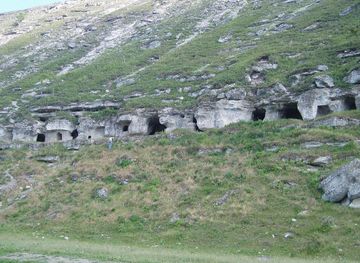
Explore Orhei County in Moldova for Orheiul Vechi, limestone valleys, monasteries, vineyards and quiet rural landscapes near Chişinău.
Explore Orhei County
Explore more of Moldova
Discover Moldova: A tranquil haven of rich history, stunning vineyards, and captivating natural landscapes, perfect for an off-the-beaten-path European adventure.
Explore Moldova