

Vadul lui Voda Travel Guide - Free Web & App
Your ultimate guide to Vadul lui Voda. Discover top landmarks, proposed trips, and local tips. Free on the web or via the Evendo companion app.


Vadul lui Voda, Moldova: relax beside the Dniester with sandy beaches, riverside parks, sports, local food and easy access from nearby Chisinau.
A Dniester Escape Near Chișinău
Vadul lui Voda is a small resort town on the right bank of the Dniester River, around 20 kilometres east of Chișinău. Its identity is closely tied to the river: broad sandy stretches, open water, riverside greenery and a relaxed recreational atmosphere have made it one of Moldova’s best-known summer destinations. The town lies within the administrative territory of Chișinău municipality, but feels distinctly separate from the capital, with a lower-rise, more leisurely character and a strong connection to outdoor recreation.Read more about Vadul lui Voda
Beaches, Parks and Open-Air Recreation
A Relaxed Local Atmosphere
When is the best time to visit Vadul lui Voda?
Best: June–August · 23–24°C| Month | High (°C) | Rainfall (mm) |
|---|---|---|
| January | 2 | 31 |
| February | 3 | 29 |
| March | 7 | 30 |
| April | 15 | 40 |
| May | 21 | 52 |
| June (best) | 23 | 59 |
| July (best) | 24 | 54 |
| August (best) | 23 | 45 |
| September | 19 | 38 |
| October | 14 | 34 |
| November | 9 | 33 |
| December | 3 | 31 |
Getting to and around Vadul lui Voda
How to get there
Transportation
Best attractions in Vadul lui Voda
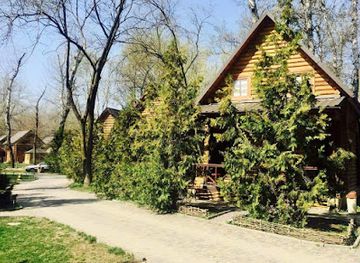
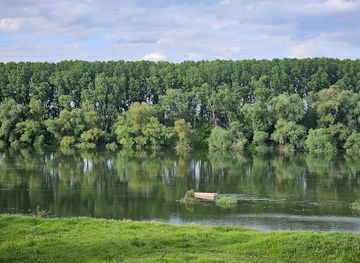
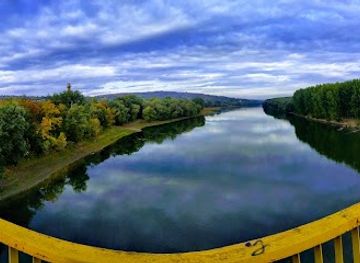
Vadul lui Voda’s principal attraction is its Dniester riverside recreational zone, where visitors find sandy beach areas, open river views, greenery and space for picnics or unhurried walks. The shoreline is the setting for seasonal swimming and sunbathing where locally permitted, while sports grounds and leisure facilities support a more active visit. The town itself is modest, with its appeal concentrated in the contrast between the river landscape and the nearby capital rather than in a long list of monuments. Visitors can explore the resort area on foot, observe changing light over the Dniester and use the surrounding parks and open spaces for informal recreation. Nearby Chișinău provides the region’s principal museums, historic buildings and urban attractions, but these should be treated as separate excursions rather than attractions within Vadul lui Voda. The destination is best suited to visitors interested in a straightforward riverside break, seasonal outdoor leisure and Moldova’s accessible local resort culture.
-
Park
Green Park
Explore the serene beauty and recreational charm of Green Park in Vadul lui Vodă, a perfect getaway for relaxation and fun.
-
Park
Vadul lui Vodă
Experience the tranquility and natural beauty of Vadul lui Vodă, a stunning park in Moldova perfect for relaxation and outdoor activities.
-
 Hiking area
Răul Nistru
Explore the stunning landscapes and serene beauty of Răul Nistru, a perfect hiking area in Vadul lui Vodă, Moldova, for nature lovers and adventure seekers.
Best landmarks in Vadul lui Voda
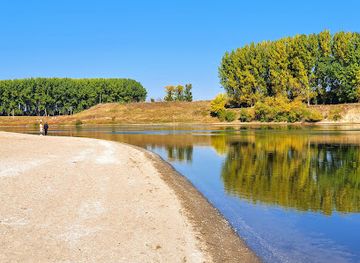
The Dniester River is Vadul lui Voda’s defining natural landmark, shaping the town’s history, recreation and visual identity. Its broad valley, sandy banks and changing water surface form the setting for the resort’s beaches and parks, although river conditions should always be assessed locally before entering the water. The riverside recreational zone is the principal human-made landmark of the destination: its leisure grounds, sporting facilities and accommodation reflect the twentieth-century development of Vadul lui Voda as a resort for Chișinău. The town’s name itself is a cultural landmark of sorts, preserving the idea of a voivode’s ford and the river crossing’s historic importance. Vadul lui Voda has few major architectural monuments, and its significance lies more in the relationship between settlement, river landscape and organised leisure than in monumental buildings.
-
Beach
Plaja Vadul lui Vodă
Discover Plaja Vadul lui Vodă: A serene beach escape in Moldova with golden sands, clear waters, and a vibrant summer atmosphere.
-
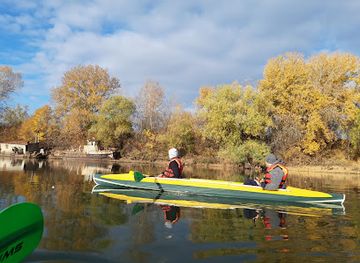
Canoe & kayak rental service
Kayaking tours
Explore Moldova's scenic rivers and lakes with guided kayaking tours for unforgettable outdoor adventures.
-
Hotel
Vatra Elita
Experience Moldovan hospitality and modern comfort at Vatra Elita, nestled in the heart of Vadul lui Vodă's scenic parkland.
-
Summer camp
Campingul din Vadul lui Vodă
Discover tranquility and outdoor adventures at Campingul din Vadul lui Vodă, Moldova's serene riverside summer camp, perfect for nature lovers and families.
Explore Vadul lui Voda on the map
Plan your trip on one map. See where the top attractions, landmarks, restaurants and hotels are, and book hotels and experiences in a few clicks.
Best hotels in Vadul lui Voda
Best restaurants in Vadul lui Voda
Dining in Vadul lui Voda is closely linked to its role as a summer resort, with food available through local restaurants, cafés, seasonal beach facilities and informal vendors rather than a large, year-round restaurant district. Menus may include Moldovan staples such as zeamă, mămăligă, plăcinte and grilled meats, alongside salads, bread, dairy products and familiar refreshments suited to a day beside the river. Moldovan cuisine reflects Romanian, Slavic and broader regional influences, while local fruit, vegetables and wine are important parts of the country’s food culture. Options can be busiest and most varied during the warm season, particularly in the recreational area. For a wider choice of established restaurants, international visitors can dine in Chișinău before or after travelling to the Dniester, or arrange provisions in the capital for a riverside picnic.
-
Boarding house
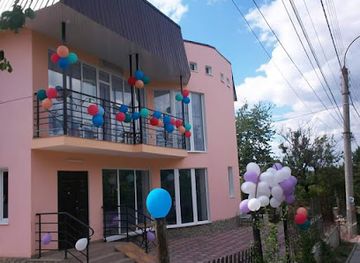
Pensiunea Vacanța della Nonna
Experience relaxation at Pensiunea Vacanța della Nonna with exquisite Italian cuisine and serene surroundings in Vadul lui Vodă.
-
Restaurant
Villa Drago
Experience exquisite dining at Villa Drago in Vadul lui Vodă—where local flavors meet exceptional service by the Dniester River.
-
Hotel
Vatra Elita
Experience exquisite Moldovan cuisine and warm hospitality at Vatra Elita, nestled in Vadul lui Vodă's beautiful Parcul Nistrean.
-
Family-friendly
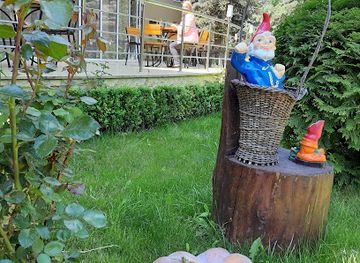
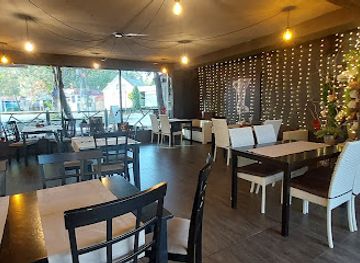
Million Restaurant
Discover delicious family-friendly dining at Million Restaurant in Vadul lui Vodă, where culinary delights meet stunning scenery.
Best bars in Vadul lui Voda
Vadul lui Voda is not a nightlife destination in the urban sense, and visitors should not expect a concentration of nightclubs, late-night bars or entertainment districts. Evening activity is more likely to centre on seasonal cafés, restaurants, accommodation facilities and informal socialising near the recreational zone, with the Dniester and surrounding greenery providing the atmosphere rather than organised nightlife. Summer weekends may bring a livelier local crowd, while quieter periods can feel distinctly residential after daytime visitors leave. Those seeking concerts, cocktail bars, clubs or a broader evening programme will find considerably more choice in Chișinău, which is close enough to combine with a daytime visit. Check local arrangements directly, as seasonal venues and facilities may not operate throughout the year.
-
Restaurant
Villa Drago
Experience the essence of Moldovan cuisine at Villa Drago, a restaurant that combines local flavors with a beautiful ambiance in Vadul lui Vodă.
-
Family-friendly
Million Restaurant
Experience delightful Moldovan cuisine at Million Restaurant, a family-friendly gem in Vadul lui Vodă with stunning river views.
-
Hiking area
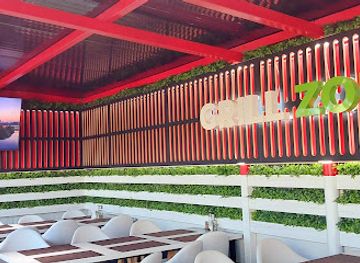
Grill Zone
Discover Grill Zone, where delicious grilled cuisine meets stunning beachfront views in Vadul lui Voda, Moldova.
-
Restaurant
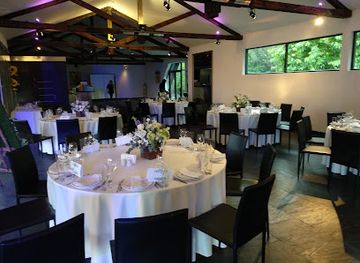
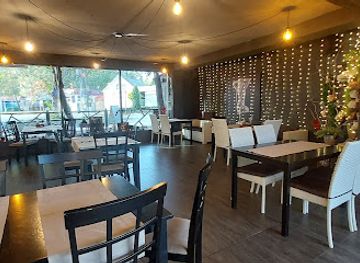
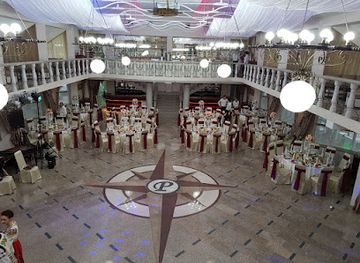
Poseidon sală de festivități
Experience the beauty of Moldovan cuisine and nature at Poseidon sală de festivități, your serene escape in Vadul lui Voda.
Best nightclubs in Vadul lui Voda
Vadul lui Voda is not a nightlife destination in the urban sense, and visitors should not expect a concentration of nightclubs, late-night bars or entertainment districts. Evening activity is more likely to centre on seasonal cafés, restaurants, accommodation facilities and informal socialising near the recreational zone, with the Dniester and surrounding greenery providing the atmosphere rather than organised nightlife. Summer weekends may bring a livelier local crowd, while quieter periods can feel distinctly residential after daytime visitors leave. Those seeking concerts, cocktail bars, clubs or a broader evening programme will find considerably more choice in Chișinău, which is close enough to combine with a daytime visit. Check local arrangements directly, as seasonal venues and facilities may not operate throughout the year.
-
Night club
Club Terra Vadul Lui Voda
Discover the electrifying nightlife at Club Terra Vadul Lui Voda, where vibrant beats and unforgettable experiences await in Moldova.
Best shops in Vadul lui Voda
Shopping in Vadul lui Voda is limited and practical, with small local shops, seasonal kiosks and food outlets serving residents and summer visitors. Purchases may include drinks, snacks, picnic supplies, basic everyday goods and simple beach or leisure items rather than a substantial range of souvenirs or specialist retail. Visitors looking for Moldovan wine, honey, preserves, traditional foods, textiles, ceramics or contemporary crafts will generally find a broader choice in Chișinău, where shops and markets are more numerous. Local produce bought in the capital can also be useful for a riverside picnic, particularly outside the busiest seasonal periods. Because some retail activity is seasonal, do not rely on finding every required item after arrival; carry essentials and treat Vadul lui Voda as a recreational destination rather than a shopping centre.
-
Supermarket
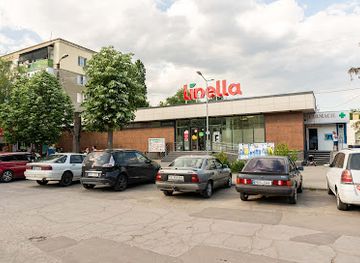
Linella
Discover the heart of Vadul lui Vodă at Linella, your go-to supermarket for local and international products, open daily from 8 AM to 10 PM.
-
Grocery store
Calancea NVT
Discover the essence of Moldovan flavors at Calancea NVT, Vadul lui Vodă's premier grocery store offering local products and a taste of the region.
-
Boutique
La Rascruce
Explore La Rascruce, a charming boutique in Coșernița, showcasing unique Moldovan crafts and local delicacies for an authentic shopping experience.
-
Store
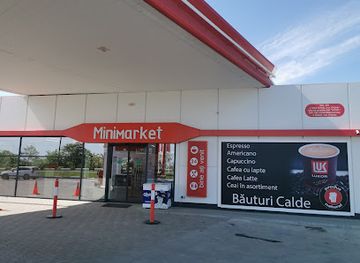
Lukoil
Discover the convenience of Lukoil in Vadul lui Vodă, your essential stop for fuel, snacks, and Wi-Fi access while exploring Moldova.
Get your free copy of our complete guide to Vadul lui Voda, delivered straight to you.
Everything on this page, from attractions and restaurants to essentials and local phrases, in one PDF you can read offline, print or share.
Already have an account? Sign in
Your Vadul lui Voda guide is ready.
We'll send it to · Not you? Sign out

Getting your guide ready…
We are putting together a fresh copy of the Vadul lui Voda guide. This can take up to a minute.
This can take a few moments. If your browser asks, choose Allow so the download can start. You'll find the guide in your Downloads folder.
Nothing happened? Download it again
Sorry, the guide is taking longer than usual. Please try again in a minute, or get it by email instead.
Vadul lui Voda essentials
Currency and Payment
Safety
Emergency Situations
Do's and Don'ts
Local Tips
From Eve
Local phrases worth knowing
You don't need to get them perfect. A few words go a long way, and locals appreciate the effort.
Basics
| English | Local | Say it |
|---|---|---|
| Hello | Salut | [sah-LOOT] |
| Goodbye | La revedere | [lah reh-veh-DEH-reh] |
| Yes | Da | [dah] |
| No | Nu | [noo] |
| Please/You're welcome | Te rog | [teh rohg] |
| Thank you | Mulțumesc | [mool-TSOO-mesk] |
| Excuse me/Sorry | Scuzați-mă | [skoo-ZA-tsi muh] |
| How are you? | Ce mai faci? | [cheh my fahch?] |
| Fine. And you? | Bine. Și tu? | [bee-ne. shee too?] |
| Do you speak English? | Vorbiți engleză? | [vor-BEE-tsi en-glez-uh?] |
| I don't understand | Nu înțeleg | [noo in-tseh-leg] |
Eating & Drinking
| English | Local | Say it |
|---|---|---|
| I'd like to see the menu, please | Aș dori să văd meniul, vă rog | [ahsh doh-REE suh vad meh-NYOOL, vuh rohg] |
| I don't eat meat | Nu mănânc carne | [noo muh-NAHNC KAR-neh] |
| Cheers! | Noroc! | [noh-ROHK] |
| I would like to pay, please | Aș dori să plătesc, vă rog | [ahsh doh-REE suh PLAH-tesk, vuh rohg] |
Emergencies
| English | Local | Say it |
|---|---|---|
| Help! | Ajutor! | [ah-ZHOO-tor] |
| Go away! | Du-te! | [doo-teh] |
| Call the Police! | Sună la Poliție! | [soo-NAH lah poh-LEE-tsyeh] |
| Call a doctor! | Sună un doctor! | [soo-NAH oon dohk-TOHR] |
| I'm lost | M-am pierdut | [mahm pyehr-DOOT] |
| I'm ill | Sunt bolnav | [soont bohl-NAHV] |
Shopping
| English | Local | Say it |
|---|---|---|
| I'd like to buy... | Aș dori să cumpăr... | [ahsh doh-REE suh koom-PUR] |
| I'm just looking | Doar mă uit | [doh-ahr muh ooyt] |
| How much is it? | Cât costă? | [kaht KOHS-tuh?] |
| That's too expensive | Este prea scump | [ehs-teh prah skoomp] |
| Can you lower the price? | Puteți să scădeți prețul? | [poo-TEHT suh skuh-DEHTs preh-TSOOL] |
Time & Numbers
| English | Local | Say it |
|---|---|---|
| What time is it? | Cât este ora? | [kaht YEHS-teh oh-RAH] |
| It's one o'clock | Este ora unu | [ehs-teh oh-RAH OO-noo] |
| Half past (10) | Jumătate după (zece) | [zhoo-muh-TAH-teh doo-PAH (zeh-che)] |
| Morning | Dimineața | [dee-mee-NEHT-suh] |
| Afternoon | După-amiază | [doo-PAH ah-myah-ZAH] |
| Evening | Seara | [seh-AH-rah] |
| Yesterday | Ieri | [yeah-ree] |
| Today | Astăzi | [ahs-TUH-zee] |
| Tomorrow | Mâine | [muh-YNEH] |
| 1 | Unu | [oo-NOO] |
| 2 | Doi | [doy] |
| 3 | Trei | [tray] |
| 4 | Patru | [PAH-troo] |
| 5 | Cinci | [cheench] |
| 6 | Șase | [shah-seh] |
| 7 | Șapte | [shahp-teh] |
| 8 | Opt | [opt] |
| 9 | Nouă | [noo-uh] |
| 10 | Zece | [zeh-che] |
Transport & Directions
| English | Local | Say it |
|---|---|---|
| Where's a/the...? | Unde este unul/una...? | [OON-deh YEHS-teh OO-nool/OO-nah] |
| What's the address? | Care este adresa? | [KA-reh YEHS-teh ah-DREH-sah] |
| Can you show me (on the map)? | Puteți să-mi arătați (pe hartă)? | [poo-TEHT sah-mee ah-RAH-tsuhts (peh har-TAH)] |
| When's the next (bus)? | Când este următorul (autobuz)? | [kahnd YEHS-teh oor-MAH-toh-rool (ow-toh-BOOST)] |
| A ticket (to ....) | Un bilet (spre ....) | [oon bee-LET (spreh)] |
History of Vadul lui Voda
A Settlement on the Dniester Crossing
Vadul lui Voda takes its name from a Romanian expression meaning the voivode’s ford or crossing, reflecting the historic importance of movement across the Dniester. The river was not only a natural boundary and waterway but also a route linking settlements and agricultural lands on both banks. The town’s history belongs to the wider historical landscape of central Moldova, where villages developed around fertile river terraces, cultivation and access to water. Although the modern destination is associated mainly with recreation, its name preserves a memory of the river’s earlier strategic and practical role.
Agriculture and Riverside Settlement
For centuries, life around Vadul lui Voda was shaped by the Dniester valley and the agricultural economy of central Moldova. Farming, orchards, small-scale trade and river access influenced the settlement’s development, while the surrounding landscape remained predominantly rural. The town’s position relatively close to Chișinău gave it a growing relationship with the capital, linking local life to wider commercial and administrative networks. As elsewhere in Moldova, political changes between the Russian imperial, Romanian and Soviet periods altered administration and economic organisation, but the Dniester remained the defining geographical constant.
The Rise of a Soviet Recreation Area
Vadul lui Voda became increasingly recognised as a recreational destination during the Soviet period, when organised leisure facilities and riverside resorts were developed near major cities across the region. Its proximity to Chișinău made the Dniester shoreline particularly suitable for day trips, summer recreation, sports and health-related stays. The resort landscape that visitors encounter today, including recreational grounds and accommodation facilities, reflects this twentieth-century transformation from a primarily rural settlement into a planned leisure destination. The town’s identity has continued to depend on seasonal visitors and access to the river.
A Modern Riverside Resort
Since Moldova became independent in 1991, Vadul lui Voda has remained one of the country’s principal domestic summer recreation areas. Its facilities have developed unevenly, and the destination is best understood as a modest riverside resort rather than a large holiday centre. Modern visits combine inherited recreational infrastructure with informal leisure in parks, beaches and sporting areas. Environmental care is increasingly important because concentrated summer use places pressure on riverbanks, vegetation and water quality. The town’s continuing significance comes from its accessible location, its relationship with Chișinău and the enduring recreational value of the Dniester.
Vadul lui Voda in Photos
Browse through our photo collection highlighting the charm and character of the destination.
Neighbouring destination travel guides
The closest destinations to Vadul lui Voda, if you have time for more than one.
-

-

-

-

-


Swipe for more destinations
Explore more

Explore more of Chișinău County
Explore Chișinău Municipality for Moldova’s museums, parks, architecture, markets and cafés, with easy access to the country’s wider cultural landscape.
Explore Chișinău County
Explore more of Moldova
Discover Moldova: A tranquil haven of rich history, stunning vineyards, and captivating natural landscapes, perfect for an off-the-beaten-path European adventure.
Explore Moldova