

Cricova Wine Cellars Travel Guide - Free Web & App
Your ultimate guide to Cricova Wine Cellars. Discover top landmarks, proposed trips, and local tips. Free on the web or via the Evendo companion app.


Cricova Wine Cellars in Moldova offers underground wine tours, limestone galleries, sparkling wines and tastings near Chișinău for curious visitors.
Wine Beneath the Limestone
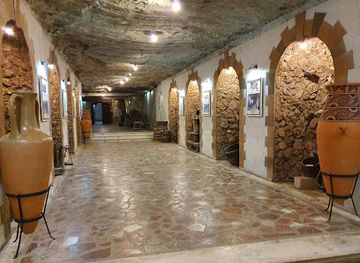
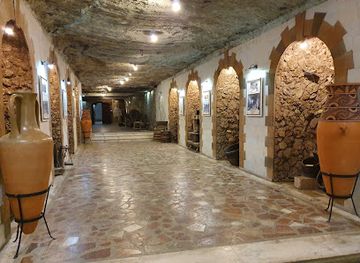
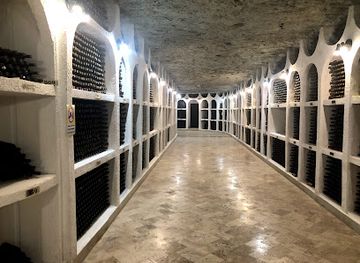
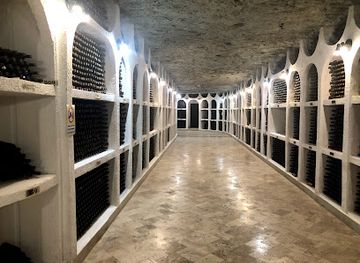
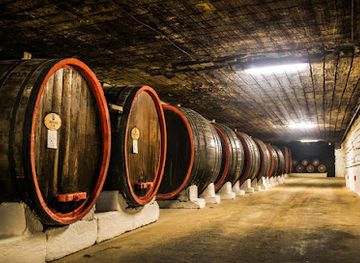
Cricova Wine Cellars lies beneath the town of Cricova, around 15 kilometres north of Chișinău, in a landscape where vineyards and gently rolling countryside surround one of Moldova’s most distinctive cultural attractions. The winery occupies extensive underground galleries formed by limestone quarrying, with cool, stable conditions that support the maturation and storage of sparkling and still wines. Streets beneath the ground carry names associated with famous wine regions, creating the impression of a subterranean city rather than a conventional cellar.Read more about Cricova Wine Cellars
Cellars, Collections and Ceremony
A Gateway to Moldovan Wine
When is the best time to visit Cricova Wine Cellars?
Best: May–June, September · 22–27°C| Month | High (°C) | Rainfall (mm) |
|---|---|---|
| January | 3 | 30 |
| February | 5 | 25 |
| March | 10 | 25 |
| April | 16 | 20 |
| May (best) | 22 | 15 |
| June (best) | 27 | 15 |
| July | 30 | 15 |
| August | 29 | 15 |
| September (best) | 24 | 20 |
| October | 19 | 25 |
| November | 11 | 30 |
| December | 5 | 30 |
Getting to and around Cricova Wine Cellars
How to get there
Transportation
Best attractions in Cricova Wine Cellars
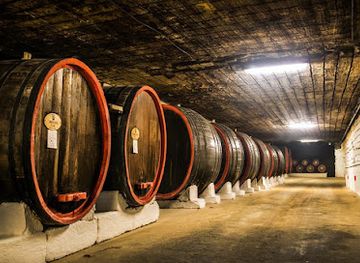
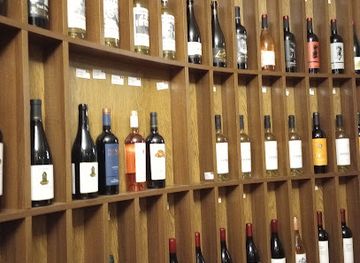
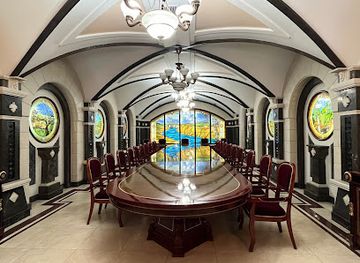
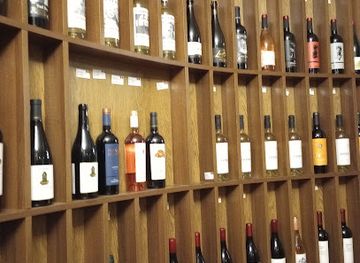
The principal attraction is the Cricova underground cellar network, where guided visitors travel through long limestone galleries used for wine maturation, storage and production. The subterranean streets and chambers provide the setting for an unusual tour that combines quarry history with Moldova’s modern wine industry. Tasting rooms introduce Cricova’s still and sparkling wines, including bottles made using traditional bottle fermentation, while the winery’s collection areas reflect the prestige attached to wine in Moldovan culture. Above ground, the town of Cricova offers the immediate context of a northern suburb-like settlement surrounded by the wider wine landscape of the Chișinău area, although the cellar complex itself is the reason most visitors come. The destination is also useful as one stop within a broader itinerary linking Moldova’s wineries, rural villages and the capital, rather than as a place with a large concentration of separate attractions. Access to the production galleries is organised, and the most atmospheric spaces are encountered through the official visit rather than independent exploration.
-
Winery
Beciurile Cricova
Experience the enchanting underground world of Cricova Winery, where exceptional wines and rich history come together in Moldova's beautiful countryside.
-
Tourist attraction
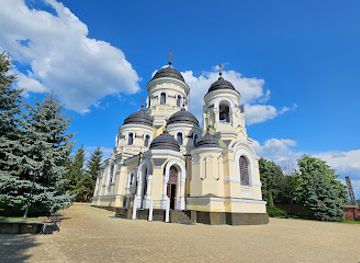
Căpriana Monastery
Explore the enchanting Căpriana Monastery in Moldova, a historical gem surrounded by nature, offering spiritual solace and rich cultural heritage.
-
Winery
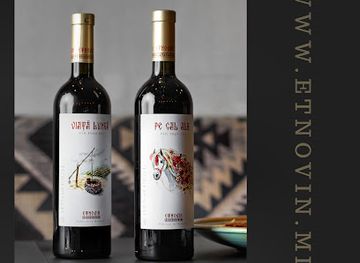
ETNOVIN
Discover the rich heritage of Moldovan winemaking at ETNOVIN Winery, a hidden gem offering exquisite wines and breathtaking vineyard views.
-
Festival
Cricova Must Fest
Immerse yourself in the vibrant culture of Cricova at the Must Fest, where wine, food, and music come together in a grand celebration.
Best landmarks in Cricova Wine Cellars
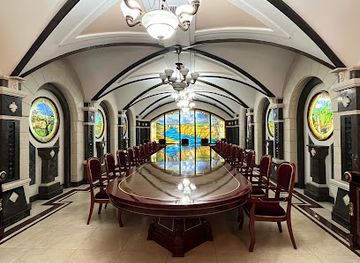
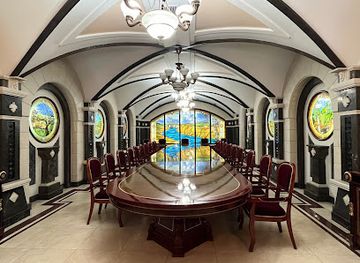
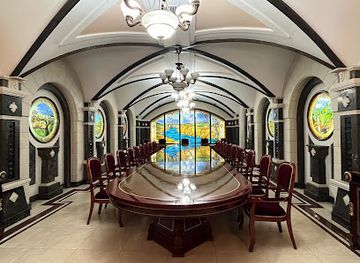
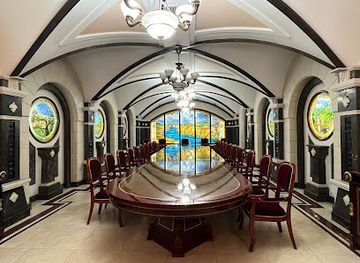
Cricova’s defining landmark is the underground limestone cellar network, an industrial and cultural landscape in which excavated galleries have been transformed into wine streets, storage chambers and tasting spaces. The significance of the cellars lies in the meeting of geology and human ingenuity: the quarry-created environment offers stable conditions for ageing while preserving evidence of the area’s stone-working past. Within the complex, named underground avenues, collection rooms and ceremonial tasting areas form a distinctive visitor setting, although access is controlled by guided tours. Above ground, Cricova Winery and the town of Cricova anchor the destination, while the surrounding vineyards connect the cellar to Moldova’s broader wine geography. The site’s recognition as a cultural heritage attraction reflects its importance not only as a producer but also as a symbol of Moldovan winemaking and tourism.
-
Winery
Beciurile Cricova
Explore Cricova's vast underground cellars, a unique Moldovan winery with a rich history and exceptional wine collection.
-
Winery
Mileștii Mici Winery
Explore Moldova's underground wine city, home to the world's largest wine collection, and taste exceptional wines in a unique subterranean setting.
-
Winery
Combinatul de Vinuri „Cricova”
Discover the enchanting world of Cricova Winery, where Moldova's rich viticultural heritage meets stunning underground tunnels and unforgettable wine experiences.
-
Wine bar
Carpe Diem Wine Bar
Discover Moldova's rich wine heritage at Carpe Diem Wine Bar, offering a curated selection of local wines in a cozy, elegant setting.
Explore Cricova Wine Cellars on the map
Plan your trip on one map. See where the top attractions, landmarks, restaurants and hotels are, and book hotels and experiences in a few clicks.
Best hotels in Cricova Wine Cellars
Best restaurants in Cricova Wine Cellars
Dining at Cricova is closely connected with the winery visit, where selected tours may pair tastings with food or offer a more formal gastronomic presentation; the precise format depends on the booking. The wider culinary context is Moldovan, with dishes commonly built around seasonal vegetables, fresh cheese, bread, preserved produce and meat, alongside wines from the country’s vineyards. Visitors should not expect a broad restaurant district within the cellar complex or in the town itself. Chișinău provides the greatest choice of restaurants, cafés and contemporary interpretations of Moldovan cooking, while winery excursions elsewhere in the country may include rural meals or tasting menus. Because wine tours can run to a fixed schedule, it is sensible to confirm whether food is included and to arrange a meal in Chișinău or another planned stop rather than relying on spontaneous dining around Cricova.
-
Winery
Beciurile Cricova
Explore Beciurile Cricova: A Majestic Winery in Moldova's Underground Wine Cellars
-
Winery
Combinatul de Vinuri „Cricova”
Explore Cricova Winery: A Historic Underground Wine Cellar Offering Exquisite Tasting Experiences in Moldova's Enchanting Wine Country.
-
European
Wine Gogh
Discover Wine Gogh in Chișinău – where exquisite steaks meet an exceptional wine selection for an unforgettable dining experience.
-
Hotel
Giowine Hotel & Restaurant
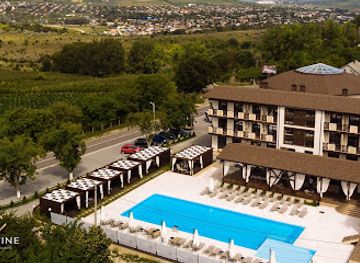
Experience luxury and fine dining at Giowine Hotel & Restaurant in Cricova, Moldova - where comfort meets exquisite culinary delights.
Best bars in Cricova Wine Cellars
Cricova is a daytime wine destination rather than a nightlife centre, and its evening character is shaped by scheduled tastings, private dining and winery hospitality rather than by bars or clubs. The cellar’s tasting rooms can provide an atmospheric setting for learning about Moldovan wine, but access and availability depend on the booked experience. After returning to Chișinău, visitors will find the country’s wider selection of wine bars, restaurants and evening venues, particularly in the capital’s central districts. In Cricova itself, evening options are limited and should not be confused with a resort-style entertainment scene. Visitors staying nearby generally use their accommodation or return to the capital after the tour, with transport arranged in advance if wine tasting forms part of the evening plan.
-
Winery
Beciurile Cricova
Explore Beciurile Cricova Winery in Moldova, famous for its vast underground cellars and exquisite wines, perfect for unforgettable tastings and tours.
-
Winery
Combinatul de Vinuri „Cricova”
Explore Cricova Winery, where history meets exquisite Moldovan wines in a stunning underground adventure.
-
European
Wine Gogh
Discover Wine Gogh in Chișinău - a European restaurant where exquisite steaks meet a diverse selection of fine wines in a modern setting.
-
Wine bar
Carpe Diem Wine Bar
Discover the exquisite world of wine at Carpe Diem Wine Bar in Chișinău, where local flavors meet global selections in a cozy ambiance.
Best nightclubs in Cricova Wine Cellars
Cricova is a daytime wine destination rather than a nightlife centre, and its evening character is shaped by scheduled tastings, private dining and winery hospitality rather than by bars or clubs. The cellar’s tasting rooms can provide an atmospheric setting for learning about Moldovan wine, but access and availability depend on the booked experience. After returning to Chișinău, visitors will find the country’s wider selection of wine bars, restaurants and evening venues, particularly in the capital’s central districts. In Cricova itself, evening options are limited and should not be confused with a resort-style entertainment scene. Visitors staying nearby generally use their accommodation or return to the capital after the tour, with transport arranged in advance if wine tasting forms part of the evening plan.
-
Winery
Beciurile Cricova
Explore the breathtaking underground world of Beciurile Cricova Winery, where exquisite wines and rich history await every visitor.
-
Winery
Combinatul de Vinuri „Cricova”
Explore Cricova Winery, a world-renowned vineyard in Moldova offering stunning underground cellars and exceptional wine tasting experiences.
-
Bar
Kira's Club
Experience the vibrant nightlife of Chișinău at Kira's Club, where music and cocktails create unforgettable moments.
-
Wine bar
Carpe Diem Wine Bar
Discover the heart of Moldova's wine culture at Carpe Diem Wine Bar, where exquisite flavors and a cozy ambiance await every visitor.
Best shops in Cricova Wine Cellars
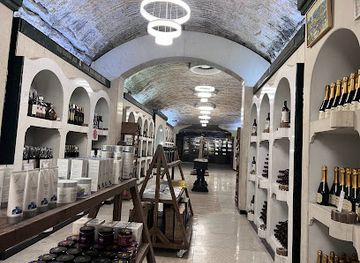
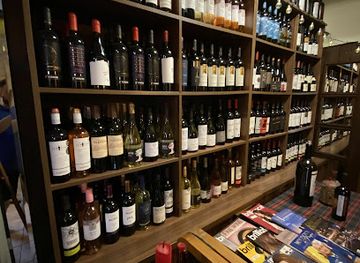
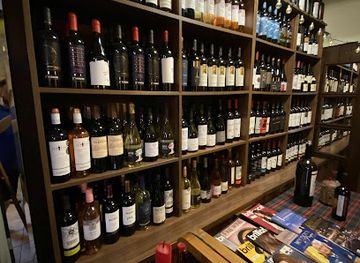
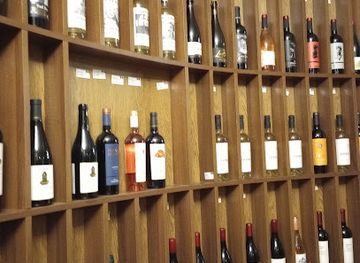
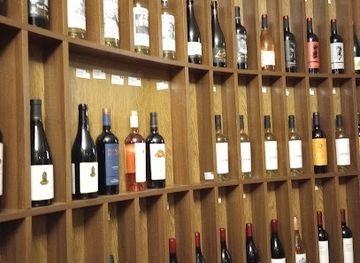
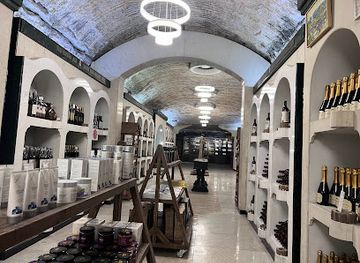
Shopping at Cricova is centred on wine rather than on a traditional high street or large craft market. The winery’s visitor facilities may offer bottles and related gifts connected with its production, providing a direct way to take home Moldovan sparkling or still wine subject to transport and customs rules. Cricova itself has limited destination shopping compared with Chișinău, where visitors can look for Moldovan food products, wine, crafts, textiles and contemporary design. Local markets and specialist shops in the capital offer a broader selection of regional goods, although individual stock changes. When buying wine, check baggage restrictions, import allowances and the conditions for carrying bottles on the onward journey. The cellar’s commercial offering should be regarded as part of the guided wine experience rather than as an extensive retail district.
-
Winery
Beciurile Cricova
Experience the captivating charm of Beciurile Cricova Winery, where exquisite wines meet rich Moldovan heritage in stunning underground cellars.
-
Winery
Mileștii Mici Winery
Discover the underground wonders and exquisite wines of Mileștii Mici Winery in Moldova, a haven for wine enthusiasts and culture seekers.
-
Winery
Combinatul de Vinuri „Cricova”
Discover Cricova Winery, a stunning underground wine cellar and a premier tourist attraction in Moldova, renowned for its exquisite wines and rich history.
-
Wine bar
Carpe Diem Wine Bar
Discover the essence of Moldovan wines at Carpe Diem Wine Bar, where exquisite tastes meet a cozy atmosphere in Chișinău.
Get your free copy of our complete guide to Cricova Wine Cellars, delivered straight to you.
Everything on this page, from attractions and restaurants to essentials and local phrases, in one PDF you can read offline, print or share.
Already have an account? Sign in
Your Cricova Wine Cellars guide is ready.
We'll send it to · Not you? Sign out

Getting your guide ready…
We are putting together a fresh copy of the Cricova Wine Cellars guide. This can take up to a minute.
This can take a few moments. If your browser asks, choose Allow so the download can start. You'll find the guide in your Downloads folder.
Nothing happened? Download it again
Sorry, the guide is taking longer than usual. Please try again in a minute, or get it by email instead.
Cricova Wine Cellars essentials
Currency and Payment
Safety
Emergency Situations
Do's and Don'ts
Local Tips
From Eve
Local phrases worth knowing
You don't need to get them perfect. A few words go a long way, and locals appreciate the effort.
Basics
| English | Local | Say it |
|---|---|---|
| Hello | Salut | [sah-LOOT] |
| Goodbye | La revedere | [lah reh-veh-DEH-reh] |
| Yes | Da | [dah] |
| No | Nu | [noo] |
| Please/You're welcome | Te rog | [teh rohg] |
| Thank you | Mulțumesc | [mool-tzoo-MESK] |
| Excuse me/Sorry | Scuzați-mă | [skoo-ZAHTZ mah] |
| How are you? | Ce mai faci? | [cheh my fyatch?] |
| Fine. And you? | Bine. Și tu? | [bee-neh. shee too?] |
| Do you speak English? | Vorbiți engleză? | [vor-BEE-tz eng-LEH-zah?] |
| I don't understand | Nu înțeleg | [noo uhn-TSEH-lehg] |
Eating & Drinking
| English | Local | Say it |
|---|---|---|
| I'd like to see the menu, please | Aș dori să văd meniul, vă rog | [uhsh doh-REE sah vad meh-NYOOHL, vuh rohg] |
| I don't eat meat | Nu mănânc carne | [noo muh-NAHNGK KAR-neh] |
| Cheers! | Noroc! | [noh-ROHK] |
| I would like to pay, please | Aș dori să plătesc, vă rog | [uhsh doh-REE sah PLAH-tesk, vuh rohg] |
Emergencies
| English | Local | Say it |
|---|---|---|
| Help! | Ajutor! | [ah-ZHOO-tohr] |
| Go away! | Du-te! | [doo-teh] |
| Call the Police! | Apelați Poliția! | [ah-peh-LAHTS poh-LEET-zee-ah] |
| Call a doctor! | Apelați un doctor! | [ah-peh-LAHTS oon DOHK-tohr] |
| I'm lost | M-am rătăcit | [mahm ruh-tuh-CHEET] |
| I'm ill | Sunt bolnav | [soont bohl-NAHV] |
Shopping
| English | Local | Say it |
|---|---|---|
| I'd like to buy... | Aș dori să cumpăr... | [uhsh doh-REE sah KOOM-puhr] |
| I'm just looking | Doar mă uit | [dwahr muh ooh-EET] |
| How much is it? | Cât costă? | [kaht kohs-TAH?] |
| That's too expensive | Este prea scump | [eh-STEH prah skoomp] |
| Can you lower the price? | Puteți să scădeți prețul? | [poo-TEHTZ sah SKEH-dehts prehtzool] |
Time & Numbers
| English | Local | Say it |
|---|---|---|
| What time is it? | Cât este ora? | [kaht YEHS-teh oh-RAH?] |
| It's one o'clock | Este ora unu | [eh-STEH oh-RAH oo-NOO] |
| Half past (10) | Jumătate (10) | [zhoo-MAH-tah-teh (doh-ZECE)] |
| Morning | Dimineața | [dee-my-nyah-tsa] |
| Afternoon | După-amiază | [doo-puh ah-myah-ZAH] |
| Evening | Seara | [seh-AH-rah] |
| Yesterday | Ieri | [yehr] |
| Today | Astăzi | [ah-STUHZ] |
| Tomorrow | Mâine | [muh-YEH-neh] |
| 1 | Unu | [OO-noo] |
| 2 | Doi | [doy] |
| 3 | Trei | [treh-ee] |
| 4 | Patru | [PAH-troo] |
| 5 | Cinci | [cheench] |
| 6 | Șase | [shah-seh] |
| 7 | Șapte | [shahp-teh] |
| 8 | Opt | [opt] |
| 9 | Nouă | [noo-uh] |
| 10 | Zece | [deh-che] |
Transport & Directions
| English | Local | Say it |
|---|---|---|
| Where's a/the...? | Unde este unul/o... | [oon-deh YEHS-teh OO-noo/oh...] |
| What's the address? | Care este adresa? | [KA-reh YEHS-teh ah-DREH-sah?] |
| Can you show me (on the map)? | Puteți să-mi arătați (pe hartă)? | [poo-TEHTS suh-mee ah-RAH-tahts (peh hahr-TAH)?] |
| When's the next (bus)? | Când este următorul (autobuz)? | [kahnd YEHS-teh oor-MAH-toh-rool (ow-TOH-booz)?] |
| A ticket (to ....) | Un bilet (către ....) | [oon bee-LET (kuh-treh ....)] |
History of Cricova Wine Cellars
Limestone Quarry Origins
Cricova’s underground world began with limestone extraction rather than with a purpose-built tourist attraction. Quarries in the area supplied the pale building stone characteristic of many Moldovan structures, leaving galleries beneath the surface. Their depth, darkness and relatively constant temperature later made them suitable for wine storage and maturation. This geological inheritance explains the destination’s unusual character: the cellar is not simply a building containing wine, but a network of excavated spaces whose form was shaped by earlier industrial activity.
The Winery Takes Shape
Cricova was established as a winery in 1952, when Moldova was part of the Soviet Union. The former quarry galleries were adapted for the production, ageing and storage of wine, taking advantage of the stable underground environment. Over time, the site developed from an industrial facility into one of Moldova’s best-known wine destinations. The galleries became associated with orderly underground streets, specialised storage areas and a system of vinification and maturation that connected local limestone geology with the practical demands of winemaking.
A Soviet Wine Institution
During the Soviet period, Cricova gained a reputation beyond Moldova as a significant producer of sparkling wine. The winery’s underground cellars also became a setting for official visits and high-profile hospitality, helping to strengthen its symbolic status. Cricova is often linked with a celebrated wine collection and with stories surrounding visits by prominent figures, although individual anecdotes are repeated in differing forms. The more enduring historical fact is the cellar’s role in representing Moldovan wine production within the wider Soviet wine system.
Heritage and Modern Tourism
After Moldova became independent in 1991, Cricova increasingly presented its production facilities, galleries and wine collections as part of the country’s cultural tourism. The cellar’s heritage value was formally recognised when Cricova was designated a cultural site of national importance. Guided tours, tasting rooms and ceremonial spaces now introduce visitors to the relationship between Moldova’s vineyard traditions and its underground infrastructure. Wine tourism has also become an important way of presenting Moldovan identity internationally, while the working winery continues to preserve the practical purpose of the galleries.
Cricova Wine Cellars in Photos
Browse through our photo collection highlighting the charm and character of the destination.
Cities in Cricova Wine Cellars
The towns and cities of Cricova Wine Cellars, and the easiest places to base yourself.

Swipe for more cities
Neighbouring destination travel guides
The closest destinations to Cricova Wine Cellars, if you have time for more than one.
-

-

-

-

-


Swipe for more destinations
Explore more

Explore more of Chișinău County
Explore Chișinău Municipality for Moldova’s museums, parks, architecture, markets and cafés, with easy access to the country’s wider cultural landscape.
Explore Chișinău County
Explore more of Moldova
Discover Moldova: A tranquil haven of rich history, stunning vineyards, and captivating natural landscapes, perfect for an off-the-beaten-path European adventure.
Explore Moldova