

Free Chișinău County Travel Guide & Mobile App
Explore Chișinău County with free travel guides. Discover regional history, expert tips, proposed trips, and audio guides on web or mobile app.


Explore Chișinău Municipality for Moldova’s museums, parks, architecture, markets and cafés, with easy access to the country’s wider cultural landscape.
Read more about Chișinău County
When is the best time to visit Chișinău County?
Best: June–August · 25–26°C| Month | High (°C) | Rainfall (mm) |
|---|---|---|
| January | 1 | 27 |
| February | 3 | 25 |
| March | 9 | 30 |
| April | 16 | 45 |
| May | 21 | 60 |
| June (best) | 25 | 70 |
| July (best) | 26 | 60 |
| August (best) | 26 | 50 |
| September | 21 | 40 |
| October | 15 | 35 |
| November | 8 | 35 |
| December | 3 | 30 |
Getting to and around Chișinău County
How to get there
Transportation
Top city travel guides in Chișinău County
The cities of Chișinău County, and the easiest places to base yourself.
-

-

-


Swipe for more cities
Destinations in Chișinău County
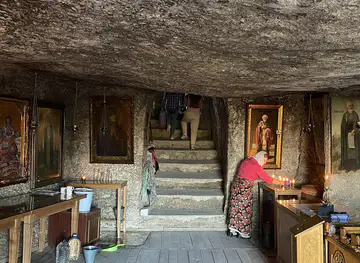
Resorts, valleys and scenic spots worth a trip of their own.
-

-
-

-

-

-


Swipe for more destinations
Best attractions in Chișinău County
Chișinău’s attractions are concentrated in a practical mix of museums, parks, churches, civic spaces and cultural venues rather than in a single preserved historic quarter. The National Museum of History of Moldova introduces the country’s archaeological and political past, while the National Museum of Ethnography and Natural History provides context on landscapes, traditional life and natural collections. The National Art Museum and the city’s theatres add a view of Moldova’s modern cultural life. For outdoor time, Ștefan cel Mare Central Park, Valea Morilor and its lake, the Dendrarium and the Botanical Garden offer distinct settings for walking and observing everyday city life. The municipality’s suburban settlements are less tourism-focused but reveal the spread of the capital beyond its centre. Visitors interested in famous wine cellars or the rock landscapes of Orheiul Vechi should arrange separate trips outside Chișinău Municipality rather than treating them as local attractions.
-
Tourist attraction
Rose Valley Park
Explore the enchanting Rose Valley Park in Chișinău, where vibrant flowers and serene landscapes create a perfect retreat for nature lovers.
-
Park
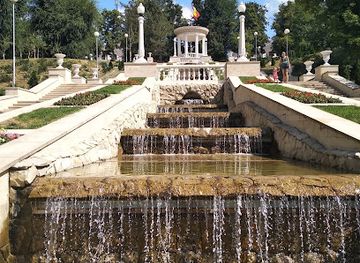
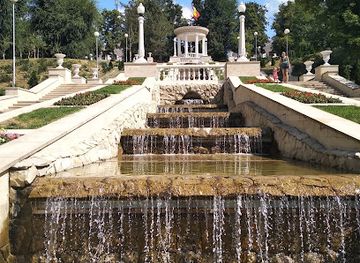
Valea Morilor Park
Discover the tranquility and vibrant atmosphere of Valea Morilor Park in Chișinău, a perfect escape for relaxation and outdoor adventures.
-
Cathedral Park
Discover the serene beauty and cultural richness of Cathedral Park in Chișinău, a delightful urban retreat in Moldova's capital.
-
Tourist attraction
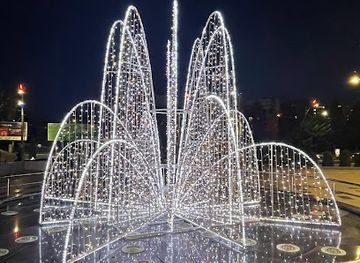
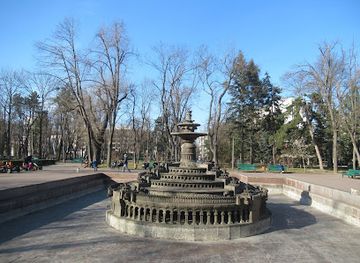
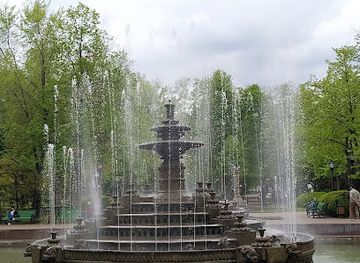
Stephen the Great Central Park
Explore Stephen the Great Central Park in Chișinău, a serene urban retreat filled with history, lush landscapes, and cultural monuments.


Best landmarks in Chișinău County
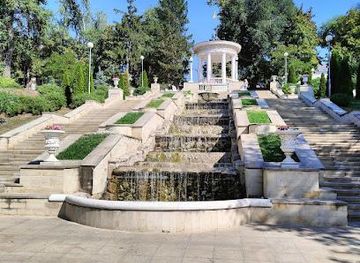
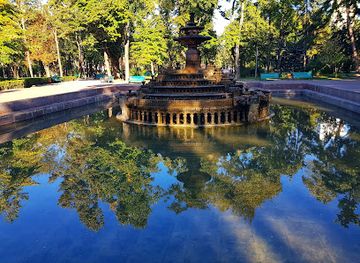
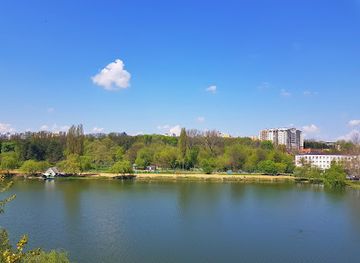
The Nativity Cathedral and its surrounding cathedral park form one of central Chișinău’s most recognisable religious and civic ensembles, with the nearby Triumphal Arch marking the city’s central ceremonial space. Ștefan cel Mare Monument, facing the main park named for the medieval Moldavian ruler, is an important symbol of national historical memory. The Government House and other administrative buildings around the central boulevard represent the monumental planning of the Soviet period, while nineteenth-century villas and public buildings reveal the city’s earlier development as an imperial provincial capital. The Water Tower, now associated with the city’s urban heritage, recalls older municipal infrastructure. Outside the central core, Valea Morilor lake, the Bîc valley and the large botanical and dendrological collections provide geographical landmarks rather than monumental architecture, showing how green spaces shape Chișinău’s identity.
-
Park
Rose Valley Park
Escape to Chișinău's Rose Valley Park: a green oasis with lakes, gardens, and a rich history, perfect for relaxation and recreation.
-
Shopping mall
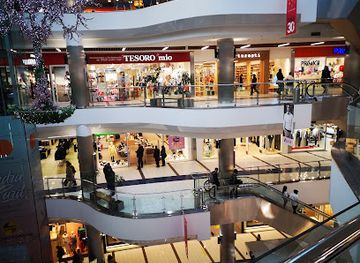
Shopping MallDova
Experience fashion, dining, and entertainment at Shopping MallDova, Chișinău's premier shopping destination with over 100 stores and restaurants.
-
Park
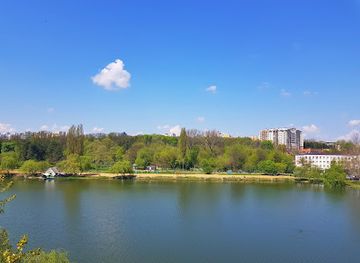
Valea Morilor Park
Escape to Chișinău's Valea Morilor Park: A historic green oasis with a lake, recreational activities, and cultural attractions for everyone.
-
Memorial park
Stephen the Great Central Park
Discover Chișinău's oldest park: a green oasis with historical monuments, vibrant gardens, and a tranquil atmosphere in the heart of the city.
Explore Chișinău County on the map
Plan your trip on one map. See where the top cities, national parks and sights are, and book hotels and experiences in a few clicks.
Best hotels in Chișinău County
Best restaurants in Chișinău County
Chișinău has Moldova’s broadest dining scene, combining regional cooking with Romanian, Ukrainian, Russian, Balkan and international influences. Look for dishes such as zeamă, a chicken soup commonly served with herbs and noodles, hearty mămăligă accompanied by cheese or meat, sarmale and plăcinte, whose fillings can be savoury or sweet. Markets and specialist food shops are useful for seasonal fruit, walnuts, honey, pickled vegetables, cheese and baked goods, while cafés and restaurants in the centre cover everything from inexpensive everyday meals to contemporary interpretations of local ingredients. Wine is prominent on many menus, but the capital’s restaurants should be distinguished from the underground cellar complexes outside the municipality. In suburban areas, dining is more dispersed, so central Chișinău offers the greatest choice of reliable cafés, restaurants, bakeries and traditional-style establishments.
-
European
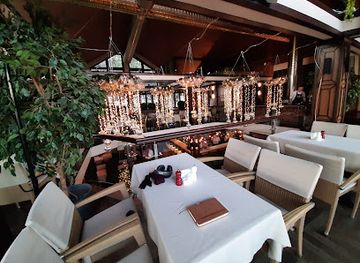
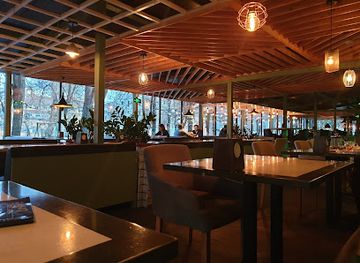
Pegas Terrace & Restaurant
Savor exquisite European cuisine while enjoying breathtaking views at Pegas Terrace & Restaurant in Chișinău.
-
Winery
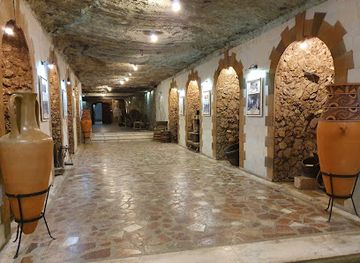
Beciurile Cricova
Explore Beciurile Cricova Winery: A Journey Through Moldova's Rich Winemaking Heritage and Exquisite Tasting Experiences.
-
French
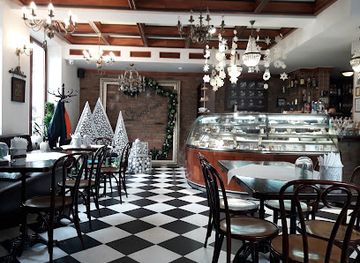
Crème de la Crème
Experience the essence of French cuisine at Crème de la Crème in Chișinău—where delightful breakfasts meet a charming atmosphere.
-
Restaurant
Mojito
Discover the vibrant flavors at Mojito in Chișinău – where Moldovan traditions meet modern culinary artistry.
Best bars in Chișinău County
Evening life in Chișinău is concentrated around the central districts, where visitors find wine bars, cafés, cocktail venues, traditional pubs, restaurants and places offering live music. The city’s nightlife is more varied than that of most Moldovan towns, but it remains relatively compact and can change as businesses open or close. Local wine is a natural feature of many evening menus, alongside beer and spirits, while coffeehouses provide a quieter alternative to late-night venues. Theatre performances, concerts and cultural events can be more revealing than clubbing for visitors interested in the capital’s contemporary life. Nightclubs and busier bars tend to be located in central commercial areas rather than in the municipality’s outlying settlements, where evenings generally centre on local restaurants, cafés or private gatherings.
-
Cafe
Eli-Pili
Discover the cozy charm of Eli-Pili, a must-visit café in Chișinău offering delicious local flavors and a welcoming atmosphere.
-
Pub
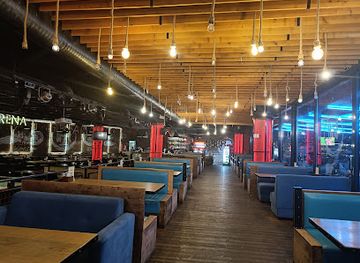
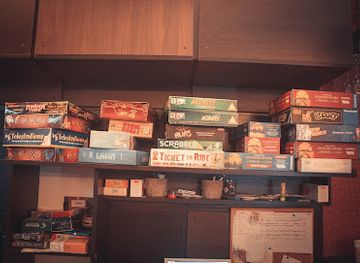
Draft Arena
Discover the vibrant nightlife of Chișinău at Draft Arena, a must-visit pub offering an extensive drink selection and a lively atmosphere.
-
Czech
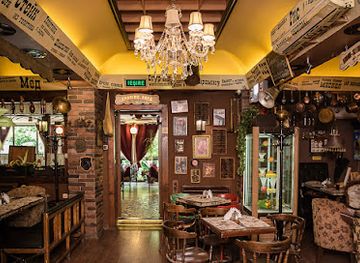
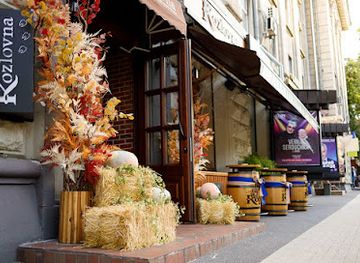
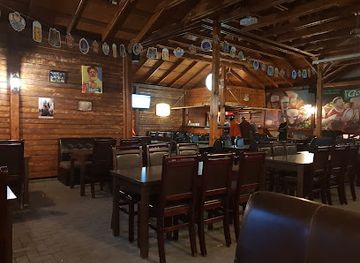
Kozlovna Ceska Pivni Restaurace
Discover the authentic flavors of Czech cuisine and beer at Kozlovna Ceska Pivni Restaurace in Chișinău – a delightful experience for every tourist.
-
Georgian
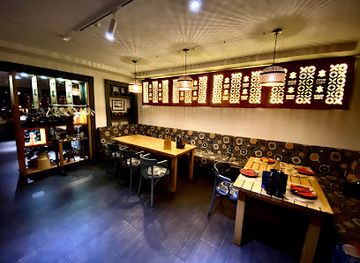
Saperavi
Discover the authentic taste of Georgia at Saperavi, a top-rated restaurant in Chișinău, offering a unique culinary experience with traditional dishes and wines.
Best nightclubs in Chișinău County
Evening life in Chișinău is concentrated around the central districts, where visitors find wine bars, cafés, cocktail venues, traditional pubs, restaurants and places offering live music. The city’s nightlife is more varied than that of most Moldovan towns, but it remains relatively compact and can change as businesses open or close. Local wine is a natural feature of many evening menus, alongside beer and spirits, while coffeehouses provide a quieter alternative to late-night venues. Theatre performances, concerts and cultural events can be more revealing than clubbing for visitors interested in the capital’s contemporary life. Nightclubs and busier bars tend to be located in central commercial areas rather than in the municipality’s outlying settlements, where evenings generally centre on local restaurants, cafés or private gatherings.
-
Winery
Beciurile Cricova
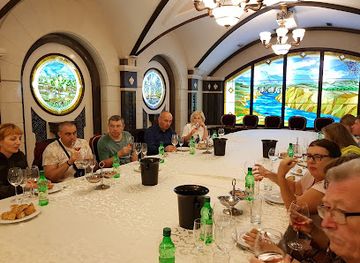
Discover Beciurile Cricova, Moldova's iconic winery offering breathtaking underground tours and exquisite wine tastings in a historic setting.
-
Restaurant
PartyZAN Game Private Club
Experience the vibrant nightlife and entertainment at PartyZAN Game Private Club in Chișinău, where dining meets exhilarating fun.
-
Pub
Rugby House Pub
Discover Chișinău's vibrant nightlife at Rugby House Pub, where local charm meets lively entertainment in a welcoming atmosphere.
-
Bar
Kira's Club
Discover the nightlife at Kira's Club, Chișinău's premier bar for cocktails, music, and unforgettable experiences.
Best shops in Chișinău County
Chișinău offers the widest range of shopping in Moldova, from central high streets and modern retail complexes to food markets, independent boutiques, bookshops and craft-oriented galleries. Central markets are useful for seasonal produce, honey, nuts, preserves, dried fruit and other edible souvenirs, although visitors should check quality and prices before buying. Specialist shops and delicatessens often stock Moldovan wine, brandy, confectionery and local pantry goods, while craft displays may include ceramics, textiles, embroidery and small decorative objects. Shopping in suburban parts of the municipality is mainly practical and neighbourhood-based rather than aimed at visitors. For a more considered souvenir, look for locally made art, traditional-inspired textiles or packaged regional food products, and remember that alcohol and food products may be subject to customs limits when taken abroad.
-
Park
Rose Valley Park
Experience tranquility and beauty at Rose Valley Park, a stunning green oasis in the heart of Chișinău, perfect for relaxation and family fun.
-
Shopping mall
Shopping MallDova
Discover the vibrant Shopping MallDova in Chișinău, where shopping, dining, and entertainment come together in a modern environment.
-
Park
Valea Morilor Park
Discover the tranquility of Valea Morilor Park, an urban haven in Chișinău perfect for relaxation, recreation, and cultural experiences.
-
Memorial park
Stephen the Great Central Park
Discover the serene beauty and historical significance of Stephen the Great Central Park, Chișinău's urban oasis filled with culture and nature.
Get your free copy of our complete guide to Chișinău County, delivered straight to you.
Everything on this page, from attractions and restaurants to essentials and local phrases, in one PDF you can read offline, print or share.
Already have an account? Sign in
Your Chișinău County guide is ready.
We'll send it to · Not you? Sign out

Getting your guide ready…
We are putting together a fresh copy of the Chișinău County guide. This can take up to a minute.
This can take a few moments. If your browser asks, choose Allow so the download can start. You'll find the guide in your Downloads folder.
Nothing happened? Download it again
Sorry, the guide is taking longer than usual. Please try again in a minute, or get it by email instead.
Chișinău County essentials
Currency and Payment
Safety
Emergency Situations
Do's and Don'ts
Local Tips
From Eve
Local phrases worth knowing
You don't need to get them perfect. A few words go a long way, and locals appreciate the effort.
Basics
| English | Local | Say it |
|---|---|---|
| Hello | Bună | [Boo-nuh] |
| Goodbye | La revedere | [Lah reh-veh-deh-reh] |
| Yes | Da | [Dah] |
| No | Nu | [Noo] |
| Please/You're welcome | Te rog/ Cu plăcere | [Teh rog/ Koo plah-cheh-reh] |
| Thank you | Mulțumesc | [Mool-tsoo-mesk] |
| Excuse me/Sorry | Scuză-mă/Îmi pare rău | [Skoo-zah-muh/ Im pah-reh rah-oo] |
| How are you? | Ce mai faci? | [Cheh my fahch?] |
| Fine. And you? | Bine. Dar tu? | [Bee-neh. Dar too?] |
| Do you speak English? | Vorbești engleză? | [Vor-besh-teh en-gleh-zuh?] |
| I don't understand | Nu înțeleg | [Noo uhn-tseh-lehg] |
Eating & Drinking
| English | Local | Say it |
|---|---|---|
| I'd like to see the menu, please | Aș dori să văd meniul, vă rog | [Ash doh-ree sah vehd meh-nee-ul, vah rog] |
| I don't eat meat | Nu mănânc carne | [Noo muh-nuhnk kar-neh] |
| Cheers! | Noroc! | [Noh-rok!] |
| I would like to pay, please | Aș dori să plătesc, vă rog | [Ash doh-ree sah plah-tehsk, vah rog] |
Emergencies
| English | Local | Say it |
|---|---|---|
| Help! | Ajutor! | [Ah-zhoo-tor!] |
| Go away! | Du-te! | [Doo-teh!] |
| Call the Police! | Sună Poliția! | [Soo-nah Poh-lee-tsi-ah!] |
| Call a doctor! | Sună un doctor! | [Soo-nah oon dok-tor!] |
| I'm lost | Mă pierd | [Muh pyerd] |
| I'm ill | Sunt bolnav | [Soont bol-nahv] |
Shopping
| English | Local | Say it |
|---|---|---|
| I'd like to buy... | Aș dori să cumpăr... | [Ash doh-ree sah koom-puhr...] |
| I'm just looking | Mă uit doar | [Muh oot doar] |
| How much is it? | Cât costă? | [Koht koh-stah?] |
| That's too expensive | Asta e prea scump | [Ahs-tah eh preh-ah skoomp] |
| Can you lower the price? | Poti să scazi prețul? | [Poh-tee sah skahz preh-tsool?] |
Time & Numbers
| English | Local | Say it |
|---|---|---|
| What time is it? | Ce oră este? | [Cheh oh-rah yeh-steh?] |
| It's one o'clock | Este o oră | [Yeh-steh o oh-rah] |
| Half past (10) | Jumătate peste (10) | [Joo-muh-tah-teh peh-steh (10)] |
| Morning | Dimineața | [Dee-mee-neh-ah-tsah] |
| Afternoon | După-amiază | [Doo-pah-ah-mee-ah-zah] |
| Evening | Seara | [Sah-rah] |
| Yesterday | Ieri | [Yair] |
| Today | Astăzi | [Ah-stahz] |
| Tomorrow | Mâine | [Mih-neh] |
| 1 | 1 | [1] |
| 2 | 2 | [2] |
| 3 | 3 | [3] |
| 4 | 4 | [4] |
| 5 | 5 | [5] |
| 6 | 6 | [6] |
| 7 | 7 | [7] |
| 8 | 8 | [8] |
| 9 | 9 | [9] |
| 10 | 10 | [10] |
Transport & Directions
| English | Local | Say it |
|---|---|---|
| Where's a/the...? | Unde este un/ă...? | [Oon-deh yeh-steh oon/ah...?] |
| What's the address? | Care este adresa? | [Kah-reh yeh-steh ah-dreh-sah?] |
| Can you show me (on the map)? | Poți să-mi arăți (pe hartă)? | [Poh-tee sahm ah-ruh-tsy (peh hahr-tah)?] |
| When's the next (bus)? | Când vine următorul (autobuz)? | [Koond vee-neh oor-mah-tor-ul (au-toh-booz)?] |
| A ticket (to ....) | Un bilet (către ....) | [Oon bee-let (kă-treh ....)] |
History of Chișinău County
Prehistoric settlement and the ancient Prut–Dniester world
The wider central Moldovan landscape has been settled since prehistoric times, with farming communities using the fertile soils and gently undulating terrain around the Bîc basin. Archaeological evidence from the region reflects successive Neolithic, Bronze Age and Iron Age cultures, followed by contacts with peoples moving through the wider Prut–Dniester zone. The modern city itself has been repeatedly built over, so its ancient past is less visually apparent than at major archaeological sites elsewhere in Moldova. Even so, the location of Chișinău between river valleys and routes across central Bessarabia helps explain its later importance as a settlement and regional centre.
The medieval Principality of Moldavia
Chișinău developed within the historical lands of the Principality of Moldavia, a polity that emerged in the fourteenth century between the Carpathians and the Dniester. The settlement is recorded in medieval documents in the fifteenth century, when it was associated with a monastic foundation and local estate. It remained much smaller than the major fortified towns of Moldavia, but its position on routes linking villages, markets and larger centres encouraged gradual growth. The name and early history are connected with the older Moldavian Romanian cultural sphere, whose language and traditions remain important to the capital’s identity.
Growth under the Russian Empire, 1812–1917
After the eastern part of the Principality of Moldavia was annexed by the Russian Empire in 1812, Bessarabia was administered from Chișinău. The city expanded as an imperial provincial capital, acquiring administrative buildings, churches, schools, commercial streets and a more formal urban plan. Immigration and official settlement brought a more varied population, including Russian- and Jewish-speaking communities, while local Moldavian and Romanian traditions continued. Much of the city’s nineteenth-century architectural character, including surviving civic buildings and Orthodox institutions, dates from this period of administrative growth and commercial development.
Bessarabia and the interwar Romanian period
The political upheaval of 1917–18 led to the creation of the Moldavian Democratic Republic and its union with Romania, after which Chișinău became part of the Romanian state during the interwar decades. Romanian administration influenced education, public institutions, cultural life and the language used in official settings. The city also remained ethnically and socially diverse, with Jewish, Russian, Ukrainian, Bulgarian and other communities contributing to its commercial and cultural life. This period ended during the territorial changes of 1940, when Bessarabia was incorporated into the Soviet Union.
War, displacement and Soviet reconstruction
The Second World War brought occupation, violence, deportation and profound demographic loss to Chișinău and the surrounding area. After the war, the city became the capital of the Moldavian Soviet Socialist Republic. Soviet reconstruction reshaped its physical form through broad avenues, monumental public buildings, apartment districts and large planned green spaces. Industrial development and centralised institutions drew new residents from across the republic and the Soviet Union. The resulting urban landscape, visible in areas beyond the nineteenth-century centre, is one of the defining historical layers of present-day Chișinău.
Independence and the modern capital
Moldova declared independence in 1991, and Chișinău became the national capital of the new republic. The transition brought market economics, new private construction, changing retail patterns and a more diverse restaurant and cultural scene, while many Soviet-era structures and institutions remained in use. Contemporary Chișinău reflects Moldova’s position between Romanian cultural connections, post-Soviet experience and wider European aspirations. Public demonstrations, elections and civic debates have frequently centred on the capital, reinforcing its role as the country’s principal political and cultural stage.
Chișinău County in Photos
Browse through our photo collection highlighting the charm and character of the destination.
Neighbouring regions of Chișinău County
The closest regions to Chișinău County, if you have time for more than one.
-

-

-

-

-


Swipe for more regions
Explore more

Explore more of Moldova
Discover Moldova: A tranquil haven of rich history, stunning vineyards, and captivating natural landscapes, perfect for an off-the-beaten-path European adventure.
Explore Moldova