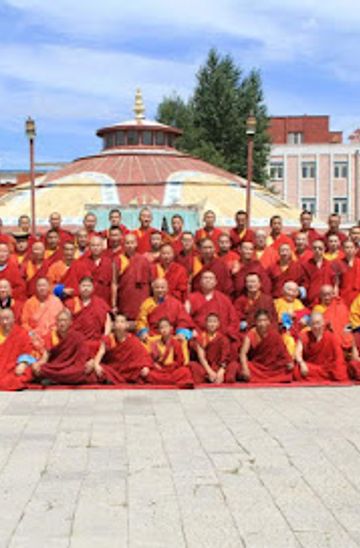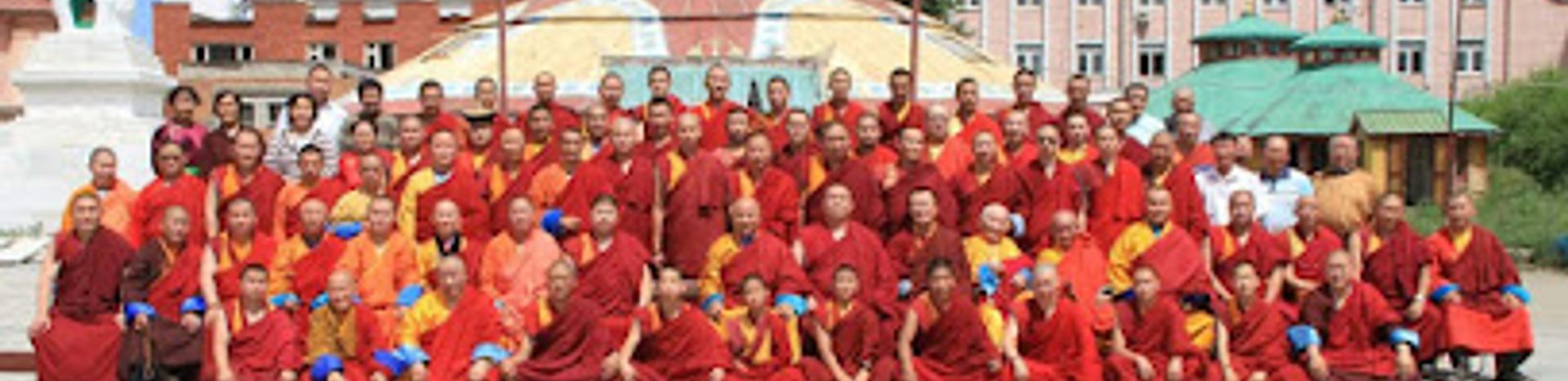
Dashchoilin Monastery: A Serene Sanctuary in Ulaanbaatar
Experience tranquility and rich Buddhist culture at Dashchoilin Monastery, a must-visit spiritual sanctuary in Ulaanbaatar.
Dashchoilin Monastery, a tranquil Buddhist temple nestled in Ulaanbaatar, offers visitors a peaceful retreat filled with rich cultural heritage, stunning architecture, and spiritual significance. Explore its sacred halls and immerse yourself in the serene atmosphere, perfect for reflection and meditation.
A brief summary to Dashchoilin Monastery
- N.Sodnom St, Ulaanbaatar, SBD - 8 khoroo, Ulaanbaatar, MN
- Click to display
- Click to display
- Monday 9 am-5 pm
- Tuesday 9 am-5 pm
- Wednesday 9 am-5 pm
- Thursday 9 am-5 pm
- Friday 9 am-5 pm
- Saturday 9 am-5 pm
- Sunday 9 am-5 pm

Know before you go
Hi, I'm Eve. Here are a few practical things to know before exploring Dashchoilin Monastery.
- Visit early in the morning to enjoy a quieter atmosphere and witness morning prayers.
- Dress modestly when visiting the monastery to respect the spiritual environment.
- Take your time to explore the temple grounds and appreciate the intricate details of the architecture.
- Consider bringing a small donation to support the monastery and its community activities.
- Ask the resident monks if they offer guided tours to learn more about the history and significance of the site.
Do you manage this location?
Take control to get all the benefits, like improved information, better appearance, and stronger visibility across AI-powered discovery. Learn more
Activate your presence
Getting There
-
Walking
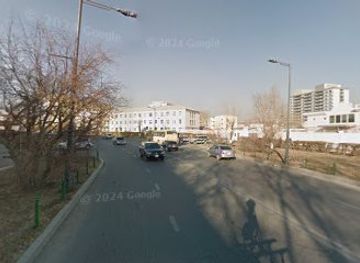
From the center of Zuunmod, head east on the main road towards Ulaanbaatar. Walk for about 1.5 km until you reach a junction. At the junction, turn left onto the road that leads to Ulaanbaatar. Continue walking straight for another 3 km. Keep an eye out for local signs directing you towards Dashchoilin Monastery, which will be located on N. Sodnom Street. The monastery is about 1 km from the main road. Look for the large gates and entrance, which will be visible from the street.
-
Public Transport
From Zuunmod, find the nearest bus stop and take a local bus heading towards Ulaanbaatar. Make sure to inform the bus driver that you want to go to Dashchoilin Monastery. The bus will take you along the main road, and after approximately 15-20 minutes, you will arrive near the monastery. Disembark at the stop closest to N. Sodnom Street. Once you’re off the bus, walk a short distance towards the entrance of Dashchoilin Monastery, which is easily identifiable with its traditional architecture.
Discover more about Dashchoilin Monastery
Explore the best of what Dashchoilin Monastery has to offer















More about Tuul River Valley
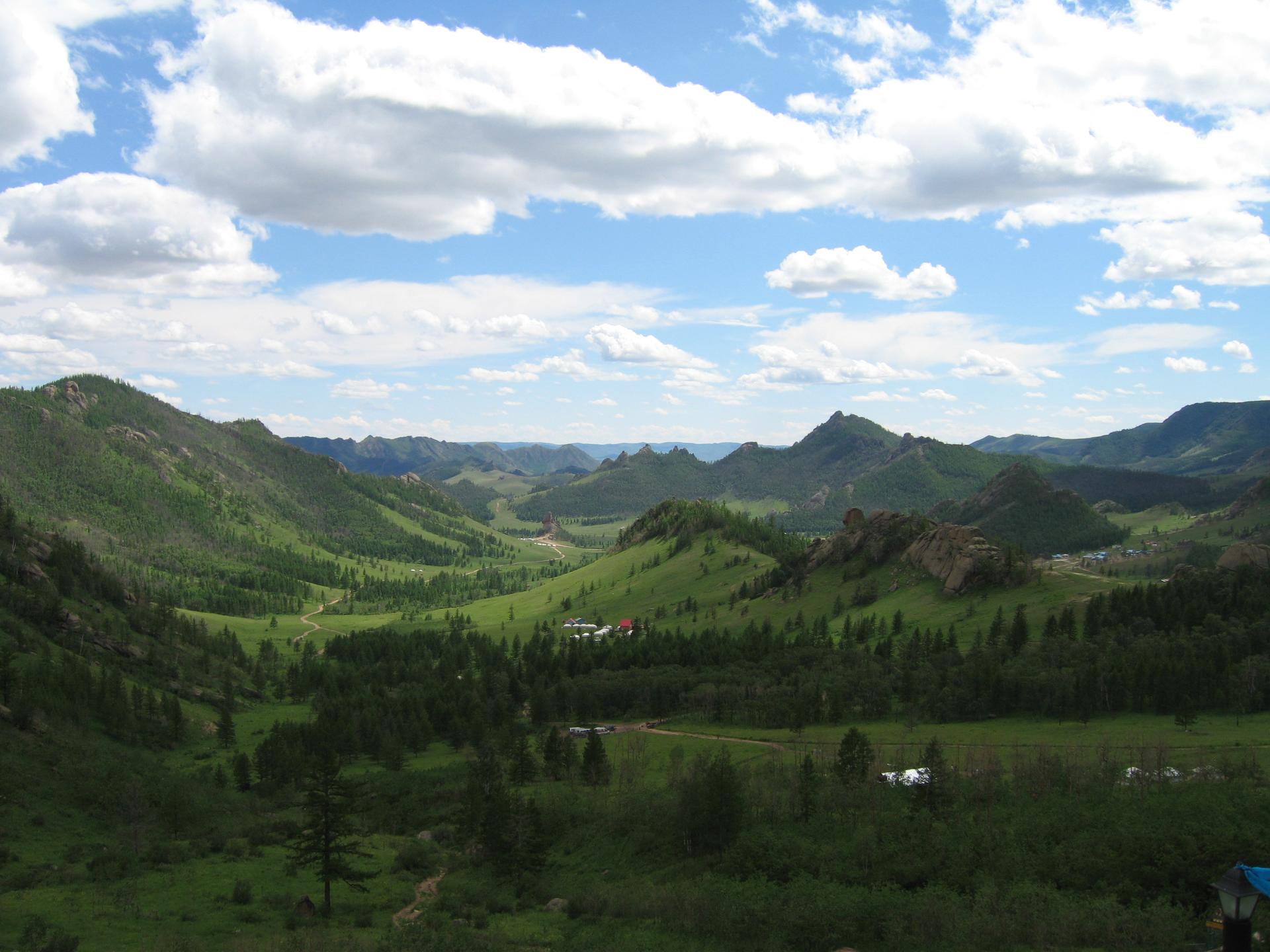
Discover the serene beauty and rich cultural heritage of Mongolia's Tuul River Valley, where nature, adventure, and tradition come together in perfect harmony.
Tell me more about Tuul River Valley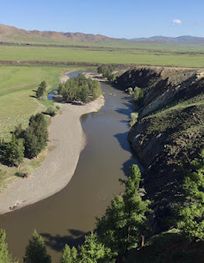
Explore Mongolia's breathtaking landscapes and rich culture with Goyo Travel, your trusted travel agency in Ulaanbaatar.

Explore the Prime Minister Jamba Batmunkh Statue in Ulaanbaatar, a stunning tribute to Mongolia's rich history and artistry, offering captivating views and cultural insights.