

Free Tuul River Valley Travel Guide & Mobile App
Explore Tuul River Valley with free travel guides. Discover regional history, expert tips, proposed trips, and audio guides on web or mobile app.


Explore Mongolia’s Tuul River Valley for Ulaanbaatar’s culture, sacred mountains, Buddhist heritage, ger camps and open steppe.
Read more about Tuul River Valley
When is the best time to visit Tuul River Valley?
Best: May–June, August · 22–26°C| Month | High (°C) | Rainfall (mm) |
|---|---|---|
| January | -13 | 2 |
| February | -8 | 2 |
| March | 2 | 3 |
| April | 14 | 8 |
| May (best) | 22 | 14 |
| June (best) | 26 | 25 |
| July | 28 | 40 |
| August (best) | 25 | 35 |
| September | 19 | 25 |
| October | 11 | 15 |
| November | 0 | 5 |
| December | -11 | 3 |
Getting to and around Tuul River Valley
How to get there
Transportation
Top city travel guides in Tuul River Valley
The cities of Tuul River Valley, and the easiest places to base yourself.
-

-


Swipe for more cities
Destinations in Tuul River Valley
Resorts, valleys and scenic spots worth a trip of their own.
-

-

-


Swipe for more destinations
Best attractions in Tuul River Valley
The Tuul River Valley offers a layered range of attractions, beginning with Ulaanbaatar’s museums, monasteries, theatres, galleries and markets. The capital is the region’s principal cultural centre, with institutions that explain Mongolian Buddhism, nomadic history, state formation and twentieth-century change. South of the city, Bogd Khan Uul National Park provides forested slopes, mountain walks and views across the densely settled valley; access, trail conditions and conservation rules should be checked locally. Manzushir Monastery adds religious and historical depth to the mountain landscape, with ruins and restored elements set among woodland and rock. East of the capital, the Chinggis Khaan Statue Complex near Tsonjin Boldog is a major contemporary visitor site associated with Mongolia’s imperial heritage. Further excursions towards Töv Province combine open steppe, rocky hills, horse riding and ger-camp stays, although facilities become basic and roads can be rough. The nearby Gorkhi-Terelj area is commonly reached from the valley and offers distinctive granite formations and recreational landscapes, but it should be treated as a neighbouring mountain destination rather than as a single continuous urban attraction zone. Summer is the most practical season for outdoor activities, while winter visits require careful preparation for snow, ice and extreme cold.
-
National park
National Park
Discover the breathtaking landscapes and diverse wildlife of Ulaanbaatar's National Park, a serene escape into Mongolia's natural beauty.
-
History museum
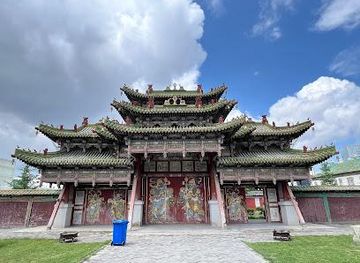
Bogd Khaan Palace Museum
Uncover the legacy of Mongolia's last king at Bogd Khaan Palace Museum, where history and culture come to life in Ulaanbaatar.
-
National museum
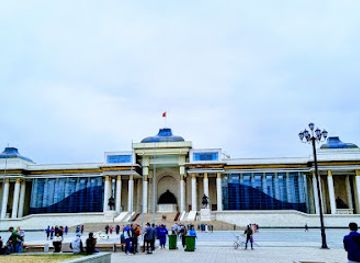
National Museum of Mongolia
Explore the depths of Mongolia's history and culture at the National Museum, a premier destination for travelers in Ulaanbaatar.
-
National museum
Монголын Үндэсний Музей
Explore Mongolia's rich heritage at the National Museum, where history, art, and culture come alive in Ulaanbaatar's premier cultural institution.


Best landmarks in Tuul River Valley
Bogd Khan Uul is the Tuul Valley’s defining natural landmark, rising as a dark, forested mass immediately south of Ulaanbaatar and carrying centuries of sacred significance. Its protected slopes create one of the clearest visual contrasts in Mongolia between urban expansion and mountain habitat. The Bogd Khan Palace Museum area in the capital preserves buildings associated with Mongolia’s last theocratic ruler and the Bogd Khanate, providing an architectural link to the country’s pre-socialist state. Manzushir Monastery, set on the southern side of the mountain, is significant for both its Buddhist history and its surviving stone and timber remains. Near Tsonjin Boldog, the enormous Chinggis Khaan Statue is a modern landmark rather than an ancient monument, but its scale and location make it highly recognisable across the surrounding steppe. Within Ulaanbaatar, the Tuul River itself is an important geographical reference, marking the southern edge of central urban districts and connecting the capital to the wider valley landscape.
-
Buddhist temple
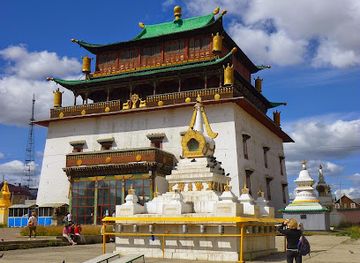
Gandantegchinlen Monastery
Explore Gandantegchinlen Monastery, a serene Buddhist temple in Ulaanbaatar, showcasing Mongolia's rich spiritual heritage and stunning architecture.
-
Monument
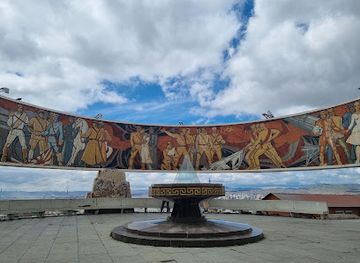
Zaisan Monument
Experience the breathtaking views and historical significance of Zaisan Monument, a must-visit landmark in Ulaanbaatar, Mongolia.
-
National museum
Монголын Үндэсний Музей
Explore Mongolia's heritage at the National Museum, where history comes alive through captivating artifacts and stunning exhibitions.
-
 History museum
Bogd Khaan Palace Museum
Discover the historical treasures of Mongolia at the Bogd Khaan Palace Museum, a captivating journey through time in Ulaanbaatar's lush landscape.
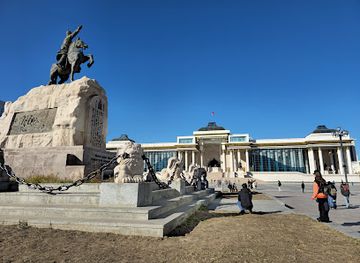
Explore Tuul River Valley on the map
Plan your trip on one map. See where the top cities, national parks and sights are, and book hotels and experiences in a few clicks.
Best hotels in Tuul River Valley
Best restaurants in Tuul River Valley
Ulaanbaatar gives the Tuul Valley its broadest dining choice, ranging from traditional Mongolian restaurants and neighbourhood cafés to international cuisine, vegetarian options and contemporary interpretations of local ingredients. Regional staples include buuz dumplings, khuushuur, noodle dishes, soups, mutton and beef, while genuine pastoral foodways also include a variety of dairy products and milk tea. Outside the capital, meals at ger camps and countryside homes are usually simple, filling and based on meat, flour, rice and dairy, with quality and variety depending on the season and location. Travellers may encounter airag, fermented mare’s milk, particularly during the warmer months, but it is a traditional drink rather than a universal feature of every meal. Markets and food shops in Ulaanbaatar are useful for buying snacks and locally produced dairy or meat products, while rural stops may have limited supplies. Visitors with dietary restrictions should explain them clearly in advance, especially when staying at a ger camp or travelling away from the city.
-
Italian
DeQuattro by Rosewood
Discover authentic Italian cuisine at DeQuattro by Rosewood in Ulaanbaatar - where culinary artistry meets warm hospitality.
-
Hotel
The Blue Sky Hotel and Tower
Soar above Ulaanbaatar's vibrant heart at Blue Sky Hotel and Tower, where modern luxury meets unbeatable central access, skyline views, and diverse dining in Mongolia's dynamic capital.
-
Restaurant
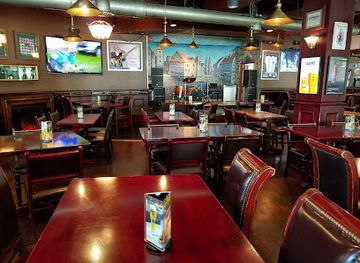
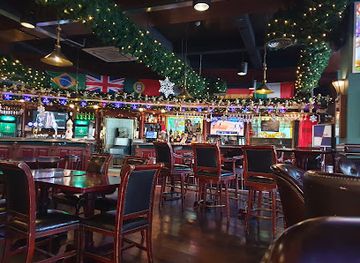
Grand Khaan Irish Pub
Experience the lively atmosphere at Grand Khaan Irish Pub in Ulaanbaatar—where Irish charm meets Mongolian hospitality.
-
Italian
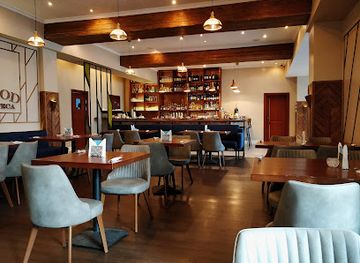
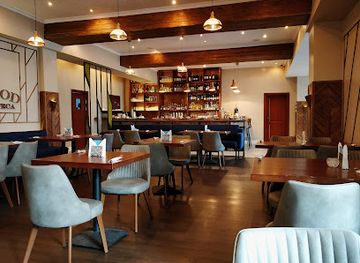
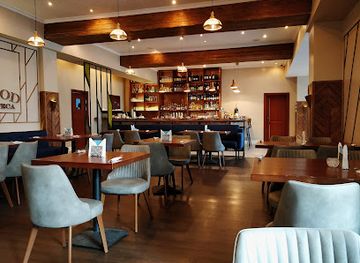
Rosewood Kitchen + Enoteca
Experience the best of Italian cuisine at Rosewood Kitchen + Enoteca in Ulaanbaatar—where tradition meets modern culinary artistry.
Best bars in Tuul River Valley
Nightlife in the Tuul River Valley is concentrated in Ulaanbaatar rather than the rural landscape. Central districts offer pubs, cocktail bars, cafés, live-music venues and clubs, with the largest choice around the city centre and areas frequented by students, business travellers and younger residents. Traditional Mongolian dishes and drinks are also available in evening restaurants, while craft breweries and modern bars have added variety to the capital’s social scene. Outside Ulaanbaatar, evenings usually centre on the restaurant or communal ger at a camp, a quiet local pub or conversation with fellow travellers rather than a dedicated club scene. Some countryside accommodation may have limited electricity, early closing arrangements or no bar at all. Cultural performances, theatre and music can provide an alternative to drinking-focused nightlife, but programmes and venues change, so current arrangements should be checked locally.
-
Hotel
Shangri-La Ulaanbaatar
Discover unparalleled luxury and Mongolian hospitality at Shangri-La Ulaanbaatar, your gateway to an unforgettable travel experience.
-
Italian
DeQuattro by Rosewood
Experience the best of Italian cuisine in Ulaanbaatar at DeQuattro by Rosewood, where every meal is a celebration of flavors.
-
Hotel
The Blue Sky Hotel and Tower
Discover luxury and comfort at The Blue Sky Hotel and Tower in Ulaanbaatar, offering breathtaking views, diverse dining, and top-tier amenities.
-
Restaurant
Grand Khaan Irish Pub
Discover the heart of Ulaanbaatar at Grand Khaan Irish Pub, where Irish charm meets Mongolian hospitality in a vibrant dining experience.
Best nightclubs in Tuul River Valley
Nightlife in the Tuul River Valley is concentrated in Ulaanbaatar rather than the rural landscape. Central districts offer pubs, cocktail bars, cafés, live-music venues and clubs, with the largest choice around the city centre and areas frequented by students, business travellers and younger residents. Traditional Mongolian dishes and drinks are also available in evening restaurants, while craft breweries and modern bars have added variety to the capital’s social scene. Outside Ulaanbaatar, evenings usually centre on the restaurant or communal ger at a camp, a quiet local pub or conversation with fellow travellers rather than a dedicated club scene. Some countryside accommodation may have limited electricity, early closing arrangements or no bar at all. Cultural performances, theatre and music can provide an alternative to drinking-focused nightlife, but programmes and venues change, so current arrangements should be checked locally.
-
Jazz
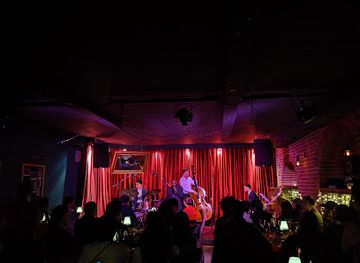
Fat Cat Jazz Club Ulaanbaatar
Discover the vibrant heart of Ulaanbaatar's music scene at Fat Cat Jazz Club, where captivating live performances and a lively atmosphere await.
-
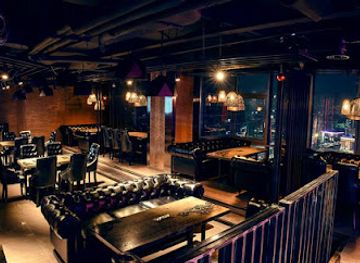
Bar
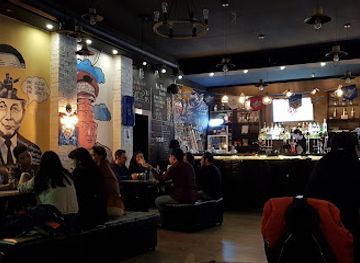
Republik Bar&Venue
Discover the vibrant nightlife at Republik Bar&Venue, a must-visit destination in Ulaanbaatar for unforgettable cocktails and lively entertainment.
-
Restaurant
LAVA Club & Lounge
Discover the ultimate nightlife destination in Ulaanbaatar at LAVA Club & Lounge, where exquisite dining meets high-energy entertainment.
-
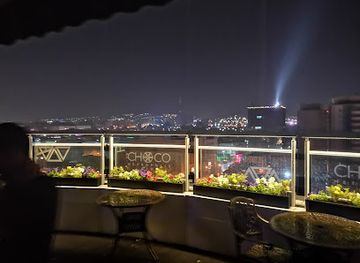
Night club
CHOCO CLUB ULAANBAATAR
Discover Ulaanbaatar's nightlife at CHOCO CLUB, the ultimate destination for music lovers and party enthusiasts in Mongolia's capital.
Best shops in Tuul River Valley
Ulaanbaatar is the Tuul Valley’s main shopping centre, with department stores, supermarkets, bookshops, markets, craft outlets and independent retailers serving both residents and visitors. The State Department Store and the surrounding central streets are convenient for practical goods, cash exchange and widely available souvenirs, while markets provide a more informal introduction to everyday Mongolian commerce. Useful regional purchases include cashmere, felt slippers, woollen goods, leather products, books on Mongolian history, locally made crafts and packaged dairy or tea products. Quality and provenance vary, so check labels and avoid buying protected wildlife products or antiquities. Outside the capital, shopping is limited to small provincial shops, roadside stalls and ger-camp displays rather than extensive retail districts. Rural purchases may include felt work, horse-riding equipment or handmade items, but bargaining should remain polite and prices should be agreed before a sale. The best selection of durable gifts, clothing and food supplies is generally available before setting out into Töv Province.
-
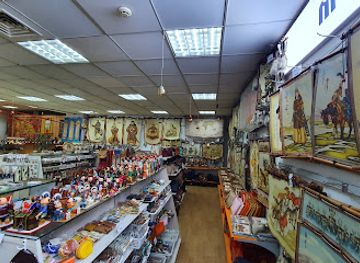
Department store
State Department Store
Explore the State Department Store, Ulaanbaatar's premier shopping destination for local crafts, international goods, and delicious cuisine.
-
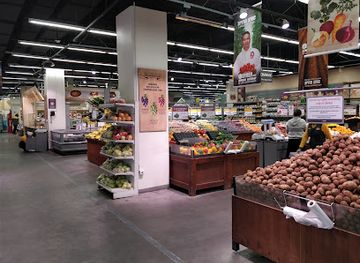
Hypermarket
Emart Chinggis
Explore the vibrant Emart Chinggis hypermarket in Ulaanbaatar for a unique shopping experience filled with local flavors and diverse products.
-
Market
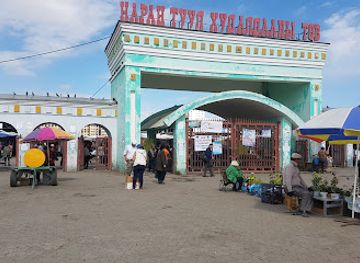
Narantuul Market
Experience the bustling Narantuul Market in Ulaanbaatar, where vibrant stalls and local flavors come together to create an unforgettable cultural experience.
-
Hypermarket
E-mart Khan-Uul
Explore E-mart Khan-Uul, Ulaanbaatar's largest hypermarket, where local culture and international shopping meet in a vibrant atmosphere.

Get your free copy of our complete guide to Tuul River Valley, delivered straight to you.
Everything on this page, from attractions and restaurants to essentials and local phrases, in one PDF you can read offline, print or share.
Already have an account? Sign in
Your Tuul River Valley guide is ready.
We'll send it to · Not you? Sign out

Getting your guide ready…
We are putting together a fresh copy of the Tuul River Valley guide. This can take up to a minute.
This can take a few moments. If your browser asks, choose Allow so the download can start. You'll find the guide in your Downloads folder.
Nothing happened? Download it again
Sorry, the guide is taking longer than usual. Please try again in a minute, or get it by email instead.
Tuul River Valley essentials
Currency and Payment
Safety
Emergency Situations
Do's and Don'ts
Local Tips
From Eve
Local phrases worth knowing
You don't need to get them perfect. A few words go a long way, and locals appreciate the effort.
Basics
| English | Local | Say it |
|---|---|---|
| Hello | Сайн уу | [Sain uu] |
| Goodbye | Баяртай | [Bayartai] |
| Yes | Тийм | [Tiim] |
| No | Үгүй | [Ügüi] |
| Please/You're welcome | Гуйя | [Guiya] |
| Thank you | Баярлалаа | [Bayarlalaa] |
| Excuse me/Sorry | Уучлаарай | [Uuchlaarai] |
| How are you? | Та хэр байна? | [Ta kher baina?] |
| Fine. And you? | Сайн. Та яаж байна? | [Sain. Ta yaaj baina?] |
| Do you speak English? | Та англиар ярьдаг уу? | [Ta angliar yaryadag uu?] |
| I don't understand | Би ойлгохгүй байна | [Bi oilgokhgui baina] |
Eating & Drinking
| English | Local | Say it |
|---|---|---|
| I'd like to see the menu, please | Сав баглаа боодлыг хармаар байна | [Sav baglaa bodlig kharmaar baina] |
| I don't eat meat | Би мах иддэггүй | [Bi makh iddeggui] |
| Cheers! | Сайн сайхан байлгахын тулд! | [Sain saikhan bailgakhyn tuld!] |
| I would like to pay, please | Би төлбөрөө төлмөөр байна | [Bi tölböröö tölmöör baina] |
Emergencies
| English | Local | Say it |
|---|---|---|
| Help! | Туслаач! | [Tuslaach!] |
| Go away! | Зайлаарай! | [Zailaarai!] |
| Call the Police! | Цагдаа дууд! | [Tsagdaa duud!] |
| Call a doctor! | Лекц дууд! | [Lekts duud!] |
| I'm lost | Би алга болсон | [Bi alga bolson] |
| I'm ill | Би өвчтэй | [Bi övtstei] |
Shopping
| English | Local | Say it |
|---|---|---|
| I'd like to buy... | Би ... авахыг хүсч байна | [Bi ... avakhyg khüsch baina] |
| I'm just looking | Би зүгээр хараад байна | [Bi zügeer kharaad baina] |
| How much is it? | Энэ хэд вэ? | [Ene khed ve?] |
| That's too expensive | Энэ хэт үнэтэй | [Ene khet ünetei] |
| Can you lower the price? | Та үнийг бууруулж чадах уу? | [Ta üning buuruulj chadakh uu?] |
Time & Numbers
| English | Local | Say it |
|---|---|---|
| What time is it? | Одоо хэдэн цаг болж байна? | [Odoo kheden tsag bolj baina?] |
| It's one o'clock | Нэг цаг болж байна | [Neg tsag bolj baina] |
| Half past (10) | Арван цаг хагас | [Arvan tsag khagas] |
| Morning | Үүр | [Üür] |
| Afternoon | Өдрийн хооронд | [Ödrin khorond] |
| Evening | Орой | [Oroi] |
| Yesterday | Өчигдөр | [Öchigdör] |
| Today | Өнөөдөр | [Önöödör] |
| Tomorrow | Маргааш | [Margaash] |
| 1 | Нэг | [Neg] |
| 2 | Хоёр | [Khoir] |
| 3 | Гурван | [Gurvan] |
| 4 | Дөрөв | [Döröv] |
| 5 | Таван | [Tavan] |
| 6 | Зургаа | [Zurgaa] |
| 7 | Долоо | [Doloo] |
| 8 | Найм | [Naim] |
| 9 | Ес | [Yes] |
| 10 | Арван | [Arvan] |
Transport & Directions
| English | Local | Say it |
|---|---|---|
| Where's a/the...? | Ямар газар байна вэ? | [Yamar gazar baina ve?] |
| What's the address? | Хаяг нь юу вэ? | [Khayag ni yuu ve?] |
| Can you show me (on the map)? | Та надад (газрын зураг дээр) харуулах уу? | [Ta nadad (gazryn zurag deer) kharuulakh uu?] |
| When's the next (bus)? | Дараагийн (автобус) хэзээ вэ? | [Daraagiin (avtobus) khed ve?] |
| A ticket (to ....) | Билет (.... руу) | [Bilet (.... ruu)] |
History of Tuul River Valley
Early Steppe Settlement and Pastoral Life
The Tuul Valley formed part of the wider grassland and forest-steppe zone used by mobile communities for hunting, herding and seasonal settlement long before the rise of modern Mongolia. Archaeological remains in the surrounding central Mongolian landscape include Bronze Age and later nomadic burial traditions, stone monuments and traces of pastoral economies. The valley’s combination of water, grazing and mountain shelter made it a practical movement corridor, although evidence is often dispersed rather than concentrated in a single visitor site. Its historical importance is therefore best understood through the continuing relationship between river, pasture, forest and mobile livestock keeping.
Sacred Bogd Khan Uul and Early Conservation
Bogd Khan Uul, the forested mountain south of Ulaanbaatar, has long held spiritual significance in Mongolian culture. In 1778, under Qing rule, a formal decree recognised protection of the mountain, often cited among the world’s earliest government-backed protected landscapes. Sacred status helped limit some forms of exploitation, while monasteries and pilgrimage traditions reinforced the mountain’s cultural role. Today, its slopes form a striking natural counterpoint to the capital and preserve patches of larch forest, wildlife habitat and religious associations within a heavily visited metropolitan area.
The Foundation and Movement of Ulaanbaatar
Ulaanbaatar began as Örgöö, a mobile monastic and court settlement founded in 1639 for the young Zanabazar, the first Jebtsundamba Khutuktu. It moved repeatedly across the northern Mongolian steppe before settling at its present site by the Tuul River in 1778. The location offered access to water, pastures and routes linking eastern and western parts of the country. As the monastic centre grew, it became known as Ikh Khüree and later as Niislel Khüree, laying the foundations for the capital that Mongolia would develop in the twentieth century.
Manzushir Monastery and Buddhist Culture
Manzushir Monastery was established in the eighteenth century on the southern side of Bogd Khan Uul and became an important Buddhist centre in the region. Its complex included temples, religious art and a substantial monastic community before the destruction and suppression of religious institutions during Mongolia’s socialist period in the twentieth century. The surviving ruins, restored elements and mountain setting convey both the scale of pre-socialist monastic life and the losses caused by political repression. The site is now a place of historical remembrance as well as a gateway to the mountain landscape.
The 1911 Revolution and the Bogd Khanate
When Mongolia declared independence from the Qing Empire in 1911, Niislel Khüree became the seat of the new Bogd Khanate. The eighth Jebtsundamba Khutuktu, known as the Bogd Khan, served as the state’s religious and political ruler. This period strengthened the capital’s role as the country’s political centre and left an architectural legacy in the Bogd Khan Palace Museum area. The episode also established an important layer of modern Mongolian national history, positioned between Qing imperial rule and the later socialist state.
Socialism, Urban Expansion and Industrial Change
After the Mongolian People’s Revolution and the establishment of a socialist government, Ulaanbaatar was reshaped through state planning, secularisation and industrial development. Many monasteries were closed or destroyed, while new apartment districts, factories, schools and public buildings transformed the Tuul basin. The city became the country’s administrative, educational and industrial hub, drawing people from rural areas. Roads and infrastructure extended along the valley, creating the urban footprint visitors see today. The contrast between Soviet-influenced architecture and nearby ger districts reflects this rapid twentieth-century transformation.
Democratic Transition and the Contemporary Valley
Mongolia’s transition to democracy and a market economy from 1990 altered both Ulaanbaatar and the wider Tuul corridor. Private enterprise, new housing, mining-related wealth and rural-to-urban migration contributed to rapid expansion, while pressure on air quality, water, transport and open land became increasingly visible. Tourism developed around the capital, Bogd Khan Uul, Buddhist heritage and countryside ger camps. The modern valley therefore combines national institutions, growing suburbs and infrastructure with pastoral land use and protected mountain landscapes, making it a concentrated example of Mongolia’s contemporary social and environmental change.
Tuul River Valley in Photos
Browse through our photo collection highlighting the charm and character of the destination.
Neighbouring regions of Tuul River Valley
The closest regions to Tuul River Valley, if you have time for more than one.
-

-

-

-

-


Swipe for more regions
Explore more

Explore more of Mongolia
Discover Mongolia: From the vast steppes and towering mountains to the rich nomadic culture and ancient traditions, experience the land of eternal blue sky.
Explore Mongolia