

Free Perast Travel Guide & Mobile App
Plan your Perast trip with Evendo. Get free guides to top attractions, restaurants, hotels, and bars. Web access or download the mobile app.


Perast, Montenegro, pairs Venetian palaces and stone churches with Bay of Kotor views, island boat trips, maritime history and quiet coastal walks.
A Historic Adriatic Setting
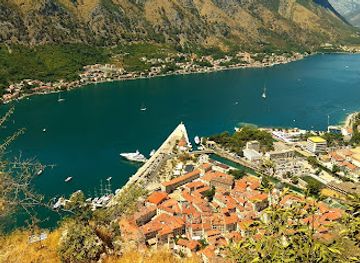
Perast is a small waterfront settlement on Montenegro’s Bay of Kotor, where steep limestone mountains descend towards a calm inlet and a remarkably concentrated collection of historic buildings lines the shore. Its identity was shaped by seafaring, Venetian trade and Catholic and Orthodox traditions, leaving behind palaces, churches and stone houses with a distinctly maritime character. Unlike larger towns around the bay, Perast is quiet and compact, with much of its historic centre experienced on foot along the waterfront and its narrow parallel lanes.Read more about Perast
Palaces, Churches and Islands
Life Around the Bay
When is the best time to visit Perast?
Best: May–June, October · 24–31°C| Month | High (°C) | Rainfall (mm) |
|---|---|---|
| January | 13 | 92 |
| February | 14 | 84 |
| March | 16 | 78 |
| April | 20 | 73 |
| May (best) | 25 | 61 |
| June (best) | 31 | 39 |
| July | 34 | 29 |
| August | 34 | 36 |
| September | 30 | 56 |
| October (best) | 24 | 95 |
| November | 19 | 122 |
| December | 15 | 118 |
Getting to and around Perast
How to get there
Transportation
Best attractions in Perast
Perast’s principal attractions are concentrated along its narrow waterfront and surrounding lanes. The Perast Museum, housed in the Bujović Palace, presents the settlement’s maritime history through objects connected with sailors, shipping and local family life. Offshore, a boat trip to Our Lady of the Rocks leads to a small island church known for its painted interior and seafaring votive offerings; views back towards the town are part of the experience. The natural island of St George, with its Benedictine monastery and cemetery, is generally admired from the water rather than explored freely. On land, the Church of St Nicholas and the unfinished Church of St John the Baptist reveal Perast’s religious and architectural importance, while gentle walks along the shore provide changing views of the bay, mountains and historic palaces.
-
Monastery
Ostrog Orthodox Monastery
Discover the breathtaking Ostrog Orthodox Monastery, a stunning pilgrimage site nestled in the cliffs of Montenegro, offering spiritual serenity and awe-inspiring views.
54 min drive · 34 km from city centre
-
Marina
Porto Montenegro
Experience the luxury and charm of Porto Montenegro, where stunning marina views meet vibrant dining and shopping in the heart of the Adriatic.
17 min drive · 5.7 km from city centre
-
National park
Lovćen National Park
Explore Lovćen National Park: A breathtaking blend of nature and culture in Montenegro's stunning landscapes.
35 min drive · 15 km from city centre
-
Tourist attraction
Kampana Tower
Explore the storied history and breathtaking views of Kampana Tower in Kotor, Montenegro, a must-see for every traveler.
27 min drive · 8.9 km from city centre


Best landmarks in Perast
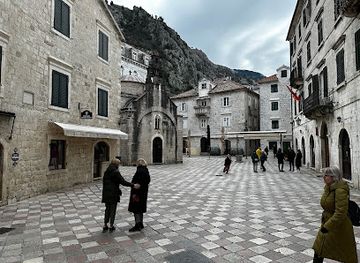
Perast’s landmarks express the wealth and faith of a former maritime community. The Church of St Nicholas dominates the central square, its unfinished form reflecting the changing fortunes of the town, while the nearby Bujović Palace is one of the most recognisable waterfront residences and now contains the Perast Museum. Our Lady of the Rocks, reached by boat, is the settlement’s defining offshore landmark: its church and artificial island embody centuries of local devotion and seafaring tradition. The natural island of St George provides a contrasting silhouette with its monastery and cypress-lined cemetery. Above the town, the remains of the Fortress of St Cross recall Perast’s strategic role, while the many former captains’ palaces along the shore preserve the architectural character created during Venetian and later Habsburg periods.
-
Tourist attraction
Kampana Tower
Discover breathtaking views and rich history at Kampana Tower, Kotor's iconic landmark that offers a glimpse into Montenegro's enchanting past.
27 min drive · 8.9 km from city centre
-
Fortress
Budva Citadel
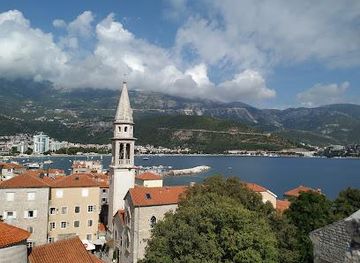
Explore the Budva Citadel, an ancient fortress offering stunning views, rich history, and a glimpse into Montenegro's vibrant culture.
46 min drive · 26 km from city centre
-
Catholic church
Church of Our Lady of Škrpjela
Discover the stunning Church of Our Lady of Škrpjela in Perast, Montenegro, a baroque marvel steeped in history and surrounded by breathtaking views.
11 min walk · 0.8 km from city centre
-
Orthodox church
Orthodox Temple of Christ's Resurrection
Discover the breathtaking Orthodox Temple of Christ's Resurrection, a masterpiece of architecture and spirituality in the heart of Podgorica, Montenegro.
1 h 5 min drive · 45 km from city centre


Explore Perast on the map
Plan your Perast trip on one map. See where the top attractions, landmarks, restaurants, bars and hotels are, find what's near where you're staying, and book hotels and experiences in a few clicks.
Best hotels in Perast
Best restaurants in Perast
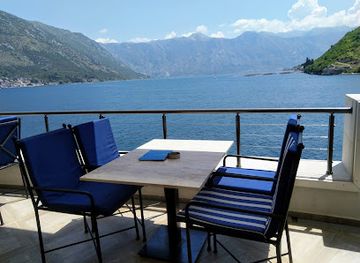
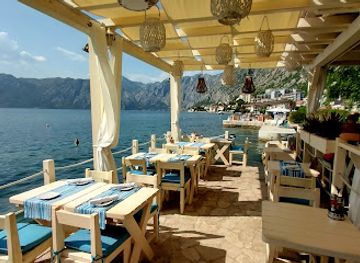
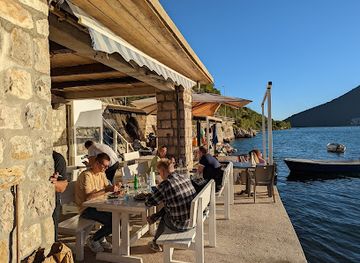
Perast’s dining scene is shaped by its position on the Bay of Kotor, with waterfront restaurants and konobas serving Adriatic seafood, grilled fish, prawns, mussels and calamari alongside salads, vegetables and simple Mediterranean accompaniments. Black risotto, prepared with cuttlefish ink, is a familiar Montenegrin coastal speciality, while octopus salad and freshly caught fish reflect the wider culinary traditions of the eastern Adriatic. Menus may also include meat dishes, local cheeses and regional wines, reflecting Montenegro’s mixed coastal and inland food culture. Cafés along the shore are suited to coffee, pastries and views across the water, while larger meals are often built around a leisurely sequence of seafood and wine. Dining is highly seasonal, and the busiest waterfront tables can be affected by summer visitor numbers.
-
Restaurant
Verige 65
Experience exquisite dining at Verige 65 – where local flavors meet stunning Adriatic views in beautiful Montenegro.
17 min walk · 1.4 km from city centre
-
Restaurant
Big Ben
Discover the culinary delights of Big Ben in Tivat – where local flavors meet international cuisine in an unforgettable dining experience.
16 min drive · 5.2 km from city centre
-
Restaurant
Konoba Portun
Experience authentic Montenegrin cuisine at Konoba Portun in Dobrota with stunning Adriatic views and fresh local ingredients.
21 min drive · 7.1 km from city centre
-
Restaurant
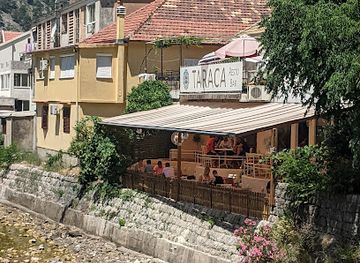
Restobar Taraca
Discover Restobar Taraca in Dobrota - where innovative vegan dishes meet traditional Montenegrin flavors amidst stunning coastal views.
27 min drive · 8.9 km from city centre
Best bars in Perast
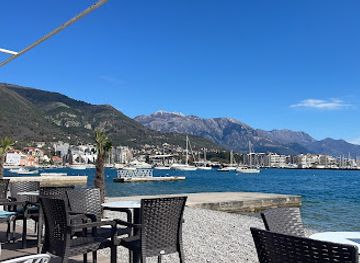
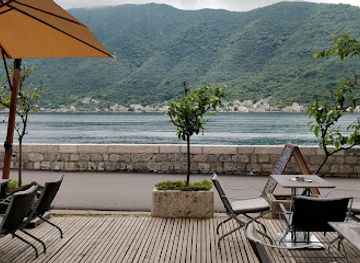
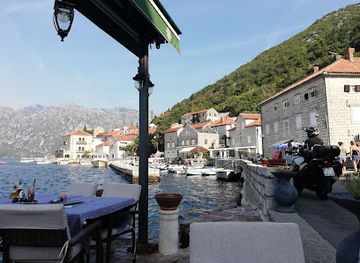
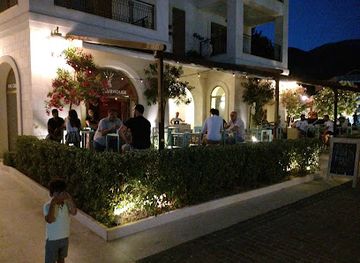
Perast is not a clubbing destination, and its evening life is centred on relaxed waterfront dining, cafés and drinks overlooking the bay rather than late-night entertainment. As daylight fades, the stone palaces and church façades take on a quieter atmosphere, and restaurants provide the main social setting for local wine, beer and cocktails. The town’s compact scale means that evening walks are an important part of the experience, particularly along the shore when boat traffic has eased. Visitors seeking live music, a broader selection of bars or a later night generally look towards Kotor or Tivat, both of which have more developed evening scenes. Local customs favour a measured, sociable pace, and noise should be kept low near homes and religious sites.
-
Cocktail bar
The Nitrox Pub & Eatery
Experience the vibrant nightlife of Kotor at The Nitrox Pub & Eatery, where signature cocktails and local beers await in a lively atmosphere.
28 min drive · 9.3 km from city centre
-
Pizza
Bocalibre
Discover Bocalibre in Perast, Montenegro - a perfect fusion of Italian pizza and Montenegrin hospitality in a stunning coastal setting.
3 min walk · 0.3 km from city centre
-
Restaurant
Restoran Armonia
Discover exquisite Montenegrin cuisine with stunning views at Restoran Armonia in the Bay of Perast.
2 min walk · 0.2 km from city centre
-
Family-friendly
Mussles and Oysters farm with Restaurant
Discover the delicious world of seafood at Kotor's Mussels and Oysters Farm, a family-friendly restaurant offering fresh catches and stunning views.
5 min drive · 1.6 km from city centre

Best nightclubs in Perast
Perast is not a clubbing destination, and its evening life is centred on relaxed waterfront dining, cafés and drinks overlooking the bay rather than late-night entertainment. As daylight fades, the stone palaces and church façades take on a quieter atmosphere, and restaurants provide the main social setting for local wine, beer and cocktails. The town’s compact scale means that evening walks are an important part of the experience, particularly along the shore when boat traffic has eased. Visitors seeking live music, a broader selection of bars or a later night generally look towards Kotor or Tivat, both of which have more developed evening scenes. Local customs favour a measured, sociable pace, and noise should be kept low near homes and religious sites.
-
Jazz
Jazz Club Evergreen
Immerse yourself in Kotor's vibrant jazz scene at Jazz Club Evergreen, where live music creates unforgettable moments in a cozy atmosphere.
27 min drive · 9.1 km from city centre
-
Bar
Pirate Bar
Discover the lively atmosphere of Pirate Bar in Perast, where stunning views and delightful drinks create an unforgettable experience.
5 min walk · 0.4 km from city centre
-
Bar
The Clubhouse
Discover the vibrant atmosphere of The Clubhouse, the perfect bar and lounge in Porto Montenegro for cocktails, coffee, and stunning waterfront views.
19 min drive · 6.2 km from city centre
-
Bar
Klub Invalida
Experience the vibrant nightlife of Kotor at Klub Invalida, an affordable bar offering delicious drinks and a lively atmosphere.
27 min drive · 9.0 km from city centre


Best shops in Perast
Shopping in Perast is modest and closely tied to its heritage rather than centred on large retail streets. Small galleries, craft outlets and souvenir stalls around the waterfront may offer religious images, maritime-themed objects, locally made jewellery, ceramics, textiles and gifts inspired by the Bay of Kotor. Regional food products such as olive oil, honey, dried herbs, wine and rakija can also appear in specialist shops or market-style displays, although selection varies by season. The best purchases are those with a clear connection to Montenegro’s coastal culture rather than mass-produced items available throughout the Adriatic. For a broader market and retail choice, visitors can travel to Kotor, where the old town has more galleries, food shops and traditional craft businesses.
-
Shopping mall
Shopping Centre Kamelija
Discover the vibrant Kamelija Shopping Centre in Kotor, Montenegro - a blend of modern retail, local charm, and delightful dining.
26 min drive · 8.8 km from city centre
-
Souvenir store
Cats Of Kotor
Explore Cats Of Kotor for unique, handmade souvenirs that capture the spirit of Montenegro's vibrant culture and charm.
27 min drive · 9.1 km from city centre
-
Souvenir store
Hard Rock Cafe - Souvenir Rock Shop
Discover a vibrant collection of unique memorabilia and souvenirs at the Hard Rock Cafe - Souvenir Rock Shop in Kotor, Montenegro.
27 min drive · 9.1 km from city centre
-
Ice Cream
Moritz Eis
Savor the exquisite artisanal ice creams at Moritz Eis in Perast, Montenegro, a delightful treat for every traveler visiting this stunning coastal town.
4 min walk · 0.3 km from city centre


Get your free copy of our complete guide to Perast, delivered straight to you.
Everything on this page, from attractions and restaurants to essentials and local phrases, in one PDF you can read offline, print or share.
Already have an account? Sign in
Your Perast guide is ready.
We'll send it to · Not you? Sign out

Getting your guide ready…
We are putting together a fresh copy of the Perast guide. This can take up to a minute.
This can take a few moments. If your browser asks, choose Allow so the download can start. You'll find the guide in your Downloads folder.
Nothing happened? Download it again
Sorry, the guide is taking longer than usual. Please try again in a minute, or get it by email instead.
Perast essentials
Currency and Payment
Safety
Emergency Situations
Do's and Don'ts
Local Tips
From Eve
Local phrases worth knowing
You don't need to get them perfect. A few words go a long way, and locals appreciate the effort.
Basics
| English | Local | Say it |
|---|---|---|
| Hello | Zdravo | [Zdrah-voh] |
| Goodbye | Doviđenja | [Doh-vee-jen-ya] |
| Yes | Da | [Dah] |
| No | Ne | [Neh] |
| Please/You're welcome | Molim | [Moh-leem] |
| Thank you | Hvala | [Hvah-lah] |
| Excuse me/Sorry | Izvini | [Eez-vee-nee] |
| How are you? | Kako si? | [Kah-koh see] |
| Fine. And you? | Dobro. A ti? | [Doh-bro. Ah tee] |
| Do you speak English? | Govorite li engleski? | [Go-vo-ree-teh lee eng-les-kee] |
| I don't understand | Ne razumijem | [Neh rah-zoo-mee-yem] |
Eating & Drinking
| English | Local | Say it |
|---|---|---|
| I'd like to see the menu, please | Molio bih meni, molim | [Moh-lee-oh bee meh-nee, moh-leem] |
| I don't eat meat | Ne jedem meso | [Neh yeh-dem meh-so] |
| Cheers! | Živjeli! | [Zhee-vyeh-lee] |
| I would like to pay, please | Platio bih, molim | [Plah-tyoh bee, moh-leem] |
Emergencies
| English | Local | Say it |
|---|---|---|
| Help! | Pomoć! | [Poh-moh-ch] |
| Go away! | Otiđi! | [Oh-tee-jdee] |
| Call the Police! | Pozovite policiju! | [Poh-zoh-vee-teh poh-leet-see-yoo] |
| Call a doctor! | Pozovite doktora! | [Poh-zoh-vee-teh dohk-toh-rah] |
| I'm lost | Izgubio/la sam se | [Eez-goo-byoh/la sahm seh] |
| I'm ill | Bolestan/na sam | [Boh-les-tahn/nah sahm] |
Shopping
| English | Local | Say it |
|---|---|---|
| I'd like to buy... | Htio bih kupiti... | [Htee-oh bee koo-pee-tee] |
| I'm just looking | Samo gledam | [Sah-moh gleh-dahm] |
| How much is it? | Koliko košta? | [Koh-lee-koh koh-shta] |
| That's too expensive | To je previsoka cijena | [Toh yeh preh-vee-soh-kah chee-yeh-nah] |
| Can you lower the price? | Možete li spustiti cijenu? | [Moh-zheh-teh lee spoos-tee-tee chee-yeh-noo] |
Time & Numbers
| English | Local | Say it |
|---|---|---|
| What time is it? | Koliko je sati? | [Koh-lee-koh yeh sah-tee] |
| It's one o'clock | Jedan je sat | [Yeh-dahn yeh saht] |
| Half past (10) | Pola (10) | [Poh-lah] |
| Morning | Jutro | [Yoo-troh] |
| Afternoon | Popodne | [Poh-pohd-neh] |
| Evening | Veče | [Veh-cheh] |
| Yesterday | Juče | [Yoo-cheh] |
| Today | Danas | [Dah-nahs] |
| Tomorrow | Sutra | [Soo-trah] |
| 1 | Jedan | [Yeh-dahn] |
| 2 | Dva | [Dvah] |
| 3 | Tri | [Tree] |
| 4 | Četiri | [Cheh-tee-ree] |
| 5 | Pet | [Peh-t] |
| 6 | Šest | [Shehst] |
| 7 | Sedam | [Seh-dahm] |
| 8 | Osam | [Oh-sahm] |
| 9 | Devet | [Deh-vet] |
| 10 | Deset | [Deh-set] |
Transport & Directions
| English | Local | Say it |
|---|---|---|
| Where's a/the...? | Gdje je ...? | [Gdyeh yeh] |
| What's the address? | Koja je adresa? | [Koh-yah yeh ah-dreh-sah] |
| Can you show me (on the map)? | Možete li mi pokazati (na mapi)? | [Moh-zheh-teh lee mee poh-kah-zah-tee (nah mah-pee)] |
| When's the next (bus)? | Kada je sljedeći (autobus)? | [Kah-dah yeh slyeh-deh-chee (ow-toh-boos)] |
| A ticket (to ....) | Jedna karta (za ...) | [Yehd-nah kahr-tah (zah)] |
History of Perast
Origins beside the Inner Bay
Perast developed on the sheltered inner waters of the Bay of Kotor, a strategic maritime corridor whose shores were inhabited long before the modern settlement took shape. Its early history reflects the overlapping influence of Roman, Byzantine and medieval powers in the eastern Adriatic, although the surviving town is chiefly associated with the later Venetian period. The narrow strip between mountain and sea encouraged a seafaring economy rather than extensive agriculture. Fishing, shipbuilding, coastal trade and navigation became central to local life, while the bay’s fortified settlements formed a connected network of commerce and defence.
Venetian Rule and Maritime Prosperity
The Republic of Venice controlled Perast from 1420 until the fall of the Venetian state in 1797, and the town’s architecture and civic traditions were profoundly shaped by that long association. Perast’s sailors served aboard Venetian ships and its captains traded across the Adriatic and wider Mediterranean. Wealth from maritime activity funded churches, family palaces and religious foundations, many of which still line the waterfront. The period also strengthened the town’s Catholic identity, while Orthodox communities remained part of the broader Bay of Kotor landscape. The stone façades visible today largely reflect this era of commercial and naval importance.
The Island of Our Lady of the Rocks
Our Lady of the Rocks is an artificial island created gradually by local inhabitants, who according to tradition began depositing rocks at the site after a sacred image was found on a small outcrop in 1452. The present church was built in the seventeenth century and enlarged and decorated during the eighteenth century, when Perast’s maritime prosperity was at its height. Its interior contains paintings, votive offerings and objects connected with seafaring families. The island remains a religious site as well as a cultural symbol of Perast, but the traditional story should be understood alongside the documented practice of deliberately expanding the islet with stones and vessels.
Ottoman Pressure and Local Defence
Perast occupied a sensitive position near territories influenced or controlled by the Ottoman Empire, and the town experienced the insecurity that accompanied rivalry between Venice and the Ottomans. In 1654, Perast successfully resisted an Ottoman attack, an event remembered as an important episode in its local history. The settlement’s defensive role was supported by the nearby fortress of St Cross and by the organisation of its seafaring population. Military danger did not eclipse commerce, however: churches, palaces and maritime institutions continued to develop as families invested their earnings in the town’s public and religious architecture.
From Austria to Modern Montenegro
After the collapse of Venetian rule, Perast passed through the Habsburg and Napoleonic eras before becoming part of the Austrian Empire and later Austria-Hungary in the nineteenth century. Steam navigation and changing commercial routes gradually reduced the importance of local sailing families, contributing to the town’s demographic and economic decline. Perast subsequently became part of the states that followed the end of the First World War, including Yugoslavia, before Montenegro’s restoration of independence in 2006. Today, conservation and cultural tourism have given the historic settlement renewed attention, while its small scale and maritime heritage remain central to its identity.
Perast in Photos
Browse through our photo collection highlighting the charm and character of the destination.
Cities near Perast
The closest cities to Perast, if you have time for more than one stop.
-

-

-

-
-


Swipe for more cities
Explore more
Explore more of Montenegro
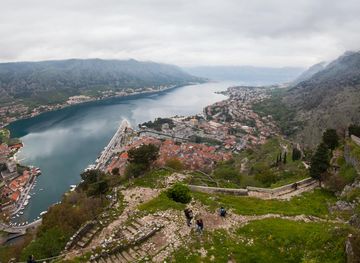
Discover Montenegro: A blend of stunning landscapes, rich history, and vibrant culture on the breathtaking Adriatic coast.
Explore Montenegro