

Free Tivat Travel Guide & Mobile App
Plan your Tivat trip with Evendo. Get free guides to top attractions, restaurants, hotels, and bars. Web access or download the mobile app.


Tivat, Montenegro combines Bay of Kotor scenery, maritime heritage, island excursions, pine-lined promenades and refined waterfront life on the Adriatic coast.
A Small City with a Sheltered Maritime Setting
Tivat occupies a gentle stretch of Montenegro’s Bay of Kotor, where wooded hills, deep blue water and the mountains of the Vrmac peninsula create a dramatic setting without the dense medieval fabric found in nearby Kotor. The town’s waterfront is easy to explore on foot, extending from the modern marina of Porto Montenegro towards the long promenade of Pine and the quieter shore of Donja Lastva. Cafés, swimming areas and small jetties give daily life a distinctly coastal rhythm, while the surrounding bay makes the city a practical base for boat trips and excursions.Read more about Tivat
From Naval Arsenal to Contemporary Waterfront
Island Landscapes and Everyday Coastal Life
When is the best time to visit Tivat?
Best: June–July, September · 27–29°C| Month | High (°C) | Rainfall (mm) |
|---|---|---|
| January | 12 | 70 |
| February | 13 | 60 |
| March | 15 | 60 |
| April | 18 | 50 |
| May | 22 | 40 |
| June (best) | 27 | 20 |
| July (best) | 29 | 20 |
| August | 30 | 20 |
| September (best) | 27 | 40 |
| October | 23 | 50 |
| November | 19 | 70 |
| December | 13 | 70 |
Getting to and around Tivat
How to get there
Transportation
Best attractions in Tivat
Tivat’s attractions bring together maritime history, waterfront leisure and the landscapes of Boka Kotorska. The Naval Heritage Collection, housed in the former naval area, introduces the town’s military and industrial past through vessels and artefacts, while Porto Montenegro offers a contrasting contemporary promenade of marina quays, public spaces and waterfront cafés. Pine, the central seafront, is a pleasant place to observe local life and the movement of boats across the bay. Across the municipality, the island of Miholska Prevlaka, known as the Island of Flowers, preserves the setting of a historic Orthodox monastery and offers a more contemplative coastal visit. The protected Solila wetlands provide a change of scenery, with open lagoons and bird habitat, while Gornja Lastva presents a stone-built hillside village with views over Tivat Bay. Together these places show the area’s shift from naval working town to an accessible base for exploring Montenegro’s maritime landscape.
-
Marina
Porto Montenegro
Explore Porto Montenegro, a luxurious marina offering shopping, dining, and stunning Adriatic views in the heart of Tivat, Montenegro.
3 min walk · 0.2 km from city centre
-
Tourist attraction
Kampana Tower
Explore Kotor's historic Kampana Tower for stunning views and a journey through Montenegro's rich medieval past.
18 min drive · 6.1 km from city centre
-
Ferry service
Ferry Kamenari
Experience breathtaking views and a seamless connection across Montenegro’s stunning Bay of Kotor with the Kamenari Ferry service.
11 min drive · 3.8 km from city centre
-
Public beach
Žanjic Beach
Experience the pristine beauty and serene atmosphere of Žanjic Beach, a must-visit destination on Montenegro's stunning Adriatic coast.
30 min drive · 10 km from city centre


Best landmarks in Tivat
Tivat’s landmarks reflect the town’s maritime, religious and industrial layers. The Naval Heritage Collection occupies part of the former naval arsenal and preserves the memory of the Yugoslav and earlier naval presence that shaped local employment and identity. Porto Montenegro’s renovated waterfront is a contemporary landmark in its own right, marking the transformation of the arsenal into an international marina while retaining links to the site’s working past. The Church of Saint Sava is a prominent modern religious building near the centre, while the island monastery of Miholska Prevlaka, or the Island of Flowers, connects the municipality with medieval Orthodox history. In the older settlements, stone houses, small churches and terraced slopes provide a quieter architectural record than the grand palaces of Perast or Kotor. Gornja Lastva’s traditional village fabric and views across the bay further reveal how religious, agricultural and maritime communities developed around Tivat.
-
Marina
Porto Montenegro
Discover the luxury and charm of Porto Montenegro, where stunning views, vibrant culture, and upscale amenities await every traveler.
3 min walk · 0.2 km from city centre
-
Tourist attraction
Kampana Tower
Discover the breathtaking views and rich history at Kampana Tower in Kotor, Montenegro - a must-visit for every traveler.
18 min drive · 6.1 km from city centre
-
Tourist attraction
Kotor Fortress
Explore Kotor Fortress: A Historic Gem with Panoramic Views of the Breathtaking Bay of Kotor in Montenegro.
20 min drive · 6.6 km from city centre
-
 Catholic cathedral
St. Tryphon's Cathedral
Discover the breathtaking St. Tryphon's Cathedral in Kotor, Montenegro—a stunning blend of history, architecture, and culture in a picturesque coastal setting.
19 min drive · 6.3 km from city centre


Explore Tivat on the map
Plan your Tivat trip on one map. See where the top attractions, landmarks, restaurants, bars and hotels are, find what's near where you're staying, and book hotels and experiences in a few clicks.
Best hotels in Tivat
Best restaurants in Tivat
Tivat’s dining scene is rooted in the seafood and agricultural traditions of Boka Kotorska, with restaurants serving grilled fish, octopus, mussels, prawns and buzara, a preparation of shellfish in wine, garlic and herbs. Black risotto coloured with cuttlefish ink is a familiar Adriatic speciality, while menus may also include pršut from Montenegro’s mountain regions, local cheeses, seasonal vegetables and dishes such as pašticada or kačamak. Cafés and informal waterfront restaurants cluster around the centre, Pine and Porto Montenegro, where the setting is more polished and internationally oriented. The market and small bakeries offer a useful introduction to everyday produce, including bread, fruit and pastries, while wine from Montenegro’s interior and rakija often accompany meals. Dining becomes more varied in summer, but visitors should expect seasonal rhythms and menus that reflect the catch, weather and availability of local ingredients.
-
Restaurant
Big Ben
Experience exquisite dining at Big Ben in Tivat, where local flavors meet international cuisine amidst stunning coastal views.
11 min walk · 0.9 km from city centre
-
Restaurant
Babi - Resto Bar & Wine
Discover exquisite local cuisine at Babi - Resto Bar & Wine in Tivat, Montenegro – where flavor meets elegance in every dish.
9 min walk · 0.7 km from city centre
-
Pizza
Recoleta
Discover authentic Italian pizza at Recoleta in Tivat – where flavor meets stunning views in a cozy atmosphere.
10 min walk · 0.8 km from city centre
-
Restaurant
Bajova Kula
Savor fresh seafood and bask in Kotor Bay's crystal waters at Bajova Kula, where fine dining meets pristine beach club serenity in Montenegro's coastal gem.
18 min drive · 6.2 km from city centre


Best bars in Tivat
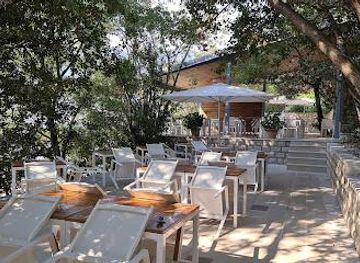
Evenings in Tivat are generally sociable and relaxed rather than centred on a large club scene. Porto Montenegro provides the most conspicuous concentration of cocktail bars, lounges and marina-facing terraces, while Pine and the central waterfront attract people for coffee, drinks and unhurried conversation. In Donja Lastva, smaller seaside venues offer a quieter setting close to the water. During the summer season, temporary events, live music and DJ nights bring more energy to the marina and coastal venues, although programming changes from year to year. The town’s nightlife is closely tied to outdoor terraces and the bay rather than late-night indoor clubs, and the atmosphere can become notably quieter outside the main season. Cultural evenings may include concerts or performances associated with local festivals and waterfront events, but visitors should check current listings rather than assume a permanent programme.
-
Restaurant
Babi - Resto Bar & Wine
Discover the culinary delights of Babi - Resto Bar & Wine in Tivat, Montenegro, where Mediterranean flavors and stunning views come together for an unforgettable dining experience.
9 min walk · 0.7 km from city centre
-
Restaurant
Buddha-Bar Beach Porto Montenegro
Experience luxurious beach dining at Buddha-Bar Beach Porto Montenegro, where Mediterranean and Asian flavors meet stunning Adriatic views.
4 min walk · 0.3 km from city centre
-
Restaurant
Volat Lounge Bar & Restaurant
Discover the vibrant flavors of Montenegro at Volat Lounge Bar & Restaurant, a must-visit culinary gem in Tivat with stunning waterfront views.
11 min walk · 0.9 km from city centre
-
Bar
The Clubhouse
Experience the vibrant atmosphere of The Clubhouse in Tivat, Montenegro, where breathtaking marina views meet delightful drinks and relaxing vibes.
8 min walk · 0.6 km from city centre


Best nightclubs in Tivat
Evenings in Tivat are generally sociable and relaxed rather than centred on a large club scene. Porto Montenegro provides the most conspicuous concentration of cocktail bars, lounges and marina-facing terraces, while Pine and the central waterfront attract people for coffee, drinks and unhurried conversation. In Donja Lastva, smaller seaside venues offer a quieter setting close to the water. During the summer season, temporary events, live music and DJ nights bring more energy to the marina and coastal venues, although programming changes from year to year. The town’s nightlife is closely tied to outdoor terraces and the bay rather than late-night indoor clubs, and the atmosphere can become notably quieter outside the main season. Cultural evenings may include concerts or performances associated with local festivals and waterfront events, but visitors should check current listings rather than assume a permanent programme.
-
Restaurant
Almara Beach Club
Experience the perfect blend of relaxation and vibrant beach culture at Almara Beach Club in Tivat, Montenegro.
21 min drive · 7.0 km from city centre
-
Jazz
Jazz Club Evergreen
Experience the vibrant rhythms of Jazz Club Evergreen, a must-visit destination in Kotor, Montenegro, where each night resonates with soulful melodies.
19 min drive · 6.3 km from city centre
-
Restaurant
Buddha-Bar Beach Porto Montenegro
Experience luxury dining and vibrant nightlife at Buddha-Bar Beach in Porto Montenegro, offering exquisite cuisine and stunning Adriatic views.
4 min walk · 0.3 km from city centre
-
Bar
The Clubhouse
Experience the vibrant atmosphere of The Clubhouse in Tivat, a perfect blend of coffee culture and lively nightlife.
8 min walk · 0.6 km from city centre


Best shops in Tivat
Shopping in Tivat ranges from marina boutiques to everyday local markets. Porto Montenegro contains the town’s most concentrated selection of designer fashion, jewellery, lifestyle goods and polished holiday retail, while central streets provide smaller shops and practical services. The local market is more useful for experiencing the produce culture of the coast and nearby hinterland, with seasonal fruit, vegetables, herbs, cheese and other foodstuffs appearing according to supply. Visitors looking for regional gifts may find Montenegrin wine, olive oil, honey, dried herbs, rakija, ceramics and textiles, although authenticity and quality vary between sellers. Small craft and souvenir shops around the waterfront tend to focus on nautical themes and Bay of Kotor imagery. Tivat is not primarily a traditional craft centre, so distinctive purchases are more likely to be food products and locally made items than a single signature souvenir.
-
Supermarket
VOLI
Experience the essence of Montenegro at VOLI Supermarket in Tivat - your gateway to local flavors, fresh products, and delightful finds.
15 min drive · 4.9 km from city centre
-
Souvenir store
Cats Of Kotor
Explore the enchanting Cats of Kotor, a unique souvenir shop celebrating the feline friends of this historic coastal town.
19 min drive · 6.3 km from city centre
-
Store
Prsut Shop
Experience authentic Montenegrin flavors at the Prsut Shop in Tivat, where artisanal cured meats and local delicacies await every visitor.
6 min walk · 0.5 km from city centre
-
Jewelry store
Jewlery shop ''Vera''
Discover the elegance of handcrafted jewelry and watches at Vera Jewelry Store in Tivat, Montenegro – a true gem for every traveler.
10 min walk · 0.8 km from city centre


Get your free copy of our complete guide to Tivat, delivered straight to you.
Everything on this page, from attractions and restaurants to essentials and local phrases, in one PDF you can read offline, print or share.
Already have an account? Sign in
Your Tivat guide is ready.
We'll send it to · Not you? Sign out

Getting your guide ready…
We are putting together a fresh copy of the Tivat guide. This can take up to a minute.
This can take a few moments. If your browser asks, choose Allow so the download can start. You'll find the guide in your Downloads folder.
Nothing happened? Download it again
Sorry, the guide is taking longer than usual. Please try again in a minute, or get it by email instead.
Tivat essentials
Currency and Payment
Safety
Emergency Situations
Do's and Don'ts
Local Tips
From Eve
Local phrases worth knowing
You don't need to get them perfect. A few words go a long way, and locals appreciate the effort.
Basics
| English | Local | Say it |
|---|---|---|
| Hello | Zdravo | [Zdrah-voh] |
| Goodbye | Doviđenja | [Doh-vee-jen-ya] |
| Yes | Da | [Da] |
| No | Ne | [Neh] |
| Please/You're welcome | Molim | [Moh-leem] |
| Thank you | Hvala | [Hvah-lah] |
| Excuse me/Sorry | Izvinite | [Iz-vee-nee-teh] |
| How are you? | Kako si? | [Kah-koh see?] |
| Fine. And you? | Dobro. A ti? | [Doh-bro. Ah tee?] |
| Do you speak English? | Da li govorite engleski? | [Da lee go-vo-ree-teh eng-les-kee?] |
| I don't understand | Ne razumem | [Neh rah-zoo-mehm] |
Eating & Drinking
| English | Local | Say it |
|---|---|---|
| I'd like to see the menu, please | Molim vas meni | [Moh-leem vahs meh-nee] |
| I don't eat meat | Ne jedem meso | [Neh ye-dehm meh-so] |
| Cheers! | Živeli! | [Zhee-veh-lee] |
| I would like to pay, please | Želim da platim, molim | [Zheh-leem dah plah-teem, moh-leem] |
Emergencies
| English | Local | Say it |
|---|---|---|
| Help! | Pomoć! | [Poh-moh-ch!] |
| Go away! | Otiđi! | [Oh-tee-jee!] |
| Call the Police! | Pozovite policiju! | [Poh-zoh-vee-teh po-lee-tsee-yoo!] |
| Call a doctor! | Pozovite doktora! | [Poh-zoh-vee-teh dohk-toh-rah!] |
| I'm lost | Izgubio/la sam se | [Iz-goo-bee-yo/lah sahm seh] |
| I'm ill | Bolestan/sna sam | [Boh-les-tahn/snah sahm] |
Shopping
| English | Local | Say it |
|---|---|---|
| I'd like to buy... | Želim da kupim... | [Zheh-leem dah koo-peem...] |
| I'm just looking | Samo gledam | [Sah-moh gleh-dahm] |
| How much is it? | Koliko košta? | [Koh-lee-koh koh-shta?] |
| That's too expensive | To je previše skupo | [Toh yeh preh-vee-sheh skoo-poh] |
| Can you lower the price? | Možete li spustiti cenu? | [Moh-zheh-teh lee spoo-stee-tee tseh-noo?] |
Time & Numbers
| English | Local | Say it |
|---|---|---|
| What time is it? | Koliko je sati? | [Koh-lee-koh yeh sah-tee?] |
| It's one o'clock | Jedan je sat | [Yeh-dahn yeh saht] |
| Half past (10) | Pola (deset) | [Poh-lah (deh-set)] |
| Morning | Jutro | [Yoo-troh] |
| Afternoon | Popodne | [Poh-pohd-neh] |
| Evening | Veče | [Veh-cheh] |
| Yesterday | Juče | [Yoo-cheh] |
| Today | Danas | [Dah-nahs] |
| Tomorrow | Sutra | [Soo-trah] |
| 1 | Jedan | [Yeh-dahn] |
| 2 | Dva | [Dvah] |
| 3 | Tri | [Tree] |
| 4 | Četiri | [Cheh-tee-ree] |
| 5 | Pet | [Peh-t] |
| 6 | Šest | [Shehst] |
| 7 | Sedam | [Seh-dahm] |
| 8 | Osam | [Oh-sahm] |
| 9 | Devet | [Deh-veht] |
| 10 | Deset | [Deh-set] |
Transport & Directions
| English | Local | Say it |
|---|---|---|
| Where's a/the...? | Gde je... | [Gdeh yeh...] |
| What's the address? | Koja je adresa? | [Koh-yah yeh ah-deh-sah?] |
| Can you show me (on the map)? | Možete li mi pokazati (na mapi)? | [Moh-zheh-teh lee mee poh-kah-zah-tee (nah mah-pee)?] |
| When's the next (bus)? | Kada je sledeći (autobus)? | [Kah-dah yeh sleh-deh-chee (ow-toh-boos)?] |
| A ticket (to ....) | Jednu kartu (za ...) | [Yeh-dnoo kahr-too (zah ...)] |
History of Tivat
Early Settlements and Boka’s Ancient World
The Tivat area formed part of the wider Boka Kotorska landscape long before the modern town emerged. Illyrian communities occupied the eastern Adriatic and were later incorporated into the Roman world, whose roads, estates and maritime networks shaped the region. The bay’s sheltered waters encouraged movement and exchange, while fertile pockets supported agriculture. Later Byzantine influence and the arrival of Slavic populations contributed to the cultural foundations of medieval Boka. Evidence from antiquity and the Middle Ages is scattered rather than concentrated in one monumental urban centre, so Tivat’s earliest history is best understood through the bay’s interconnected settlements, islands and religious sites.
Medieval Teodo and Monastic Foundations
The settlement associated with present-day Tivat developed during the medieval period under the name Teodo, a name linked by tradition to Saint Theodore. The area was connected with the powerful religious and political institutions of Boka, including the monastery on Miholska Prevlaka, often called the Island of Flowers. The island became an important Orthodox centre before suffering destruction and decline in the late medieval period. Medieval communities around the bay depended on seafaring, small-scale farming and trade, and their churches, stone houses and terraced landscapes established patterns that remain visible in Tivat’s wider municipality.
Venetian Rule in the Bay
From the late fifteenth century until the end of the Venetian Republic in 1797, much of Boka Kotorska, including Tivat, was incorporated into the Venetian maritime sphere. Venice strengthened the bay’s commercial and strategic importance while its administrative and cultural influence left a lasting mark on coastal architecture, churches and patterns of trade. Tivat remained less fortified and urbanised than Kotor, but its anchorage and surrounding settlements were tied to the same seaborne economy. After Venice fell, the region passed through a succession of European administrations, reflecting the bay’s continuing military value.
Habsburg Naval Development
Under Austrian and later Austro-Hungarian rule, Tivat acquired a more pronounced naval identity. The Austro-Hungarian authorities developed maritime facilities in the bay, and the arsenal at Tivat became an important centre for the maintenance and repair of naval vessels. This industrial activity drew workers, technicians and administrators, encouraging the settlement’s growth and changing its relationship with the water. Roads, military infrastructure and new public buildings accompanied the naval presence. The arsenal’s legacy is particularly important because it explains why modern Tivat is not simply a resort town but also a place shaped by shipbuilding, engineering and military employment.
The Yugoslav Naval Era
After the First World War, Tivat’s naval facilities continued under the states that followed the Austro-Hungarian Empire and later within socialist Yugoslavia. The arsenal became associated with the Yugoslav Navy, and naval work remained central to the town’s economy and identity throughout much of the twentieth century. Industrial facilities, workers’ housing and military activity gave Tivat a practical, working character distinct from the historic-tourism image of Kotor. The dissolution of Yugoslavia and the subsequent restructuring of state industries eventually altered the role of the arsenal, leaving a large waterfront site poised for a different future.
A New Marina Era
In the twenty-first century, the former naval site was redeveloped as Porto Montenegro, a marina and mixed-use waterfront district that brought new investment, hospitality and international attention to Tivat. The transformation changed the town’s economic profile while preserving selected elements of its industrial and naval past, notably through the Naval Heritage Collection. Tivat now combines the everyday life of a small Montenegrin coastal town with a highly international marina environment. This contrast is central to its contemporary identity: naval memory, local neighbourhoods, bay tourism and luxury-oriented development occupy the same compact shoreline.
Tivat in Photos
Browse through our photo collection highlighting the charm and character of the destination.
Cities near Tivat
The closest cities to Tivat, if you have time for more than one stop.
-

-

-

-
-


Swipe for more cities
Explore more
Explore more of Montenegro
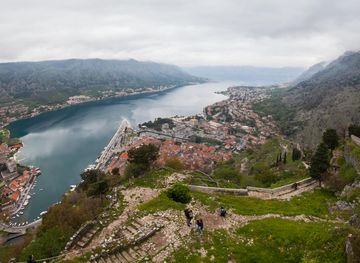
Discover Montenegro: A blend of stunning landscapes, rich history, and vibrant culture on the breathtaking Adriatic coast.
Explore Montenegro