

Free Herceg Novi Travel Guide & Mobile App
Plan your Herceg Novi trip with Evendo. Get free guides to top attractions, restaurants, hotels, and bars. Web access or download the mobile app.


Herceg Novi, Montenegro, pairs Venetian fortresses, Bay of Kotor views, Savina Monastery, seaside promenades and Mediterranean culture for relaxed coastal sightseeing.
A Stairway City on the Bay
Herceg Novi rises above the entrance to the Bay of Kotor, where steep green hills descend towards the Adriatic and the shoreline is threaded by promenades, small beaches and stone quays. Founded in the late fourteenth century, the city has a layered appearance shaped by Ottoman, Venetian, Spanish, Austro-Hungarian and Yugoslav periods. Its historic centre is a succession of flights of steps, shaded lanes and small squares, with sea views appearing between old houses and defensive walls.Read more about Herceg Novi
Fortresses and Historic Quarters
Promenades and Coastal Life
Getting to and around Herceg Novi
How to get there
Transportation
Best attractions in Herceg Novi
Herceg Novi’s attractions are concentrated between its fortified old town and the long seafront. Begin at Trg Hercega Stjepana, or Belavista, where the Church of St Michael stands among stone buildings and cafés, then descend through narrow lanes towards Kanli Kula, a substantial fortress with views across the bay. Forte Mare occupies the shoreline below, while the remains of Španjola rise above the town on the wooded hillside. Savina Monastery, set among cypresses and Mediterranean gardens, offers a quieter encounter with the region’s Orthodox heritage. Along the coast, Šetalište Pet Danica links beaches, swimming platforms and small bays, making it an attraction in its own right rather than simply a route between sights. The city’s galleries, summer performances and seasonal Mimosa Festival add cultural interest, while boat trips around the Bay of Kotor reveal Herceg Novi from the water.
-
Marina
Porto Montenegro
Explore Porto Montenegro: A luxurious marina destination with fine dining, shopping, and breathtaking Adriatic views.
33 min drive · 13 km from city centre
-
Historical landmark
Old Town
Explore the enchanting Old Town of Herceg Novi, a historical landmark rich in culture, stunning views, and local charm along the Adriatic coast.
7 min walk · 0.6 km from city centre
-
Tourist attraction
Kampana Tower
Discover the historic Kampana Tower in Kotor, Montenegro, where stunning views meet rich heritage in this UNESCO World Heritage site.
40 min drive · 20 km from city centre
-
Ferry service
Ferry Kamenari
Experience the stunning landscapes of Montenegro with a scenic ferry ride across the Bay of Kotor at Ferry Kamenari.
32 min drive · 12 km from city centre


Best landmarks in Herceg Novi
Herceg Novi’s principal landmarks express its strategic position at the mouth of the Bay of Kotor. Forte Mare, built and modified over successive periods beside the sea, is the city’s most recognisable defensive monument and a powerful viewpoint over the harbour. Kanli Kula, whose name is commonly translated as Bloody Tower, dominates the upper old town and now serves as an atmospheric setting for cultural events. On the hillside, Španjola preserves another chapter of the town’s military history. Trg Hercega Stjepana is framed by the Church of St Michael and the urban fabric of Belavista, while Savina Monastery represents the area’s enduring Orthodox tradition through its churches, artworks and wooded setting. Along the shore, the Pet Danica promenade is a modern civic landmark: its bridges, stone edges and sea-facing route connect the historic town with the everyday life of the coast.
-
Historical landmark
Old Town
Explore the enchanting Old Town of Herceg Novi, a historical landmark with stunning architecture and breathtaking views of the Adriatic Sea.
7 min walk · 0.6 km from city centre
-
Restaurant
Gradska Kafana
Experience the vibrant flavors of Montenegro at Gradska Kafana, a charming restaurant in Herceg Novi known for its local cuisine and welcoming atmosphere.
3 min walk · 0.3 km from city centre
-
Cafe
Do-Do Café
Discover a delightful café experience at Do-Do Café in Herceg Novi, serving excellent coffee and local pastries along the stunning Pet Danica Walkway.
4 min walk · 0.3 km from city centre
-
Restaurant
Konoba Feral
Experience the authentic flavors of Montenegro at Konoba Feral, a culinary haven in Herceg Novi offering delicious local dishes in a charming setting.
5 min walk · 0.4 km from city centre


Explore Herceg Novi on the map
Plan your Herceg Novi trip on one map. See where the top attractions, landmarks, restaurants, bars and hotels are, find what's near where you're staying, and book hotels and experiences in a few clicks.
Best hotels in Herceg Novi
Best restaurants in Herceg Novi
Herceg Novi’s food culture reflects its position between the Adriatic and the mountainous interior. Menus commonly feature grilled fish, squid, prawns, mussels and octopus, alongside Mediterranean vegetables, olive oil and seasonal herbs. Local-style seafood is often served simply, allowing the quality of the catch to lead, while meat dishes and stews reveal Montenegro’s inland culinary connections. In the old town and along the waterfront, restaurants and konobas—traditional-style taverns—range from casual plates and pizzas to more substantial meals with bay views. Njegoševa Street and the seafront are convenient for cafés and ice cream, while the market provides a glimpse of local fruit, vegetables, cheese and cured products. Burek, a savoury pastry found across the Balkans, makes a practical breakfast or snack, and Montenegrin wines, fruit brandies and strong coffee accompany many meals.
-
Restaurant
Gradska Kafana
Experience authentic Montenegrin cuisine at Gradska Kafana in Herceg Novi – where flavor meets tradition in a charming coastal setting.
3 min walk · 0.3 km from city centre
-
Restaurant
Seki Nautilus
Experience exquisite seafood dining with stunning Adriatic views at Seki Nautilus in Herceg Novi.
18 min walk · 1.5 km from city centre
-
Restaurant
Tri Lipe
Discover exquisite Mediterranean flavors at Tri Lipe in Herceg Novi—a must-visit culinary destination for tourists seeking authentic Montenegrin cuisine.
6 min walk · 0.5 km from city centre
-
Restaurant
Ilijada Restaurant
Experience Mediterranean culinary delights at Ilijada Restaurant in Herceg Novi - where every meal is a celebration of flavor and ambiance.
5 min drive · 1.7 km from city centre


Best bars in Herceg Novi
Evenings in Herceg Novi tend to centre on the waterfront, old-town squares and the promenade rather than on a large club scene. Cafés and bars around Škver and along Šetalište Pet Danica provide relaxed places for coffee, beer, wine or cocktails, with the sound of the bay and passing boats shaping the atmosphere. Belavista and the lanes below Kanli Kula become sociable meeting points after sunset, particularly in summer. The city’s cultural calendar can be more important than nightlife in the narrow sense, with concerts, theatre, film events and open-air performances held during the warmer months. Live music appears in seasonal venues, while larger parties and late-night entertainment are more commonly associated with nearby coastal resorts. During the Mimosa Festival, public events and processions bring an especially festive character to the town.
-
Restaurant
Gradska Kafana
Experience the authentic flavors of Montenegro at Gradska Kafana, a charming restaurant in Herceg Novi with stunning sea views and a warm atmosphere.
3 min walk · 0.3 km from city centre
-
Restaurant
Beach club Raffaelo
Experience luxury and relaxation at Raffaelo Beach Club, a premier dining and leisure destination on the stunning Adriatic coast of Herceg Novi.
11 min walk · 0.9 km from city centre
-
Bar
People's
Experience vibrant nightlife and delicious Mediterranean flavors at People's Beach Bar in Herceg Novi, Montenegro.
10 min walk · 0.8 km from city centre
-
Pub
Pub Got
Discover the lively ambiance and unique drink offerings at Pub Got, a premier pub in Herceg Novi, Montenegro, where locals and tourists unite.
6 min walk · 0.5 km from city centre


Best nightclubs in Herceg Novi
Evenings in Herceg Novi tend to centre on the waterfront, old-town squares and the promenade rather than on a large club scene. Cafés and bars around Škver and along Šetalište Pet Danica provide relaxed places for coffee, beer, wine or cocktails, with the sound of the bay and passing boats shaping the atmosphere. Belavista and the lanes below Kanli Kula become sociable meeting points after sunset, particularly in summer. The city’s cultural calendar can be more important than nightlife in the narrow sense, with concerts, theatre, film events and open-air performances held during the warmer months. Live music appears in seasonal venues, while larger parties and late-night entertainment are more commonly associated with nearby coastal resorts. During the Mimosa Festival, public events and processions bring an especially festive character to the town.
-
Bar
Yachting Club 32
Experience the vibrant atmosphere and exquisite cuisine at Yachting Club 32, the perfect spot for relaxation and socializing in Herceg Novi.
1 min walk · 0.1 km from city centre
-
Night club
People's
Experience the vibrant nightlife at People's Night Club in Herceg Novi, where cocktails, music, and fun come together on the stunning Montenegrin coast.
10 min walk · 0.8 km from city centre
-
Pub
Pub Got
Discover the heart of Herceg Novi at Pub Got, where local flavors and vibrant nightlife come together in a cozy, welcoming atmosphere.
6 min walk · 0.5 km from city centre
-
Night club
La Bamba
Experience the vibrant nightlife at La Bamba, Igalo's premier night club offering electrifying music and an unforgettable atmosphere.
16 min walk · 1.2 km from city centre



Best shops in Herceg Novi
Shopping in Herceg Novi is most rewarding in the old town, central market and streets leading towards the waterfront. Small shops sell postcards, beach goods, jewellery, ceramics and locally themed gifts, while the market offers seasonal fruit, vegetables, herbs, olives, honey and other products from the surrounding region. Visitors may also find Montenegrin wines, rakija, olive oil and dried foods suitable for taking home, subject to customs rules and transport restrictions. The lanes around Belavista have a more independent, craft-oriented character than the larger commercial areas, although stock and opening patterns can be seasonal. Along Njegoševa Street and the promenade, cafés and everyday shops sit alongside holiday retail. Bargaining is not a general expectation in ordinary shops; in markets, polite questions about locally produced goods are more appropriate than assuming every item is handmade.
-
Shopping mall
HDL Novi Mall
Experience the vibrant shopping and dining scene at HDL Novi Mall, a delightful destination in Sutorina, Montenegro, for all your retail desires.
10 min drive · 3.2 km from city centre
-
Supermarket
VOLI
Discover the vibrant shopping experience at VOLI Supermarket in Tivat, where local flavors and essentials meet.
33 min drive · 13 km from city centre
-
Coffee shop
Koffein Specialty coffee shop
Experience the rich flavors of Montenegro at Koffein Specialty Coffee Shop in Herceg Novi, a must-visit for coffee lovers seeking quality and ambiance.
6 min walk · 0.5 km from city centre
-
Musical instrument store
Music Shop
Explore the vibrant Music Shop in Herceg Novi, your gateway to a world of musical instruments and local culture.
12 min walk · 0.9 km from city centre



Get your free copy of our complete guide to Herceg Novi, delivered straight to you.
Everything on this page, from attractions and restaurants to essentials and local phrases, in one PDF you can read offline, print or share.
Already have an account? Sign in
Your Herceg Novi guide is ready.
We'll send it to · Not you? Sign out

Getting your guide ready…
We are putting together a fresh copy of the Herceg Novi guide. This can take up to a minute.
This can take a few moments. If your browser asks, choose Allow so the download can start. You'll find the guide in your Downloads folder.
Nothing happened? Download it again
Sorry, the guide is taking longer than usual. Please try again in a minute, or get it by email instead.
Herceg Novi essentials
Currency and Payment
Safety
Emergency Situations
Do's and Don'ts
Local Tips
From Eve
Local phrases worth knowing
You don't need to get them perfect. A few words go a long way, and locals appreciate the effort.
Basics
| English | Local | Say it |
|---|---|---|
| Hello | Zdravo | [ZDRAH-voh] |
| Goodbye | Doviđenja | [doh-VEE-jen-ya] |
| Yes | Da | [dah] |
| No | Ne | [neh] |
| Please/You're welcome | Molim | [MOH-leem] |
| Thank you | Hvala | [HVAH-lah] |
| Excuse me/Sorry | Izvinite | [eez-VEE-nee-teh] |
| How are you? | Kako si? | [KAH-koh see] |
| Fine. And you? | Dobro. A ti? | [DOH-bro. ah tee] |
| Do you speak English? | Govorite li engleski? | [GOH-voh-ree-teh lee ENG-les-kee] |
| I don't understand | Ne razumijem | [neh rah-ZOO-mee-yem] |
Eating & Drinking
| English | Local | Say it |
|---|---|---|
| I'd like to see the menu, please | Mogu li vidjeti meni, molim | [MOH-goo lee VEE-dyeh-tee MEH-nee, MOH-leem] |
| I don't eat meat | Ne jedem meso | [neh YEH-dem MEH-so] |
| Cheers! | Živjeli! | [ZHEEV-ye-lee] |
| I would like to pay, please | Želim platiti, molim | [ZHEH-leem PLAH-tee-tee, MOH-leem] |
Emergencies
| English | Local | Say it |
|---|---|---|
| Help! | Pomoć! | [POH-mohtch] |
| Go away! | Odlazi! | [OHD-lah-zee] |
| Call the Police! | Zovite policiju! | [ZOH-vee-teh poh-LEE-tsee-yoo] |
| Call a doctor! | Zovite doktora! | [ZOH-vee-teh DOHK-toh-rah] |
| I'm lost | Izgubio/la sam se | [eez-GOO-byoh/lah sahm seh] |
| I'm ill | Bolestan/na sam | [BOH-leh-stahn/nah sahm] |
Shopping
| English | Local | Say it |
|---|---|---|
| I'd like to buy... | Želim kupiti... | [ZHEH-leem KOO-pee-tee] |
| I'm just looking | Samo gledam | [SAH-moh GLEH-dahm] |
| How much is it? | Koliko košta? | [KOH-lee-koh KOSH-tah] |
| That's too expensive | To je previše skupo | [toh yeh PREH-vee-sheh SKOO-poh] |
| Can you lower the price? | Možete li spustiti cijenu? | [MOH-zheh-teh lee SPOO-stee-tee TSEE-yeh-noo] |
Time & Numbers
| English | Local | Say it |
|---|---|---|
| What time is it? | Koliko je sati? | [KOH-lee-koh yeh SAH-tee] |
| It's one o'clock | Jedan je sat | [YEH-dahn yeh saht] |
| Half past (10) | Pola (deset) | [POH-lah (DEH-seht)] |
| Morning | Jutro | [YOO-troh] |
| Afternoon | Popodne | [POH-pohd-neh] |
| Evening | Veče | [VEH-cheh] |
| Yesterday | Juče | [YOO-cheh] |
| Today | Danas | [DAH-nahs] |
| Tomorrow | Sutra | [SOO-trah] |
| 1 | Jedan | [YEH-dahn] |
| 2 | Dva | [dvah] |
| 3 | Tri | [tree] |
| 4 | Četiri | [CHEH-tee-ree] |
| 5 | Pet | [peht] |
| 6 | Šest | [shest] |
| 7 | Sedam | [SEH-dahm] |
| 8 | Osam | [OH-sahm] |
| 9 | Devet | [DEH-veht] |
| 10 | Deset | [DEH-seht] |
Transport & Directions
| English | Local | Say it |
|---|---|---|
| Where's a/the...? | Gdje je... | [gd-yeh yeh] |
| What's the address? | Koja je adresa? | [KOH-yah yeh AH-dreh-sah] |
| Can you show me (on the map)? | Možete li mi pokazati (na mapi)? | [MOH-zheh-teh lee mee poh-KAH-zah-tee (nah MAH-pee)] |
| When's the next (bus)? | Kada je sljedeći (autobus)? | [KAH-dah yeh SLYEH-dey-chee (OW-toh-boos)] |
| A ticket (to ....) | Jednu kartu (za ....) | [YEH-dnoo KAR-too (zah)] |
History of Herceg Novi
Medieval Foundation by the Bay
Herceg Novi was founded in 1382 by Tvrtko I, the Bosnian king, as a new settlement at the entrance to the Bay of Kotor. It was initially known as Sveti Stefan, although the name Herceg Novi became established later. The location offered access to maritime routes and a strategic position between the Adriatic coast and the inland Balkans. The settlement developed around a fortified upper town and a harbour, while its position made it a valuable prize for competing regional powers. This medieval foundation remains visible in the city’s elevated historic core, its defensive alignments and the relationship between the old town and the water below.
The Rise of Herceg Stjepan
The city’s later name reflects the influence of Stjepan Vukčić Kosača, the powerful fifteenth-century lord who held much of present-day Herzegovina and used the title herceg, from which the word ‘duke’ is derived. Under his authority, the settlement became associated with Herceg Stjepan and developed further as a fortified coastal centre. Its position on the bay brought commercial opportunity but also exposed it to rivalry among Venice, the Ottoman Empire and local rulers. The period helped establish the political and strategic importance that shaped Herceg Novi for centuries, even as control of the town changed repeatedly.
Ottoman Rule and Coastal Rivalries
The Ottoman Empire captured Herceg Novi in 1482, beginning a long period of Ottoman rule interrupted by brief occupations. Ottoman authorities strengthened the town’s fortifications and integrated it into the empire’s Adriatic frontier. The city’s military importance was evident in the construction and adaptation of defensive works, including the fortress later known as Kanli Kula. Venetian forces seized Herceg Novi temporarily in the seventeenth century before the Ottomans regained control. These conflicts left a complex architectural and cultural imprint, with the town developing as a meeting point between Ottoman inland connections and maritime communities around the Bay of Kotor.
Venetian and Habsburg Transformations
In 1687, during the Morean War, Venetian forces took Herceg Novi from the Ottomans. Venetian administration lasted until the fall of the Republic of Venice in 1797, after which the town passed through several short-lived imperial arrangements. The Habsburg monarchy eventually incorporated Herceg Novi into the Austrian Empire, later Austria-Hungary, in 1814. The nineteenth century brought new administrative systems, military investment and closer integration with the wider eastern Adriatic. Fortifications were maintained and expanded, while the town’s maritime connections and position at the bay entrance continued to influence its economic and strategic life.
From the World Wars to Yugoslavia
The upheavals of the twentieth century altered Herceg Novi’s political identity several times. After the First World War, it became part of the Kingdom of Serbs, Croats and Slovenes, later Yugoslavia. Italian occupation during the Second World War was followed by liberation and incorporation into socialist Yugoslavia. The post-war period brought new roads, public services and tourism development, gradually shifting the city from a primarily strategic and maritime settlement towards a coastal resort and cultural centre. The waterfront promenade and modern neighbourhoods expanded around the older fortified core, creating the layered urban form visible today.
A Montenegrin Cultural and Maritime Centre
Following the breakup of Yugoslavia, Herceg Novi became part of the Federal Republic of Yugoslavia, then Serbia and Montenegro, and since 2006 has belonged to independent Montenegro. Tourism, maritime recreation and cultural events now play a central role in the local economy, while the historic fortresses and religious buildings remain important markers of the city’s past. The Mimosa Festival, established in the twentieth century, reflects Herceg Novi’s milder coastal climate and its tradition of public cultural celebrations. Contemporary life continues to balance the demands of a seasonal seaside destination with the everyday character of a settled Bay of Kotor community.
Herceg Novi in Photos
Browse through our photo collection highlighting the charm and character of the destination.
Cities near Herceg Novi
The closest cities to Herceg Novi, if you have time for more than one stop.
-

-

-

-

-


Swipe for more cities
Explore more
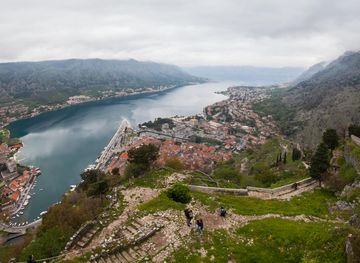
Explore more of Montenegro
Discover Montenegro: A blend of stunning landscapes, rich history, and vibrant culture on the breathtaking Adriatic coast.
Explore Montenegro