

Dades Valley Travel Guide - Free Web & App
Your ultimate guide to Dades Valley. Discover top landmarks, proposed trips, and local tips. Free on the web or via the Evendo companion app.


Explore Morocco’s Dades Valley for red-rock gorges, Amazigh villages, earthen kasbahs, oasis walks and scenic High Atlas roads near Boumalne-Dades.
Landscape and Local Character
Dades Valley follows the Oued Dades through the southern flank of Morocco’s High Atlas, linking the town of Boumalne-Dades with the mountain settlement of Msemrir. Its most recognised scenery lies around the lower valley, where red and ochre cliffs, cultivated terraces, palm-filled oases and densely built earthen villages create a striking contrast with the dry uplands. The river supports narrow strips of agriculture, while the surrounding slopes rise towards the rugged landscapes of the central High Atlas.Read more about Dades Valley
Kasbahs, Villages and the Valley Road
Exploring the High Atlas South
When is the best time to visit Dades Valley?
Best: December–February · 22–26°C| Month | High (°C) | Rainfall (mm) |
|---|---|---|
| January (best) | 22 | 10 |
| February (best) | 26 | 10 |
| March | 31 | 10 |
| April | 36 | 10 |
| May | 39 | 10 |
| June | 42 | 0 |
| July | 44 | 0 |
| August | 44 | 0 |
| September | 42 | 0 |
| October | 37 | 10 |
| November | 31 | 10 |
| December (best) | 26 | 10 |
Getting to and around Dades Valley
How to get there
Transportation
Best attractions in Dades Valley
The Dades Valley’s principal attractions unfold along the road from Boumalne-Dades into the gorge. Lower sections combine date palms, orchards, irrigated plots and compact villages built from earth, while the gorge narrows between richly coloured cliffs and folded rock strata. The celebrated hairpin bends near Aït Essaïm provide a memorable road viewpoint, although they are best treated as part of a wider mountain journey rather than an isolated attraction. Short walks near the valley floor reveal irrigation channels, gardens and village architecture, while the road towards Msemrir leads into increasingly rugged High Atlas scenery. Visitors interested in traditional buildings can look for kasbahs and fortified compounds, remembering that many are private, occupied or weathered. The Valley of the Roses lies to the west and can be combined with the Dades area on a wider regional itinerary, but it is a distinct valley and agricultural landscape rather than part of the Dades Gorge itself.
-
Tourist attraction
Dades panoramic view
Discover the breathtaking beauty of Dades Panoramic View, where mountains and valleys create an unforgettable experience in Morocco.
-
Tourist attraction
Dadès Vallei
Explore the stunning landscapes and rich culture of Dadès Valley, a breathtaking gem in Morocco's High Atlas Mountains, perfect for adventurers and culture seekers.
-
Hiking area
Pattes Des Singes
Discover the breathtaking hiking trails of Pattes Des Singes in Gorges du Dadès, a paradise for outdoor enthusiasts and nature lovers in Morocco.
-
Tourist attraction
Monkey Paw Mountains
Explore the surreal landscapes of the Monkey Paw Mountains, a breathtaking destination for hikers and nature lovers in Morocco's stunning outdoors.


Best landmarks in Dades Valley
The Dades Gorge is the valley’s defining natural landmark, where the Oued Dades has cut through layers of folded sedimentary rock to form narrow passages and dramatic coloured walls. The winding road above the gorge, especially the series of bends near Aït Essaïm, has become one of the area’s best-known visual signatures. Along the valley floor, fortified earthen compounds, kasbahs and dense village settlements express the architectural relationship between Amazigh communities, irrigation and the desert-edge climate. The Oued Dades itself is a central cultural and geographical landmark because its water sustains orchards and gardens amid arid slopes. Towards Msemrir, the landscape becomes more distinctly alpine and remote, with high plateaux, exposed rock and mountain valleys replacing the gentler oasis scenes of the lower Dades.
-
Ravine
Dadès Gorges
Discover the breathtaking beauty of Dadès Gorges, a stunning ravine in Morocco with vibrant landscapes and rich cultural heritage.
-
Guest house
Auberge Chez Pierre
Experience the breathtaking beauty of Boumalne Dades at Auberge Chez Pierre - a charming guest house offering local hospitality and culinary delights.
-
Tourist attraction
Gorges Dadés
Explore Gorges Dadés, a stunning gorge in Morocco known for its dramatic landscapes, vibrant colors, and rich Berber culture.
-
 Hotel
Labyrinth kasbah Dades
Experience the stunning beauty and rich culture of Morocco at Labyrinth Kasbah Dades, a unique hotel in the heart of Dades Valley.


Explore Dades Valley on the map
Plan your trip on one map. See where the top attractions, landmarks, restaurants and hotels are, and book hotels and experiences in a few clicks.
Best hotels in Dades Valley
Best restaurants in Dades Valley
Dining in the Dades Valley is concentrated in Boumalne-Dades, village guesthouses and small hotels along the approach to the gorge, with fewer independent options in the upper valley. Meals commonly draw on Moroccan staples such as tajine, couscous, harira, salads, bread and mint tea, with ingredients shaped by oasis agriculture and the wider southern Moroccan food tradition. Guesthouse meals can be particularly useful in rural sections, where kitchens may serve set menus based on what is available locally rather than an extensive à la carte choice. Visitors may also encounter seasonal fruit, dates and almonds from the broader oasis region. In smaller settlements, it is sensible to arrange meals with accommodation in advance and carry snacks for longer drives or walks. Vegetarian food is often available, but dietary requirements should be explained clearly when booking.
-
Restaurant
Dar Ahlam Dades hotel
Discover luxury dining and serene accommodations at Dar Ahlam Dades, where authentic Moroccan flavors meet breathtaking landscapes.
-
Restaurant
CAFE RESTAURANT ROOFTOP ATLAS DADES
Discover Café Restaurant Rooftop Atlas Dades: where exquisite Moroccan cuisine meets breathtaking views of the Atlas Mountains.
-
Restaurant
Auberge Chez Pierre
Experience authentic Moroccan cuisine and hospitality at Auberge Chez Pierre in Boumalne Dades, surrounded by breathtaking natural beauty.
-
Restaurant
Riad Restaurant Pizzeria Marhaba
Discover Riad Restaurant Pizzeria Marhaba in Boumalne Dades - where authentic Moroccan flavors meet Italian culinary delights amidst breathtaking landscapes.


Best bars in Dades Valley
The Dades Valley has no significant nightclub scene, and evening life is generally quiet and linked to family-run accommodation, village cafés and traditional restaurants rather than late-night entertainment. In Boumalne-Dades, visitors may find simple cafés where local residents meet for tea, coffee and conversation, while guesthouses sometimes provide communal evening meals or a place to sit beneath the clear rural sky. Alcohol is not universally available and should never be assumed in small villages or family establishments; larger tourist-oriented hotels may have different arrangements. Evenings farther into the gorge are primarily about rest, conversation and the sound of the river or surrounding countryside, with Ouarzazate and other larger towns offering a wider range of commercial entertainment outside the valley.
-
Restaurant
CAFE RESTAURANT ROOFTOP ATLAS DADES
Discover Rooftop Atlas Dades: A culinary oasis in Boumalne Dades with stunning views and delightful Moroccan and international delicacies.
-
Restaurant
Riad Restaurant Pizzeria Marhaba
Discover a delightful blend of Moroccan and Italian flavors at Riad Restaurant Pizzeria Marhaba in Boumalne Dades, where culinary excellence meets breathtaking views.
-
Diner
Café-restaurant Timzzillite Chez Mohamed
Discover the authentic flavors of Morocco at Café-Restaurant Timzzillite Chez Mohamed, where tradition meets taste in a vibrant dining atmosphere.
-
Restaurant
Restaurant Chez Aïcha Timlalt
Experience the essence of Moroccan cuisine at Restaurant Chez Aïcha Timlalt in the breathtaking Dades Gorge.


Best nightclubs in Dades Valley
The Dades Valley has no significant nightclub scene, and evening life is generally quiet and linked to family-run accommodation, village cafés and traditional restaurants rather than late-night entertainment. In Boumalne-Dades, visitors may find simple cafés where local residents meet for tea, coffee and conversation, while guesthouses sometimes provide communal evening meals or a place to sit beneath the clear rural sky. Alcohol is not universally available and should never be assumed in small villages or family establishments; larger tourist-oriented hotels may have different arrangements. Evenings farther into the gorge are primarily about rest, conversation and the sound of the river or surrounding countryside, with Ouarzazate and other larger towns offering a wider range of commercial entertainment outside the valley.
-
Ravine
Dadès Gorges
Explore the breathtaking beauty of Dadès Gorges, a stunning ravine in Morocco offering adventure and cultural immersion.
-
Restaurant
CAFE RESTAURANT ROOFTOP ATLAS DADES
Experience the breathtaking views and delicious Moroccan cuisine at Cafe Restaurant Atlas Dades, your rooftop dining destination in Boumalne Dades.
-
Guest house
Auberge Chez Pierre
Discover the enchanting Auberge Chez Pierre, where comfort meets the breathtaking beauty of the Dades Gorges in Morocco.
-
Hotel
Labyrinth kasbah Dades
Discover the breathtaking beauty and rich culture of the Dades Valley at Labyrinth Kasbah Dades, your perfect Moroccan retreat.


Best shops in Dades Valley
Shopping in the Dades Valley is modest and practical, with most everyday provisions found in Boumalne-Dades and village shops rather than in a dedicated retail district. Visitors may encounter small craft and souvenir businesses selling woven textiles, carpets, pottery, jewellery, leather goods and decorative items associated with southern Morocco, though selection and authenticity vary. Local food products such as dates, almonds and other oasis produce may appear seasonally, while rose products are more strongly associated with the neighbouring Valley of the Roses. Buying directly from craftspeople or established local businesses can support household economies, but shoppers should ask about provenance and negotiate respectfully. Larger purchases, specialist outdoor equipment and a broader choice of regional goods are generally easier to find in Ouarzazate, Tinghir or Marrakesh than in the upper valley.
-
Hotel
Dades Xaluca Hotel
Discover the serene beauty and luxurious comfort of Dades Xaluca Hotel in Morocco's mesmerizing Dades Valley, your perfect getaway.
-
Hotel
Dar Ahlam Dades hotel
Experience the allure of Moroccan luxury at Dar Ahlam Dades, where traditional hospitality meets breathtaking landscapes.
-
Ravine
Dadès Gorges
Discover the breathtaking beauty of Dadès Gorges, a stunning natural ravine in Morocco's Atlas Mountains, offering adventure and rich cultural experiences.
-
Guest house
Auberge Chez Pierre
Discover the captivating beauty and authentic charm of Auberge Chez Pierre nestled in the stunning Dades Gorges of Morocco.


Get your free copy of our complete guide to Dades Valley, delivered straight to you.
Everything on this page, from attractions and restaurants to essentials and local phrases, in one PDF you can read offline, print or share.
Already have an account? Sign in
Your Dades Valley guide is ready.
We'll send it to · Not you? Sign out

Getting your guide ready…
We are putting together a fresh copy of the Dades Valley guide. This can take up to a minute.
This can take a few moments. If your browser asks, choose Allow so the download can start. You'll find the guide in your Downloads folder.
Nothing happened? Download it again
Sorry, the guide is taking longer than usual. Please try again in a minute, or get it by email instead.
Dades Valley essentials
Currency and Payment
Safety
Emergency Situations
Do's and Don'ts
Local Tips
From Eve
Local phrases worth knowing
You don't need to get them perfect. A few words go a long way, and locals appreciate the effort.
Basics
| English | Local | Say it |
|---|---|---|
| Hello | Salam | [sah-lahm] |
| Goodbye | Beslama | [behs-lah-mah] |
| Yes | Ih | [eeh] |
| No | La | [lah] |
| Please/You're welcome | Afak | [ah-fahk] |
| Thank you | Shukran | [shook-rahn] |
| Excuse me/Sorry | Samahani | [sah-mah-hah-nee] |
| How are you? | Labas? | [lah-bahs] |
| Fine. And you? | Zwin. O ntia? | [zween. oh en-tee-ah] |
| Do you speak English? | Tetkellem Ingles? | [teht-kel-lehm een-glehs] |
| I don't understand | Ma fhimtch | [mah feem-sh] |
Eating & Drinking
| English | Local | Say it |
|---|---|---|
| I'd like to see the menu, please | Bghit nchuf lmenu, afak | [buh-geet en-shoof leh-men-oo, ah-fahk] |
| I don't eat meat | Ma kanmsh lkhodar | [mah kan-mesh el-khoh-dahr] |
| Cheers! | Saha! | [sah-hah] |
| I would like to pay, please | Bghit neda, afak | [buh-geet neh-dah, ah-fahk] |
Emergencies
| English | Local | Say it |
|---|---|---|
| Help! | 3awni! | [ah-weh-nee] |
| Go away! | Sber! | [sbeh-r] |
| Call the Police! | Sbi lbulis! | [sbeh lee-boo-lees] |
| Call a doctor! | Sbi tabib! | [sbeh tah-beeb] |
| I'm lost | Khasni | [khas-nee] |
| I'm ill | Ana mrid | [ah-nah mreed] |
Shopping
| English | Local | Say it |
|---|---|---|
| I'd like to buy... | Bghit nshri... | [buh-geet en-shree] |
| I'm just looking | Ana kaychouf | [ah-nah kay-shoof] |
| How much is it? | Sh7al? | [sh-hal] |
| That's too expensive | Hadshi ghal | [had-shee gahl] |
| Can you lower the price? | Wach t9der t9arreb l9ima? | [wahsh teh-der teh-rebb leh-kee-mah] |
Time & Numbers
| English | Local | Say it |
|---|---|---|
| What time is it? | Sh7al lwa9t? | [sh-hal l-wah-t] |
| It's one o'clock | S3a wa7da | [saht-tah wah-hdah] |
| Half past (10) | Nus l3achra | [noos l-ah-shrah] |
| Morning | Sbah | [s-bah] |
| Afternoon | Dhorb | [doh-rb] |
| Evening | 3ashia | [ah-shee-ah] |
| Yesterday | Ams | [ahms] |
| Today | Lyawm | [lyawm] |
| Tomorrow | Ghadwa | [ghad-wah] |
| 1 | Wahed | [wah-hed] |
| 2 | Jouj | [jooj] |
| 3 | Tlata | [t-la-tah] |
| 4 | Rbia | [r-bee-ah] |
| 5 | Khamsa | [k-ham-sah] |
| 6 | Setta | [seht-tah] |
| 7 | Sb3a | [s-bah-a] |
| 8 | Tmnya | [t-mehn-yah] |
| 9 | Tis3a | [tees-ah] |
| 10 | 3achra | [ah-shrah] |
Transport & Directions
| English | Local | Say it |
|---|---|---|
| Where's a/the...? | Fina kayn... | [fee-nah kayn] |
| What's the address? | Shnu l3nwan? | [sh-noo l-ahn-wan] |
| Can you show me (on the map)? | Wach t9der tfahmni (3la lkhariita)? | [wahsh teh-der teh-fahm-nee ah-lah el-khah-ree-tah] |
| When's the next (bus)? | Fina lba3d? | [fee-nah leh-bahd] |
| A ticket (to ....) | Billett (li ...) | [bee-leht (lee)] |
History of Dades Valley
An Atlas Valley Shaped by Water
The Dades Valley is a river-cut landscape on the southern side of the High Atlas. Over geological time, erosion by the Oued Dades and seasonal runoff carved gorges and exposed layers of red, brown and grey rock. The river’s dependable stretches of water made it possible to cultivate narrow strips of land in an otherwise arid environment. The contrast between irrigated gardens and barren slopes remains one of the valley’s defining geographical features, while the higher country towards Msemrir forms part of a much colder and more rugged mountain setting.
Amazigh Settlement and Oasis Agriculture
The valley has long been inhabited by Amazigh communities whose settlements developed around water, agriculture and movement through the Atlas foothills. Villages traditionally combined irrigated plots with compact earthen dwellings, creating a close relationship between household life and oasis cultivation. Barley, fruit trees and other crops were grown where irrigation allowed, while pastoral activity connected the valley floor with higher mountain pastures. Local customs, architecture and language continue to reflect the cultural identity of the communities living along the Dades corridor.
Kasbahs and Earthen Villages
The fortified houses and kasbahs of the Dades region belong to a wider architectural tradition found across Morocco’s pre-Saharan valleys. Built from earth mixed with straw or other reinforcing material, these structures provided shade and thermal insulation while expressing the status and organisation of extended families or local communities. Their towers, decorative façades and enclosed courtyards were practical as well as ornamental. Many buildings have suffered from erosion, abandonment and the difficulty of maintaining earthen walls, making surviving examples important records of rural settlement history.
Roads, Regional Exchange and Modern Access
For centuries, the valley formed part of movement between the southern oases, the High Atlas and settlements farther north, although it was never a large urban centre. Modern roads changed access by connecting Boumalne-Dades and the gorge with Ouarzazate, Tinghir and the Tizi n’Tichka region via the wider national road network. The mountain road towards Msemrir remains both a local route and a scenic journey. Road access has supported trade, education, services and tourism while also making previously remote landscapes more visible to visitors.
Tourism and Landscape Stewardship
Tourism developed around the valley’s gorges, kasbah architecture, mountain scenery and proximity to other southern Moroccan destinations. Family-run guesthouses and small hotels have become part of the local economy, alongside agriculture and transport services. Visitor interest has brought income but also underlined the vulnerability of earthen architecture, water resources and narrow valley habitats. Responsible travel therefore matters: conserving water, respecting private property, supporting local businesses and avoiding damage to historic walls help maintain the cultural landscape on which the region’s appeal depends.
Dades Valley in Photos
Browse through our photo collection highlighting the charm and character of the destination.
Neighbouring destination travel guides
The closest destinations to Dades Valley, if you have time for more than one.
-

-

-

-

-


Swipe for more destinations
Explore more
Explore more of Saharan Morocco
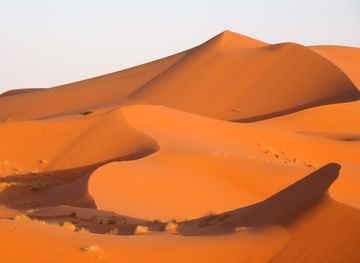
Explore Saharan Morocco through kasbahs, palm oases, caravan towns, Atlantic desert landscapes and guided journeys across the dunes.
Explore Saharan Morocco
Explore more of Morocco
Discover Morocco: A land of rich history, vibrant culture, and stunning landscapes, where ancient traditions meet modern allure.
Explore Morocco