

Free Pyin Oo Lwin Travel Guide & Mobile App
Plan your Pyin Oo Lwin trip with Evendo. Get free guides to top attractions, restaurants, hotels, and bars. Web access or download the mobile app.


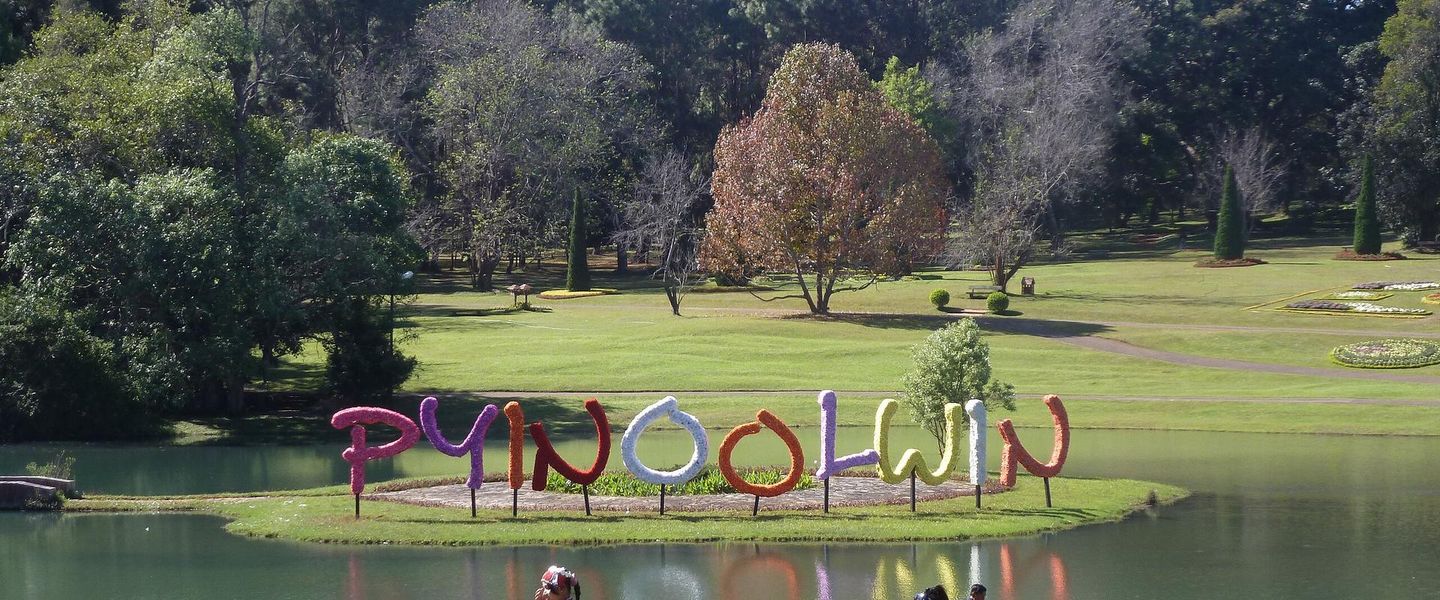


Pyin Oo Lwin blends Myanmar’s colonial hill-station heritage, botanical gardens, Shan flavours and cool highland scenery with memorable mountain escapes.
A Highland Retreat Above Mandalay
Pyin Oo Lwin sits on the Shan Plateau at roughly 1,000 metres above sea level, about 65 kilometres east of Mandalay. Known during the British colonial period as Maymyo, the town developed as a cooler retreat from the heat of the central plains and still has a noticeably different atmosphere: pine, eucalyptus and flowering trees line broad roads, horse-drawn carriages pass through quiet neighbourhoods, and mist often softens the surrounding hills. Its climate and spacious gardens have long made it one of Myanmar’s most distinctive inland destinations.Read more about Pyin Oo Lwin
Colonial Streets and Botanical Landscapes
Beyond the Town
When is the best time to visit Pyin Oo Lwin?
Best: December–February · 24–27°C| Month | High (°C) | Rainfall (mm) |
|---|---|---|
| January (best) | 26 | 12 |
| February (best) | 27 | 11 |
| March | 32 | 24 |
| April | 34 | 134 |
| May | 32 | 346 |
| June | 31 | 537 |
| July | 29 | 504 |
| August | 29 | 476 |
| September | 30 | 426 |
| October | 29 | 235 |
| November | 26 | 74 |
| December (best) | 24 | 25 |
Getting to and around Pyin Oo Lwin
How to get there
Transportation
Best attractions in Pyin Oo Lwin
The National Kandawgyi Gardens are Pyin Oo Lwin’s principal visitor attraction, spreading across landscaped grounds with lakes, woodland, flower displays and collections that reflect the town’s long horticultural tradition. In the centre, Purcell Tower provides a useful point of orientation and a reminder of the colonial-era hill station, while nearby streets reveal old houses, churches and civic buildings in varied states of preservation. The central market offers a more everyday form of sightseeing, with flowers, highland produce and local foods filling its stalls. Outside town, Anisakan Falls drops through wooded countryside and makes a rewarding excursion for visitors prepared for a more demanding walk. Horse-drawn carriages, quiet tree-lined roads and the cooler upland climate are themselves part of Pyin Oo Lwin’s appeal, giving exploration a gentler rhythm than sightseeing in Mandalay.
-
Buddhist temple
Mahamuni Pagoda
Discover the spiritual heart of Mandalay at Mahamuni Pagoda, a revered site filled with rich history and breathtaking beauty.
1 h drive · 40 km from city centre
-
Botanical garden
National Kandawgyi Gardens
Explore the lush landscapes and diverse flora of National Kandawgyi Gardens in Pyin Oo Lwin, a tranquil retreat for nature lovers and tourists.
14 min drive · 4.6 km from city centre
-
Buddhist temple
Kuthodaw Pagoda
Explore Kuthodaw Pagoda in Mandalay, the world's largest book, and immerse yourself in Myanmar's rich spiritual heritage and stunning architecture.
56 min drive · 36 km from city centre
-
Pagoda
Hsinbyume Pagoda (Myatheindan Pagoda)
Discover the enchanting Hsinbyume Pagoda in Min Kun, a serene blend of spirituality and stunning architecture that captivates every traveler.
1 h 6 min drive · 46 km from city centre


Best landmarks in Pyin Oo Lwin
Purcell Tower is Pyin Oo Lwin’s most recognisable central landmark, a clock tower associated with the town’s colonial-era development and its former identity as Maymyo. The older streets contain surviving colonial residences, churches and civic buildings whose verandas, pitched roofs and spacious plots reveal the planning of a British hill station, although many buildings are not open to visitors. The National Kandawgyi Gardens is also a landmark of the town’s horticultural character, combining formal landscaping with a broader botanical setting. Religious buildings belonging to Burmese Buddhist, Christian, Hindu and other communities reflect the town’s diverse population and history of migration. Together, these structures show how a former colonial retreat became an independent Myanmar town without losing the physical traces of its highland origins.
-
Botanical garden
National Kandawgyi Gardens
Discover the tranquil beauty of National Kandawgyi Gardens in Pyin Oo Lwin, a botanical haven filled with vibrant flora and stunning landscapes.
14 min drive · 4.6 km from city centre
-
Buddhist temple
မဟာအံ့ထူးကံသာ မြတ်စွာဘုရား
Experience the serene beauty of Pyin Oo Lwin's Buddhist temple, a cultural gem adorned with stunning architecture and lush gardens.
22 min drive · 7.5 km from city centre
-
Buddhist temple
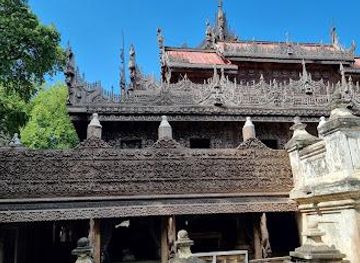
Shwenandaw Buddhist Temple
Explore the stunning Shwenandaw Buddhist Temple, a masterpiece of teak architecture in Mandalay, rich in culture and serenity.
56 min drive · 36 km from city centre
-
Market
Myoma Market
Explore Myoma Market in Pyin Oo Lwin for a vibrant blend of local culture, delicious street food, and unique handicrafts in a lively market atmosphere.
15 min walk · 1.2 km from city centre



Explore Pyin Oo Lwin on the map
Plan your Pyin Oo Lwin trip on one map. See where the top attractions, landmarks, restaurants, bars and hotels are, find what's near where you're staying, and book hotels and experiences in a few clicks.
Best hotels in Pyin Oo Lwin
Best restaurants in Pyin Oo Lwin
Pyin Oo Lwin’s food reflects its position between the Burmese lowlands and the Shan Plateau, with Burmese curries and noodle dishes joined by Shan specialities, Chinese cooking and Indian-influenced snacks. Shan noodles, rice dishes, soups and fermented flavours are common in local eateries, while tea shops provide simple breakfasts, laphet thoke, fried snacks and sweet drinks throughout the day. The central market is useful for seeing the ingredients that shape the surrounding highland cuisine, including flowers, vegetables, strawberries and seasonal fruit. Cooler conditions have also encouraged small-scale coffee and temperate-crop production, giving cafés and local shops a distinctive regional accent. Dining is generally informal, ranging from market stalls and family-run restaurants to cafés serving Burmese, Chinese and Western-style meals, with the best choice concentrated around the town centre rather than in a single formal dining quarter.
-
Restaurant
Feel Restaurant (Lake Front)
Discover delightful flavors at Feel Restaurant by the lake in Pyin Oo Lwin - where culinary artistry meets stunning natural beauty.
7 min drive · 2.5 km from city centre
-
Restaurant
Pan Taw Win
Discover Pan Taw Win: A perfect blend of delicious cuisine, lush greenery, and unique souvenirs in Pyin Oo Lwin.
9 min drive · 3.0 km from city centre
-
Restaurant
Cafe 99 Pyin Oo Lwin
Discover Café 99 in Pyin Oo Lwin - where delicious local cuisine meets cozy ambiance for an unforgettable dining experience.
8 min drive · 2.7 km from city centre
-
Restaurant
December Fresh Milk Food & Bakery
Discover delightful flavors at December Fresh Milk Food & Bakery in Pyin Oo Lwin – where fresh dairy meets exquisite baking.
5 min drive · 1.7 km from city centre


Best bars in Pyin Oo Lwin
Pyin Oo Lwin has a quieter evening scene than Mandalay, centred on teahouses, casual restaurants, small beer stations and hotel or café settings rather than a large club district. The cool air encourages relaxed evenings around the central streets, where residents gather for conversation, tea and simple food, while some established hotels provide more conventional bars for guests. Nightlife is modest and may vary considerably with local conditions, so visitors should not expect late-opening entertainment on the scale of Myanmar’s major cities. Evening cultural experiences are more likely to involve strolling through the lit town centre, sharing a meal or listening to local music informally than attending a programme of dedicated nightlife venues. Roads outside the centre become dark and quiet, making arranged transport preferable after dusk.
-
Bar
CHAMPION KTV
Discover the vibrant nightlife at Champion KTV, a premier karaoke bar in Pyin Oo Lwin offering fun, drinks, and unforgettable music experiences.
8 min drive · 2.7 km from city centre
-
Restaurant
Marco's Cellar Pyin Oo Lwin
Discover the culinary delights at Marco's Cellar in Pyin Oo Lwin, featuring exquisite barbecue, Western cuisine, and an extensive wine selection.
9 min drive · 3.1 km from city centre
-
Bar
Babylon KTV & Entertainment
Discover the lively nightlife at Babylon KTV & Entertainment, where karaoke fun and vibrant ambiance meet in Pyin Oo Lwin.
8 min drive · 2.7 km from city centre
-
Bar
The Hill Bar & Grill
Experience the perfect blend of scenic views, delightful cuisine, and a welcoming atmosphere at The Hill Bar & Grill in Pyin Oo Lwin.
18 min drive · 6.1 km from city centre


Best nightclubs in Pyin Oo Lwin
Pyin Oo Lwin has a quieter evening scene than Mandalay, centred on teahouses, casual restaurants, small beer stations and hotel or café settings rather than a large club district. The cool air encourages relaxed evenings around the central streets, where residents gather for conversation, tea and simple food, while some established hotels provide more conventional bars for guests. Nightlife is modest and may vary considerably with local conditions, so visitors should not expect late-opening entertainment on the scale of Myanmar’s major cities. Evening cultural experiences are more likely to involve strolling through the lit town centre, sharing a meal or listening to local music informally than attending a programme of dedicated nightlife venues. Roads outside the centre become dark and quiet, making arranged transport preferable after dusk.
-
Night market
PyinOoLwin NightMarket
Discover the vibrant flavors and unique crafts at PyinOoLwin Night Market, a cultural gem in Myanmar's picturesque town.
7 min drive · 2.4 km from city centre
-
Bar
CHAMPION KTV
Experience the ultimate karaoke adventure at Champion KTV in Pyin Oo Lwin, where fun and music come together for an unforgettable night out.
8 min drive · 2.7 km from city centre
-
Restaurant
Marco's Cellar Pyin Oo Lwin
Experience the delightful fusion of culinary excellence at Marco's Cellar in Pyin Oo Lwin, offering BBQ, fine wines, and a cozy atmosphere.
9 min drive · 3.1 km from city centre
-
Bar
Babylon KTV & Entertainment
Discover vibrant nightlife at Babylon KTV & Entertainment in Pyin Oo Lwin, where music, drinks, and fun come together for an unforgettable evening.
8 min drive · 2.7 km from city centre




Best shops in Pyin Oo Lwin
Shopping in Pyin Oo Lwin is concentrated around the central market and the streets near the town centre, where visitors find fresh produce, flowers, household goods, snacks and everyday clothing rather than a large modern retail scene. The highland climate is reflected in seasonal strawberries, vegetables, fruit and flowers, while local shops may sell coffee and other agricultural products from the surrounding area. Small tea shops and food stalls provide edible souvenirs, although travellers should check packaging and transport requirements for anything perishable. Traditional textiles, baskets and modest handicrafts can sometimes be found through local markets, but availability changes and the town is not primarily a specialist craft-shopping destination. The market is most rewarding as a glimpse of daily commerce, with Burmese, Shan, Chinese and Indian influences visible in its goods and food stalls.
-
Market
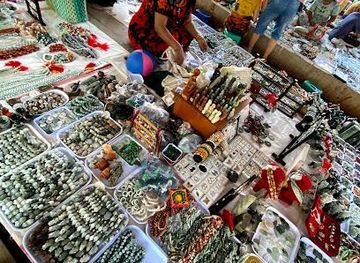
Mandalay Jade and Gemstones Market
Discover the stunning art of Burmese gemstones and jade at Mandalay's vibrant market, a treasure trove for every tourist.
1 h 1 min drive · 41 km from city centre
-
Shoe store
Chit Swe (Shoe Shop)
Discover the charm of local craftsmanship at Chit Swe, Pyin Oo Lwin's go-to shoe store for stylish and comfortable footwear.
6 min drive · 1.9 km from city centre
-
Supermarket
Uni Mart
Explore local and international flavors at Uni Mart, the vibrant supermarket in Pyin Oo Lwin, perfect for all your shopping needs.
5 min drive · 1.6 km from city centre
-
Bakery
FUDO Bakery Pyin Oo Lwin
Explore the delightful flavors of FUDO Bakery in Pyin Oo Lwin, where every bite is a taste of local charm and culinary creativity.
7 min drive · 2.2 km from city centre


Get your free copy of our complete guide to Pyin Oo Lwin, delivered straight to you.
Everything on this page, from attractions and restaurants to essentials and local phrases, in one PDF you can read offline, print or share.
Already have an account? Sign in
Your Pyin Oo Lwin guide is ready.
We'll send it to · Not you? Sign out

Getting your guide ready…
We are putting together a fresh copy of the Pyin Oo Lwin guide. This can take up to a minute.
This can take a few moments. If your browser asks, choose Allow so the download can start. You'll find the guide in your Downloads folder.
Nothing happened? Download it again
Sorry, the guide is taking longer than usual. Please try again in a minute, or get it by email instead.
Pyin Oo Lwin essentials
Currency and Payment
Safety
Emergency Situations
Do's and Don'ts
Local Tips
From Eve
Local phrases worth knowing
You don't need to get them perfect. A few words go a long way, and locals appreciate the effort.
Basics
| English | Local | Say it |
|---|---|---|
| Hello | မင်္ဂလာပါ | [mingalabar] |
| Goodbye | လောက်ဖျက် | [laugh pya] |
| Yes | ဟုတ်ကဲ့ | [hote kae] |
| No | မဟုတ်ဘူး | [ma hote bu] |
| Please/You're welcome | ကျေးဇူး | [chay zu] |
| Thank you | ကျေးဇူး | [chay zu] |
| Excuse me/Sorry | စောက်လုံး | [saw lone] |
| How are you? | ဘယ်သူ့ကိုယ်တာလဲလား | [be thway ko ta lae lar] |
| Fine. And you? | ကောင်းလဲ။ သူ့လား | [kaung lar. su lar] |
| Do you speak English? | အဂၤလိပ်ဒေါင်လား | [a ga lay tho lar] |
| I don't understand | သိမ်းမေတာ့ပါ | [si mae tau ba] |
Eating & Drinking
| English | Local | Say it |
|---|---|---|
| I'd like to see the menu, please | မီနူးကြည့်ရှစ်ပါတယ် | [menu kyi shay pya tai] |
| I don't eat meat | အသက်ဆုံးကော်သိ | [a thar hsu kau si] |
| Cheers! | အတုန်းကြည့် | [a tau nyet] |
| I would like to pay, please | ငွေငွေထားနေပါတယ် | [win win tha ne pya tai] |
Emergencies
| English | Local | Say it |
|---|---|---|
| Help! | ကျော့လွန်း | [kyau lwan] |
| Go away! | နောက်ရှော့ | [nau sha] |
| Call the Police! | ရဲလိုဂေါ်ကိုပြန်ပြော်ပါ | [yei lo go kyo pyan pyau ba] |
| Call a doctor! | အဆင့်မက်ကိုပြန်ပြော်ပါ | [a hsin ma kyo pyan pyau ba] |
| I'm lost | လိုက်တော်ပါသလား | [loke tau ba lar] |
| I'm ill | ကျေးဇူးပြီး | [chay zu pyi] |
Shopping
| English | Local | Say it |
|---|---|---|
| I'd like to buy... | ဝယ်ယူခဲ့လို့ | [wae yu kae loe] |
| I'm just looking | အကြောင်းကြည့်သလို့ | [a kyar ngu nyet sa loe] |
| How much is it? | အစားဘယ်လို့ | [a sa ba lae loe] |
| That's too expensive | အရမ်းသို့မဟုတ်သတ်ပါဘူး | [a yam thu ma hote sa ba bu] |
| Can you lower the price? | စျေးအစားအောင်းနေပါသလား | [se a sa aung tha ne pya lar] |
Time & Numbers
| English | Local | Say it |
|---|---|---|
| What time is it? | ဘယ်အချိန်လဲ | [be a chit lar] |
| It's one o'clock | တဆယ်လဲ | [ta hsa lar] |
| Half past (10) | တန်စွန်လဲ | [tan swan lar] |
| Morning | နံနက် | [nam ne] |
| Afternoon | နောက်ထပ် | [nau hta] |
| Evening | ညနေ | [nya ne] |
| Yesterday | မနေ့လဲ | [ma ne lar] |
| Today | ယနေ့ | [ya ne lar] |
| Tomorrow | မနက်ဖြန်း | [ma ne pyan] |
| 1 | တဆယ် | [ta hsa] |
| 2 | နှစ် | [hnat] |
| 3 | သုံး | [son] |
| 4 | လေး | [lei] |
| 5 | ငါး | [nga] |
| 6 | ခြောက် | [hrawk] |
| 7 | ချောက် | [chawk] |
| 8 | ရှစ် | [shay] |
| 9 | ကိုး | [ku] |
| 10 | တန် | [tan] |
Transport & Directions
| English | Local | Say it |
|---|---|---|
| Where's a/the...? | ဘယ်လို... | [be loe] |
| What's the address? | လိုအပ်တယ်လဲ | [lo pat lar] |
| Can you show me (on the map)? | မင်ကိုပြန်ဖြေပါသလား | [minga pyan paya pya lar] |
| When's the next (bus)? | နောက်ထပ်နော်... | [nau hta nau...] |
| A ticket (to ....) | လောက်ပါပြီ... | [laugh pa pyi...] |
History of Pyin Oo Lwin
Early Shan Settlement and Highland Routes
The uplands around present-day Pyin Oo Lwin were historically connected with Shan communities and the wider network of routes crossing the plateau between Upper Myanmar and the Shan States. Rather than emerging first as a large urban centre, the area developed through village settlement, cultivation and movement across a strategically important highland corridor. Its elevation, fertile soils and cooler conditions later attracted colonial administrators, but the town’s modern identity rests on an older meeting ground between lowland Burmese, Shan and other communities. This layered regional setting helps explain the cultural variety still visible in local food, markets, religious buildings and patterns of settlement.
The Creation of Maymyo
British colonial authorities developed the settlement as a hill station in the late nineteenth century, especially after Upper Burma was annexed in 1886. It became known as Maymyo, meaning ‘May’s Town’, after Colonel James May, a British official associated with its early development. The cool climate made it a seasonal retreat for colonial officials and military personnel based in Mandalay and the central plains. Roads, administrative buildings, churches, clubs and large residences gave the town a spacious layout unlike the denser settlements of the lowlands. Its role was practical as well as residential: the hill station offered a healthier climate for colonial families and an administrative base near routes leading towards the Shan Plateau.
Gardens, Railways and Colonial Society
During the early twentieth century, Maymyo expanded as a centre of colonial leisure, administration and horticulture. Rail connections strengthened its relationship with Mandalay and helped move people and goods through the hills, while the town’s climate encouraged the cultivation of flowers, temperate vegetables and ornamental plants unfamiliar in much of central Myanmar. Formal gardens and broad avenues became defining features, alongside military establishments and private residences. The social order of the colonial hill station was unequal, with facilities and urban space reflecting British authority, yet the town also drew Burmese, Shan, Indian and Chinese residents whose work and commerce sustained daily life. The resulting cultural mixture remains part of Pyin Oo Lwin’s character.
War and the End of Colonial Rule
The Second World War disrupted the hill station’s colonial routine. Japanese forces occupied Burma in 1942, and the conflict brought military movement, shortages and administrative upheaval to the region. British rule ended with Burmese independence in 1948, though the built landscape of the former Maymyo continued to reveal its colonial origins. Residences, religious buildings, civic structures and garden layouts survived in varying condition and were gradually absorbed into an independent Myanmar town. The period also marked a political transformation: the hill station was no longer an exclusive retreat for colonial officials but part of a sovereign state negotiating its own institutions, identities and regional relationships.
Pyin Oo Lwin in Independent Myanmar
After independence, the town increasingly became known by its Burmese name, Pyin Oo Lwin, while Maymyo remained widely used in historical and informal contexts. Its highland climate preserved its importance as a retreat, agricultural centre and military town, and the former botanical garden developed into the National Kandawgyi Gardens. Produce associated with cooler conditions, including flowers, strawberries, vegetables and coffee, continued to shape the local economy. Today, traces of colonial planning coexist with Burmese, Shan, Chinese and Indian cultural influences, while the town’s gardens and surrounding waterfalls connect its historical role as a hill station with a broader identity as a gateway to the uplands east of Mandalay.
Pyin Oo Lwin in Photos
Browse through our photo collection highlighting the charm and character of the destination.
Cities near Pyin Oo Lwin
The closest cities to Pyin Oo Lwin, if you have time for more than one stop.
-

-

-

-

-


Swipe for more cities
Explore more

Explore more of Myanmar (Burma)
Discover Myanmar: A land of golden pagodas, ancient temples, and breathtaking natural beauty, where warm hospitality and rich culture await every traveler.
Explore Myanmar (Burma)